Why Networking Matters So Much for a Non‑US Citizen IMG in Neurology
For a non-US citizen IMG (international medical graduate), strong clinical skills and solid exam scores are necessary—but often not sufficient—to succeed in the neurology residency match. Neurology is increasingly competitive, with programs paying close attention to visas, institutional fit, and evidence that you understand the US system. Networking in medicine becomes one of the most powerful tools you have to bridge these gaps.
Unlike standardized exams, medical networking is how you:
- Get your name and story in front of decision-makers before ERAS opens
- Turn a generic application into a memorable one through personal connections
- Learn which programs are truly IMG- and visa-friendly, beyond what is listed online
- Find mentors and advocates who can write strong, specific letters or speak on your behalf
- Discover research, observership, and elective opportunities that never appear on public websites
For a foreign national medical graduate, smart networking can convert “limited US experience” into “strategic US exposure with strong references.” This article focuses specifically on how a non-US citizen IMG targeting neurology residency can build an authentic, effective network in the US academic and clinical environment.
Understanding the Neurology “Network”: Who Matters and Why
Networking in neurology is not about collecting hundreds of contacts; it is about building the right relationships. Think of your “neuro match” network as concentric circles of people, each playing a different role.
1. Core Circle: Direct Influencers in the Neuro Match
These are people who directly influence your neurology residency chances:
Program Directors (PDs) and Associate PDs
- Make or heavily influence rank list decisions
- Advocate for visa sponsorship (J-1 or sometimes H-1B)
- Can push your application from “maybe” to “interview” if they know you
Neurology Faculty at Target Institutions
- Especially those at programs you want to match into
- Can invite you for research, electives, or observerships
- Write powerful, detailed letters that US PDs trust
Clerkship and Sub-internship Directors (Neurology)
- Directly supervise student performance
- Often asked, “Would you rank this person?” by PDs
- Their feedback and letters carry heavy weight
Program Coordinators
- First line in screening emails and calls
- Know which applications might be reviewed more closely
- Can guide you on visa questions and program fit
2. Middle Circle: Advocates and Connectors
These individuals may not sit on rank committees but can open doors, create introductions, or support your trajectory.
Research Mentors in Neurology or Neuroscience
- Can connect you with neurology departments
- Offer projects that lead to publications/posters (key for your CV)
- Frequently know PDs and fellowship directors personally
Senior Residents and Fellows (Especially Fellows in Neuro Subspecialties)
- Provide honest feedback on programs and culture
- Can forward your CV to faculty or PDs
- Sometimes sit on resident interview panels
Alumni from Your Medical School
- Especially those already in US neurology residency or fellowships
- Understand the unique challenges of a foreign national medical graduate
- More likely to advocate for someone from their own institution
3. Outer Circle: The Wider Neurology and Medical Network
This is the broad professional community you should also cultivate.
Members of Neurology and Neuroscience Societies (AAN, ANA, subspecialty groups)
- Organize educational and research initiatives
- Provide conference networking platforms, mentorship lists, and committees
Interdisciplinary Colleagues (neurosurgery, psychiatry, radiology, rehabilitation)
- Can collaborate on research
- Help you understand the full landscape of neuro-care in the US
Online Communities and Academic Twitter/LinkedIn
- Hashtags like #neurotwitter #neuro #medtwitter
- A modern extension of medical networking, especially useful if you’re starting from abroad
The key principle: Depth is more valuable than breadth. A few people who truly know you and your work will help you more than 200 superficial connections.
Core Strategies: Building a Network as a Non‑US Citizen IMG
1. Start Early and Be Strategic
If you are still in medical school or early in your gap years, treat networking like a long-term project:
- Map your target programs (10–20 neurology residencies, categorized as dream, reach, and realistic)
- Identify:
- PDs, APDs
- Key neurology faculty (especially in your areas of interest such as epilepsy, stroke, movement disorders)
- Any alumni from your school at those institutions
Keep a simple spreadsheet with columns for:
- Name, role, institution
- How you’re connected (email, conference, research, introduction)
- Last contact date and topic
- Next action (follow-up, share abstract, ask for guidance, etc.)
This keeps networking deliberate rather than random.
2. Use Electives, Observerships, and Research as Networking Platforms
Clinical and research experiences are not just CV bullets; they are networking engines.
a. US Clinical Electives and Sub‑Internships
If you can obtain a US neurology elective or sub-I:
Show up early, stay late, and be dependable
- Residents and attendings are more likely to remember hard-working students
- Consistency matters more than occasional brilliance
Ask for feedback regularly
- “Is there anything I can do to improve my presentations or notes?”
- This shows humility and growth mindset—qualities PDs value
Get to know people beyond the ward
- Ask attendings about their subspecialty interests
- Attend conferences, grand rounds, and journal clubs even if not mandatory
- Volunteer to work on small quality improvement (QI) or case reports
End each rotation with 1–2 focused conversations:
- “I’m a non-US citizen IMG applying in neurology in [year]. Do you have any advice about the neuro match process?”
- “Would it be okay if I stay in touch by email and update you on my progress?”
b. Observerships for Those Without Clinical Elective Access
If your degree or timeline limits you to observerships:
- Treat observerships as seriously as electives: be present, prepared, and professional
- Prepare 1–2 short, well-researched questions per day about cases or lectures
- Ask if you can:
- Present a brief case or mini-review during a team meeting
- Help with non-clinical tasks like literature review or data entry for ongoing projects
Even without hands-on duties, you can still leave a strong academic and professional impression.
c. Research Positions and Remote Collaborations
Research is a powerful networking tool, especially if you secure work at a US institution.
In-person research:
- Maximizes daily contact with faculty and fellows
- Creates better letters and authentic relationships
- Gives you chances to attend departmental events and conferences
Remote research collaborations (increasingly common):
- Reach out with a concise email:
- Who you are (non-US citizen IMG, neurology interest)
- What skills you offer (data analysis, chart review, systematic reviews)
- What you’re asking (opportunity to help on current or upcoming projects)
- Reach out with a concise email:
Be explicit about your time zone, commitment (e.g., 8–10 hours/week), and goals (publications, letters, exposure to US academic culture).
3. Conference Networking: Turning Events into Relationships
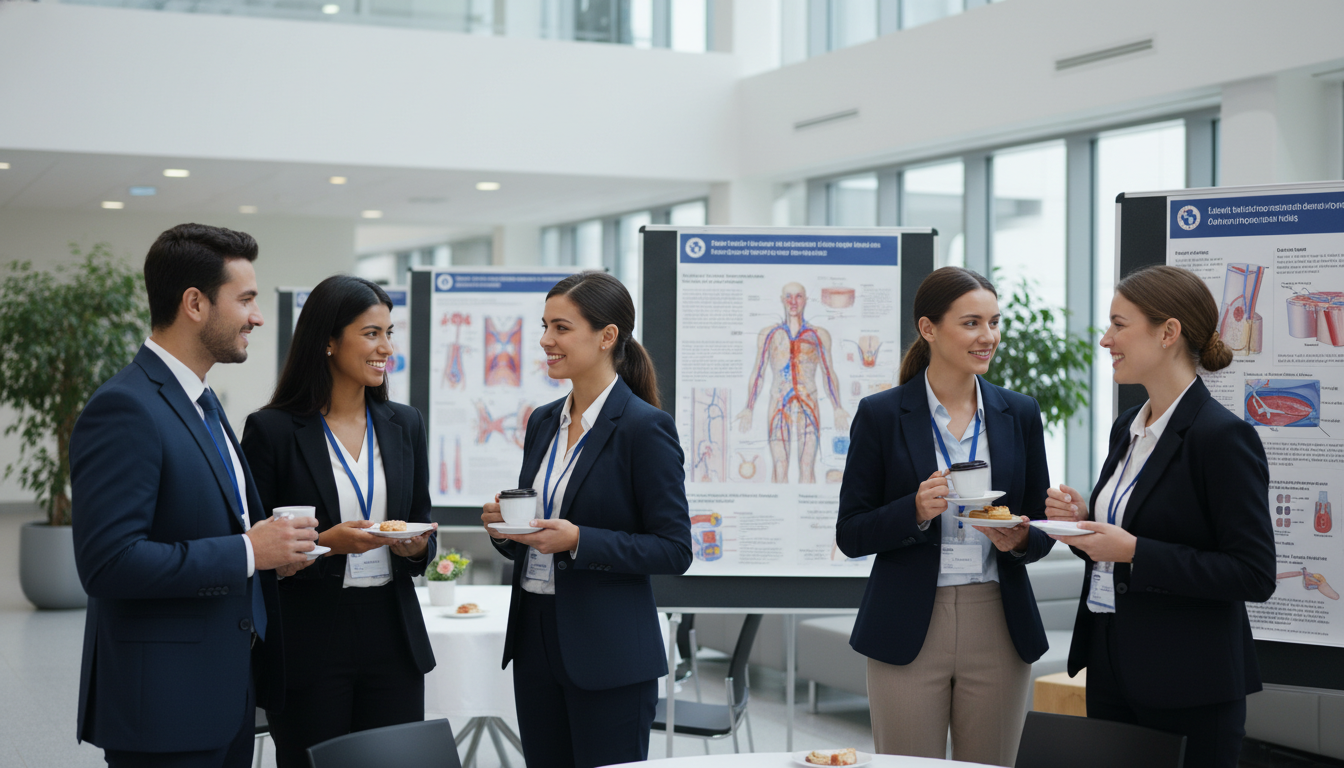
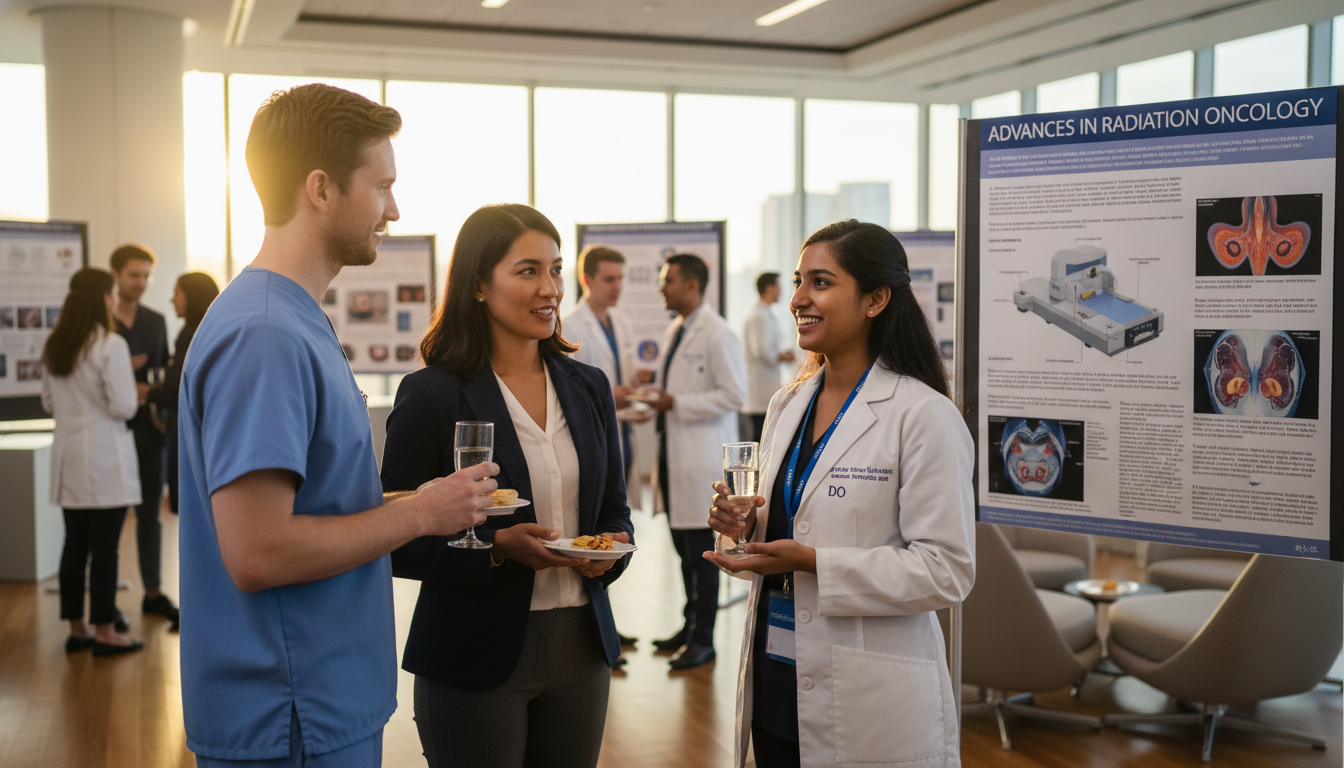
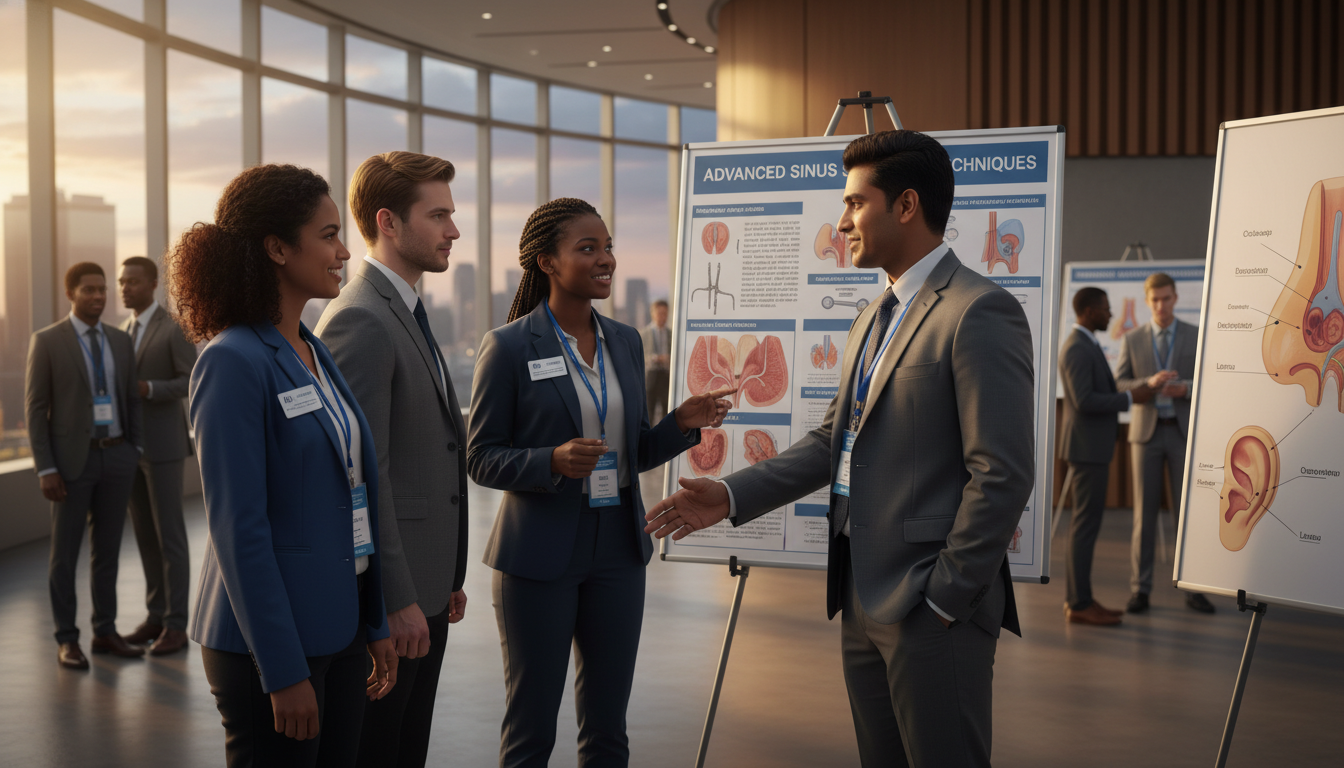
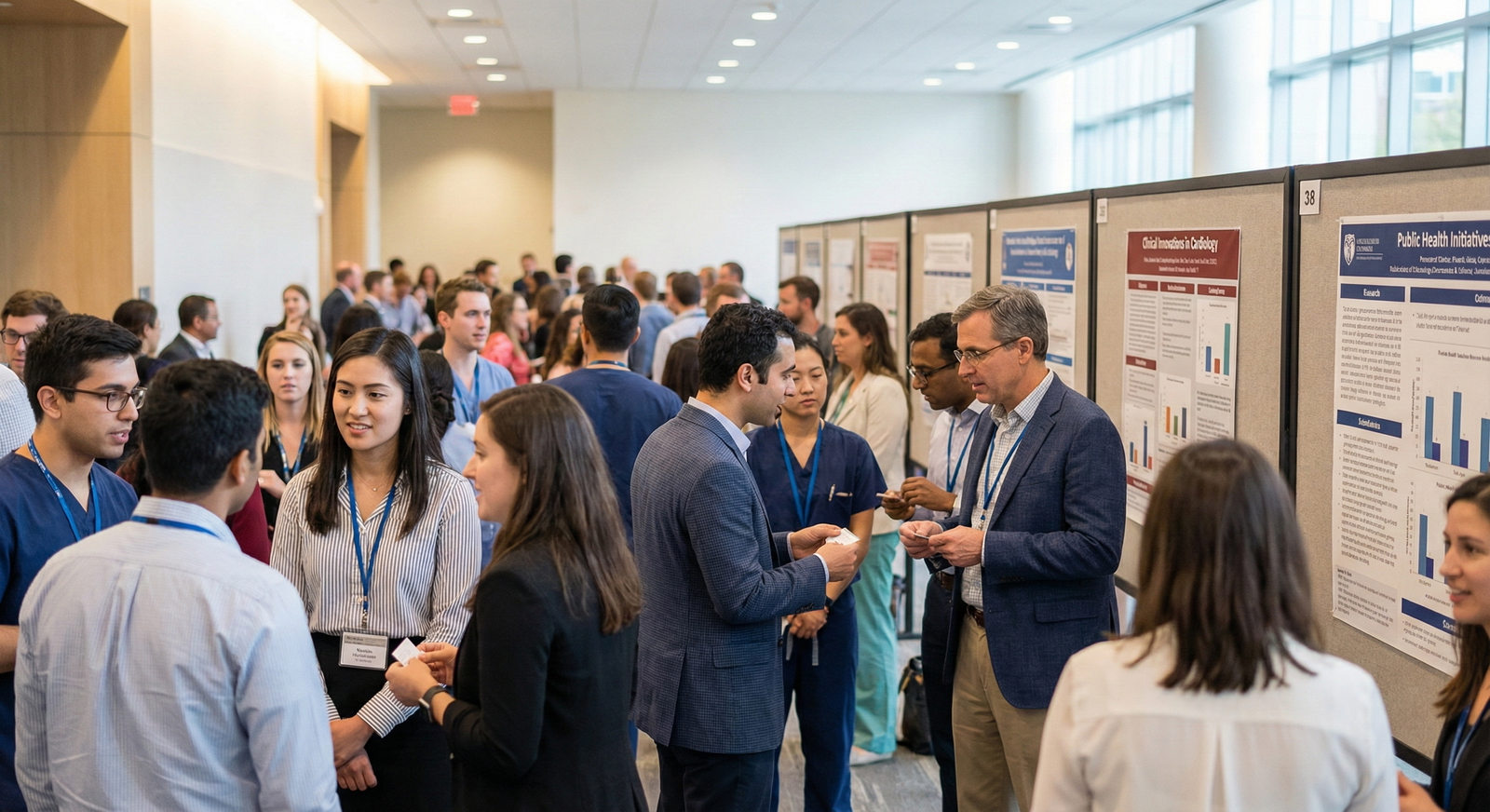
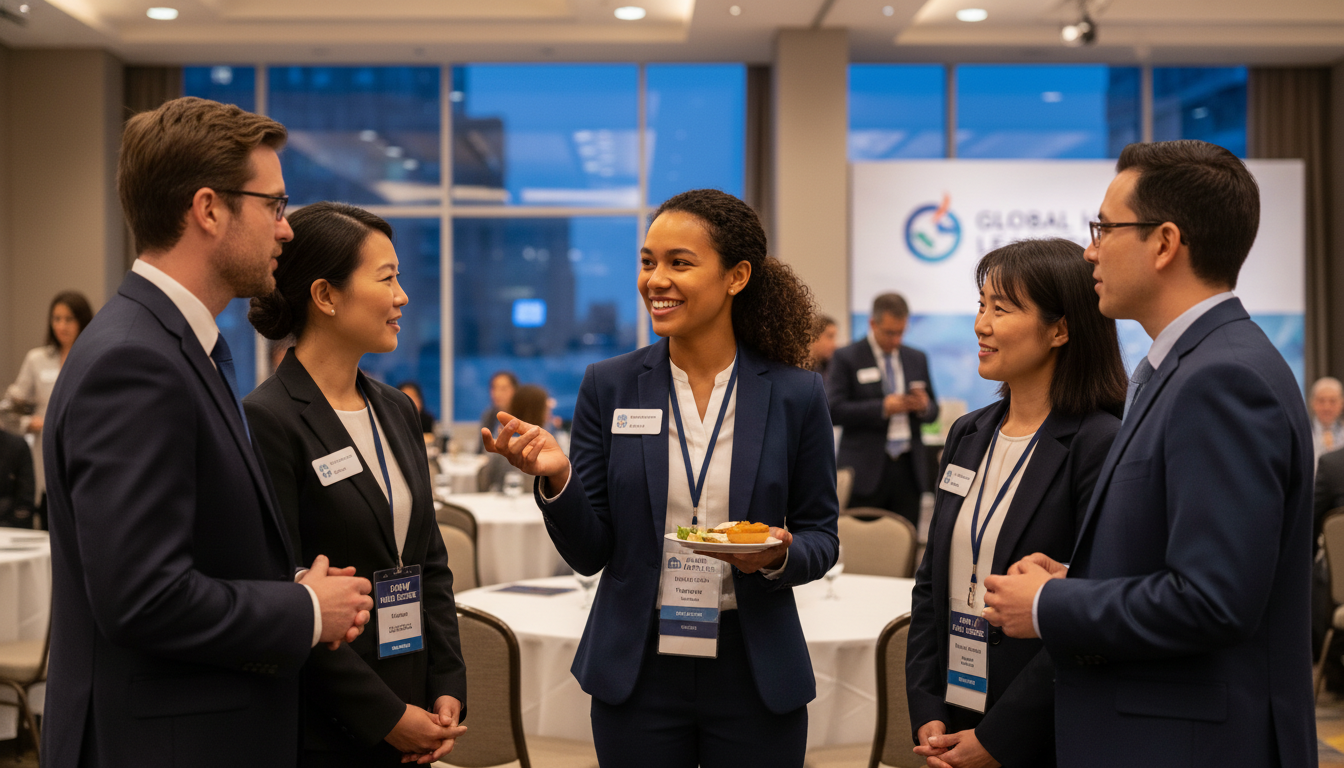
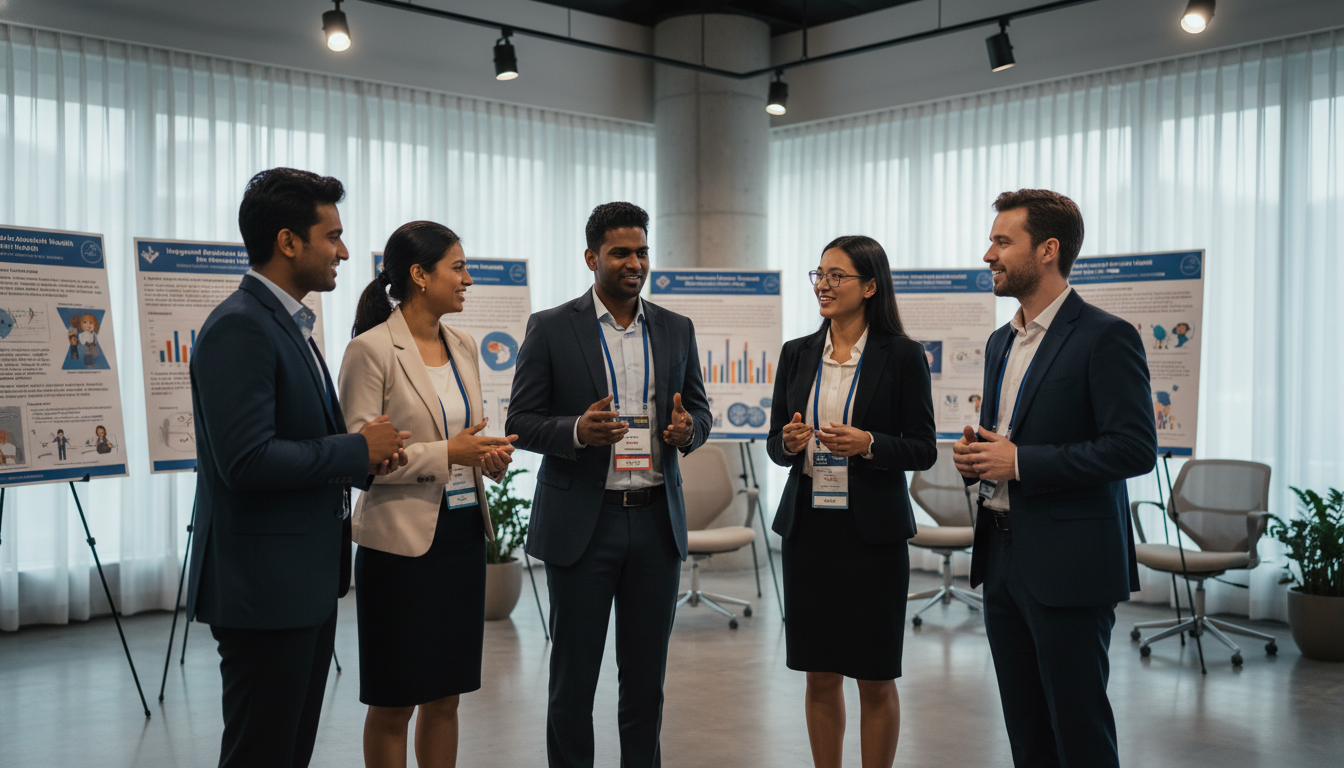
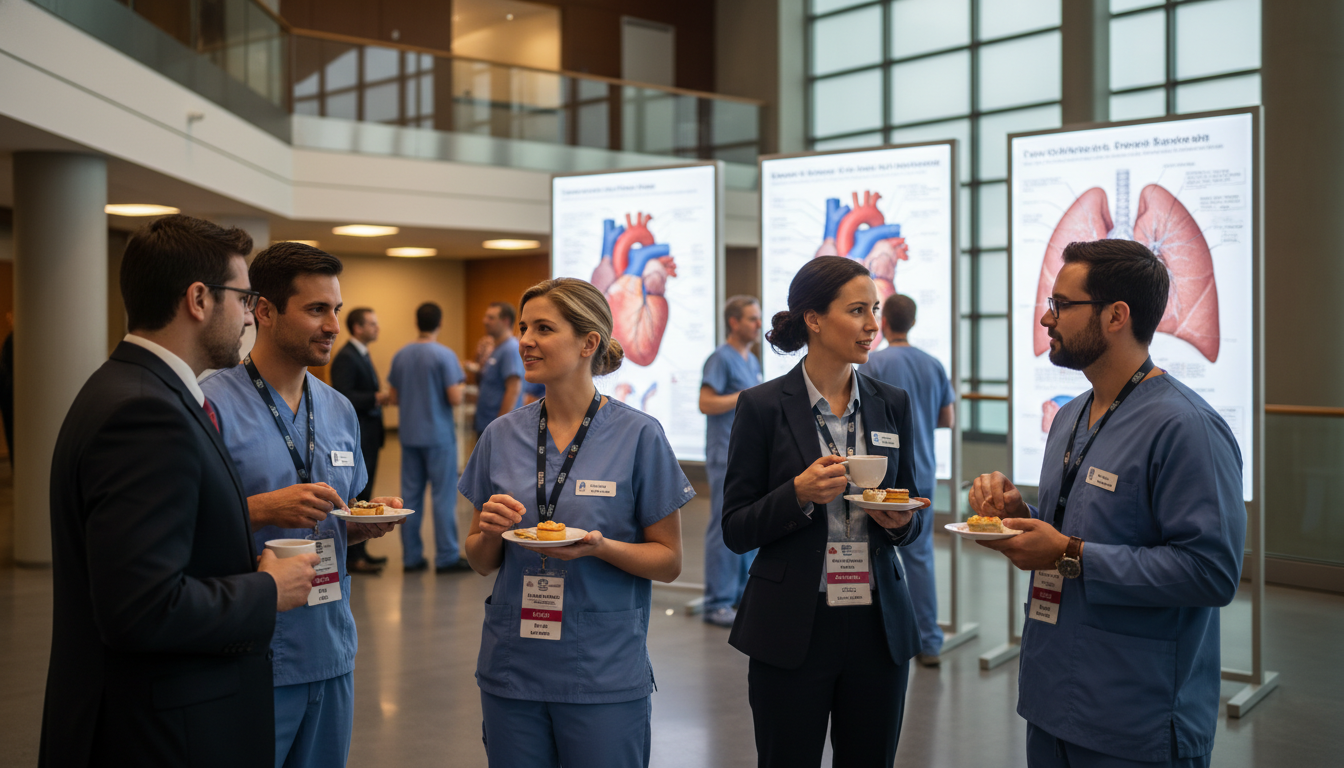
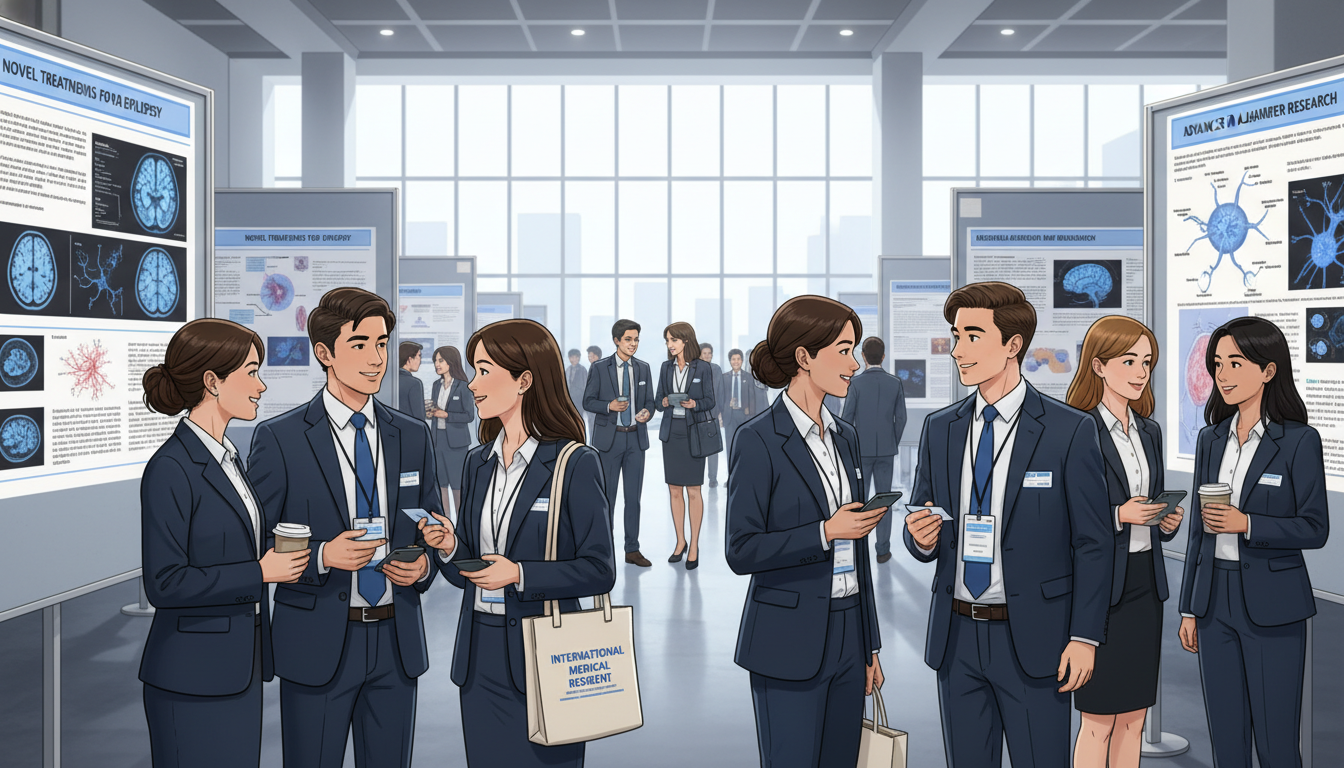
Conference networking is one of the most efficient ways for a foreign national medical graduate to meet many neurologists in a short time.
Target the Right Conferences
For neurology residency prospects, consider:
- AAN (American Academy of Neurology) Annual Meeting
- Subspecialty meetings (e.g., American Epilepsy Society, stroke conferences, movement disorder meetings)
- Regional neurology society conferences
If funds are limited:
- Prioritize one high-impact conference where many US academic neurologists gather
- Look for travel grants, IMG discounts, or trainee scholarships
Before the Conference
- Study the program and identify:
- PDs and faculty from your target programs
- Sessions they are speaking in or moderating
- Send brief, polite messages:
- “I’m a non-US citizen IMG interested in neurology, attending [conference]. I admire your work on [specific topic]. If you have a few minutes during the meeting, I would be grateful for any advice you might share about pursuing neurology training as an IMG.”
Not everyone will respond, but a few will—and that’s all you need.
During the Conference
Attend talks/posters of people you hope to meet
After their session, approach them with a 30-second introduction:
- “Dr. Smith, thank you for your talk on post-stroke cognitive impairment. I’m [Name], a foreign national medical graduate interested in neurology residency in the US. I found your point about [specific detail] particularly helpful. Would you have any advice for someone like me planning to apply in [year]?”
Keep it short and respectful of their time
If the conversation goes well:
- Ask: “May I email you later with a few specific questions?”
- Exchange business cards or connect on LinkedIn
After the Conference
Within 3–5 days:
- Send a thank-you email:
- Reference a specific part of your conversation
- Mention any action items (sending CV, draft project idea, or follow-up question)
- Maintain occasional contact—not weekly, but every few months with meaningful updates:
- New exam results
- Publication or poster accepted
- Progress on research
This transforms a brief conference interaction into a continuing professional relationship.
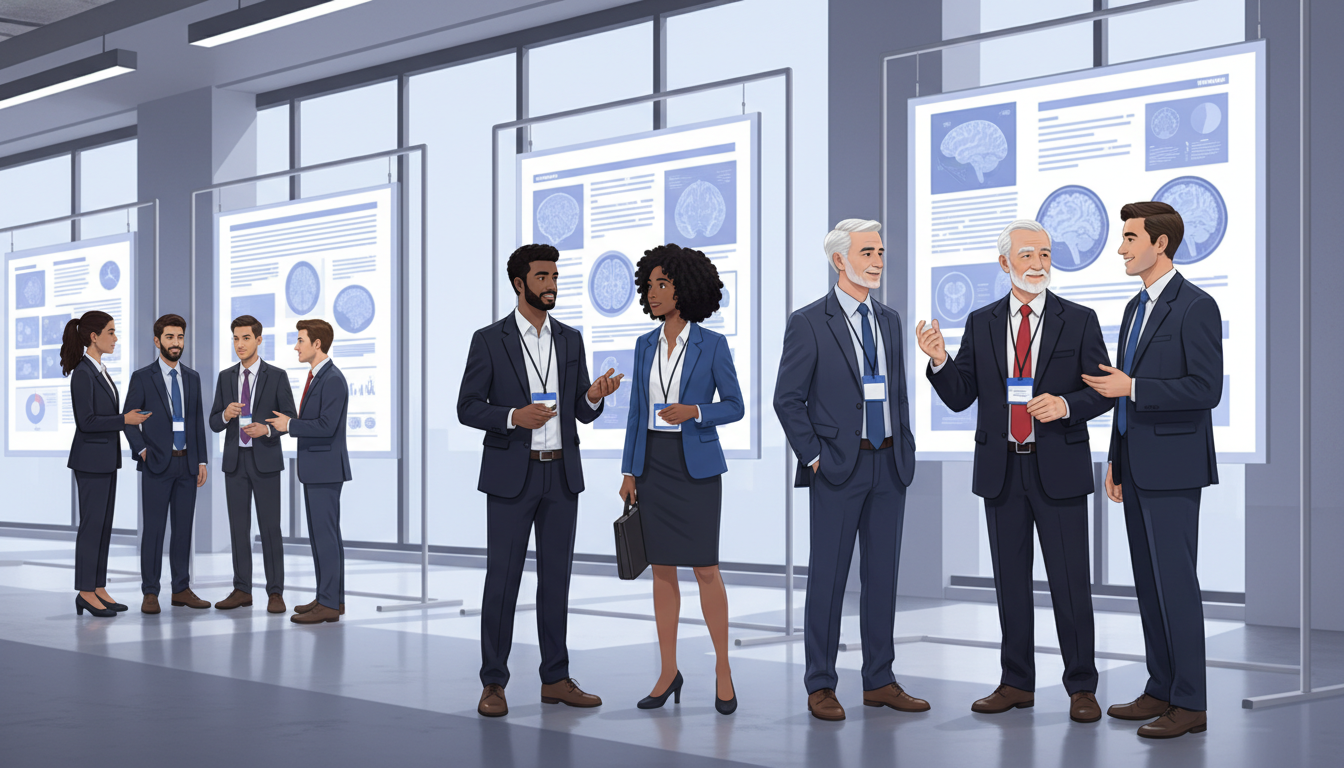
Mentorship in Medicine: Finding the Right Guides for Your Neurology Path
Mentorship medicine is particularly important for non-US citizen IMGs, because navigating visas, USMLE timelines, and cultural differences adds complexity to an already tough journey.
Types of Mentors You Need
Clinical Mentor in Neurology (US-based if possible)
- Guides your specialty-specific growth
- Advises on program selection and neuro match strategy
- Can provide strong, specialty-relevant letters of recommendation
Career Mentor (Possibly a Senior IMG Who Has Matched)
- Understands the particular struggles of being a foreign national medical graduate
- Gives practical advice about exams, visas, finances, and adaptation
Research Mentor
- Helps you build a scholarly profile: projects, posters, and publications
- Introduces you to other researchers and clinicians in neurology
A single person can fill more than one of these roles, but having at least two independent mentors provides balanced perspectives.
How to Approach Potential Mentors
When approaching a potential mentor:
Be specific about why you chose them:
- “Your work in movement disorders really interests me…”
- “I heard from [mutual contact] that you’re supportive of motivated trainees…”
Share a short “snapshot” of yourself:
- Medical school, current location
- Non-US citizen IMG status
- Exam status (USMLE/Step scores if available)
- Neurology interests (e.g., stroke, epilepsy, neuroimmunology)
Clearly state what you hope for:
- “I’m looking for guidance on how to strengthen my neurology residency application over the next 12–18 months.”
- “I would appreciate any advice on pursuing research experience in [area].”
Mentors are more likely to say yes if your ask is clear, realistic, and respectful of their time.
Keeping Mentor Relationships Healthy
- Come prepared to each meeting:
- Written questions
- Updated CV or progress report
- Act on advice and report back:
- “You recommended I contact Dr. X about stroke research; I did, and we are planning a chart review project.”
- Respect boundaries:
- Don’t expect them to solve all problems or guarantee a spot
- Do not repeatedly request letters or favors without demonstrating consistent effort
When you apply for neurology residency:
- Ask mentors early—4–6 weeks before ERAS—if they would feel comfortable writing a strong letter
- Provide them with:
- Your CV
- Personal statement draft
- A short bullet list of key experiences you hope they’ll highlight
This preparation makes it easier for them to advocate convincingly for you.
Online Medical Networking: Using Digital Platforms as a Non‑US Citizen IMG
Online tools extend your reach far beyond what’s possible in person, especially when you’re still overseas.
1. LinkedIn for Professional Visibility
Optimize your LinkedIn profile to support your neurology residency goals:
Headline: “Non-US citizen IMG aspiring neurologist | Interested in [subspecialty] | Research in [topic]”
About section: 3–4 concise paragraphs summarizing:
- Your education and IMG status
- Your neurology interests
- USMLE progress
- Key experiences (research, observerships)
Experience section:
- Detail research roles, clinical electives, volunteer work
Featured section:
- Upload abstracts, posters, or links to publications
Use LinkedIn to:
- Connect with neurology residents, fellows, and faculty at your target programs
- Comment meaningfully on posts (e.g., new articles, clinical pearls, conference updates)
- Reach out with personalized connection requests:
- “I’m a foreign national medical graduate interested in neurology. I admire your work in [area]. Would you be open to sharing any advice about training in the US?”
2. Academic Twitter (#MedTwitter, #NeuroTwitter)
X/Twitter is widely used in academic neurology:
- Follow:
- Neurology departments
- Professional societies (AAN, subspecialty groups)
- Key faculty and residents
- Engage by:
- Retweeting important educational threads
- Politely asking clarifying questions
- Sharing your own work when appropriate (e.g., posters, publications)
Stay professional—assume PDs may see everything you post.
3. Institutional and Society Mentorship Programs
Many organizations now run structured mentorship or networking programs, some specifically welcoming IMGs:
- AAN mentorship pairings
- Hospital/department “global neurology” or “international trainee” initiatives
- University international scholar offices that connect foreign national medical graduates with support services
Search for these explicitly on society websites and program pages; apply early because spots can be limited.
Practical Challenges for Non‑US Citizen IMGs—and How Networking Helps
Being a non-US citizen IMG in neurology comes with specific challenges. Deliberate networking can directly mitigate many of them.
1. Visa Concerns (J‑1 vs H‑1B)
Programs differ dramatically in their willingness and ability to sponsor visas.
Networking benefit:
Speaking with current residents/fellows (especially IMGs) reveals:
- Whether the program actually supports visas in practice
- Recent trends—for instance, if they recently stopped H‑1B sponsorship
Talking to PDs and coordinators at conferences or via email clarifies:
- Formal policy vs. individual case flexibility
- Whether strong candidates occasionally receive exceptions
2. Limited US Clinical Experience
Networking benefit:
- Mentors and contacts can:
- Help you obtain electives, observerships, or research roles
- Introduce you to colleagues in departments more open to IMGs
- Strong, personalized letters from people who know you compensate partially for shorter time spent in the US system.
3. Lack of “Insider” Information
Networking benefit:
- Residents provide honest perspectives about:
- Program culture, workload, and education quality
- How the program views IMGs and non-US citizens
- Faculty can:
- Tell you which aspects of your CV need strengthening
- Help you avoid wasting time on programs unlikely to consider foreign national medical graduates
4. Cultural and Communication Differences
Networking benefit:
Regular interactions with mentors and peers help you:
- Adjust to US-style communication (direct but respectful, concise presentations)
- Learn local norms (how to write professional emails, how to disagree politely, how to ask for feedback)
Asking for feedback from trusted mentors:
- “If any part of my communication style comes across as unusual in the US context, I’d really appreciate your guidance.”
Putting It All Together: A 12‑Month Networking Roadmap Before Applying
Below is an example plan for a non-US citizen IMG planning to apply to neurology residency in one year.
Months 1–3
- Clarify your target application year and visa needs
- Identify 10–20 target neurology programs
- Update CV and LinkedIn with a neurology focus
- Reach out to 3–5 potential mentors (research, clinical, career)
- Apply for at least one research or observership opportunity
Months 4–6
- Start or continue research/observership/elective
- Request feedback from supervisors at least once per month
- Submit at least one abstract to a neurology conference (even regional)
- Join AAN or relevant neurology society as a trainee/medical student member
- Begin connecting with residents/fellows online from your target programs
Months 7–9
- Attend a conference (if possible) and actively practice conference networking
- Follow-up with people you met, including potential mentors and collaborators
- Finalize at least one significant project (poster, case report, chart review)
- Identify 3–4 letter writers and begin preparing them with updates and materials
Months 10–12 (Pre-ERAS)
- Maintain light touch with your growing network:
- Share that you’ll be submitting ERAS and appreciate their past guidance
- Confirm letter submissions
- Ask mentors for input on your personal statement and program list
- When applications open:
- Let close mentors know where you applied
- If appropriate, politely ask if they might feel comfortable advocating for you at specific programs
This is just a template; adapt based on your starting point. The important part is consistency.
FAQs: Networking in Medicine for Non‑US Citizen IMGs in Neurology
Q1. I’m still overseas and have no US contacts. Where do I start with networking?
Start online. Create a professional LinkedIn and update your CV. Join AAN or other neurology societies as a student/trainee member. Follow neurology departments, residents, and faculty on LinkedIn and X/Twitter. Reach out to alumni from your medical school who matched into neurology or related fields in the US. Your first tangible goal can be to secure a remote research collaboration or observership; that becomes the seed for further connections.
Q2. How many people do I need in my network for a strong neuro match?
There is no exact number, but depth matters more than quantity. If you have:
- 1–2 US-based neurology mentors who know you well
- 2–3 strong letter writers (ideally at least one neurologist)
- 3–5 residents/fellows you can ask program-specific questions
…you are already in a much better position than many non-US citizen IMGs. Focus on cultivating real, ongoing relationships.
Q3. How do I avoid seeming “pushy” or “desperate” when networking?
Be respectful of time and clear in your communication. Keep emails short, specific, and polite. Space out follow-ups—every few weeks to months, not days—unless there’s an urgent reason (e.g., upcoming letter deadline). Always offer something of value when possible (research assistance, careful data work, manuscript editing). Show gratitude and act on advice. People perceive persistence combined with professionalism and humility as dedication, not desperation.
Q4. Can networking really compensate for a lower Step score as a foreign national medical graduate?
Networking cannot erase major red flags, but it can shift how your application is perceived. If a PD or trusted faculty member knows you personally and believes in your potential, they may:
- Give you an interview where your score alone might not have been enough
- Advocate for visa sponsorship on your behalf
- Emphasize your clinical skills, work ethic, and growth trajectory over a single number
Networking is not a shortcut; you still need to work on all parts of your application. But for a non-US citizen IMG in neurology, strong relationships can open doors that statistics alone might keep closed.