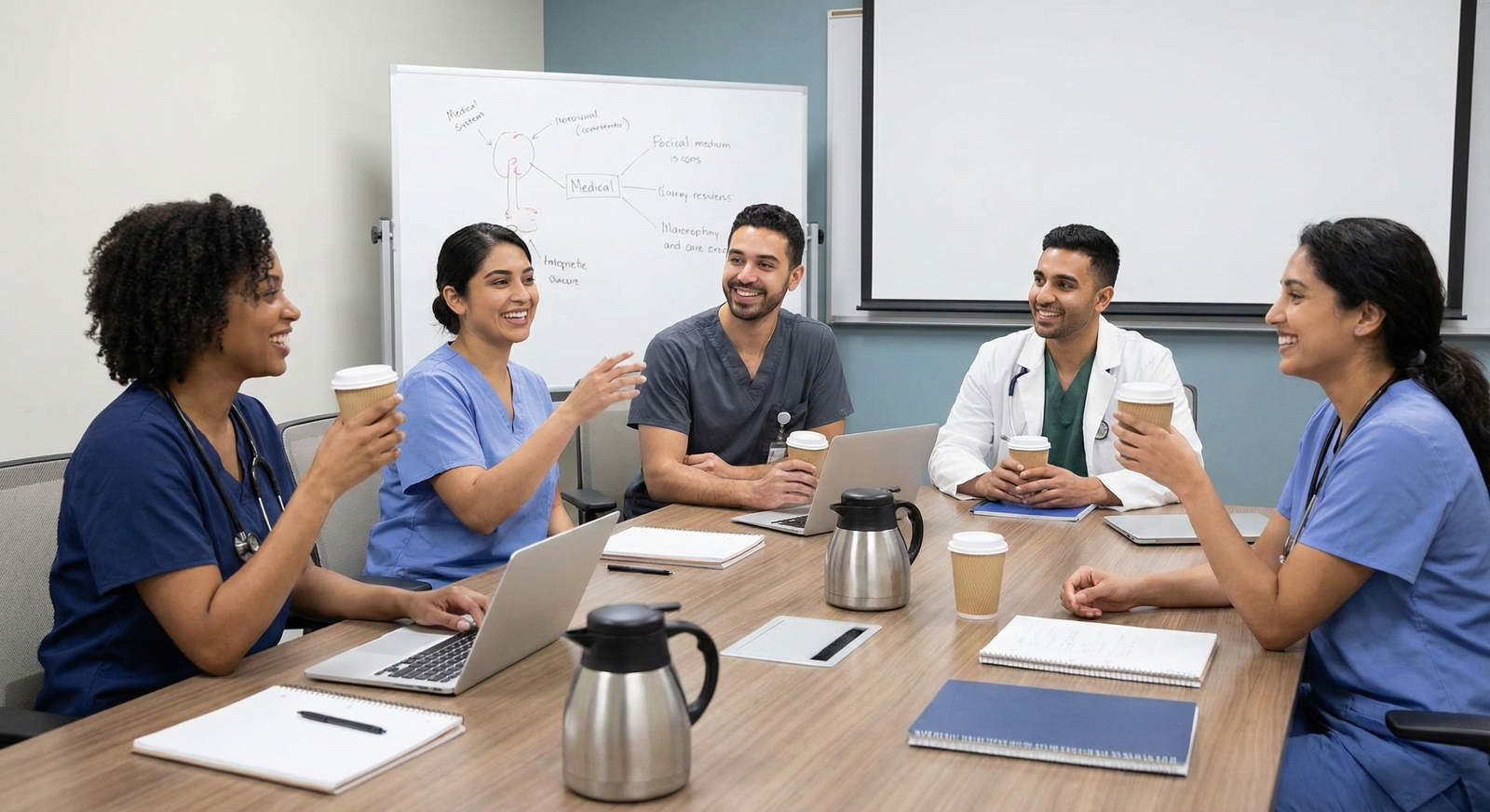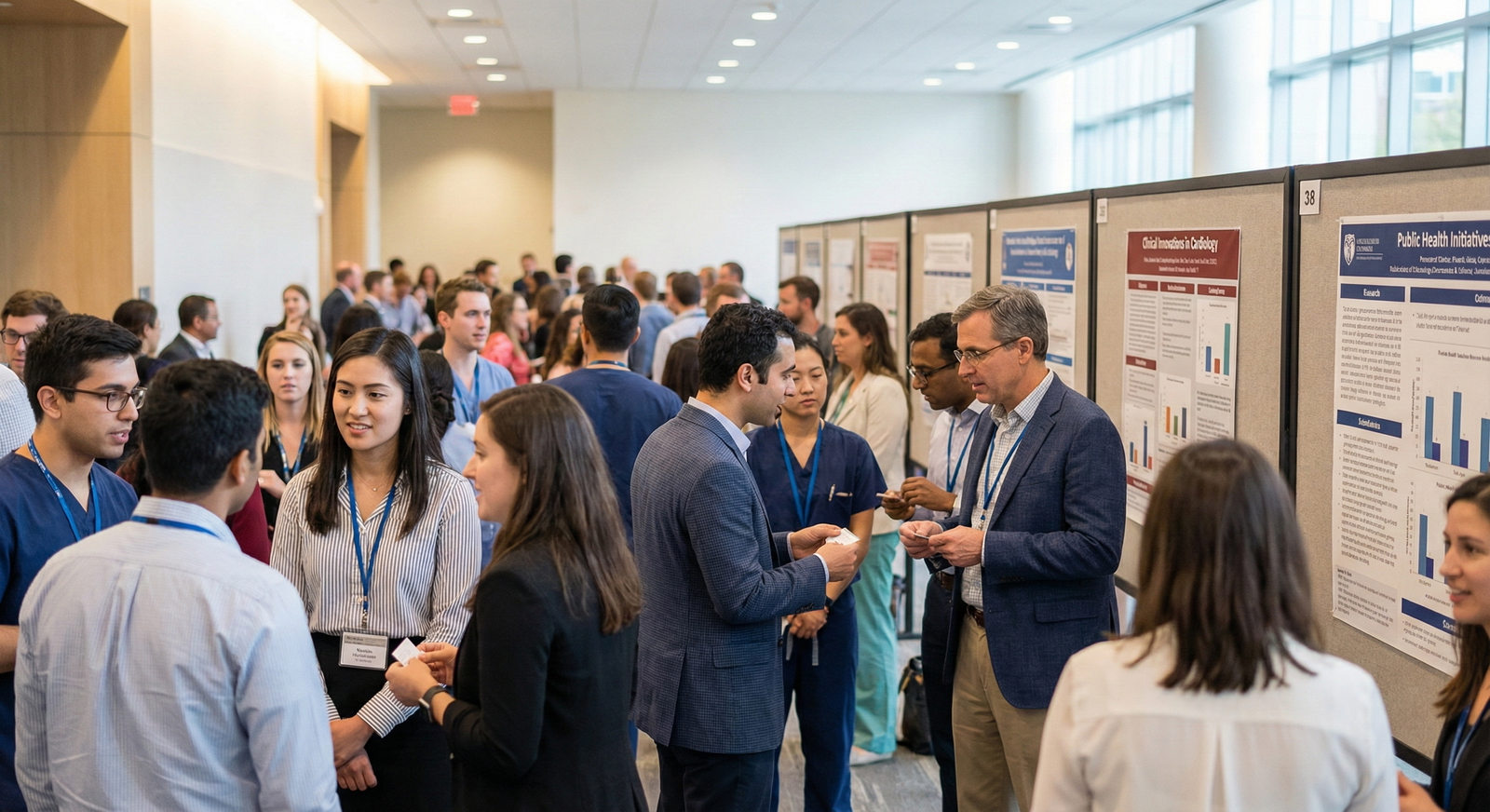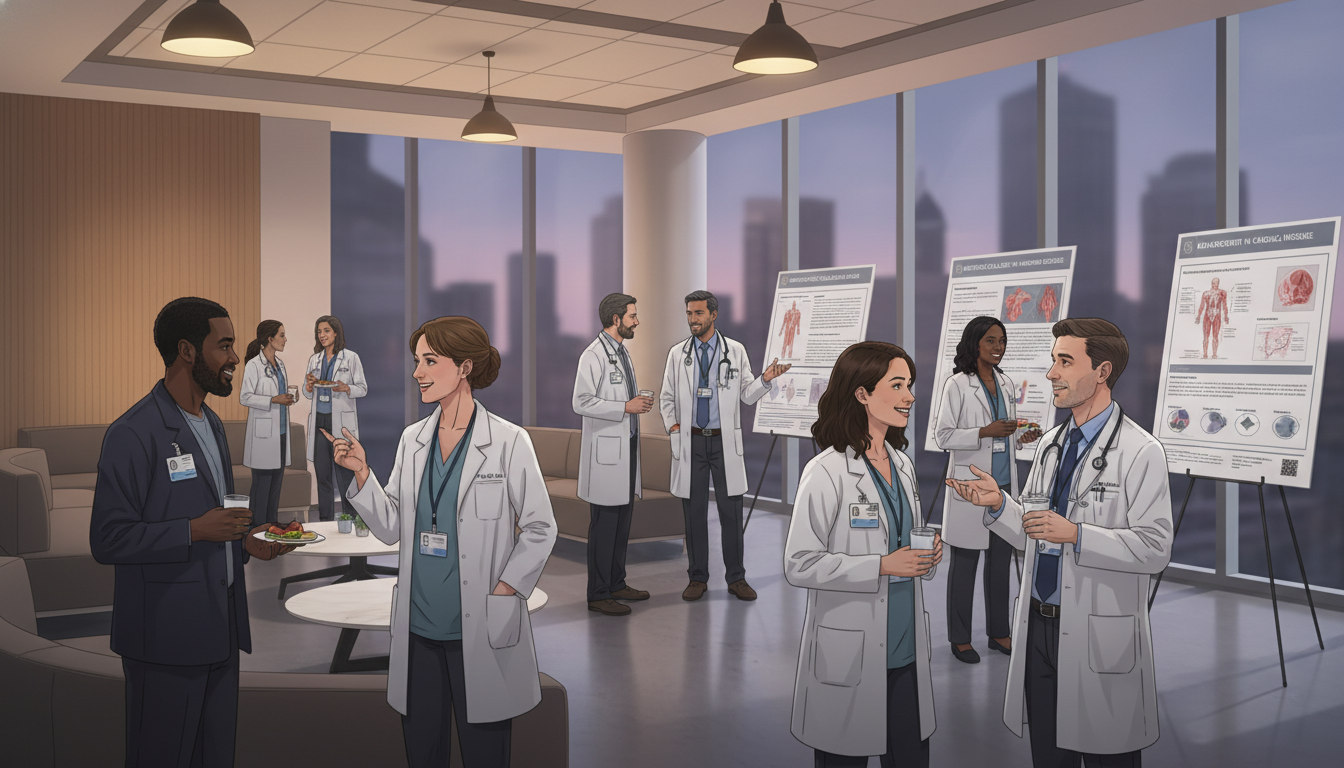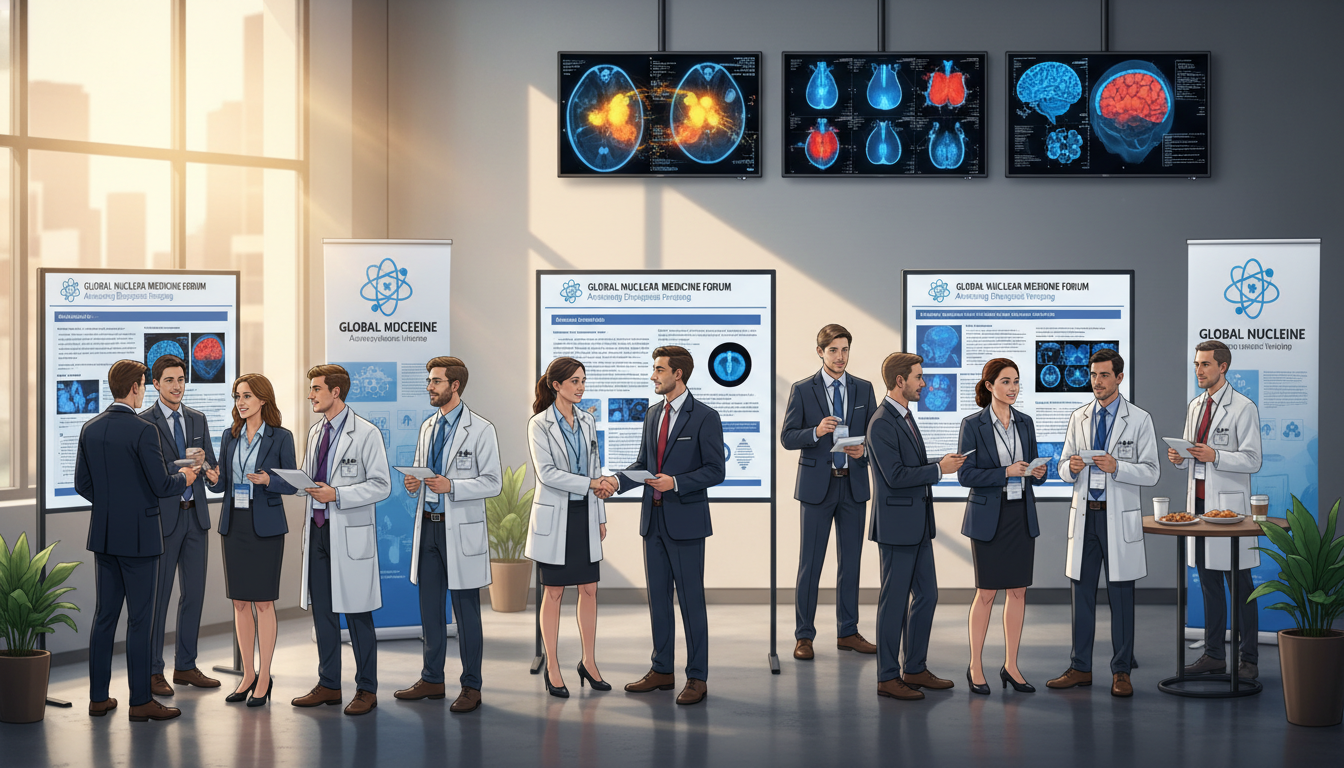
Networking in medicine is no longer a “nice-to-have” soft skill—it’s core to building a sustainable, fulfilling career, especially in a niche field like nuclear medicine. Because the specialty is relatively small, the people you meet at conferences, during away rotations, and even online will shape your training opportunities, your nuclear medicine match prospects, your fellowship options, and ultimately your job offers.
This guide is tailored for students and residents interested in nuclear medicine residency programs, as well as radiology residents planning to incorporate significant nuclear medicine into their careers. We’ll walk through why networking in this field is unique, how to do it effectively at each stage of training, and how to build genuine professional relationships rather than transactional connections.
Why Networking Matters So Much in Nuclear Medicine
Nuclear medicine is a tight-knit specialty. Compared to internal medicine or surgery, there are fewer programs, fewer faculty, and fewer trainees—which can be a powerful advantage if you approach networking strategically.
1. A Small Field Means a Visible Reputation
In nuclear medicine, “everyone knows everyone” is only a slight exaggeration. Program directors, fellowship directors, and national leaders often know each other personally or by reputation through:
- National societies (e.g., SNMMI, EANM, ARS)
- Collaborative research groups
- Multicenter trials
- Conference networking and recurring annual meetings
Because the field is small:
- Your name circulates quickly when you present, publish, or engage.
- Your professionalism (or lack of it) is noticed—at conferences, on email, and even on social media.
- A strong advocate can make a real difference, especially for nuclear medicine match outcomes, competitive fellowships (e.g., theranostics, PET/MRI, molecular imaging), and early-career jobs.
2. The Nuclear Medicine Match Is More Relationship-Driven Than You Think
While your CV, scores, and letters matter, many nuclear medicine residency and fellowship positions are influenced by familiarity and trust:
- Program directors pay close attention to who wrote your letters and whether they know and respect that person.
- A trusted mentor’s email or phone call can raise your application from “good on paper” to “must interview.”
- Applicants who have rotated or done research with a department are often evaluated with more confidence because faculty already know their work ethic and interpersonal style.
Networking, when done well, is not gaming the system; it’s giving people a fair and accurate chance to see who you are as a colleague and future consultant.
3. Nuclear Medicine is Rapidly Evolving—You Need People to Learn From
From PSMA PET to novel theranostic agents, the field is transforming quickly. You cannot keep up just by reading articles. You need:
- Mentors who can help you interpret where the field is going.
- Colleagues who share tips on new tracers, protocols, trials, and workflows.
- Professional allies who invite you into collaborative multicenter projects or guidelines work.
In nuclear medicine, your network is one of your most important learning resources.
Core Principles of Effective Networking in Medicine
Before diving into settings like conferences or social media, it helps to clarify what good networking in medicine should look like—especially in a specialty that values professionalism and collaboration.
1. Focus on Relationships, Not Transactions
The biggest mistake is approaching networking as “Who can get me an interview?” Instead, anchor your efforts around three goals:
- Learn – What can this person teach you about nuclear medicine or career decisions?
- Contribute – How can you help them or their team (research, teaching, organization)?
- Stay connected – What’s a concrete way to keep in touch (updates, projects, conferences)?
If you approach conversations with curiosity and generosity, people sense that you are building long-term professional relationships rather than just looking for a short-term favor.
2. Be Prepared, Polite, and Specific
Busy physicians and researchers are more likely to respond to you if you:
- Introduce yourself clearly (“I’m a PGY-2 IM resident interested in nuclear cardiology; we haven’t met but I attended your talk at…”)
- State your ask succinctly (e.g., brief career advice, research collaboration, chance to shadow a clinic or board).
- Offer context and flexibility (“Happy to meet for 15–20 minutes via Zoom at your convenience over the next few weeks.”)
Specificity makes it easier for them to say yes.
3. Consistency Beats Intensity
Effective medical networking is about steady touches over time, not a single intense burst at one conference:
- Check in after key milestones (presentations, match, graduation).
- Share occasional updates or articles relevant to shared interests.
- Show up repeatedly in specialty spaces—conferences, webinars, committee meetings.
Your goal: become a recognizable, respected, reliable name in the nuclear medicine community.
High-Yield Networking Opportunities in Nuclear Medicine
Networking opportunities exist everywhere—from your home institution to national meetings to online platforms. Here’s how to identify and use them effectively.
1. At Your Home Institution
Your home institution is your most accessible networking arena, but many trainees underuse it.
Key people to meet:
- Nuclear medicine program director or nuclear radiology section chief
- Core nuclear medicine faculty (theranostics, PET/CT, PET/MRI, nuclear cardiology)
- Lead physicists and radiopharmacists (excellent for research and understanding infrastructure)
- Current nuclear medicine residents or fellows
- Radiology residents with a strong nuclear focus
Strategies:
Electives and rotations:
- Choose a dedicated nuclear medicine elective early enough that faculty can get to know you before the nuclear medicine match.
- Be present, ask thoughtful questions, volunteer to help with case conferences or tumor boards.
Research involvement:
- Ask: “Are there any projects where a resident or student could help with data collection, image review, or chart abstraction?”
- Start small: quality improvement, retrospective imaging analyses, case series, or educational projects.
Attend departmental conferences:
- Regularly attend nuclear medicine case conferences, M&M, tumor boards relevant to imaging (e.g., neuro-oncology, endocrine, GU oncology).
- Introduce yourself to external speakers: a brief “thank you, I really liked your point about…” can open a door to future contact.
2. Away Rotations and Visiting Electives
For those coming from institutions with limited nuclear medicine exposure, visiting electives are powerful networking and mentorship tools.
Choose wisely:
- Look for programs with:
- Robust theranostics and advanced PET imaging.
- Active research output.
- A reputation for good teaching and accessible faculty.
- Consider places with nuclear medicine residency or nuclear radiology pathways if you’re aiming for the nuclear medicine match or dual-certification.
During your rotation:
- Be punctual, prepared, and engaged; your professionalism is your calling card.
- Ask to join:
- Tumor boards or multidisciplinary conferences.
- Research meetings or journal clubs.
- Request feedback mid-rotation:
- “I’m very interested in nuclear medicine. Are there ways I can improve or get more involved here?”
Afterward:
- Send a thank-you email to the rotation director and any mentors.
- Ask if you may stay involved in a project or case write-up.
- Keep them updated on your training plans and match results.
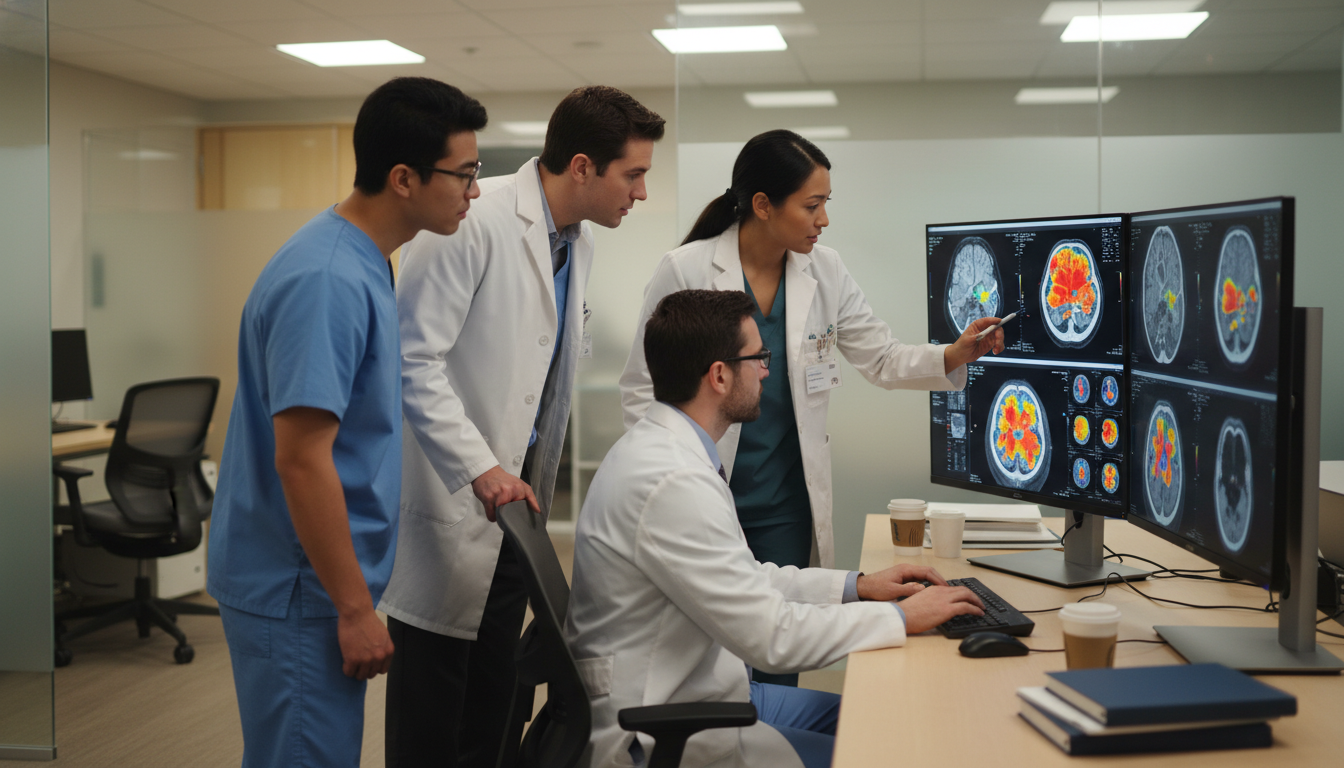
Mastering Conference Networking in Nuclear Medicine
Conference networking is one of the highest-yield strategies in this specialty. Meetings are where you meet leaders, present your work, and join multi-institution collaborations.
1. Choosing the Right Conferences
For nuclear medicine, high-yield conferences include:
- Society of Nuclear Medicine and Molecular Imaging (SNMMI) – The major US nuclear medicine conference.
- European Association of Nuclear Medicine (EANM) – Key for those with interest in European training or collaborations.
- Subspecialty meetings:
- Theranostics-focused meetings
- Radiopharmaceutical sciences
- PET/MRI or molecular imaging symposia
- Broader meetings (e.g., RSNA, ASCO, ASTRO) where nuclear medicine has sessions or joint symposia.
If your budget is limited, prioritize one major conference per year that strongly aligns with your interests and where you can present.
2. Before the Conference: Plan Like It’s a Clinical Rotation
Successful conference networking begins weeks in advance.
Prepare:
- Review the program and:
- Identify sessions on nuclear medicine residency, theranostics, or emerging imaging.
- Star talks by people you want to meet (e.g., fellowship directors, authors you’ve read).
- Reach out in advance:
- “I’ll be attending SNMMI and am very interested in nuclear oncology. Would you have 10–15 minutes to talk briefly about career paths during the conference?”
- Print business cards or prepare a simple digital contact card and finalize your professional email signature.
If you’re presenting:
- Practice your talk or poster explanation until it’s concise and confident.
- Prepare 1–2 sentences about:
- What you did
- Why it matters
- What you’d like to do next (e.g., expand multicenter, apply similar methods to other tracers).
3. During the Conference: Be Present and Approachable
Poster sessions and exhibits are networking goldmines.
- Spend time at your own poster, but also visit posters near your interests.
- Ask presenters:
- “How did you get involved in this area?”
- “What’s the next step for this project?”
- Exchange contact information when there is genuine overlap.
Approach speakers after talks:
A short script helps:
“Thank you for your talk on PSMA PET in biochemical recurrence. I’m a PGY-3 radiology resident interested in nuclear medicine residency and nuclear oncology. I had a question about [specific point]. Would you mind if I emailed you later to ask about potential research opportunities or career advice?”
You’re not asking for a job; you’re building a relationship and opening a channel.
Attend trainee or early-career events:
Many societies host:
- Resident and fellow networking receptions
- Mentorship meetups
- “Speed mentoring” sessions
These are ideal places to:
- Meet peers from other institutions (future collaborators, co-authors)
- Learn about different training paths
- Discover informal opportunities (e.g., “We’re recruiting for a theranostics fellow next year.”)
4. After the Conference: Solidify Connections
Within 1–2 weeks of returning:
- Send follow-up emails:
- Refer to your meeting (“We spoke briefly after your talk on PET/MRI.”)
- Thank them for their time and share one specific takeaway.
- If appropriate, mention interest in a small next step (e.g., discussing an idea, joining a project, or future shadowing).
- Connect on professional platforms (e.g., LinkedIn) with a brief personalized note emphasizing your nuclear medicine interests.
Building Mentorship and Sponsorship in Nuclear Medicine
Mentorship in medicine is essential, but in nuclear medicine it can be career-shaping. With relatively few programs and a rapidly evolving knowledge base, mentorship medicine in this field is about much more than just casual advice.
1. Understanding Roles: Mentor vs Sponsor vs Coach
- Mentor – Provides guidance, shares experiences, helps with decisions (e.g., “Should I pursue dual certification?”).
- Sponsor – Uses their influence to advocate for you:
- Nominate you for talks or panels
- Put you on manuscripts or task forces
- Email or call program directors on your behalf
- Coach – Helps you build specific skills (presentation, writing, interview skills).
You may have one person in multiple roles, or several people each filling one role.
2. How to Find Mentors in Nuclear Medicine
Potential mentors include:
- Faculty at your home institution with nuclear medicine expertise
- Mentors you met via conferences or research collaboration
- Senior trainees in nuclear medicine residency or fellowships who can offer near-peer insights
To initiate a mentoring relationship:
- Start small:
- Ask for a 20–30 minute meeting to discuss training paths in nuclear medicine.
- Come prepared with specific questions (e.g., “What do you wish you had known before starting your nuclear medicine residency?”).
- After a productive meeting, ask:
- “Would you be comfortable if I periodically reached out with questions about training and career decisions?”
Over time, as you demonstrate reliability, interest, and follow-through, many mentors naturally evolve into sponsors.
3. Being a Good Mentee
Mentorship is a two-way commitment. You increase your mentor’s willingness to invest in you if you:
- Show up prepared and on time.
- Follow through on agreed tasks (e.g., draft a manuscript section, analyze a data subset).
- Update them on outcomes (presentations, match, publications).
- Give credit generously when presenting or publishing (“This project was only possible because of Dr. X’s mentorship.”).
Mentors are more likely to recommend a trainee who consistently executes than a brilliant but unreliable one.
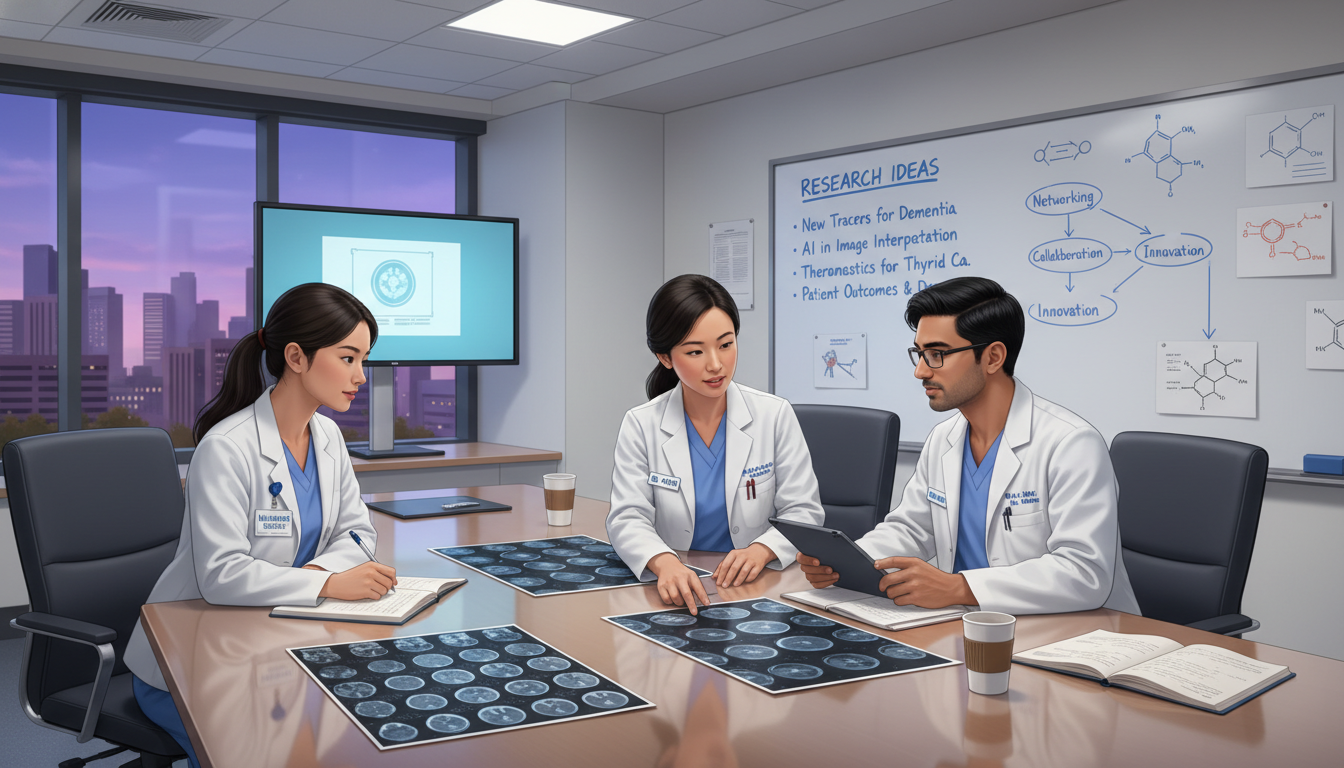
Leveraging Digital and Social Networks in Nuclear Medicine
Online platforms are now central to medical networking, especially in smaller subspecialties.
1. Professional Email and Online Presence
Start with the basics:
- Use a professional email address (ideally your institutional address).
- Create a simple CV or professional profile you can attach or link to.
- Consider a professional LinkedIn profile with:
- Clear headline (e.g., “PGY-3 Radiology Resident | Aspiring Nuclear Medicine Physician”).
- Sections for publications, presentations, leadership roles.
2. Thoughtful Use of Social Media
Platforms like X (Twitter) and LinkedIn host highly active nuclear medicine communities. You can:
- Follow nuclear medicine societies (SNMMI, EANM, ARS).
- Engage with imaging experts, physicists, and radiopharmaceutical scientists.
- Learn about:
- New tracers and guidelines
- Grant or award opportunities
- Resident / fellow teaching sessions or webinars
Guidelines:
- Keep your posts professional and respectful—you are building a public, searchable reputation.
- Share:
- Posters and publications
- Conference experiences (without posting identifiable patient data)
- Reflections on cases (de-identified, educational focus)
- Take care with any commentary on controversial topics; assume program directors and future employers may read it.
3. Online Research and Education Communities
Participate in:
- Virtual journal clubs
- Nuclear medicine webinar series
- Online case conferences
These are opportunities for medical networking with peers internationally—even when travel funds are limited.
When you actively contribute (asking good questions, volunteering to present), others remember you as engaged and thoughtful, which can lead to future collaborations.
Applying Networking to the Nuclear Medicine Match and Early Career
All of this only matters if it translates to real progress in your nuclear medicine match process and early career development.
1. Before Applying: Build a Clear Narrative
Your networking and mentorship should help you answer:
- Why nuclear medicine?
- Why this training path (e.g., dedicated nuclear medicine residency vs radiology with strong nuclear focus vs dual-certification)?
- What niche within nuclear medicine excites you (oncologic PET, theranostics, cardiology, neuroimaging, radiopharmaceutical development)?
Mentors can help refine your personal statement and image so that program directors see a coherent story rather than scattered experiences.
2. Strategic Letters of Recommendation
In a small field, letters matter more than quantity.
Aim for:
- At least one letter from a nuclear medicine or nuclear radiology faculty member who knows you well and can describe your:
- Clinical reasoning
- Reliability
- Interpersonal skills with staff and patients
- Additional letters from:
- Research mentors in nuclear medicine–adjacent areas
- Departmental leaders (e.g., radiology program director) who can attest to your professionalism
Networking supports this by giving you multiple faculty who know you substantively, not just by name.
3. Using Your Network During Interview Season
Your network should never be used to pressure programs. Instead, it can:
- Provide honest insights:
- “What is the culture like at this program?”
- “How balanced is theranostics vs general nuclear?”
- Help you prepare for interviews:
- Mock interviews
- Feedback on how to communicate your interests effectively
- Offer informal introductions:
- “I know the PD there well; I’ll let them know you’re particularly interested in their program.”
Always be transparent and respectful. Avoid asking people to “get you in”; instead, ask how best to present your genuine interest and qualifications.
4. Continuing Networking as a New Attending
Networking doesn’t stop after training. As an attending, you can:
- Join committees in nuclear medicine societies (education, guidelines, outreach).
- Collaborate on multicenter trials or registry projects.
- Serve as a mentor yourself to students and residents, continuing the cycle of mentorship medicine.
These activities increase your visibility, open leadership options, and keep you at the forefront of a rapidly evolving specialty.
Common Pitfalls in Medical Networking (and How to Avoid Them)
Being overly transactional
- Asking for letters, introductions, or positions without prior relationship.
- Fix: Focus first on learning, contributing, and building trust.
Overcommitting and underdelivering
- Agreeing to projects you don’t have time for, then going silent.
- Fix: Be realistic. It’s better to do one project well than four poorly.
Ignoring staff and non-physician colleagues
- Technologists, physicists, nurses, and radiopharmacists are central to nuclear medicine.
- Fix: Treat everyone with respect. They often share candid feedback with faculty.
Neglecting follow-up
- Meeting great people at conferences but never emailing afterward.
- Fix: Block time after each conference or rotation to send thoughtful follow-ups.
Unprofessional online behavior
- Posting identifiable patient images or disparaging colleagues.
- Fix: Assume anything online is permanent and public.
FAQs: Networking in Nuclear Medicine
1. I’m at a school with limited nuclear medicine exposure. How can I still network effectively?
Use a combination of:
- Visiting electives at programs with strong nuclear medicine.
- Virtual opportunities: online journal clubs, SNMMI webinars, virtual conferences.
- Email outreach to nuclear medicine faculty at major centers:
- Introduce yourself, share your interest and current training stage.
- Ask for brief advice calls and potential remote research collaborations.
Many faculty are receptive to motivated students or residents, especially in a specialty eager to attract new talent.
2. Do I need a lot of research to match into nuclear medicine residency?
High-impact research is helpful but not mandatory. What matters more is:
- Demonstrated commitment to the field (rotations, electives, involvement).
- Reliability and professionalism, confirmed by strong letters.
- Some scholarly activity—case reports, QI projects, small retrospective studies—especially if connected to nuclear medicine.
Networking can help you find achievable projects that fit your level and timeframe.
3. How early should I start networking if I’m interested in nuclear medicine?
Ideally:
- Medical students: Start by exploring radiology/nuclear electives and attending local imaging conferences or webinars.
- Early residents (PGY-1/2): Begin reaching out to nuclear medicine faculty, attending tumor boards, and seeking small projects.
- Later residents (PGY-3+): Intensify your networking for the nuclear medicine match—conferences, away rotations, mentorship meetings.
It’s never “too late” to start, but starting earlier gives you time to build genuine relationships.
4. What if I’m introverted or uncomfortable with “networking”?
You don’t need to become a stereotypical extrovert:
- Focus on small, meaningful conversations rather than working the whole room.
- Prepare 2–3 questions in advance for each person or session.
- Use email follow-ups to deepen relationships if in-person small talk feels challenging.
- Remember: curiosity, sincerity, and reliability matter much more than charisma.
Effective networking in medicine, especially in nuclear medicine, is about building a community around your career: mentors, colleagues, collaborators, and eventually trainees who learn from you. If you approach each interaction with curiosity, respect, and follow-through, you’ll not only improve your nuclear medicine match and career prospects—you’ll become part of a specialty that advances together.