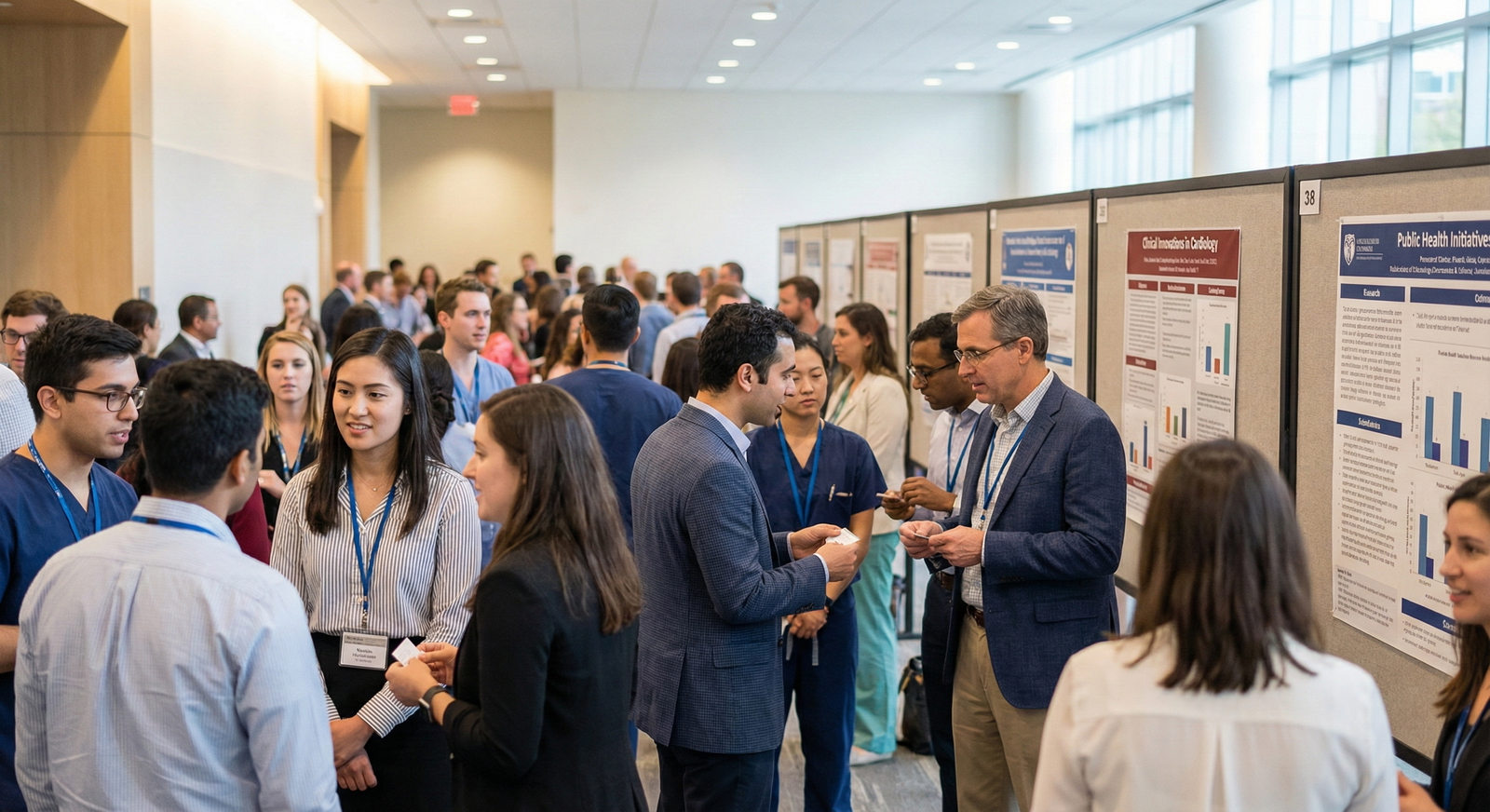
Networking in medicine is important for every trainee, but during a preliminary surgery year, it can be absolutely career-defining. Unlike categorical residents, prelim surgery residents face a compressed timeframe, uncertain next steps, and intense competition for limited positions. In this context, effective networking is not a luxury—it is a core professional skill that can determine where you train next, who advocates for you, and how your surgical career unfolds.
This guide focuses specifically on networking in medicine during a preliminary surgery year, with practical strategies tailored to the unique realities of prelim surgery residency.
Understanding Your Unique Position as a Preliminary Surgery Resident
Before planning a networking strategy, you need a clear understanding of where you stand and what makes prelim surgery different from categorical training.
The realities of a preliminary surgery year
A preliminary surgery year can be:
- A one-year non-categorical position with no guaranteed second year
- A bridge to:
- A categorical general surgery position
- Another surgical specialty (e.g., urology, neurosurgery, ortho, ENT, urology, plastics)
- A non-surgical residency (e.g., anesthesia, radiology, IM) while gaining strong clinical experience
- A research year or academic track
Common challenges that make networking crucial:
- Short timeframe
You may have only 6–10 months to build relationships before applications/interviews start again. - Ambiguous status
Some attendings and peers may not immediately know your long-term plans or see you as a long-term team member. - High variability between prelims
Some are clearly surgery-bound; others are exploring options. This affects how you present yourself and who you should be networking with. - Intense workload
Long hours and heavy call make it easy to postpone networking “until later”—which often never comes.
Why networking in medicine is different for prelims
Networking in this context is not just “socializing.” It is:
- Career exploration
Understanding whether you want general surgery, a surgical subspecialty, or another field. - Reputation building
Becoming “that prelim who works hard, is teachable, and is great to have on the team.” - Opportunity discovery
Hearing about open PGY-2 spots, research roles, or positions in other departments or institutions. - Advocate creation
Identifying people who will call program directors for you, write strong letters, and forward your name when positions open.
Networking is not artificial flattery; it is building genuine, professional relationships that align your value with others’ goals and needs.
Strategic Framework: Goals, Targets, and Timing
To be effective, your networking must be intentional. As a prelim surgery resident, you don’t have the luxury of a vague, multi-year plan.
Step 1: Clarify your primary and secondary goals
Your networking goals may include:
- Securing a categorical general surgery spot (at your institution or elsewhere)
- Exploring surgical subspecialties (e.g., vascular, colorectal, trauma/critical care)
- Exploring non-surgical specialties while leveraging your surgical experience
- Positioning yourself for a research fellowship or academic track
- Building a professional reputation and mentorship network, regardless of ultimate specialty
Create a short written “Networking Goals Statement” for yourself, such as:
“Over this prelim surgery year, I want to (1) secure a categorical general surgery position, ideally at my current institution, and (2) build relationships with mentors in academic surgery who can guide me toward a research-focused career.”
Having this clarity will direct where you invest your limited time and energy.
Step 2: Map your key networking targets
Think in terms of tiers:
- Primary institution
- Program director (PD) and APDs
- Department chair and vice chairs
- Service chiefs (trauma, ACS, vascular, etc.)
- Core faculty on services you rotate through
- Chief and senior residents (PGY-4/5)
- Department research directors and lab PIs
- Within your broader hospital system
- Other departments: anesthesia, radiology, IM, critical care, EM
- Subspecialty surgical groups (cardiothoracic, transplant, etc.)
- External connections
- Alumni of your program
- Faculty and residents at other institutions (via conferences, social media, or prior schools)
- Specialty societies and committees (e.g., ACS, SUS, APDS-related events)
You’ll build deeper connections with a handful of people and lighter connections with many others. Both are valuable.
Step 3: Time your networking around your prelim year
Consider your prelim surgery year in phases:
- Months 1–3: Orientation and reconnaissance
- Focus: Build a positive reputation, learn culture, identify potential mentors.
- Goal: “Be known as reliable, hardworking, and teachable.”
- Months 4–6: Relationship building and visibility
- Focus: More in-depth conversations about career plans.
- Actions: Ask for meetings, join projects, attend departmental events.
- Months 7–10+: Application and advocacy
- Focus: Letters, PD meetings, explicit conversations about next-step positions.
- Actions: Ask for support, confirm who will advocate, and follow up on potential openings.
Being aware of this timeline helps you avoid waiting until late in the year to start essential networking conversations.
Everyday Clinical Networking: How to Stand Out on Service
The clinical environment is your most powerful networking arena. People are constantly forming impressions of you based on your day-to-day work, which often matter more than any single “networking conversation.”
Building a strong clinical reputation
Your clinical performance is your primary networking tool. Word travels quickly in surgery about who is strong, dependable, and pleasant to work with.
Specific behaviors that build your stock:
- Be relentlessly reliable
- Show up early; never be late to rounds, sign-out, or OR start times.
- Complete tasks you accept—no loose ends.
- Communicate clearly if you’re delayed or need help.
- Be teachable
- Ask specific, thoughtful questions rather than constant broad ones.
- Accept feedback without defensiveness—even when blunt.
- Demonstrate visible improvement after feedback.
- Protect the team
- Anticipate needs: pre-op orders, consent forms, follow-up imaging, discharge summaries.
- Volunteer to help when others are overwhelmed (“I can finish those notes while you go to clinic").
- Be calm and professional under stress
- No complaining to patients, nurses, or outside teams.
- Maintain composure in the OR and during call, even when exhausted.
Networking begins when someone says in a meeting, “That prelim is excellent— we should find a way to keep them.”
Micro-networking with attendings
You rarely “network” with attendings during long, formal sit-downs. Most of it happens in small moments:
- Pre-round or post-round minutes
- Ask brief, targeted career questions:
- “Dr. Smith, I’m a prelim interested in a career in trauma/critical care. Are there faculty you’d recommend I talk to?”
- “I’m trying to understand what makes a strong candidate for a categorical spot here—any quick advice?”
- Ask brief, targeted career questions:
- In the OR
- Show you prepared:
- Read about the patient and procedure.
- Anticipate instrument/step needs.
- Use quiet times to ask 1–2 thoughtful questions about:
- Their career path
- How they chose their subspecialty
- What they look for in residents
- Show you prepared:
- After a rotation
- Send a short thank-you email:
- Mention specific things you learned.
- Briefly restate your goals as a prelim.
- Ask if you may stay in touch for advice.
- Send a short thank-you email:
This builds familiarity and opens the door to future advocacy.

Leveraging senior residents as key networking allies
Senior residents are often the most influential and accessible people in your network:
- They often know about open PGY-2 spots before faculty do.
- Their opinions strongly inform how program leadership views you.
- They can provide unfiltered advice about political dynamics and timing.
Practical ways to network with senior residents:
- On slow call nights, ask:
“I’m a prelim trying to solidify my next steps. What advice would you give someone in my position?” - Ask for informal feedback mid-rotation:
- “I’d appreciate any feedback on how I’m doing and what I could do better, especially if I’m hoping to stay in surgery.”
- When you identify someone you respect:
- Say explicitly, “You’re someone I really look up to in this program—would you mind if I checked in with you a few times during the year about career decisions?”
Many senior residents remember what it felt like to be uncertain and are surprisingly willing to help.
Conferences, Social Media, and Digital Networking
While your hospital is the core of your network, conference networking and digital platforms can significantly expand your reach—especially if you are considering switching institutions or specialties.
Conference networking for prelim surgery residents
Even if you only attend one meeting, it can be pivotal.
Relevant meetings might include:
- American College of Surgeons (ACS) Clinical Congress
- Subspecialty meetings (e.g., EAST for trauma, SAGES for minimally invasive, etc.)
- Local or regional ACS chapters or state surgical society meetings
- Resident-focused education conferences
Your goals at conferences:
- Learn about programs that may have upcoming vacancies
- Meet potential mentors outside your institution
- Identify research collaborators and fellowship directors
- Practice conference networking skills you can carry into the rest of your career
Practical strategies:
- Before the conference
- Look up the program directors or faculty from institutions you’re interested in.
- Email 2–4 people:
- Briefly introduce yourself.
- Mention you are a prelim surgery resident exploring options.
- Ask if they have 10 minutes for advice during the conference.
- During the conference
- Attend sessions led by people or programs you’re targeting.
- Ask concise, on-point questions at the microphone—this makes you visible.
- Approach speakers afterward:
- “Thank you for your talk on X. I’m a prelim surgery resident interested in Y. Could I email you a brief question later about career planning?”
- After the conference
- Follow up within 3–5 days.
- Reference something specific you discussed.
- If appropriate, attach your CV and ask for future contact or advice.
This is conference networking with purpose, not just collecting names.
Professional social media in medicine
Used strategically, platforms like LinkedIn and Twitter/X (and sometimes Instagram) can broaden your medical networking reach:
- LinkedIn
- Keep a clean, updated profile with:
- Current role: “Preliminary General Surgery Resident”
- Clinical and research interests
- Publications, presentations, leadership roles
- Connect with:
- Faculty and residents at your institution
- Alumni from your medical school and hospital
- Faculty or residents you meet at conferences
- Engage meaningfully:
- Comment thoughtfully on articles or posts about surgery and residency.
- Keep a clean, updated profile with:
- Twitter/X (academic med side)
- Follow:
- Surgical societies (ACS, subspecialty societies)
- Residency programs and PDs
- Surgeons in your potential subspecialties
- Participate by:
- Sharing brief, professional reflections on education or surgery (avoiding patient identifiers)
- Retweeting interesting surgical content with short comments.
- Use this to:
- Discover faculty and programs aligned with your interests.
- Learn about last-minute opening announcements or calls for residents/fellows.
- Follow:
Be cautious: never discuss confidential patient information. Maintain a professional tone at all times—social media is an extension of your CV.

Mentorship and Sponsorship: Turning Contacts into Advocates
Mentorship in medicine is especially critical for prelim residents who often feel unanchored. But equally important—and sometimes more decisive—is sponsorship, where someone with power actively promotes your career.
Building mentorship in medicine during a prelim year
Mentors can be:
- Attending surgeons you’ve worked with
- Senior or chief residents
- Research PIs
- Faculty in other specialties, if you’re considering changing fields
To identify potential mentors:
- Notice who:
- Enjoys teaching and gives you time.
- Offers constructive, specific feedback.
- Shows interest when you mention your situation as a prelim.
- After a positive interaction, ask directly:
- “I’ve really appreciated your guidance on this rotation. Would you be open to my reaching out occasionally for career advice, especially as I plan my next steps after this prelim year?”
Once someone agrees:
- Respect their time
- Come prepared to meetings with:
- A concise update on your situation.
- A short list of decisions you’re facing.
- Specific questions (e.g., “Should I prioritize research or clinical exposure this year?”).
- Come prepared to meetings with:
- Act on their advice
- You don’t need to follow everything, but you should either:
- Implement the advice or
- Thoughtfully explain why you chose another approach.
- You don’t need to follow everything, but you should either:
- Keep them in the loop
- Let them know when you apply, interview, or get offers.
- Share outcomes and express genuine appreciation for their help.
Understanding sponsorship in medicine
A sponsor differs from a mentor:
- A mentor advises you.
- A sponsor uses their reputation and influence to advocate for you.
Sponsors might:
- Call a program director at another institution on your behalf.
- Tell your PD, “We should do everything we can to keep this prelim.”
- Recommend you for:
- Open PGY-2 positions
- Research fellowships
- Committee or society roles
In preliminary surgery, potential sponsors include:
- Program director and associate PDs
- Department chair or vice chairs
- Service chiefs (trauma, vascular, etc.)
- A well-connected research mentor
How to cultivate a sponsor:
- Demonstrate exceptional performance consistently
- Sponsors put their own reputation on the line for you.
- Make your goals clear
- “My top priority is to continue in general surgery, ideally at a strong academic program. I would be deeply grateful for your guidance or advocacy if opportunities arise.”
- Ask explicitly—but respectfully—for advocacy
- Example script:
- “Dr. Patel, I’m in the process of applying for categorical spots and would value your support. If you felt comfortable, would you be willing to either write on my behalf or speak to programs where you have connections?”
- Example script:
- Make it easy for them
- Provide an updated CV, ERAS application, and a short summary of:
- Your goals
- Key strengths
- Programs you’re targeting
- Provide an updated CV, ERAS application, and a short summary of:
Sponsors are often the ones who turn “good residents” into residents with opportunities.
Tactical Tools: Email Scripts, Follow-Up, and Common Pitfalls
Networking can feel abstract until you see what it looks like in practice. Here are concrete tools and examples tailored to prelim surgery residents.
Sample introductory email: Potential faculty mentor
Subject: Prelim surgery resident seeking brief career guidance
Dear Dr. [Name],
My name is [Your Name], and I am a preliminary general surgery resident working on the [Service] this month. I have greatly appreciated your teaching on rounds and in the OR, particularly your approach to [specific example].
As I plan my path after this preliminary surgery year, I am very interested in a career in [general surgery / trauma / vascular / etc.], and I would value your perspective on how best to position myself. If you have 15–20 minutes in the coming weeks, I would be grateful for a brief meeting at your convenience.
Thank you for your time and for your commitment to resident education.
Sincerely,
[Your Name], MD
Preliminary General Surgery Resident
[Institution]
Sample PD meeting script: Clarifying your status
When you meet with your program director:
- Be clear, concise, and honest about your goals.
- Example points to cover:
- “I want to be transparent about my goal of staying in surgery long-term.”
- “I’d like your honest feedback on where I stand as a candidate for a categorical position—here or elsewhere.”
- “If positions become available, what can I do this year to make myself a strong contender?”
Take notes and act on specific advice (e.g., “You need a strong ABSITE score,” “Get involved in a research project,” “We need faculty X and Y to see you on service”).
Following up without being pushy
General rules for follow-up:
- After a first meeting
- Email within 24–48 hours to thank them and summarize one key takeaway.
- After they offer help (e.g., “Send me your CV”)
- Respond within a few days, clearly and organized.
- If you haven’t heard back
- Wait 1–2 weeks, then send a short, polite nudge:
- “Just following up on my previous email regarding [topic]. I know your schedule is busy; if now is not a good time, I’m happy to reconnect later in the month.”
- Wait 1–2 weeks, then send a short, polite nudge:
Common networking pitfalls for prelim surgery residents
Avoid these frequent errors:
- Waiting too long to start networking
- “I’ll wait until second half of the year” is a trap. Start relationship-building early, even if your goals are still evolving.
- Being vague about your goals
- People can’t help you if they don’t know what you want. It’s okay if your goal is “I’m deciding between X and Y”—just say so.
- Over-focusing on titles instead of relationships
- One genuinely invested faculty mentor is more powerful than ten PDs who barely remember you.
- Transactional behavior
- Don’t only contact people when you want something. Share updates, express gratitude, and maintain a human relationship.
- Neglecting performance for networking
- No amount of coffee meetings can compensate for being unreliable clinically. Your clinical reputation is your base.
FAQs: Networking in Medicine During a Preliminary Surgery Year
1. How early in my prelim year should I start networking?
Begin in a light, relationship-building way within the first 1–2 months. You don’t need a fully formed plan, but you should:
- Perform consistently well on rotations.
- Introduce yourself to attendings and chiefs as a prelim.
- Ask a few people you respect for brief career conversations.
By month 3–4, you should have at least one or two potential mentors identified and a preliminary strategy for your next steps.
2. What if I’m not sure I want to stay in surgery?
You can still network effectively—just be transparent in an appropriate way:
- Phrase your uncertainty as exploration, not indecision:
- “I’m strongly interested in surgery but also exploring [anesthesia/radiology/IM]. I’d value your perspective on what you’ve seen colleagues do in similar situations.”
- Seek mentors in both surgery and other fields.
- Emphasize that you are committed to doing your best this year, regardless of future path. Your current performance still shapes future letters and opportunities.
3. How do I ask someone to be a mentor or sponsor without sounding awkward?
You don’t need a formal ceremony. Start with:
- “I’ve really appreciated your guidance—would you be open to my reaching out occasionally for career advice?”
- After a few interactions and demonstrated investment, you can say:
- “You’ve been an invaluable mentor to me this year. As I apply for positions, I would be very grateful for your support and advocacy if you feel comfortable doing so.”
Most faculty understand mentorship medicine is part of their role and will appreciate your respectful directness.
4. Can conference networking or social media really influence my chances of getting a spot?
They can, especially when combined with strong clinical performance and letters:
- Conference networking:
- PDs and faculty do remember motivated residents they meet at meetings, especially if you follow up thoughtfully.
- Sometimes open PGY-2 spots are discussed informally at conferences before they’re widely advertised.
- Social media and LinkedIn:
- Can help you maintain weak ties with people you meet and stay visible.
- Provide access to announcements about last-minute openings, research opportunities, or fellowship positions.
Neither is a substitute for being an excellent resident, but both can create opportunities that would otherwise never reach you.
Networking in medicine during a prelim surgery residency is about far more than collecting contacts. It is the deliberate, professional process of building relationships, demonstrating value, and aligning yourself with mentors and sponsors who can help open doors when the time comes.
If you approach your preliminary surgery year with intention—combining hard work, strategic relationship-building, and thoughtful follow-through—you greatly increase your chances of moving from a temporary, uncertain position to a clear, supported next step in your surgical or medical career.