Why Networking Matters So Much in Radiation Oncology
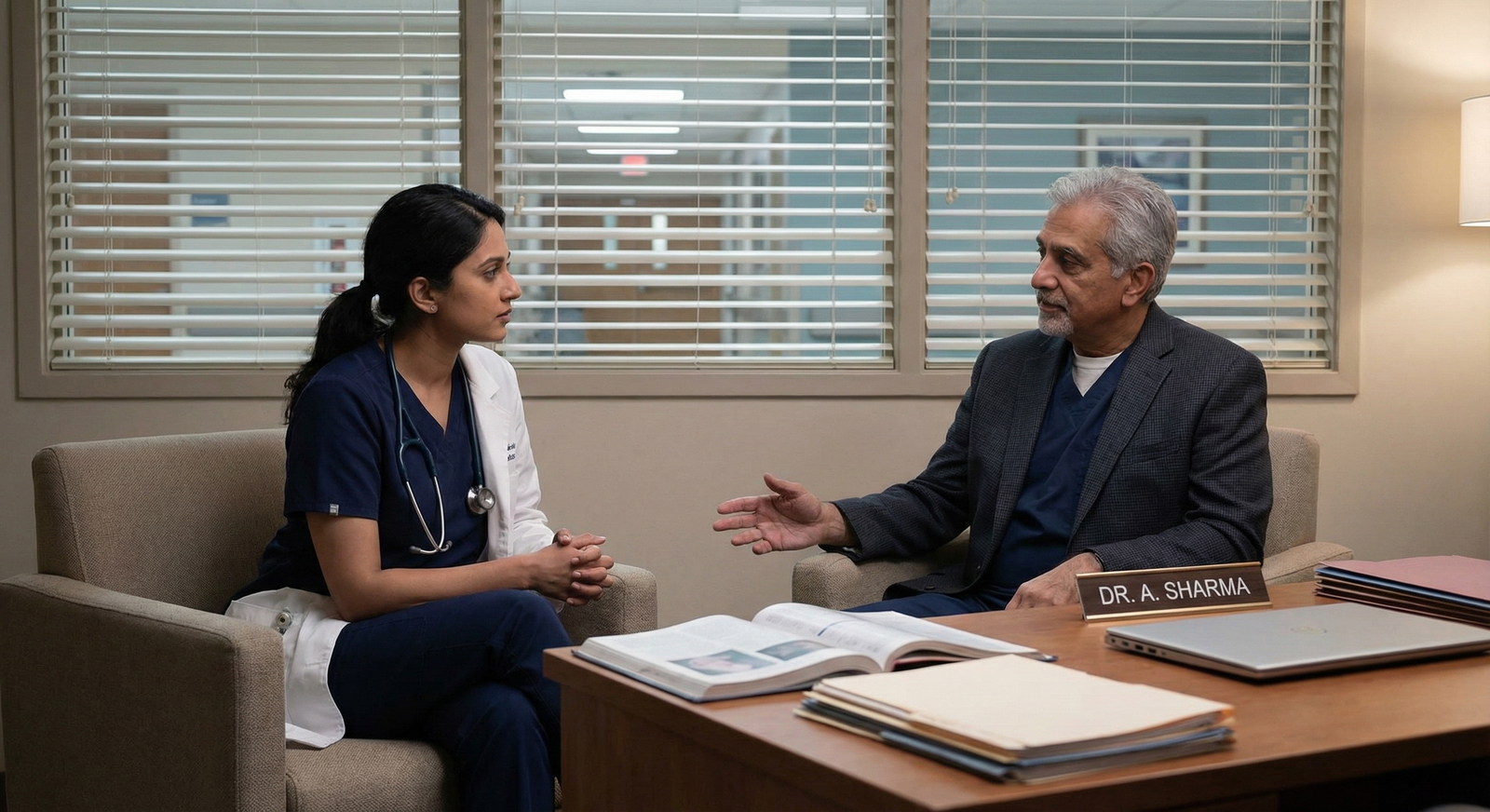
Radiation oncology is a small, tightly knit specialty. Most attendings know each other through training, research, and national societies. That intimacy makes the field collegial—but it also means that who knows you can matter as much as what you’ve done, especially during the rad onc match and early career.
Networking in medicine isn’t about schmoozing or being extroverted. In radiation oncology, it’s about:
- Building authentic professional relationships
- Finding mentors and sponsors
- Accessing research, away rotation, and job opportunities
- Learning the unwritten rules of the specialty
- Developing a support system for a demanding career
Because radiation oncology is relatively small:
- A strong endorsement from a single respected faculty member can significantly influence your trajectory.
- A negative impression can spread quietly but quickly.
- People you meet as a student or resident may later sit on fellowship committees, hiring committees, or guideline panels.
If you’re a medical student, resident, or early-career physician, treating networking as a core professional skill—not an optional extra—is one of the most high-yield decisions you can make.
How Networking Intersects With the Rad Onc Match
For the radiation oncology residency match, networking can influence:
- Interview invitations:
- A faculty mentor at your home institution may email a program director to flag your application.
- A PI from your research collaboration may reach out to colleagues at other programs.
- Away rotations and sub-I’s:
- Personal connections can help you secure competitive away rotations, particularly at high-demand academic centers.
- Context and advocacy:
- Mentors can explain personal circumstances (e.g., nontraditional path, Step failures, career switch) to colleagues in the field.
- Ranking decisions:
- Your reputation for being collegial, teachable, and hardworking—often conveyed through informal conversations—can influence how programs view you.
Your goal: when a program director or faculty asks, “Does anyone know this applicant?” you want someone to respond, “Yes—and I’d absolutely recommend them.”
Foundations of Effective Networking in Medicine
Before focusing on radiation oncology specifics, you need a clear mindset and framework for professional networking in medicine.
Networking Mindset: Relationship-Building, Not Transaction
Common misconceptions:
- “Networking is just asking for favors.”
- “I’m bothering people if I reach out.”
- “I need to have something impressive to offer before I talk to anyone.”
In reality, effective networking is:
- Long-term: Relationships may not yield immediate opportunities—and that’s fine.
- Mutual: Even as a student, you can offer value (help with projects, fresh perspective, tech skills, introductions).
- Curiosity-driven: Asking thoughtful questions about people’s work and career path builds connection.
Reframe networking as:
“I’m trying to learn from people I respect, contribute where I can, and become a member of the professional community.”
Core Principles for Networking in Radiation Oncology
Be prepared and intentional
- Know your interests (e.g., CNS tumors, proton therapy, global oncology, AI in contouring).
- Have a short introduction ready (who you are, where you are in training, and what you’re exploring).
Show up consistently
- Attend departmental conferences, tumor boards, journal clubs, and national meetings.
- Participation over time shows commitment, not just opportunism.
Follow through
- If you express interest in a project, respond to emails promptly and meet deadlines.
- Reliability is the #1 way to convert an acquaintance into a strong advocate.
Be generous
- Share relevant articles, offer to help with data collection, or connect peers with similar interests.
- A reputation for helping others travels fast in a small specialty.
Maintain professionalism
- Respect boundaries, avoid oversharing, and keep interactions collegial on social media and in person.
- Radiation oncology is small; assume everyone knows (or will know) each other.
Building Your Network Locally: Home Institutions and Rotations
For most applicants and residents, the most powerful medical networking happens where you are right now—your medical school, home rad onc department, and affiliated hospitals.
Maximizing Your Home Radiation Oncology Department
If you’re fortunate to have a home program, that is your most important networking environment.
Steps to take:
Identify approachable faculty
- Start with:
- Program director (PD) and assistant/associate PDs
- Vice chair of education
- Faculty who regularly teach students/residents
- Ask senior residents: “Which faculty enjoy working with students?” This helps you target people likely to invest in you.
- Start with:
Ask for an introductory meeting
- A simple email:
- Who you are
- Your level of training
- Your interest in radiation oncology
- A request for 15–20 minutes to discuss the field and career paths
- Come with 3–5 specific questions (e.g., “What differentiates strong rad onc applicants?”).
- A simple email:
Get involved in department activities
- Attend:
- Didactics for residents (with permission)
- Tumor boards
- Morbidity and mortality conferences
- Journal clubs
- Show up prepared: read at least the case list or primary article in advance.
- Attend:
Ask for small, concrete tasks
- Offer to:
- Help gather data for a retrospective study
- Perform a literature review
- Build a patient education handout
- Help with a conference poster
- Start small; deliver high-quality work; scale your role from there.
- Offer to:
Build relationships with residents
- Residents are often your best advocates and closest guides.
- Ways to connect:
- Ask to join them for contouring sessions.
- Ask for feedback on your CV or personal statement.
- Seek their advice on rotation order, away rotations, and the rad onc match.
Making the Most of Clinical Rotations
Whether it’s a core rotation, elective, or sub-I in radiation oncology, how you work is often more memorable than what you say.
Strategies:
- Be early, prepared, and visible
- Arrive before sign-out or first consult.
- Know the day’s consults and their key oncologic details (stage, imaging, pathology).
- Ask smart, focused questions
- “For this patient with locally advanced rectal cancer, what factors influence whether we use short-course vs. long-course radiation?”
- Volunteer strategically
- Offer to:
- Draft consult notes
- Look up recent trials
- Help prepare case presentations for tumor board
- Offer to:
- Request feedback
- Mid-rotation: “Could you share one thing I’m doing well and one thing I could improve?”
- This signals maturity and helps you grow faster.
Remember: strong rotation impressions are often communicated informally between institutions, especially if faculty or residents have wide networks.

Networking Without a Home Radiation Oncology Program
Many applicants in radiation oncology come from schools without a rad onc department. You can still build a powerful network:
Regional connections
- Identify nearby academic programs and:
- Ask if you can shadow for a few days or weeks.
- Inquire about research collaboration, even remotely.
- Introduce yourself as a student from a non-rad-onc institution seeking exposure.
- Identify nearby academic programs and:
Virtual networking
- Attend online tumor boards or journal clubs (many departments allow visiting students).
- Participate in virtual mentorship programs run by professional societies (ASTRO, ARRO).
Away rotations
- Use away rotations strategically (more on this below) to build relationships and secure strong letters.
Use faculty at your school as connectors
- Med onc, surg onc, or neurosurgery faculty may know rad onc colleagues.
- Ask: “Do you know anyone in radiation oncology you’d recommend I speak with?”
Conference and Professional Society Networking in Radiation Oncology
National conferences and professional societies are some of the highest-yield settings for medical networking in rad onc.
Key Radiation Oncology Societies & Organizations
- ASTRO (American Society for Radiation Oncology)
- The major national society; annual meeting is the biggest networking event.
- ARRO (Association of Residents in Radiation Oncology)
- Resident-focused; offers mentorship medicine programs, webinars, and educational content.
- RSNA (Radiological Society of North America)
- Broad imaging/radiation presence; good for technology and imaging-focused trainees.
- Disease-specific or research-focused groups:
- SNO (Society for Neuro-Oncology)
- ASCO, GI, GU, pediatric oncology groups
Engagement with these groups demonstrates commitment to the specialty and opens doors.
Prepare Strategically for Conference Networking
Your conference networking starts weeks before you arrive.
Set clear goals
- Examples:
- Meet at least 3 faculty whose work you follow.
- Learn about 2–3 programs you’re targeting for residency or fellowship.
- Reconnect with prior collaborators in person.
- Examples:
Study the program in advance
- Identify:
- Disease site sessions aligned with your interests
- Early-career or trainee events
- ARRO or student/resident-specific sessions
- Meet-the-expert or mentorship medicine workshops
- Identify:
Reach out ahead of time
- Short email to faculty:
- Introduce yourself and your connection (paper you read, project you’re on, mutual colleague).
- Mention you’ll be at ASTRO/other conference.
- Ask if they have 10–15 minutes for a brief meeting or coffee.
- Not everyone will respond—but 1–2 meetings can be career-shaping.
- Short email to faculty:
Have your materials ready
- Updated CV
- Simple, professional email signature
- LinkedIn or professional website (optional but helpful)
- A 20–30 second “who I am” introduction
How to Network During Conferences
Once you’re at the meeting, you want to be visible, approachable, and memorable—in a professional way.
Practical habits:
Attend trainee events
- ARRO or student-focused sessions are less intimidating and designed for networking.
Ask questions at talks
- Prepare one thoughtful question per session. Keep it concise and respectful.
- Afterward, introduce yourself to the speaker:
“I’m a medical student/resident interested in [topic]. I really appreciated your points about [specific]. Is there any reading or project you’d recommend for someone early in training?”
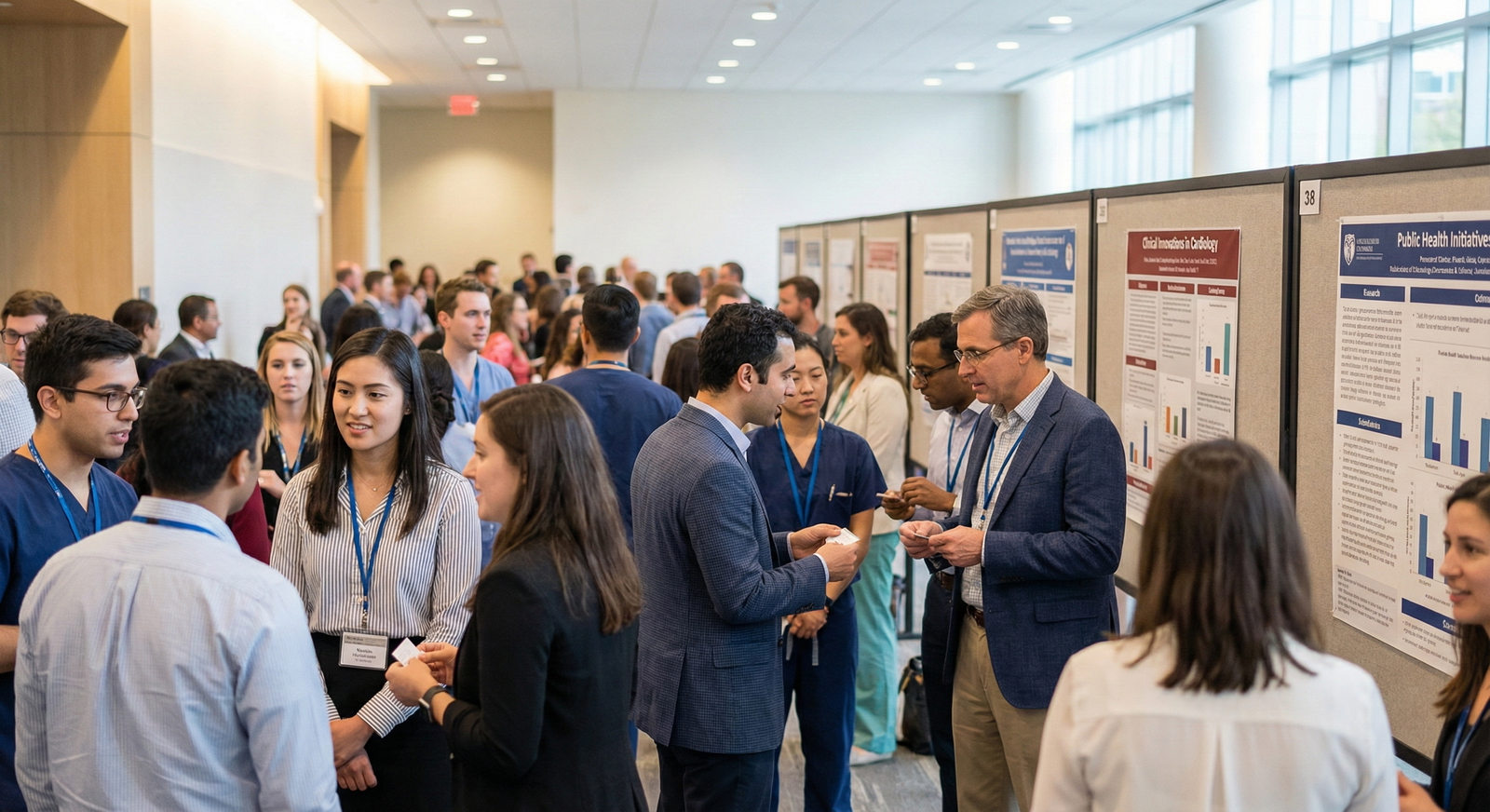
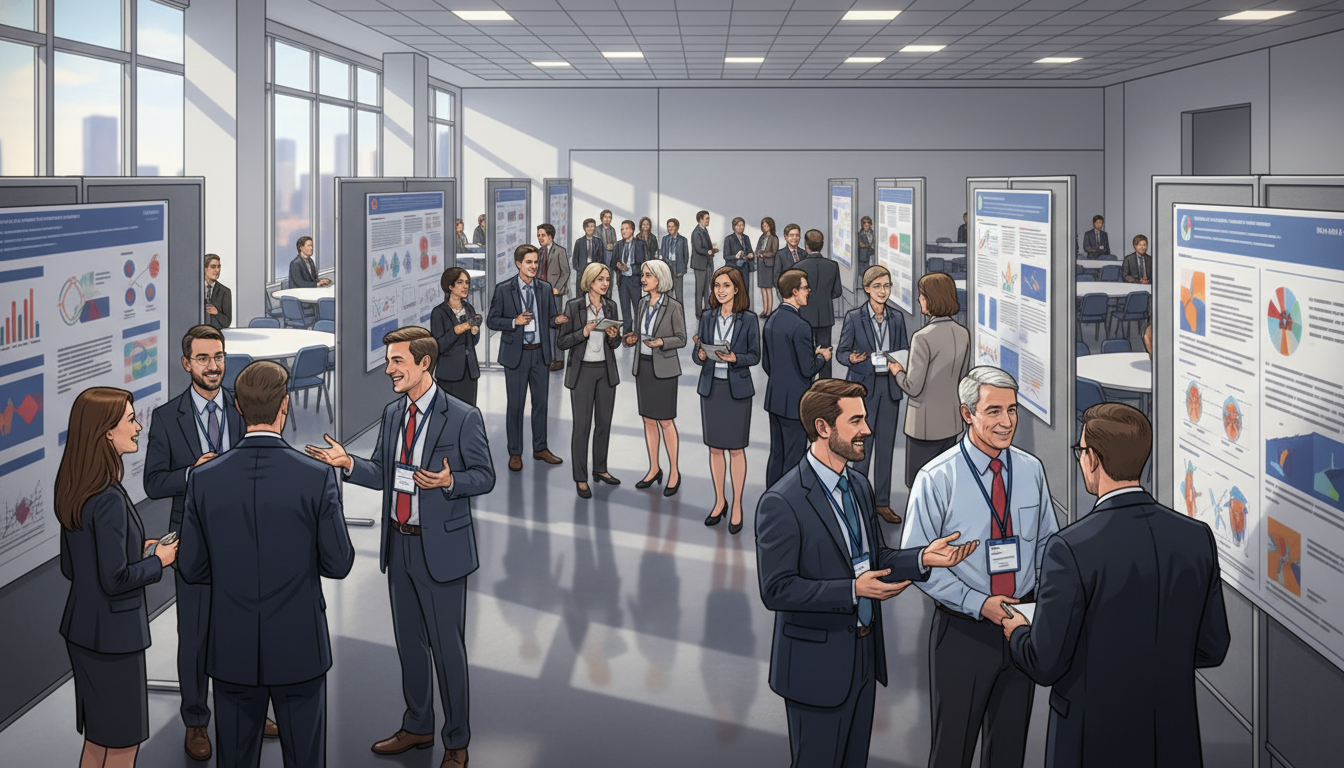
Use the poster hall strategically
- Visit posters related to your research interests or target programs.
- Ask presenters:
- “What was the biggest challenge in doing this project?”
- “How did this change your clinical practice?”
- If they’re from a program you’re interested in, ask what they value in applicants.
Be present at social events
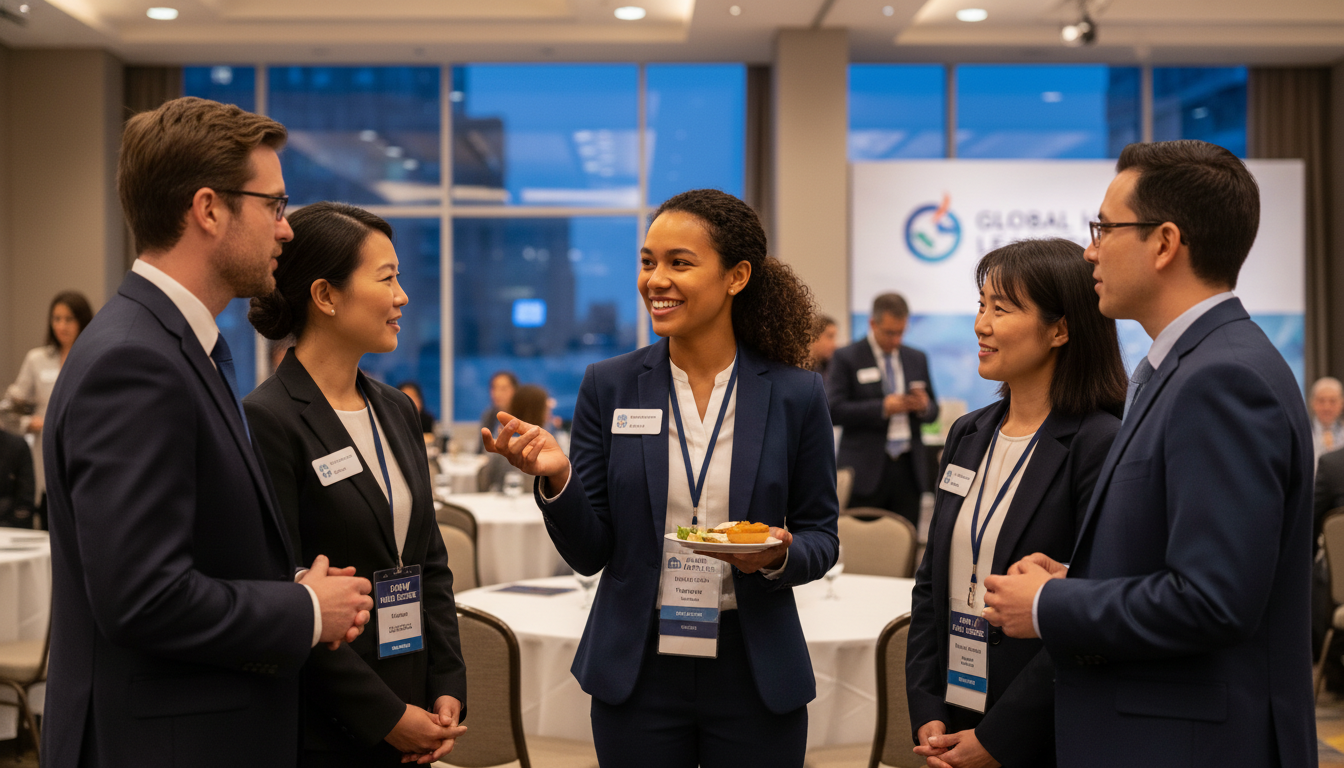
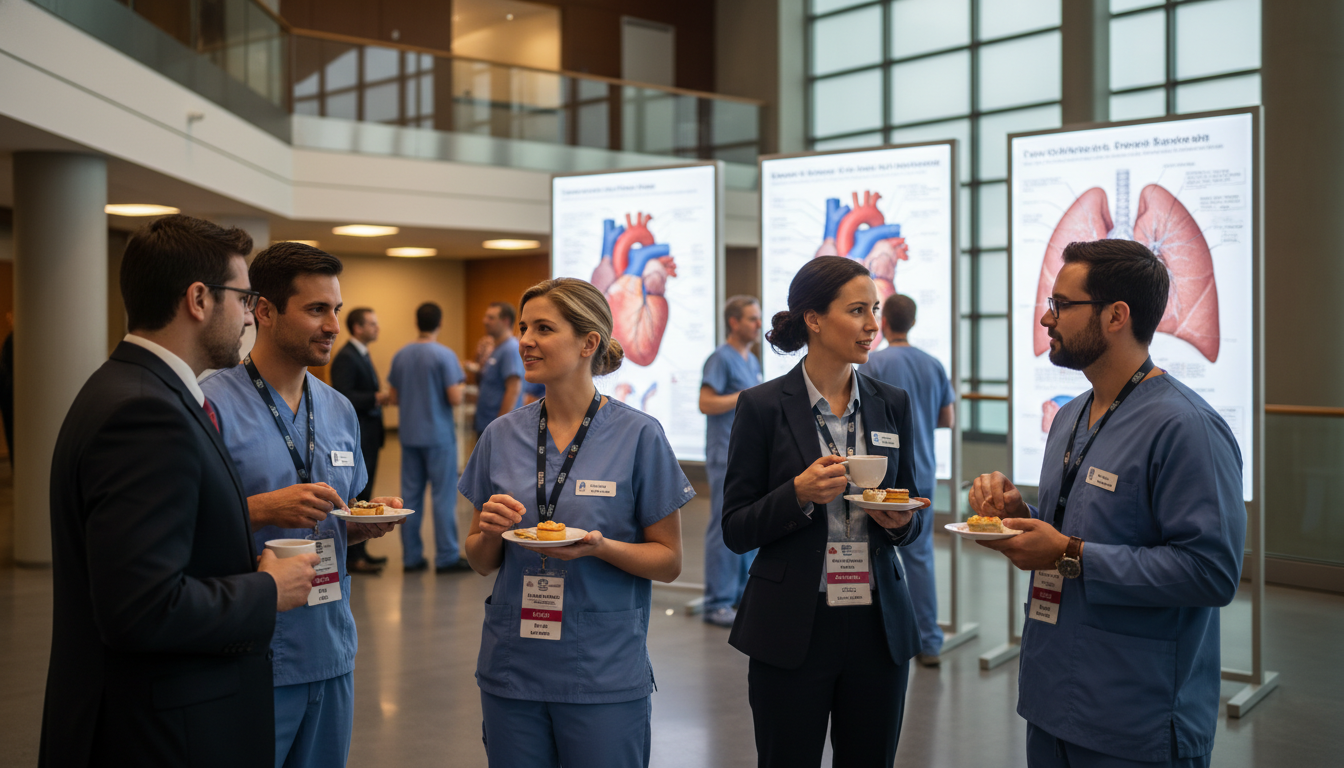
- Department receptions, trainee mixers, and society socials are high-yield for medical networking.
- Aim for quality over quantity:
- 2–3 meaningful conversations > 20 superficial introductions.
Following Up After the Conference
Within 3–5 days of the meeting:
- Send brief thank-you emails:
- Specific reference: “I appreciated your advice about X.”
- Optional: share 1–2 lines about how you intend to act on their guidance.
- Connect on LinkedIn or X (if they are active professionally):
- Add a short note: “We met at ASTRO…”
- If you discussed potential collaboration:
- Propose a concrete next step:
“Would it be okay if I draft a brief proposal/lit review for the idea we discussed?”
- Propose a concrete next step:
This turns one-time encounters into ongoing professional relationships.
Mentorship, Sponsorship, and Digital Networking in Radiation Oncology
Beyond in-person encounters, your deeper network in rad onc will be built on mentorship, sponsorship, and thoughtful use of digital tools.
Understanding Mentorship vs Sponsorship
- Mentor:
- Provides advice, guidance, feedback, and support.
- Helps you think through career decisions, projects, and work–life balance.
- Sponsor:
- Uses their influence to create opportunities for you.
- Recommends you for:
- Research positions
- Speaking slots and panels
- Leadership roles
- Competitive residency or faculty positions
Early on, you focus on finding mentors; over time, some mentors will naturally evolve into sponsors if you demonstrate reliability, integrity, and growth.
How to Find and Work With Mentors in Radiation Oncology
Sources of mentors
- Home rad onc faculty
- Away rotation faculty
- Residents (near-peer mentors)
- Faculty met at conferences or through societies
- Virtual mentorship medicine programs (ARRO, ASTRO, specialty groups)
What to look for in a mentor
- They have time and willingness to engage.
- They understand your career stage (student vs resident vs early attending).
- They communicate clearly and respectfully.
- Their values and style resonate with you—even if your specific research interests differ.
Approaching a potential mentor
- Start with a small ask:
- A 20–30 minute conversation about your goals.
- Feedback on your CV or application strategy.
- If the interaction goes well and they seem invested, ask:
- “Would you be open to ongoing mentorship as I navigate the rad onc match / residency / early career decisions?”
- Start with a small ask:
Be a high-value mentee
- Come to meetings prepared with:
- An updated CV
- Specific questions
- A short list of priorities (“top 3 decisions I’m facing now…”)
- Follow advice realistically:
- You don’t have to do everything suggested—but you should circle back with what you chose and why.
- Come to meetings prepared with:
Diversify your mentorship team
- You may need:
- A research mentor
- A clinical/development mentor
- A personal/wellness mentor
- Avoid overreliance on a single person; burnout and turnover can affect faculty availability.
- You may need:
Using Social Media and Online Platforms for Medical Networking
When used carefully, digital platforms can greatly expand your rad onc network.
X (Twitter), LinkedIn, and professional forums:
- Follow:
- Major rad onc departments
- ASTRO, ARRO
- Faculty whose work you admire
- Residents and early-career attendings
- Engage professionally:
- Share interesting papers (with thoughtful commentary).
- Ask concise, respectful questions about methods or implications.
- Avoid commenting on individual clinical cases unless clearly de-identified and appropriate.
Professional benefits:
- Stay updated on:
- New trials, guidelines, and technology
- Opportunities for virtual talks, webinars, and open positions
- Signal your interests:
- Consistent engagement with topics (e.g., lung SBRT, proton therapy, global oncology) builds your informal “brand.”
Cautions:
- Assume all posts are permanent and visible to potential colleagues and program directors.
- Avoid venting, gossip, or unprofessional humor about patients or colleagues.
- Respect confidentiality and institutional policies.
Strategic Networking for the Rad Onc Match and Early Career
At certain phases—MS3/MS4, PGY-2/3 in radiation oncology, or applying for jobs—networking decisions become especially high-stakes.
Networking for the Rad Onc Match
1. Early exploration (MS2–early MS3)
- Identify whether radiation oncology is right for you:
- Shadow in clinic
- Attend tumor board
- Talk to residents about lifestyle, job market, and daily work
- Start light research if possible (small projects, case reports, QI).
2. Core networking period (late MS3–MS4)
Away rotations as networking vehicles:
- Choose programs strategically:
- At least one highly academic center (if feasible).
- Consider geographic preferences.
- Mix of “reach” and “realistic” programs.
- During the rotation:
- Work hard, be teachable, and show genuine interest.
- Seek feedback midway and near the end.
- Express interest honestly—but avoid promising you’ll rank them #1.
- Choose programs strategically:
Letters of recommendation
- Prioritize:
- Rad onc attendings who know you well.
- Faculty with a reputation in the field (when possible).
- Ask explicitly:
- “Do you feel you can write a strong letter for my radiation oncology residency application?”
- Networking impact:
- Strong letters + faculty advocacy through their contacts can shape interview lists.
- Prioritize:
Program knowledge via networking
- Talk to current residents (home, away, at conferences).
- Ask:
- “What kind of applicant does your program thrive with?”
- “How is your program preparing graduates for the current job market?”
3. During interview season
- Treat each interaction as part of your professional network:
- Be collegial with co-applicants—you may be colleagues or job search allies later.
- Connect with residents and faculty on LinkedIn afterward if appropriate.
- After interviews:
- Send brief, genuine thank-you notes (optional but often appreciated).
- If you have a mentor connected to a program, they may advocate for you informally.
Networking as a Resident and Early-Career Radiation Oncologist
Once you’re in residency, networking supports:
- Research collaboration
- Fellowship or subspecialization (when relevant)
- Job placement—increasingly critical given job market variability
High-yield strategies:
- Present at ASTRO or disease-specific meetings regularly.
- Join committees (ARRO, ASTRO subcommittees, hospital QI groups).
- Stay in touch with:
- Co-residents who move to different institutions.
- Former attendings and research collaborators.
- Signal your job interests early:
- Let trusted mentors know your preferred geography, practice type (academic vs community), and disease-site focus.
- They may hear of openings long before they are publicly posted.
Common Pitfalls and How to Avoid Them
Even well-intentioned networking can go wrong. Be aware of these pitfalls:
Being transactional
- Only reaching out when you need something (letter, job contact).
- Fix: maintain light, periodic contact—sharing updates or expressing appreciation for prior help.
Overextending yourself
- Saying “yes” to too many projects to impress people.
- Fix: align commitments with your bandwidth; a reputation for overcommitting and underdelivering is highly damaging.
Ignoring staff and non-faculty team members
- Therapists, dosimetrists, physicists, and nurses are crucial colleagues:
- They can vouch for your interpersonal skills.
- They are part of your long-term professional reputation.
- Treat everyone with respect and gratitude.
- Therapists, dosimetrists, physicists, and nurses are crucial colleagues:
Unprofessional digital footprint
- Emotionally charged posts, unprofessional humor, or patient-related content.
- Fix: if in doubt, don’t post; keep clinical discussion educational and de-identified.
Burning bridges
- Leaving projects unfinished without explanation.
- Having conflicts and failing to repair them.
- Fix: communicate early about delays, apologize when needed, and seek closure on collaborations.
FAQs: Networking in Medicine for Radiation Oncology
1. I’m introverted. Can I still be effective at medical networking in radiation oncology?
Yes. Many excellent radiation oncologists are introverted. Focus on:
- Smaller, one-on-one or small-group conversations.
- Prepared questions for mentors and faculty.
- Written follow-up (emails, messages) where you may feel more comfortable.
- Consistent engagement over time rather than high-volume socializing.
Networking is about authenticity and reliability, not charisma.
2. How important is conference networking if I can’t afford to attend major meetings?
Conference networking is valuable but not mandatory. If cost is a barrier:
- Seek student/resident travel grants (ASTRO, ARRO, institutional funds).
- Prioritize virtual conferences and webinars.
- Build local and regional connections aggressively.
- Use email and virtual meetings to reach out to faculty at other institutions.
- Join national society mentorship programs that match you with remote mentors.
You can build a strong network without heavy travel if you’re intentional and consistent.
3. How many mentors should I have in radiation oncology?
There’s no fixed number, but a balanced mentorship “team” might include:
- 1–2 primary radiation oncology mentors (clinical/research).
- 1 near-peer mentor (senior resident or recent grad).
- 1–2 secondary mentors (e.g., in medical oncology, surgery, or imaging; or focused on wellness/career development).
What matters most is quality and fit—not quantity. Aim for a small group of engaged mentors rather than many superficial ones.
4. When should I start networking if I’m considering a radiation oncology residency?
Ideally:
- MS2–early MS3:
- Explore the field, shadow, attend tumor boards.
- Late MS3–MS4:
- Ramp up: formal rad onc rotations, research, away rotations, conference participation if feasible.
- If you’re later in training or switching specialties, start as soon as you have interest—and be transparent with mentors about your timeline and goals.
It’s never “too late” to network, but the earlier you start, the more time you have to build genuine, meaningful relationships.
By treating networking in medicine as a core professional skill—not a side activity—you can navigate the radiation oncology residency path, the rad onc match, and your early career with far more insight, support, and opportunity. In a small, interconnected specialty like radiation oncology, your relationships are one of your most powerful assets.