Why Networking Matters Even More for Caribbean IMGs in Urology
Urology is one of the most competitive surgical specialties in the United States. For a Caribbean IMG, the path to a urology residency is absolutely possible—but it is rarely straightforward. Strong USMLE scores, robust clinical evaluations, and meaningful research are essential. Yet one factor often separates applicants with similar metrics: networking in medicine.
If you trained at a Caribbean medical school, you’ve already overcome geographic, institutional, and perception-related barriers. What you may lack in built‑in institutional reputation or home‑program advantage, you can strategically replace with deliberate networking, targeted mentorship, and effective conference networking.
In this article, you’ll learn:
- Why networking is uniquely important for Caribbean IMGs targeting the urology match
- How to build an intentional network starting from Caribbean medical school to residency
- Practical strategies for medical networking during rotations, conferences, and research
- How to find and work with mentors and sponsors in mentorship medicine
- A step‑by‑step networking plan tailored to the urology residency application timeline
Throughout, we’ll use concrete examples relevant to a Caribbean IMG—whether you’re from SGU, AUC, Ross, Saba, or another school—navigating the Caribbean medical school residency journey.
Understanding the Urology Landscape as a Caribbean IMG
Why Urology Is a Networking‑Heavy Specialty
Urology is relatively small as a field. Many faculty know each other across programs through:
- The American Urological Association (AUA)
- Subspecialty societies (SUO, SMSNA, SESAUA, NCSAUA, etc.)
- Collaborative research and multi‑center projects
- Regular academic and regional conferences
Because of this, reputation and word-of-mouth carry significant weight. A recommendation call from a trusted colleague can impact whether your application is:
- Screened in vs. filtered out
- Invited for an interview vs. placed on hold
- Ranked higher vs. middle of the list
For a Caribbean IMG, this means you must be deliberate about exposure—being known, remembered, and trusted by people who have influence in the urology match process.
The Caribbean IMG Challenge: Gaps You Must Overcome
Compared to US MD students, Caribbean IMGs often face:
- No home urology department or home‑program “priority”
- Limited built‑in alumni presence at US urology programs
- Less access to early urology shadowing and lab opportunities
- Program bias or uncertainty about Caribbean medical schools
For example, an SGU student targeting the SGU residency match in urology might find that there are only a handful of SGU alumni in urology nationwide. Programs may not be familiar with your curriculum or grading system.
Networking bridges these gaps by:
- Giving program directors trusted narratives beyond your transcript
- Allowing mentors to vouch for your clinical and research ability
- Creating visibility you might not get through the ERAS application alone

Building Your Network Early: From Caribbean School to US Rotations
Step 1: Start at Your Caribbean Medical School
Even if your school doesn’t have a urology department, it has valuable human capital—faculty, deans, clinical chairs, and alumni. Many Caribbean graduates have successfully matched into surgical specialties, including urology.
Actionable steps:
Identify urology or surgery‑friendly faculty
- Ask your student affairs office or dean: “Do we have any alumni in urology or urology‑related research?”
- Look up match lists and highlight students who matched into competitive fields; ask how to contact them.
Join or start a student interest group
- If there’s no Urology Interest Group, consider starting one with faculty support.
- Invite alumni urologists (even via Zoom) to speak about the urology residency pathway.
Leverage your dean’s office
- Request a meeting: “I am seriously considering urology. How can we strategically plan my clinical years and electives to support that?”
- Ask them to help place you in rotations at hospitals known to have strong surgery or urology departments.
These early conversations create advocates who can later write strong letters or even place a quiet phone call on your behalf.
Step 2: Be Strategic With Clinical Rotations
Your core and elective rotations in the US are your first real opportunity for medical networking with individuals who have direct access to urology programs.
Priorities:
Aim for rotations at academic or teaching hospitals
- Look for facilities that host urology residents, or that are affiliated with a university urology program.
- Ask: “Which sites place students into competitive surgical specialties?”
Maximize exposure to surgeons and urologists
- During surgery or internal medicine, identify any faculty with urology connections.
- Ask politely:
“I’m very interested in urology. Do you know anyone in your network who might allow me to shadow or talk about the field?”
Treat every rotation as an extended interview
- Show up early, be prepared, and demonstrate consistent work ethic.
- Ask for feedback midway through the rotation:
“Is there anything I can do to be more helpful to the team or improve my performance?”
Faculty who view you as reliable and coachable are more likely to become mentors, letter writers, or connectors to urology colleagues.
Step 3: Deliberate Relationship‑Building on Rotations
Networking isn’t only about knowing people; it’s about people trusting and remembering you.
Tactics:
- Keep a running list of attendings, residents, and fellows you meet:
- Name, role, specialty, hospital, and something personal you recall.
- Send brief thank‑you emails after key cases or talks:
- “Thank you for letting me assist with the ureteroscopy today. I learned a lot about stone management. I’m a Caribbean IMG interested in urology and appreciated your teaching on intraoperative decision‑making.”
- Connect on LinkedIn where appropriate:
- Keep your profile professional and updated with your urology interests and research.
These small steps signal maturity and help you stay on their radar.
Mastering Conference and Digital Networking in Urology
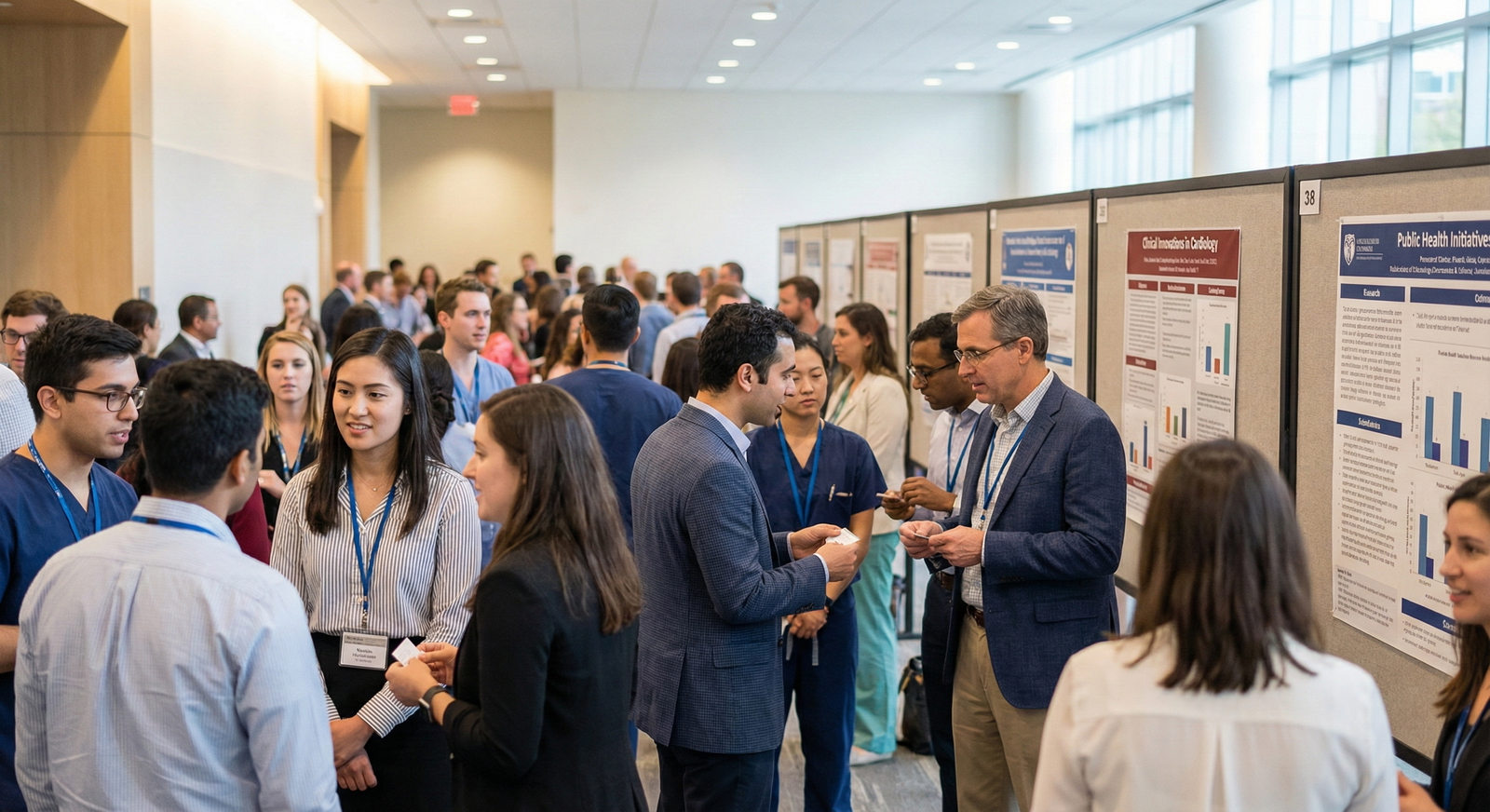
Why Conference Networking Is High‑Yield for Urology
Because urology is a relatively small, relationship‑driven specialty, conference networking is one of the fastest ways to:
- Meet program directors and faculty from multiple institutions
- Learn about new research and potential projects
- Put a face to your name before you apply
Important meetings for the urology match:
- AUA Annual Meeting (major national conference)
- Sectional/regional AUA meetings (e.g., New England, Southeastern)
- Subspecialty society meetings (e.g., SUO for oncology, SMSNA for sexual medicine)
If you’re coming from a Caribbean program like SGU, attending even one major urology meeting before applying can significantly boost your visibility and your SGU residency match prospects in urology.
How to Prepare for Conference Networking
Get there with purpose
- Try to attend with a poster or abstract; this creates a built‑in reason to talk to people.
- If you lack research, consider volunteering or attending as a trainee with discounted registration.
Pre‑conference outreach
- Identify 5–10 faculty or residents at programs you’re interested in.
- Send a brief email:
- Introduce yourself: “I’m a Caribbean IMG (3rd‑year) from [School], strongly interested in urology.”
- Mention why you admire their program or work.
- Ask if they would have 10–15 minutes to chat during the conference.
Create a concise “elevator pitch”
- 20–30 seconds, something like:
“I’m a fourth‑year medical student from a Caribbean school, very interested in urology. I’ve done research in [topic], and I’ll be applying this cycle. I’m especially interested in [aspect of their program or subspecialty].”
- 20–30 seconds, something like:
Bring physical and digital tools
- Updated CV in PDF on your phone and email.
- A simple, professional business card can be helpful but not mandatory.
On‑Site: How to Actually Network at a Urology Conference
At the conference, your mindset should be “curious and collegial,” not “desperate for a spot.”
Practical tips:
- Attend resident and medical student sessions. These are prime networking hubs.
- Ask thoughtful questions after talks—identify yourself by name and Caribbean background; that small note can make you memorable.
- Visit the poster sessions:
- Introduce yourself to residents presenting from programs you’re eyeing.
- Ask what they value in applicants, and whether their program has interviewed Caribbean IMGs before.
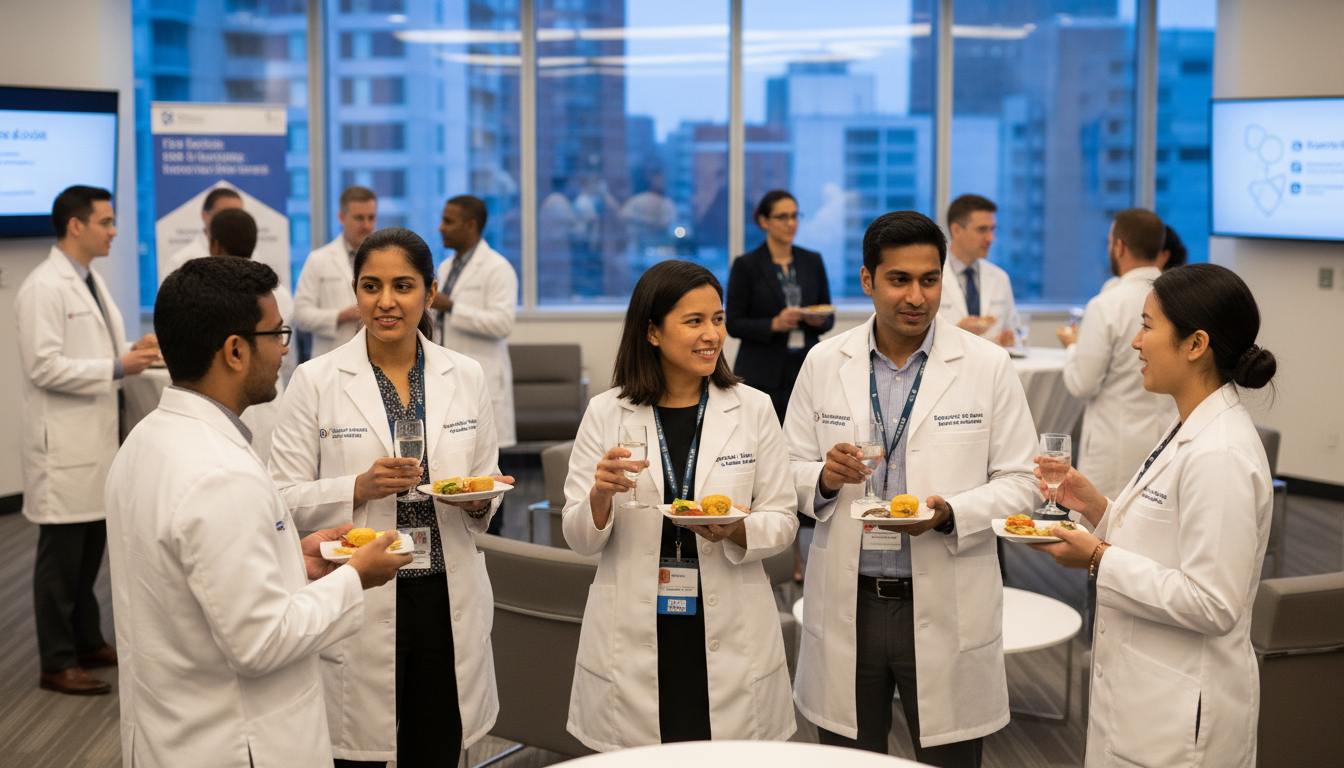
- Join informal social events, meet‑ups, or trainee receptions. These are often where the most honest advice is shared.
Example script for approaching someone:
“Hi Dr. Smith, my name is [Name]. I’m a Caribbean IMG from [School], and I’m very interested in urology. I enjoyed your talk on BPH management—especially your point about patient selection. Would you be open to sharing any advice for someone like me hoping to pursue the urology match from a Caribbean school?”
That simple, respectful approach can lead to:
- An invitation to email later
- A research opportunity
- A potential advocate who remembers your name during application review

Mentorship and Sponsorship in Urology: Turning Contacts into Allies
Understanding Mentorship vs. Sponsorship
In mentorship medicine, it’s crucial to distinguish:
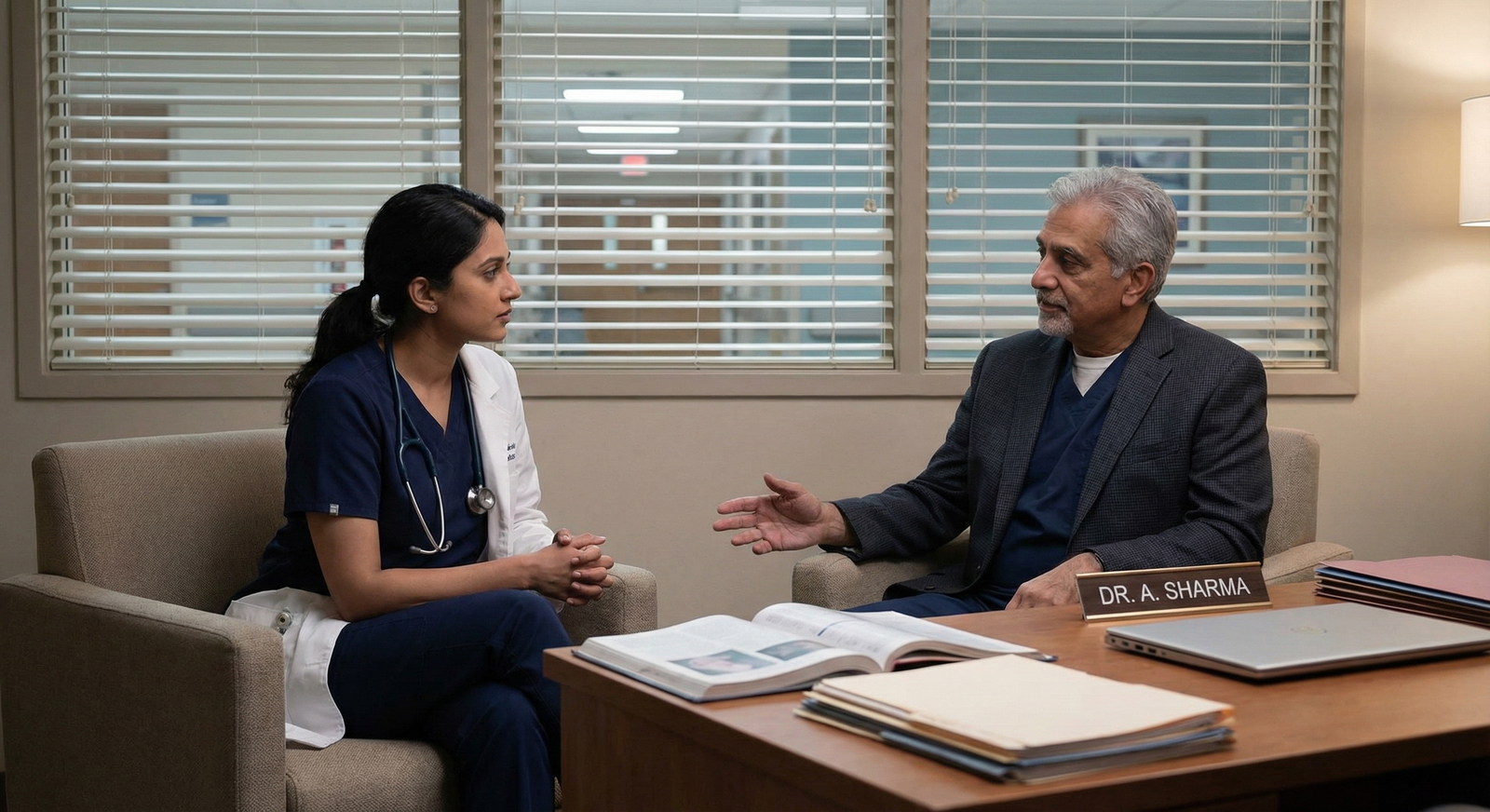
- Mentors: Advise you, guide your CV, help you think strategically.
- Sponsors: Use their influence to actively promote you—making calls, introducing you to colleagues, pushing for interview offers.
As a Caribbean IMG, both are vital, but sponsors can significantly change your trajectory.
How to Find Urology Mentors as a Caribbean IMG
Sources of potential mentors:
- Attendings and residents from your surgery, internal medicine, or elective rotations
- Urologists you meet at conferences
- Alumni in urology from your Caribbean school
- Faculty in research labs (not always urologists, but often well‑connected)
When you identify someone promising:
Ask for a focused, time‑limited meeting
- “Would you be willing to meet for 15–20 minutes so I can get your advice about a urology career as an IMG?”
Come prepared
- One‑page CV or 2–3 bullet points about your background.
- A list of concise questions (e.g., “What can I do in the next 6–12 months to make myself a realistic urology candidate?”).
Clarify your goals
- Be honest: “My long‑term goal is to match into urology. Here are my scores and experiences so far. Do you think that’s realistic, and what would it take?”
A good mentor will give you realistic feedback, which is especially important for a competitive specialty like urology.
Developing Deeper Mentoring Relationships
To turn a one‑time interaction into ongoing mentorship:
- Follow up with updates every 2–3 months:
- “Since we last spoke, I’ve started a retrospective study on kidney stones and completed a sub‑I in general surgery.”
- Offer to help:
- “If you have any ongoing projects where I could be useful—data entry, literature review—I’d be very interested.”
Reliable follow‑through is often what convinces mentors to become sponsors. Once they trust you, they are more likely to:
- Write strong, detailed letters of recommendation
- Email their peers at other urology programs about you
- Advocate for your interview when your application is being reviewed
Using Mentorship Strategically for the Urology Match
Your mentor or sponsor can help you:
- Decide how many and which programs to apply to
- Understand which programs are more IMG‑friendly
- Time your electives and sub‑internships optimally
- Prepare for urology‑specific interview questions
For example, if you are an SGU student targeting the SGU residency match in urology, a sponsor might say:
“We don’t take many Caribbean IMGs, but my colleague at [another program] does. I’ll send them your CV and let them know to look out for your application.”
That kind of behind‑the‑scenes advocacy is often decisive.
A Year‑by‑Year Networking Roadmap for Caribbean IMGs Targeting Urology
Pre‑Clinical Years (Basic Sciences in the Caribbean)
Goals:
- Explore urology and confirm it’s the right fit.
- Start building a base of mentors and connections.
Actions:
- Join or start a Urology/Surgery Interest Group.
- Reach out to alumni in urology for informational Zoom calls.
- Read introductory urology texts or AUA Core Curriculum to show early commitment.
- Attend virtual conferences/webinars if travel isn’t possible.
Clinical Years: Core Rotations
Goals:
- Show you are a strong clinician and team member.
- Identify at least 2–3 potential mentors with surgical or urologic ties.
Actions:
- Proactively seek feedback from attendings; aim for strong comments on evaluations.
- Ask surgery attendings if they know urologists you can shadow.
- Network with residents who might connect you to urology colleagues.
Clinical Electives and Sub‑Internships
Goals:
- Get direct urology exposure at places where you might later apply.
- Earn strong letters of recommendation and advocates.
Actions:
- Schedule urology electives/sub‑Is as early as feasible (while still prepared).
- Treat sub‑Is as month‑long interviews: be dependable, teachable, and professional.
- Express your interest clearly:
“I would be very interested in your honest opinion about my chances in urology as a Caribbean IMG and what I can do to strengthen my application.”
Application Year (Urology Match Cycle)
Goals:
- Translate your network into interviews and strong ranking.
- Maintain professionalism across all interactions.
Actions:
- Ask mentors/sponsors well in advance for letters of recommendation.
- Politely let key sponsors know when you’ve applied so they can reach out to programs.
- At interviews, demonstrate that you understand the culture of the program and urology as a field.
- After interviews, send personalized, concise thank‑you emails to interviewers and coordinators.
Common Networking Pitfalls and How to Avoid Them
Mistake 1: Networking Only When You “Need” Something
If you only contact mentors right before asking for a letter or a favor, the relationship feels transactional.
Solution:
Provide updates, show appreciation, and occasionally share your own career milestones, even when you don’t need anything.
Mistake 2: Being Vague About Your Goals
“I’m thinking about maybe urology or maybe something else, I’m not sure” makes it hard for sponsors to invest in you.
Solution:
Once you’ve made an informed decision, be clear: “My primary goal is urology. If that becomes truly unattainable, I have a backup; but I’m fully committed to making urology work.”
Mistake 3: Ignoring Non‑Urologist Connections
Hospitalists, general surgeons, and researchers in other specialties can still connect you to urologists.
Solution:
Don’t dismiss any potential mentor. Ask: “Do you know any urologists you’d be comfortable introducing me to, even by email?”
Mistake 4: Over‑ or Under‑selling Your Caribbean Background
You might feel you need to apologize for being from a Caribbean school or, conversely, never acknowledge the challenges.
Solution:
- Be confident but realistic:
- “I know that coming from a Caribbean medical school makes the path to urology more competitive, but I’m prepared to do the work it takes.”
- Let your performance and professionalism speak for you, while using your story to show resilience and determination.
FAQs: Networking in Medicine for Caribbean IMGs in Urology
1. I’m at a Caribbean school with no urology department. How can I realistically start networking?
Start by leveraging what you do have:
- Ask your dean’s office for alumni who matched into urology or surgery.
- Use LinkedIn and AUA member directories to find urologists who graduated from your school.
- Attend virtual AUA or specialty webinars and introduce yourself in Q&A sessions.
- During surgery and internal medicine rotations, tell attendings you’re interested in urology and ask if they know any urologists you can contact.
Your early goal is simply to have 1–2 urology mentors who can advise and eventually sponsor you.
2. Do I absolutely need a urology research publication to match as a Caribbean IMG?
It’s not strictly mandatory, but urology research is highly advantageous, especially from a Caribbean background. It demonstrates:
- Genuine interest in the field
- Ability to contribute academically
- Familiarity with current urologic topics
If full publications aren’t feasible, aim for:
- Case reports or case series
- Conference posters or abstracts
- Quality improvement projects on urologic issues
Use your mentors and conference networking to find ongoing projects where you can contribute, even in smaller roles.
3. How many conferences should I attend before applying to urology?
Quality matters more than quantity. For most Caribbean IMGs, one major urology meeting (such as the AUA) plus a regional or virtual meeting can be enough—if you:
- Attend with a poster or abstract when possible
- Reach out to faculty and residents ahead of time
- Actively participate in student/resident sessions
If finances are tight, prioritize the AUA Annual Meeting or your local/regional AUA section meeting where travel is less costly.
4. What if a mentor tells me urology is unrealistic as a Caribbean IMG?
Take this as valuable data, not as a final verdict. Ask:
- “What specific metrics or experiences do you think make it unrealistic?”
- “What would you consider a competitive profile for an IMG in urology?”
- “If urology is truly not feasible, what related fields might be a better fit (e.g., general surgery, interventional radiology, nephrology)?”
Then:
- Get second and third opinions from other mentors.
- Honestly assess your scores, clinical performance, and research record.
- If you ultimately pivot, your networking skills will still serve you in any specialty.
Networking in medicine is not about being extroverted or having perfect English; it’s about showing up consistently, adding value, and building trust over time. As a Caribbean IMG targeting the urology residency match, you won’t have every advantage—but with strategic networking, strong mentorship, and purposeful use of conferences and rotations, you can create opportunities that might not otherwise exist.
Your journey may be more complex, but it can also demonstrate exactly the kind of resilience, initiative, and humility that urology programs value in future colleagues.