Why Networking Matters Even More for a DO Graduate in Medical Genetics
For a DO graduate interested in medical genetics, networking is not optional—it is one of the main levers you can pull to shape your career. Medical genetics is a small, relationship-driven specialty. At the same time, DO representation in many academic genetics departments is still limited, which means your visibility, mentorship, and connections can significantly influence your opportunities in the osteopathic residency match and beyond.
Networking in medicine is not just about “who you know.” It is about:
- Making sure the right people know who you are, what you care about, and what you offer
- Opening doors to research, letters of recommendation, and fellowship or job opportunities
- Finding mentors who understand your DO background and your path into the medical genetics residency world
- Building a reputation as a collaborative, reliable, and curious physician
In this article, we’ll walk through specific, practical strategies tailored to a DO graduate pursuing or navigating medical genetics—whether you are preparing for the genetics match, in residency already, or early in practice planning your long-term academic or clinical career.
Understanding the Landscape: Medical Genetics, DO Identity, and the Match
Medical genetics is a relatively small specialty with a high emphasis on academic environments, multidisciplinary care, and research. That combination can sometimes make it feel like an “MD-dominant” world—and that’s where intentional networking becomes especially powerful for a DO graduate.
The DO Graduate Residency Reality
As a DO graduate, you bring valuable strengths:
- Exposure to whole-person care and systems thinking
- A strong foundation in clinical reasoning and often in community-oriented practice
- Training that often values interprofessional collaboration
However, you may also encounter:
- Limited DO faculty representation in genetics programs
- Misperceptions about your training among some academic physicians
- Fewer DO-specific role models in medical genetics residency and fellowship leadership
Networking can help bridge these gaps by:
- Making your skills and story visible to people who sit on selection committees
- Giving you access to insider information about the genetics match process
- Allowing you to demonstrate your interest and fit beyond what’s written in your application
Why Medical Genetics Is Especially Network-Driven
Compared with larger fields like internal medicine or surgery, medical genetics:
- Has a small but tight-knit professional community
- Often involves interdisciplinary teams (oncology, neurology, pediatrics, maternal-fetal medicine)
- Depends heavily on academic centers and research collaborations
- Is sensitive to subspecialty reputation (e.g., cancer genetics, metabolic genetics, prenatal genetics)
Because of this, a few strong relationships can dramatically impact:
- Your chances in the osteopathic residency match and subsequent fellowships
- Early job offers in clinical genetics or combined specialties (e.g., pediatrics–genetics)
- Invitations to join multi-center research projects or guideline committees
In other words: relationships are amplified in a small specialty. Properly cultivated, your network becomes one of your most valuable career assets.
Building a Strong Foundation: Mentorship and Near-Peer Support
Before diving into conferences and LinkedIn strategies, you need a core group of people who know you well. This is where mentorship in medicine and near-peer networking become essential.
Identifying Your “Core Four” Mentorship Team
Aim to build a small, diverse team of 3–4 people who can support different aspects of your trajectory. For a DO graduate pursuing medical genetics, consider:
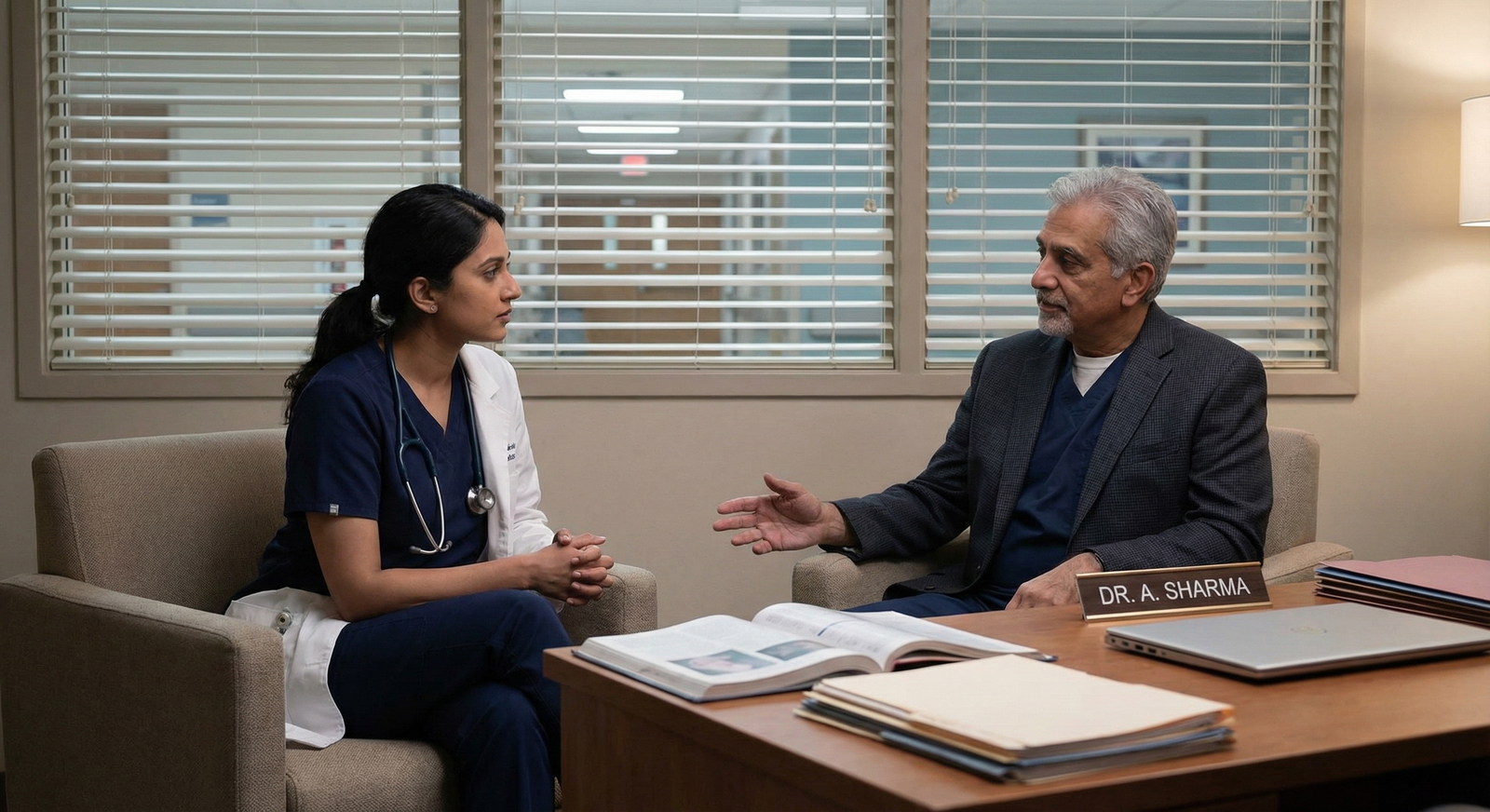
Genetics-Focused Mentor (Content Mentor)
- A clinical geneticist, biochemical geneticist, or lab geneticist
- Helps you understand the field, subspecialty choices, and typical career paths
- Can advise you on rotations, research topics, and fellowships
DO-Savvy Mentor (Identity Mentor)
- A DO physician (not necessarily in genetics) who understands DO-specific challenges
- Guides you in navigating biases, explaining your background, and highlighting your strengths
- Helpful in framing your personal statement and interviews for the genetics match
Career Strategist (Systems Mentor)
- Someone with experience in graduate medical education (GME) leadership, program direction, or academic leadership
- Can clarify how residency and fellowship selection actually work
- Offers strategic advice on where to apply, how to rank, and how to present your CV
Near-Peer Mentor (Practical Mentor)
- A genetics resident, fellow, or early-career attending who recently navigated the match
- Offers real-world, timely advice on ERAS, interviews, and early career challenges
- Often the most accessible and candid source of information
These mentors don’t all need formal titles. They just need to be willing, reachable, and invested in your success.

How to Find and Approach Mentors
Some practical steps:
Start locally
- Ask your home institution: “Who here works in medical genetics or collaborates with genetics?”
- Reach out to pediatrics, oncology, OB/MFM, neurology, or pathology departments—they often have genetics partners.
Leverage national organizations
- American College of Medical Genetics and Genomics (ACMG)
- National Society of Genetic Counselors (for multidisciplinary networking)
- American Osteopathic Association (AOA) committees related to specialty selection
Many have mentorship or early-career programs you can opt into.
Use a concise, professional outreach email
Example:Dear Dr. [Name],
My name is [Your Name], and I am a DO graduate with a strong interest in medical genetics. I’m currently [applying to / preparing to apply to / early in] medical genetics residency and would value the chance to learn from your experience.
Would you be open to a brief 20–30 minute conversation about your career path and any advice you might have for a DO graduate exploring the genetics match? I’ve attached my CV for context.
Thank you for considering this,
[Your Name]Be clear on the ask
Don’t start with “Will you write me a letter?” Start with:- “Could we schedule a short call?”
- “Could I get your advice on how to strengthen my application?”
Over time, if the relationship grows, letter-writing and sponsorship may follow naturally.
Making Mentorship Bidirectional
Even as a DO graduate, you can add value:
- Offer to help with data collection, chart review, or patient education materials
- Share your perspective on osteopathic training, which can broaden their understanding
- Volunteer for tasks that relieve their workload (e.g., literature searches, IRB prep)
Mentorship is strongest when it feels like a mutual investment, not a one-sided extraction.
Conference Networking: Turning Events into Opportunities
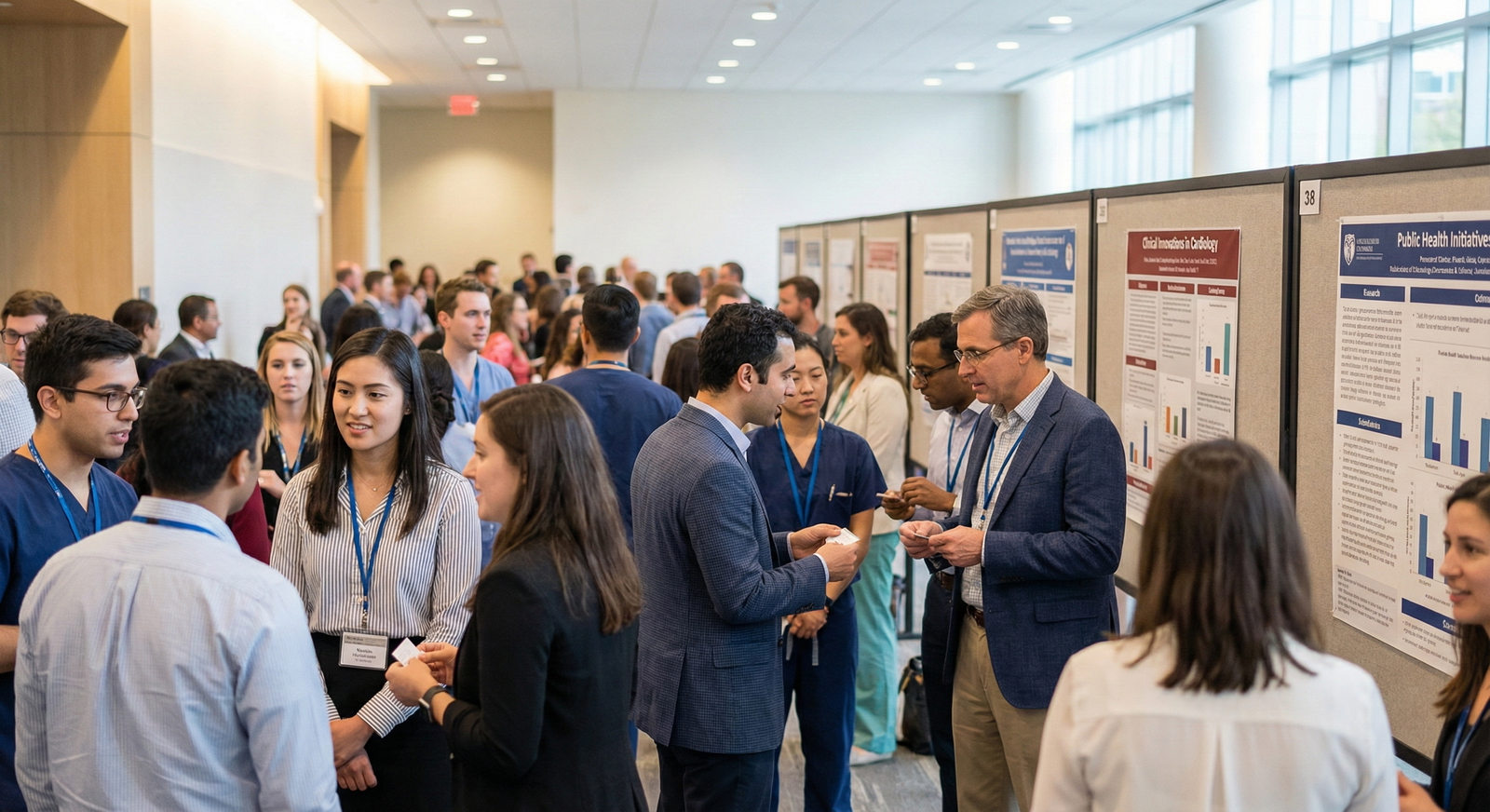
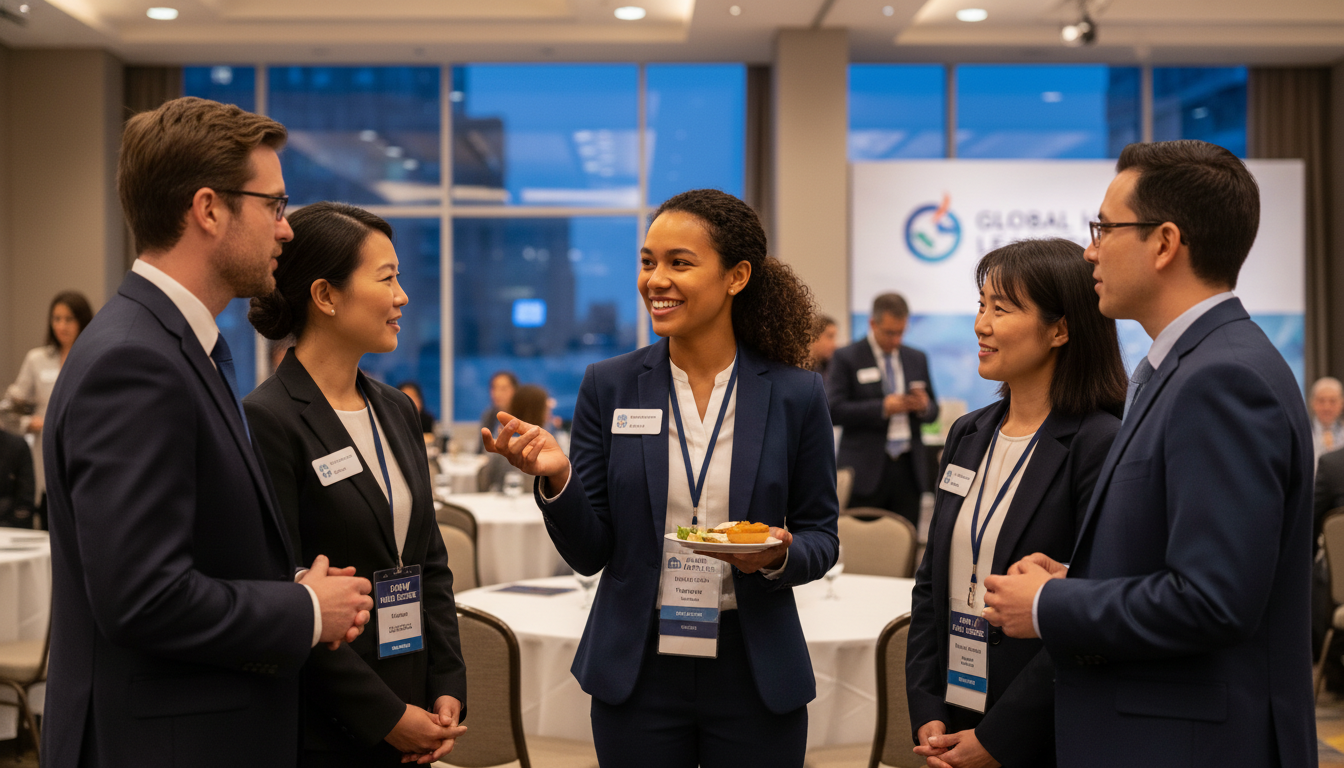
Conferences are one of the highest-yield environments for medical networking, especially in a tight field like medical genetics. They let you meet people who influence training positions, research funding, and early-career jobs.
Choosing the Right Conferences
For a DO graduate in medical genetics, consider:
Major Genetics Conferences
- ACMG Annual Clinical Genetics Meeting
- ASHG (American Society of Human Genetics) Annual Meeting
- Specialty meetings (e.g., cancer genetics, metabolic disorders)
Broader Conferences with Genetics Tracks
- Pediatric, internal medicine, oncology, OB/GYN, neurology conferences
- AOA or AACOM meetings with sessions on specialty exploration and match guidance
These events are prime venues for conference networking—one of the most efficient ways to expand your reach beyond your home institution.
Pre-Conference Strategy: Network Before You Arrive
To avoid feeling lost in a sea of badges, plan ahead:
Scan the program early
- Identify sessions on residency, fellowships, or early career in genetics
- Highlight talks given by program directors or leaders in programs where you might apply
Reach out in advance
- Email 2–5 individuals you’d like to meet:
- “I saw that you will be speaking on [topic] at ACMG. As a DO graduate preparing for a medical genetics residency, I’m very interested in your work and your program. Would you be open to a brief conversation during the meeting?”
- Email 2–5 individuals you’d like to meet:
Prepare a one-sentence “identity line”
- Example: “I’m a DO graduate interested in pediatric–medical genetics, especially in hereditary metabolic diseases and how we can improve access to testing.”
Bring or prepare a polished digital CV
- Many conversations end with: “Send me your CV; if I hear of something, I’ll let you know.”
Make it easy to say yes.
- Many conversations end with: “Send me your CV; if I hear of something, I’ll let you know.”
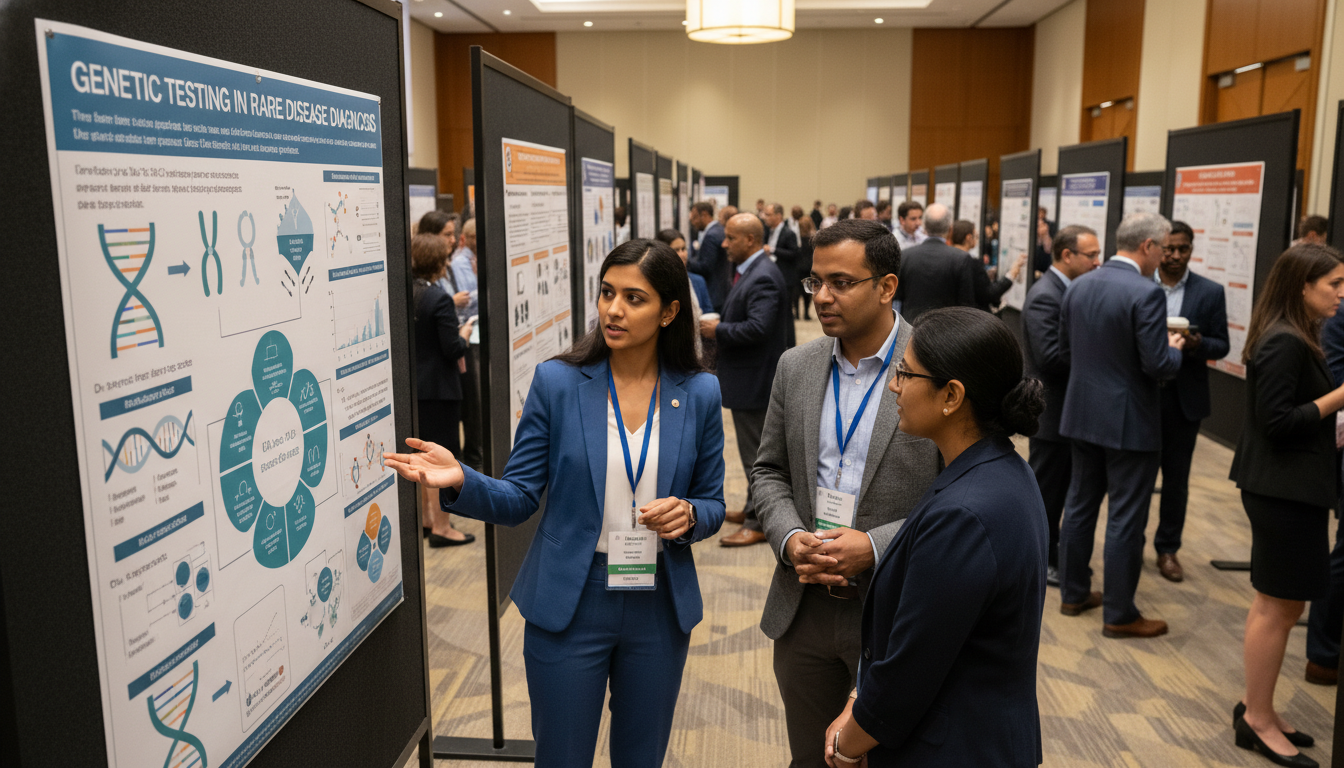
At the Conference: What Effective Networking Looks Like
You don’t need to “work the room” like a salesperson. Instead, aim for a few meaningful conversations each day.
Tactics that work:
Attend smaller sessions and workshops
Q&A sessions and breakout groups are ideal for speaking up and being noticed.Ask thoughtful questions
After a talk, approach the speaker with 1–2 specific questions:- “For a DO graduate, are there particular rotations you recommend to strengthen preparation for a genetics residency?”
- “How does your program view DO applicants, and what helps them stand out?”
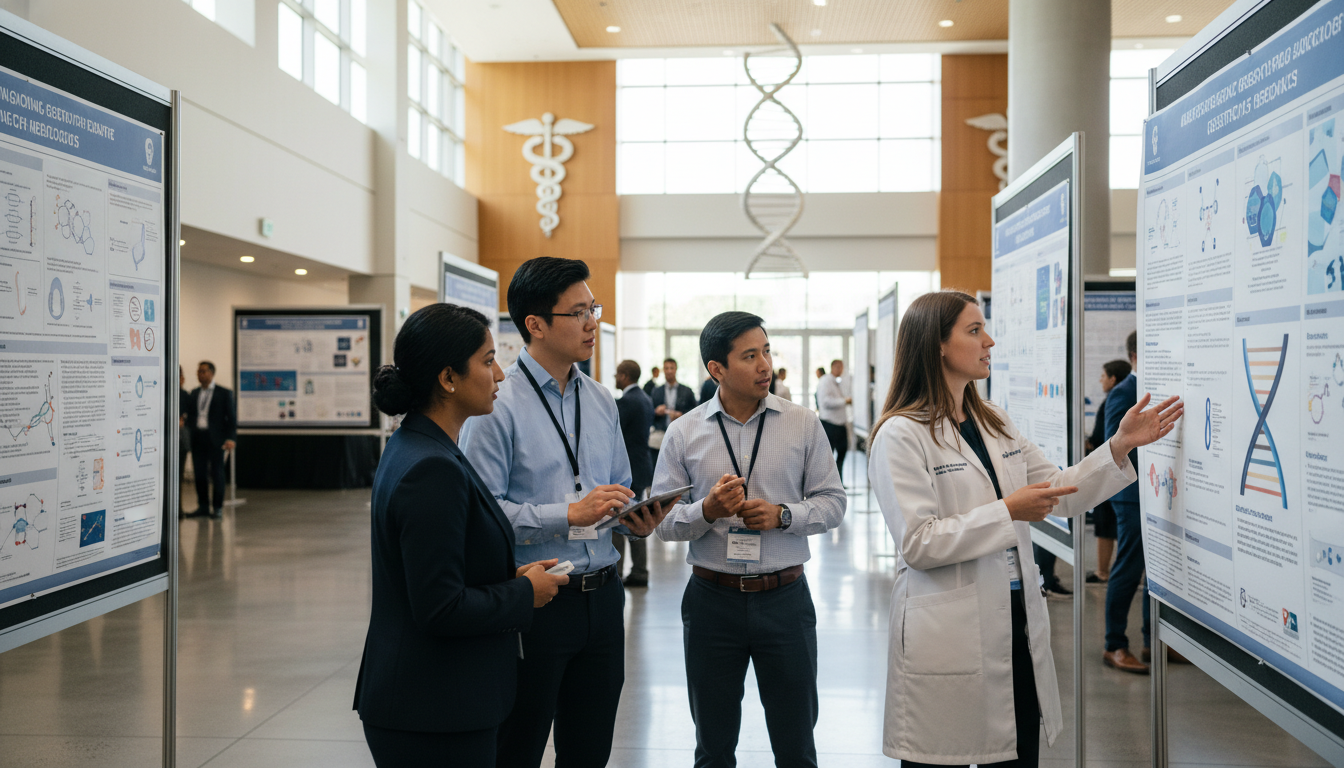
Use your poster or presentation as a networking anchor
If you have a poster, practice a 1-minute summary and invite discussion:- “I’d love your feedback on how this might apply in your clinic or training program.”
Target program leadership—but naturally
Program directors, associate directors, and key faculty are often present at large conferences:- Introduce yourself briefly
- Reference something specific about their talk, not just “I want a spot”
- Ask: “What do you wish more applicants to your medical genetics residency understood before applying?”
Post-Conference Follow-Up
Networking at a conference is incomplete without follow-up:
Send individualized emails within a week
- Thank them for their time
- Reference something you discussed
- Attach your CV if appropriate
- Express specific interest in staying connected (e.g., “I’ll be applying to the genetics match in the upcoming cycle and would value any advice.”)
Connect on LinkedIn or professional networks
When you send a request, include a note:- “We met at ACMG after your session on cancer genetics. As a DO graduate pursuing medical genetics, I’d love to stay in touch.”
This is how one short conversation turns into an ongoing professional relationship.
Digital Networking: Maximizing Online Tools as a DO in Genetics
In a small specialty, your online presence can serve as an extended introduction long before someone meets you. It also supports your credibility as a serious candidate for a medical genetics residency.
Building a Professional Online Profile
At minimum, you should have:
LinkedIn Profile
- Professional headshot
- Headline: “DO graduate pursuing medical genetics residency | Interests: [your specific areas]”
- Summary that briefly explains your journey and goals
- Experience that includes research, quality improvement, advocacy, and leadership
- Skills related to genetics, research, data analysis, and patient-centered care
Academic Profile
- If your institution has profile pages, keep yours updated: clinical interests, research, and presentations.
- If appropriate, create a simple professional webpage or use platforms like ResearchGate to track publications.
Clear, Consistent Branding
- Align your narrative: your LinkedIn, CV, and personal statement should tell a coherent story about your trajectory into medical genetics and how your osteopathic background strengthens it.
Using Social Media Strategically (Not Aimlessly)
Twitter/X, Threads, and other platforms can be powerful for medical networking, especially in genetics where many leaders are active online.
Use them to:
- Follow professional societies (ACMG, ASHG, AOA)
- Follow program accounts for genetics residency programs
- Engage with content:
- Comment thoughtfully on new guidelines or research
- Share articles with brief, professional reflections
Avoid:
- Patient-specific discussions
- Emotional venting about match or applications
- Posting anything you wouldn’t want a program director to see
You’re building a digital portfolio of your professional judgment as much as your clinical interests.
Reaching Out Virtually to Programs and Faculty
You can also build connections with genetics programs outside of conferences:
Informational Interviews (20-minute Zoom calls)
Email a faculty member or program director:- Introduce yourself as a DO graduate with a clear interest in their program
- Ask whether they’d be open to a short call to discuss:
- What they’re looking for in applicants
- How DO graduates have done in their program
- Opportunities for research or visiting rotations
Virtual Open Houses and Q&A Sessions
Many programs host sessions before the genetics match season:- Come prepared with questions that reveal serious interest
- Use your camera; engage with the chat; follow up afterward
These steps demonstrate initiative and can move you from “unknown applicant” to “recognizable name and face” when applications are reviewed.
Turning Networking into Concrete Opportunities: Research, LORs, and the Genetics Match
Networking should ultimately move you closer to your goals: matching into a strong medical genetics residency, thriving during training, and building a sustainable career. That means converting relationships into structured opportunities.
Using Your Network to Find Research and Scholarly Work
Research is highly valued in academic genetics. As a DO graduate, research output can:
- Show that you can contribute in academic settings
- Counter any lingering bias about training pathways
- Give faculty concrete evidence of your work ethic and attention to detail
Use your network to:
- Identify ongoing genetics projects that need help with:
- Chart review
- Data entry or analysis
- Patient recruitment
- Literature reviews
- Ask mentors:
- “Are there any projects where an extra pair of hands would be helpful, even for a small piece?”
- “Is anyone in the department leading a study related to [your interest—cancer, metabolic, prenatal, etc.]?”
Be realistic about scope—small, completed projects are more valuable than large, unfinished ones.
Securing Strong Letters of Recommendation (LORs)
Letters carry particular weight in a medical genetics residency application because:
- The field is small; letter writers often know each other
- Detailed narratives about your curiosity, reliability, and compassion matter
Your networking efforts should aim to:
Work closely with at least 1–2 genetics faculty members
Through rotations, clinic time, research, or case conferences.Ask for letters early and clearly
- “Would you feel comfortable writing a strong letter of recommendation in support of my application to medical genetics residency programs?”
Support your letter writers
- Share your CV, personal statement, and a short bullet list of key experiences you hope they highlight.
Keep in mind: people are more willing to write strong letters for trainees they know over time—another reason to start networking well before match season.
Network-Aware Application Strategy for the Genetics Match
You can use your network to sharpen your match strategy:
Gather “insider” information
Ask your mentors:- “Which programs have a track record of supporting DO graduates?”
- “Where do you think my application would be most competitive?”
Tailor your program list
Based on:- Whether you’ve connected with people there
- Geographic preferences and visa or licensing considerations (if applicable)
- Program culture: research-heavy vs. clinically focused, pediatric vs. adult emphasis
Signal interest appropriately
Programs in smaller specialties often place value on:- Prior communication
- Visiting electives or virtual rotations
- Attendance at their talks or open houses
Where appropriate, let programs know:
- “I especially appreciated learning about your emphasis on [specific clinic, research theme, or teaching style]. This aligns closely with my goals as a DO graduate interested in [specific area].”
Over time, your name becomes associated with a clear, coherent identity—and that’s exactly what helps applications stand out.
Sustaining Relationships During Residency and Early Career
Networking doesn’t end when you match. During residency, your approach to mentorship, medical networking, and conference networking will influence your fellowship options, job prospects, and academic roles.
Continue to Grow Your Network Horizontally and Vertically
Horizontally:
Build relationships with co-residents, fellows, genetic counselors, and multidisciplinary colleagues. These are your future collaborators and co-authors.Vertically:
Stay connected with:- Former mentors from medical school or pre-residency
- National contacts you met at conferences
- Faculty outside your department who share research interests
A simple yearly update email can keep relationships warm:
- “I wanted to share a quick update—I’ve started my second year of medical genetics residency and am working on a project about [topic]. Thank you again for your earlier guidance.”
Give Back Early
You don’t need to wait until you’re an attending to contribute:
- Mentor students and DO applicants interested in genetics
- Volunteer for resident committees in professional societies (ACMG, ASHG)
- Present at small local or regional meetings
As you become known as someone who both seeks and provides help, your network will deepen and broaden at the same time—and opportunities will start seeking you, not just the other way around.
Frequently Asked Questions (FAQ)
1. As a DO graduate, do I face a disadvantage in the medical genetics residency and genetics match?
You may encounter some programs that are less familiar with osteopathic training, but many genetics programs value DO applicants, especially when they demonstrate strong clinical performance, curiosity about genetics, and engagement in scholarly work. Networking helps you overcome unfamiliarity by putting a face and story to your application, and by earning advocates who can vouch for your abilities.
2. I’m introverted. How can I still network effectively in medicine and at conferences?
Effective networking does not require being extroverted. Focus on:
- Preparing a few specific questions in advance
- Targeting small-group sessions and workshops instead of large receptions
- Scheduling one-on-one conversations (informational interviews, coffee chats)
- Following up thoughtfully via email
Quality matters more than quantity. A couple of substantive conversations per event is enough to build a strong foundation.
3. What if I don’t have a medical genetics department at my DO school or home institution?
This is where remote and national networking becomes crucial:
- Reach out to genetics faculty at nearby academic centers for shadowing or research
- Use professional societies (ACMG, ASHG) to find mentors in your region
- Attend virtual conferences and open houses
- Consider an away rotation or virtual elective in genetics if possible
A lack of local resources is not a dealbreaker, but it does require earlier, more intentional outreach.
4. How early should I start networking if I want to pursue medical genetics?
Ideally, start 12–24 months before you plan to apply to the genetics match. That gives time to:
- Identify and work with mentors
- Join at least one research or scholarly project
- Present a poster or talk at a conference
- Build a track record of sustained interest
However, it’s never “too late” to start. Even during the application season, focused networking—especially through conferences and virtual events—can still improve your visibility and opportunities.
Networking in medicine is not about self-promotion; it is about building mutual, long-term relationships that help everyone deliver better care and move the field forward. As a DO graduate in medical genetics, your unique training and perspective are valuable. With deliberate mentorship, thoughtful conference networking, and a strategic digital presence, you can not only navigate the osteopathic residency match successfully but also build a fulfilling, connected career in this rapidly evolving specialty.