Why Networking Matters So Much in Medicine–Psychiatry for DO Graduates
If you are a DO graduate pursuing or already in a med psych residency (medicine psychiatry combined training), your clinical skills and board scores are only part of your long‑term success. The other critical piece—often underemphasized in medical training—is strategic networking in medicine.
For DO graduates, effective medical networking can:
- Offset biases in certain academic circles by putting your strengths and personality front and center
- Open doors in the osteopathic residency match and beyond (fellowships, jobs, research)
- Connect you with mentors who understand combined training, psychiatry, and internal medicine
- Help you navigate identity questions: “Am I a psychiatrist? A hospitalist? Both?”
- Position you as a bridge-builder between medical and psychiatric systems
Medicine-psychiatry combined training sits at the crossroads of primary care, inpatient medicine, emergency psychiatry, addiction, psychosomatics, and integrated care models. This makes your network inherently multidisciplinary—and incredibly powerful if you build it intentionally.
In this article, we will cover:
- Core principles of networking in medicine tailored to DO med-psych graduates
- How to build an authentic professional brand that highlights the strengths of osteopathic training
- Specific strategies for conference networking and mentorship in medicine
- Practical scripts, email templates, and follow-up strategies
- How to leverage your med psych residency to create long-term opportunities
Understanding Your Unique Position as a DO in Med–Psych
As a DO graduate, you bring something distinctive to medicine psychiatry combined training:
- Holistic, biopsychosocial framework that naturally complements psychiatry
- Strong training in physical exam and systems thinking, crucial in internal medicine
- Comfort with patient-centered communication, motivational interviewing, and empathy
Recognizing your unique value helps you network with confidence and clarity.
Common Challenges DO Med–Psych Graduates Face
Name recognition and bias
- Some academic centers may still be less familiar with DO training pathways.
- Combined programs are relatively small, so you may feel “niche” and overlooked.
Identity confusion
- “Am I primarily a psychiatrist who understands medicine, or a medicine doctor good with mental health?”
- This ambiguity can make it harder to introduce yourself and “pitch” your interests.
Limited local role models
- Many institutions have no faculty trained in medicine psychiatry combined residencies.
- Mentors may understand only one side—either IM or psychiatry—but not both.
Smaller alumni networks
- Compared to larger MD-only institutions, some DO schools and med psych programs have smaller alumni pools, requiring more deliberate networking.
Reframing These Challenges as Networking Advantages
Your combined DO + med psych background positions you to:
- Speak fluently with both hospitalists and psychiatrists
- Work at the interface of medical and psychiatric care (e.g., CL psychiatry, psychosomatic medicine, integrated primary care clinics)
- Serve as a liaison between medical and behavioral health teams, a role many health systems are actively seeking
When you network, lead with this integrative identity rather than apologizing for being “different.” You are not the exception—you are the solution to a very real gap in healthcare.
Building a Strong Professional Brand as a DO Med–Psych Resident
Before diving into conference networking and mentorship, you need clarity on your professional brand. This is not about self-promotion; it is about articulating what you care about and where you are headed, so the right people recognize you as a good fit for opportunities.
Step 1: Craft Your One-Sentence Introduction
You will use this in conferences, emails, and informal conversations.
Formula:
“I’m a DO-trained medicine-psychiatry resident at [Institution]. I’m especially interested in [specific clinical or research area] at the intersection of [medicine focus] and [psychiatry focus].”
Examples:
- “I’m a DO-trained medicine-psychiatry resident at University X. I’m especially interested in integrated care models for patients with severe mental illness and cardiometabolic disease.”
- “I’m a DO med-psych resident at Hospital Y with a focus on consult-liaison psychiatry and delirium management in medically complex patients.”
- “I’m a DO in a medicine psychiatry combined program, and my main interest is addiction medicine and how medical comorbidities shape treatment outcomes.”
Practice this until it feels natural and adaptable.
Step 2: Align Your Brand With Your DO Identity
Integrate your osteopathic perspective:
- Emphasize the biopsychosocial and whole-person care approach
- Highlight experience with OMT where relevant (e.g., chronic pain, somatic symptom disorders)
- Connect osteopathic principles to integrated care and collaborative, team-based medicine
Example brand statement for your LinkedIn or email signature:
DO Med–Psych Resident | Integrating whole-person internal medicine and psychiatry | Interests: CL psychiatry, chronic pain, and health systems integration.
Step 3: Polish Your Online Presence
At minimum, you should have:
LinkedIn profile
- Current title: “PGY-2 Medicine–Psychiatry Resident (DO)”
- About section: Short paragraph reflecting your brand and interests
- Experience section: Clinical roles, leadership, research, quality improvement
- Skills: Integrated care, collaborative care, psychopharmacology, chronic disease management, etc.
Professional email signature
- Name, credentials (e.g., “Jordan Smith, DO”)
- Program and institution
- Contact information
- Optional: LinkedIn URL
Optional: Professional Twitter/X or Bluesky
- Useful for academic psychiatrists and internists who share research and conference updates
- Keep content professional and focused on medicine-psychiatry topics
A clean, coherent online footprint makes it easier for mentors, collaborators, and potential employers to understand who you are and how to help you.

Mastering Conference and In-Person Networking
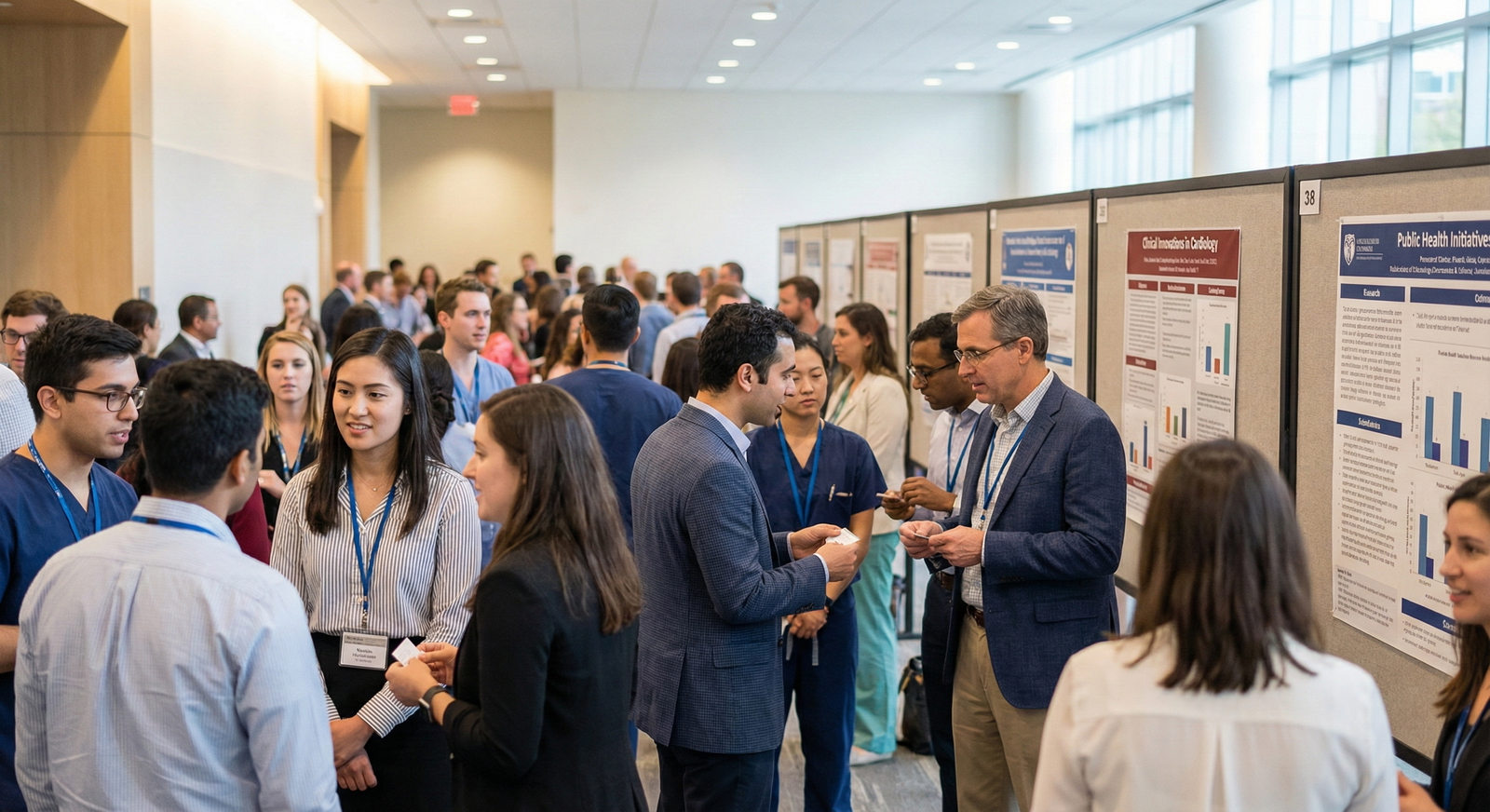
Conferences are among the most powerful tools for medical networking and mentorship in medicine—especially for DO graduates and those in niche fields like med psych residency.
Relevant meeting types include:
- American Psychiatric Association (APA)
- American College of Physicians (ACP)
- Academy of Consultation-Liaison Psychiatry (ACLP)
- American Association of Directors of Psychiatric Residency Training (AADPRT) (for education interest)
- Local/state osteopathic and psychiatric/internal medicine societies
Before the Conference: Strategic Preparation
Define 2–3 goals
Examples:- Meet at least three medicine-psychiatry attending physicians
- Find a potential mentor in CL psychiatry or integrated primary care
- Explore fellowship options (e.g., addiction, CL, geriatrics)
Research key people
- Look up speakers whose work intersects internal medicine and psychiatry
- Identify DO faculty, med-psych trained faculty, or those leading integrated care programs
- Note down 5–10 names and sessions where you can find them
Prepare conversation starters
- “I really appreciated your work on [topic]. I’m a DO med-psych resident and I’m curious how you built your career across both specialties.”
- “I’m interested in medicine psychiatry combined careers and saw your CL work in [hospital setting]. How did you decide on this path?”
Bring business cards or a digital contact option
- Many people now exchange contact info via QR codes or LinkedIn; set this up ahead of time.
During the Conference: How to Approach People
Use a simple three-step approach:
Introduce yourself and anchor
- “Hi, Dr. Patel, I’m Jordan Smith, a DO medicine-psychiatry resident from [Institution]. I really enjoyed your talk on integrated care for patients with severe mental illness.”
Ask one thoughtful question
- About their research, career path, or advice for someone in med psych residency
- Keep it concise and specific
Ask permission to follow up
- “This has been very helpful. Would you mind if I emailed you sometime about potential mentorship or advice on getting involved in this area?”
If they say yes, ask for their preferred contact (email, LinkedIn, etc.).
After the Conference: The Follow-Up That Matters
Most networking value is unlocked after the event.
Sample follow-up email (within 3–7 days):
Subject: Follow-up from [Conference Name] – DO Med–Psych Resident
Dear Dr. [Last Name],
It was a pleasure meeting you after your session on [topic] at [Conference]. I’m a DO medicine–psychiatry resident at [Institution] with interests in [briefly restate interests], particularly at the intersection of [medicine focus] and [psychiatry focus].
I appreciated your advice about [specific point they made]. If you’re open to it, I would really value a 20–30 minute virtual meeting at your convenience to learn more about your career path and how trainees like me can prepare for work in [their area].
Thank you again for your time and insight.
Best regards,
[Your Name], DO
Medicine–Psychiatry Resident, PGY-[X]
[Institution]
[Contact info]
Two key principles:
- Be concrete: Ask for a short meeting, not “ongoing mentorship” right away.
- Be specific: Reference something they said so they remember you and see your seriousness.
Finding and Working with Mentors Across Two Specialties
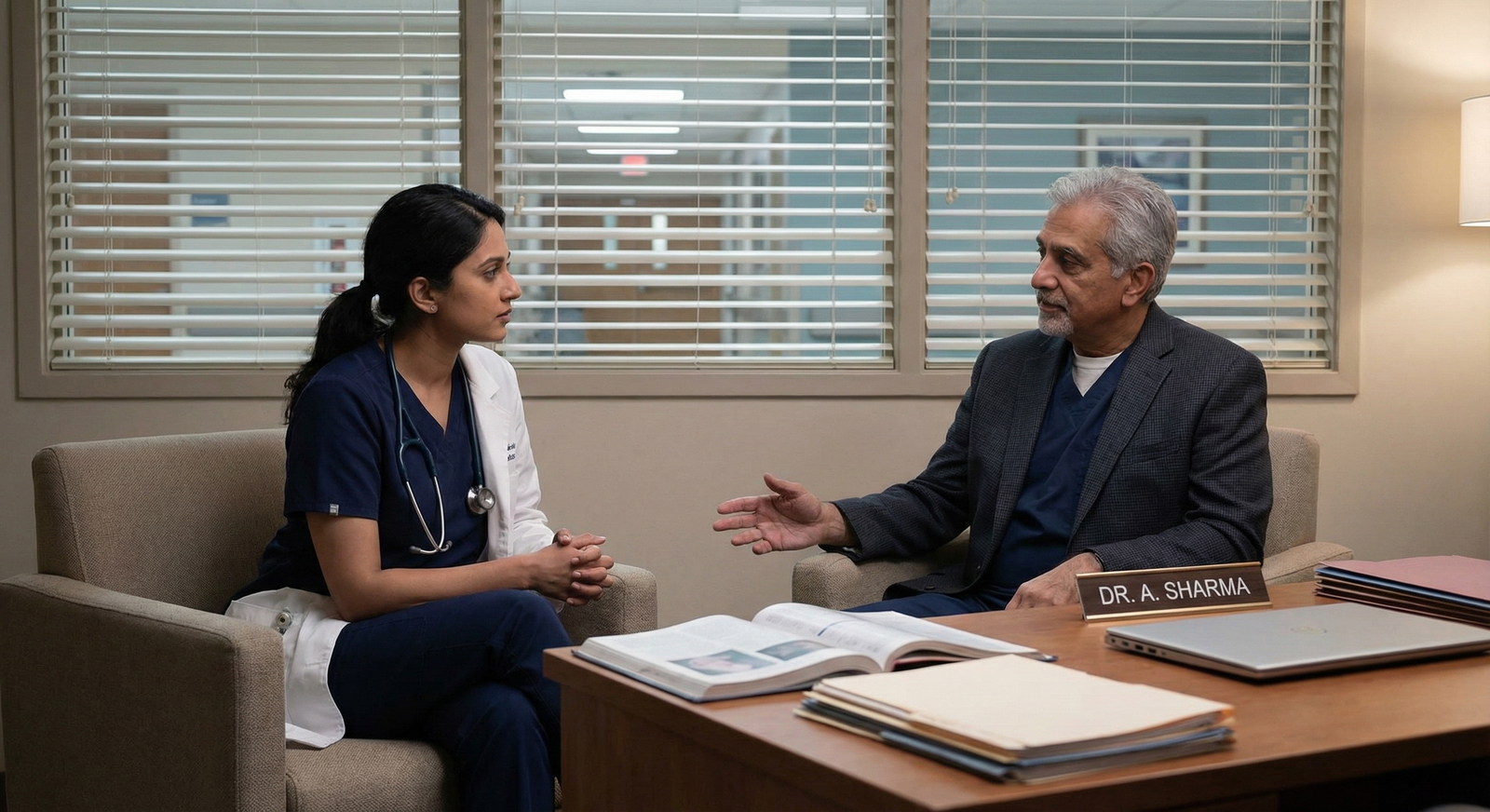
Mentorship in medicine is rarely one-size-fits-all. For a med psych resident, you will often need a small team of mentors rather than a single “career guru.”
Types of Mentors You Need as a Med–Psych DO
Medicine-focused mentor
- Internal medicine or hospitalist faculty
- Guides you on inpatient medicine, primary care, fellowships, promotion criteria in medicine departments
Psychiatry-focused mentor
- General psychiatry, CL, addiction psychiatry, or community psychiatrist
- Guides you on psychiatric career tracks, therapy training, psychopharmacology focus
Bridge or integrated mentor (ideal, but rare)
- Someone with medicine psychiatry combined training or heavy CL/integrated care background
- Understands your dual identity and can help you integrate both worlds
DO-specific or osteopathic mentor
- Another DO in academic medicine or leadership
- Helps you navigate osteopathic residency match stories, perceived biases, and DO-specific opportunities (e.g., OMT-related projects)
How to Ask for Mentorship Without Making It Awkward
You do not have to say, “Will you be my mentor?” Instead:
- Start with: “Could I schedule a short meeting to get your advice on [topic]?”
- After 1–2 positive meetings, ask:
“I’ve found our conversations very helpful as I think about my career in medicine-psychiatry. Would you be open to checking in a couple of times a year as an informal mentor as I navigate training decisions?”
This lighter ask is easier for busy faculty to say yes to.
What to Bring to a Mentorship Meeting
To make the most of their time and deepen the relationship:
- A 1-page CV for context
- A brief (3–4 bullet) list of questions or decisions you are wrestling with
- A clear sense of your short-term goals (e.g., “decide on CL vs addiction fellowship,” “start a small QI project in integrated care,” “prepare for an academic hospitalist role with psych focus”)
Examples of good questions:
- “As someone interested in both medicine and psychiatry, which fellowships open the most doors?”
- “What skills should I prioritize during residency if I want to build an integrated care career?”
- “Are there DO-specific challenges you have seen that I should anticipate, and how can I address them proactively?”
Maintaining Mentor Relationships
- Send a brief update email 2–3 times per year
- Share concrete progress: “I presented our QI project at ACP,” “I matched into a CL fellowship,” etc.
- Offer value when you can—help with data collection, literature review, or student teaching
Mentorship is not a one-way street; over time, strive to contribute meaningfully to their work and academic mission.

Everyday Networking: Within Your Residency, Hospital, and Community
Not all networking in medicine happens at national conferences. Much of your most impactful networking occurs in your day-to-day environment.
On the Wards and in the Clinic
Be visible as “the med–psych person”
- When consulted on complex cases with overlapping medical and psychiatric issues, communicate clearly and follow up diligently.
- Offer to give short teaching sessions to your teams: e.g., “Approach to capacity assessments in medically ill patients,” “Managing antipsychotics in medically complex inpatients.”
Collaborate proactively
- Reach out to social work, case management, nursing, pharmacy—these colleagues will remember and recommend you for future interdisciplinary projects.
- Example: co-leading an initiative on reducing restraints and improving behavioral crisis management on medical floors.
Join or create committees related to your interests
- Behavioral emergency response teams
- Delirium prevention task forces
- Integrated care or co-management pathways for patients with SMI
Being known as the DO med-psych resident who gets things done builds your local reputation quickly.
Structured Networking: Hospital and Department Events
Take advantage of:
- Grand rounds and case conferences in both medicine and psychiatry
- Quality improvement or patient safety committees
- Residency program leadership meetings (if you hold a chief or representative role)
After a talk or meeting, introduce yourself briefly:
“Hi, I’m [Name], a DO med–psych resident. I really appreciated your focus on [specific aspect]. If you ever need a trainee perspective on projects involving behavioral health on the medical wards, I’d be very interested in helping.”
This demonstrates initiative and aligns you with institutional priorities.
Using Alumni and Osteopathic Networks
As a DO graduate, you have access to:
- Your osteopathic school alumni network
- State and national osteopathic associations
- Online DO communities (e.g., specialty interest groups, alumni LinkedIn groups)
Practical steps:
- Search LinkedIn for “medicine psychiatry DO,” “consult-liaison psychiatry DO,” or “integrated care DO”
- Reach out with a short message:
“I’m a DO med–psych resident at [Institution] and came across your profile while looking for DO physicians in integrated care roles. Would you be open to a brief call to share how you navigated your career path?”
Many DO physicians are eager to support younger colleagues, especially in niche combined training paths.
Turning Networking into Concrete Opportunities
To move from “friendly connections” to real outcomes (research, fellowships, jobs), you need to pair relationships with initiative.
Research and Scholarly Projects
As a med psych resident, you are perfectly positioned to work on:
- Delirium protocols
- Metabolic monitoring in patients on antipsychotics
- Integrated primary care-psychiatry models
- Hospital pathways for frequent ED utilizers with comorbid SMI and chronic disease
When you meet a potential research collaborator:
Express specific interest:
- “I’m particularly interested in projects that look at [niche area].”
Offer concrete help:
- “If you have any ongoing projects where you need help with data collection or chart review, I’d be very glad to contribute.”
Follow up with a short written proposal if invited:
- 1–2 paragraphs outlining the issue, a proposed approach, and your role
Fellowship and Job Hunting
Networking is often the hidden engine behind med psych graduates landing ideal positions.
- Ask mentors early (PGY-2/3): “Given my interests, what programs or institutions should I start talking to?”
- Schedule informational interviews with faculty at target fellowship programs or institutions:
- “I’m exploring CL psychiatry fellowships that value my internal medicine background. What distinguishes your program, and how could I best prepare as a DO med-psych trainee?”
These conversations:
- Surface unadvertised opportunities
- Give you insight into program culture
- Allow faculty to remember you when reviewing your application
Creating Your Own Role
Many health systems do not have a pre-defined “med-psych job description.” Your combination of training can allow you to negotiate a hybrid position:
- Half-time hospitalist, half-time CL psychiatrist
- Integrated primary care-psychiatry clinic plus inpatient medicine consults
- Addiction medicine with strong collaboration between internal medicine and psychiatry
Your network—mentors, former attendings, conference contacts—can help you:
- Identify institutions open to such roles
- Advocate for pilot positions
- Navigate credentialing and billing questions
Networking, in this sense, is not just about personal success; it is about expanding what is possible for future medicine psychiatry combined graduates, especially DOs.
Frequently Asked Questions (FAQ)
1. As a DO, will my degree limit my networking or career options in med–psych?
In most parts of the United States, especially in psychiatry and internal medicine, DOs are well-accepted and increasingly common in academic and leadership positions. Some ultra-competitive academic institutions may historically skew MD-heavy, but networking allows them to see your competence and character, not just your degree. Strong clinical performance, proactive involvement in scholarly work, and strategic medical networking typically matter more than the letters after your name.
2. How early should I start networking if I’m in a med psych residency?
Start now, regardless of PGY level. Early on, focus on broad exposure—attending conferences, meeting attendings, exploring subfields. By mid-residency (PGY-2/3), begin targeting mentors and potential fellowship/job destinations. In later years, shift toward deepening key relationships and turning them into concrete opportunities such as projects, letters, and job leads.
3. What if I am introverted or uncomfortable with traditional “networking”?
You do not need to be extroverted or performative to network effectively. Focus on:
- One-on-one conversations instead of large social events
- Asking thoughtful questions and genuinely listening
- Following up by email rather than trying to “work the room”
Many excellent mentors and leaders are themselves introverted and appreciate sincere, low-pressure connections.
4. Is it worth attending conferences if I do not have a poster or presentation?
Yes. While presenting can add to your CV and visibility, simply showing up strategically can still be very valuable. You can:
- Attend niche sessions related to medicine psychiatry combined topics
- Ask questions at the end of talks to introduce yourself
- Schedule meetings with mentors and contacts who are also attending
Over time, these early conference contacts often turn into collaboration opportunities that lead to future presentations and publications.
Strategic, authentic networking in medicine is one of the highest-yield skills you can develop as a DO graduate in a med psych residency. By understanding your unique value at the intersection of internal medicine and psychiatry, cultivating mentorship in medicine across both fields, and consistently following up with the people you meet, you position yourself not just for personal success—but to help define and expand the future of medicine psychiatry combined careers.