
Why Networking Matters for a DO Graduate in Pediatrics
As a DO graduate entering pediatrics, your clinical skills and board scores are only part of your professional story. Networking in medicine—especially in pediatrics—is often what transforms a solid application into a coveted spot, a good residency into a great mentorship experience, and an ordinary early career into one filled with leadership, advocacy, and academic opportunities.
For DO graduates, strategic medical networking can be especially important in:
- Bridging perceived gaps between DO and MD training in competitive programs
- Building visibility in the pediatrics residency and peds match ecosystem
- Finding mentors and sponsors who understand both osteopathic principles and pediatric practice
- Opening doors to fellowships, research, and leadership roles later on
This article will walk you through how to build and sustain a powerful professional network as a DO graduate in pediatrics—from the osteopathic residency match and beyond—using practical, stepwise strategies you can implement right now.
Understanding Networking in Medicine as a DO in Pediatrics
Networking in medicine is not about collecting business cards or forcing conversations. At its core, it is:
The intentional process of building mutually beneficial professional relationships that support patient care, learning, and career development.
For a DO graduate pursuing pediatrics residency (or already in training), that includes four major relationship types:
- Mentors – More experienced physicians who guide your development over time
- Sponsors – Influential people who actively advocate for you (letters, introductions, roles)
- Peers and colleagues – Co-residents, fellows, and interdisciplinary professionals
- Professional community – Program leaders, faculty at other institutions, national organizations
Why Networking Is Especially Important for DO Graduates
As a DO resident or applicant in pediatrics, you may face:
- Variability in program familiarity with DO training
- Fewer “automatic” connections if your school is less represented nationally
- Assumptions about research or academic experience compared with some MD peers
Networking helps counter these by:
- Giving program directors and leaders a face and story to associate with your application
- Allowing you to demonstrate competence and professionalism in real interactions
- Creating advocates who can validate your skills and potential
- Helping you access hidden opportunities (research, QI projects, committee positions) that aren’t widely advertised
Networking in the Context of the Pediatrics Residency and Peds Match
If you’re approaching the osteopathic residency match or NRMP peds match, networking can:
- Clarify which programs are genuinely DO-friendly
- Connect you with current residents who offer honest, practical advice
- Increase the likelihood your application gets a closer look
- Lead to audition rotations (sub-Is) or visiting student opportunities
Think of networking not as a last-minute tactic before applying, but as a longitudinal process that starts in medical school and continues through residency life and challenges.

Building Your Core Network: Mentors, Sponsors, and Peers
1. Cultivating Mentorship in Medicine
Mentorship medicine is foundational in pediatrics. As a DO graduate, you’ll benefit from multiple mentors, each serving different roles:
- Clinical mentors – Help you refine pediatric skills, patient communication, and decision-making
- Career mentors – Advise on fellowship, academic vs. community practice, and long-term goals
- Identity-aligned mentors – DO pediatricians, underrepresented in medicine (UIM) faculty, or those who share your background
- Project mentors – Guide research, quality improvement (QI), advocacy, or education projects
How to Find Mentors as a DO Pediatrician
Start locally.
- Ask your pediatric clerkship director, residency program leadership, or DO faculty:
- “Is there a pediatrician with a DO background who might be willing to talk with me?”
- Attend departmental grand rounds and introduce yourself to speakers afterward.
- Ask your pediatric clerkship director, residency program leadership, or DO faculty:
Use formal programs.
- Many pediatric residencies and medical schools have formal mentorship programs—sign up and be proactive.
- National organizations like the American Academy of Pediatrics (AAP) and AAP Section on Osteopathic Pediatricians (if available) sometimes offer mentorship or networking lists.
Leverage virtual platforms.
- LinkedIn and Doximity: Search “pediatrician DO” or “pediatric residency program director DO” and send a concise, respectful message.
- Sample outreach:
“I’m a DO graduate pursuing pediatrics residency and I admire your work at [Institution]. I’d be grateful for a brief 15–20 minute conversation about your path as a DO in pediatrics and any advice you may have.”
Making Mentorship Work
- Come prepared: Have specific questions and clear goals for each meeting.
- Follow up: Send a brief thank-you email summarizing 1–2 takeaways and any agreed next steps.
- Give updates: Share progress every few months; this organically deepens the relationship.
- Diversify: Do not rely on a single mentor; assemble a small “personal board of directors” who cover different needs.
2. Identifying Sponsors in Pediatrics
Sponsors are distinct from mentors: they use their influence to open doors for you.
- A sponsor might:
- Recommend you for a competitive rotation or role
- Nominate you for an award or committee
- Make personal introductions to other leaders
- Call or email a program director on your behalf before or during the peds match
As a DO graduate, sponsors can be key in overcoming initial biases or unfamiliarity with your background.
How to cultivate sponsorship:
- Excel where you are. Sponsorship usually starts after you’ve demonstrated reliability, professionalism, and growth.
- Ask for opportunities. A simple, “If you hear about any QI or research projects in general pediatrics, I’d love to be involved,” signals your interest.
- Clarify your goals. Tell sponsors clearly: “I’m aiming for a pediatrics residency with strong community exposure and potential for NICU fellowship; I’d appreciate any guidance or connections.”
3. Building a Peer Network
Your peers are your future colleagues, co-authors, and co-leaders.
Include:
- Other DO and MD pediatric residents
- Classmates interested in pediatrics or child health advocacy
- Interprofessional colleagues: nurses, social workers, pharmacists, child life specialists
Why this matters:
- They share job leads, fellowship insights, and real-time residency life and challenges tips.
- They can become collaborators on research, QI, and educational projects.
- They provide emotional support—critical in a demanding specialty like pediatrics.
Practical actions:
- Start a peds interest group or DO pediatrics subgroup at your institution.
- Create or join group chats and email lists for pediatric residents and applicants.
- After conferences, connect on LinkedIn and send a brief personalized reminder of how you met.
Conference and Event Networking: Turning Encounters into Opportunities
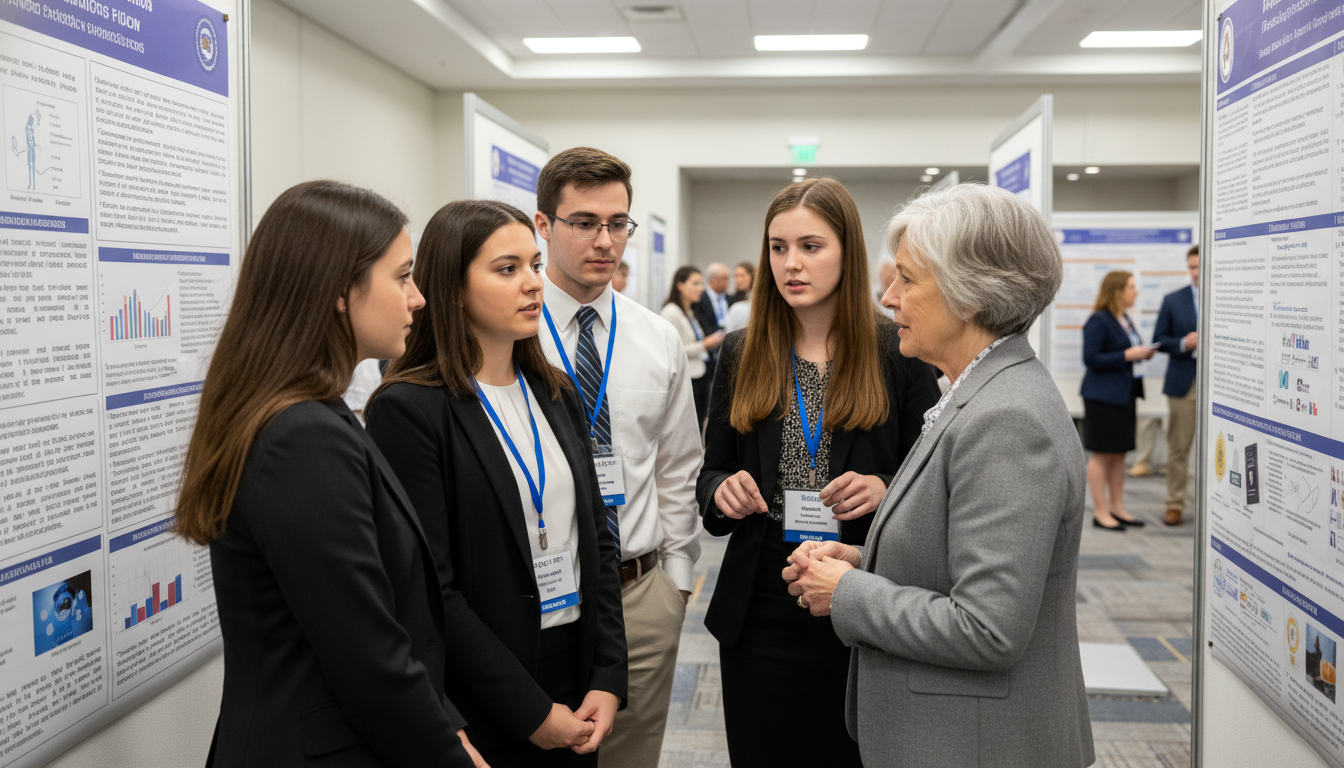
Medical networking is especially powerful at conferences, away rotations, and local academic events. For DO graduates, these can be your highest-yield settings to build broader recognition.
Choosing the Right Conferences
Prioritize:
- National pediatric conferences
- e.g., AAP National Conference & Exhibition, PAS (Pediatric Academic Societies) Meeting
- Regional AAP chapter meetings
- Special interest groups (e.g., osteopathic pediatric associations, DO-focused specialty meetings)
- Conferences with explicit events for students, residents, and DO graduates
Aim to attend at least one major pediatric or DO-related conference each year during late medical school and early residency if possible.
Before the Conference: Prepare Strategically
Define your goals.
Examples:- Meet 3 pediatricians practicing osteopathic medicine
- Ask program directors about how their programs view DO graduates
- Explore fellowship opportunities in NICU, PICU, or primary care
Study the program.
- Identify sessions and speakers relevant to pediatrics residency, peds match, and DO-friendly institutions.
- Highlight any talks by faculty from programs you’re targeting.
Reach out in advance.
- Email 2–4 people you’d like to meet (e.g., a DO pediatrician speaking at a session):
“I see you’ll be speaking on [topic] at [conference]. As a DO graduate pursuing pediatrics residency, I’d appreciate the chance to introduce myself briefly after your session if your schedule allows.”
- Email 2–4 people you’d like to meet (e.g., a DO pediatrician speaking at a session):
Prepare your “professional snapshot.”
- A 20–30 second intro:
- Who you are
- Where you trained
- Your interest within pediatrics
- What you’re hoping to learn or do next
Example:
“I’m Dr. Smith, a DO graduate completing my pediatrics residency at [Institution]. I’m particularly interested in community pediatrics and advocacy. I’m exploring how to integrate osteopathic principles into primary care for underserved kids and would love to learn more about your work in this area.”
- A 20–30 second intro:
During the Conference: Practical Networking Behaviors
- Show up early to sessions relevant to your interests; sit toward the front.
- Ask thoughtful questions during Q&A, introducing yourself briefly:
- “Thank you for that presentation. I’m a DO pediatric resident at [Institution]…”
- Approach speakers afterward with one succinct, specific comment or question.
- Visit poster sessions strategically:
- Look for institutions you’re targeting in the peds match or for fellowship.
- Ask presenters: “How does your pediatrics residency program work with DO graduates?”
Carry business cards or share a simple contact QR code with your name, degree, institution, and email. Then connect on LinkedIn within 24–48 hours.
After the Conference: Solidify Connections
Send brief follow-up emails within a week:
“It was great meeting you at the AAP poster session. I appreciated your insights on integrating osteopathic techniques into pediatric care. As I prepare for the pediatrics residency and peds match, I’d be grateful to stay in touch and possibly seek your advice in the future.”
For deeper connections, suggest a short virtual meeting:
“Would you be open to a 15-minute Zoom call sometime in the next month to discuss [specific topic]?”
This follow-through is where many DO graduates can stand out—because most people never do it.
Digital and Everyday Networking: Leveraging What You Already Do
Not every connection happens in a conference hall. Much of real medical networking occurs in clinic hallways, call rooms, and digital spaces you use daily.
Using Social Media and Online Platforms Wisely
LinkedIn
- Keep a professional profile: headshot, pediatrics focus, DO identity.
- Join pediatric and osteopathic groups; share brief reflections on interesting cases (de-identified) or learning experiences.
- Connect with residents and faculty you meet on rotations, conferences, or interviews.
X (Twitter) / Other Academic Platforms
- Follow pediatric organizations, residency programs, and DO-focused accounts.
- Engage respectfully with threads on pediatric education, advocacy, and osteopathic practice.
- Use hashtags like #PedsTwitter, #MedEd, #DOproud, or #OsteopathicMedicine when appropriate.
Doximity
- Maintain an up-to-date profile; this is often used by program directors and colleagues to verify backgrounds.
Important: Keep social media content professional. Avoid anything you wouldn’t want a future program director or chief of pediatrics to see.
Everyday Clinical Networking
During medical school and residency, every rotation is a networking opportunity.
On rotations and sub-Is:
- Arrive early, be prepared, and show genuine curiosity.
- Ask attendings and senior residents: “Could I get your feedback on how I can grow as a future pediatrician?”
- Offer to help with small projects (patient education materials, simple QI initiatives).
On night shifts or slower times:
- Ask colleagues about their career paths.
- For DO-specific issues, gently explore: “Have you worked with many DO graduates in pediatrics? What has stood out about their training?”
In residency:
- Volunteer for committees (wellness, QI, diversity & inclusion) – these broaden your internal network.
- Participate in teaching medical students; many will remember you as an early mentor, extending your influence.
Turning Casual Contacts into Lasting Connections
A simple structure:
- Moment of connection – You work on a case together or share a good educational conversation.
- Verbal closing – “I’ve really appreciated working with you. Would you mind if I reach out in the future for advice about pediatrics or DO-related career questions?”
- Contact exchange – Email, LinkedIn, or institutional messaging.
- Light follow-up – A brief message within a week thanking them and referencing a specific moment or lesson.
Overcoming Common Networking Barriers for DO Graduates in Pediatrics
Many DO graduates feel anxious or uncertain about medical networking—especially when entering the pediatrics residency and osteopathic residency match process. Recognizing and addressing these barriers is part of mastering residency life and challenges.
Barrier 1: “I Don’t Want to Seem Pushy”
Networking is not begging for favors; it’s offering mutual value.
Reframe:
- You bring fresh perspectives, osteopathic training, and enthusiasm for pediatrics.
- You can contribute to QI projects, share DO principles, or support advocacy campaigns.
Approach interactions with curiosity and gratitude, not entitlement. Ask for advice and feedback, not immediately for letters or positions.
Barrier 2: “I’m Just a DO—Will They Take Me Seriously?”
Your degree is one part of your identity, not your whole value.
Action steps:
Learn to confidently state your background:
“I trained at [DO school] where we had strong exposure to primary care and osteopathic principles, which I’ve found very relevant in pediatrics, especially in [example].”
When appropriate, show how osteopathic philosophy—holistic, patient-centered care—aligns perfectly with pediatrics.
Seek visible roles (presentations, posters, teaching sessions) that demonstrate your expertise rather than arguing for it.
Barrier 3: Limited Time and Burnout Risk
Residency life and challenges can make networking feel like one more task.
Instead of adding huge new commitments, integrate networking into what you already do:
- Turn existing conferences into structured networking opportunities.
- Treat every rotation as both training and professional relationship-building.
- Use brief, focused online interactions (5–10 minutes) to maintain connections.
Barrier 4: Not Knowing What to Say
Prepare 2–3 go-to questions you can use with almost anyone:
- “How did you decide on pediatrics as your specialty?”
- “What do you wish more DO graduates knew about building a career in pediatrics?”
- “Are there opportunities at your institution for residents to get involved in advocacy/research/education?”
This simple toolkit can carry you through most networking conversations.
FAQs: Networking in Medicine for DO Graduates in Pediatrics
1. Does networking really make a difference for DO graduates in the pediatrics residency and peds match?
Yes. While program decisions are multifactorial, networking can:
- Increase the odds your application is seriously reviewed
- Provide insider insights on how programs view DO graduates
- Lead to stronger letters of recommendation from well-known pediatricians
- Help you identify programs where you’ll truly fit and thrive as a DO pediatrician
Networking won’t replace preparation or clinical excellence, but it frequently serves as the tiebreaker between similarly qualified candidates.
2. How early should I start networking if I’m a DO graduate aiming for pediatrics?
Ideally:
- M1–M2 (or early in medical school): Join pediatric interest groups, local AAP chapters, and start exploring mentorship.
- M3–M4: Intensify networking around pediatric rotations, away rotations, and conferences.
- Residency: Continue networking to explore fellowships, jobs, and leadership roles.
If you’re starting later, don’t be discouraged. Focus on high-yield opportunities: conferences, key mentors, and strong performance on pediatric rotations.
3. How can I network effectively if I can’t afford to travel to conferences?
You can still build a powerful network by:
- Attending virtual conferences and webinars, many of which offer breakout sessions or networking rooms.
- Asking speakers or panelists for virtual follow-up meetings.
- Using LinkedIn, Doximity, and institutional email to reach out to DO pediatricians and faculty.
- Getting involved in local or state AAP chapter activities that may not require travel costs.
Intentional, well-prepared virtual conversations can be as impactful as brief in-person chats.
4. How do I ask someone I met through networking to support my residency or fellowship application?
Timing and tone matter:
Build the relationship first—have at least 1–2 substantive conversations or work with them on a project.
Then ask directly but respectfully:
“I’m applying to pediatrics residency this cycle, and I’ve really valued your guidance. If you feel you know my work well enough, would you be comfortable writing a letter of recommendation or speaking with a program director on my behalf?”
Make it easy for them by providing:
- Your CV
- Personal statement or summary of your goals
- Specific points they might highlight (e.g., reliability on wards, interest in primary care pediatrics)
If they decline, thank them sincerely; your professionalism preserves the relationship for future mentorship.
Thoughtful, sustained networking in medicine is a powerful asset for any DO graduate in pediatrics. By combining strong clinical training with strategic medical networking—through conference networking, mentorship medicine, and daily professional interactions—you position yourself not just for a successful osteopathic residency match or peds match, but for a meaningful, influential career caring for children and families.