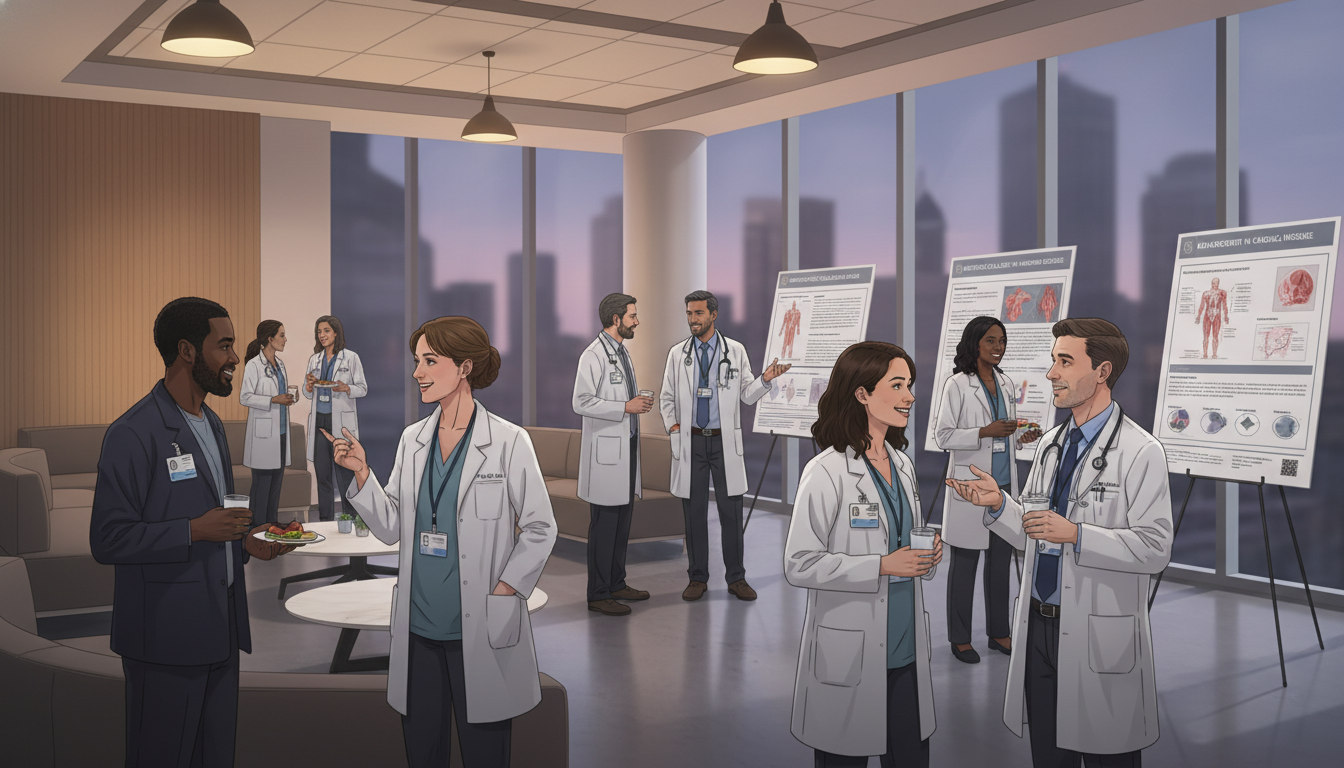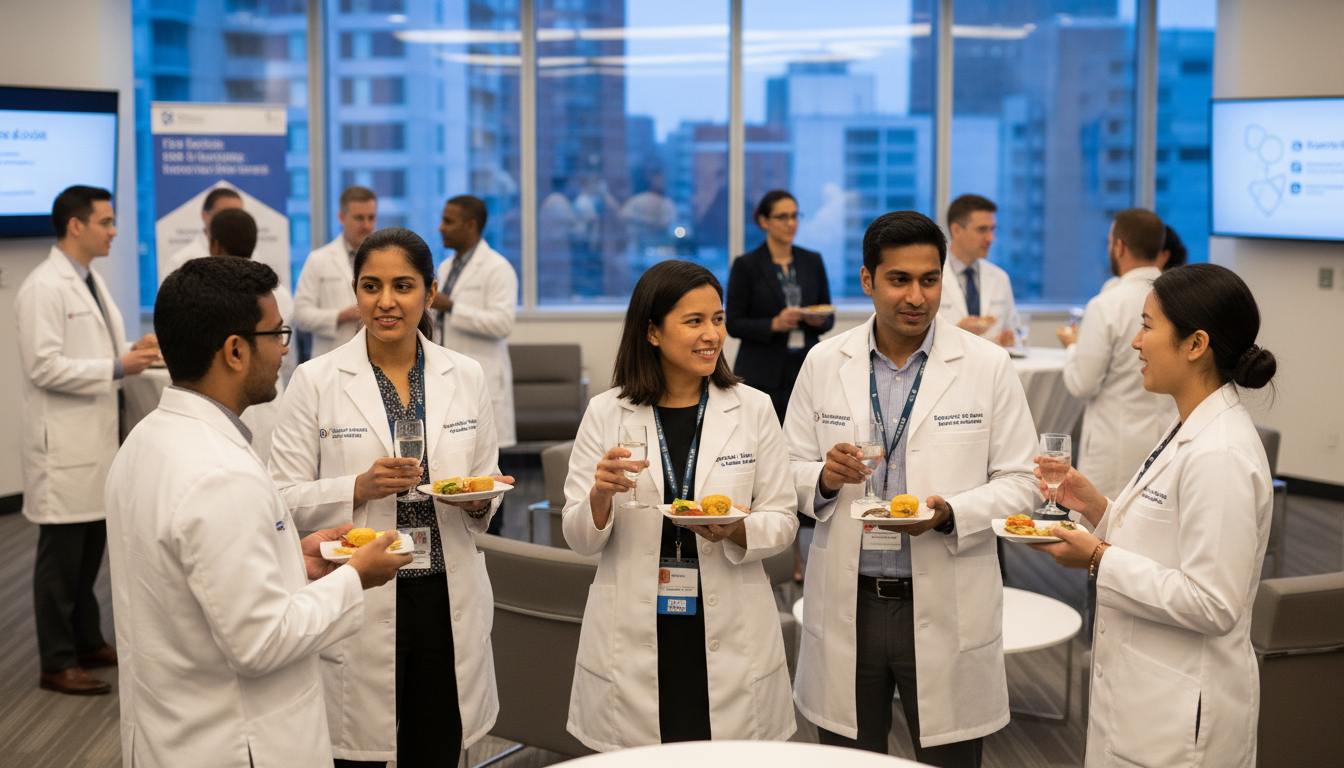
Why Networking Matters So Much for a DO Graduate in Urology
As a DO graduate pursuing urology, networking in medicine isn’t a “nice-to-have” add-on—it’s one of your most powerful tools. Urology is a small, highly competitive specialty, and there are fewer DO-friendly urology residency positions than in many other fields. That reality makes who knows you and what they know about you especially important.
Strategic medical networking helps you:
- Get your application read more seriously at programs less familiar with osteopathic training
- Learn which urology residency programs are realistically attainable for a DO graduate
- Secure strong letters of recommendation from well-known urologists
- Identify research and sub-internship (away rotation) opportunities that may not be widely advertised
- Find mentorship in medicine that guides you through each step of the urology match
When you do this well, you stop being “another DO applicant” and start being “Dr. ___, the hardworking, reliable student that Dr. X speaks very highly of.” In a small specialty like urology, that kind of reputation spreads quickly.
This article focuses on practical, step-by-step networking strategies tailored to:
- A DO graduate preparing for or in the urology match
- Early urology residents from DO backgrounds trying to strengthen professional connections
- Those thinking about fellowship or academic careers in urology
Understanding the Landscape: DO Graduate Residency and the Urology Match
Before building a networking strategy, you need to clearly understand the playing field you’re operating in.
The DO Graduate and the Modern Match Environment
With the single accreditation system, DO graduates can apply broadly to ACGME urology residencies. However:
- Some programs still have limited or no historical experience with DO residents
- Others are very DO-friendly and actively welcome osteopathic candidates
- Certain academic institutions may place a premium on research output or institutional pedigree
In this environment, networking is one of the best ways to level the playing field for DO graduates:
- A faculty phone call, email, or in-person recommendation can make your application feel less “unknown.”
- Personal familiarity can counteract any residual bias or uncertainty a program may have toward DO applicants.
How Networking Directly Impacts the Urology Match
For the urology match specifically:
- Interviews are limited: Every interview slot is precious, and program directors rarely waste them on “unknowns.”
- Reputation matters: A short email from a trusted colleague saying, “This DO applicant is one of the best students I’ve worked with” can be enough to move you from “maybe” to “invite.”
- Ties influence rank lists: Programs like applicants with some connection to their institution or people they know. Networking creates those connections.
If your school doesn’t have a home urology program, you may start with fewer built-in contacts. That simply means you must be more intentional and proactive in building your urology network.
Building Your Core Network: Mentors, Sponsors, and Peers in Urology
The foundation of effective networking in medicine is not how many business cards you collect—it’s the quality of your relationships. For a DO graduate targeting urology residency, you want a balanced mix of:
1. Mentors: Your Long-Term Guides
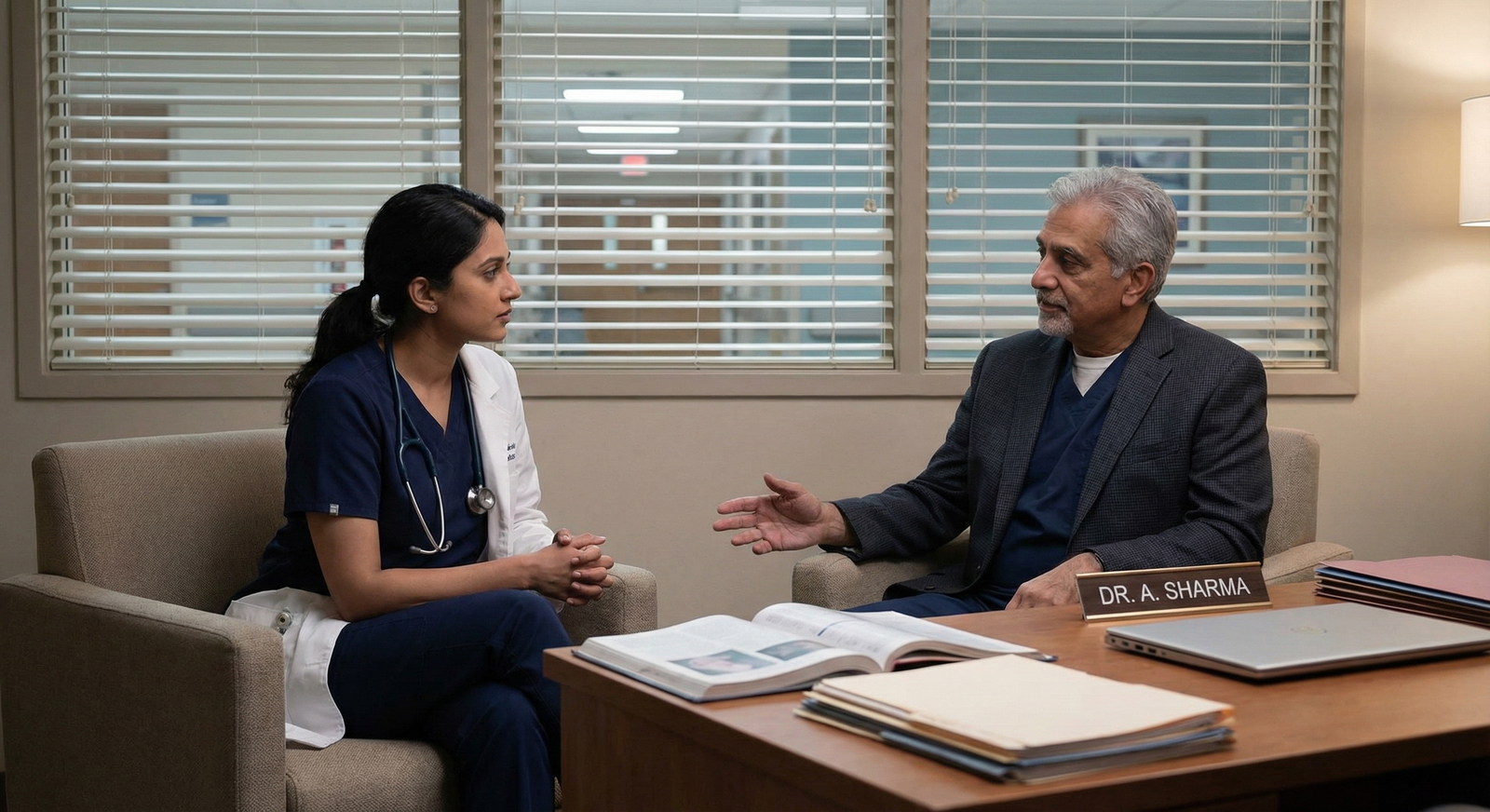
Mentorship in medicine is about guidance, feedback, and support across your career. These are people who will help you make decisions about:
- Research vs. clinical focus
- Subspecialty interests (endourology, oncology, pediatrics, reconstructive, FPMRS, etc.)
- Academic vs. community careers
- Handling setbacks like a failed exam, a weak rotation, or a rough interview season
Finding urology mentors as a DO graduate:
At your home institution:
- Even if there is no urology residency, look for any urologists in affiliated hospitals or clinics.
- Approach them respectfully:
- “I’m a DO graduate very interested in urology. Would you be willing to meet for 20 minutes to discuss the field and how I can position myself for the urology match?”
Through regional professional societies:
- Many state urological associations welcome medical students and residents.
- Attend meetings and ask, “Do you know anyone who works with DO students or residents?”
Via national organizations:
- American Urological Association (AUA) sections may have mentorship programs; explore their websites and listservs.
How to maintain these mentoring relationships:
- Send brief updates every few months: outcomes of exams, research, match progress.
- Follow through on their advice and report back.
- Be respectful of their time—come to meetings with questions prepared.
2. Sponsors: The People Who Open Doors
Sponsors go a step beyond mentorship: they use their influence on your behalf.
Sponsors might:
- Call or email a program director to recommend you
- Pull you onto high-impact research projects
- Introduce you personally at conferences to influential leaders in urology
- Advocate for you to receive a particular rotation or position
You don’t ask someone, “Will you be my sponsor?” Instead, sponsorship usually grows out of:
- Outstanding performance on a rotation (being the most prepared, reliable student)
- Consistent, high-quality work on research projects
- Showing initiative, professionalism, and integrity over time
As a DO graduate, a sponsor’s endorsement can significantly improve your chances at programs that might otherwise hesitate.
3. Peer Network: Your Support System and Future Colleagues
Your peers are:
- Other DO students applying into the urology match
- MD students you meet on rotations or research teams
- Early residents you connect with at conferences, on social media, or at away rotations
Your peers share practical tips and real-time information that mentors may not have, such as:
- Which programs are particularly DO-friendly
- How program cultures differ
- Which faculty are strong educators and advocates
Peers eventually become co-residents, co-authors, and collaborators in private or academic practice. Treat these relationships as the long game.

Concrete Networking Strategies: From Campus to Conference Hall
Networking is a set of behaviors and habits—not just occasional events. Below are practical tactics tailored to a DO graduate targeting urology.
A. On-Campus and Clinical Networking
Even without a home urology program, you likely have:
- Surgery faculty
- Internal medicine and oncology faculty
- Radiology and interventional radiology faculty
- Primary care physicians with urology referral relationships
How to leverage them:
Informational meetings:
- Ask: “Do you know any urologists who enjoy working with DO graduates or would be open to a brief conversation?”
- Request email introductions rather than cold-contacting when possible.
Be unforgettable (for the right reasons):
- Show up early to rounds and conferences.
- Pre-read about your patients—especially those with urologic conditions.
- Pay attention to details: note-taking, follow-up tasks, and reliable communication.
Micro-networking example:
On a general surgery rotation, you encounter a patient with obstructive uropathy. After rounds you could say to your attending:
“I’m a DO graduate planning to apply urology. Would you be open to a quick conversation sometime about urology programs you respect and any urologists you might recommend I talk to?”
This is networking in medicine at its most practical: one patient, one question, one new doorway.
B. Research as a Networking Engine
Research is both academic currency and a networking magnet, especially in urology.
Steps to use research as a networking tool:
Identify urology-interested faculty or adjacent fields:
- Oncologists, radiologists, nephrologists, or pelvic surgeons often collaborate with urologists.
- Ask them: “Do you have any urology colleagues looking for students to help on projects?”
Be the most reliable research assistant they’ve had:
- Quick turnaround times
- Careful data handling
- Ownership of small tasks (IRB prep, literature searches, data cleaning, reference management)
Follow your projects to completion:
- Don’t disappear after data collection. Stay engaged through drafting, revisions, and submission.
- Present at local or regional meetings whenever possible.
Each project connects you to multiple people: supervising faculty, co-authors, statisticians, and residents—all potential advocates during the urology residency match.
C. Medical Networking at Conferences and Courses
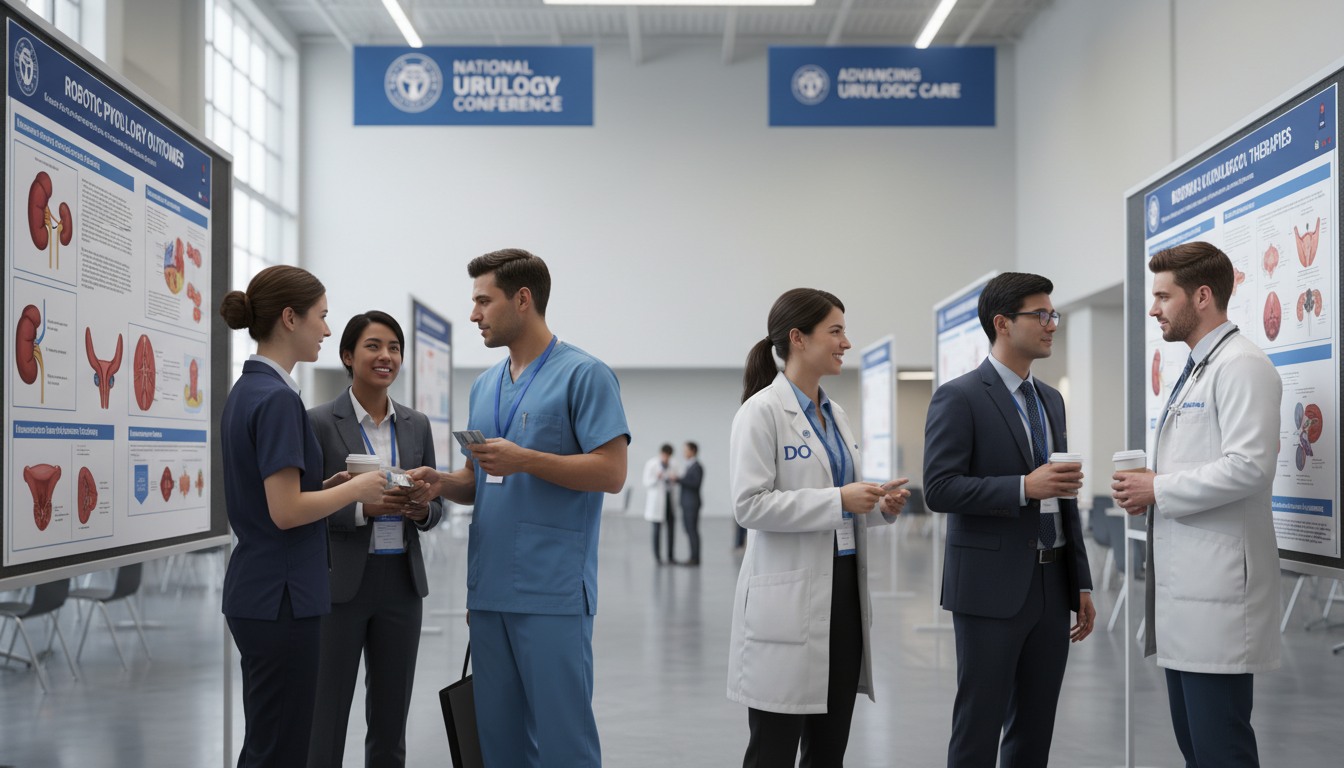
Conference networking can accelerate your visibility enormously, particularly in a small field like urology.
Key settings:
- AUA Annual Meeting
- Regional AUA section meetings
- State or local urology society conferences
- Subspecialty courses (endourology, robotics, reconstructive, etc.)
Pre-conference preparation:
- Review the program and highlight sessions by faculty from programs you’re interested in.
- Make a short list of 3–5 people you’d like to meet.
- Practice a concise self-introduction:
- Name, DO graduate status, current institution
- Interest in urology and any specific subspecialty
- One sentence about your research or key experience
At the conference:
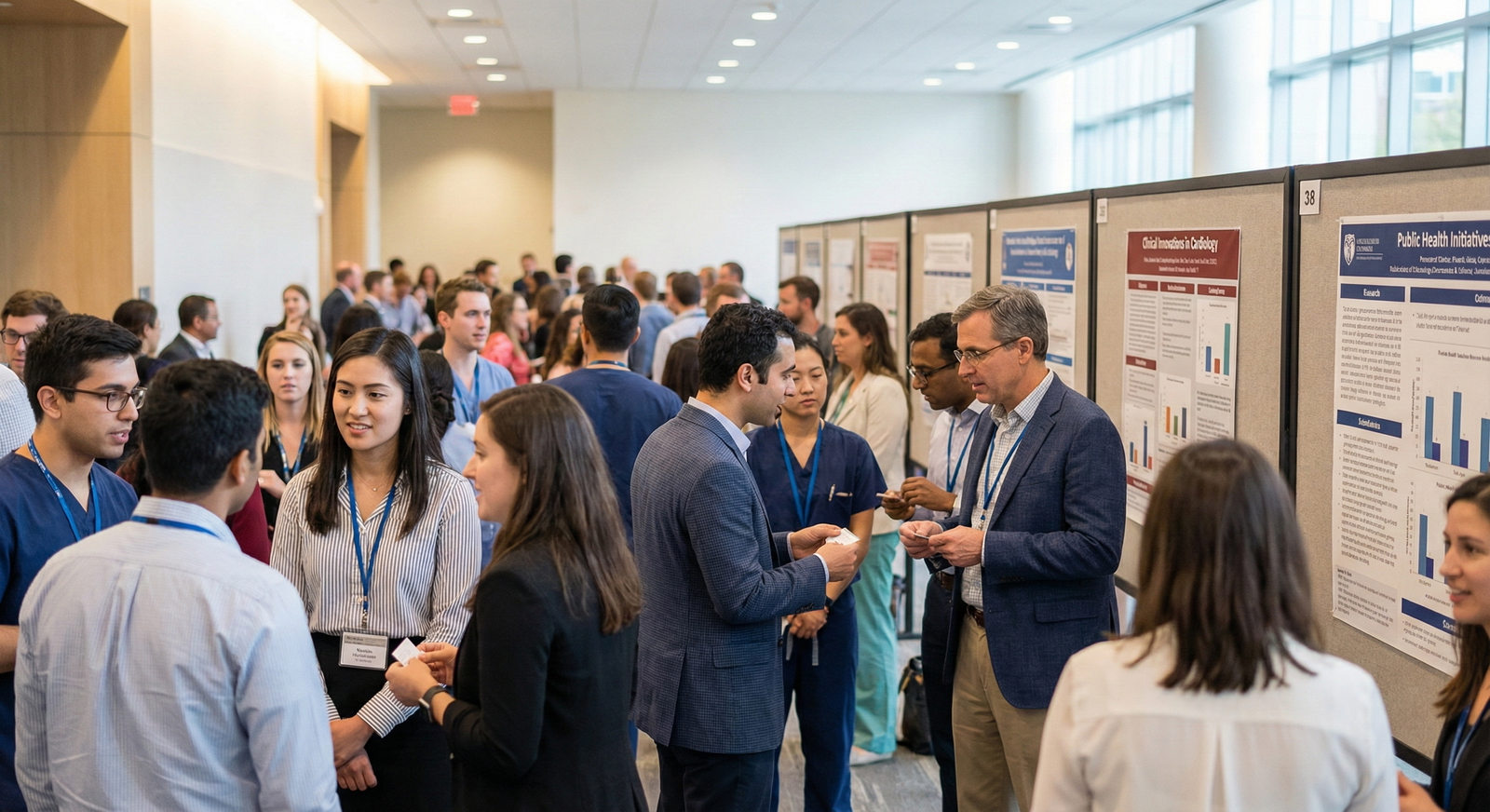
- Attend poster sessions and ask presenters about their work.
- If someone’s from a target program, say:
- “I’m a DO graduate very interested in the urology residency at your institution. Are there particular qualities you see in successful applicants there?”
- Exchange contact information and follow up later with a brief thank-you email referencing something specific from your conversation.
Post-conference:
- Within 3–5 days, send a 3–5 sentence email:
- Thank them for their time.
- Mention something specific you learned.
- Express interest in staying in touch and possibly working with them or rotating at their institution.
This is conference networking with a clear purpose—building real relationships, not just collecting badges.
Digital and Social Networking: LinkedIn, X, and Professional Email
In modern networking in medicine, your online presence can be as important as in-person interactions.
A. Professional Email Etiquette
Every networking email you send contributes to your reputation.
Essentials for a strong email to a urologist or program director:
Clear subject line:
- “DO applicant interested in urology – request for brief advice”
- “Follow-up from AUA poster session – Dr. [Your Name] DO”
The body should include:
- Who you are (DO graduate, where you trained)
- Why you’re specifically reaching out to this person
- A simple, actionable request (15–20 minute call, feedback on a CV, opportunity to help with research, or information about away rotations)
- Gratitude and respect for their time
Example:
Dear Dr. Smith,
My name is [Name], and I am a DO graduate from [School] applying to the urology match. I attended your talk on [topic] at the AUA meeting and was particularly interested in your comments on [specific detail].
If you have 15–20 minutes sometime in the next few weeks, I would be grateful for any advice you have for a DO graduate interested in pursuing urology residency and research in [area of interest].
Thank you very much for your time and consideration.
Sincerely,
[Name], DO
[Contact info]
B. LinkedIn and Professional Profiles
LinkedIn can support your medical networking, especially across institutions.
- Ensure your photo is professional.
- List: DO degree, graduation year, current clinical role, urology interests, and any publications or presentations.
- Connect with faculty and residents you work with, and personalize the connection request (“Thank you again for supervising me on the urology rotation at [hospital]…”).
C. X (Twitter) and Med-Ed Communities
Many urologists, especially academic ones, are active on X:
- Follow urology societies, fellowship leaders, and influencers in the field.
- Engage respectfully—comment on educational threads, share articles, and highlight your own academic work when appropriate.
- Avoid posting unprofessional content; remember programs and faculty can (and do) look.
Used well, social media can give you a “face” before you ever meet someone in person.
Strategic Networking During Away Rotations and Residency
Away rotations and early residency are some of the highest-yield periods for urology networking.
A. Away Rotations: Turning Four Weeks into a Long-Term Advantage
For a DO graduate applying urology, away rotations are often critical:
- They let programs see your clinical ability directly.
- They help you show that your DO training is strong and your skills are comparable to MD peers.
- They’re your chance to earn powerful letters and behind-the-scenes advocates.
Networking goals during an away rotation:
Perform clinically at your best:
- Be early, prepared, curious, and humble.
- Read nightly about your cases, especially procedures and conditions you saw that day.
- Offer help to residents: notes, discharge summaries, patient education.
Identify potential mentors and sponsors:
- Who seems engaged in teaching?
- Who takes interest in students?
- Who has a track record of supporting DO residents (ask quietly and respectfully)?
Ask for feedback and opportunities:
- Mid-rotation, ask a trusted resident or attending:
- “How can I improve?”
- “Are there any research or QI projects I could help with while I’m here or remotely later?”
- Mid-rotation, ask a trusted resident or attending:
End-of-rotation transition:
- Before leaving, thank each key faculty member personally.
- If you feel a strong connection with someone and have done excellent work, ask:
- “Would you feel comfortable writing a letter of recommendation on my behalf for the urology match?”
Even if you don’t match at that institution, those faculty might still advocate for you elsewhere.
B. Networking as a DO in Urology Residency
Once you are in a urology residency (especially as a DO graduate), your networking can:
- Set you up for fellowship and academic jobs later
- Open doors for multi-institutional research projects
- Build your reputation as a reliable, collegial surgeon
Key habits:
- Attend national and regional meetings regularly.
- Present at least once a year if possible (posters, videos, podium talks).
- Introduce yourself to authors of papers you admire—briefly, respectfully, and with a specific point of connection.
- Volunteer for committees or workgroups in your program or regional society.
Your goal isn’t to “collect famous urologists” but to build a network that knows your character and abilities.
Common Mistakes DO Graduates Make in Medical Networking (and How to Avoid Them)
Understanding pitfalls can save you time and protect your reputation.
1. Treating Networking as Transactional
Asking immediately for letters, contacts, or favors without building trust is a fast way to make people uneasy.
Solution:
Focus first on learning, contributing, and building rapport. Let requests grow from a relationship, not precede it.
2. Overemphasizing “Being a DO” Instead of Showing Competence
Your DO degree is part of your identity and training, but leading with it constantly can accidentally frame you as “different” or “less usual.”
Solution:
Acknowledge your DO background confidently, then demonstrate excellence:
- Strong clinical performance
- Solid board scores
- Good communication and teamwork
Let programs see that a DO graduate residency in urology can be just as strong as any MD path.
3. Under-following-Up
You meet a great contact, have a helpful conversation—and then never email them again.
Solution:
Within a few days:
- Send a brief thank-you email.
- Add a concrete follow-up if appropriate (share a poster, ask one clarifying question, or update them later on your match outcome).
4. Overloading Busy Faculty
Faculty and program directors are often extremely busy.
Avoid:
- Sending long, unfocused emails
- Asking for broad, time-consuming tasks (“Could you review my entire application in detail?”) without a pre-existing relationship
Instead:
- Make small, specific asks
- Be gracious if they decline or don’t respond—persistence is fine, pestering is not
FAQs: Networking in Medicine for a DO Graduate in Urology
1. As a DO graduate, do I really need to attend national conferences for urology networking?
You can match without national conferences, but attending at least one significant urology meeting is very helpful. It allows you to:
- Put faces to names of program directors and faculty
- Present your research, which elevates your profile
- Show that you are genuinely invested in the specialty
If budget is an issue, seek student discounts, travel grants, or choose a regional AUA meeting closer to home.
2. My school doesn’t have a home urology residency. How can I still build a strong network?
You’ll need to be more deliberate, but it’s absolutely possible:
- Connect with any local or regional urologists in affiliated hospitals.
- Use general surgeons, oncologists, and radiologists as bridges to urology contacts.
- Pursue away rotations at DO-friendly urology residency programs.
- Get involved with state or regional urology societies and attend their meetings.
- Seek research opportunities with urology faculty at other institutions (often remote work is possible).
3. How many mentors or sponsors do I actually need for the urology match?
You don’t need dozens. Typically:
- 1–2 strong urology mentors who know you well
- 1–2 faculty who can serve as active sponsors or advocates
- 3–4 quality letters of recommendation (ideally at least two from urologists)
Depth of relationship matters far more than sheer numbers.
4. Is it okay to “cold email” urology faculty at other institutions?
Yes—if you do it professionally. To improve your chances:
- Keep your email short and clearly respectful of their time.
- Explain why they specifically are the right person to contact.
- Make a small, specific ask (e.g., brief advice, potential research opportunities, or information about their away rotation structure).
- Accept non-responses gracefully and move on; some will answer, others won’t.
By approaching networking in medicine as a DO graduate in urology with intentionality, humility, and consistency, you transform the urology match from a distant, opaque process into a series of relationships and opportunities. Those relationships will not only help you match—they will shape your training, your growth as a surgeon, and ultimately your career satisfaction in one of medicine’s most rewarding specialties.