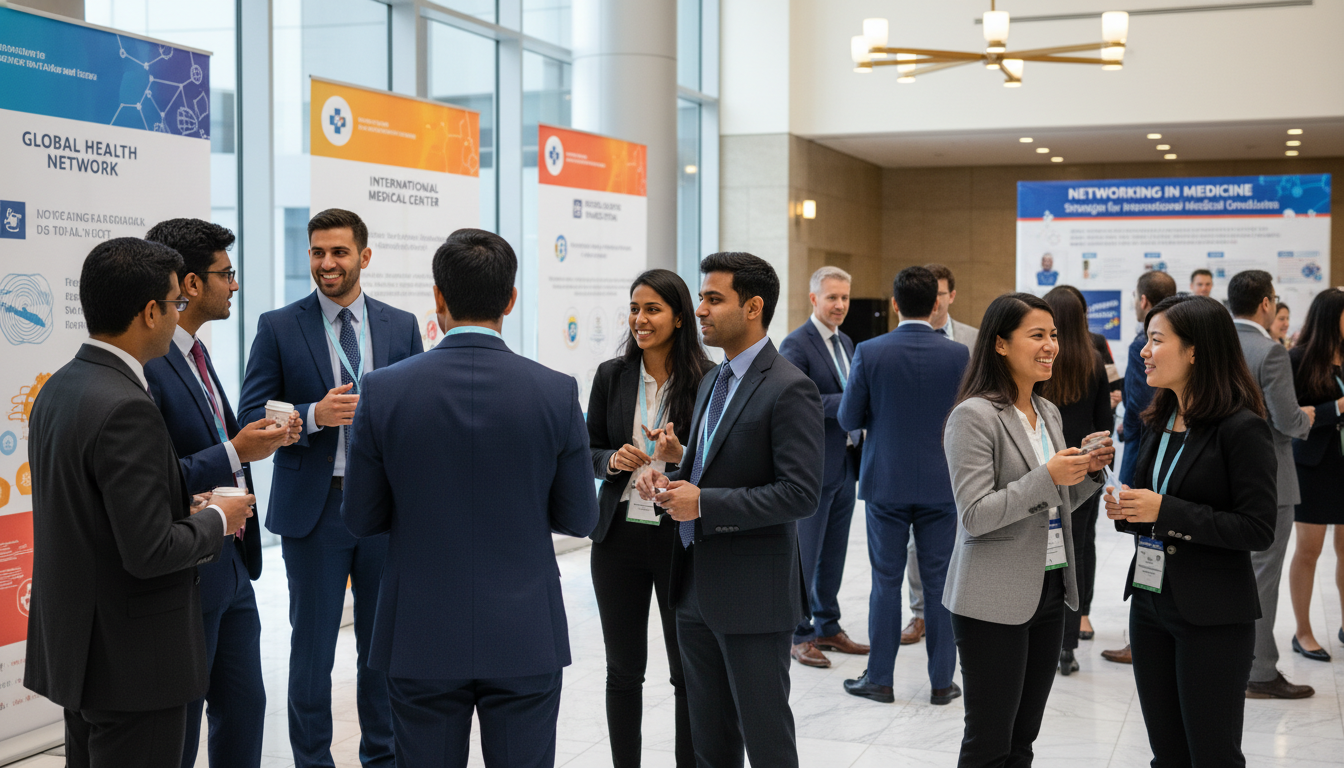
Why Networking Matters So Much for IMGs
For an international medical graduate, clinical skills and exam scores are only part of the residency equation. The other part—often less discussed, but just as critical—is networking in medicine.
Residency selection is competitive for everyone, but particularly for IMGs. Program directors are trying to answer a simple question: “Can I trust this person to join our team?” Networking is how you move from being just a name on a CV to being a known, trusted colleague.
Effective networking can help you:
- Secure US clinical experience (USCE) and observerships
- Obtain strong, personalized letters of recommendation (LORs)
- Identify IMG-friendly programs and realistic application strategies
- Gain mentorship in medicine for long‑term career planning
- Learn about unadvertised opportunities (research, QI projects, prelim spots)
- Build a support system during a very stressful process
This IMG residency guide will walk you step‑by‑step through strategic medical networking—at conferences, online, in hospitals, and beyond—so you can build meaningful professional relationships that directly support your residency goals.
Laying the Foundation: Mindset, Goals, and Professional Identity
Before you attend conferences or send any emails, you need a clear strategy. Networking without direction wastes time and feels fake. Networking with intention feels purposeful and authentic.
1. Shift Your Mindset: From “Asking for Help” to “Offering Value”
Many IMGs feel uncomfortable with networking because it feels like “bothering” others. Reframe this:
- Physicians expect to teach, guide, and mentor—this is part of the profession.
- You bring unique value as an international medical graduate: different training experiences, language skills, cultural perspectives, and often high resilience.
- Networking is relationship-building, not begging for favors.
Ask yourself:
- Who might benefit from what I know or can help with?
- How can I be useful—research help, data collection, translations, patient education materials, etc.?
When you approach networking as mutual benefit, conversations feel more natural.
2. Define Your Networking Goals
Clear goals help you focus your energy and measure progress. For example:
Short‑term goals (0–12 months):
- Secure 1–2 observerships or externships
- Join at least one active research or QI project
- Connect with 3–5 mentors (attendings, fellows, senior residents)
- Build a US‑based reference who knows you well
Medium‑term goals (1–3 years):
- Obtain strong specialty‑specific LORs from US faculty
- Present at a national or regional conference
- Be known by name at several targeted residency programs
Write your goals down and revisit them monthly. This keeps your efforts intentional.
3. Craft a Clear Professional Identity
Networking is easier when you can clearly explain who you are and what you’re aiming for.
Create a one‑sentence professional identity:
“I’m an internal medicine‑focused international medical graduate from [Country], currently in [US/non‑US location], with strong interest in [subspecialty/area] and experience in [research/clinical area]. I’m working toward US residency and actively seeking opportunities in [USCE/research/mentorship].”
You will adjust this depending on context, but having a base version prepared makes every introduction smoother.
Practical Strategies for Medical Networking in Everyday Settings
Networking is not limited to big events. Many of your most valuable connections will come from day‑to‑day interactions.
1. Maximizing US Clinical Experience (USCE) for Networking
If you’re in an observership, externship, or research position, you are in a prime networking environment.
How to stand out professionally:
Be visible and reliable
- Arrive early, stay engaged until the end of the day
- Be prepared: read about patients, know tomorrow’s schedule
- Follow through on every small task (sending articles, updating lists, etc.)
Ask thoughtful clinical questions
- Avoid yes/no questions like “Is this drug right?”
- Try: “In this patient with X and Y, what factors made you prefer [therapy A] over [therapy B]?”
- Take notes and circle back later: “I read about [topic] after our discussion—do you think [study finding] changes your approach?”
Offer help
- “If you ever need assistance with data collection, literature review, or preparing slides, I’d be happy to help.”
- For residents: “If there’s anything I can do to support the team today, please let me know.”
Building relationships with attendings and residents:
- Identify 1–2 attendings and 2–3 residents you connect with.
- After a few days of consistent interaction, say:
“I’m planning to apply for US residency as an IMG and I really value your perspective. Would you be open to giving me some feedback on my trajectory sometime?”
- If they agree, schedule a short, specific meeting (even 15–20 minutes is valuable).
2. Turning Everyday Contacts into a Network
Your network is broader than you think:
- Previous colleagues from your home country now in US/UK/Canada
- Former classmates who matched recently
- Professors from medical school with international contacts
- People you meet in online IMG communities or courses
Action steps:
Create a simple tracking sheet (spreadsheet or note app):
- Name, role (resident/attending/IMG/fellow), specialty, institution
- How you met / connection source
- Date and topic of last contact
- Next follow-up date
Set a weekly goal, for example:
- “Reach out to 3 people from my network this week.”
- “Follow up with 1 past contact I haven’t spoken to in 3+ months.”
Contacts become a network only when you maintain the relationship over time.

Conference Networking: Turning Meetings into Opportunities
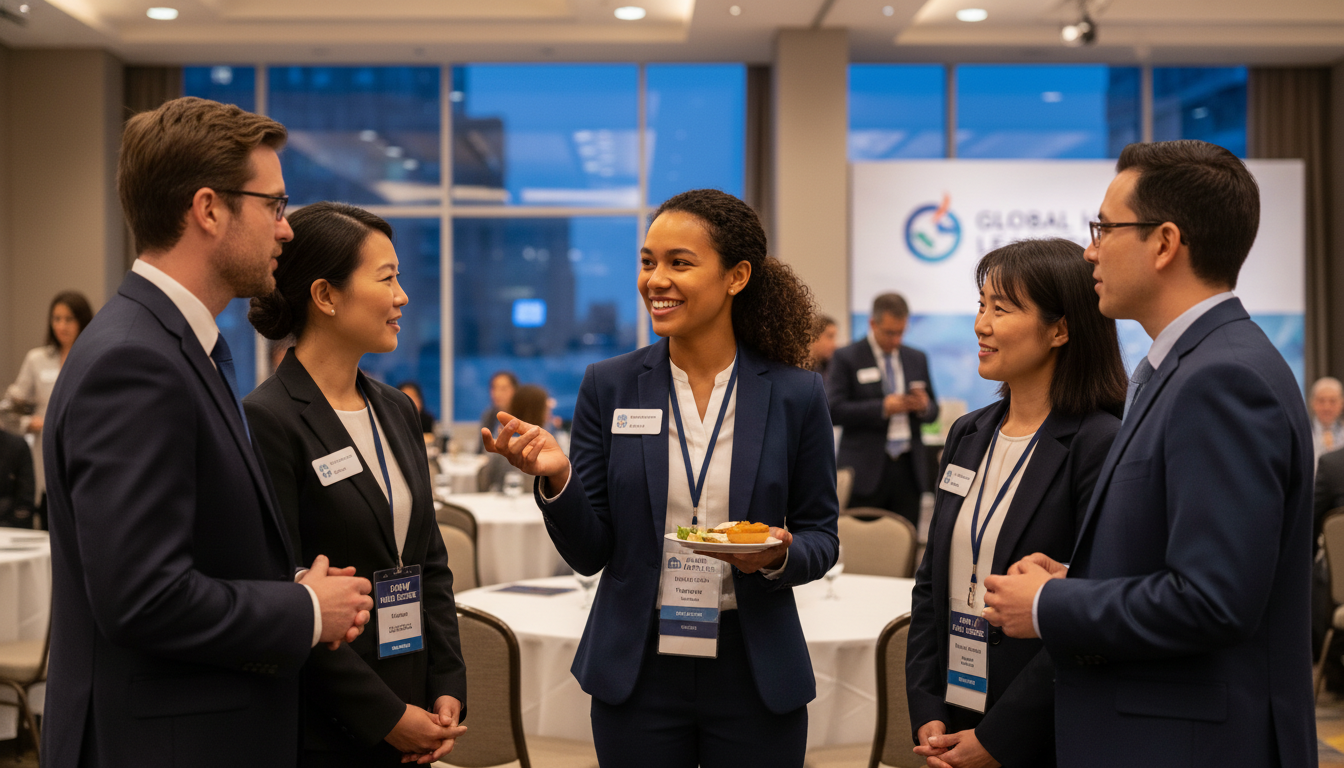
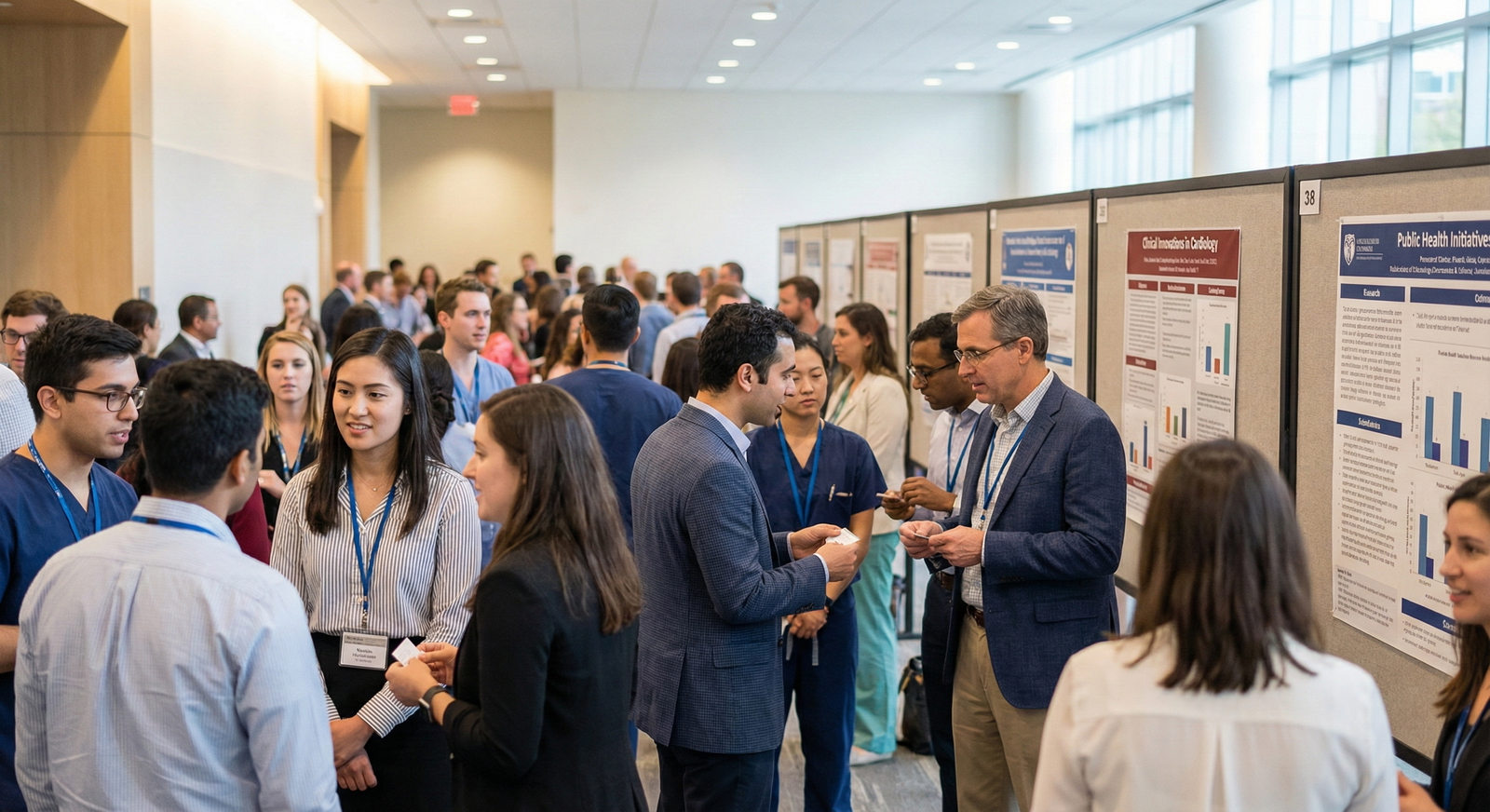
Conferences are one of the most powerful environments for medical networking and mentorship in medicine, especially for IMGs. You can meet program directors, fellowship directors, active researchers, and residents in one place.
1. Choosing the Right Conferences as an IMG
Consider:
Specialty‑specific national meetings
- E.g., ACP, ACG, AHA, ACC, CHEST, ASCO, AAN, etc.
- Many have IMG‑friendly tracks, international sessions, or trainee events.
Regional/state conferences
- Smaller size often means easier access to faculty and program leadership.
Subspecialty or research meetings
- Good for academic connections and research collaborations.
Whenever possible, present something (case report, poster, QI project). Presenting automatically makes you more visible and gives a natural conversation starter.
2. Prepare Before the Conference
Think of the conference as a structured opportunity—not a random event.
Before you go:
Review the program
- Identify sessions led by: program directors, department chairs, researchers in your interest area, IMG panels.
- Mark networking events: trainee receptions, mentorship lunches, “meet the professor” sessions.
Research key people
- For programs you’re targeting, look up:
- Program director and associate PDs
- Chief residents
- Faculty with interests similar to yours
- Note their recent publications or talks.
- For programs you’re targeting, look up:
Prepare your elevator pitch (30–45 seconds)
Include:- Who you are (IMG from where, current status)
- Your field of interest
- What you’re seeking (mentorship, research, future training)
Example:
“I’m Dr. [Name], an international medical graduate from [Country], currently completing US clinical observerships and preparing for internal medicine residency applications. I’m especially interested in cardiology and quality improvement projects. I’ve worked on [brief example] and I’m hoping to learn more about academic pathways and how I might get involved in research or clinical initiatives as an IMG.”
3. Starting Conversations Confidently
At conferences, most people expect to be approached.
Simple ways to start a conversation:
After a talk:
- “Thank you for your excellent presentation. I especially appreciated your point about [specific aspect]. I’m an IMG interested in [topic]—how do you recommend trainees like me get involved in this field?”
With residents or fellows:
- “Hi, I saw your badge says [Institution]. I’m an IMG applying in [specialty] and very interested in your program. Could I ask what you think distinguishes successful applicants there?”
At posters:
- “This is a really interesting project. What motivated you to investigate this topic?”
Key tips:
- Be specific and show you did your homework.
- Avoid leading with “Can you help me get into residency?”
- Focus on learning and connection, not on immediate favors.
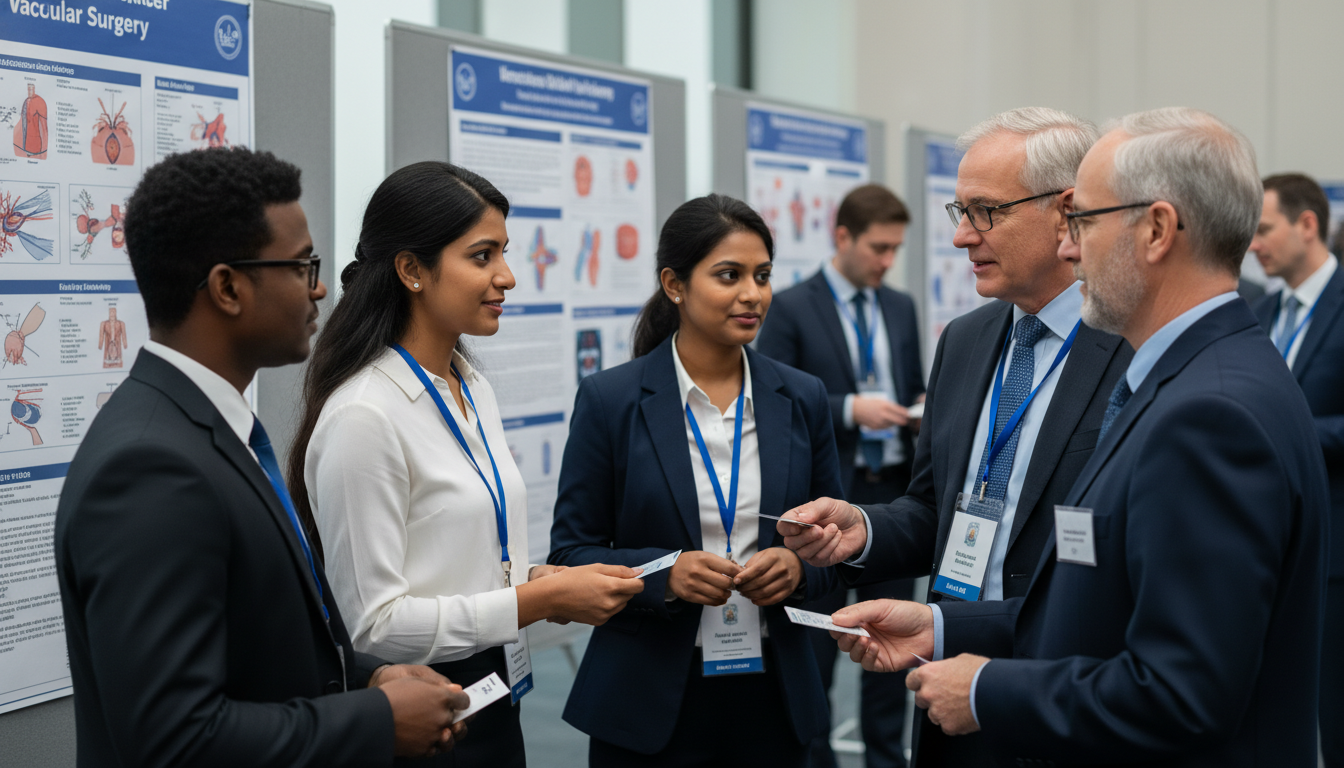
4. Gathering Contact Information and Following Up
Always end promising conversations with:
“Would it be alright if I follow up by email to ask a few more questions or share my CV?”
If they agree:
- Ask for their professional email or scan their QR code/business card.
- Within 48–72 hours, send a concise follow‑up:
Example:
Subject: Pleasure meeting you at [Conference] – IMG interested in [Field]
Dear Dr. [Last Name],
It was a pleasure speaking with you after your session on [topic] at [Conference] this weekend. I especially appreciated your insights about [specific detail].As I mentioned, I am an international medical graduate from [Country], currently [brief current status] with strong interest in [field]. If you are open to it, I would be very grateful for any advice you have regarding [specific question: e.g., getting involved in research, preparing for applications, etc.]. I’ve attached my CV for context.
Thank you again for your time and for your contributions to [field].
Sincerely,
[Your Name, Credentials]
[City, Phone (optional)]
If they respond, continue the conversation gradually; do not immediately ask for LORs or positions. First build rapport, show reliability, and look for ways to contribute.
Online Networking: LinkedIn, Email, and Professional Communities
For many international medical graduates unable to be physically present in the US early on, online networking is essential.
1. Optimizing Your LinkedIn and Online Presence
LinkedIn is now a major platform for professional medical networking.
Profile essentials for IMGs:
Professional photo (neutral background, business attire, friendly but serious expression).
Clear headline, e.g.:
- “International Medical Graduate | Aspiring Internal Medicine Resident | Interested in Cardiology & Quality Improvement”
About section:
- 3–6 sentences summarizing:
- Your background (country, degree, graduation year)
- USMLE/PLAB/MCCQE status (optional but often helpful)
- Clinical and research interests
- What you’re currently seeking (USCE, research, mentorship)
- 3–6 sentences summarizing:
Experience:
- List medical school, internships, observerships, research roles, volunteer work.
- Use bullet points with concrete contributions (e.g., “Collected data for 120‑patient registry; co‑authored abstract presented at [meeting]”).
Featured section (if applicable):
- Posters, publications, case reports, presentations.
Once complete, include your LinkedIn URL in your email signature.
2. Connecting Thoughtfully with Physicians and Residents
When sending a connection request:
- Avoid the default “I’d like to add you” message.
- Write a short, personalized note:
Example:
“Dear Dr. [Name], I’m an international medical graduate from [Country] with a strong interest in [field]. I recently read your article on [topic] and found it very insightful. I’m working toward US residency in [specialty] and would value the opportunity to follow your work and learn from your posts. Thank you for considering my request. – [Your Name]”
Who to connect with:
- IMGs who recently matched (especially from your country or school)
- Residents and fellows in specialties and programs you’re interested in
- Faculty whose research interests overlap with yours
- Leaders of IMG residency support groups or mentoring programs
3. Cold Emailing for Observerships and Research
Cold emailing can work if done professionally and persistently.
Key principles:
- Personalize each email (avoid copy‑paste).
- Start with interest in their work, not your need.
- Be specific about what you’re asking for.
- Keep it concise (10–15 lines).
Sample cold email for research:
Subject: IMG interested in contributing to [specific research area]
Dear Dr. [Last Name],
I hope this message finds you well. My name is [Name], and I am an international medical graduate from [Country], currently [location/status]. I recently read your publication on [short title/subject] and was particularly interested in [specific finding or method].I am strongly interested in [field], with prior experience in [brief relevant experience]. I am eager to contribute to ongoing research projects and further develop my skills in [methods/analysis/writing].
If you have any current or upcoming projects where you might need assistance with data collection, literature review, or manuscript preparation, I would be very grateful for the opportunity to discuss how I could help, even in a remote/volunteer capacity. I have attached my CV for your consideration.
Thank you for your time and for considering my request.
Sincerely,
[Your Name, Credentials]
[Contact details]
Expect a low response rate; this is normal. Sending 50 thoughtful emails is not excessive for serious research seekers.

Finding and Cultivating Mentorship in Medicine
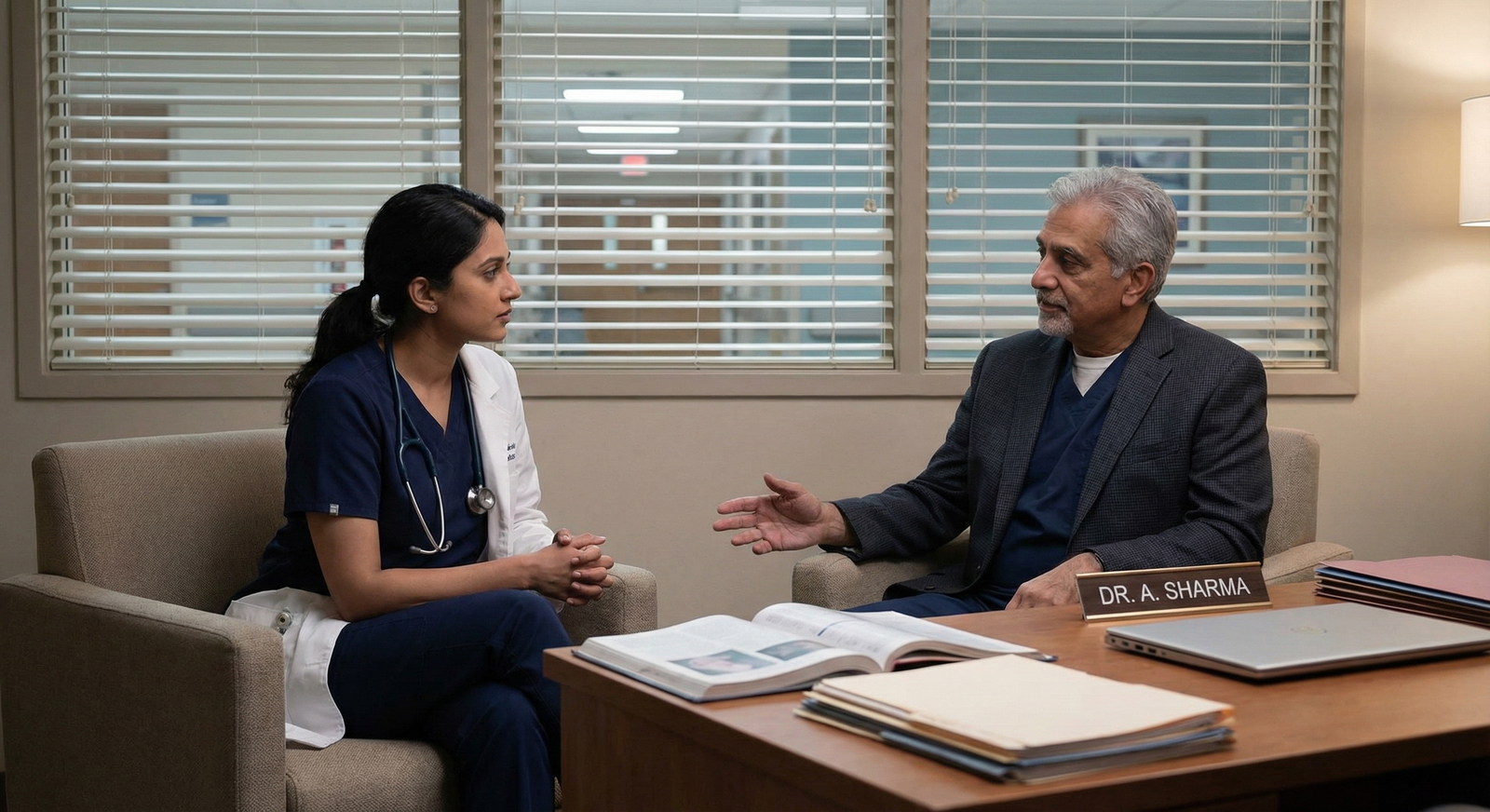
Mentors are critical for IMGs. A good mentor is more than someone who answers occasional questions; they:
- Guide you through specialty choices and career planning
- Help you interpret exam scores realistically
- Review your CV and personal statement
- Introduce you to their network
- Often become advocates and letter writers
1. Types of Mentors You Should Look For
You may need multiple mentors with different roles:
- Career mentor: Attending in your chosen specialty, ideally with some experience working with IMGs.
- Process mentor: Someone who understands the IMG residency guide landscape—USCE options, exam strategies, ERAS, interviews.
- Peer mentor: Residents or fellows who matched recently and understand your specific challenges.
- Research mentor: Faculty leading projects in your area of interest.
One person can sometimes play more than one role, but having a small “mentor team” is ideal.
2. How to Approach Potential Mentors
Often a mentor starts as someone you’ve met through:
- USCE
- Conferences
- Research collaborations
- Online professional communities
When you identify a potential mentor:
- Demonstrate respect and preparation.
- Ask for a small, specific initial commitment.
Sample approach:
“Dr. [Name], I greatly appreciate the guidance you shared about [topic] when we met at [context]. Your career path in [field] is very inspiring to me as an IMG. If you have 20–30 minutes available sometime in the next few weeks, I would be incredibly grateful for the opportunity to ask your advice about my trajectory and preparation for the residency match in [specialty].”
During the meeting:
- Come with specific questions (3–6 questions written down).
- Take notes and show you value their time.
- At the end, ask:
“Would it be alright if I follow up with you occasionally as I move forward with applications?”
If they agree and respond positively to future messages, the relationship can grow into a mentorship.
3. Being a Good Mentee
Mentorship is a two‑way relationship. To maintain it:
Respect time:
- Combine questions into fewer, well‑organized emails.
- Avoid last‑minute requests (“Can you review my CV tonight?”).
Act on advice:
- If they suggest something, try to implement it and report back.
- Example: “As you recommended, I reached out to [person] and started a case report project.”
Share your progress:
- Update them on major steps (observership secured, exam results, interviews).
- Thank them explicitly for their influence.
Mentors are much more likely to advocate for mentees who are reliable, proactive, and appreciative.
Common Networking Mistakes IMGs Make (and How to Avoid Them)
Even well‑intentioned IMGs can unintentionally damage potential relationships. Being aware of pitfalls will improve the quality of your network.
1. Transactional Behavior: Asking for Too Much, Too Early
Jumping from a first conversation to “Can you write me a letter?” or “Can you get me into your program?” can end the relationship.
Alternative approach:
- Focus first on learning: “What skills do you think are most important in applicants?”
- Then on contributing: “Is there any way I could help with your projects?”
- Only after consistent interaction and demonstrated work ethic should you ask about letters or more substantial support.
2. Spamming Generic Messages
Copy‑pasted messages without personalization are usually ignored.
Fix it by:
- Mentioning something specific about the person’s work or background.
- Clearly stating why you chose to contact this person, not just “any doctor.”
3. Neglecting Professionalism Online
Unprofessional social media presence can undermine your networking:
- Avoid publicly complaining about exams, programs, or individuals.
- Keep debates respectful, especially on medical topics.
- Use professional language when posting about medicine.
Assume program directors or faculty may see anything you post.
4. Lack of Follow‑Up
Many IMGs manage to meet people, but then disappear.
- After any helpful interaction, follow up within a reasonable time.
- Even a short message like, “Thank you again for taking the time to speak with me. I implemented your suggestion to [action], and it has already helped me to [result],” builds long‑term connection.
Building a Long-Term Professional Network Beyond the Match
Networking is not just about getting into residency. It is about building a career‑long professional community.
1. Stay Connected After Matching (or Not Matching)
If you match:
- Thank everyone who supported you, from mentors to residents and peers.
- Let them know where you matched and that you’d be happy to support future IMGs.
If you don’t match:
- Update your mentors honestly and respectfully.
- Ask for help in analyzing your application and planning the next cycle.
- Continue contributing to projects and showing resilience—this often impresses mentors even more than immediate success.
2. Give Back as You Advance
As you progress—from IMG applicant to resident, and later to fellow or attending—you can become the mentor and network contact you once needed.
Ways to give back:
- Offer to speak to junior IMGs from your school or country.
- Help with observerships or research opportunities when you can.
- Share accurate information in IMG forums and groups.
Over time, this reinforces your professional reputation and expands your own network upward and outward.
FAQs: Networking in Medicine for IMGs
1. I am still in my home country. How can I start networking in US medicine now?
You can begin by building an online presence: optimize your LinkedIn profile, join specialty‑specific societies that offer international or student memberships, and attend virtual conferences or webinars. Reach out via email to researchers whose work aligns with your interests and offer to assist with literature reviews or remote projects. Connect with former classmates or alumni who are now in US or Canadian programs and ask about their paths and potential contacts you might approach.
2. How important is networking compared to USMLE scores for IMGs?
Scores open doors; networking helps you walk through them. Strong exam performance is usually necessary to be considered by many programs, but personal connections can influence which applications get deeper attention, who receives interview invitations, and how confidently your abilities are perceived. For IMGs with mid‑range scores, effective medical networking and strong, personalized LORs can be the difference between matching and going unnoticed.
3. How do I ask for a letter of recommendation without sounding pushy?
First ensure the person has seen your work and professionalism over time. Then approach them respectfully:
“Dr. [Name], I’ve greatly appreciated the opportunity to work with you over the past [time]. I’m planning to apply for residency in [specialty] this cycle and would be honored if you felt able to write a strong letter of recommendation on my behalf.”
Using the word “strong” gives them an opportunity to decline if they cannot support you fully. If they hesitate, thank them and do not push; a weak letter can be more harmful than no letter.
4. How can I overcome shyness or accent insecurity during networking?
Focus on clarity and sincerity, not perfection. Many US physicians are used to working with colleagues from around the world and are more interested in your thought process and work ethic than your accent. Prepare a few standard phrases and your elevator pitch; rehearse them aloud. Start with small interactions—short questions after talks, brief LinkedIn messages—and gradually push your comfort zone. Remember, as an international medical graduate, your diverse background is an asset, not a liability.
By approaching networking as a structured, long‑term process—grounded in authenticity, preparation, and contribution—you can transform your position as an IMG from “unknown applicant” to respected future colleague in the eyes of residency programs and the broader medical community.