Understanding Networking in Medicine-Pediatrics as an IMG
Networking in medicine is not just “meeting people.” It is the deliberate process of building professional relationships that can support your learning, advocacy, and career progression. For an international medical graduate (IMG) interested in Medicine-Pediatrics (Med-Peds), networking is especially crucial because:
- Med-Peds is a smaller, tightly knit specialty.
- Program directors often rely heavily on personal recommendations and known quantities.
- IMGs may lack a built-in U.S. alumni or institutional network.
In the context of Med-Peds, networking means:
- Creating relationships with Med-Peds faculty, residents, and program directors.
- Becoming known as a reliable, hardworking, teachable future colleague.
- Learning about unadvertised opportunities (research, observerships, QI projects).
- Positioning yourself strongly for the medicine pediatrics match.
For the IMG residency guide you are mentally building, keep in mind: networking is not manipulation; it is a professional collaboration rooted in curiosity, respect, and mutual benefit.
Unique Network Challenges for Med-Peds IMGs
As an international medical graduate, you may face:
- Limited U.S. clinical experience (USCE).
- Visa and sponsorship questions that make some programs cautious.
- Sometimes, unfamiliarity with the Med-Peds pathway itself—many IMGs know Internal Medicine and Pediatrics separately, but not combined.
Because Med-Peds is smaller, relationships matter more. Many faculty and residents across programs know one another from:
- National Med-Peds conferences.
- Committees and interest groups.
- Collaborative research or quality improvement networks.
Your goal is to intentionally enter and participate in these circles.
Laying the Foundation: Clarifying Your Med-Peds Identity
You will network more effectively if you can clearly articulate who you are, what you want, and why Med-Peds.
Build a Compelling Med-Peds Narrative
Before speaking with attendings or program leadership, be ready to answer, concisely:
Why Med-Peds instead of Internal Medicine or Pediatrics alone?
Example structure:- “I love complex, chronic disease management across the lifespan.”
- “I want to care for patients who transition between pediatric and adult systems.”
- “Med-Peds allows me to build long-term relationships with families while also managing complex adult medicine.”
What patient population or setting interests you most?
Examples:- Young adults with congenital heart disease.
- Children with chronic conditions transitioning to adult care.
- Global health with a continuity of pediatric and adult care.
- Community health and underserved populations.
How does your IMG background add value?
- Experience working in resource-limited settings.
- Multilingual skills and cultural humility.
- Familiarity with different health systems and care models.
When you network—whether through medical networking events, alumni connections, or email—this narrative helps people remember you as “the IMG interested in Med-Peds transitions in global health,” rather than just “another applicant.”
Create a Professional Portfolio That Supports Networking
Networking becomes easier when you have a clear, accessible portfolio:
- Updated CV: Highlight:
- Any pediatrics, internal medicine, or Med-Peds exposure (rotations, electives).
- Quality improvement, research, or audits involving adult or pediatric populations.
- Teaching, leadership, and community work.
- Professional photo & summary (e.g., LinkedIn):
- A clean, professional headshot.
- A 2–3 sentence summary describing you as an IMG, your Med-Peds focus, and your goals.
- Organized digital folder:
- Current CV.
- Personal statement drafts (even early versions).
- Abstracts/posters.
- Letters of recommendation (when applicable).
When mentors or faculty offer to share your information with others, having this material ready communicates professionalism and reliability.
Building Your Network: Where and How to Start
1. Use Your Current Environment Strategically
Even if you are outside the United States, your current institution is your first network:
- Identify faculty with Med-Peds-relevant interests:
- Physicians working in adult chronic care, pediatrics, or adolescent medicine.
- Faculty involved in global health or transition-of-care projects.
- Ask for:
- Advice on Med-Peds training pathways in the U.S.
- Introduction to their contacts abroad, especially anyone with U.S. training.
Example email script:
Subject: Seeking advice on Med-Peds training as an IMG
Dear Dr. [Name],
I am a [year] medical graduate from [Institution] with an interest in combined Internal Medicine-Pediatrics training in the United States. I have greatly valued your teaching in [course/rotation] and would appreciate 15–20 minutes of your time to seek your advice about pursuing this path as an international medical graduate.If you know any colleagues who trained or practiced in the U.S., I would also be very grateful for an introduction.
Sincerely,
[Your Name]
This is mentorship in medicine at its earliest stage—not asking for a letter, just asking for guidance.
2. Targeted U.S. Clinical Experience (USCE) and Observerships
Direct contact with Med-Peds programs is incredibly valuable. When looking for electives or observerships, specifically consider:
- Hospitals with accredited Med-Peds residency programs.
- Institutions where Med-Peds residents rotate on both medicine and pediatrics services.
When you obtain an observership or clinical experience:
- Introduce yourself early to Med-Peds residents and faculty.
- Attend:
- Noon conferences for internal medicine and pediatrics.
- Med-Peds-specific conferences or journal clubs, if open to observers.
- Ask residents:
- How they chose their program.
- What they look for in strong applicants.
- Whether you can observe Med-Peds continuity clinic, if permitted.
These in-person connections often lead to:
- Stronger letters of recommendation.
- Someone who can email or call a program director on your behalf.
- Realistic insights about Med-Peds culture and expectations.

3. Engage in Conference Networking with Intention
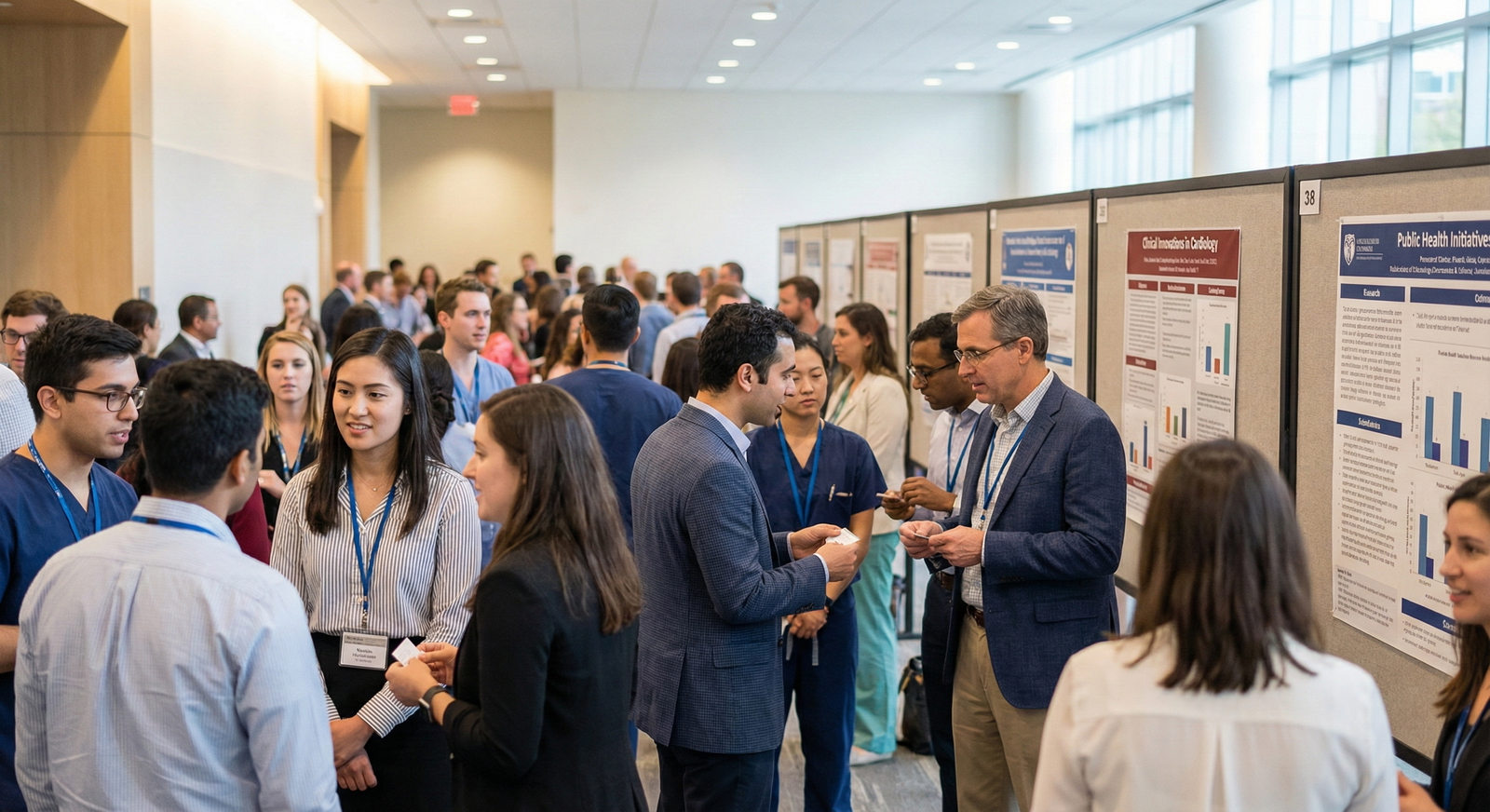
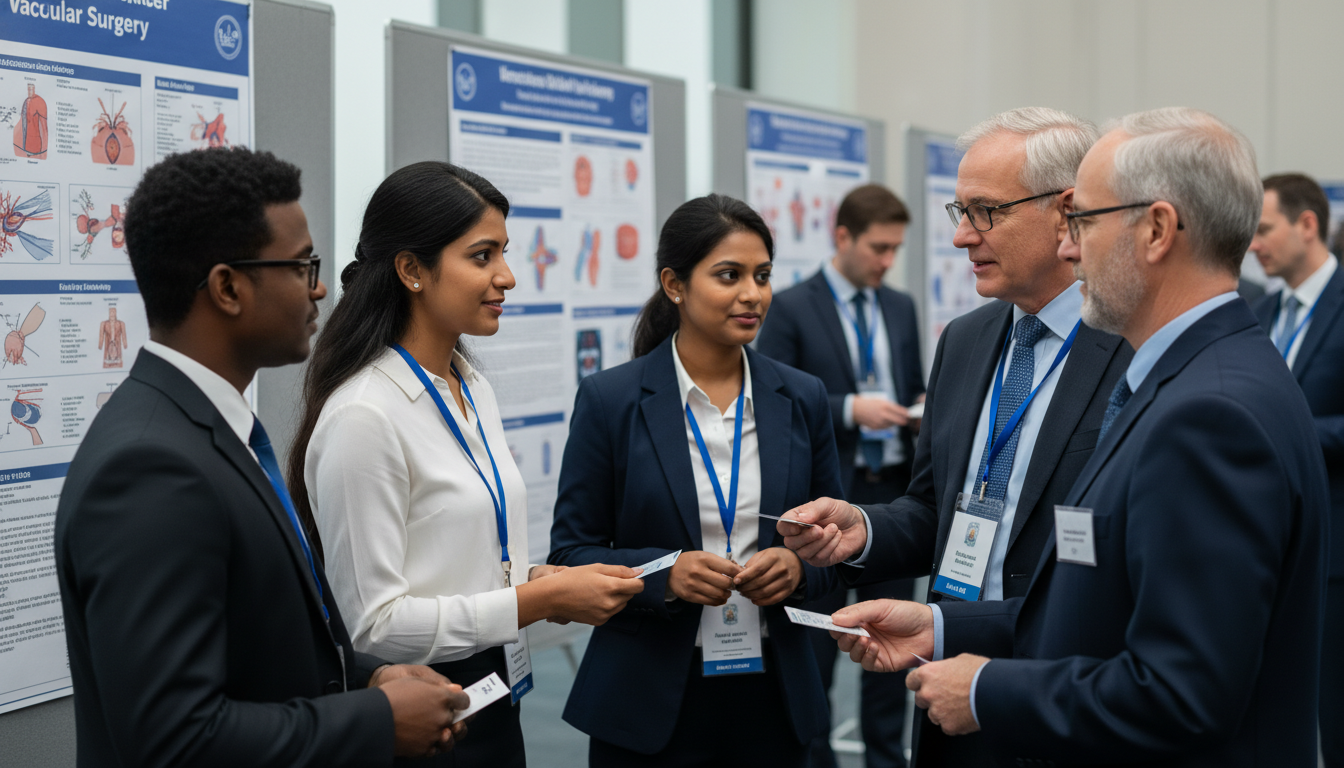
Conference networking is a powerful part of any IMG residency guide, particularly for a smaller specialty like Med-Peds.
Which Conferences to Consider?
For Med-Peds–oriented networking:
- Combined Med-Peds Program Directors Association (COMSEP/AAP Med-Peds events if accessible)
- Society of General Internal Medicine (SGIM) with Med-Peds interest groups.
- Pediatric Academic Societies (PAS) for pediatrics-focused networking.
- American College of Physicians (ACP) and American Academy of Pediatrics (AAP) national/state meetings.
If cost is a barrier, look for:
- Virtual attendance options.
- Abstract scholarships for trainees.
- Local or regional conferences with Med-Peds presence.
How to Network Effectively at Conferences
Before the conference:
- Review the program for “Medicine-Pediatrics,” “Med-Peds,” “Transition of care,” “Young adults with chronic conditions,” “Combined training.”
- Identify sessions led by Med-Peds faculty.
- Email 1–3 speakers in advance:
Dear Dr. [Name],
I am an international medical graduate with a strong interest in Medicine-Pediatrics and the care of [specific population]. I saw that you are presenting on [topic] at [conference]. I plan to attend and wondered if I might briefly introduce myself after your session to ask one or two questions about Med-Peds training paths.Thank you for your time,
[Your Name]
During the conference:
- Sit closer to the front; ask one thoughtful question after a talk.
- Introduce yourself after sessions: name, background, interest in Med-Peds, one key question.
- Exchange contact information or connect via LinkedIn.
After the conference:
- Send a concise thank-you email within 24–72 hours.
- Mention 1–2 things you learned and, if appropriate, ask whether you can occasionally reach out with questions.
This type of deliberate conference networking often leads to mentorship, research collaborations, or future interview advocates.
Developing Long-Term Mentorship and Sponsorship
Networking is not just about meeting many people; it is about cultivating a few meaningful, long-term relationships—mentors and, ideally, sponsors.
Mentorship vs. Sponsorship in Medicine
- Mentor: Provides advice, feedback, and guidance. May or may not directly influence your match.
- Sponsor: Uses their reputation and influence to open doors for you (e.g., calling a program director, inviting you to collaborate on a project, nominating you for an opportunity).
As an IMG in Med-Peds, you ideally want:
- At least one clinical mentor familiar with U.S. training.
- At least one Med-Peds mentor (even if informal or virtual).
- One or two potential sponsors by the time you apply for the medicine pediatrics match.
How to Nurture Mentoring Relationships
Start with curiosity, not demands.
- First meetings: ask about their career path, what they enjoy about Med-Peds, advice for IMGs.
Be prepared and respectful.
- Come with specific questions:
- “How can I strengthen my application for Med-Peds?”
- “What qualities do you see in successful Med-Peds residents?”
- Keep meetings to the agreed time frame.
- Come with specific questions:
Follow through.
- If a mentor suggests reading an article, exploring a resource, or emailing someone—do it, and update them briefly.
- If they confirm they will introduce you to someone, politely confirm after 1–2 weeks if needed.
Make it easy for them to help you.
- When asking for a letter of recommendation:
- Provide your CV, personal statement, and a bullet list of key experiences they may highlight.
- When asking for an introduction:
- Offer a short paragraph they can copy-paste to introduce you.
- When asking for a letter of recommendation:
Example introduction paragraph you can send to a mentor:
“[Your Name] is an international medical graduate from [Country/Institution] with a strong interest in combined Medicine-Pediatrics training, particularly in [specific interest, e.g., transition of care]. They have completed [brief description of USCE or relevant experience] and are exploring Med-Peds residency programs and potential research or quality improvement opportunities.”
Mentorship in medicine thrives on trust, reliability, and clarity, all of which you can control regardless of your IMG status.

Strategic Online Networking and Digital Presence
In modern medical networking, a thoughtful online presence complements in-person interactions, especially for IMGs who may be geographically distant.
Use LinkedIn and Professional Platforms Wisely
- Profile essentials:
- Professional photo, clear headline: “International Medical Graduate | Aspiring Medicine-Pediatrics Resident | Interested in [Interest].”
- Brief About section summarizing your training and Med-Peds focus.
- Connect with:
- Med-Peds residents and alumni from your observership sites.
- Faculty you meet at conferences.
- IMGs who matched into Med-Peds.
When sending connection requests:
“Dear Dr. [Name],
We met briefly at [context]. I am an IMG interested in Med-Peds, especially [area]. I appreciated your insights on [topic] and would be grateful to stay connected as I prepare for the medicine pediatrics match.
Sincerely, [Your Name]”
Participate in Online Communities Carefully
Many Med-Peds and IMG-focused communities exist on:
- X (Twitter) / Threads – physicians and programs share educational content, match advice, and calls for applications.
- Specialty-specific forums or groups (e.g., Med-Peds interest groups).
- Webinars hosted by residency programs.
Guidelines:
- Use a professional tone.
- Avoid commenting negatively about particular programs or individuals.
- Ask focused questions (e.g., “What advice do you have for IMGs interested in Med-Peds?”).
- Share neutral, professional content (case reflections, article summaries, QI ideas).
Your goal is to be visible as a serious, engaged future colleague, not an anxious applicant broadcasting desperation.
Applying Networking to the Medicine-Pediatrics Match
Networking must translate into concrete support during the application and interview cycle.
Before ERAS Submission
Use your network to refine your application:
- Ask mentors to review:
- CV structure and content.
- Personal statement, ensuring it clearly reflects why Med-Peds.
- Ask Med-Peds residents or recent graduates:
- Which experiences to emphasize.
- How many and which types of programs to apply to, especially for IMGs.
If you know Med-Peds faculty reasonably well, it is appropriate to say:
“I plan to apply for Med-Peds residency this cycle. If you feel you know my work well enough, I would be grateful for a strong letter of recommendation.”
The word “strong” is important; it allows someone to decline if they cannot write a supportive letter.
During Interview Season
Your prior networking may lead to:
- Invitations to interview at places where you did observerships or electives.
- Strong letters that carry weight with program directors known to your mentors.
- Informal advocacy (e.g., “I know this candidate personally; they are excellent.”).
During interviews:
- Reference your network experiences thoughtfully:
- “During my sub-internship with Dr. [Name], a Med-Peds faculty member, I saw how Med-Peds residents navigate both adult and pediatric services. That confirmed my desire for this pathway.”
- Ask residents:
- “How connected is this program to other Med-Peds programs or national Med-Peds groups?”
- “Are there opportunities to get involved in national Med-Peds organizations as a resident?”
This signals that you understand Med-Peds as a community, not just a curriculum.
After Interviews: Professional Follow-Up
Post-interview communication should be courteous and brief:
- Send thank-you emails to:
- Program directors.
- Any Med-Peds faculty who spent significant time with you.
- Content:
- 2–3 sentences thanking them for their time.
- One specific aspect of the program that resonated with you.
- A brief reminder of your Med-Peds interests.
Do not pressure programs or repeatedly ask about ranking decisions; maintain professionalism.
Overcoming Common IMG Barriers Through Networking
Addressing Limited USCE
Networking can help you:
- Identify programs or physicians willing to host observerships.
- Learn about short-term shadowing or research assistant roles.
- Find remote QI or research collaborations if you cannot travel.
Ask mentors:
“Given my current limitations in traveling to the U.S., are there remote or collaborative projects you know of where I can contribute meaningfully from abroad?”
Navigating Visa and Sponsorship Concerns
Senior mentors and sponsors can:
- Help you prioritize IMG-friendly Med-Peds programs.
- Clarify differences between J-1 and H-1B sponsorship in specific institutions.
- Sometimes advocate internally at programs open to strong IMG applicants but cautious about visas.
Networking does not erase visa challenges, but it can open doors that might otherwise remain closed.
Managing Imposter Syndrome and Cultural Differences
Many IMGs feel uncertain about approaching senior faculty or about “self-promotion.” Healthy medical networking is not bragging; it is:
- Sharing your genuine interests and goals.
- Respectfully requesting guidance and feedback.
- Demonstrating that you are eager to contribute.
Remind yourself:
- You bring unique strengths (global perspective, resilience, adaptability).
- Mentors and program directors are often impressed by motivated IMGs who seek feedback and act on it.
Practical Action Plan: 6–12 Months Before Applying
To make this actionable, here is a timeline-style checklist:
6–12 months before ERAS opens:
- Clarify your Med-Peds narrative (why Med-Peds, your interests, your strengths as an IMG).
- Update your CV and create or refine your LinkedIn profile.
- Identify 3–5 potential mentors (home institution, USCE, online Med-Peds contacts).
- Attend at least one Med-Peds-relevant conference or webinar and actively network.
3–6 months before ERAS:
- Secure at least 2–3 strong letters of recommendation, ideally including:
- One internal medicine or Med-Peds faculty.
- One pediatrics or Med-Peds faculty.
- Work on a small QI, research, or educational project that bridges adult and pediatric care if possible.
- Continue building your network through conference networking and mentorship in medicine.
0–3 months before ERAS:
- Finalize your personal statement with input from mentors.
- Ask mentors or sponsors if they would be comfortable informally advocating for you at specific programs.
- Maintain professional communication but avoid over-contacting any one person.
If you stay consistent—one email, one conversation, one step at a time—your medical networking efforts will accumulate into a visible, supportive community around your Med-Peds aspirations.
FAQs: Networking in Medicine-Pediatrics for IMGs
1. Is networking really necessary to match into Med-Peds as an IMG?
Networking is not an official requirement, but for an international medical graduate in a smaller specialty like Med-Peds, it can make a major difference. A strong Step score and solid USCE are important, but personal advocacy from trusted Med-Peds faculty often separates similar applicants. Networking increases your chances of getting interviews, strong letters, and informal support.
2. How do I approach a Med-Peds faculty member without sounding pushy?
Focus on curiosity and learning rather than asking immediately for letters or favors. Start with a short email:
- Introduce yourself and your IMG background.
- State your interest in Med-Peds.
- Ask for 10–20 minutes of their time for advice on training and preparation.
Most faculty are open to helping students who are respectful, prepared, and clearly motivated.
3. What if my home country has no Med-Peds physicians?
You can still network effectively by:
- Identifying internal medicine and pediatrics faculty who have U.S. connections.
- Asking them to introduce you to colleagues abroad, particularly those in Med-Peds.
- Attending virtual Med-Peds webinars or conferences.
- Connecting with Med-Peds residents and faculty via LinkedIn or professional social media, using concise, professional messages.
You do not need local Med-Peds mentors to start; you can build your global Med-Peds network gradually.
4. Can online networking alone help me if I cannot travel to the U.S. before applying?
While in-person USCE and observerships are extremely valuable, online networking can still help you:
- Understand what Med-Peds programs value.
- Access remote research or QI projects.
- Get feedback on your CV and personal statement.
- Identify IMG-friendly programs and mentors who may advocate for you.
If travel is limited, maximize virtual conferences, webinars, and thoughtful digital presence. Your goal remains the same: become known, respected, and trusted within the Med-Peds community, even at a distance.
By combining thoughtful self-presentation, consistent outreach, and genuine curiosity, you can build a strong professional network in Medicine-Pediatrics. As an international medical graduate, your path may be less familiar to programs—but through strategic medical networking, conference networking, and durable mentorship in medicine, you can transform that challenge into a distinctive strength when you enter the medicine pediatrics match.