Why Networking Matters for an MD Graduate in Nuclear Medicine
For an MD graduate pursuing nuclear medicine, technical skills and exam scores are essential—but they are not enough on their own. The nuclear medicine community is relatively small, subspecialized, and highly collaborative. Your reputation, professional relationships, and visibility in the field can dramatically influence:
- Your competitiveness for a nuclear medicine residency
- Opportunities for research and elective rotations
- Letters of recommendation from key opinion leaders
- Access to fellowships, early-career jobs, and interdisciplinary projects
- Invitations to speak, write, and participate in committees
In a specialty where much work happens at the intersection of radiology, oncology, cardiology, and endocrinology, effective medical networking is a strategic asset. Whether you trained at a well-known allopathic medical school or a smaller institution, networking can help level the playing field and improve your chances in the nuclear medicine match and beyond.
This article focuses on practical, step-by-step strategies for MD graduates who want to build meaningful, long-term connections in nuclear medicine—starting now and evolving through residency and early practice.
Understanding the Nuclear Medicine Landscape
Before you network effectively, you need a clear mental map of the nuclear medicine ecosystem. This helps you target efforts and build relationships that actually matter for your goals.
Key Domains in Nuclear Medicine
Nuclear medicine is not monolithic. As a future nuclear medicine specialist, you’ll intersect with several areas:
Diagnostic imaging
- SPECT and SPECT/CT
- PET and PET/CT (e.g., FDG, PSMA, DOTATATE)
- Cardiac perfusion imaging
Theranostics and molecular therapy
- Radioiodine therapy for thyroid disease
- Lutetium-177 and Yttrium-90 therapies
- Emerging targeted radiopharmaceuticals
Oncology, cardiology, and neurology collaborations
- Tumor staging and response assessment
- Cardiac viability or perfusion studies
- Neurodegenerative disease imaging
Each of these domains has its own conferences, research networks, and informal communities. As an MD graduate, your networking strategy should consider where your clinical and research interests lie within this spectrum.
The Nuclear Medicine Residency and Match Context
For an MD graduate residency applicant, networking can be especially important because:
- The nuclear medicine residency community is smaller than many other specialties; faculty often know each other across institutions.
- Program directors frequently ask colleagues about applicants, especially if you are coming from a different region or from a primarily allopathic medical school with limited nuclear medicine exposure.
- A strong network can lead to away electives, observerships, and research projects that strengthen your allopathic medical school match profile.
Your goal is not superficial self-promotion; it’s to become a recognized, trusted colleague in a tightly connected field.
Core Principles of Effective Medical Networking
Before diving into specific tactics, it’s worth clarifying what “networking in medicine” should look like at a professional level.
Principle 1: Relationships First, Opportunities Second
People can sense when you see them purely as a means to an end. In a small specialty like nuclear medicine, this can backfire quickly. Instead:
- Approach networking as relationship-building, not transactional asking.
- Focus on shared professional interests: a technique, tracer, or disease area you’re genuinely curious about.
- Look for ways you can contribute—helping with a small project, collecting data, presenting a case, or supporting a quality improvement initiative.
Principle 2: Show Up Consistently
One-off interactions rarely become meaningful professional relationships. Especially in the context of conference networking, consistency matters:
- Attend the same annual or regional meetings when you can.
- Join working groups, resident sections, or committees.
- Reconnect with people at multiple touchpoints over time—email, virtual meetings, and conference meetups.
Principle 3: Be Prepared and Specific
Busy physicians respond better to focused, respectful outreach:
- Know the person’s work before you reach out (read one or two of their recent papers).
- Ask one or two concrete questions, not “Can I pick your brain for an hour?”
- State clearly who you are (MD graduate, training background, interest in nuclear medicine residency or therapy, etc.) and what you are hoping to learn.
Strategic Networking Before and During Nuclear Medicine Residency
For an MD graduate aiming for a nuclear medicine match, the pre-residency and residency years are prime time to build your professional network intentionally.
1. Networking Within Your Home Institution
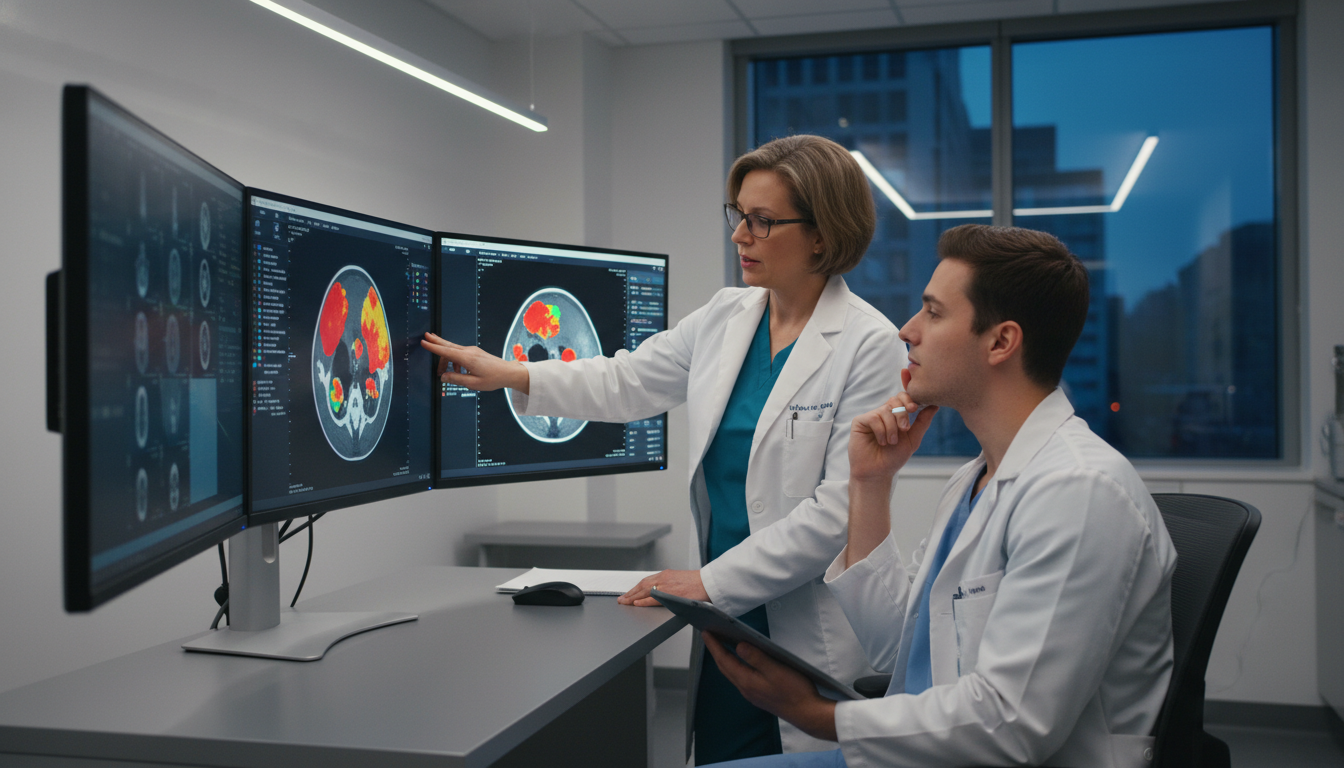
Even if your medical school or institution doesn’t have a large nuclear medicine department, you likely have some resources:
Identify Local Nuclear Medicine Champions
- Nuclear medicine attendings or radiologists with NM credentials
- Radiology department leaders involved in PET/CT or SPECT
- Oncologists, cardiologists, or endocrinologists who frequently order nuclear medicine studies
Action steps:
- Request a brief meeting (15–20 minutes) to discuss your interest in nuclear medicine.
- Prepare 2–3 questions on training paths, research opportunities, or clinical exposure.
- Ask if you can shadow in the nuclear medicine area or read out with them for a few sessions.
Join or Create Nuclear Medicine-Focused Activities
- Present a nuclear medicine case at a departmental conference (e.g., tumor board, radiology case conference).
- Ask to assist with QA projects (e.g., protocol optimization, dose reduction initiatives).
- Offer to help residents or fellows with literature reviews, poster preparation, or data entry for ongoing studies.
These activities position you as engaged and reliable—and help generate content for your CV and future letters of recommendation.
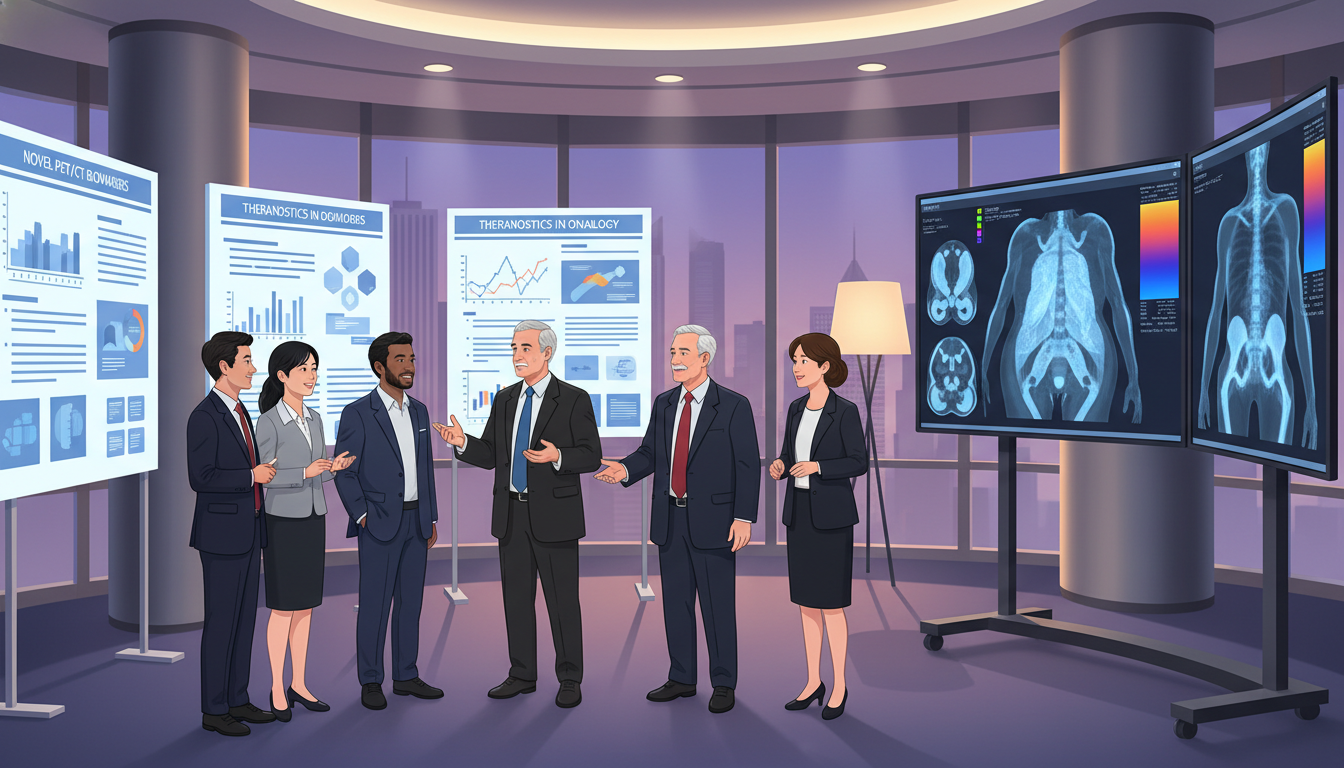
2. Making the Most of Conference Networking
Conferences are the backbone of medical networking in nuclear medicine. Major meetings often include:
- Society of Nuclear Medicine and Molecular Imaging (SNMMI)
- European Association of Nuclear Medicine (EANM), if relevant to your region
- Radiology meetings with strong NM content (e.g., RSNA)
Before the Conference
- Review the program: Highlight sessions, workshops, and posters relevant to your interest (e.g., theranostics, cardiac PET).
- Identify 2–5 people whose work you admire and plan to attend their talks or posters.
- Prepare a short “professional introduction” (30–60 seconds) that includes:
- Your name and current role (e.g., MD graduate, PGY-1)
- Your institution
- Your nuclear medicine interests
- Your short-term goal (e.g., pursuing nuclear medicine residency, exploring theranostics research)
During the Conference
- Attend resident or trainee sessions—they’re high-yield for peer networking.
- Ask one thoughtful question after a talk or poster, then briefly introduce yourself to the presenter.
- Visit exhibit booths for radiopharmaceutical companies or imaging equipment; these are often staffed by people who know which centers are active in research or hiring.
Example opening line at a poster:
“Hello, I’m Dr. [Name], an MD graduate from [Institution] interested in nuclear cardiology and PET. I really liked your approach to [specific point from poster]. Could I ask how you handled [specific detail]?”
After the Conference
Within 3–5 days, send brief follow-up emails:
- Thank the person for their time or their talk.
- Reference something specific you learned from them.
- If appropriate, ask a simple next-step question (e.g., “Would you recommend any resources for learning more about PSMA PET in prostate cancer staging?”).
This is how conference networking turns into durable professional connections.
3. Targeted Email and Online Outreach
Email remains a powerful tool for medical networking, but it must be used carefully.
Anatomy of a Strong Networking Email
- Subject line: “MD graduate interested in nuclear medicine – brief question”
- Opening: Who you are and how you found them (“I attended your SNMMI talk on theranostics…”)
- Body:
- One or two sentences about your interests and goals (e.g., preparing for a nuclear medicine residency application).
- A specific question or request: “Could I get your advice on how to gain more hands-on experience with PET/CT imaging?”
- Close:
- Respect for their time (“Even a 2–3 sentence reply would be very helpful”)
- A simple thank you and your full name, title, and institution.
Keep it brief (under 200 words) and avoid sounding like you’re asking for a job or a guaranteed outcome in the nuclear medicine match.
Using Professional Platforms
LinkedIn:
- Create a complete profile emphasizing your nuclear medicine interests.
- Connect with nuclear medicine attendings, residents, and fellows—but always add a short note when requesting.
- Join groups related to imaging, nuclear cardiology, or theranostics.
X (Twitter) / academic social media:
- Follow nuclear medicine societies, journals, and leading researchers.
- Engage with posts by asking short questions or commenting on new research.
- Share your own work (posters, accepted abstracts) in a professional manner.
Building Mentorship and Sponsorship in Nuclear Medicine
Mentorship is one of the most powerful outcomes of effective networking. For an MD graduate, mentorship medicine is especially critical during the uncertain path from graduation to nuclear medicine residency and then into fellowship or attending roles.

1. Types of Mentors You Need
No single person will fill every role. Ideally, you will cultivate a small “mentor panel” that includes:
Clinical mentor
- A nuclear medicine physician or radiologist focused on day-to-day clinical work.
- Helps you understand workflow, case complexity, and career satisfaction.
Academic mentor
- Someone active in research or education, often at a university-affiliated center.
- Guides you on projects, abstracts, and publications that strengthen your profile.
Career or residency mentor
- Familiar with the allopathic medical school match process and/or nuclear medicine match dynamics.
- Clarifies realistic program targets, timeline, and strategy.
Near-peer mentor
- A current resident or fellow in nuclear medicine.
- Offers practical advice on interviews, on-the-job expectations, and lifestyle.
You may find some of these mentors at your home institution and others through conferences, email outreach, or society networking.
2. How to Start and Sustain Mentoring Relationships
Making the First Ask
Instead of asking “Will you be my mentor?” right away, start more organically:
- Ask for one-time advice: “Could I have 15–20 minutes to get your advice on nuclear medicine residency paths?”
- If the conversation goes well and they seem engaged, ask:
- “Would it be okay if I reached out occasionally with further questions?”
- “If a small project comes up that I could help with, I’d love to be considered.”
Over time, the relationship can evolve naturally into recognized mentorship.
Being a Good Mentee
To maintain trust and respect:
- Always prepare before meetings: have questions written down, bring an updated CV if appropriate.
- Follow through on anything you volunteer to do. If you can’t, communicate early and honestly.
- Send a brief summary email after major discussions: what you learned and next steps.
- Express genuine appreciation, especially when they advocate for you (e.g., letters of recommendation, introductions).
3. From Mentors to Sponsors
A sponsor is someone who not only advises you but actively opens doors—recommending you for positions, inviting you to co-author work, or nominating you for committees.
Sponsorship is earned through:
- Demonstrating reliability and strong work ethic.
- Producing high-quality work on projects you take on.
- Maintaining professionalism and discretion.
For an MD graduate targeting a nuclear medicine residency, a sponsor can:
- Introduce you to program directors at other institutions.
- Strengthen your application with influential letters.
- Alert you to unadvertised research openings or positions.
Practical Networking Tactics Specifically for Nuclear Medicine
Now, let’s translate the principles into nuclear medicine–specific strategies you can start using immediately.
1. Engage with Nuclear Medicine Societies and Sections
Nearly every nuclear medicine society has trainee-focused groups:
- Join as a student, graduate, or resident member—fees are often discounted.
- Participate in webinars, journal clubs, and online case conferences.
- Volunteer for committees, especially trainee or early-career committees.
This not only expands your network but exposes you to leaders in nuclear medicine who are directly involved in training and certification.
2. Use Clinical Rotations Strategically
During rotations (radiology, oncology, cardiology, endocrinology):
- Introduce yourself to consultants who use nuclear imaging heavily.
- Ask if you may attend tumor boards or multidisciplinary meetings involving PET/CT or radionuclide therapies.
- Offer to present a brief mini-talk (10–15 minutes) on an NM topic relevant to the team (e.g., “FDG PET in lymphoma staging”).
These actions set you apart as the “nuclear medicine person,” which can yield strong letters and referrals.
3. Build a Visible Nuclear Medicine Portfolio
When you’re early in your career, visible work is a powerful networking tool because it gives people a reason to remember you.
Consider:
- Case reports involving unusual nuclear medicine findings.
- Posters or oral presentations at SNMMI, RSNA, or similar meetings.
- Short review articles or educational pieces for departmental newsletters or online platforms.
- Participation in quality improvement projects that use nuclear imaging or radiation safety.
As you publish or present, share the news with your network (mentors, program directors, conference contacts) in a low-key, appreciative way.
4. Networking During the Nuclear Medicine Match Process
When you reach the application phase for nuclear medicine residency:
- Inform your mentors and key contacts early about your timeline and program list.
- Ask if they have insights about specific programs or if they’d be comfortable introducing you to faculty there.
- During interviews, treat every interaction—from program coordinators to junior residents—as part of your network.
- After interviews, send brief thank-you notes that reference something specific you discussed.
Even if you don’t match at a particular program, those faculty may remain important contacts, collaborators, or future colleagues.
5. Maintaining Your Network During Residency and Early Career
Networking is not just pre-residency work. Once you’re in a nuclear medicine residency:
- Stay in touch with your pre-residency mentors; share milestones and ask for guidance at transitions (e.g., fellowships, job search).
- Build strong relationships with co-residents, fellows, and technologists—they may become collaborators or hiring gatekeepers later.
- Attend at least one major conference per year if possible, and aim to present something each time.
By the time you apply for fellowship or attending positions, you should have a mature professional network spanning multiple institutions and subspecialties.
Common Networking Pitfalls and How to Avoid Them
Even well-intentioned MD graduates can make networking mistakes that slow their progress.
1. Being Overly Aggressive or Transactional
- Asking for letters of recommendation or job help from people you just met.
- Sending repeated follow-up emails too frequently.
- Dominating conversations at conferences or events.
Instead: move at the pace of trust and mutual interest. Focus on learning and contributing first.
2. Underestimating Peer Relationships
Some trainees ignore peers and focus only on senior faculty. This is shortsighted:
- Today’s co-resident could be tomorrow’s program director, research PI, or hiring chief.
- Peers are often the ones who first hear about open positions or projects.
Balance your efforts between senior figures and your own training cohort.
3. Neglecting Professionalism Online
- Posting patient details or identifiable images.
- Publicly complaining about programs, exams, or colleagues.
- Mixing unprofessional personal content with professional activity.
Your online presence is part of your networking footprint in medicine. Maintain the same standards you would in a hospital corridor or lecture hall.
FAQs: Networking in Medicine for MD Graduates in Nuclear Medicine
1. I’m an MD graduate from an allopathic medical school with limited nuclear medicine exposure. How can I still be competitive for a nuclear medicine residency?
Focus on three pillars: exposure, evidence, and endorsement.
- Exposure: Seek electives or observerships in nuclear medicine, even if it means traveling to another institution. Attend at least one NM-focused conference or virtual course.
- Evidence: Aim for one or two concrete outputs—case reports, posters, or small projects—related to nuclear medicine.
- Endorsement: Secure letters from people who can speak credibly about your interest and suitability for nuclear medicine, even if they are radiologists, oncologists, or cardiologists with strong NM ties.
Networking with faculty at nuclear medicine programs through conferences, email, and society events can help offset the lack of a large home NM department.
2. How early should I start networking if I’m considering a nuclear medicine match?
Ideally, start in the final years of medical school or immediately after graduation, as soon as you know nuclear medicine is on your radar. However, it is never “too late” to start:
- If you’re already in a preliminary or transitional year, begin now: contact NM faculty, attend tumor boards, and look for small, rapid projects.
- If you discover NM later in training, focus your networking on programs that accept applicants from your current path and on building targeted experience quickly.
Consistency over 12–24 months can make a real difference in your nuclear medicine residency application.
3. I’m shy and find conference networking intimidating. Any practical workarounds?
Yes. Consider these lower-pressure approaches:
- Poster-based networking: Present a poster yourself; let others come to you and ask questions. Or start by visiting posters in your area of interest—posters are naturally designed for 1:1 conversations.
- Small-group events: Choose workshops, trainee sessions, or mentor-mentee lunches instead of crowded receptions.
- Prepare 2–3 opening lines in advance so you’re not improvising under stress.
- Set a quantitative goal: e.g., “I will have 3 meaningful conversations today,” rather than forcing yourself to meet everyone.
Many successful nuclear medicine physicians are introverts who developed social strategies that work for them over time.
4. How do I know if my networking is actually working?
Look for these signs:
- You receive unsolicited invitations to help on projects, co-author, or present.
- Mentors and contacts begin introducing you to others in the field.
- You feel more informed about the culture and expectations of different programs before applying for the nuclear medicine match.
- When you meet people at conferences, you increasingly hear, “I’ve heard your name” or “I saw your poster/article.”
If these indicators are not appearing after 1–2 years of effort, revisit your approach: Are you following up? Are you contributing value? Are you targeting the right communities within nuclear medicine?
By approaching networking as a long-term, relationship-centered process, you can transform your MD graduate status into a strong, recognized presence in nuclear medicine. Combined with solid clinical skills, a thoughtful strategy for medical networking, and meaningful mentorship in medicine, you’ll be well positioned not only for a successful nuclear medicine residency, but for a sustainable, collaborative career in this rapidly evolving specialty.