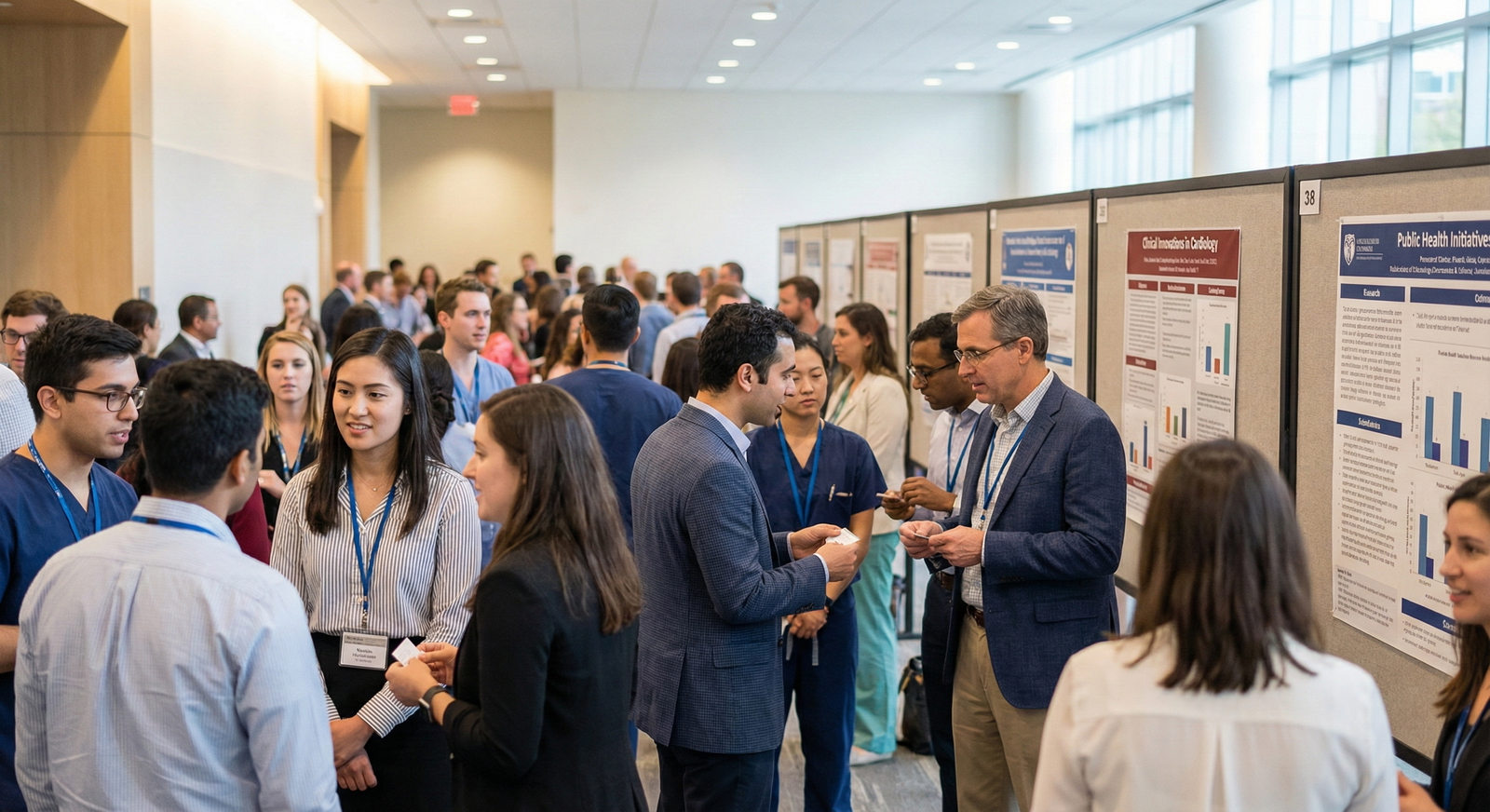
Why Networking in Medicine Matters for MD Graduates
The transition from MD graduate to resident is one of the most high‑stakes career phases in medicine. Your clinical skills and exam scores are crucial, but who knows you and how they know you can strongly influence opportunities for residency, fellowships, research, and leadership. Networking in medicine isn’t about being transactional or “schmoozing”—it’s about intentionally building relationships that support your growth and help you contribute more effectively to patients and the profession.
For an MD graduate residency applicant, effective networking can:
- Strengthen your allopathic medical school match prospects with advocates in your corner
- Open doors to research, quality improvement, and leadership projects
- Provide access to mentorship medicine relationships that guide your choices and prevent missteps
- Connect you to hidden opportunities (away rotations, preliminary positions, research years, new programs)
- Shape your long‑term career in academic, community, or industry‑aligned medicine
This article breaks down practical, realistic strategies to network effectively as a new MD graduate, even if you’re introverted, short on time, or in a competitive specialty.
Building a Networking Mindset: Relationship, Not Transactions
Many MD graduates feel uncomfortable with the idea of “networking,” imagining forced small talk or self‑promotion. Reframing your mindset is the first step.
Focus on Value, Not Favor‑Asking
Strong professional relationships are built on mutual benefit and respect, not one‑sided requests. Instead of thinking, “How can this person help my MD graduate residency application?” ask:
- “What can I learn from this person that will make me a better clinician?”
- “How can I add value—through contributing to a project, helping with data collection, giving feedback, or sharing resources?”
Example:
You meet a hospitalist at a noon conference who’s leading a sepsis quality initiative. Instead of immediately asking for a letter of recommendation, you might say:
“I’m very interested in quality improvement and I noticed your sepsis protocol project. I’ve done data collection for a QI project before. If you’re looking for residents or MD graduates to help with chart reviews or implementation feedback, I’d be happy to contribute.”
You’ve just started a relationship built on shared goals.
Be Curious and Specific
Generic questions like “Do you have any advice?” often lead to generic answers. Instead, ask specific, thoughtful questions that show you’ve done your homework:
- “What were the one or two decisions early in your career that most influenced your path in academic medicine?”
- “If you were applying to our specialty again as an MD graduate today, is there anything you’d do differently?”
- “In your experience, what differentiates a strong MD graduate residency applicant in this specialty?”
Specific questions are more engaging and more memorable—people remember the MD graduate who clearly cared enough to prepare.
Networking as Long‑Term Career Insurance
The allopathic medical school match is just the beginning. The colleagues, mentors, and collaborators you build relationships with now can:
- Become co‑authors on multi‑center studies
- Invite you to join committees or guideline panels
- Connect you to fellowship directors or division chiefs
- Help you pivot if your original plan (match outcome, visa status, geography) changes
Thinking in 5‑, 10‑, and 20‑year horizons makes networking feel less like short‑term tactics and more like building a professional ecosystem.
Core Networking Channels for MD Graduates
You don’t need to be everywhere. Focus on a few high‑yield settings and be intentional about how you use them.
1. Your Home Institution: The Most Underused Network
Many MD graduates underestimate the power of networking inside their own allopathic medical school and affiliated hospitals.
Key groups to connect with:
- Program directors and associate program directors (APDs)
- Introduce yourself briefly at departmental events, grand rounds, and resident teaching conferences
- Ask focused questions about their specialty and what they look for in MD graduate residency applicants
- Division chiefs and key faculty in your desired specialty
- Volunteer for committees, initiatives, or small‑scale projects
- Ask about ongoing research or QI that might need help
- Residents and chief residents
- They are often closest to the residency selection process and culture
- Ask: “What do you think sets apart applicants who do well here?”
Practical steps for a 4‑week rotation:
Week 1–2:
- Identify 2–3 faculty whose work interests you
- Ask to meet for a 15–20 minute conversation (clinic break, after rounds, or scheduled office time)
- Come prepared with 2–3 specific questions and a short self‑introduction (your background, interests, and goals)
Week 3–4:
- Offer help on a small project or ongoing effort
- Follow up with a brief thank‑you email summarizing what you learned and how you hope to apply it
Over time, these small, professional interactions compound into real relationships that can influence your training path.
2. Conference Networking: Turning Events into Opportunities
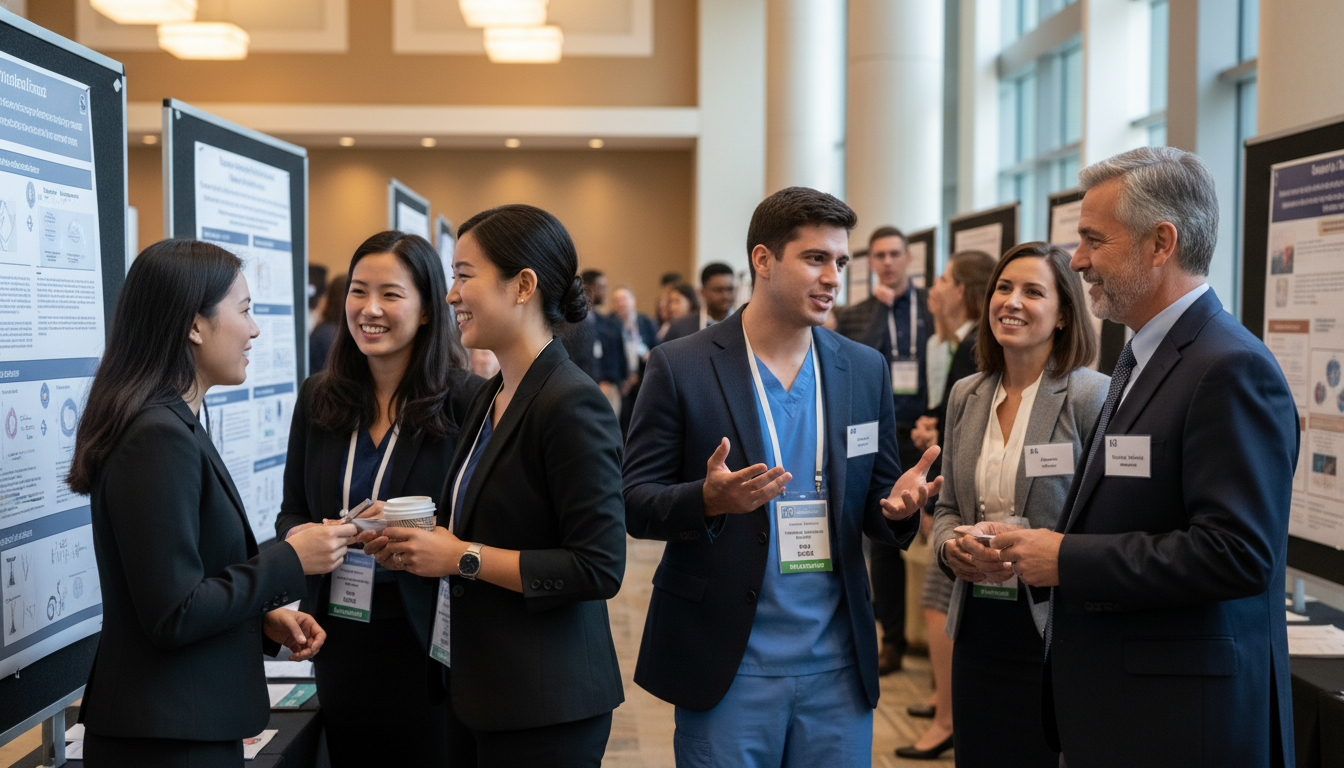
Conference networking is one of the highest-yield strategies, yet many MD graduates attend sessions passively and leave without a single new contact.
Before the Conference
Study the program:
- Highlight key talks, workshops, and poster sessions in your interest area
- Identify specific speakers you’d like to meet—especially program directors, fellowship directors, or leaders from institutions you may target in the future
Reach out in advance (when appropriate):
Example message:“Dear Dr. Patel, I’m an MD graduate interested in [subspecialty] planning to apply in the upcoming cycle. I’ll be attending [Conference Name] and saw that you’re speaking on [topic]. I’ve read your paper on [short reference] and found [specific insight] particularly helpful. If you have 5–10 minutes after your session, I’d be grateful for the chance to briefly introduce myself and ask a couple of questions about career development in this field.”
Even if they don’t respond, you’ve primed the interaction.
During the Conference
Arrive early to talks:
- Sit toward the front; introduce yourself briefly to the speaker afterward
- Prepare a short “professional tagline”:
“I’m Dr. [Name], an MD graduate from [Institution] interested in [focus area], especially [specific aspect].”
Poster sessions = networking gold:
- Use these to practice conference networking in a less intimidating setting
- Ask presenters:
- “What surprised you most about your findings?”
- “How are you planning to build on this work?”
Attend social events and smaller interest group meetings:
- Specialty interest groups, early‑career receptions, or trainee lounges are designed for medical networking
After the Conference
Within 3–5 days:
- Send concise, personalized follow‑up emails:
- Reference something specific you discussed
- If you promised to send something (article, resource, question), do it
- Ask 1 concrete, answerable question if appropriate
Example:
“Thank you again for taking a few minutes to speak with me after your panel at [Conference]. Your point about choosing a residency program with strong mentorship infrastructure really resonated with me. I’m particularly interested in [topic], and as I prepare for the next MD graduate residency application cycle, I’d appreciate any recommendation you have for programs that emphasize formal mentorship medicine structures.”
3. Digital Networking: LinkedIn, Email, and Professional Societies
You can build meaningful connections without leaving your computer.
Optimize Your Digital Presence
- Professional email: Use a consistent, professional address (ideally your institution email while you have it)
- LinkedIn profile:
- Professional headshot
- Clear headline: “MD graduate seeking Internal Medicine residency | Interested in hospital medicine and quality improvement”
- Short summary highlighting interests, projects, and goals
- Add conference presentations, posters, and leadership roles
Smart Outreach via Email or LinkedIn
When reaching out cold to a physician or program alumnus:
- Keep it short (150–200 words max)
- Personalize specifically (reference their work, role, or shared background)
- Have a clear ask (15‑minute call, feedback on a short question, guidance on path)
Example:
“Dear Dr. Nguyen,
I’m an MD graduate from [School] currently in a research year, planning to apply to Internal Medicine residency next cycle. I came across your profile through [shared connection / society / article] and was struck by your work in [area].I’m particularly interested in combining clinical hospital medicine with quality improvement, and I’d be grateful for any brief advice on how to prioritize research, teaching, and QI experiences as I prepare for the allopathic medical school match. If you’re open to it, I’d greatly appreciate a brief 15‑minute video call at your convenience.
Thank you for considering,
[Name, MD]”
Not everyone will respond—but a surprising number will, especially those who remember their own early career uncertainty.
Use Professional Societies Strategically
For nearly every specialty, there’s a society with:
- Early‑career or trainee sections
- Formal or informal mentorship medicine programs
- Committees that welcome trainee participation
As an MD graduate, joining and actively participating in at least one major society relevant to your desired specialty can:
- Expand your medical networking well beyond your institution
- Put your name in front of leaders who influence training and fellowship pathways
- Provide opportunities to present, publish, or join task forces
Practical Networking Strategies During Clinical Rotations
Your day‑to‑day work as an MD graduate is a major networking platform. Faculty and residents constantly form impressions—not just of your knowledge, but your professionalism and potential.

Show Reliability First
People are far more willing to mentor and advocate for someone who:
- Shows up on time consistently
- Completes tasks reliably and communicates when they can’t
- Takes feedback without defensiveness
- Demonstrates respect for all team members (nurses, staff, co‑trainees)
Reputation is the foundation of effective networking: before anyone writes you a letter or recommends you to a colleague, they ask themselves, “Can I trust this person to reflect well on me?”
Use Micro‑Moments to Build Connections
You don’t need hour‑long meetings to network:
- Pre‑rounds: Ask your resident or attending, “How did you decide on this specialty?” or “What do you wish someone had told you as an MD graduate?”
- Between consults or in the workroom: Ask about interesting cases, career paths, or current projects
- End of rotation:
- Thank key people specifically: “I really appreciated how you explained your reasoning on complex patients. It changed how I approach differential diagnoses.”
- Ask if you can stay in touch via email or LinkedIn
Turn Good Impressions into Ongoing Relationships
After a positive rotation experience:
- Email the attending:
- Thank them for specific teaching moments
- Share an update on your plans, especially as they relate to that specialty
- If appropriate, ask:
“If I have questions about [specialty/program selection/research opportunities], would it be alright if I reached out to you again?”
If you’re applying to their specialty, later you can ask whether they’d feel comfortable writing a letter or advocating for you. Because you’ve already built rapport, this feels natural—not abrupt.
Mentorship in Medicine: Finding, Working With, and Being a Good Mentee
Mentorship medicine is one of the most impactful outcomes of strong networking. A good mentor can compress years of trial‑and‑error into a much shorter learning curve.
Types of Mentors You Need
Relying on a single mentor for everything is risky. Aim for a mentorship team:
- Career mentor: Big‑picture guidance on specialty choice, residency navigation, and long-term goals
- Research/QI mentor: Helps you design projects, write, and publish
- Skills mentor: Guides specific competencies (procedures, teaching, communication)
- Near‑peer mentor: A resident or fellow who recently navigated your stage—especially helpful for MD graduate residency applications and match strategy
Some mentors may be at your home institution; others may come from conference networking, societies, or digital outreach.
How to Approach Potential Mentors
Start with small, concrete requests:
- “Could we schedule 20 minutes to discuss how you approached fellowship selection?”
- “Would you be open to giving brief feedback on an idea for a QI project in [topic]?”
Show you’ve done your homework:
- Read their recent work
- Know their role and interests
- Prepare specific questions and a short statement of your goals
Being a High‑Value Mentee
Good mentees:
- Come prepared and on time
- Take notes
- Implement suggestions when feasible, or explain thoughtfully why if not
- Circle back with updates: “I tried your suggestion about X; here’s what happened…”
- Respect boundaries—don’t overwhelm mentors with frequent unscheduled requests
This makes mentors more willing to go out of their way—introducing you to colleagues, inviting you to co‑author, or advocating for your MD graduate residency candidacy.
When a Mentorship Isn’t Working
Not every mentoring relationship fits. Red flags:
- They frequently cancel or reschedule without follow‑up
- You leave meetings more confused than before
- They don’t respect your values, boundaries, or long‑term goals
It’s acceptable to gradually disengage (less frequent contact) and build relationships with others who are a better fit. You don’t need to have a formal “break‑up” conversation unless a structured program requires one.
Integrating Networking into the Residency and Match Timeline
Networking priorities shift as you move from MD graduate to residency and beyond. Here’s a rough framework.
Pre‑Application Phase (12–18 Months Before Match)
Focus:
- Clarify specialty interest areas
- Build initial mentorship relationships
- Get involved in at least 1–2 meaningful projects (research, QI, community work)
- Attend at least one major conference if feasible, and practice conference networking
Key actions:
- Informally talk with faculty and residents about your evolving interests
- Ask mentors about realistic specialty choices given your academic profile and life goals
- Start targeting programs where you have networking leverage (home institution, places where your mentors trained or have connections)
Application Season (ERAS/Open to Rank List)
Focus:
- Refining your school and program list based on fit, geography, and competitiveness
- Strategically leveraging your network to understand program culture and expectations
- Using mentors to help polish personal statements and prepare for interviews
Ways your network can help:
- Internal advocacy (“I know this applicant well; we should offer them an interview.”)
- Honest feedback about programs that look good on paper but might not be a good fit for you
- Mock interviews and narratives that highlight your strengths
Be clear and ethical: you’re not asking people to “pull strings” improperly, but to provide insight and, when appropriate, a fair endorsement based on real knowledge of you.
During Residency: Networking Becomes Career Architecture
Once you’ve entered residency life and challenges become more complex, networking remains vital:
- Identify faculty and fellows who align with your fellowship or career goals
- Join committees (education, diversity, QI) that expand your exposure
- Stay connected to mentors from medical school, updating them periodically
This is where long‑term medical networking pays off: your reputation, relationships, and track record begin to shape opportunities in tangible ways.
Common Pitfalls and How to Avoid Them
Even well‑intentioned MD graduates can misstep in networking. Being aware of these pitfalls helps you stay professional.
1. Being Overly Transactional
Repeatedly reaching out only when you “need something” (a letter, an introduction, a favor) without maintaining the relationship in between can feel exploitative.
Fix:
- Share occasional updates even when you don’t need anything
- Offer genuine thanks and credit when mentors or contacts help you
- Where appropriate, find small ways to contribute to their goals (help with a project, give feedback, share resources)
2. Over‑Networking and Under‑Performing
No amount of medical networking can compensate for consistently poor clinical performance or professionalism lapses. In fact, a large network amplifies both strengths and weaknesses.
Fix:
- Anchor your efforts in solid clinical work and reliability
- Protect time for rest; burnout will undermine both care and networking
- Say “no” when you’re overcommitted rather than delivering subpar work
3. Neglecting Peers
Focusing only on faculty or “big names” overlooks the reality that your peers—co‑residents, research partners, fellows—will be your colleagues, co‑authors, and perhaps future leaders.
Fix:
- Treat peers with the same respect you give attendings
- Collaborate fairly on projects (clear roles, shared credit)
- Stay in touch with classmates and co‑residents who share your interests
Over a 20‑year career, your peer network may become your most powerful resource.
FAQs: Networking in Medicine for MD Graduates
1. I’m introverted and dislike small talk. Can I still network effectively?
Yes. Introverts often excel at one‑on‑one, thoughtful conversations—arguably the most powerful form of networking in medicine. Focus on:
- Short, prepared introductions and questions
- Scheduled, 15‑minute meetings rather than large social events
- Email follow‑ups where you can think through what you want to say
You don’t need to be the loudest person in the room to make strong connections.
2. How early should I start networking for residency if I’m an MD graduate?
Ideally, begin at least 12–18 months before your target MD graduate residency application cycle. However, it’s never “too late” to start. Even a single well‑aligned mentor or advocate can make a meaningful difference in your allopathic medical school match process and early residency experience.
3. Is it appropriate to ask someone directly for a letter of recommendation?
Yes—if they know you and your work reasonably well. A professional way to ask:
- First: “Do you feel you know my work well enough to write a strong letter of recommendation for my [specialty] residency applications?”
- This gives them space to decline if they can’t write a supportive letter. If they say yes, provide your CV, personal statement draft, and a brief summary of your experiences with them.
4. How do I maintain relationships after moving to a new institution for residency?
Plan simple touchpoints:
- Send 1–2 brief update emails a year to key mentors (new milestones, projects, or questions)
- Reach out if you’re attending the same conference and suggest meeting for coffee or a session
- When appropriate, involve past mentors in multi‑institution collaborations (case series, reviews, educational projects)
Consistent, respectful communication—even if infrequent—keeps relationships alive and positions you as a thoughtful, engaged colleague over the long term.
Networking in medicine is not a side activity; it’s a core professional skill that shapes your opportunities, impact, and satisfaction throughout your career. As an MD graduate navigating residency life and challenges, approach networking as the ongoing practice of building authentic, mutually beneficial relationships—one thoughtful interaction at a time.