Why Networking Matters Even More for the Non‑US Citizen IMG in Preliminary Surgery
For a non-US citizen IMG in a preliminary surgery year, networking is not a “nice to have”—it is survival strategy and career insurance.
Unlike categorical residents, you do not have a guaranteed second year. As a foreign national medical graduate in a prelim surgery residency, you are often:
- On a time-limited contract (1 year)
- Less familiar with US institutional culture
- Navigating visa constraints and future sponsorship
- Competing for very few advanced or categorical positions
In this environment, networking in medicine becomes a core professional skill—not just for social comfort, but for:
- Getting strong, personalized letters of recommendation
- Hearing early about open PGY‑2 or PGY‑1 categorical positions
- Securing research or quality-improvement roles that boost your application
- Finding sponsors who will advocate for you in closed-door meetings
- Building long-term relationships for fellowship, jobs, and visas
This article focuses on practical, step-by-step strategies for non-US citizen IMGs in preliminary surgery to build a high-impact network through day-to-day clinical work, medical networking, conference networking, and mentorship medicine.
Understanding the Networking Landscape as a Prelim Surgery IMG
Networking in medicine is not about being “fake” or aggressively self-promotional. For a non-US citizen IMG in preliminary surgery, it is about visibility, trust, and value.
Key Realities You Must Acknowledge
Most decisions happen in small rooms you are not in.
The “informal” conversations between program directors, attendings, and chiefs heavily influence:- Which prelims are considered for categorical conversion
- Who is recommended for off‑cycle PGY‑2 spots at other hospitals
- Who gets mentioned when an attending gets an email: “Do you know any strong prelim for this open position?”
Networking ensures your name is top-of-mind when those questions come up.
Being a foreign national medical graduate adds real barriers.
- Visa sponsorship worries (especially J‑1 vs H‑1B)
- Skepticism about your understanding of US systems
- Unfamiliarity with US medical school and residency culture
Good networking helps people see you as a known, trusted colleague, not just “an IMG on a visa.”
Prelim surgery is inherently unstable.
- Some prelims secure categorical spots within the same institution
- Others match elsewhere in the Supplemental Offer and Acceptance Program (SOAP) or in the next Match cycle
- Some transition to other specialties (anesthesia, radiology, internal medicine) or research years
Every one of these paths is easier if you have mentors and sponsors to guide and advocate for you.
Your clinical shifts are your primary networking arena.
Conferences and social media matter, but your daily work in the OR, wards, and ICU is where:- People see your professionalism, work ethic, and reliability
- You create your strongest “brand” as a colleague
Building Your Core Network Inside Your Preliminary Surgery Program
Your home institution is the most powerful starting point. Think of this as your “inner circle” of networking in medicine.

1. The Clinical Performance–Networking Link
Your reputation as a prelim surgery resident is the foundation of all networking. Without it, networking feels like “selling a bad product.”
Focus on being the resident that:
- Shows up prepared
- Pre-rounds thoroughly
- Knows the patient’s vital trends, labs, imaging, and plan
- Communicates clearly and concisely
Practice presenting in the US style (problem-based, assessment/plan oriented). - Is dependable under pressure
If you say you’ll call radiology, follow up on a lab, or consent a patient—do it promptly. - Is teachable, not defensive
When corrected, respond with:
“Thank you, I’ll adjust that” rather than arguing or explaining excessively.
Networking is easier when attendings and residents genuinely like working with you.
2. Strategic Relationship Targets in Your Program
As a non-US citizen IMG in preliminary surgery, prioritize building working relationships with:
- Program Director (PD)
- Knows about open positions internally and externally
- Decides who gets strong letters, interviews, and support
- Associate/Assistant Program Directors (APDs)
- Often more accessible day-to-day
- Can become strong advocates behind the scenes
- Chair or Vice Chair of Surgery (if approachable)
- Influential in hiring and in recommending trainees to other institutions
- Service/Rotation Directors (e.g., Trauma, Vascular, Acute Care Surgery)
- Know your performance in specific settings
- Can speak to your operative ability and clinical judgment
- Chief Residents and Senior Residents (PGY‑3 to PGY‑5)
- Have insight into who is supportive of prelims
- Often hear about open PGY‑2 or research positions early
- Program Coordinator
- Crucial for logistics, documents, and communication
- Often knows which faculty support IMGs and which programs are visa-friendly
3. How to Approach Attendings Without Feeling Awkward
Many non-US citizen IMGs feel uncomfortable “bothering” busy surgeons. The key is to connect through the work and then gradually deepen the relationship.
Tactics:
Ask focused clinical questions.
After cases or rounds, try:
“Dr. Smith, could I ask one quick question about how you decided between laparoscopic and open approach for that appendicitis case?”Ask for feedback with intent.
“Dr. Lee, if you have a moment, I would really appreciate any feedback on my performance in the OR this week, especially on how I can improve my preoperative planning.”Express your goals clearly.
“As a non-US citizen IMG in a preliminary surgery year, my goal is to become a categorical surgery resident. If you see opportunities for me to improve or get involved in projects, I would be very grateful for your guidance.”
4. Converting Good Impressions into Mentorship and Sponsorship
Mentorship in medicine means:
Someone advises you, helps you think through options, and gives feedback.
Sponsorship in medicine means:
Someone uses their reputation and influence to create opportunities for you: recommending you for a position, introducing you to others, or personally supporting your application.
You need both.
Stepwise approach:
Identify potential mentors.
- Attendings who respond well to you
- Chiefs who regularly teach and engage with you
- Someone with a similar background or strong interest in education
Make a clear, respectful ask.
Email or ask in person:“Dr. Patel, I’ve really appreciated your teaching on trauma surgery and I admire how you support residents. As a non-US citizen IMG in a preliminary surgery year, I’m trying to navigate my next steps. Would you be willing to meet for 20–30 minutes sometime this month to discuss my career path and get your advice?”
Prepare for that meeting.
Bring:- A 1-page CV
- A short list of questions (e.g., how to strengthen my application, where to seek research, how to network better)
- A clear statement of your career goal (general surgery vs subspecialty vs backup specialties)
Follow through.
- Send a brief thank-you email summarizing:
- Your takeaway
- Any action items for you
- Any action items they generously offered (e.g., “You mentioned you might connect me with Dr. X; I truly appreciate that.”)
- Update them every 2–3 months with your progress.
- Send a brief thank-you email summarizing:
Over time, supportive mentors may naturally become sponsors—the ones who say, “I’ll send your CV to a colleague at another program,” or “I’ll put in a word with our PD about you.”
Expanding Your Network Beyond Your Home Institution
While your program is your core, you should actively build external connections—especially because prelim surgery spots are temporary and you may need to move.
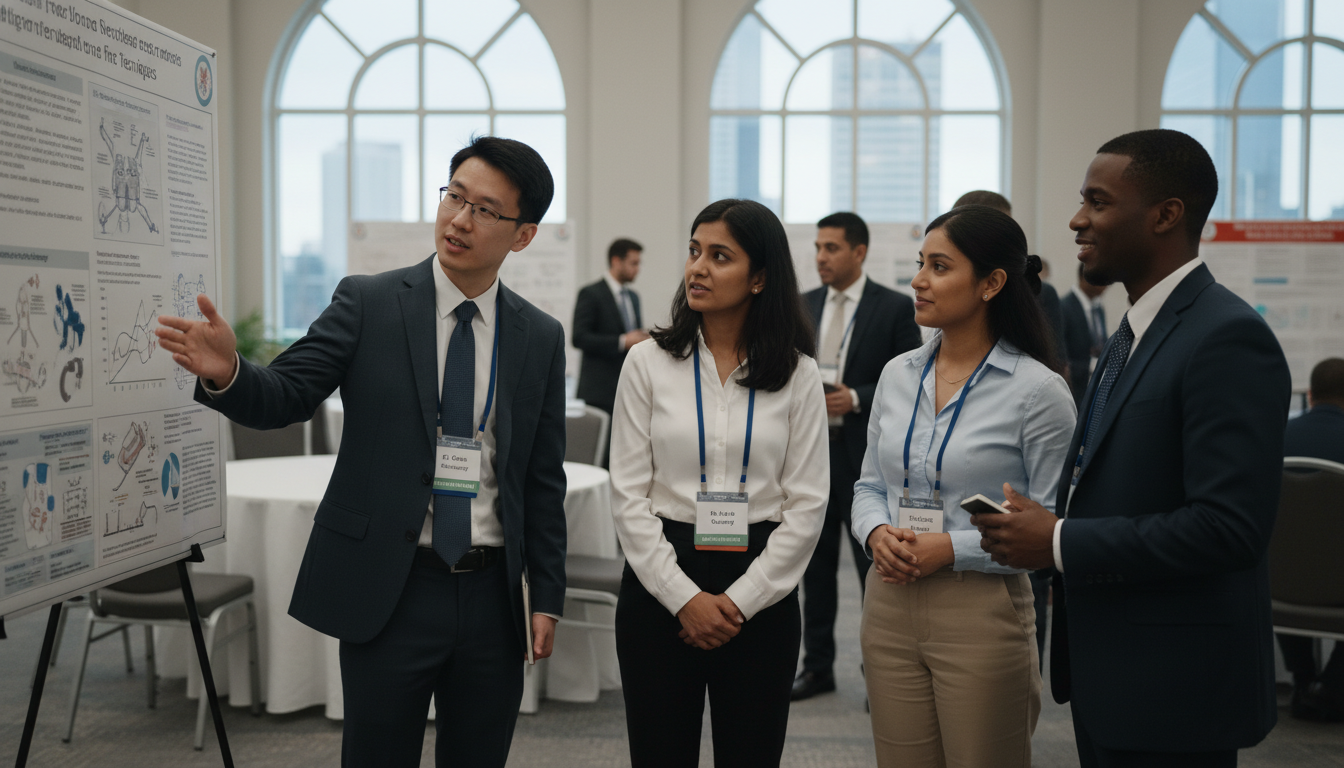
1. Conference Networking for Prelim Surgery Residents
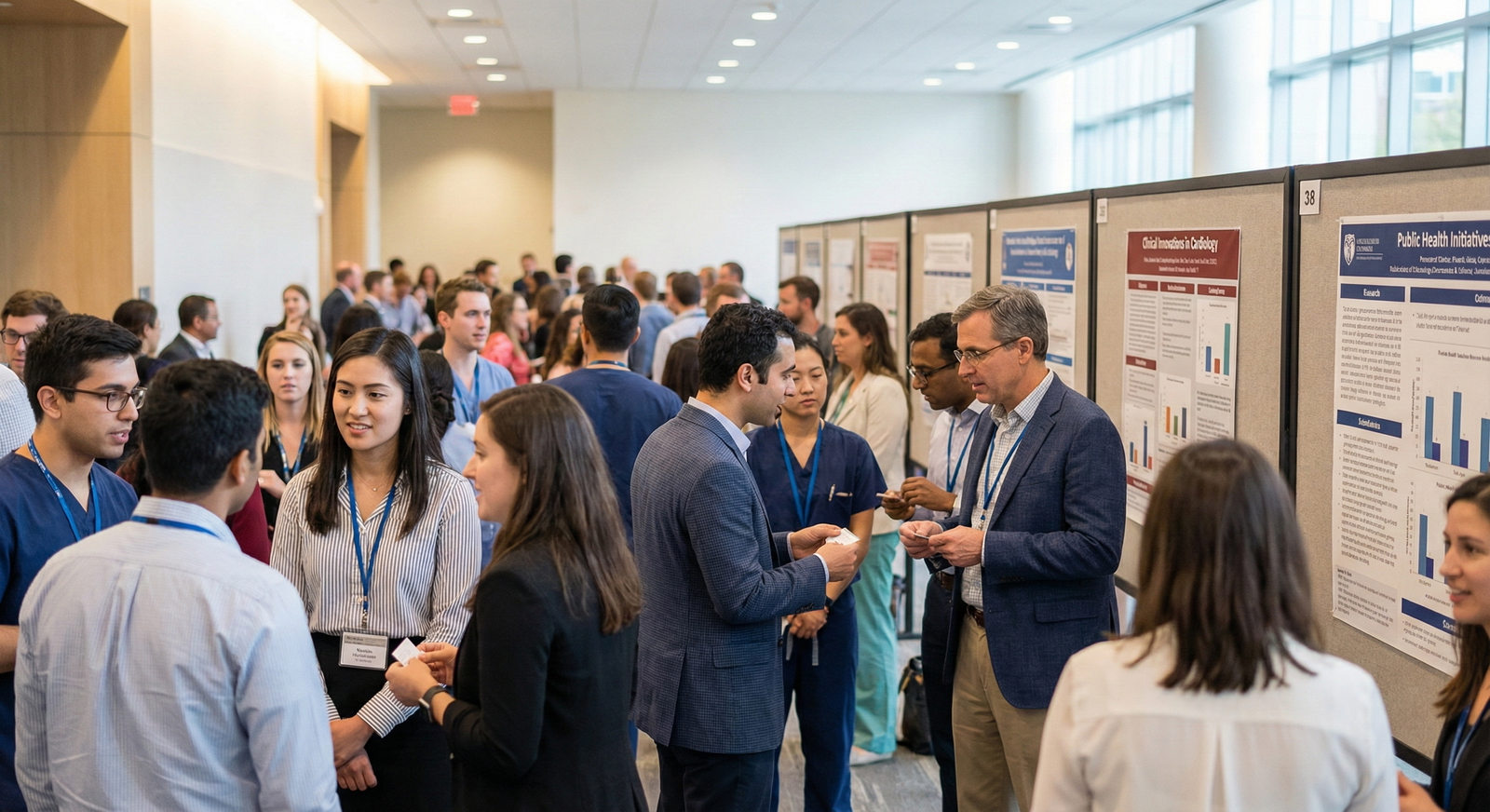
Conference networking can feel intimidating, but it’s one of the strongest tools for non-US citizen IMGs, especially those hoping to move into a categorical spot or explore specific fellowships.
Relevant meetings might include:
- American College of Surgeons (ACS) Clinical Congress
- Specialty-specific societies (Trauma, Vascular, Colorectal, Minimally Invasive, etc.)
- Regional surgical society meetings
- Institution-hosted research days and regional resident symposia
Before the Conference
Register early and look at the program.
Identify:- Sessions relevant to your interests
- Faculty from programs you might apply to
- Resident-focused events or mentorship sessions
Email selectively.
For faculty at programs you are targeting:“Dear Dr. Johnson,
I am a non-US citizen IMG currently doing a preliminary surgery residency at [Institution]. I am interested in [your field / your institution] and noticed you’ll be speaking at [Conference]. If you have 10 minutes during the conference, I would be honored to briefly introduce myself and learn about your work and your program’s expectations for residents.”
Not everyone will respond, but even 1–2 meetings can be valuable.
During the Conference
Attend resident events and mixers.
These are lower pressure and a great place to meet:- Program directors
- Other residents who know of openings
- Fellows who can share insider info
Use a simple self-introduction script.
“Hello, I’m Dr. [Name]. I’m currently a preliminary surgery resident at [Institution]. I’m originally from [Country] and I’m interested in [general surgery / trauma / MIS]. I was really interested in your talk on [Topic]…”Have a business card or digital contact ready.
Include:- Name, MD
- “Preliminary Surgery Resident, [Institution]”
- Email address
- Optional: LinkedIn profile or institutional profile
Ask targeted questions.
Focus on:- What they look for in categorical applicants
- How they view non-US citizen IMGs
- If their institution has a history of converting prelims or accepting off-cycle PGY‑2 transfers
After the Conference
- Send follow-up emails within 3–5 days.
Keep them short:“It was a pleasure meeting you at [Conference]. Thank you for your insights about [Topic]. As a non-US citizen IMG in preliminary surgery, I am very interested in opportunities to strengthen my candidacy for a categorical general surgery position. I’ve attached my CV; I would be grateful for any advice or suggestions you might have.”
Even if nothing happens immediately, you’ve started a connection. They may remember you when a future opportunity arises.
2. Research, QI, and Academic Networking
Even in a busy prelim year, small but consistent academic contributions can open doors.
Look for low-barrier projects.
- Case reports
- Chart reviews
- Quality improvement projects (e.g., reducing post-op complications, ERAS protocol adherence)
Ask specific questions to faculty.
“Dr. Kim, do you have any ongoing QI or research projects where you might need help with data collection or chart review? I’m disciplined with my time and would be grateful for an opportunity to contribute.”Use research to connect with external institutions.
- Multi-center studies often involve collaborators at several programs
- Presenting at conferences introduces you to people who see your name on a poster or abstract
3. Online and Social Media Networking in Medicine
Online presence can supplement in-person impressions.
LinkedIn
- Keep a professional profile with clear headline:
“Preliminary Surgery Resident | Non-US Citizen IMG | Interested in [Field]” - Connect with:
- Residents and fellows you meet at conferences
- Faculty you have worked with or met
- Occasionally share:
- Conference attendance
- Publications or presentations
- Reflections on surgical training (maintaining patient confidentiality)
- Keep a professional profile with clear headline:
Twitter/X (if used professionally in your field)
Some surgical communities are very active here. If you participate:- Follow surgical societies, leaders, and residency programs
- Engage respectfully with educational threads
- Avoid controversial or unprofessional posts
Remember, any social media presence should never compromise professionalism or visa/immigration processes.
Navigating the Unique Challenges of Non‑US Citizen IMGs: Visas, Perceptions, and Strategy
Being a non-US citizen IMG and foreign national medical graduate adds layers to your networking strategy. You’re not just selling your skills—you’re also navigating immigration realities and institutional risk tolerance.
1. Visa Transparency and Strategy
Know your visa details well.
- J‑1 vs H‑1B vs other statuses
- Waiver requirements (for J‑1)
- Any time limits or transitions coming up
Be honest but strategic when asked.
If a PD or faculty mentions visas:- Be concise: “I am currently on a J‑1 visa sponsored by ECFMG. I understand the requirements and am committed to completing them.”
- Emphasize your long-term interest in practicing in the US.
Network with programs known to support IMGs and visas.
- Use alumni of your medical school
- Ask senior IMGs, fellows, or attendings privately: “Do you know of programs that are IMG- and visa-friendly in surgery?”
2. Overcoming Implicit Bias and Cultural Differences
You may encounter:
- Skepticism about your clinical training background
- Misunderstandings due to accent or communication style
- Assumptions about your adaptability to US systems
To offset this:
Over-communicate clearly and succinctly.
Practice presentations and handoffs with peers; ask for feedback.Demonstrate cultural and systems awareness.
Show familiarity with:- US guidelines (ACS, EAST, etc.)
- Institutional policies (HIPAA, documentation norms)
- Team dynamics and hierarchy
Stay professionally resilient.
If you experience bias:- Seek mentors you trust
- Use official channels if it becomes discriminatory or unsafe
- Don’t let one person’s bias define your self-worth or career trajectory
3. Having a Tiered Career Plan (Plan A, B, and C)
As a prelim surgery resident, your networking efforts should align with a realistic multi-layer plan:
Plan A: Categorical General Surgery
- Network heavily with your own program’s leadership
- Build strong letters from surgeons who know your clinical work
- Apply broadly to categorical PGY‑1 and PGY‑2 spots
Plan B: Other Surgical or Procedure-Based Specialties
- Anesthesiology, radiology, interventional specialties, sometimes emergency medicine
- Network with attendings in these services when you rotate with them
- Ask: “For someone with a prelim surgery background, how can I become competitive in your field?”
Plan C: Research or Non-Categorical Transitional Roles
- Research fellowships in surgery or related fields
- Clinical fellowships or non-ACGME positions
- These extend your time in the US and can lead to categorical spots later
Your mentors and sponsors can help you refine these plans and introduce you to the right people at each step.
Practical Day-to-Day Networking Habits You Can Start Tomorrow
Networking is built on small, consistent behaviors, not occasional grand gestures. As a prelim surgery IMG, your schedule is intense; aim for simple but structured habits.
1. On the Wards and in the OR
- Learn and use people’s names (nurses, PAs, anesthesiologists, scrub techs).
- Offer help when you have 5 extra minutes (“Anything I can help with?”).
- Stay a little late after a teaching case to ask one thoughtful question.
- Keep a small “contact log”: names of attendings and seniors you worked with, and what rotation.
2. Weekly Networking Routine
Once a week:
- Send one email to a mentor or attending with an update or a question.
- Read one recent surgery article and discuss it briefly with a resident or attending when appropriate.
Once a month:
- Ask for a brief meeting with someone you respect to discuss your performance and next steps.
- Attend a local conference, grand rounds, or departmental meeting and introduce yourself to someone new.
3. Tracking Your Network and Opportunities
Keep a simple spreadsheet or notebook:
- Columns: Name, Role, Institution, How We Met, Interests, Last Contact, Next Step
- Update after conferences, rotations, and meetings.
This helps transform “random contacts” into an intentional professional network.
FAQs: Networking in Medicine for Non‑US Citizen IMGs in Preliminary Surgery
1. Is it appropriate to tell my attendings that I’m looking for a categorical or PGY‑2 spot?
Yes—if done respectfully. You don’t need to announce it to everyone on day one, but once you’ve demonstrated your work ethic:
“Dr. Rivera, as you know I’m in a preliminary surgery residency position this year. My goal is to secure a categorical surgery spot, ideally here or at a similar institution. If you have any feedback on how I can strengthen my candidacy or if you become aware of openings, I would be very grateful for your guidance.”
This frames your ask within your commitment to growth, not desperation.
2. How many mentors should I aim to have?
Aim for 2–4 active mentors:
- 1–2 within your own surgery department
- 1 outside surgery (e.g., anesthesia, ICU, or medicine) who can speak to your interdisciplinary work
- Optionally, 1 mentor who is also a non-US citizen IMG or foreign national medical graduate who understands your visa and cultural challenges
Quality is more important than quantity; focus on people who actually know your work and care about your success.
3. I’m shy and English is my second language—how can I still network effectively?
You do not need to be extroverted to succeed. Instead:
- Prepare short, rehearsed introduction lines so you don’t freeze.
- Focus on asking questions rather than talking about yourself—most people enjoy talking about their work.
- Use email for follow-up; written communication may feel more comfortable and allows you to be precise and polished.
- Let your hard work, reliability, and curiosity speak for you; people will notice over time.
4. Does networking really matter if my USMLE scores or academic record are not perfect?
Yes. For a non-US citizen IMG in preliminary surgery, relationships can sometimes open doors that raw scores cannot:
- A PD who knows and trusts you may rank you higher than “on-paper stronger” but unknown applicants.
- A faculty member’s personal email or phone call advocating for you to another program can get you an interview you might not otherwise receive.
- Mentors can help you frame your narrative: showing growth, resilience, and improvement over time.
You cannot change past scores quickly, but you can actively build trust, visibility, and support starting today.
Networking in medicine for a non-US citizen IMG in preliminary surgery is challenging, but it is also a powerful lever. By aligning your clinical excellence, intentional relationship-building, and strategic outreach, you can transform a precarious prelim year into a launchpad for a sustainable surgical career in the United States.