Why Networking Matters So Much for US Citizen IMGs in Addiction Medicine
For a US citizen IMG (American studying abroad), networking in medicine is not optional—it is one of your most powerful tools. In addiction medicine, where the field is relatively small, interdisciplinary, and rapidly evolving, who knows your work and your character can shape your entire career trajectory.
As an American studying abroad, you face unique challenges:
- Limited in-person access to US clinical environments
- Fewer natural opportunities for medical networking with US faculty
- Potential bias or misunderstanding about international training
- Added complexity in finding mentors for addiction medicine fellowship paths
Intentional, strategic networking can help you:
- Secure US-based clinical electives and research in addiction medicine
- Obtain strong, personalized letters of recommendation
- Learn about substance abuse training programs that value IMG experiences
- Get early exposure to mentorship medicine from leaders in the field
- Navigate the pathway from residency to addiction medicine fellowship
This guide focuses on practical, step-by-step strategies tailored specifically to US citizen IMGs targeting addiction medicine careers in the US.
Understanding the Landscape: Addiction Medicine & the IMG Perspective
How Addiction Medicine Training Works in the US
Addiction medicine is now an American Board of Preventive Medicine (ABPM)–recognized subspecialty. Most physicians follow one of these routes:
Primary Residency → Addiction Medicine Fellowship
- Base specialties commonly include: Internal Medicine, Family Medicine, Psychiatry, Emergency Medicine, Pediatrics, OB/GYN, Preventive Medicine.
- After residency, you apply for a 1–2 year addiction medicine fellowship.
Experience-Based Eligibility (gradually phased out in many contexts)
- Some established physicians qualify through documented practice and experience; this route is less relevant for current trainees.
For you as a US citizen IMG, the key networking goal is to connect with:
- Program directors and faculty in addiction medicine fellowships
- Faculty who run substance abuse training initiatives in your base specialty (e.g., psychiatry or internal medicine)
- Clinicians at community programs focused on substance use disorders (SUD): methadone clinics, outpatient addiction programs, academic addiction consult services
These individuals can guide you on:
- Which residencies are strongest stepping stones to addiction medicine
- Optimal timeframes for pursuing research or electives
- Which addiction medicine fellowship programs are IMG-friendly
- How to tell your “why addiction medicine” story credibly and compellingly
The Unique Strengths of a US Citizen IMG in this Field
As an American studying abroad, you might focus too much on what you lack. In addiction medicine, you actually bring distinct potential advantages:
- Cross-cultural empathy and perspective — Many addiction patients face stigma, marginalization, and complex social dynamics; cross-cultural exposure is an asset.
- Flexibility and resilience — You’ve navigated different systems, adapted to new norms, and likely handled higher uncertainty than many US grads.
- Language skills or international experience — Valuable in caring for diverse populations and designing community-level interventions.
Networking is the vehicle to help others see these strengths clearly—and remember you when opportunities arise.
Building Your Network from Abroad: Foundations Before You Land in the US
You do not need to wait until you are physically in the US to build your addiction medicine network. In fact, early, remote networking can give you a clear advantage.
Step 1: Clarify Your Addiction Medicine Story
Before you reach out to anyone, clarify your “professional narrative”:
- Why addiction medicine?
- How did your clinical experiences, personal history, or research shape your interest in substance use disorders?
- What is your likely base specialty (e.g., Psychiatry vs Internal Medicine vs Family Medicine)?
- What type of practice do you see yourself in 5–10 years (academic, community, integrated behavioral health, public health, etc.)?
Being able to articulate this clearly in emails and conversations makes you more memorable and easier to help.
Example 3–4 sentence personal pitch to use in emails or conversations:
“I am a US citizen IMG in my fifth year at [University Name] in [Country], planning to apply to US psychiatry residency. My clinical exposure to patients with alcohol and opioid use disorders in resource-limited settings has led me to pursue addiction medicine fellowship in the US. I’m especially interested in integrated models of care that combine psychiatry, primary care, and harm reduction services.”
Step 2: Join Key Professional Organizations (Even Before Residency)
You should join addiction medicine–relevant organizations as early as possible. Many have reduced fees or even free membership for students and trainees.
Prioritize:
- American Society of Addiction Medicine (ASAM)
- American Academy of Addiction Psychiatry (AAAP)
- Specialty-specific groups with addiction tracks:
- American Psychiatric Association (APA) – addiction psychiatry sections
- American College of Physicians (ACP) – substance use disorder interest groups
- American Academy of Family Physicians (AAFP) – addiction medicine and behavioral health groups
These organizations offer:
- Webinars and online courses in substance abuse training
- Virtual conferences and poster sessions
- Directories and mentorship programs
- Listservs where opportunities are posted (electives, research, fellowships, policy work)
Joining early helps you start medical networking in the exact niche you care about.
Step 3: Systematically Use LinkedIn and X (Twitter) as a US Citizen IMG
For an American studying abroad, professional social media is one of your highest-yield tools.
On LinkedIn:
- Create a clear headline:
- “US Citizen IMG | Aspiring Psychiatrist & Addiction Medicine Physician”
- Add a short ‘About’ section stating your interest in addiction medicine and your current training stage.
- Follow:
- Addiction medicine fellowship programs
- ASAM, AAAP, and other societies
- Prominent addiction medicine physicians and researchers
- Connect with:
- Alumni from your medical school now in US training
- Faculty you meet at conferences or via email
- Addiction medicine specialists whose work you admire
On X (Twitter):
- Follow hashtags such as #MedTwitter, #AddictionMedicine, #AddictionResearch, #HarmReduction, #MedEd, #USIMG.
- Engage respectfully—comment on articles, retweet with thoughtful insights, and ask short, focused questions.

Conference & Event Strategy: Turning Encounters into Relationships
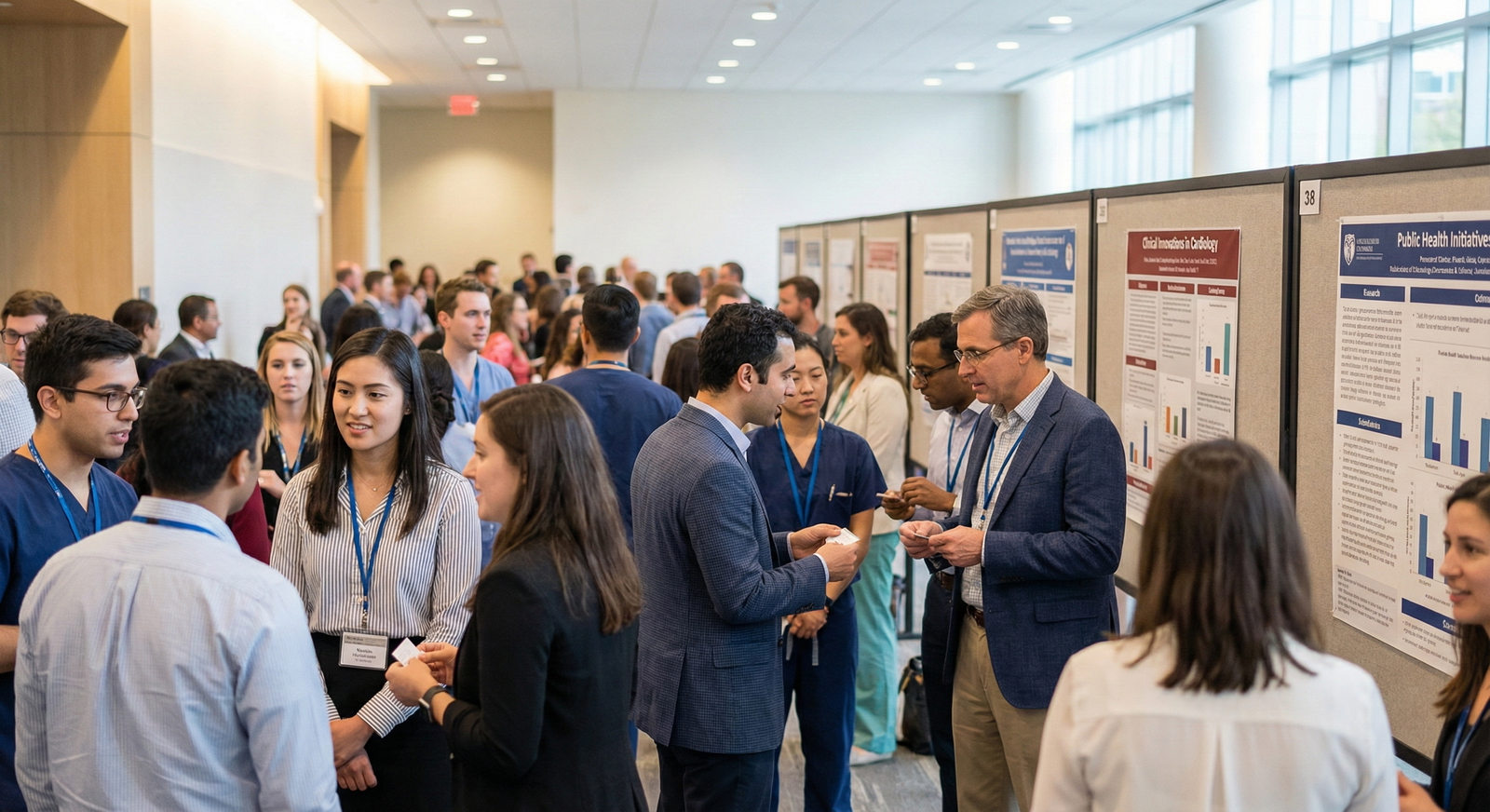
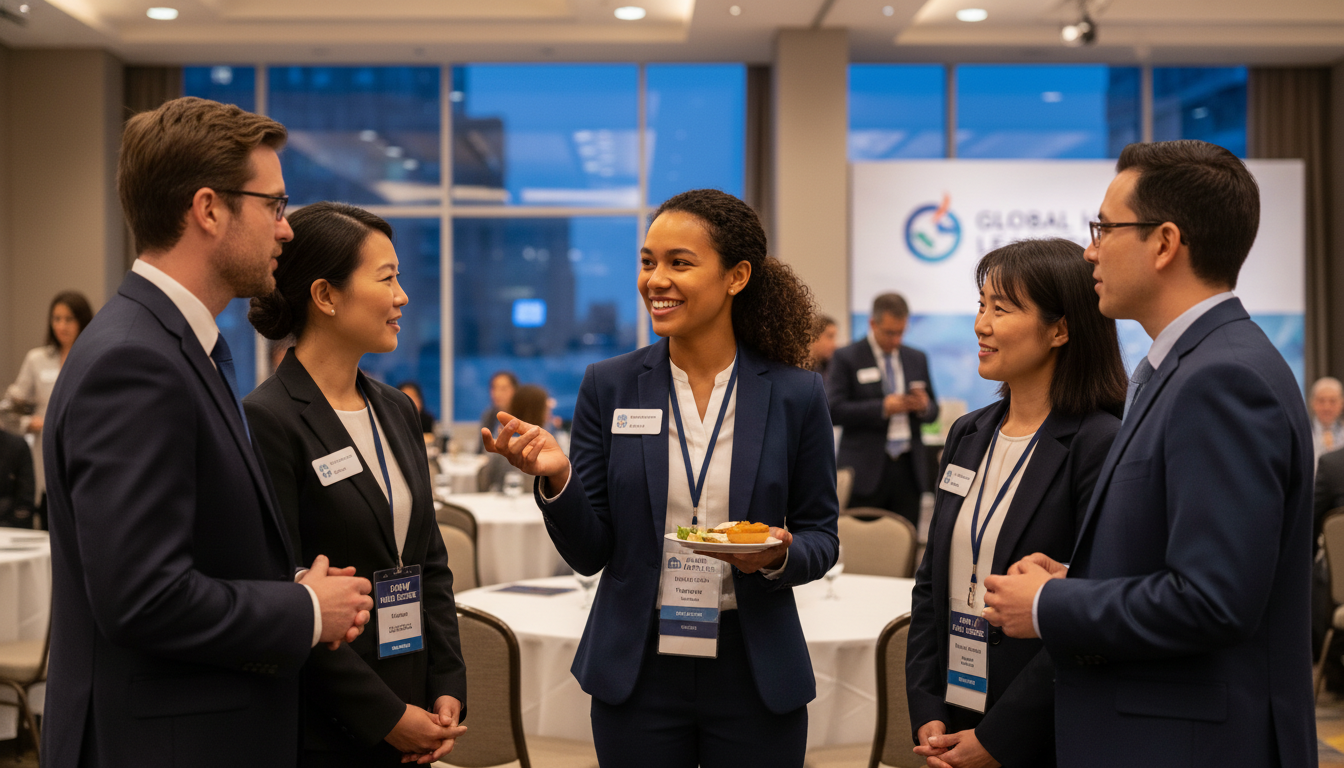
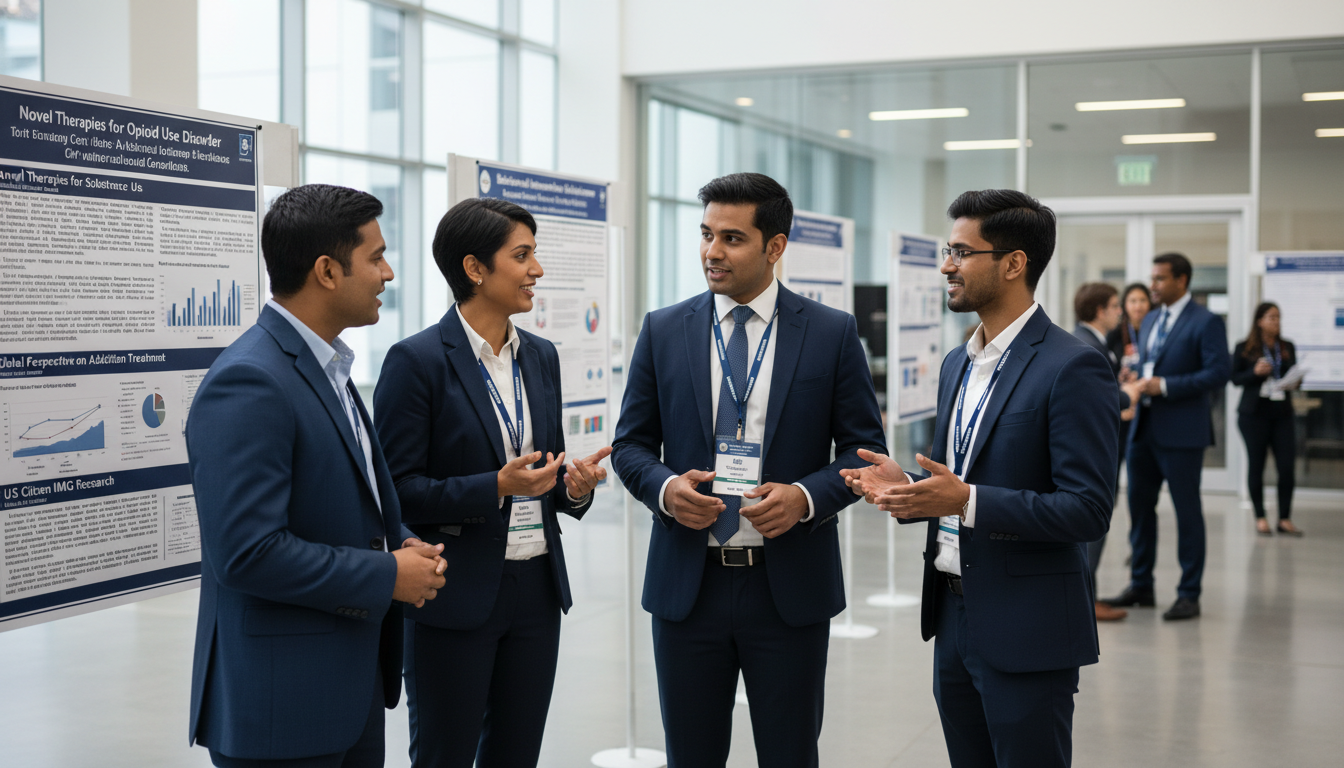
Conference networking is especially powerful in a small field like addiction medicine. For a US citizen IMG, conferences can compress years of networking into a few days.
Choosing the Right Meetings
While still abroad, you may not attend many in-person events, but you can join virtual conferences and webinars. Prioritize:
- ASAM Annual Conference
- AAAP Annual Meeting
- APA Annual Meeting (with addiction psychiatry sections)
- Regional addiction medicine or behavioral health conferences (virtual participation often allowed)
Look specifically for:
- “Trainee,” “student,” or “early-career” tracks
- Abstract submission opportunities for posters (even small projects can qualify)
- Mentorship sessions or “meet the expert” events
Preparing for Conference Networking
Whether virtual or in-person, preparation massively increases your impact.
Before the conference:
- Identify 10–15 people you would most like to meet:
- Fellowship directors
- Researchers whose work you’ve read
- Clinicians leading innovative SUD clinics
- Read at least one recent paper or talk abstract for each.
- Draft a short goal-oriented question for each person, such as:
- “How did you structure your residency experiences to prepare for addiction medicine fellowship?”
- “For a US citizen IMG targeting addiction medicine, which types of residency programs tend to be most supportive?”
Prepare your 30-second introduction:
“My name is [Name]. I’m a US citizen IMG studying at [School, Country], currently [year]. I’m planning to apply to [specialty] residency in the US with a long-term goal of addiction medicine fellowship. I’m especially interested in [e.g., harm reduction for people who inject drugs / integration of addiction treatment into primary care].”
During the Conference
For an in-person conference:
- Attend trainee events and sit near the front—faculty often notice engaged students.
- Ask one succinct question at sessions where you truly have something to add.
- When you approach a faculty member after a session:
- Introduce yourself with your prepared pitch.
- Refer to something specific from their talk or paper.
- Ask one targeted question and listen carefully.
- Conclude with:
“Would it be alright if I followed up by email to ask about any opportunities for students interested in addiction medicine?”
For a virtual conference:
- Use the chat thoughtfully; short, high-value comments can attract attention.
- Send private messages on the conference platform (where allowed) to request brief follow-ups.
- Take screenshots or note names of speakers you want to contact later.
After the Conference: Follow-Up That Builds Real Relationships
Follow-up is where casual encounters become actual mentorship in medicine.
Example follow-up email (within 3–5 days):
Subject: US Citizen IMG interested in addiction medicine – follow-up from ASAM
Dear Dr. [Last Name],
It was a pleasure hearing your talk on [topic] at the recent ASAM conference. I especially appreciated your points about [specific insight].
I’m a US citizen IMG in my [year] at [School, Country], planning to apply for [specialty] residency in the US with the goal of pursuing addiction medicine fellowship. I’m particularly interested in [specific aspect].
If you have 15–20 minutes at some point in the next few weeks, I would be grateful for any advice you might have on how someone in my position can best prepare for a career in addiction medicine, and whether there are any remote research or scholarly opportunities within your group that might be appropriate for an international student.
Thank you for your time and for your work in this field.
Sincerely,
[Name]
[Medical school, expected graduation year]
[LinkedIn profile link]
If they agree to meet, prepare 3–5 questions and keep the conversation to the agreed time. Always close with:
“Is there anyone else you think I should be talking to at this stage?”
This single question is one of the highest-yield tools in medical networking.
Mentorship, Research, and Electives: Turning Connections into Concrete Opportunities
Networking only becomes meaningful when it leads to learning, contribution, and growth. For a US citizen IMG aiming at addiction medicine, this usually means three things: mentorship, research/scholarship, and US-based clinical exposure.
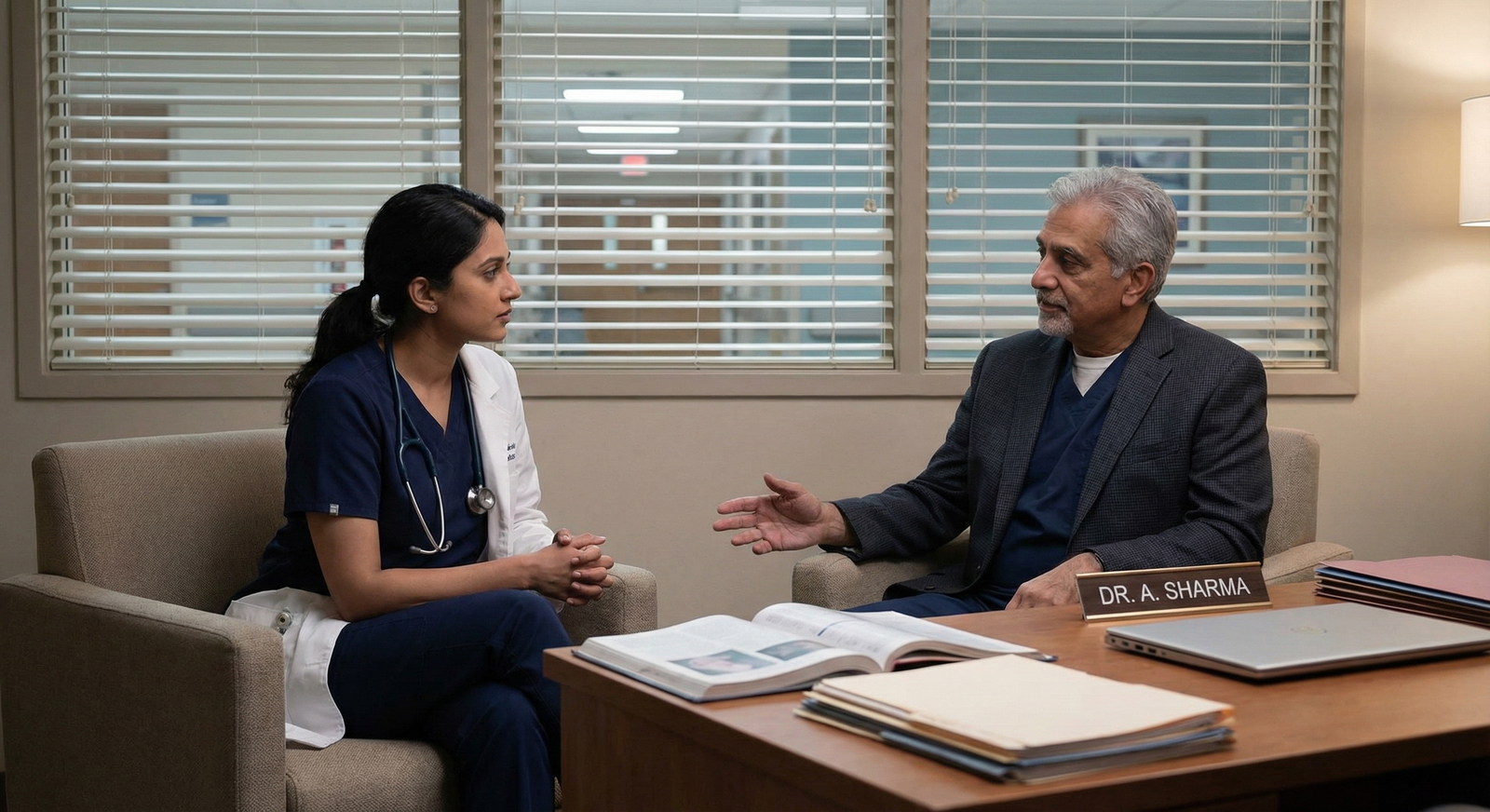
Finding and Sustaining Mentors in Addiction Medicine
Types of mentors you should seek:
Career mentor in addiction medicine
- Addiction medicine or addiction psychiatry faculty who can help you map your overall path.
Base specialty mentor (e.g., psychiatry, internal medicine)
- Guide you on residency application strategy as a US citizen IMG.
Local mentor at your international school
- Even if they are not in addiction medicine, they can help you secure protected time, letters, or institutional support for your projects.
Mentorship in medicine need not be formal. Many relationships start as a single 20-minute Zoom call and grow over time.
To sustain mentorship:
- Send a brief update every 2–3 months:
- “I presented my first poster on opioid use disorder in [setting]. Thank you again for your earlier advice; it was very helpful.”
- Follow their work and congratulate them on notable publications or awards.
- Offer help: literature review, data entry, patient education materials, etc.
Remember: your goal is a two-way relationship, even if your contributions are modest at first.
Targeting High-Yield Research and Scholarly Work
Addiction medicine is wide; you don’t need a randomized trial to be competitive. As a US citizen IMG, your goals for research and scholarship are:
- Show sustained interest in substance abuse training and SUD care
- Demonstrate academic curiosity and follow-through
- Build relationships with faculty who can later write letters or advocate for you
Potential project types:
- Chart review studies on SUD outcomes in your local hospital
- Quality improvement projects for alcohol withdrawal protocols, opioid prescribing, or screening questionnaires
- Case reports or small case series on complex addiction presentations
- Literature reviews on topics relevant to your future practice
When you email potential research mentors:
- Make it clear you understand the basics of academic work.
- Offer specific tasks you’re comfortable with (e.g., “I have experience with basic statistics in R and can help with data cleaning and analysis”).
If your local environment has limited addiction-specific opportunities, you can:
- Propose integrating SUD screening into clinics where you already rotate.
- Develop educational modules or patient handouts on alcohol or opioid use disorder.
- Work remotely with US-based mentors on literature-heavy projects.
US Clinical Electives and Observerships with Addiction Focus
Your residency application and later addiction medicine fellowship will be much stronger if you have US clinical experience that touches SUD care.
High-yield settings:
- Psychiatry rotations with robust addiction consult services
- Internal medicine or family medicine clinics with significant SUD populations
- Emergency medicine rotations in areas with high overdose rates
- Dedicated addiction medicine electives (where available)
Use your medical networking efforts to:
- Identify hospitals where addiction consult services welcome students/observers.
- Ask mentors: “Do you know of any programs that are open to US citizen IMG students for addiction-related electives or observerships?”
When on rotation:
- Seek out SUD cases actively; volunteer to present them.
- Ask addiction-focused questions on rounds (e.g., about buprenorphine initiation protocols).
- Request feedback from faculty you hope will become advocates or letter writers.

Practical Networking Tactics During Residency and Beyond
Once you match into residency, your networking in medicine enters a new phase. Your daily colleagues and faculty become your primary network—and your springboard to addiction medicine fellowship.
Within Your Residency Program
- Identify faculty who care about SUDs—even if they are not addiction specialists.
- Hospitalists or ED docs who run buprenorphine or alcohol withdrawal protocols
- Psychiatrists with addiction interest
- Ask to join or start small projects related to SUD:
- Overdose education and naloxone distribution programs
- Screening and brief intervention workflows
- Volunteer for rotations or committees that intersect with addiction:
- Pain management committees
- Behavioral health integration projects
- Quality and safety projects around sedative prescribing
Being known locally as “the resident who cares deeply about addiction medicine” is a powerful identity that attracts opportunities.
Beyond Your Program: Broader Professional Relationships
Continue the habits you started as a student:
- Attend national meetings (ASAM, AAAP, APA, ACP, etc.) yearly if possible.
- Present something every year—case, poster, workshop, or quality improvement project.
- Join addiction medicine or addiction psychiatry listservs and online journal clubs.
When you near fellowship application:
- Inform your mentors 6–9 months prior that you intend to apply.
- Ask for honest feedback on your competitiveness and where you should apply.
- Request letters early and provide them with:
- Your updated CV
- A draft of your personal statement
- A brief reminder of your key addiction medicine activities
Using Networking to Navigate Systemic Challenges as an IMG
Bias and misunderstanding can persist—even for a US citizen IMG. Strategic networking can help you:
- Discover programs with a track record of supporting IMGs in addiction medicine.
- Learn which addiction medicine fellowship programs value international experience.
- Get informal insight about programs before you apply or rank them.
You can politely ask trusted mentors:
- “Have you seen US citizen IMGs succeed in addiction medicine fellowship from [specific base specialty]? Which programs have been especially supportive?”
- “Are there fellowship programs you would particularly recommend—or advise caution about—for someone with my background?”
Honest, off-the-record feedback can be invaluable.
FAQs: Networking in Addiction Medicine for US Citizen IMGs
1. When should I start networking if I’m an American studying abroad and still in preclinical years?
Start now—but keep it light and exploratory. In preclinical years:
- Join major organizations (ASAM, AAAP).
- Attend a few virtual webinars to understand current issues in addiction medicine.
- Reach out to 1–2 faculty or fellows per year for advice, not for immediate opportunities.
Your aim is to understand the field and begin forming a small circle of advisors, not to aggressively seek positions too early.
2. Do I need formal research in addiction medicine to match into an addiction medicine fellowship later?
Not strictly, but some scholarly work is very helpful. Addiction medicine fellowships often value:
- Demonstrated commitment to SUD care (clinical, quality improvement, or community work).
- Curiosity and ability to complete projects.
If traditional research is hard to access, focus on:
- Case reports
- Quality improvement projects on SUD screening or management
- Educational initiatives for patients or staff
Then present your work at relevant meetings. This still counts as meaningful substance abuse training and scholarship.
3. How do I handle networking if I’m introverted or uncomfortable approaching senior physicians?
You can succeed with structured, low-pressure methods:
- Start with email or LinkedIn messages, where you can think through your words.
- Prepare a brief script for introductions so you’re not improvising under stress.
- Focus on asking one thoughtful question instead of maintaining long conversations.
- Set small goals at conferences: e.g., “Introduce myself to three people today.”
Remember, many senior physicians were once shy themselves. Polite, prepared, concise communication is almost always welcome.
4. What if someone does not respond to my email or networking request?
Non-response is normal and rarely personal. Busy clinicians may simply miss your message. You can:
- Send one polite follow-up 10–14 days later:
- “I know you have a very busy schedule and I completely understand if you’re unable to meet; I just wanted to briefly follow up on my previous email.”
- If there is still no response, move on.
- Continue expanding your network so you are not dependent on any single person.
Over time, enough people will respond, and consistent effort will build a robust network in addiction medicine.
By approaching networking in medicine as a long-term, relationship-centered process—not a transactional hunt for favors—you, as a US citizen IMG, can carve out a strong, impactful career in addiction medicine. Your international background, resilience, and commitment to treating substance use disorders can become powerful assets, amplified through deliberate, thoughtful connections.