Why Networking Matters for DO Graduates in Pathology
As a DO graduate entering pathology, you’re joining a specialty where your reputation, relationships, and visibility matter just as much as your board scores and research. The pathology community is relatively small, highly interconnected, and heavily influenced by professional impressions that form over years of interactions.
For a DO graduate residency applicant or early resident, thoughtful medical networking can help you:
- Strengthen your chances in the pathology match and fellowship match
- Overcome misconceptions about DO training in academic environments
- Secure strong letters of recommendation and advocates on rank committees
- Identify mentors in subspecialties like hematopathology, dermpath, or cytopathology
- Find elective, research, and leadership opportunities
- Learn about unadvertised jobs and fellowships
Because pathology is often “behind the scenes,” you may have fewer natural daily interactions with clinicians and program leadership. That makes deliberate networking in medicine especially critical—both within pathology and across other specialties.
This guide focuses on practical, specific strategies for DO graduates in pathology: how to build relationships in your home institution, leverage conference networking, use digital platforms, and develop mentorship in medicine that actually moves your career forward.
Understanding the Networking Landscape in Pathology as a DO
Pathology is uniquely positioned at the intersection of basic science and clinical care. That creates multiple networking spheres that matter for a DO graduate residency trainee:
- Within your own department
- Across your institution (other specialties, hospital leadership)
- Regional and national professional organizations
- Digital and social media presence
Common Challenges for DO Graduates in Pathology
You may face:
- Limited osteopathic presence in academic pathology: Some departments may have had few or no previous DO residents.
- Assumptions about osteopathic backgrounds: Outdated biases about DO training still exist in some academic circles.
- Less built-in exposure: Pathology already has fewer required clinical rotations; a DO curriculum may also offer fewer in-depth pathology electives or research experiences.
- Less existing network: If your medical school lacks an affiliated academic pathology program, you may be starting with fewer connections.
None of these are insurmountable. Networking—done intentionally and professionally—can directly counter these disadvantages by putting real faces, skills, and experiences to your DO degree.
Your Core Networking Goals in Pathology
Think of pathology networking as a tool to achieve concrete outcomes:
- Match and advancement goals
- Strengthen your position in the osteopathic residency match or integrated pathology match
- Build a track record that is attractive to academic or community programs
- Skill and subspecialty development
- Clarify whether you enjoy surgical pathology, forensics, molecular, informatics, etc.
- Align with mentors in those areas early
- Visibility and reputation
- Become known as reliable, curious, collegial, and engaged
- Be “top of mind” when opportunities arise
Framing networking around specific results makes each interaction more purposeful and less awkward.
Building Your Network at Your Home Institution
Your home institution—whether as a student, transitional-year intern, or pathology resident—is the most powerful and accessible networking environment you have.
1. Relationships Within the Pathology Department
Get to know key faculty and leaders
Make a list of:
- Program director and associate program directors
- Chair and vice-chairs
- Subspecialty chiefs (e.g., heme, GI, derm, molecular, cytology)
- Residency and fellowship coordinators
- Education-focused faculty (clerkship director, QI leads)
Actionable steps:
- Schedule short, focused meetings (15–20 minutes) to introduce yourself:
- Explain your DO background and why you chose pathology.
- Share your interests (e.g., “particularly interested in hematopathology and medical education”).
- Ask, “What advice would you give a DO graduate resident early in pathology?”
- Follow up with a brief thank-you email and one concrete next step (e.g., “I’ll plan to attend the heme case conference next month.”).
This transforms you from “just another resident/student” into a person with a story and a direction.
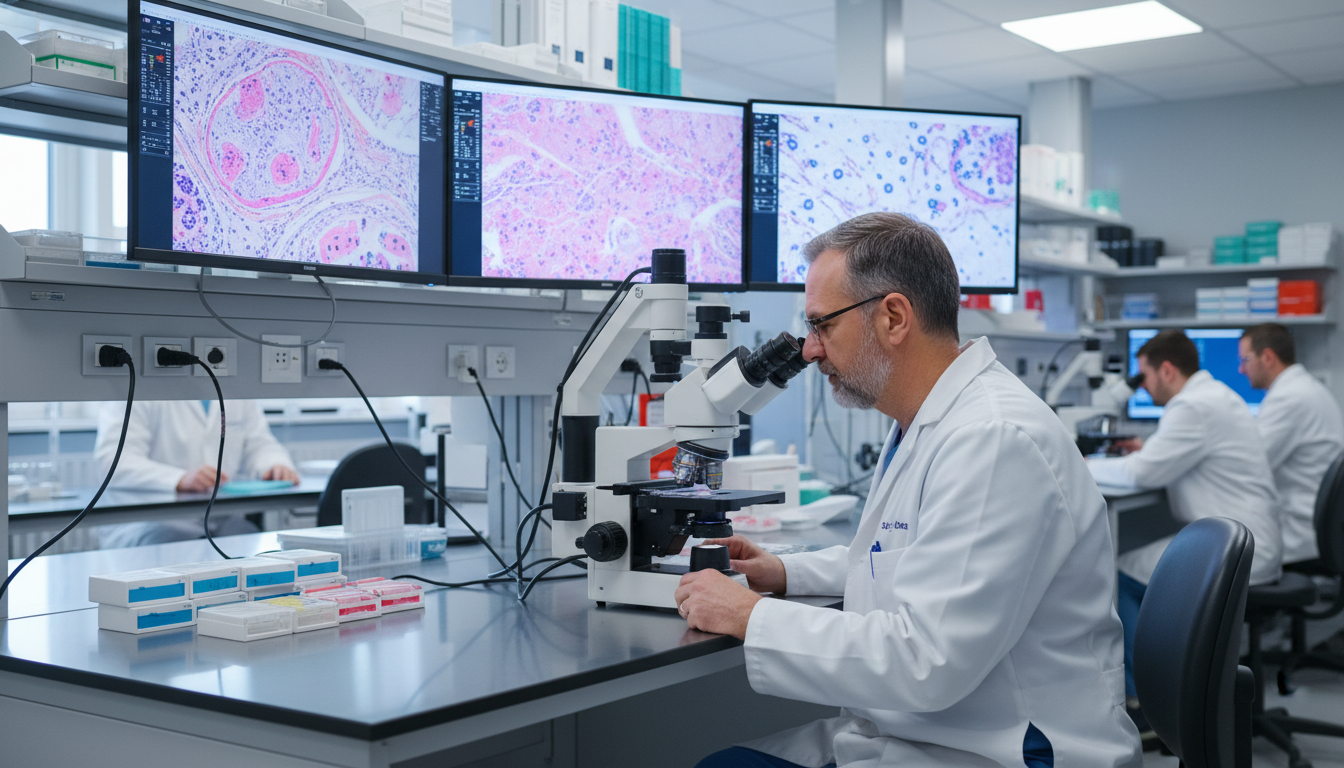
Show up consistently to conferences and sign-out
Pathology culture places high value on:
- Regular attendance at sign-out
- Participation in intradepartmental conferences
- Journal clubs, tumor boards, and M&M conferences
Networking here is subtle: consistent presence, engaged questions, and reliability are noticed over time.
Tips:
- Ask 1–2 thoughtful questions per week, not every session. Quality over quantity.
- Offer to present at journal club or interesting case conferences.
- Arrive a few minutes early; introduce yourself to visiting faculty, fellows, or rotating clinicians.
2. Networking with Fellows and Senior Residents
Fellows and senior residents are often more approachable and may become your most important advocates.
They can:
- Suggest electives and faculty aligned with your interests
- Share unwritten norms about the department and pathology match strategy
- Provide honest feedback on your CV, personal statement, and case logs
How to build these relationships:
- Ask to join them at the multi-head microscope during sign-out.
- Invite them for coffee or lunch with a clear purpose:
- “I’d love to hear how you chose your fellowship.”
- “Can you walk me through what made your pathology match application strong?”
- Ask, “Is there anyone else in the department you think I should connect with, given my interests?” (An easy way to expand your network.)
3. Cross-Specialty Networking: Clinicians and Hospital Leadership
Pathologists who are respected by clinicians and hospital leaders have more influence, more funding opportunities, and more job options.
As a DO graduate, you can leverage your training in whole-person care and communication to excel in this area.
Practical ways to connect:
- Attend multidisciplinary tumor boards (oncology, GI, breast, etc.).
- Volunteer to present the pathology perspective at clinical conferences.
- When on a consult, if appropriate, introduce yourself briefly (in person or via secure messaging) and offer:
- “If you ever want to review pathology findings directly, I’m happy to set up a quick call or slide review.”
Over time, clinicians will remember you as:
- The responsive, thoughtful pathologist
- Someone who “speaks their language” clinically
- A DO graduate who bridges labs and bedside care
That reputation is powerful, especially if you later apply for leadership roles or jobs within the same system.
Conference and Professional Society Networking for Pathology DOs
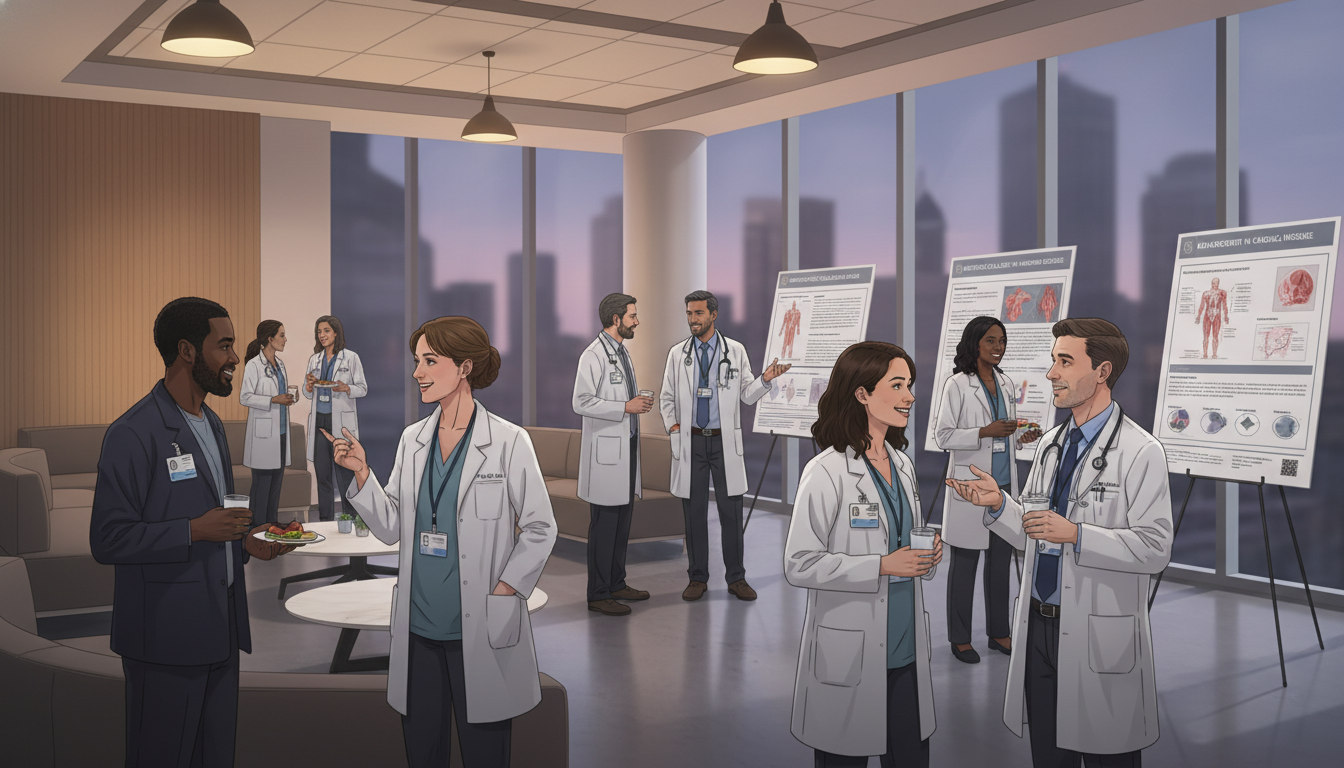
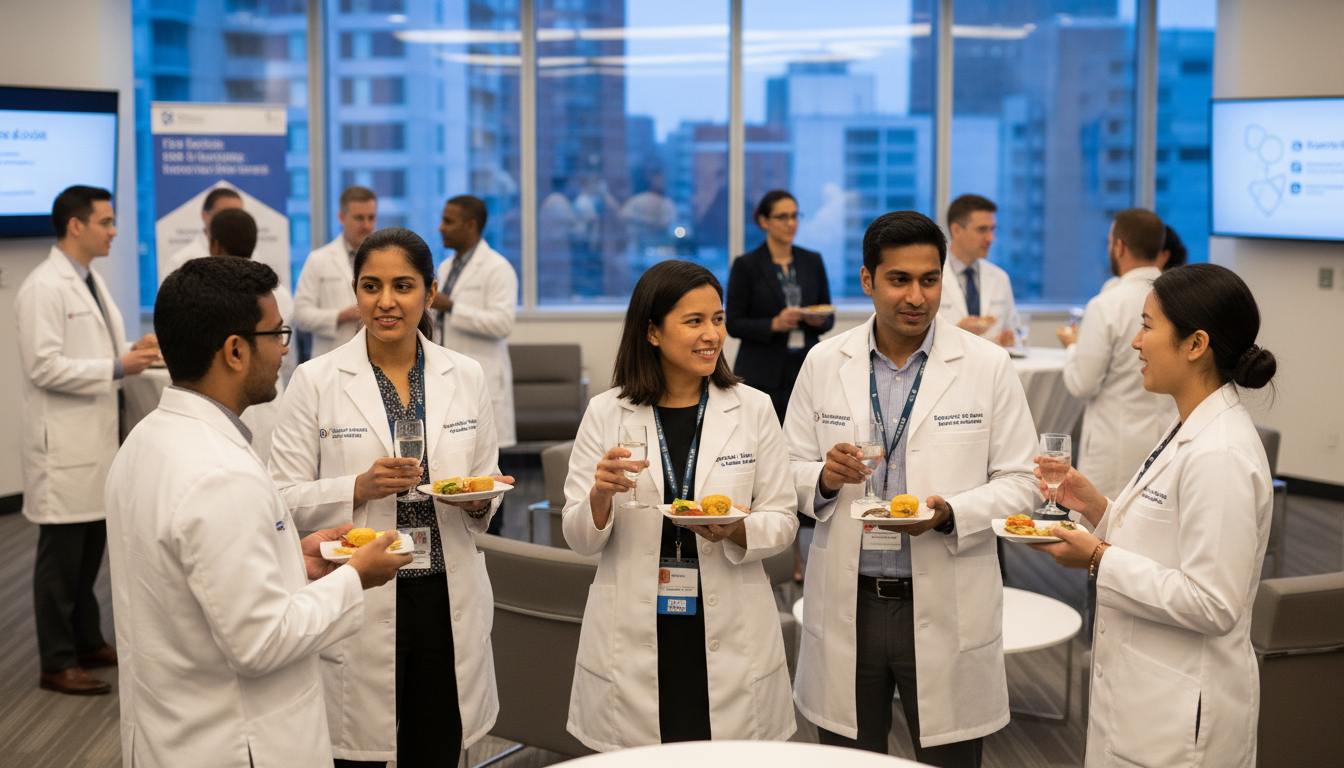
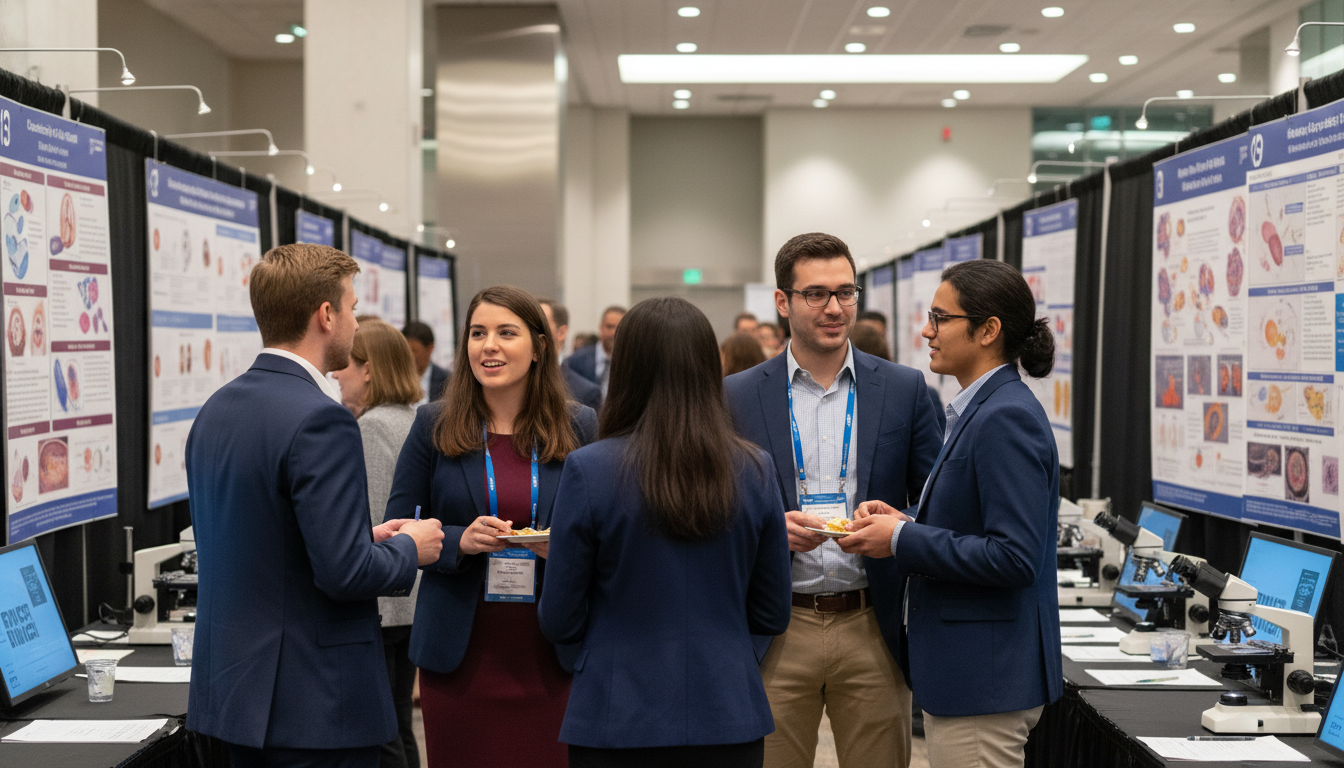
Conference networking is one of the most efficient ways to grow your pathology connections beyond your institution—and it’s where many DO graduates can distinguish themselves.
1. Choose the Right Meetings
For a DO graduate in pathology, consider:
- National societies:
- USCAP (United States and Canadian Academy of Pathology)
- CAP (College of American Pathologists)
- ASCP (American Society for Clinical Pathology)
- AMP (Association for Molecular Pathology)
- APC/PRODS educational meetings
- Subspecialty societies:
- ASH (hematopathology), ACG (GI), AAD (derm), etc. where pathology content is strong
- Osteopathic organizations with pathology involvement:
- AOA events where pathology sections or sessions are available
Look for student/resident tracks, “meet the professor” sessions, and mentorship programs.
2. Preparing for Conference Networking
Treat conference networking like a clinical procedure: prepare intentionally.
Before the conference:
- Identify 5–10 people you’d like to meet:
- Authors of papers you admire
- Program directors of pathology residency or fellowship programs you’re interested in
- Leaders active in areas like pathology informatics, global health, or education
- Email them 1–2 weeks before:
- Briefly introduce yourself as a DO pathology trainee.
- Mention a specific reason you admire their work.
- Ask for 10–15 minutes during a coffee break to ask a few career questions.
Example:
“I’m a DO graduate and first-year pathology resident at [Institution]. I’ve followed your work in pulmonary pathology and was especially interested in your paper on [topic]. I’ll be attending USCAP this year and would value 10–15 minutes of your time to ask for advice on early-career development in pulmonary path. Would you have any availability during a coffee break?”
Even if only 2–3 respond, those conversations can be career-changing.
Prepare your “short intro” (30–60 seconds):
- Name, level, and institution
- DO background and why you chose pathology
- 1–2 focused interests (e.g., “molecular diagnostics and medical education”)
- One concrete question or goal (e.g., “I’m trying to understand how best to prepare for a molecular fellowship as a DO graduate.”)
3. At the Conference: How to Approach People
You don’t have to be extroverted to network well; you just need to be intentional.
Tactics that work:
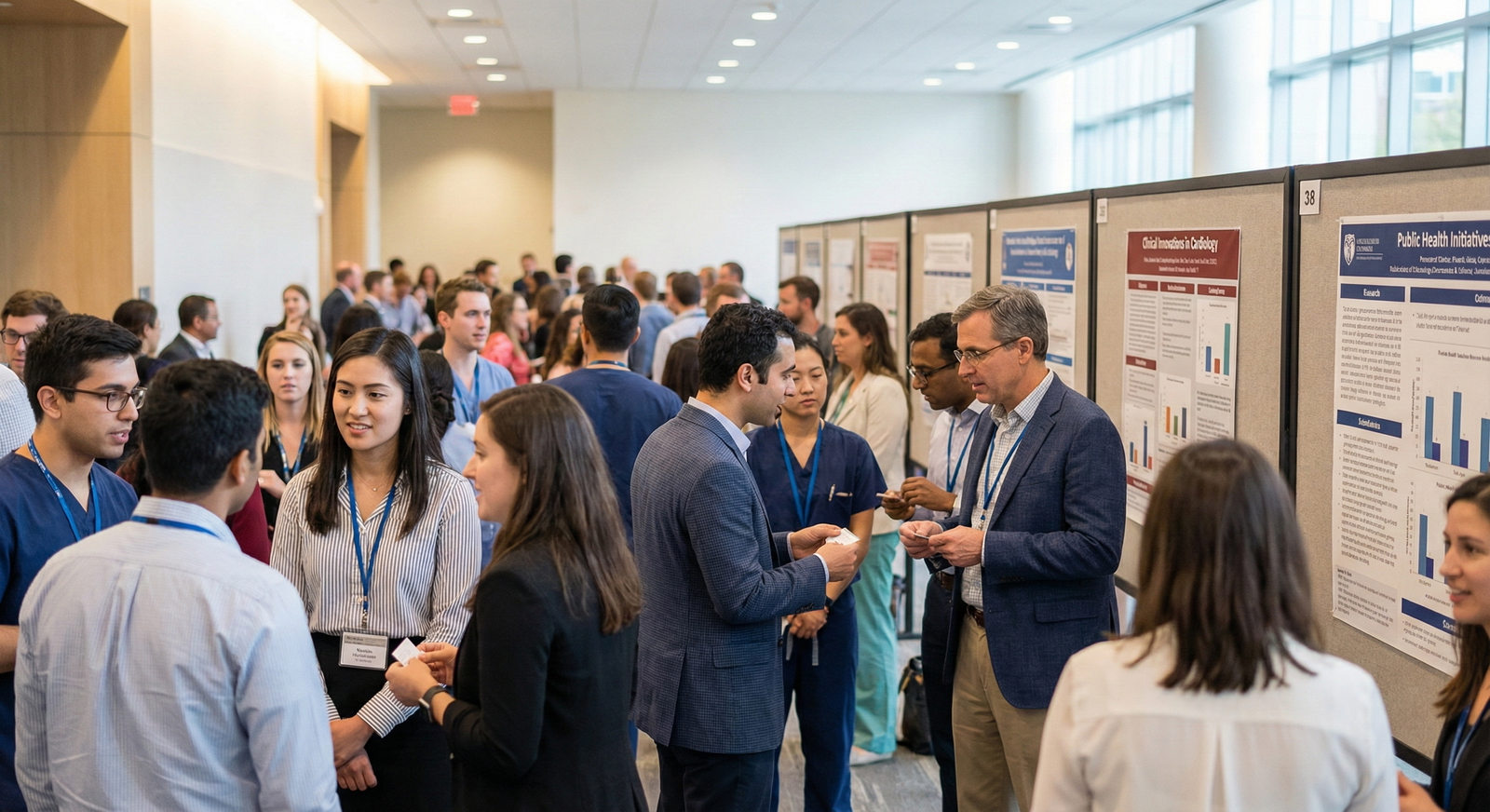
- Attend smaller sessions (case-based workshops, breakfast sessions, poster walks) where conversation is easier.
- Ask questions at the end of sessions:
- Brief, relevant, and professional.
- Afterward, approach the speaker to introduce yourself: “Thank you for that talk. I’m a DO pathology resident interested in [area]; may I email you about potential future electives or collaboration?”
- Poster sessions:
- If you’re presenting, treat your poster like a mini-interview.
- If you’re not presenting, seek out posters in your interest areas; introduce yourself to the presenter and attending faculty.
Conference networking etiquette:
- Keep initial conversations brief (5–10 minutes) unless clearly invited to continue.
- Avoid monopolizing someone when others are waiting.
- Have business cards or a simple contact card with your name, DO credentials, institution, email, and LinkedIn/website.
- Take brief notes on your phone after each meaningful interaction: name, topic discussed, possible follow-up.
4. After the Conference: Turning Contacts into Relationships
The real value of conference networking comes from what you do afterward.
Within 1 week:
- Send personalized follow-up emails:
- Thank them for their time.
- Mention a specific insight you gained.
- Suggest a small, concrete next step (sharing a CV, scheduling a Zoom, asking about electives).
Example:
“Thank you again for speaking with me at USCAP. Your advice about seeking early exposure to GI sign-out was very helpful. I’ve already spoken with my program director about arranging a dedicated GI elective. If you’re open to it, I’d appreciate any feedback on my current CV as I think ahead to potential GI pathology fellowship opportunities as a DO graduate.”
Over the next 6–12 months:
- Share relevant updates (“I presented my first poster at CAP”; “Our QI project was accepted for publication”).
- Engage with their publications (e.g., comment professionally on LinkedIn or X).
- Ask 1–2 times per year for brief mentorship conversations, not constant favors.
This is how conference networking evolves into mentorship medicine: a small number of trusted advisors who know your story and believe in your growth.

Digital Networking and Social Media for Pathology DOs
Online platforms let DO pathology graduates expand their reach beyond local and national circles.
1. Professional Profiles: LinkedIn and Doximity
Create or refine profiles that clearly highlight:
- DO degree and medical school
- Pathology residency (or intent) and institution
- Research, quality improvement, or teaching projects
- Specific interests (“Pathology resident with interests in hematopathology, molecular diagnostics, and medical education”)
Use LinkedIn for:
- Following pathology societies and leaders
- Sharing achievements (posters, publications, leadership roles) professionally
- Connecting with people met at conferences or on rotations
Whenever you send a connection request, add a personal note: where you met, what you discussed, and why you’d like to stay in touch.
2. Pathology on X (Twitter) and Other Platforms
The pathology community on X and similar platforms is active and collegial, with:
- Virtual slide challenges
- Discussions of interesting cases with teaching points
- Announcements about fellowships, jobs, and webinars
Guidelines:
- Use an identifiable professional handle (e.g., @DrSmithPathDO).
- Put your role clearly in your bio: “DO pathology resident, PGY-2, [Institution]. Views my own.”
- Share:
- Non-identifiable teaching pearls from your day.
- Reflections on pathology education and the osteopathic perspective.
- Links to your posters/papers.
Avoid:
- Posting any patient-identifiable information.
- Negative comments about colleagues or programs.
- Political or highly controversial content under your professional name.
3. Online Communities and Virtual Mentorship
Consider:
- Virtual mentorship programs through USCAP, CAP, or subspecialty organizations.
- Online journal clubs (e.g., organized on social media or by societies).
- Webinars for pathology match and fellowship preparation, especially those focused on DO graduates or IMGs—many concepts overlap.
When attending virtual events:
- Introduce yourself in the chat (briefly).
- Ask thoughtful questions.
- Follow up with speakers as you would after a conference talk.
Developing Strong Mentorship and Sponsorship in Pathology as a DO
Mentorship in medicine is often described as “having someone in your corner”—but in pathology, the distinction between mentors and sponsors is particularly important.
1. Mentors vs. Sponsors
- Mentor: Advises, guides, gives feedback, helps you grow.
- Sponsor: Actively advocates for you in rooms where decisions are made (selection committees, hiring panels, fellowship reviews).
As a DO graduate, you want both, especially sponsors who can speak to your capability within academic pathology cultures that may historically be more MD-heavy.
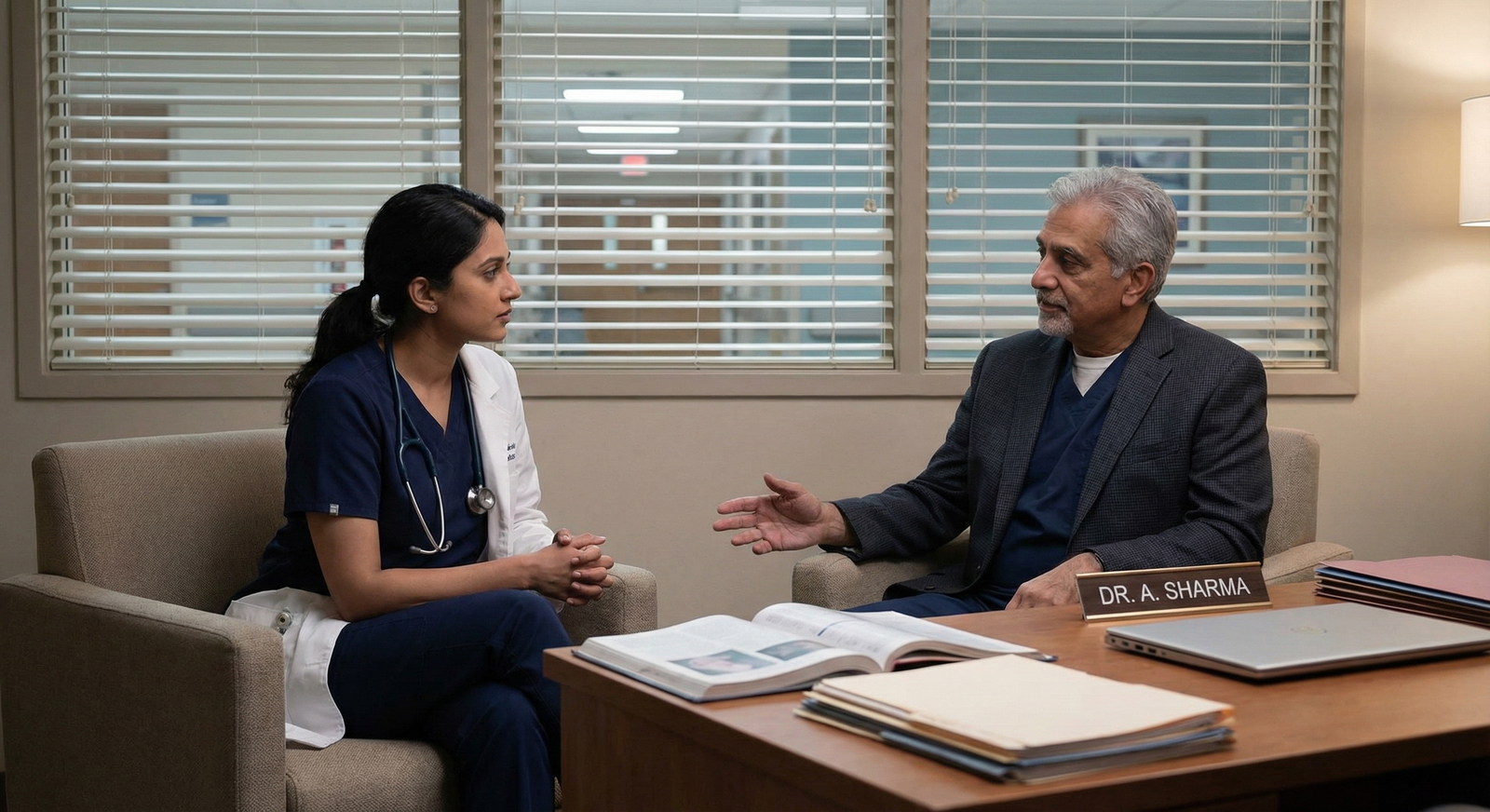
2. Finding the Right Mentors
You don’t need one perfect mentor; you need a small “board of advisors”:
- Clinical mentor: In your preferred subspecialty (e.g., hemepath).
- Career mentor: Someone who understands the broader job market and pathology match landscape.
- Osteopathic-aware mentor: Ideally, someone who either is a DO or has successfully mentored DO residents.
- Non-pathology mentor (optional): From another specialty or leadership role, to help with communication, systems-based practice, or administration.
Ways to identify potential mentors:
- Notice which attendings take time to teach and show interest in residents.
- Look at who’s publishing or presenting in your areas of interest.
- Ask senior residents: “Who has been particularly supportive of DO residents here?”
Then, initiate a conversation:
- Ask for a brief meeting.
- Be specific about what you’re seeking:
- “I’m hoping to find a mentor who can help me plan for a career in academic dermatopathology and navigate the fellowship application as a DO graduate.”
- Start small: ask for advice on 1–2 decisions, not everything at once.
3. Being a Good Mentee
To transform good advice into real opportunities:
- Prepare before meetings: Send your CV and an agenda (“I’d like your feedback on…”) in advance.
- Follow through: If a mentor suggests you email someone, read a paper, or apply for a committee—do it.
- Report back: Let them know what happened; mentors are more invested when they see impact.
- Respect boundaries: Don’t expect instant responses or constant availability.
Over time, consistent follow-through helps mentors feel comfortable transitioning into sponsors—recommending you for:
- Scholarship opportunities and travel grants
- Residency or fellowship positions
- Departmental committees and leadership roles
4. Navigating Osteopathic Residency Match and Fellowship as a Pathology DO
Even though the single accreditation system has merged many processes, the osteopathic residency match experience still shapes perception and questions you might encounter.
Use your DO background as a strength:
- Emphasize:
- Training in holistic care and system-level thinking.
- Strong clinical communication skills developed in osteopathic settings.
- Perspective on community and underserved care, which is valuable in pathology leadership and outreach labs.
When discussing your path in interviews or networking:
- Be concise and confident about your DO credential.
- Focus on what it adds to your work as a pathologist (e.g., bridging clinical-pathologic communication, understanding patient narratives behind specimens).
- Avoid being defensive; instead, show how your performance and achievements speak for themselves.
This approach signals to mentors and sponsors that you are secure in your identity and focused on contribution.
Putting It All Together: A Practical Networking Plan for a DO Pathology Resident
To make this actionable, here’s a sample 12-month plan for a DO graduate in a pathology residency:
Months 1–3
- Meet:
- Program director and 2–3 key subspecialty faculty.
- At least 2 fellows or senior residents for career advice.
- Start:
- Consistent attendance at sign-out and at least one tumor board.
- LinkedIn profile update; connect with local faculty and peers.
Months 4–6
- Join:
- At least one national society (USCAP, CAP, ASCP).
- A pathology interest group or committee, if available.
- Prepare:
- An abstract or case report for an upcoming conference.
- Identify:
- 1–2 potential long-term mentors; ask for recurring meetings every 3–4 months.
Months 7–9
- Attend:
- One major pathology or subspecialty conference.
- Network:
- Schedule 3–5 one-on-one meetings at the conference.
- Introduce yourself to at least 2 program or fellowship directors in your area of interest.
- Follow up:
- Send personalized emails and connect on LinkedIn/X.
Months 10–12
- Solidify:
- A mentorship “board” of 2–4 people with complementary roles.
- Begin:
- Planning for pathology match (if a student) or fellowship/job trajectory (if resident).
- Reassess:
- Which networking strategies feel natural and productive, and adjust your approach.
By the end of a year, you should have:
- A clear sense of your subspecialty interests.
- Multiple mentors and at least one active sponsor.
- Presence in at least one national society.
- Ongoing connections with clinicians, fellows, and faculty in your institution.
This network doesn’t guarantee outcomes—but it dramatically increases your exposure to opportunities and people who can help you succeed as a DO graduate in pathology.
FAQs: Networking in Medicine for DO Graduates in Pathology
1. As a DO, do I need to network differently than my MD peers in pathology?
You don’t need a different strategy, but you may have different starting points. Focus on:
- Making your DO training a visible asset (communication, holistic thinking).
- Building relationships with faculty familiar with DO graduates.
- Using networking to counter any unfamiliarity by showing your competence and professionalism.
Ultimately, the same core principles—reliability, curiosity, follow-through—apply equally to DO and MD pathology trainees.
2. How early should I start networking if I’m a DO medical student interested in pathology?
Start in your preclinical years by:
- Attending your school’s pathology interest group or forming one if none exists.
- Seeking shadowing in pathology and making yourself known to the department.
- Connecting with residents and fellows early to understand the pathology residency and pathology match landscape.
By the time you apply, you want several faculty who know you well enough to write detailed, supportive letters.
3. I’m introverted and find conference networking stressful. How can I still be effective?
Introverts can be excellent networkers because they often listen deeply and ask thoughtful questions. Try:
- Setting simple numeric goals (e.g., 3 meaningful conversations per day).
- Pre-scheduling one-on-one meetings via email rather than approaching people randomly.
- Attending small workshops or mentoring sessions rather than large receptions.
- Preparing a few go-to questions to start conversations confidently.
It’s about depth, not volume; a few strong relationships beat dozens of superficial contacts.
4. How can I tell if a mentorship relationship in pathology is actually working for me as a DO graduate?
Ask yourself:
- Do I feel more clarity and confidence about my career path after our meetings?
- Has this mentor helped me access opportunities (projects, introductions, leadership roles)?
- Do they respect my DO background and help me navigate any challenges it poses?
If the answer is “no” over several months, it’s okay to gently shift your energy toward other mentors while still being respectful and appreciative.
Networking in medicine, especially in a tight-knit field like pathology, is less about “selling yourself” and more about steadily showing up, contributing, and building trust. As a DO graduate, your unique perspective is needed in the pathology community—deliberate, thoughtful networking ensures that the right people see what you have to offer and are ready to help you reach your goals.