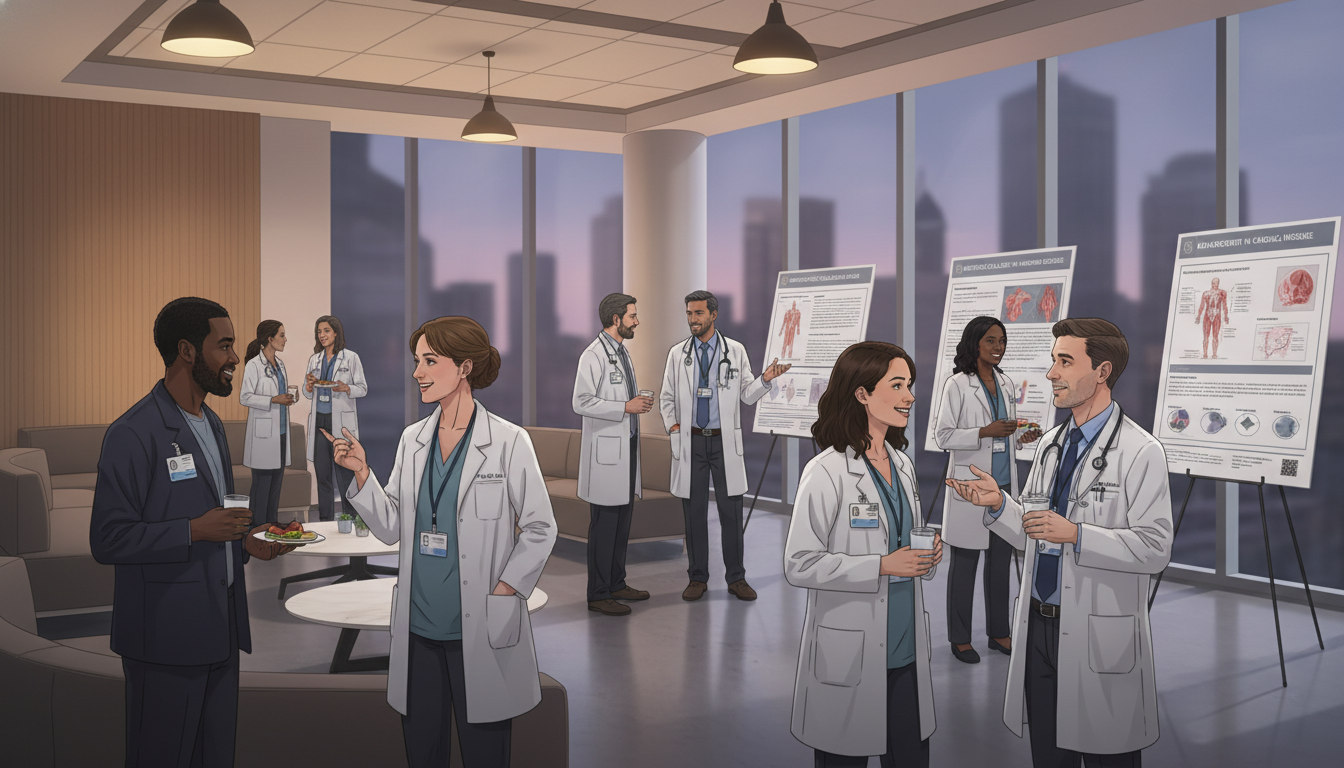
Networking in medicine is often the invisible factor that determines who gets interviewed, who gets mentored, and who ultimately matches. For a US citizen IMG interested in family medicine residency, your clinical performance and exam scores matter—but your relationships may matter just as much.
This article will walk you step‑by‑step through how to build a strong, authentic network as an American studying abroad, and how to leverage it specifically for the FM match.
Why Networking Matters More for US Citizen IMGs in Family Medicine
As a US citizen IMG, you’re in a unique position: you understand the US healthcare context culturally, but your medical education and early clinical exposure come from abroad. That creates both barriers and opportunities in the family medicine residency landscape.
The “Credibility Gap” and How Networking Bridges It
Program directors may not be familiar with:
- Your school’s curriculum or grading
- The rigor of your clinical rotations abroad
- How to compare you with US MD/DO applicants
Networking helps by:
- Putting real people (faculty, residents, alumni) behind your application
- Allowing others to vouch for your work ethic, professionalism, and fit
- Giving you insider context on which programs are IMG-friendly and what they value
A strong letter or a short email from a respected family medicine faculty member saying, “I’ve worked directly with this US citizen IMG, and they’re excellent,” can instantly alter how your file is viewed.
Why Family Medicine Is Especially Network-Driven
Family medicine is relationship-based by nature. Programs often look for:
- Evidence you are collegial and collaborative
- Commitment to continuity of care and community health
- Genuine interest in primary care as a career, not just a backup plan
Medical networking in family medicine is not just about transactions (“Can you get me an interview?”). It’s about demonstrating that you:
- Fit the culture of FM: patient-centered, team-oriented, community-focused
- Will be a positive presence on the wards and in clinic
- Have mentors who know you and believe in your potential
For a US citizen IMG, relationships that show these traits are powerful differentiators in the FM match.
Building Your Core Network: People You Must Have in Your Corner
Think of your medical network as concentric circles: inner circle (strong ties), middle circle (working relationships), and outer circle (weak ties). You need all three.
1. Inner Circle: Mentors and Sponsors
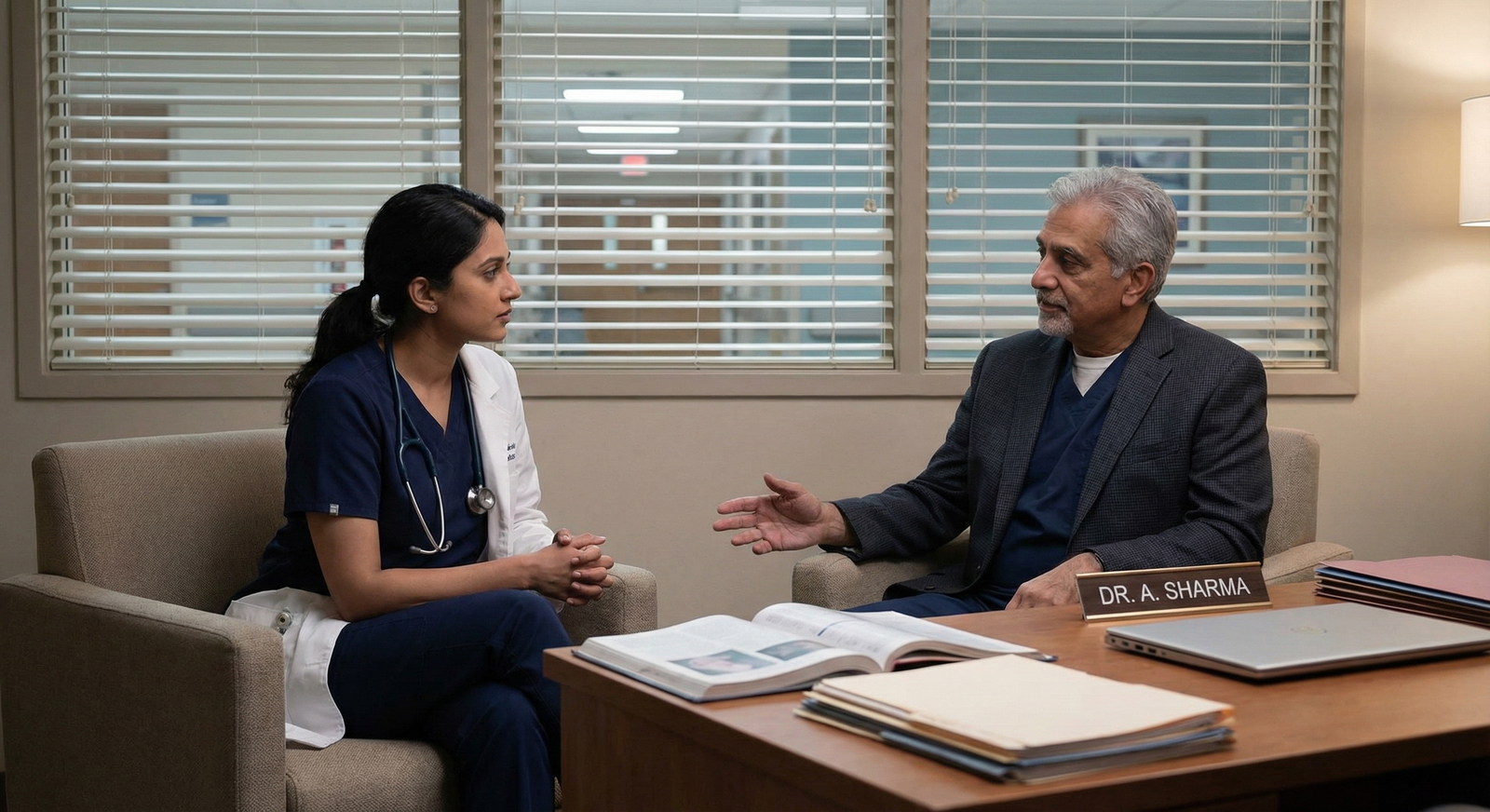
Two concepts are critical: mentorship in medicine and sponsorship.
- A mentor gives guidance, feedback, and advice.
- A sponsor actively uses their reputation to open doors for you (emails, calls, recommendations).
You need both as a US citizen IMG in family medicine.
Who Should Be in Your Inner Circle?
Aim for:
- 1–2 family medicine faculty who:
- Have seen you clinically
- Can comment on your bedside manner, teamwork, reliability
- 1 clinical preceptor (even abroad) who:
- Knows you well
- Can speak to your growth and resilience
- 1 mentor familiar with US training pathways:
- US-based FM physician
- Or a senior US citizen IMG who matched into FM
These people can:
- Help you prioritize exam timing, rotations, and applications
- Edit your personal statement and CV for a family medicine focus
- Make targeted introductions to FM program directors or residents
How to Identify a Strong Mentor
Look for someone who:
- Responds to your emails consistently
- Offers specific feedback instead of generic praise
- Is willing to meet or talk at regular intervals (even quarterly)
- Has some connection to US training (e.g., residency in the US, current US-based role, or experience guiding IMGs)
If you’re an American studying abroad, your strongest mentor may initially be at your overseas school, but your goal is to add US-based mentors as you progress.
2. Middle Circle: Faculty, Residents, and Staff You Work With
Your middle circle includes:
- Attendings on rotations (home and away)
- Chief residents and senior residents
- Clinic staff or administrators you interact with regularly
They may not know you deeply, but they can:
- Provide supporting letters of recommendation
- Give verbatim comments that end up in MSPEs or evaluations
- Quietly advocate for you in program meetings
Your task: turn brief clinical contact into a slightly stronger relationship.
Example: Turning a Rotation Into a Relationship
At the end of a rotation:
Ask for feedback:
“Dr. Smith, I’ve really appreciated working with you. Could I get a few minutes of honest feedback about how I’ve been doing and any areas I should focus on as I aim for family medicine?”Express your goal:
“I’m a US citizen IMG aiming to match into family medicine in the US. Any advice on how I can become a stronger applicant?”Follow up with a thank‑you email within 24–48 hours:
- Thank them for teaching and feedback
- Mention one specific thing you learned from them
- Briefly restate your FM interest and ask if you can stay in touch
Over time, these middle-circle contacts can move into your inner circle.
3. Outer Circle: Weak Ties and “Opportunity Network”
Your outer circle is critical for discovering unfamiliar options:
- Alumni from your school in US FM programs
- Physicians you meet at conferences
- Residents from online interest groups
- People you’re introduced to via mentors
Research shows weak ties often generate new opportunities (rotations, research, or a heads-up about an open position). As a US citizen IMG, you should intentionally cultivate and maintain these weak ties.

Practical Networking Strategies Before and During the FM Match
Networking isn’t “being fake” or handing out business cards—it’s about intentional, respectful relationship-building. Below are structured strategies tailored to a US citizen IMG pursuing family medicine.
Strategy 1: Use Clinical Rotations as Live Auditions
Every US clinical experience (USCE) is a networking opportunity.
On Rotation: Behaviors That Build Your Reputation
Program directors and faculty notice:
- Reliability: Early, prepared, follows through on tasks
- Attitude: Teachable, humble, positive under pressure
- Communication: With nurses, MAs, patients, peers
- FM-specific traits: Interest in prevention, continuity, psychosocial context
On day 1–2 of any FM rotation, consider saying:
“Dr. Lee, I’m a US citizen IMG and I’m very interested in matching into family medicine in the US. I’d really appreciate any feedback on how I can grow into a strong family medicine applicant while working here.”
This puts your goals on their radar and opens the door for:
- Ongoing feedback
- Possible letters of recommendation
- Targeted mentorship
After the Rotation: Closing the Loop
- Send a personalized thank‑you email to 2–4 key people.
- Attach or link to your updated CV if appropriate.
- Ask if they’d be comfortable:
- Serving as a reference
- Reviewing your personal statement
- Staying in touch as you enter the application cycle
If you plan to request a letter, do this early, while you’re still fresh in their mind.
Strategy 2: Leverage Conference Networking for the FM Match
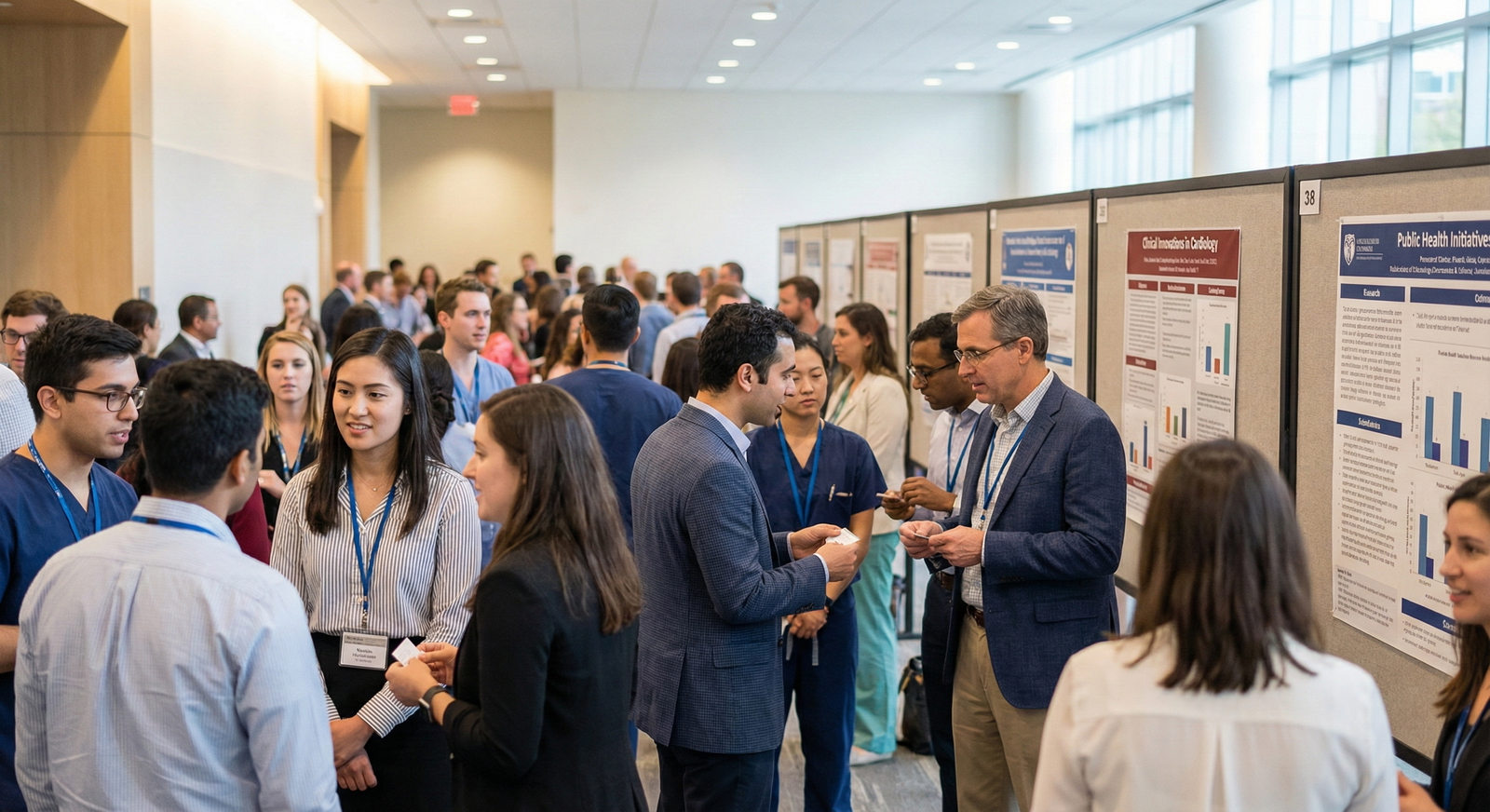
Conference networking can be intimidating, but it’s a high-yield tool in medical networking, especially for American students studying abroad who have limited in-person US exposure.
Key family medicine meetings to consider:
- AAFP National Conference (students & residents)
- State Academy of Family Physicians conferences
- Family medicine interest group (FMIG) regional events
How to Maximize a Conference as a US Citizen IMG
Before the conference:
- Identify programs you’re interested in and note if they attend.
- Prepare a 1–2 sentence “identity + goal” intro:
- “I’m a US citizen IMG in my final year, very interested in family medicine, especially outpatient continuity and underserved care.”
- Print a one-page CV or QR code to your LinkedIn/personal website.
At the conference:
- Visit residency booths and introduce yourself:
- Mention that you’re a US citizen IMG.
- Ask: “How does your program view applications from US citizen IMGs?”
- Attend FM student sessions and ask thoughtful questions.
- Connect with speakers afterward: “I loved your talk on chronic disease management. I’m interested in similar work—may I email you to ask a few questions about your career path?”
After the conference:
- Within 1 week, email people you met:
- Thank them for their time
- Reference something specific you discussed
- Attach your CV if requested
- Ask one clear next-step question (e.g., “Could I ask your advice on choosing audition electives?”)
You may not get immediate “results,” but you’re planting seeds that can benefit you months later in the FM match.
Using Digital Platforms: LinkedIn, Email, and Professional Groups
As a US citizen IMG, your geography and time zones may limit in-person networking. Strategic digital presence can partly level that gap.
LinkedIn for the US Citizen IMG in Family Medicine
LinkedIn is underused by medical students but excellent for:
- Finding alumni from your school in US FM residency
- Tracking career paths of IMGs who matched into FM
- Staying visible to people you meet at conferences and rotations
Profile Essentials
- Headline:
“US citizen IMG | Aspiring Family Medicine Physician | Interested in primary care and community health” - About section:
- 3–4 sentences highlighting:
- US citizen IMG identity
- Interest in family medicine
- US clinical exposure
- Core values (continuity, preventive care, underserved populations)
- 3–4 sentences highlighting:
- Experience:
- List clinical rotations (especially USCE)
- Add any research, quality improvement, or community projects
- Skills:
- Communication, patient education, chronic disease management, EMR familiarity, etc.
How to Reach Out Cold (Without Being Awkward)
When you find:
- An alum of your school in a US FM program, or
- A US-based FM physician with an IMG background,
send a short, specific message:
Subject: US citizen IMG interested in Family Medicine – quick question
Dear Dr. [Name],
I’m a US citizen IMG currently in my [X] year at [school]. I’m very interested in matching into family medicine and noticed that you trained at [program/region] with a similar background.
If you have 15–20 minutes sometime in the next few weeks, I’d be grateful for any advice on how to become a stronger FM applicant as a US citizen IMG, especially regarding [US rotations / letters / program selection].
I understand you’re busy, so no worries at all if your schedule doesn’t allow.
Sincerely,
[Your name]
[Graduation year, medical school]
[LinkedIn link or CV if appropriate]
Many will not respond—and that’s normal. But a handful will, and those conversations can reshape your strategy or even lead to mentorship and advocacy.
Professional and Social Groups
Look for:
- Online communities for US citizen IMG applicants
- Family medicine interest groups on platforms like:
- AAFP student forums
- Specialty or IMG-focused Discord/Slack groups
- Facebook groups for US citizen IMGs and FM applicants
Use these communities to:
- Ask about program culture and how they treat IMGs
- Learn which programs offer audition rotations to IMGs
- Share resources (question banks, LOR templates, personal statement tips)
Always maintain professionalism. Treat every interaction as if it might be read by a future evaluator.

Turning Networking into Concrete Match Advantages
Networking is valuable only if it translates into specific advantages in the family medicine residency application process. Here’s how to connect the dots.
1. Better, More Targeted Letters of Recommendation
Family medicine programs highly value:
- FM-specific LORs from US-based family physicians
- Letters describing your commitment to primary care, teamwork, and patient-centered care
Use your network to secure:
- At least 2 letters from US FM physicians who supervised you clinically
- 1 additional letter from:
- A primary care internal medicine physician, or
- A mentor who knows you deeply
When requesting letters:
- Ask in person or via video if possible.
- Provide:
- Your CV
- Personal statement draft
- A short “brag sheet” (3–6 bullet points of things you did with them)
- Your specific FM goals (“interested in community-focused FM with strong outpatient continuity”)
A well-networked US citizen IMG often has stronger, more personalized letters than some US grads—this can be a major equalizer.
2. More Informed Program List and Strategy
Mentors, residents, and alumni can:
- Identify FM programs that have successfully matched US citizen IMGs
- Flag programs where IMGs:
- Feel fully integrated vs. marginalized
- Have solid fellowship or job placement
- Advise whether you’re over- or underestimating your competitiveness
For example, a mentor might say:
- “Program X is IMG-friendly but very inpatient-heavy—does that fit your goals?”
- “Program Y rarely interviews IMGs unless they’ve rotated there; prioritize doing an elective if you’re serious about it.”
These insights save you time, money, and disappointment, and they come mainly from networking, not websites.
3. Signaling Genuine Interest and Fit
Residency programs pay attention to:
- Who has rotated with them
- Who has met them at conferences
- Who has emailed thoughtfully to express genuine interest
Examples of appropriate interest signals:
After a conference:
“Meeting your residents at AAFP National Conference really solidified my interest in your program, especially your longitudinal community clinic experience.”Before ERAS submission:
A brief email to the program coordinator or faculty contact you know:- Reintroducing yourself
- Expressing authentic interest
- Mentioning any prior interaction (rotation, conference, Zoom meeting)
You’re not asking for preferential treatment—you’re reminding them that you’re a real person with a story who has already shown initiative.
4. Support During the Interview Season
Your network can:
- Conduct mock interviews
- Help you craft answers that highlight your strengths as a US citizen IMG
- Warn you about red flags at certain programs
Mentors and residents can offer prompts like:
- “Tell me about a time you dealt with a challenging patient or family.”
- “Why family medicine—and why not internal medicine or another specialty?”
- “How has studying abroad shaped you as a future FM physician?”
Practice these with people who know US residency norms. Their feedback will help you avoid common IMG pitfalls such as overexplaining test scores or underselling your strengths.
Common Mistakes US Citizen IMGs Make in Networking—and How to Avoid Them
Mistake 1: Only Reaching Out When You Need Something
If the first time you contact a mentor in a year is to ask, “Can you write me a letter next week?” you’ve missed opportunities.
Better approach:
- Send occasional updates:
A short email every few months with:- Milestones (Step scores, completed rotations, research accepted)
- A brief thank‑you for past advice
- Ask for advice, not just favors.
Mistake 2: Being Vague About Your Goals
Program directors and mentors can’t help you effectively if you say:
- “I’m open to any specialty” or
- “I’m not sure if I want FM or something else.”
If you’re applying in family medicine, own that decision in your networking efforts:
- Talk clearly about what you love in FM: continuity, broad medicine, behavioral health, procedures, community.
- Align your story with FM values.
Mistake 3: Neglecting Professionalism in Messages
Avoid:
- Overly casual language
- Long, dense paragraphs
- Sending attachments or large files without context
Aim for:
- Brief, respectful, well-structured emails
- Clear subject lines
- Proper titles (Dr., Professor, etc.)
Mistake 4: Comparing Yourself Constantly to US MD/DO Peers
Your path is different. Instead of apologizing for being an American studying abroad, reframe it:
- You chose an alternative route and still persisted.
- You may have:
- Exposure to different healthcare systems
- Language skills
- Cultural competence from living abroad
Networking gives you a chance to tell your story in a way that highlights these strengths rather than focusing only on perceived deficits.
FAQs: Networking in Medicine for US Citizen IMG in Family Medicine
1. When should a US citizen IMG start networking for family medicine?
Ideally, start in your clinical years abroad:
- Begin relationships with home-institution faculty and mentors.
- As soon as you plan US rotations, identify potential mentors at those sites.
- Attend at least one family medicine or student-focused conference before your ERAS application cycle if possible.
It’s never “too late” to start, but starting earlier gives relationships time to mature into strong mentorship and possible sponsorship.
2. How important is conference networking specifically for the FM match?
Conference networking is very helpful but not absolutely mandatory. For many US citizen IMGs, it’s a rare chance to:
- Meet multiple programs face-to-face
- Get candid information about IMG-friendliness
- Practice speaking about your story and FM interest
If you can attend at least one major conference (e.g., AAFP National Conference), it can substantially expand your medical networking reach. If you can’t, prioritize virtual events and direct outreach to residents and faculty.
3. Can networking “make up for” weaker exam scores as a US citizen IMG?
Networking cannot erase a significantly low score, but it can:
- Provide context (e.g., personal or health challenges, test center issues)
- Help you get a fair look at programs that might otherwise screen you out
- Highlight your non-test strengths: clinical performance, work ethic, interpersonal skills
Strong relationships—especially with respected family medicine faculty—can lead to interviews at programs that might not have invited you based on numbers alone.
4. How do I maintain relationships with mentors once I’ve matched?
After you match into family medicine:
- Send a personal thank‑you note or email to each mentor and key supporter.
- Share your match result and express how they helped.
- Continue to check in:
- Send updates once or twice a year.
- Ask for career advice as residency progresses.
- Offer to “pay it forward”:
“If you have future US citizen IMGs considering FM, I’d be happy to share my experience.”
This not only honors your relationships but also keeps your long-term professional network strong as you move from applicant to resident, and later to attending and mentor yourself.
By thinking of networking in medicine as building genuine, long-term professional relationships—not quick transactions—you position yourself as exactly the kind of colleague family medicine wants: communicative, community-minded, and invested in people. As a US citizen IMG, that mindset, combined with deliberate strategy, can transform the FM match from a black box into a navigable, human process.