Understanding Networking in Medicine as a US Citizen IMG
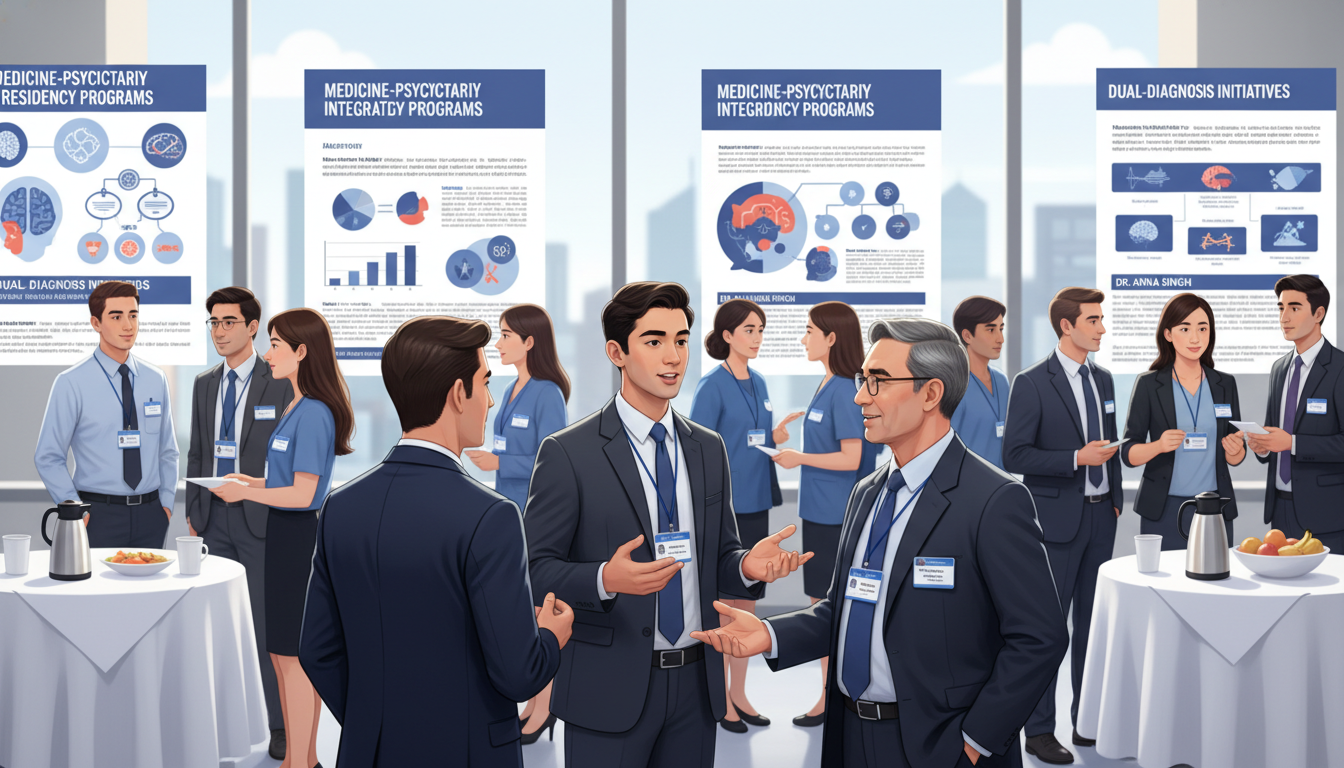
For a US citizen IMG interested in Medicine-Psychiatry (Med-Psych), networking is not a “nice-to-have”—it is one of the most powerful levers you control. As an American studying abroad, you often start at a distance from US academic centers and decision-makers. Thoughtful medical networking can help close that gap, especially in a niche combined specialty like medicine psychiatry.
Networking in medicine is not about forced small talk or collecting business cards. It is the process of building authentic, professional relationships that:
- Expose you to role models and mentors
- Open doors to research, observerships, and sub-internships
- Strengthen your residency application with concrete support
- Provide insider knowledge about Med-Psych programs, culture, and expectations
- Help you navigate challenges unique to US citizen IMG applicants
For Medicine-Psychiatry, where programs are fewer and often tightly knit, people genuinely matter. Faculty and program directors frequently know each other, and word-of-mouth recommendations carry real weight.
In this article, you’ll learn how to use networking strategically—from your first outreach email to conference networking and long-term mentorship in medicine. You’ll see how to make the “IMG” label less of a barrier and more of a distinctive story.
Laying the Foundation: Mindset and Strategy for US Citizen IMGs
Before sending emails or attending conferences, set up a clear networking strategy and healthy mindset tailored to your situation as a US citizen IMG pursuing Med-Psych.
Reframing Your IMG Status
As an American studying abroad, you may worry that faculty will see “IMG” and quietly dismiss you. Some biases do exist, but networking gives you a way to present your full narrative rather than just the label.
You bring a unique combination:
- US cultural familiarity and communication style
- International clinical and cultural exposure
- Often, resilience, adaptability, and independent problem-solving
When you network, lean into this narrative. You’re not “just an IMG”—you’re a US citizen with global medical training and a specific interest in medicine psychiatry combined practice.
Clarifying Your Networking Goals
Networking is more efficient when you know what you’re aiming for. For Med-Psych–bound US citizen IMGs, common goals include:
Information gathering
- Understanding differences between Med-Psych programs
- Learning what program directors expect from IMGs
- Clarifying how to strengthen your CV (research, electives, step scores)
Opportunities
- US-based research projects in internal medicine, psychiatry, or combined topics
- Observerships or structured clinical experiences
- Sub-internships at institutions with Med-Psych or strong medicine and psychiatry departments
Advocacy and support
- Faculty who can write strong, specific letters of recommendation
- Mentors who will speak up for you during rank-list discussions
- Peers who will share openings, fellowships, or job leads
Write your goals down. For example:
- “Obtain at least one US-based research experience related to Med-Psych.”
- “Secure two letters of recommendation from US psychiatrists and at least one from a US internist.”
- “Build meaningful contact with at least 3 faculty affiliated with Med-Psych programs by the time I apply.”
These goals will guide how and where you network.
Building a Professional Foundation Online
Before you actively begin medical networking, make sure your digital presence supports your efforts:
- Email address: Use a professional address (e.g., firstname.lastname@domain.com).
- LinkedIn profile: Include a clear headshot, concise summary, and focus areas (internal medicine, psychiatry, Med-Psych, global health, etc.).
- Online CV or portfolio: Consider a simple one-page website or an updated PDF CV you can easily share.
- Consistency: Ensure your interests (e.g., addiction, consult-liaison psychiatry, integrated care) appear consistently across platforms.
When someone looks you up after a conference or email, your online presence should reinforce your Med-Psych identity and seriousness.

Identifying the Right People and Places to Network
For a highly specialized interest like medicine psychiatry combined training, “networking everywhere” is less effective than targeting high-yield spaces and people.
Who Should Be on Your Networking Radar?
Med-Psych Program Directors and Core Faculty
- These individuals are directly involved in recruitment.
- They can clarify expectations for a US citizen IMG in their programs.
- Often deeply committed to integrated care, they appreciate motivated applicants.
Internal Medicine and Psychiatry Chairs or Clerkship Directors
- Even at institutions without Med-Psych, these leaders can connect you with faculty who “think across disciplines.”
- They may help you secure electives, research, or letters.
Med-Psych Residents
- They can provide real-time, unfiltered insight into specific programs.
- They often remember what it felt like to be an applicant and can be generous with advice.
- Some may be US citizen IMGs themselves, providing relatable guidance.
Consult-Liaison Psychiatry and Psychosomatic Medicine Faculty
- Even at institutions without formal Med-Psych programs, C-L psychiatrists work at the intersection of medicine and psychiatry.
- They often mentor students interested in integrated care, behavior and health, or chronic medical illness and mental health.
Primary Care and Hospitalist Physicians with Psych Interest
- Some internists are passionate about behavioral health integration, addiction medicine, or complex comorbidity management.
- These individuals can be powerful clinical and career mentors, even if they’re not psychiatrists.
Where to Network: High-Yield Environments
Conferences and Meetings
Prioritize events where medicine, psychiatry, and integrated care overlap:
- APA (American Psychiatric Association) Annual Meeting
- ACP (American College of Physicians) Internal Medicine Meeting
- Academy of Consultation-Liaison Psychiatry (ACLP) Annual Meeting
- Regional or state psychiatric and internal medicine society meetings
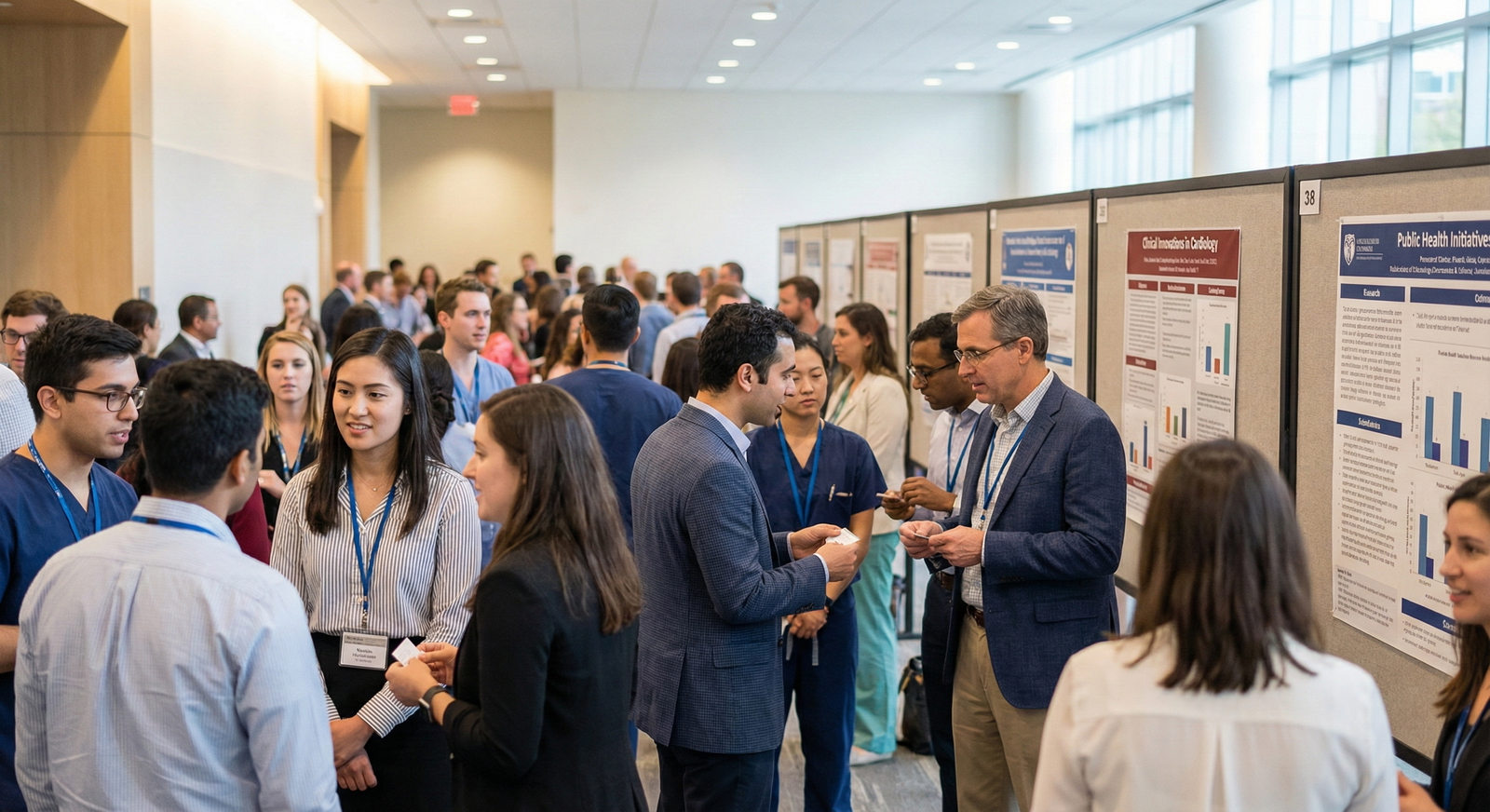
These are prime settings for conference networking—talks, poster sessions, and social events that attract Med-Psych faculty and residents.
Virtual Events and Webinars
Post-2020, many professional organizations offer regular virtual sessions:
- Med-Psych program webinars or Q&A sessions
- Virtual grand rounds from major academic centers
- Specialty-interest webinars (addiction, integrated care, behavioral health in primary care)
For US citizen IMGs offshore, virtual options are often the most accessible starting point.
Online Professional Communities
- Specialty-specific listservs or Slack/Discord for Med-Psych, internal medicine, and psychiatry
- Interest groups through APA or ACP for integrated care, collaborative care models, etc.
- Alumni networks of your medical school—many alumni may now practice in the US.
Clinical Rotations and Observerships
Every day on rotation is a networking opportunity:
- Attendings and fellows
- Program coordinators
- Residents on internal medicine, psychiatry, and consult-liaison services
How you show up clinically—reliable, teachable, and curious—often matters more than your formal “networking” efforts.
Practical Tactics: How to Network Effectively as a US Citizen IMG
Knowing where and with whom to connect is only half the battle. The next step is learning how to approach people, build rapport, and follow through.
Crafting Effective Outreach Emails
Cold emailing can be intimidating, but it’s often the gateway to mentorship medicine and opportunities, especially when you’re overseas.
Key principles:
- Keep it short and specific.
- Personalize to the recipient.
- Make a clear, reasonable ask.
- Demonstrate that you’ve done your homework.
Example template (to a Med-Psych faculty member):
Subject: US Citizen IMG with Med-Psych Interest Seeking Brief Advice
Dear Dr. [Last Name],
My name is [Name], and I am a US citizen medical student studying at [School] with a strong interest in medicine-psychiatry combined training. I recently read your work on [specific paper/topic, e.g., integrated care for patients with severe mental illness and diabetes], and it closely aligns with my interests in [briefly state interests].
As an American studying abroad, I’m hoping to better understand how I can prepare myself to be a competitive applicant for Med-Psych residency, particularly regarding [research/US clinical experience/letters of recommendation].
If you have 15–20 minutes for a brief Zoom or phone conversation in the coming weeks, I would be very grateful for any advice you can offer. I’ve attached a current CV for context.
Thank you for your time and for considering my request.
Sincerely,
[Name]
[Med school, expected graduation year]
[Email] | [LinkedIn URL]
Not everyone will respond, but a surprising number of people do—especially in a tight-knit field like Med-Psych.
Making the Most of Conference Networking
Conferences are dense with potential connections. For US citizen IMGs, they can be game-changing if you plan strategically.
Before the conference:
- Review the program for Med-Psych, integrated care, or C-L psychiatry sessions.
- Identify faculty or residents you’d like to meet; email in advance if appropriate.
- Prepare a 20–30 second “introduction” about who you are and why you’re interested in Med-Psych.
- Print a simple business card or have a LinkedIn QR code ready.
At the conference:
Attend niche sessions
- Go to talks with “integrated,” “collaborative care,” “consult-liaison,” or “Med-Psych” in the title.
- Ask relevant, respectful questions at the end if time allows.
Approach speakers
- Wait until the immediate crowd thins.
- Introduce yourself briefly: where you study, your Med-Psych interest, and why their talk resonated.
- Ask one specific question or request a follow-up email contact.
Poster sessions
- Seek posters on topics that bridge medicine and psychiatry.
- Use simple openings: “I’m interested in Med-Psych and your work caught my eye. Could you tell me more about how you got involved in this project?”
Social events and networking receptions
- Many organizations host trainee gatherings, mentorship sessions, or specialty interest receptions.
- These are often less formal and more comfortable for initial conversations.
After the conference:
- Within 48–72 hours, send a short follow-up email to anyone you connected with.
- Reference something specific from your conversation.
- If appropriate, ask about next steps (e.g., “Would it be okay if I reach out in a few months regarding potential remote research involvement?”).
Clinical Networking: Turning Rotations into Relationships
Every rotation—especially in the US—is a long-form networking opportunity.
On internal medicine and psychiatry rotations:
- Arrive early, be prepared, and show consistent initiative.
- Volunteer for tasks that demonstrate responsibility (e.g., following up on labs, calling family, presenting on complex psychosomatic cases).
- Ask for feedback periodically: “What is one thing I could improve in my presentations/notes?”
- Express your interest in medicine psychiatry combined training in a way that shows focus, not inflexibility.
Example:
“I’ve become very interested in Med-Psych because I enjoy managing both the medical and psychiatric aspects of complex patients. I’m still open to how that might look in my career, but I’d really value any advice you have on how to cultivate this interest during residency.”
Faculty are more likely to advocate for you—by writing strong letters or alerting you to opportunities—if you’ve demonstrated professionalism and growth over time.
Building Mentorship and Long-Term Relationships in Medicine-Psychiatry
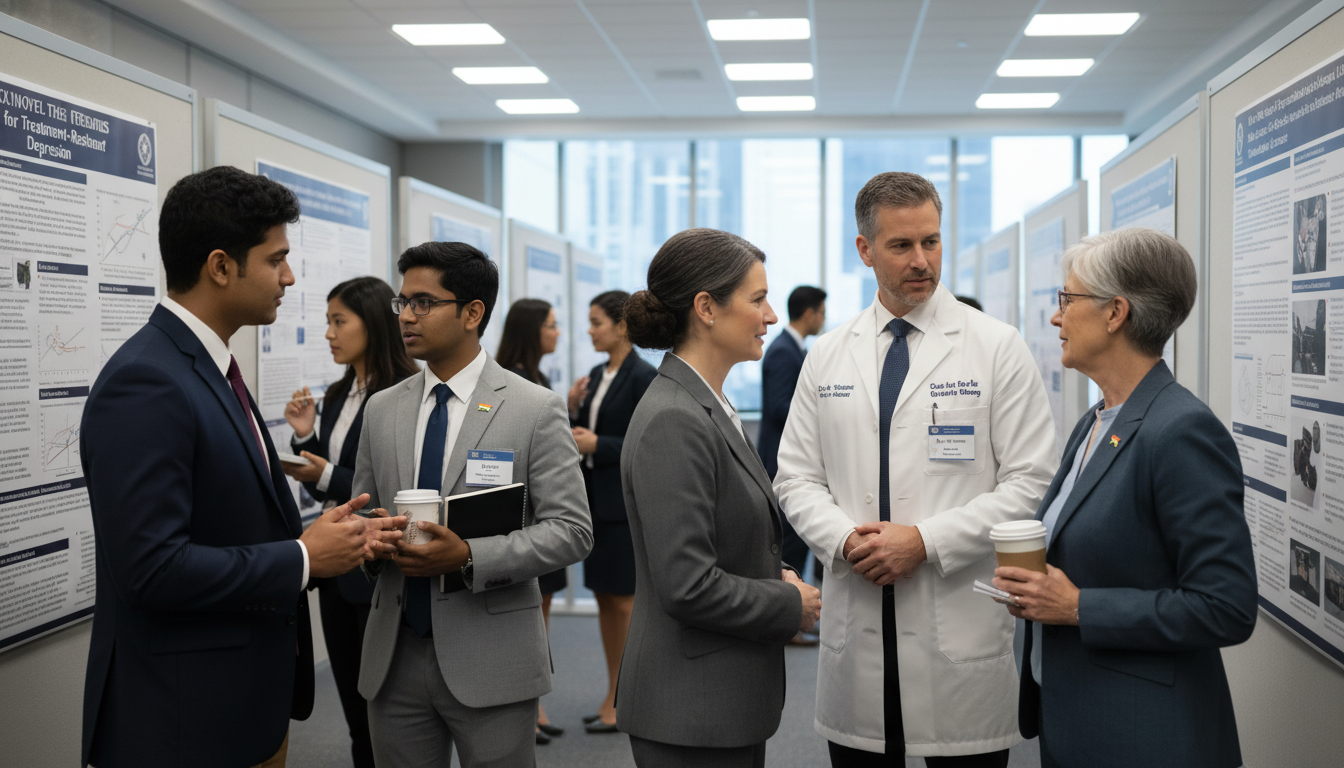
A single conversation is not mentorship. Mentorship medicine involves ongoing, bidirectional professional relationships where you receive guidance, feedback, and sometimes advocacy.
Types of Mentors You Should Seek as a Med-Psych–Interested IMG
Career Mentors
- Help you clarify whether Med-Psych, categorical IM, or categorical psychiatry (or some sequence of them) best fits your goals.
- Discuss long-term plans (academic vs. clinical practice, integrated clinics, policy, etc.).
Research Mentors
- Guide you through projects, abstracts, or publications in overlapping domains:
- Mental health in chronic disease
- Somatic symptom disorders
- Substance use disorders in medically ill populations
- Collaborative care models
- Guide you through projects, abstracts, or publications in overlapping domains:
Process Mentors
- Often residents or early-career attendings.
- Advise on the mechanics of applying: ERAS strategy, personal statement focus, how many Med-Psych vs. categorical applications, etc.
IMG-Savvy Mentors
- Familiar with the nuances of being an American studying abroad.
- Can help you strategize around exams, visa (if relevant for non-US citizen co-learners), and perception issues.
How to Cultivate Mentorship Relationships
Start with advice, not favors
- Early interactions should focus on learning, not asking for letters or opportunities.
- Show that you value their experience and perspective.
Demonstrate reliability
- If you agree to send something by Friday, send it by Thursday.
- For research, return drafts promptly and respond to feedback.
Update consistently—but not excessively
- Every 3–6 months, send a brief update: rotations completed, exams passed, new projects, evolving interests.
- Around application season, update them on your application list and eventually your match results.
Be transparent about your IMG status and needs
- Share that you are a US citizen IMG and what that implies for your timeline and constraints.
- Many mentors will be candid about how to best present yourself, including where your application might be strongest.
When and How to Ask for Letters of Recommendation
Letters often carry more weight when they come from mentors who:
- Know you well over time
- Have seen you clinically
- Understand and value Med-Psych or integrated care
When asking:
- Provide ample lead time (at least 4–6 weeks).
- Offer your CV, personal statement draft, and a concise list of key points you hope they might highlight (e.g., “interest in complex medically and psychiatrically ill patients,” “reliability,” “growth over the rotation”).
- Clarify that you are applying to medicine psychiatry combined and/or categorical programs, and how their letter fits that narrative.
Overcoming Common Challenges for US Citizen IMGs in Med-Psych Networking
US citizen IMGs face some recurring obstacles in medical networking, especially within niche specialties. Anticipating these challenges can help you respond proactively.
Challenge 1: Distance from US Academic Centers
If you’re in the Caribbean or elsewhere, you may feel cut off from academic conversations.
Strategies:
- Attend at least one major US conference (APA, ACP, or ACLP) before applying.
- Maximize virtual options: webinars, online grand rounds, virtual mentorship programs.
- Seek remote research opportunities—data analysis, literature reviews, or manuscript drafting that can be done from abroad.
Challenge 2: Uncertainty About How You’ll Be Perceived
You may worry that “US citizen IMG” is all people will see.
Strategies:
- Prepare a concise narrative: why you chose your medical school, what you’ve gained from it, and how it supports your interest in Med-Psych.
- Highlight specific strengths: bilingual ability, work with underserved populations, resilience from adapting to a new system.
- Use networking to show your professionalism and maturity beyond exam scores.
Challenge 3: Fear of “Bothering” Busy Faculty
Many US citizen IMG students hesitate to reach out, worried they are an imposition.
Strategies:
- Remember: many in Med-Psych are drawn to mentoring holistic, intellectually curious students.
- Keep messages brief and respectful of time.
- If someone doesn’t respond, don’t take it personally—people are busy. Follow up once after 2–3 weeks, then move on if no response.
Challenge 4: Limited Access to Local Mentors Who Understand Med-Psych
Your home institution may not have Med-Psych faculty or even strong integrated care infrastructure.
Strategies:
- Look to related fields: C-L psychiatry, primary care with behavioral health, addiction medicine.
- Use professional organization mentorship programs (e.g., APA, ACLP) that match students with mentors across institutions.
- Ask non–Med-Psych mentors to help you connect with their contacts at institutions that do have combined programs.
FAQs: Networking in Medicine for US Citizen IMGs Interested in Medicine-Psychiatry
1. As a US citizen IMG, is it realistic to match into a medicine psychiatry combined residency?
Yes, it is realistic, but competitive. Med-Psych programs are few and often small. Networking can significantly improve your odds by helping you:
- Understand which programs are IMG-friendly
- Tailor your experiences (research, electives, statements) to Med-Psych expectations
- Secure strong US-based letters from mentors who value integrated care
You should also consider parallel planning—applying to a mix of Med-Psych and categorical internal medicine and/or psychiatry programs, guided by mentors who know your profile.
2. What are the most important networking steps to take during my clinical years abroad?
For Americans studying abroad, high-yield steps include:
- Attending at least one relevant US conference (virtually or in person) and intentionally practicing conference networking.
- Securing at least one or two US-based clinical experiences (electives, sub-Is, or observerships), ideally in internal medicine and psychiatry.
- Finding at least one mentor in each domain: internal medicine, psychiatry, and (if possible) an integrated-care or Med-Psych–oriented faculty member.
- Participating in research or scholarly work that crosses medicine and psychiatry (case reports, QI projects, literature reviews, etc.).
3. How do I explain my interest in Med-Psych without sounding unfocused or indecisive?
Frame your interest around a clear theme rather than “I like both specialties equally.” For example:
- “I’m interested in caring for patients with severe mental illness and complex medical comorbidities.”
- “I’m drawn to integrated care models that address both chronic disease and mental health.”
- “I want to work at the interface of medical and psychiatric hospitalization, especially for patients with overlapping conditions like substance use and liver disease.”
Then show how your clinical, research, and extracurricular experiences align with that theme. This makes your medicine psychiatry combined interest appear intentional and coherent.
4. What if I don’t find a Med-Psych mentor—can I still build a strong network?
Yes. While a Med-Psych–specific mentor is ideal, you can still build a powerful network with:
- Internal medicine mentors who understand your interest in behavioral health or complex multimorbidity
- Psychiatry mentors who work closely with medically ill populations (e.g., C-L, psychosomatic medicine, neuropsychiatry)
- Research mentors in integrated care, population health, or addiction medicine
These mentors can provide meaningful guidance and strong letters. They can also often connect you to Med-Psych faculty at other institutions through their own networks.
Networking in medicine for a US citizen IMG aiming for Medicine-Psychiatry is not about “being connected” in a superficial sense. It is about consistently showing up—in email inboxes, at conferences, in clinical rotations—as a thoughtful, reliable, and genuinely curious future physician who sees the whole patient, medical and psychiatric together.
If you combine that mindset with deliberate outreach, strategic conference networking, and sustained mentorship medicine, you can transform distance into connection—and build a career at the unique intersection of internal medicine and psychiatry.