Why Networking Matters So Much in Neurosurgery
Neurosurgery is one of the most competitive, high-stakes specialties in medicine. It demands not only excellent board scores, strong research, and technical skills, but also meaningful professional relationships. In this context, networking in medicine isn’t superficial socializing; it’s strategic relationship-building that can profoundly shape your path from MS1 to practicing neurosurgeon.
For neurosurgery specifically, robust networking affects:
- Residency match outcomes – Especially in such a small field, program directors often know each other and share impressions of students and applicants.
- Research opportunities – Large, multi-center neurosurgical projects often circulate within small, interconnected circles.
- Sub-internship (away rotation) access – Strong mentorship in medicine helps you secure high-yield rotations where your performance can make or break your application.
- Career development – Fellowships, early faculty positions, and leadership roles frequently arise from trusted professional connections.
Because neurosurgery residency and brain surgery residency programs are relatively small and tight-knit, who can vouch for you sometimes matters almost as much as what you’ve done. Done well, networking is about creating genuine, bidirectional relationships based on shared goals, respect, and contribution—not transactional favors.
This guide will walk you through how to build and sustain those relationships at every stage: medical school, neurosurgery residency, and early career, with a focus on conferences, digital networking, and mentorship.
Foundations of Networking in Neurosurgery
Before diving into conferences and emails, you need a clear mindset and strategy for networking in medicine within neurosurgery.
Understand the Culture of Neurosurgery
Neurosurgery is:
- Small and interconnected – Most academic neurosurgeons know each other or are one degree removed.
- Hierarchical but collaborative – Titles and training level matter, but good ideas and professionalism are valued at every stage.
- Longitudinal – You may interact with the same people for decades across different roles (student → resident → fellow → faculty).
Implication: Your reputation travels fast and far. Every interaction—email, case conference comment, conference question—contributes to your professional identity.
Distinguish Real Networking from “Schmoozing”
Real networking in medicine, especially in neurosurgery, is about:
- Learning – From others’ experience, clinical perspectives, and career paths.
- Contributing – Through hard work on projects, thoughtful questions, and helping peers.
- Consistency – Showing up repeatedly and reliably over time.
Red flags you want to avoid:
- Only reaching out when you need a letter or favor.
- Name-dropping without having done real work with that person.
- Treating interactions as transactions, not relationships.
A simple rule: if you can clearly state how you hope to learn from someone and how you might contribute to their work, you are likely networking in a healthy way.
Map Your Neurosurgery “Network Ecosystem”
Think of your neurosurgery network in layers:
Inner circle – People who know you well and can speak to your character and work ethic
- Home neurosurgery attendings
- Research mentors
- Chief residents and senior residents you’ve worked with closely
Middle circle – People who know you through specific projects or interactions
- Collaborators on multi-center studies
- Faculty from away rotations
- Attendings you meet at conferences and follow up with
Outer circle – People who know of you or have had brief, positive interactions
- Faculty from virtual events or interest groups
- Neurosurgeons you interact with via social media, webinars, or professional societies
- Residents at other programs you met during sub-internships or conferences
Your goal over time: move people gradually from the outer circle inward, through repeated, positive, and substantive interactions.

Networking as a Medical Student Interested in Neurosurgery
If you’re aiming for neurosurgery residency or brain surgery residency, your networking efforts should begin early, ideally in the first two years of medical school. At this stage, your goals are to learn the field, signal serious interest, and embed yourself in neurosurgery’s academic and clinical communities.
Start at Home: Your Institution’s Neurosurgery Department
Your home department is the most important starting point.
Action steps:
Identify key people
- Clerkship or student director in neurosurgery
- Residency program director
- A few research-active attendings
- Chief resident or academic-minded senior resident
Send a professional introductory email (even as MS1/MS2)
- Briefly introduce your background and interest.
- State that you’re exploring neurosurgery and would value advice.
- Ask if there is a recommended point-person for students.
Example (condensed) email structure:
- Who you are (name, year, school)
- Why you’re writing (interest in neurosurgery, hoping to get involved)
- 1–2 specific questions (e.g., recommended reading, student opportunities)
- Appreciation and a low-pressure ask (e.g., “If you have 15 minutes for a brief conversation in the coming weeks, I’d be grateful.”)
Set up a brief meeting (virtual or in-person)
- Prepare 4–5 targeted questions (about training, research, early preparation).
- Ask about how students typically get involved in projects.
- Take notes and follow up with a thank-you email and 1–2 specific steps you’ll take.
Consistency matters more than early brilliance. If you demonstrate reliability and follow through on small tasks, you’ll quickly become someone your department wants to invest in.
Engage in Research Strategically
Research is a prime vehicle for networking in neurosurgery.
Tips to maximize both research and relationships:
- Start with one committed project rather than scattering across many superficial ones.
- Clarify expectations early: timeline, your role, authorship possibilities, and planned conferences/journals.
- Communicate regularly: brief progress updates (e.g., every 2–4 weeks) show maturity and reliability.
- Ask to present whenever possible:
- At lab meetings
- Departmental conferences
- Institutional research days
Presenting puts you on the radar of more faculty and residents. It also gives people a reason to remember you beyond an email.
Use Student Interest Groups and Local Events
If your school has a Neurosurgery Interest Group:
- Volunteer for officer roles or commit to one clear responsibility, such as:
- Organizing a resident Q&A panel
- Coordinating a suturing or cranial drilling workshop
- Leading a journal club
- Invite neurosurgery attendings or residents to speak and then:
- Introduce yourself briefly before or after events
- Send a short thank-you email and mention one thing you learned
- Ask whether you may contact them in the future with questions
These small but repeated interactions gradually transform faculty from strangers into colleagues who recognize your name and face.
Building Bridges Beyond Your Home Institution
If your home neurosurgery presence is small—or even absent—you can and should network externally:
- Regional and national neurosurgery societies often have student sections or mentorship programs.
- Virtual grand rounds, webinars, and online journal clubs can substitute for local exposure.
- Seek out multi-institutional research collaboratives (e.g., large database projects, systematic reviews) where most work is done remotely.
In each case, treat deadlines and communication with the same professionalism you’d use if you were in that faculty member’s clinic every day. Reputation is transportable.
Mastering Conference Networking in Neurosurgery
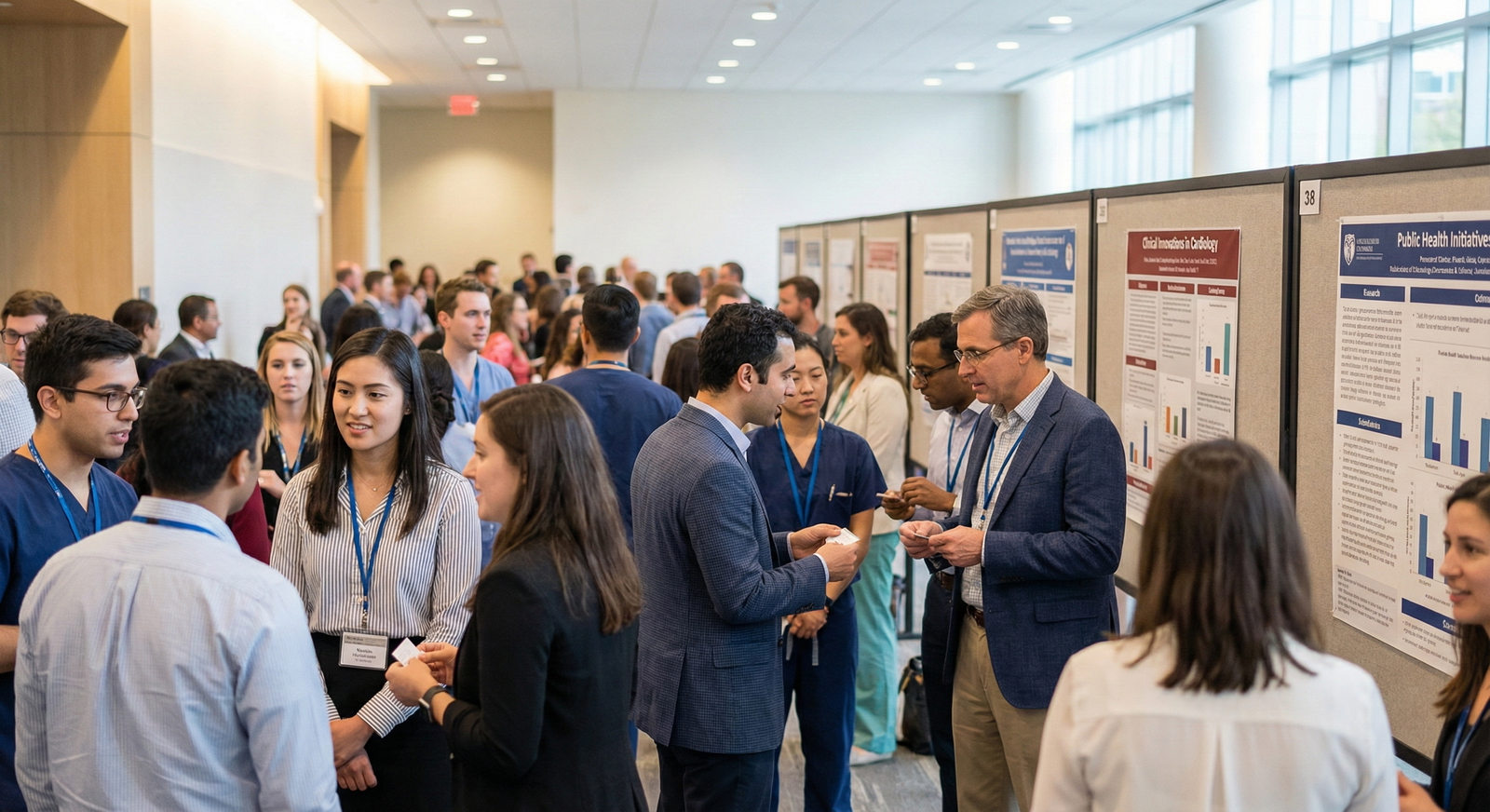
Conference networking is one of the most powerful ways to build meaningful connections, both before and during neurosurgery residency. Because the field is small, well-placed conference encounters can accelerate your visibility.
This “conference networking” section applies to both students and residents.
Choosing the Right Conferences
For those interested in neurosurgery residency or brain surgery residency, high-yield options include:
- Major national meetings (e.g., AANS, CNS, or similar depending on your country)
- Subspecialty meetings (spine, functional, vascular, pediatrics)
- Regional neurosurgical society meetings
- Institutional or multi-institutional symposia
Early in training, you don’t need to attend every meeting. Prioritize:
- Meetings where you are presenting (poster or oral).
- Meetings with student/resident-focused programming (mentoring sessions, CV workshops).
- Conferences aligned with your research focus (e.g., tumor, spine, vascular).
Pre-Conference Preparation: The 2–3 Week Rule
Prepare for conference networking 2–3 weeks in advance:
Study the program
- Identify sessions and speakers related to your interests.
- Note neurosurgeons from programs you’re considering for residency or fellowship.
Send 3–5 targeted pre-conference emails
Focus on:- Faculty whose research you’ve read
- Potential future mentors or collaborators
- Program directors at institutions you’re strongly considering
Keep emails:
- Brief and respectful of their time
- Specific (reference a paper, talk, or area of interest)
- Clear about your ask (e.g., “If you have 10–15 minutes for a quick conversation between sessions, I’d be grateful.”)
Prepare your “professional pitch”
A 20–30 second self-introduction:- Who you are (name, level, institution)
- Major interests (e.g., “interested in vascular and skull base neurosurgery and outcomes research”)
- Why you’re at the meeting (e.g., “I’m presenting a poster on X and learning more about Y”)
Practice this out loud so it feels natural, not robotic.
Behaving Strategically During the Conference
Once at the conference, your goals are to learn, be visible, and build a foundation for follow-up.
Practical tips:
Wear your name badge high and visible; people do glance at it to anchor names.
Attend key sessions even if you’re tired—particularly:
- Sessions where your target mentors are speaking
- Student/resident networking events
- Program director or residency-focused panels
Ask thoughtful questions after talks:
- Keep them concise and content-focused.
- Introduce yourself briefly at the microphone (“I’m an MS3 from X…”).
- Afterward, approach the speaker for a brief follow-up and potential future email.
Work the poster sessions:
- Stand by your poster, prepared with a 60-second summary and a more detailed explanation.
- Greet people who stop with a smile and introduction.
- If someone spends time discussing your work, ask if you may email them for feedback or further guidance.
Utilize informal spaces:
- Coffee breaks, exhibit halls, and hotel lobbies often host the most candid conversations.
- You don’t have to “pitch” yourself every moment; often, authentic small talk leads to real connections.
Following Up After the Conference
Conference networking only becomes real networking when you follow up.
Within 3–7 days:
Send individualized follow-up emails:
- Remind them how you met (session/poster/coffee break).
- Mention 1–2 specific points you appreciated.
- If appropriate, include a low-burden “next step”:
- Asking for a recommended reading list
- Offering to help with a specific project they mentioned
- Inquiring about opportunities for visiting student rotations (if relevant and not premature)
Connect on professional platforms (e.g., LinkedIn, X/Twitter, or professional society apps) if they use them. When you send connection requests:
- Add a short note referencing your meeting.
- Avoid immediate requests for recommendations or letters.
Over months and years, liking their posts, occasionally commenting thoughtfully on their work, and sharing updates about your progress keeps the relationship alive without feeling forced.

Mentorship in Medicine: Building a Neurosurgery Support System
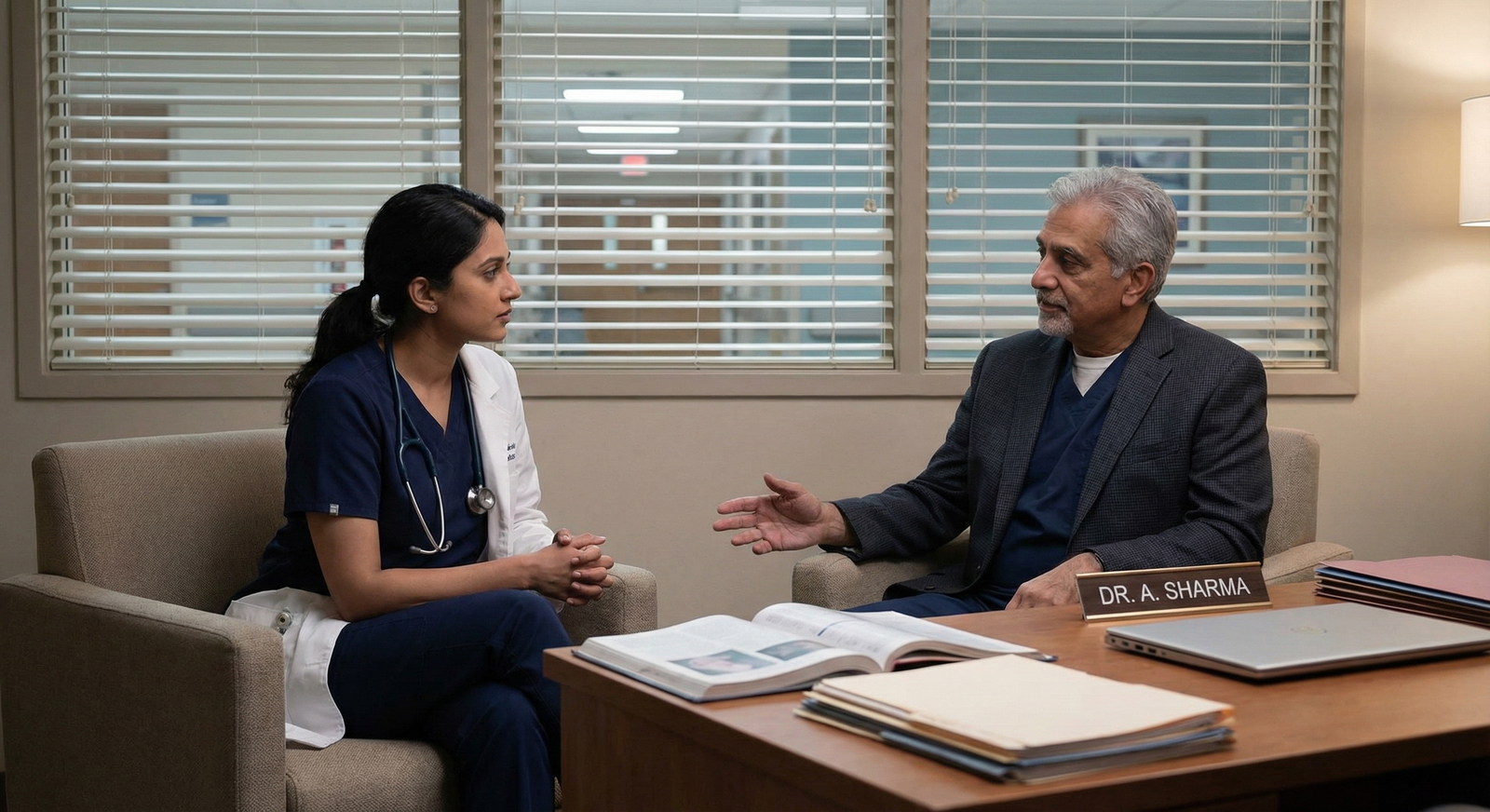
Mentorship medicine is the backbone of networking in high-intensity specialties like neurosurgery. Your mentors help you navigate clinical skills, research strategy, and personal well-being.
Types of Mentors You Need in Neurosurgery
Clinical Mentors
- Attendings or senior residents you scrub with or see patients with.
- Help you understand operative decision-making, perioperative care, and clinic workflow.
- Provide guidance on what makes an effective neurosurgery resident.
Academic/Research Mentors
- Lead your major research projects.
- Teach you how to frame scientific questions, analyze data, write manuscripts.
- Help you secure conference presentations and publications.
Career Mentors
- Often attendings who understand the broader landscape of neurosurgery.
- Help with residency program selection, away rotation strategy, and match plan.
- Guide long-term decisions: subspecialties, fellowships, early faculty roles.
Near-Peer Mentors
- Residents or fellows 1–5 years ahead of you.
- Offer advice that is immediately practical for your stage (e.g., Step exam strategy, sub-I performance).
You may have overlapping mentors who fill multiple roles, but having diversity in your mentorship network protects you from dependency on a single relationship.
How to Approach and Maintain Mentorship Relationships
Initiate respectfully:
- Start with one short meeting or call.
- Be prepared with concise questions and a clear sense of what you hope to learn.
- Show that you’ve already done some homework (e.g., read their recent paper).
Demonstrate value:
- Follow through on every task they assign you—on time, or early.
- Communicate proactively if timelines change.
- Offer help: data entry, literature review, building slides, etc.
Protect their time:
- Batch your questions.
- Send agenda-style emails for scheduled meetings.
- Limit meetings to the agreed duration unless they indicate otherwise.
Be transparent:
- If you’re applying broadly or considering multiple subspecialties, be honest.
- Good mentors prefer transparency over surprise decisions.
Mentorship is not a one-way street. As you progress, you can support your mentors’ work and, in turn, become a mentor to those behind you.
When Mentorship Is Lacking or Mismatched
Sometimes:
- Your mentor is too busy.
- Your interests diverge.
- The communication style is misaligned.
If so:
- Reassess what you need: clinical, research, or career guidance?
- Seek additional mentors rather than abruptly cutting ties.
- Maintain politeness and gratitude; neurosurgery is small, and word travels.
Over time, you’ll assemble a support team rather than relying on a single “perfect mentor.”
Networking During Neurosurgery Residency and Beyond
Once you match into neurosurgery residency, networking in medicine doesn’t stop; it evolves. Now, you’re a colleague-in-training, and your network will influence your fellowships, research collaborations, and early attending career.
Within Your Neurosurgery Program
Your most immediate network is inside your own department:
- Program leadership (PD, chair, vice-chair) – key for long-term advocacy and recommendation letters.
- Subspecialty faculty – seed your eventual fellowships and multi-center work.
- Co-residents and fellows – your future collaborators and sometimes co-faculty.
Practical approaches:
- Volunteer for departmental initiatives (QI projects, education committees).
- Present regularly at M&M, journal clubs, and case conferences.
- Offer help to co-residents who are leading multi-institutional trials or registries.
Remember: your co-residents are not just colleagues; they’re your future reference network.
External Networking as a Resident
As a neurosurgery resident, your external networking goals include:
- Identifying fellowship mentors (e.g., skull base, spine, pediatric, vascular).
- Joining collaborative groups (clinical trials networks, database studies).
- Developing a recognizable academic “brand” (e.g., outcomes in spinal deformity, neuro-oncology biomarkers).
Strategies:
- Present at major neurosurgery meetings almost every year.
- Lead or co-lead multi-institutional studies when possible.
- Accept invitations to sit on resident committees or working groups within neurosurgical societies.
Using Digital Tools and Social Media Wisely
Online presence is now part of medical networking:
Professional platforms (LinkedIn, X/Twitter, society apps) can be used to:
- Share your research publications.
- Comment thoughtfully on new studies or guidelines.
- Follow thought leaders in areas you care about.
Caution:
- Avoid sharing patient identifiers or sensitive clinical content.
- Stay away from unprofessional arguments or disparaging remarks.
- Maintain the same professionalism you would at a national meeting.
Used well, your digital presence helps people recognize your name when they later see your CV, paper, or fellowship application.
Common Pitfalls and How to Avoid Them
Networking mistakes can damage your reputation—especially in a small field like neurosurgery.
Being Overly Aggressive or Transactional
Avoid:
- Pushing for letters of recommendation after a brief interaction.
- Emailing repeatedly without allowing time for a response.
- Leading every conversation with what you want from the other person.
Instead:
- Focus on building rapport: ask about their path, their work, and their advice.
- Offer to help before asking for favors.
- Let letters and opportunities arise from sustained collaboration.
Poor Follow-Through
Not delivering on what you promised is a fast way to close doors.
Mitigate this by:
- Accepting only the number of projects you can realistically manage.
- Communicating early if something will be delayed or needs to be adjusted.
- Keeping a tracking system for deadlines, authorship expectations, and responsibilities.
Neglecting Professional Boundaries
Remember:
- You are not friends first—you are trainees and professionals.
- Avoid oversharing personal issues in early stages of a mentorship.
- Be mindful of alcohol use and social behaviors at conference events; people remember.
Maintaining professionalism builds trust and long-term credibility.
FAQs: Networking in Medicine for Aspiring Neurosurgeons
1. Do I need a “big name” neurosurgeon to match into neurosurgery residency?
No. While letters from well-known neurosurgeons can help, content and credibility of the letter matter more than fame. A detailed, enthusiastic letter from someone who knows you well—at a smaller or less famous program—often carries more weight than a generic letter from a big name. What matters most is that your recommenders can describe your work ethic, integrity, and performance in detail.
2. How many conferences should I attend as a medical student interested in brain surgery residency?
Quality matters more than quantity. For many students, 1–2 major conferences plus 1 regional or institutional meeting during clinical years is reasonable, especially if you are presenting. Prioritize conferences:
- Where you have accepted abstracts
- With strong student or resident programming
- That align with your research focus or target programs
3. How early should I start networking if I’m considering neurosurgery?
Ideally, start in MS1 or early MS2 by:
- Attending your neurosurgery interest group events
- Meeting your home neurosurgery student director or a resident mentor
- Exploring a small research or shadowing experience
If you decide later (MS3), it’s still workable but requires more structured, intentional effort—particularly through intense engagement in sub-internships and targeted research.
4. What if my school doesn’t have a neurosurgery department? Can I still be competitive?
Yes—but you must be proactive. Strategies include:
- Reaching out to nearby institutions with neurosurgery departments for research or shadowing
- Attending national neurosurgical conferences and virtual grand rounds
- Participating in multi-institutional neurosurgery research collaboratives
- Securing strong mentorship in related fields (neurology, orthopedic spine) while steadily building neurosurgery-specific exposure externally
Programs understand structural limitations. They look for evidence that, within your context, you sought out opportunities and built relationships responsibly and consistently.
Deliberate, ethical networking in medicine—rooted in curiosity, contribution, and consistency—can transform your neurosurgery journey. Whether you’re just discovering the field or already immersed in neurosurgery residency, thoughtful connections will amplify your opportunities, deepen your learning, and sustain you through a demanding but extraordinarily rewarding career.