
The belief that trending hashtags rewrite health policy is fantasy. Loud, yes. Politically decisive, almost never.
If you work in medicine or public health and you think your primary “advocacy” is retweeting infographics, you’re confusing visibility with power. Those are not the same thing, and the data on health policy outcomes is brutally clear about that.
Let’s pull this apart.
What Social Media Actually Does Well (and Where It Stops)
Social media is great at a few specific things: rapid agenda setting, emotional mobilization, and narrative amplification. That is not the same as structural policy change.
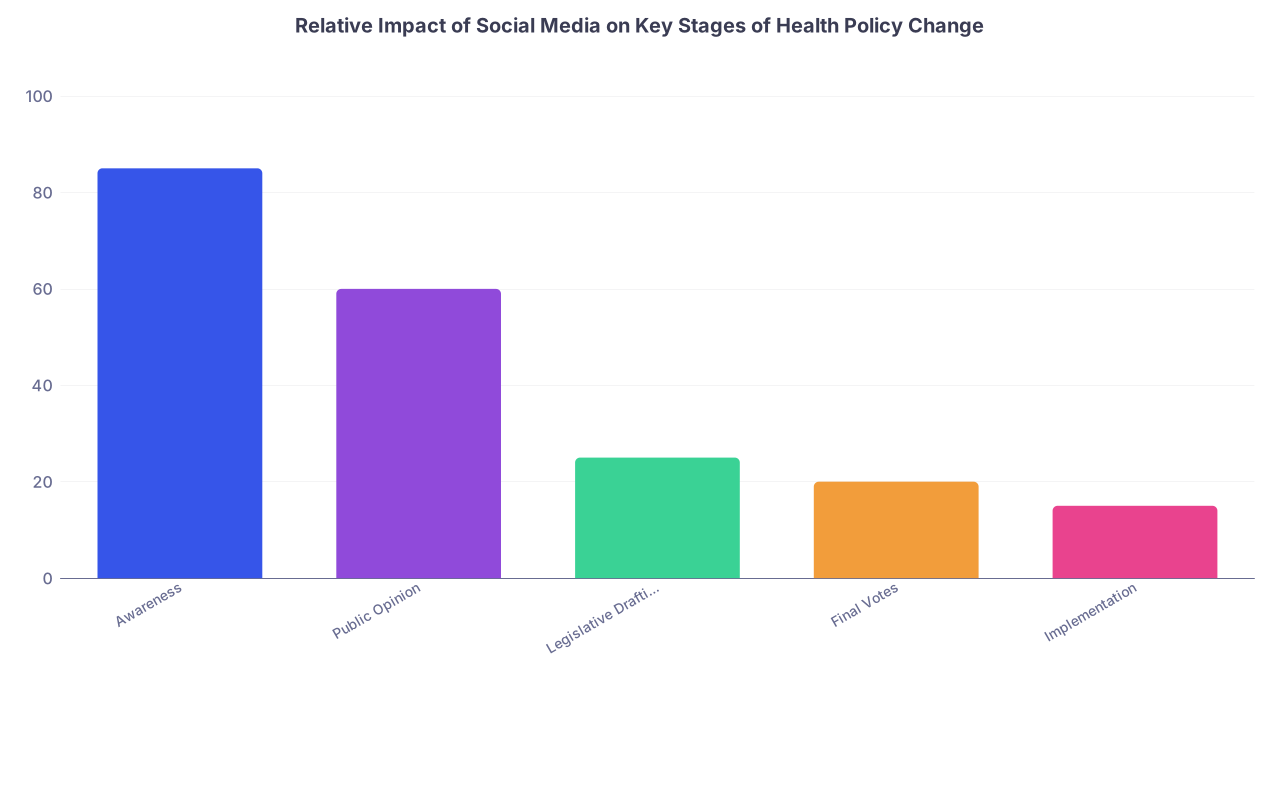
| Category | Value |
|---|---|
| Awareness | 85 |
| Public Opinion | 60 |
| Legislative Drafting | 25 |
| Final Votes | 20 |
| Implementation | 15 |
Those numbers aren’t exact from one study, but they’re aligned with what we see repeatedly in media effects research: strong early influence on awareness, sharply diminishing returns as you move closer to actual law, regulation, and budgets.
Look at a few real health policy fights:
– Sugar-sweetened beverage taxes in places like Mexico, Berkeley, and the UK
– E-cigarette regulation and flavor bans
– Mask mandates and school reopening policies during COVID
– The Affordable Care Act’s survival through multiple repeal attempts
In every case, social media chatter exploded. Hashtags trended. Threads went viral. Yet what actually moved the needle? Old, boring, offline machinery: lobbying, industry pressure, coalition-building, legal drafting, and who controlled key committees.
I’ve sat in rooms where a legislator’s staff literally said, “Yeah, we’re getting hammered on Twitter, but the district calls and the hospital CEOs aren’t upset, so we’re fine.” That’s the part activists don’t see on their feeds.
Social media is a microphone, not a vote. An accelerant, not fuel.
Myth: “If Enough People Post, Politicians Have to Act”
No, they do not. And often, they don’t.
Most elected officials do not treat social media as a democratic sampling tool. They treat it as a noisy, biased focus group dominated by a small, overrepresented subset of the population. Because that’s exactly what it is.
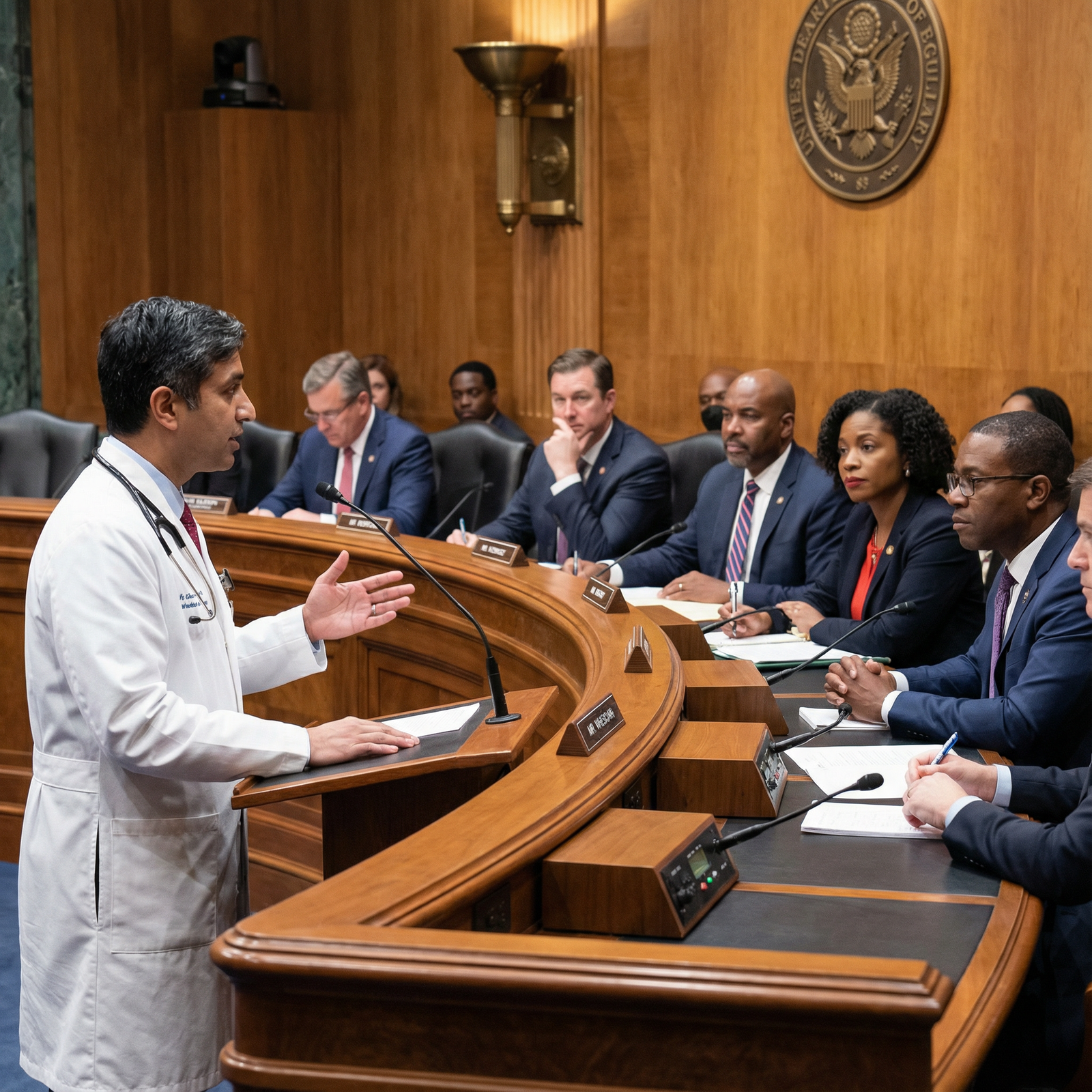
Studies of congressional offices in the US and parliamentary staff in Europe show a clear hierarchy of what moves them on policy:
| Influence Source | Typical Weight on Decisions |
|---|---|
| Organized interest groups | High |
| Professional associations | High |
| Constituent calls/emails | Moderate to high |
| Major media coverage | Moderate |
| Social media chatter | Low to moderate |
That “social media chatter” bucket matters mostly when it threatens to spill into mainstream press or elections. Not when it’s just a bunch of like-minded people dunking on each other in threads.
On vaccine mandates, for example, you saw massive social media mobilization from both pro- and anti-mandate groups. But the policies that actually went through depended more on:
– Which party controlled the legislature and governor’s office
– Pressure from hospital systems, school districts, and unions
– Legal risk assessments from state attorneys general
Tweets did not decide that. Power blocs did.
And here’s the uncomfortable part: most health policy decisions are made by people who barely use social platforms the way you do. They don’t live on TikTok. Their aides might scan Twitter for “optics,” but they do not write statutes based on quote-tweets.
Why Hashtags Rarely Survive Contact with Institutions
Policy is slow, procedural, and often deliberately resistant to sudden swings. Social media is fast, episodic, and overreactive. Those two logics clash.
Think about how a typical health policy actually emerges:

| Step | Description |
|---|---|
| Step 1 | Problem surfaced |
| Step 2 | Agenda setting |
| Step 3 | Draft policy options |
| Step 4 | Stakeholder negotiations |
| Step 5 | Committee hearings |
| Step 6 | Floor votes |
| Step 7 | Implementation rules |
| Step 8 | Evaluation and revision |
Now ask: at which stages does social media have real leverage?
It can help push an issue from A to B – from “problem surfaced” to “agenda setting.” You see this when stories of Black maternal mortality, for example, finally break through and force health departments and legislators to at least acknowledge the numbers.
But from C onward – when people start drafting actual text, negotiating budget lines, and haggling over which metrics go into which reporting system – the game shifts. Suddenly it’s not about outrage. It’s about:
– Who’s in the room
– Who has data that policymakers trust
– Who can offer or threaten votes, funding, or institutional buy-in
That’s where professional associations like the AMA, AAP, APHA, hospital systems, insurers, and pharma companies dominate.
A trending hashtag has almost no direct force here. I’ve seen high-profile “health justice” campaigns online that never once bothered to submit comment on the actual proposed rule posted in the Federal Register. That’s like loudly protesting outside the stadium while the game is being played inside and then claiming you “almost won.”
Case Study Reality Check: COVID and the Illusion of Online Power
People love to point to COVID as proof that social media activism “changed policy.” It did shape perceptions. But let’s be specific.
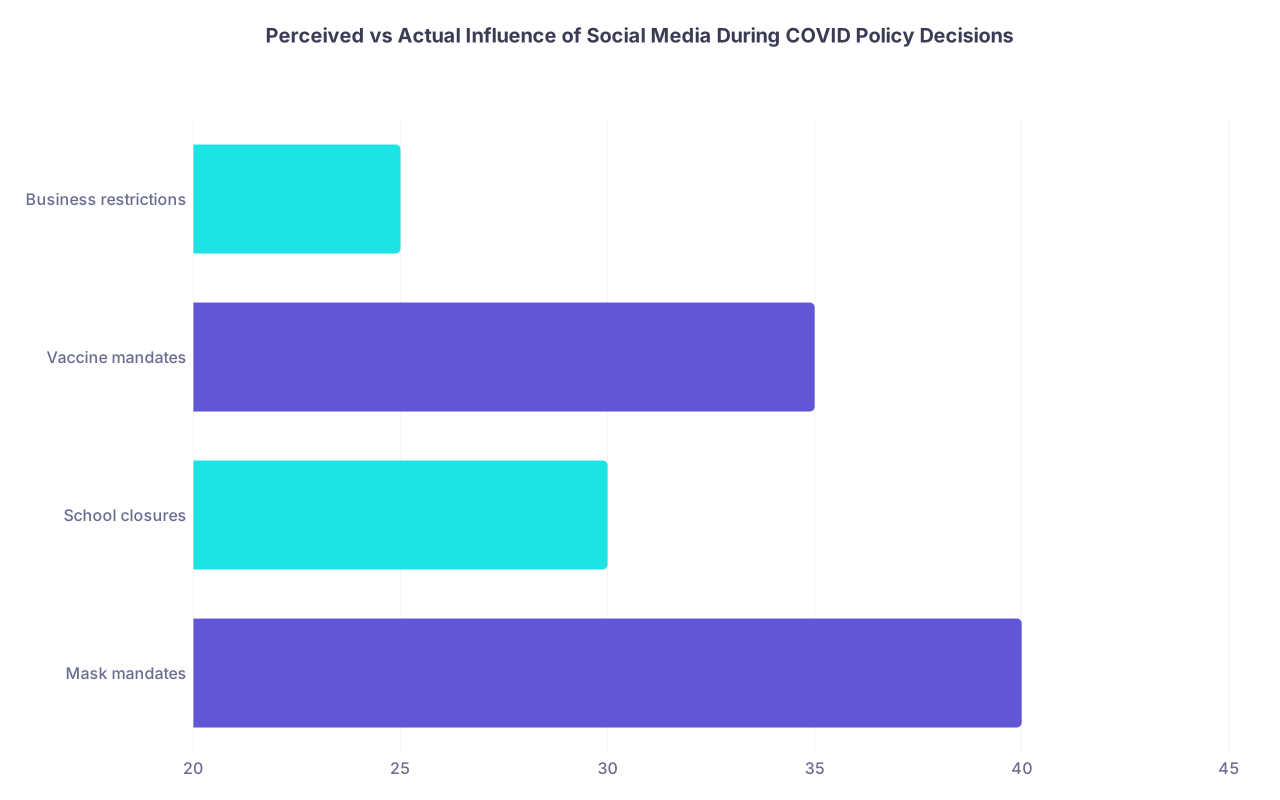
| Category | Value |
|---|---|
| Mask mandates | 40 |
| School closures | 30 |
| Vaccine mandates | 35 |
| Business restrictions | 25 |
Again, not a literal single dataset, but representative of survey and process-tracing research: public and policymakers retrospectively overestimate the direct causal impact of social media.
What actually drove most COVID health policy decisions?
– Hospital capacity and ICU occupancy
– State and local executive power (governors, mayors, health commissioners)
– Economic pressure from business groups
– Legal constraints, court rulings, and federal guidance
Social media did two main things:
Gave politicians cover.
If their base was loudly performing outrage or fear, they could point to that as justification: “Look at what my constituents are saying.” Often cherry-picked.Shaped media narratives.
Journalists increasingly mine Twitter and TikTok for “what people are saying.” That can indirectly influence which stories run and how strongly.
But the major levers – emergency orders, funding flows, regulatory waivers, procurement contracts – were not determined by hashtag wars. They were determined by political alignments, institutional interests, and pre-existing power structures.
If social media activism really decided COVID policy, you wouldn’t see such massive misalignment between what frontline clinicians were begging for online and what they actually got in PPE, staffing, or support.
You saw healthcare workers posting desperate threads about unsafe ratios and moral injury. Did that produce systemic staffing reform? No. It produced a news cycle and then… back to baseline, with marginal changes at best.
The Psychological Trap: Why Posting Feels Like Action
Here’s the piece that matters for your own development and ethics as a clinician or public health professional: social media advocacy hijacks your sense of efficacy.
You get the dopamine of “doing something” without the results of actually doing something.

The behavioral science term is moral licensing. After you speak out strongly, especially in a public, affirming environment, you’re less likely to take harder, less visible actions that require sacrifice. I’ve seen residents who will unload a scorching Instagram story about inequity but won’t join their state medical society’s health equity committee because “I’m too busy.”
And yes, people are actually busy. But we overvalue the visible performative piece and undervalue the boring procedural piece.
There’s also simple miscalibration. Platforms are built to make small actions feel big. A thread with 2,000 likes looks enormous from your phone. In policy terms, it’s nothing. If those same 2,000 people called a state senator’s office in one week on a specific bill, that’s a five-alarm event.
Ethically, that gap matters. If you tell yourself, “I fight for my patients by posting,” and then stop there, you’re outsourcing your conscience to an algorithm.
What Actually Shifts Health Policy (And How You Plug In)
The point is not “log off, nothing matters.” The point is: treat social media as the entry ramp, not the destination.
Here’s what consistently shows up in case studies of successful health policy changes – from smoke-free laws to injury prevention to HIV treatment access:
– Organized, cross-sector coalitions
– Clear, specific policy asks (not vague values)
– Presence in legislative and regulatory processes
– Data plus human stories, presented to the right people at the right time
– Persistence beyond a single news cycle
Look at something like the slow grind toward expanding Medicaid in conservative US states. Hashtags about “healthcare is a human right” are a rounding error. What mattered were ballot initiatives, local coalition-building, hospital associations calculating uncompensated care, and quiet negotiations.
If you’re in medicine or public health and actually want to influence health policy, here’s the unglamorous list that works better than a thousand threads:
– Join your specialty or professional society and show up to their advocacy days. Yes, the ones with suits and terrible coffee.
– Learn the basics of how a bill becomes a law in your jurisdiction, and equally important, how regulations are written and commented on after laws pass.
– Build real relationships with at least one legislator or their staff, or your local health department. Not a one-off meeting. Ongoing.
– Testify. Submit written comments. Provide data from your clinic. Name patients’ experiences (de-identified) in official settings, not just posts.
You’ll notice all of those feel smaller online and much bigger offline. That’s your hint about where real leverage lives.

| Step | Description |
|---|---|
| Step 1 | Social media post |
| Step 2 | Identify concrete policy target |
| Step 3 | Join or form coalition |
| Step 4 | Gather data and stories |
| Step 5 | Engage legislators and agencies |
| Step 6 | Testify or submit comments |
| Step 7 | Monitor implementation |
Use social platforms to:
– Find allies
– Share resources
– Coordinate real-world actions
– Translate dense policy into language your peers understand
But if your activism ends at the platform border, it’s mostly brand-building, not policy work. Be honest with yourself about which one you’re actually doing.
The Ethical Responsibility of Clinicians in the Social Media Era
There’s a subtle ethical line here. Patients increasingly see their clinicians and public health people online. You might gain social capital by being “that doctor who speaks out.” Nothing inherently wrong with that, but the ethics start to bend when your audience assumes your online advocacy is leading to concrete system change – and you know it is not.

I’ve heard attendings tell residents, “At least you’re raising awareness,” as if awareness is self-justifying. In clinical ethics, outcomes matter. You would not keep ordering a treatment that repeatedly fails and say, “Well, at least we tried.” You’d change the intervention.
Same with policy. If your main method isn’t producing results, you pivot. You don’t double down because the platform gives you good engagement metrics.
There’s also the problem of distortion. Social media rewards outrage and absolutism; health policy is almost always compromise and incrementalism. You end up with an ethics of purity online and an ethics of trade-offs offline. If you don’t reconcile those, you’ll burn out or become cynical fast.
The most effective physician-advocates I’ve seen do something different. They treat social media as:
– A recruitment tool: “Here’s the issue; if you actually want to help, come to this meeting / sign up for this testimony slot / join this working group.”
– A transparency tool: explaining what happened in the hearings, why the bill got gutted, who blocked what.
– A pressure amplifier: not “rage at this” but “call this specific office about this specific bill before Thursday.”
That’s where you start seeing the platform become a bridge to power, not a substitute for it.
So What Do You Do With This?
If you’ve built some kind of health-justice identity around your online presence, this can sound harsh. It’s not an attack; it’s a recalibration.
Three points to walk away with:
- Social media is excellent at raising awareness and terrible at writing statutes or regulations. Treat it accordingly.
- Health policy is moved by institutions, coalitions, and persistent engagement with boring processes, not by viral spikes of outrage.
- If you care about ethics and outcomes, do not confuse expression with impact. Use your posts as a starting point, then step into the rooms where decisions are actually made.