Understanding the Role of Research in Addiction Medicine Fellowship Applications
Addiction medicine is rapidly evolving, heavily driven by advances in neuroscience, pharmacology, implementation science, and public health. For applicants, a strong research profile can substantially enhance competitiveness for an addiction medicine fellowship, even if it is not always a formal requirement.
In addiction medicine, research experience signals:
- Ability to think critically about evidence and guidelines
- Familiarity with harm reduction and public health frameworks
- Comfort with complex, often stigmatized patient populations
- Commitment to scholarly inquiry and lifelong learning
While clinical skills and letters of recommendation often carry the most weight, a focused research profile can:
- Differentiate you in a competitive applicant pool
- Support your narrative (e.g., interest in opioid use disorder, justice-involved populations, adolescent substance use, etc.)
- Open doors to mentorship and networking
- Position you for academic or leadership roles after fellowship
Many applicants are unsure how to build a research trajectory that is realistic during residency yet compelling to fellowship selection committees. This guide breaks down how to strategically build, document, and communicate your research experiences to support an addiction medicine fellowship application.
What Fellowship Programs Look For in a Research Profile
1. Depth over sheer volume
Programs want to see a coherent story, not random check-box projects. You do not need a long list of publications for match success. What matters more is evidence that you:
- Played meaningful roles (not just a name in the middle of a 30-author paper)
- Followed projects through multiple stages
- Learned from the process (methods, interpretation, dissemination)
A focused portfolio of 2–4 addiction-related projects is often more compelling than 10 unrelated, superficial entries.
2. Relevance to addiction medicine
Research does not have to be purely about “addiction” to be useful, but programs especially value:
- Substance use disorders (SUD) and co-occurring conditions
- Overdose prevention, harm reduction, and medication-assisted treatment
- Health services research (e.g., ED-initiated buprenorphine, collaborative care models)
- Stigma and discrimination in healthcare
- Justice-involved populations and diversion programs
- Implementation of screening/brief intervention/referral to treatment (SBIRT)
- Public health and policy around substance use
If your existing portfolio is mostly in other areas (e.g., cardiology, surgery), you can still be competitive, but it helps to articulate how the methods or skills translate to addiction medicine.
3. Evidence of scholarly growth
Selection committees want to see a trajectory:
- Early: case reports, QI projects, chart reviews
- Later: leadership on a project, data analysis, conference presentations, perhaps a first- or second-authored publication
You are not expected to be an independent investigator, but you should be progressing beyond basic data collection.
4. Realistic expectations: How many publications are needed?
Applicants often ask: how many publications needed to match in addiction medicine? There is no universal number. Many successful fellows have modest publication lists. Typical patterns:
Strongly research-oriented fellowship / academic track:
- 2–5 peer-reviewed publications helpful (not all in addiction medicine)
- Several national or regional presentations
- Clear involvement in study design or analysis
Clinically oriented fellowship:
- 0–2 publications may be entirely acceptable
- Well-executed QI projects, posters, or local presentations can be sufficient
- A clearly articulated interest and sustained involvement with addiction-related work matters more than volume
Focus on demonstrating curiosity, initiative, and follow-through rather than chasing an arbitrary number.

Core Components of a Strong Research Profile
1. Project types that fit into residency
Your time and bandwidth in residency are limited. The most realistic and high-yield options for substance abuse training and research include:
a. Retrospective chart reviews
Examples in addiction medicine:
- Outcomes of ED-initiated buprenorphine in your hospital
- Rates of naloxone co-prescribing for patients on chronic opioids
- Characteristics of inpatients with alcohol withdrawal requiring ICU transfer
Why they work:
- Feasible within 6–18 months
- Often exempt or expedited by IRB
- Can frequently lead to abstracts and manuscripts
b. Quality improvement (QI) projects
Examples:
- Increasing SUD screening on hospital admission
- Improving follow-up linkage to addiction clinics after discharge
- Implementing a standardized protocol for managing alcohol withdrawal
Even if not “research” in the strictest sense, QI demonstrates:
- Understanding of systems-based practice
- Comfort with data collection and analysis
- Real-world impact on patient care
Many QI projects can become conference posters and even publications.
c. Case reports and case series
In addiction medicine, interesting cases are common:
- Precipitated withdrawal after long-acting injectable naltrexone
- Unusual presentations of stimulant-induced psychosis
- Complex pain/addiction co-management scenarios
These require less time and can be good early-career entries into the literature.
d. Secondary analyses and database projects
Larger datasets (e.g., institutional data warehouse, state-level overdose data, national surveys) can be leveraged to study:
- Treatment utilization trends
- Disparities in access to medications for opioid use disorder (MOUD)
- Outcomes after policy changes or guideline rollouts
These projects often benefit from formal mentorship and/or a biostatistician, but can yield high-impact publications.
e. Educational scholarship
Examples:
- Designing an addiction medicine curriculum for interns
- Creating simulation cases for management of opioid withdrawal
- Evaluating a new training module on stigma reduction
Educational interventions, if systematically evaluated, can become peer-reviewed publications and show your commitment to teaching.
2. Skills that matter more than the topic
Regardless of project type, programs value applicants who have developed:
- Basic understanding of study design and bias
- Data management and simple statistical reasoning
- Proficiency in literature searching and critical appraisal
- Capacity to write clear abstracts and manuscripts
- Comfort presenting to peers and faculty
Even if your earlier work was in another field, emphasize transferable skills in your CV and interviews.
3. Roles that show true engagement
When documenting your work, clarify what you actually did:
- Conceptualized the research question
- Designed data collection instruments
- Extracted/analyzed data
- Wrote the first draft of the manuscript
- Presented the work at a conference
Fellowship directors can distinguish between “frontline” contributors and passive co-authors; being able to talk in detail about your work is crucial.
Step-by-Step Strategy to Build Your Addiction Medicine Research Profile
Step 1: Clarify your goals early
Ask yourself:
- Do I want a research-oriented addiction medicine career or primarily clinical practice?
- Am I most drawn to clinical trials, health services, implementation, education, or policy research?
- How much protected time does my residency realistically allow?
This helps you target the right mentors and projects.
Example:
An internal medicine resident with a heavy inpatient schedule might prioritize a single well-scoped chart review and a QI project, rather than attempting multiple underpowered studies.
Step 2: Find and evaluate mentors
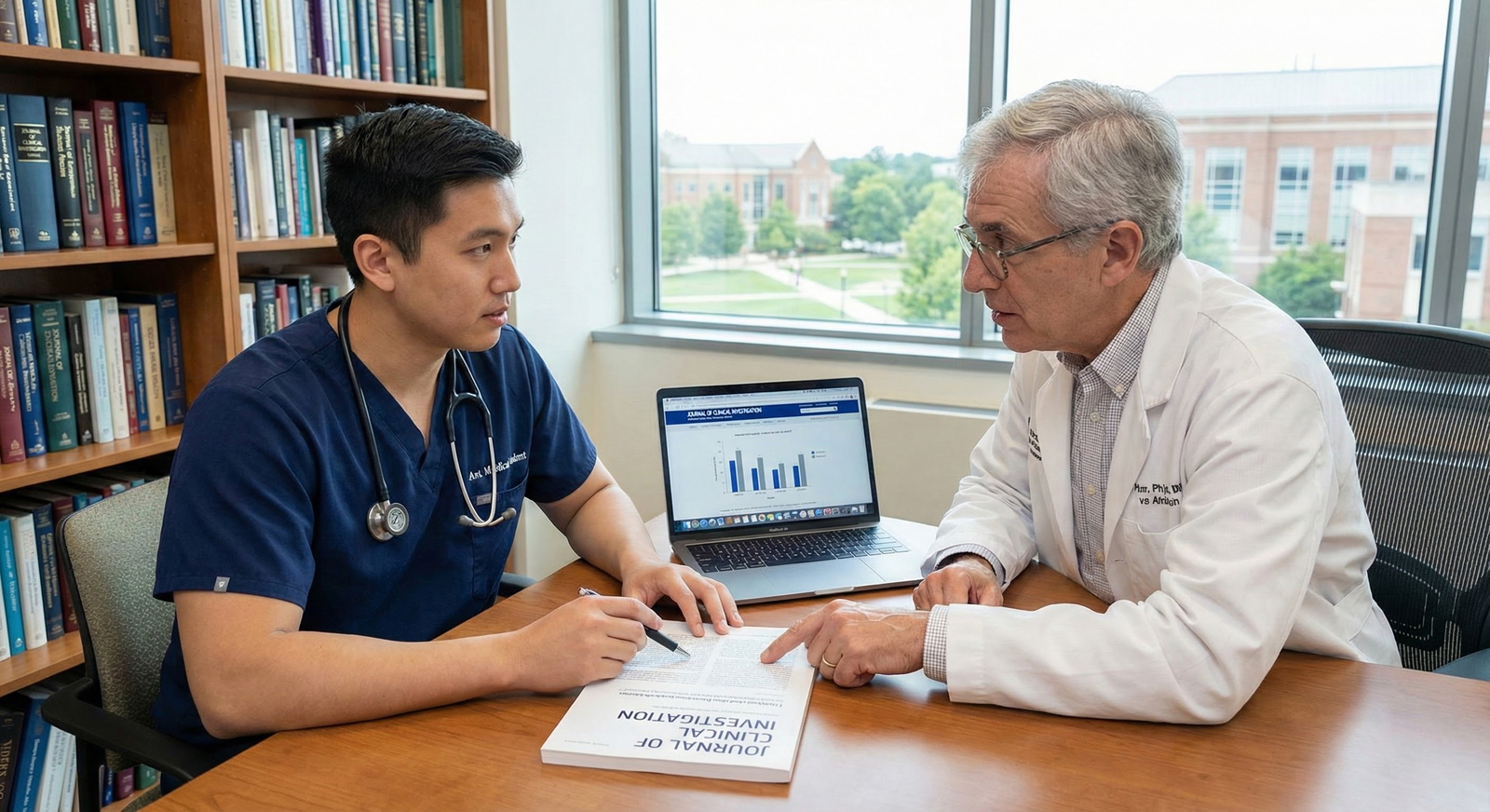
Strong mentorship is the single most important factor in successful research for residency and beyond.
Where to look:
- Addiction medicine faculty or consult service attendings
- Psychiatry or psychology faculty specializing in SUD
- Emergency medicine, family medicine, or hospitalist faculty with SUD-related projects
- Public health or epidemiology departments working on overdose or substance use policy
Signs of a good mentor:
- Active scholarly productivity (recent publications, grants, or ongoing studies)
- Track record of involving trainees in meaningful roles
- Realistic about timeframes and negotiates achievable goals
- Responsive communication and clear expectations
Ask potential mentors:
- “What roles have residents typically played on your projects?”
- “What timelines do you envision for this project?”
- “Do you anticipate conference submissions or manuscripts from this work?”
Step 3: Choose projects strategically
Given limited time, prioritize projects that:
- Are directly or peripherally related to addiction medicine
- Have a clear, time-bounded plan (e.g., 6–12 months for an abstract)
- Offer opportunities for authorship and presentations
- Match your current skill set with room to grow
Avoid spreading yourself too thin. Two well-chosen projects with demonstrable outputs are better than five unfinished ones.
Example portfolio over 3 years of residency:
- PGY1: Case report on severe benzodiazepine withdrawal → local poster
- PGY2: QI project on inpatient SUD screening → regional conference + manuscript under review
- PGY3: Retrospective study on ED buprenorphine initiation outcomes → national addiction conference + first-author paper
This trajectory shows increasing complexity and responsibility.
Step 4: Ensure feasibility and IRB compliance
Early in project planning:
- Discuss feasibility honestly (data availability, time, skills, competing rotations)
- Clarify authorship expectations with your mentor
- Determine whether IRB approval is needed (QI vs. research)
- Build in checkpoints (e.g., 3- and 6-month milestones)
Being realistic avoids abandoned projects that never appear on your application.
Step 5: Translate work into tangible products
Projects only help your application if they lead to:
- Conference abstracts (local/regional/national)
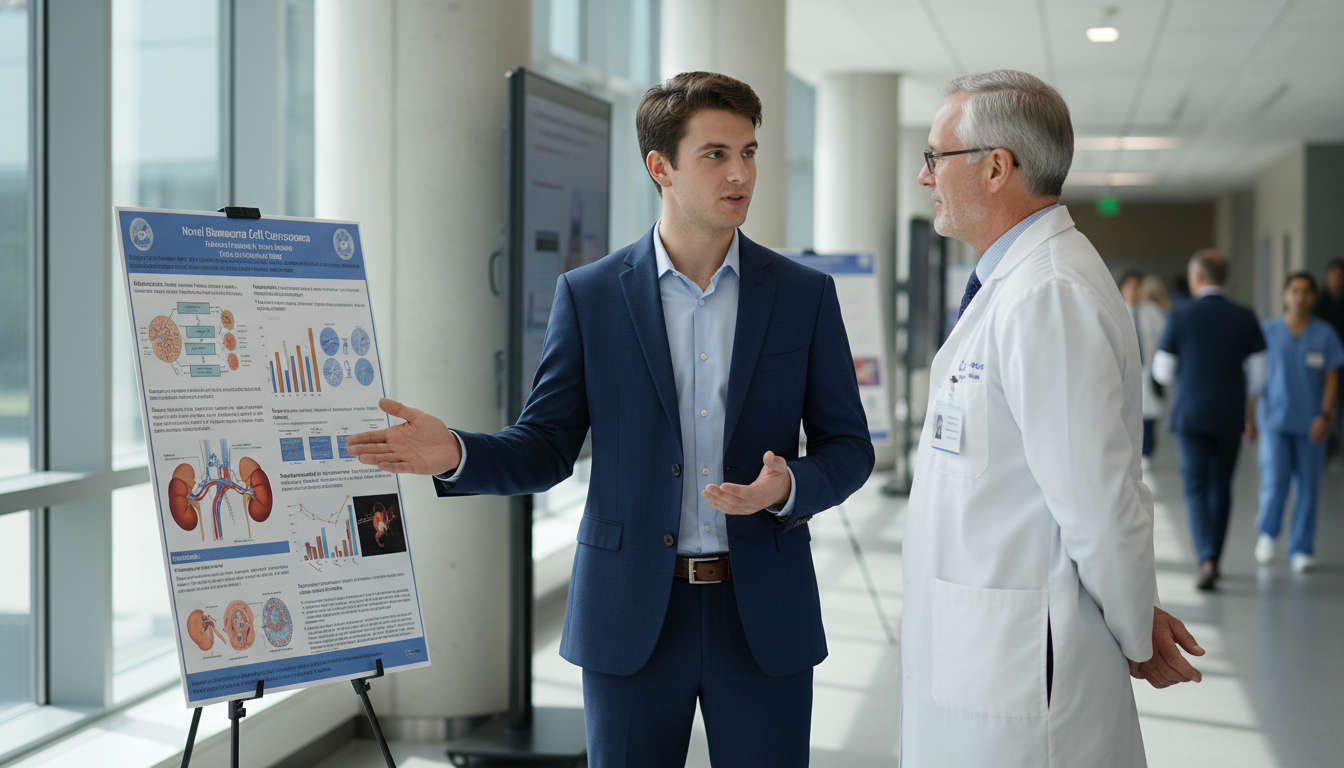
- Posters and oral presentations
- Peer-reviewed publications
- Educational materials or curricula that you can describe as scholarship
Do not underestimate the value of smaller venues (hospital research day, regional addiction meetings). They still count as scholarly activity and strengthen your narrative.

Documenting and Presenting Your Research for the Match
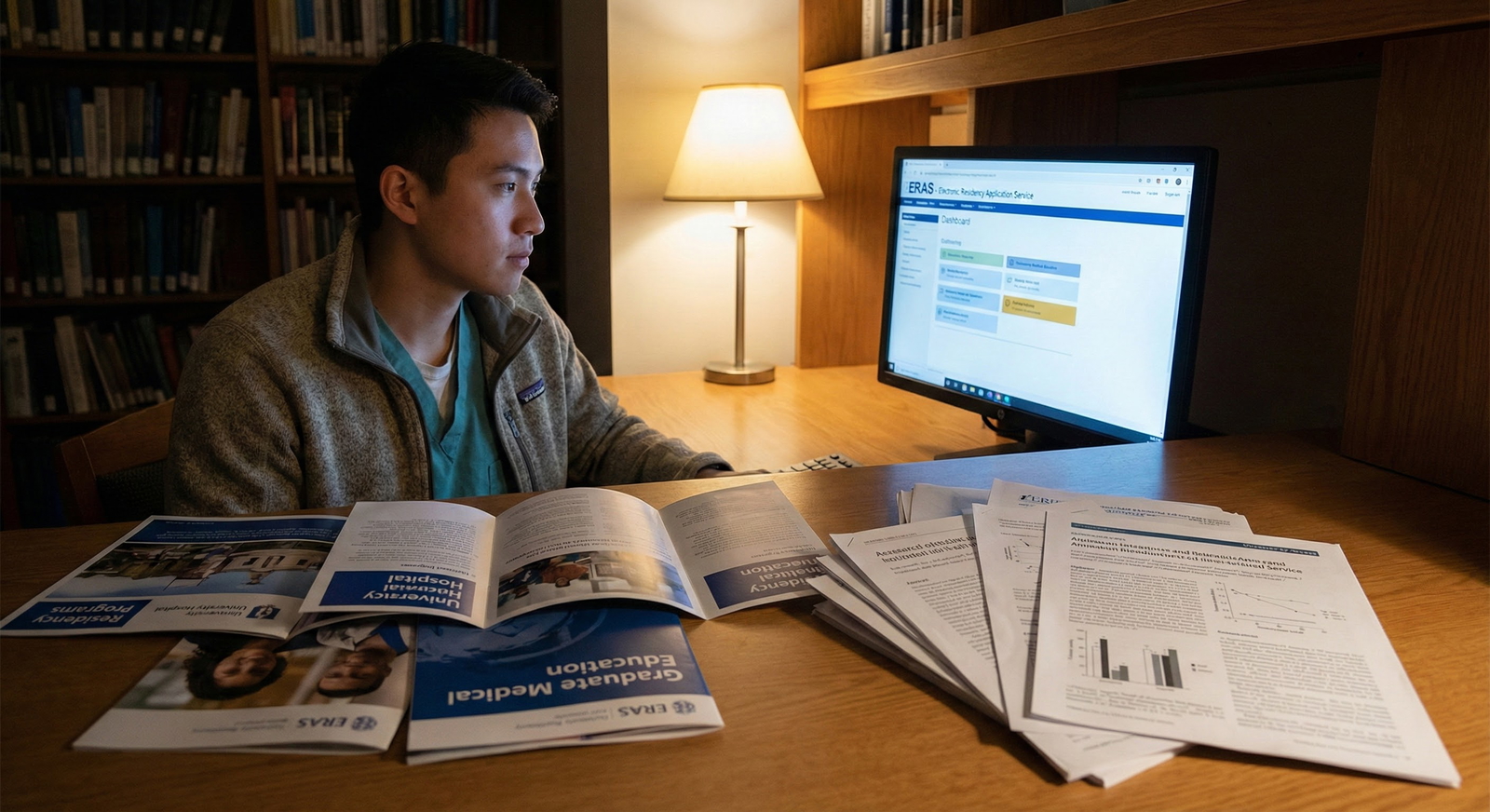
1. Structuring your CV and ERAS entries
In your CV and ERAS application, clearly separate:
- Peer-reviewed publications
- Conference abstracts/posters
- Presentations (invited talks, grand rounds)
- QI or educational projects
For each item:
- List full citation (authors, title, journal/conference, year)
- Indicate your authorship position
- Use consistent formatting
If a manuscript is in progress:
- Describe it accurately: “Manuscript in preparation” or “Manuscript under review”
- Avoid inflating status (do not label as “accepted” unless you have a formal acceptance)
2. How to list non-published work
For projects that have not yet led to publications:
- Summarize in the “Experiences” section:
- Your role (data collection, analysis, curriculum design)
- Scope and outcomes (e.g., reduced time to MOUD initiation, increased screening rates)
- Any internal presentations or reports
Example ERAS entry description:
“Conducted a retrospective chart review of 250 patients initiated on buprenorphine in the ED. Developed data extraction template, performed univariate analyses, and wrote abstract. Presented findings at hospital quality forum.”
This shows skill development and impact, even without a manuscript.
3. Telling your research story in personal statements
Your personal statement is not a list of projects; it is a narrative. Use research selectively to support your overall arc:
- How did a particular project deepen your understanding of addiction as a chronic disease?
- What did you learn about systems barriers (e.g., insurance, stigma, criminalization)?
- How did research experiences shape your career goals (e.g., public health, academic medicine, community-based care)?
Example narrative snippet:
“During my second year of residency, I helped evaluate our hospital’s ED-initiated buprenorphine program. Following patients through the charts from their first ED visit to their first week in outpatient care exposed how fragile that transition can be and how easily people fall through the cracks. This experience convinced me that my career must combine clinical work with systems-level research to improve access to medications for opioid use disorder.”
4. Discussing research in interviews
Be prepared to:
- Explain the research question in plain language
- Describe the methods and limitations briefly
- Summarize the main findings and their implications for addiction medicine
- Reflect on what you, personally, contributed and learned
If you have limited research, emphasize:
- Curiosity and openness to further training
- How you compensated (e.g., involvement in community or advocacy work)
- Any plans for scholarly work during fellowship
Programs are not looking for “professional researchers” but rather for clinicians who will use and contribute to the evidence base.
Balancing Clinical Duties, Wellness, and Research
Residency is demanding. Sustained engagement with research requires intentional planning.
Time management strategies
- Align research with your clinical strengths (e.g., if you rotate frequently through the ED, consider ED-based SUD projects)
- Use lighter rotations (e.g., electives, ambulatory blocks) as “research sprints”
- Break projects into small, concrete tasks (“complete data extraction for 20 charts this week,” “draft introduction section paragraph on prior literature”)
- Schedule recurring check-ins with mentors to maintain momentum
Protecting your well-being
- Avoid overcommitting to multiple high-intensity projects
- Be honest with mentors when your clinical demands spike
- Remember that a sustainable pace beats short-lived bursts followed by burnout
Most addiction medicine faculty understand that burnout is a real risk and will support realistic goals.
Making the Most of Fellowship for Long-Term Scholarly Growth
Once you are in an addiction medicine fellowship, you can further solidify your research trajectory.
1. Seek structured scholarly training
- Formal coursework in clinical research methods or epidemiology
- Workshops on grant writing
- Journal clubs focused on critical appraisal
If you envision an academic career, consider:
- A combined addiction medicine–public health or research pathway
- Applying for T32 or other research fellowships after your clinical year
2. Build a recognizable niche
Over time, focusing on a specific theme enhances your identity as an emerging expert, such as:
- Rural access to MOUD
- SUD in pregnancy and the peripartum period
- Adolescent vaping and polysubstance use
- Criminal-legal system and addiction treatment
- Stimulant use disorders and contingency management
Your residency research does not need to fully define your niche, but it can lay the groundwork.
3. Continue to convert work into outputs
During fellowship, aim to turn:
- Ongoing QI into peer-reviewed articles
- Community partnerships into implementation research
- Teaching activities into educational scholarship
Each piece contributes to a growing portfolio that will support future job searches, promotion, and grant applications.
Frequently Asked Questions (FAQ)
1. Do I need addiction-specific research to match into an addiction medicine fellowship?
Not strictly. Many successful applicants have limited or no addiction-specific research. However, having at least some exposure—through a case report, QI project, or small study related to SUD—strengthens your application and makes your interest more convincing. If your prior work is in another area, highlight transferable skills (study design, data analysis, educational scholarship) and clearly explain why you are pivoting into addiction medicine now.
2. How many publications do I need to be a competitive applicant?
There is no fixed number. For most clinically focused addiction medicine fellowships, even 0–2 publications can be sufficient if you have strong clinical performance, compelling letters, and a clear commitment to the field. Highly research-oriented programs may favor applicants with multiple peer-reviewed publications, but they are still interested in potential and fit. Depth, relevance, and genuine engagement are more important than hitting a specific count.
3. I’m late in residency and just decided on addiction medicine. Is it too late to build a research profile?
It is not too late. You may not be able to launch a major prospective study, but you can still:
- Join an ongoing project in a focused role (e.g., data collection or manuscript drafting)
- Write a case report or brief case series
- Lead a targeted QI initiative related to SUD care
- Present at local or regional meetings
These experiences can show initiative and help you articulate a clear narrative of why you are moving into addiction medicine now.
4. Does QI or educational work “count” as research for fellowship applications?
Yes, when approached systematically and thoughtfully. Addiction medicine fellowships value QI and educational scholarship because they directly improve patient care and training environments. When you describe these projects, emphasize methods (e.g., Plan-Do-Study-Act cycles, pre/post evaluations), data, and outcomes. If you can present or publish this work, it clearly becomes part of your research portfolio.
By focusing on meaningful, feasible projects; cultivating strong mentorship; and translating your work into concrete scholarly products, you can construct a robust research profile that supports a successful addiction medicine fellowship application—regardless of where you are starting from today.