Why Research Matters So Much for Non-US Citizen IMGs in PM&R
Physical Medicine & Rehabilitation (PM&R), or physiatry, has become increasingly competitive—especially for a non-US citizen IMG (international medical graduate). Beyond USMLE scores and clinical experience, a strong research profile often becomes the key differentiator between applications that get interviews and those that do not.
For a foreign national medical graduate who needs visa sponsorship, program directors look for clear evidence that:
- You understand US academic medicine
- You can contribute to scholarly work
- You bring something unique and valuable to their team
Research—and how you present it—is one of the most concrete ways to show all of this.
In PM&R specifically, programs value applicants who:
- Think critically about function, outcomes, and quality of life
- Understand rehabilitation science, neurorecovery, pain, musculoskeletal medicine, and assistive technologies
- Can collaborate across teams (neurology, orthopedics, neurosurgery, internal medicine, geriatrics, sports medicine)
A thoughtful research track record signals that you are precisely this kind of future physiatrist.
This article breaks down, step-by-step, how a non-US citizen IMG can systematically build a PM&R-focused research profile—whether you are still abroad, currently in the US, or in a research year—so that you are a stronger candidate for the physiatry match.
Understanding What “Counts” as Research for PM&R Residency
Before you start, you need clarity on what types of research are valued and how they will appear in your application.
1. Types of Research That Are Valuable for PM&R
Programs do not expect every applicant to have randomized clinical trials. They do value evidence of consistent scholarly engagement. Common research formats include:
- Original clinical research
- Prospective or retrospective studies
- Chart reviews (e.g., outcomes after inpatient rehabilitation)
- Cohort studies (e.g., function after stroke, TBI, SCI, amputations)
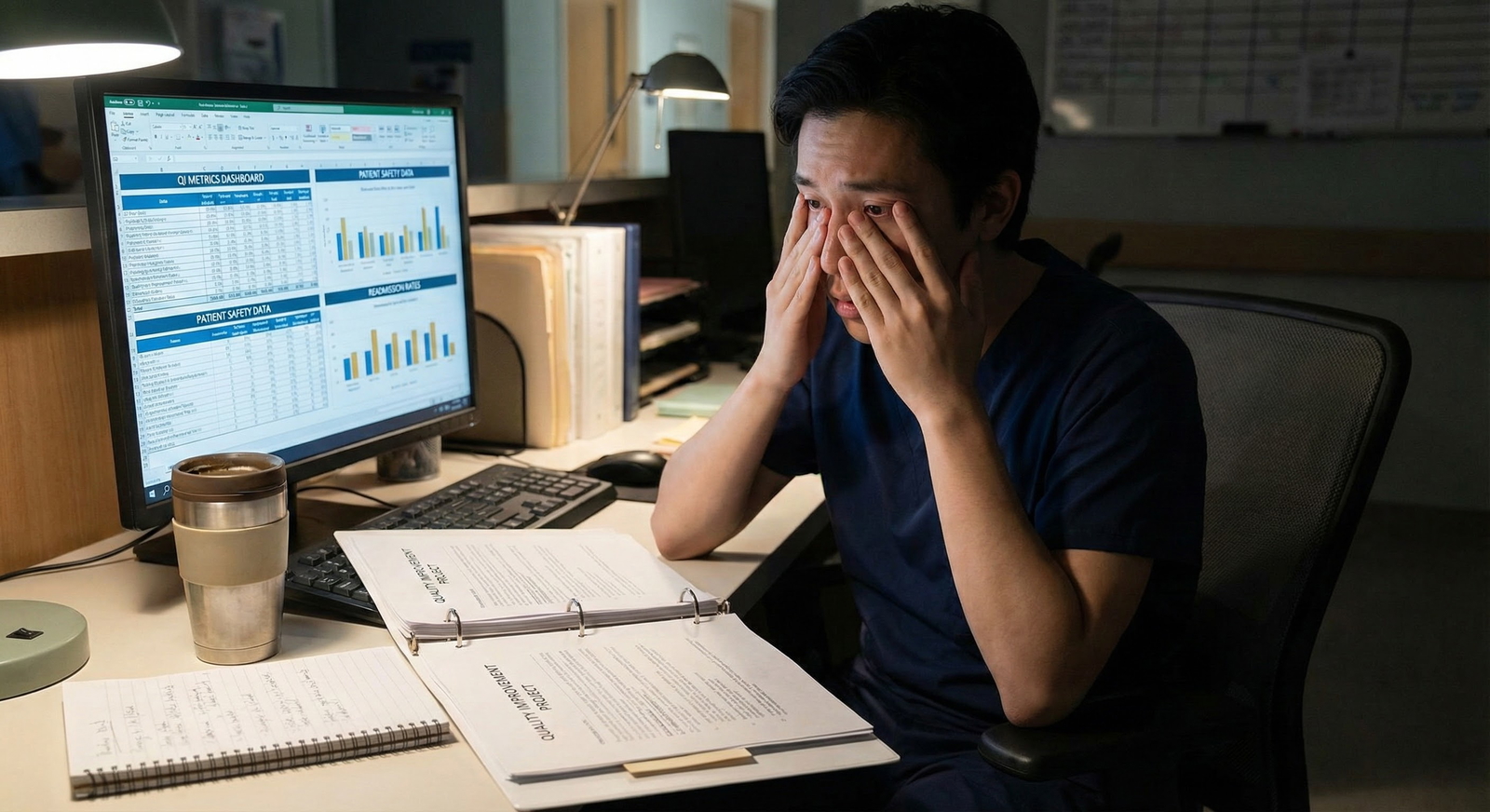
- Quality improvement (QI) projects
- Falls reduction in rehab units
- Pain management optimization in inpatient rehab
- Reducing hospital readmissions among rehab patients
- Case reports and case series
- Unusual or instructive cases (e.g., rare neuropathies, complex spasticity)
- Novel rehabilitation approaches or technology use in clinical care
- Systematic reviews and meta-analyses
- Evidence synthesis on rehabilitation interventions, outcomes, devices
- Narrative reviews / educational pieces
- Topics like post-COVID rehabilitation, musculoskeletal ultrasound in PM&R, cancer rehabilitation
- Basic/translational science
- Neuroregeneration, musculoskeletal tissue healing, biomechanics, neuroplasticity, BCI (brain-computer interfaces)
- Non-traditional but valuable scholarly work
- Creation of patient or trainee educational materials
- Clinical tools or guidelines for rehab care
- Health services or outcomes research in disability populations
All of these can strengthen your profile if they are well-documented, relevant, and honestly represented in your ERAS application.
2. Research Formats and Their Relative Impact
Program directors generally view research in the following “impact hierarchy”:
Highest impact (but rare for applicants):
- First-author original research in reputable, indexed journals
- Major contributions to multi-center or high-impact PM&R studies
Strong impact:
- First- or second-author PM&R-related publications (clinical, QI, or review)
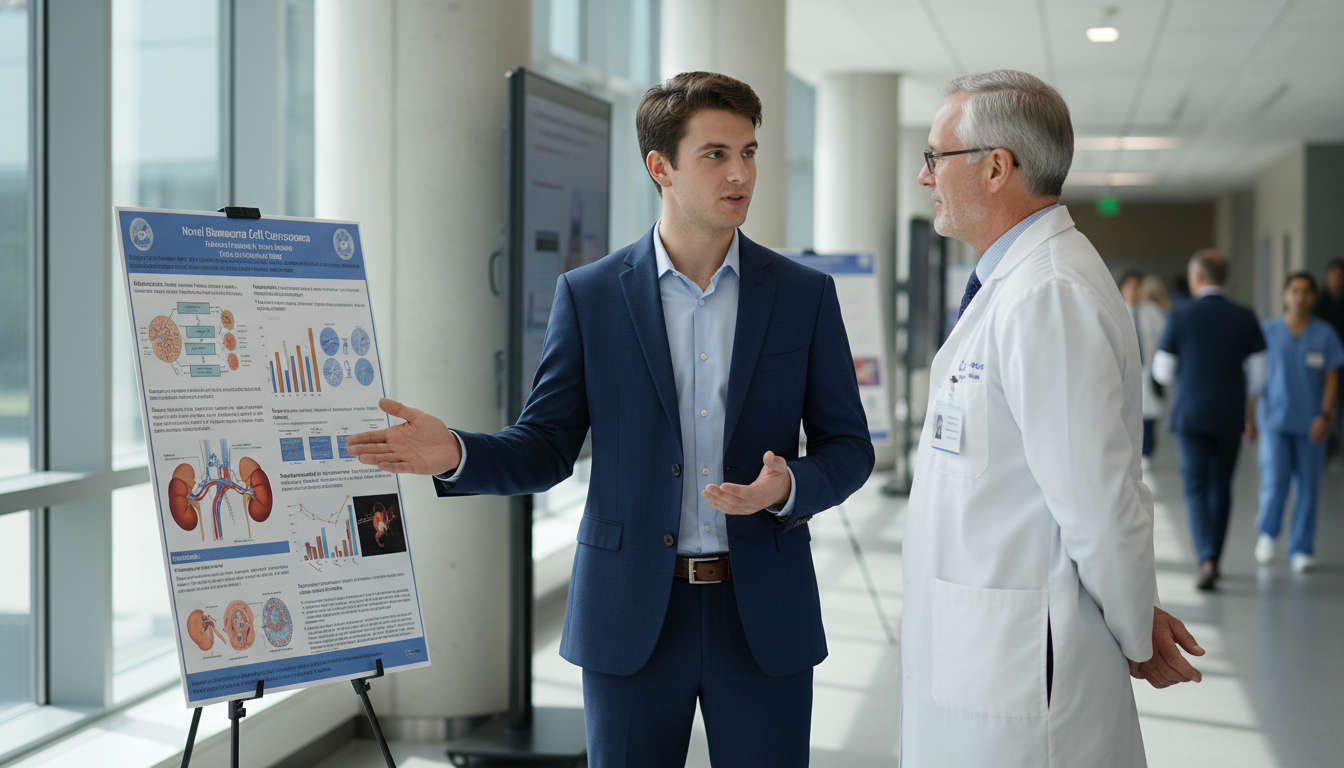
- Presentations (oral or poster) at major US conferences (AAP, AAPM&R, AAPMR state chapters, ISPRM, etc.)
Moderate but useful:
- Co-authorship on smaller projects
- Case reports in recognized journals
- Local or regional conference presentations
Still valuable when framed correctly:
- Institutional projects that never got published (but reached abstract/poster stage)
- Well-structured QI/education projects
If your work is not PM&R-specific (e.g., internal medicine or surgery research), it can still help—especially if you can connect it to skills that matter in PM&R (data analysis, teamwork, understanding of chronic disease, outcomes assessment).
How Many Publications Do You Really Need?
Many IMGs ask: “How many publications needed to match PM&R?” There is no magic number—but there are realistic benchmarks.
1. Setting Realistic Targets as a Non-US Citizen IMG
For a non-US citizen IMG needing visa sponsorship, typical competitive profiles often show:
- 1–3 PubMed-indexed publications in any medical field
- At least 1 project clearly related to PM&R, even as a poster/abstract
- 2–5 total scholarly products (combining publications, poster presentations, oral presentations, QI projects, or book chapters)
If you’re applying to highly academic PM&R programs, you may see matched applicants with:
- 3–6+ publications
- Multiple conference presentations
- Ongoing involvement in an academic lab or PM&R department
This does not mean you must reach those numbers, but the more your research shows sustained interest and progression, the better.
2. Quality vs. Quantity: What Programs Actually Notice
Program directors care less about a raw count and more about:
- Consistency: Did you work on research over time, or list one isolated case report from years ago?
- Role: Did you lead anything (first/second author), or were you always one of 12 middle authors?
- Relevance: Is at least some of your work related to PM&R, neurology, orthopedics, rehabilitation, pain, sports medicine, disability, outcomes, or quality of life?
- Progression: Did you move from student helper → data collector → project owner → first author or presenter?
A foreign national medical graduate with fewer but more meaningful PM&R-focused works will often be preferred over someone with many irrelevant, minor contributions.
3. Interpreting Your Current Profile
If you are:
- Just starting: Aim for 1–2 achievable projects (case report, chart review, or systematic review) you can complete and submit before applications open.
- Moderately experienced: Consolidate existing work, try to complete at least one PM&R-focused project, and aim for a conference presentation.
- Very experienced but non-PM&R: Strategically add at least one PM&R-oriented project and prepare a clear narrative that connects your previous research (e.g., neurology, geriatrics, oncology) to rehabilitation.
Step-by-Step Strategy to Build a PM&R Research Profile (Wherever You Are)
Step 1: Clarify Your PM&R Research Interests
Pick 2–3 broad themes that genuinely interest you and are common in PM&R:
- Neurorehabilitation: stroke, TBI, spinal cord injury, multiple sclerosis
- Musculoskeletal & sports medicine: back pain, tendon injuries, ultrasound-guided procedures
- Pain medicine: chronic pain, opioid alternatives, interventional procedures
- Pediatric rehabilitation: CP, spina bifida, neuromuscular disorders
- Cancer rehabilitation: survivorship, functional outcomes, neuropathy
- Prosthetics & orthotics, amputee care
- Disability, function, and quality-of-life research
- Technology in rehab: robotics, exoskeletons, VR, tele-rehab
Having a focus does not lock you in for life; it simply makes it easier to pitch yourself, seek mentors, and talk coherently during interviews.
Step 2: Find Research Opportunities as a Non-US Citizen IMG
Your approach depends on your current location and visa status.
A. If You Are Outside the US
You can still create a meaningful research profile:
Leverage your home institution
- Approach faculty in neurology, orthopedics, rheumatology, geriatrics, internal medicine, or rehab-related departments.
- Offer to:
- Help with data collection or chart review
- Draft case reports on interesting patients
- Assist with literature reviews
Remote collaboration with US or international mentors
- Email PM&R faculty at US institutions who:
- Share your research interests
- Have recent publications in accessible journals
- In your email:
- Introduce yourself (name, current school, non-US citizen IMG aiming for PM&R)
- Briefly explain your interests and any prior experience
- Propose specific help: data extraction, literature review, manuscript drafting
- Attach a CV highlighting any academic work
- Email PM&R faculty at US institutions who:
Systematic reviews or meta-analyses
- These can often be done without direct patient contact, making them well-suited for IMGs abroad.
- Collaborate with peers or mentors:
- Choose a PM&R-relevant topic
- Follow PRISMA guidelines
- Aim for a journal in rehabilitation, neurology, pain, or sports medicine
Case reports from your clinical rotations
- Identify interesting rehab-related cases (stroke, rare neuropathies, unusual musculoskeletal patterns).
- Approach attending physicians about writing them up together.
B. If You Are in the US (Observership, Research Year, or Graduate Study)
You have expanded opportunities:
Research positions or fellowships
- Look for:
- PM&R or neurology research coordinator positions
- Research assistant roles in rehab labs (stroke, SCI, pain, biomechanics)
- Many positions accept candidates on F-1 or J-1 research visas; some institutions will sponsor.
- Look for:
Direct contact with PM&R departments
- Visit department websites and identify:
- Program directors
- Research directors
- Faculty with active projects
- Send targeted emails offering to volunteer on ongoing studies, especially:
- Outcomes research
- Retrospective chart reviews
- Ongoing trials where data cleaning/entry is needed
- Visit department websites and identify:
Use observerships wisely
- During observerships:
- Ask residents/faculty if they need help with posters or case reports.
- Offer to draft sections or organize data.
- Often, small but real contributions to a poster can lead to your name on an abstract.
- During observerships:
Academic courses or degrees
- If you are in an MPH, MS in Clinical Research, or similar program:
- Align your thesis or capstone project with rehabilitation-related topics.
- Seek a PM&R co-mentor if possible.
- If you are in an MPH, MS in Clinical Research, or similar program:
Step 3: Pick Projects You Can Actually Finish
Common trap: starting overly ambitious projects that never get completed. For the physiatry match, completed work matters much more than big but unfinished ideas.
Prioritize projects that are:
- Feasible within 6–12 months
- Under the supervision of a responsive mentor
- Clear in their data sources and endpoints
Good starter projects for IMGs:
- Case reports / case series
- Retrospective chart reviews (small, focused questions)
- Quality improvement projects on rehab units
- Narrative reviews or systematic reviews on PM&R topics
Example:
- Instead of “Long-term outcomes of all stroke patients,” refine your question to:
- “Functional outcomes at discharge for ischemic stroke patients admitted to inpatient rehab over the last 2 years at X hospital.”
Turning Research Work into a Strong Application Narrative
Having research is only half the equation. How you present and connect it to PM&R—and to your identity as a non-US citizen IMG—is equally important.
1. Organizing Your Research for ERAS
On your ERAS application:
- List all published and in-press articles (do not claim “submitted” as publications).
- Clearly label:
- Peer-reviewed journal article
- Abstract
- Poster presentation
- Oral presentation
- Book chapter or online publication
- Include your role for each project:
- First author
- Co-first author
- Second author
- Middle author (but briefly note your contribution during interviews)
Be honest and precise. Academic dishonesty is a major red flag.
2. Highlighting PM&R-Relevant Themes
Even if your research is outside strict PM&R, frame it through:
- Function and outcomes
- “We assessed functional mobility after cardiac surgery”
- “We studied quality-of-life measures in oncology patients”
- Chronic disease and disability
- “We looked at long-term impact of diabetes complications on daily activities”
- Neuro and musculoskeletal systems
- “Our work on neuropathy helped me appreciate sensorimotor deficits that are central in rehab”
Show how this background will help you ask better rehab questions and care for patients holistically.
3. Using the Personal Statement to Tie It Together
In your personal statement, avoid simply listing your research again. Instead:
- Describe:
- How a specific project changed your understanding of function, disability, or chronic illness.
- A moment during data analysis or patient interaction that solidified your interest in PM&R.
- Emphasize:
- Skills you gained:
- Critical appraisal of literature
- Use of outcome measures and scoring tools
- Comfort with multidisciplinary collaboration
- Persistence through setbacks (e.g., rejected manuscripts)
- Skills you gained:
Example narrative link:
“While analyzing gait outcomes in post-stroke patients, I realized that behind each data point was a person relearning to walk, communicate, and work. This experience convinced me that my career must focus on not just treating disease, but restoring function—leading me to PM&R.”
4. Preparing to Discuss Research in Interviews
You should be able to:
- Clearly explain:
- Your research question
- Study design
- Main findings
- Limitations
- Clinical implications for rehabilitation
- Translate technical language:
- Don’t give a statistics lecture; show that you understand what the results mean for patient care.
- Be honest about your role:
- “I was mainly responsible for data collection and drafting the discussion section.”
- “I created the literature review and figures for the poster.”
Interviewers are assessing both your integrity and your ability to think like a future physiatrist.
Practical Tips, Timelines, and Common Pitfalls for Non-US Citizen IMGs
1. Rough Timeline if You Have 12–24 Months Before Applying
12–24 months out:
- Identify 1–2 mentors in PM&R or related fields.
- Start a small retrospective study or systematic review.
- Begin drafting at least one case report.
6–12 months out:
- Aim to submit at least one manuscript (case, review, or original).
- Submit abstracts for PM&R or neurology/orthopedic conferences.
- Continue gathering data or working on ongoing projects.
0–6 months before ERAS opens:
- Finalize posters and presentations.
- Get letters of recommendation from research mentors who know you well.
- Make sure all accepted/accepted-in-principle works are correctly recorded.
2. Building Mentor Relationships as a Foreign National Medical Graduate
- Be reliable: meet deadlines, answer emails, show initiative.
- Propose solutions, not just problems:
- “I noticed we are behind on data cleaning. I can dedicate extra hours this week.”
- Communicate your goals:
- Tell your mentor you are a non-US citizen IMG aiming for PM&R and that you value their guidance and honest feedback.
Strong mentorship often leads to:
- Additional projects
- Strong letters of recommendation
- Advocacy to program directors who trust that mentor
3. Strengthening Your Research Skills
While working on projects, systematically improve your skills in:
- Literature search: PubMed, Embase, Cochrane
- Critical appraisal: Know basic study designs, biases, confidence intervals
- Data handling: Excel, SPSS, R, or similar tools
- Scientific writing: Use templates, read good PM&R articles, emulate structure
- Reference management: Mendeley, Zotero, EndNote
Consider free or affordable resources:
- Coursera / edX courses on clinical research basics
- NIH or institutional online training modules
- Journal club participation (even remotely)
4. Avoiding Common Pitfalls
- Overcommitting:
- Too many projects → nothing finished. Focus on a few you can complete.
- Unrealistic promises in emails:
- Do not claim skills you don’t have. It is acceptable to say you are eager to learn.
- Predatory journals:
- Avoid paying for publication in low-quality journals with poor indexing. Prefer recognized, indexed journals, even if acceptance is harder.
- Misrepresentation:
- Never inflate your role, list “submitted” as “published,” or add your name to work without permission. This can be catastrophic if discovered.
FAQs: Research Profile Building for Non-US Citizen IMGs in PM&R
1. As a non-US citizen IMG, is research mandatory to match into PM&R?
Not strictly mandatory—but strongly advantageous. Some community PM&R programs may accept applicants with minimal research if they have strong US clinical experience and letters. However, as a foreign national medical graduate requiring visa sponsorship, research can significantly improve your chances, especially at academic or mid-tier programs. A visible research profile shows that you understand US academic culture and can contribute beyond clinical work.
2. How many publications needed to be competitive for the physiatry match as an IMG?
There is no official minimum. Many successful non-US citizen IMGs match with around 1–3 publications (in any field) plus several posters or abstracts. What matters more is having at least one PM&R-related project, consistent involvement, and a coherent narrative. If you currently have no publications, focus on 1–2 realistic projects (case report, retrospective review, or systematic review) that you can complete before applying.
3. Will non-PM&R research (e.g., internal medicine or surgery) help my application?
Yes, if framed correctly. Any research that shows:
- Critical thinking
- Familiarity with scientific methods
- Work ethic and collaboration
is beneficial. During interviews and in your personal statement, explicitly connect your prior research to PM&R themes: functional outcomes, quality of life, chronic disease management, or neuro/musculoskeletal understanding. Still, try to add at least one rehabilitation- or neuro/musculoskeletal-related project if possible.
4. I have limited access to patients and no PM&R department. What can I do?
You still have options:
- Work on systematic reviews or meta-analyses with remote mentors.
- Develop case reports from neurology, orthopedics, rheumatology, or geriatrics that have rehabilitation relevance.
- Assist with ongoing projects remotely (data extraction, statistics, manuscript drafting).
- Engage in quality improvement or educational projects within your own hospital and emphasize their rehabilitation relevance.
Even without a formal PM&R department, you can show that you think like a physiatrist and understand rehabilitation principles.
By approaching research strategically—choosing feasible projects, seeking mentorship, and connecting your work clearly to rehabilitation—you can transform your position as a non-US citizen IMG from a perceived disadvantage into a compelling, academically rich profile that stands out in the PM&R residency and physiatry match process.