Why Research Matters So Much in Vascular Surgery for Non‑US Citizen IMGs
Vascular surgery is a small, highly specialized, and research‑driven field. For a non‑US citizen IMG or foreign national medical graduate, a strong research profile can make the difference between being overlooked and being seriously considered for an integrated vascular program or vascular surgery residency.
Program directors in vascular surgery care about research more than many other surgical subspecialties because:
- The field is rapidly evolving (endovascular technology, devices, imaging, hybrid procedures).
- Outcomes, complications, and device performance are constantly studied.
- Many vascular surgeons are academic faculty; they expect residents to be comfortable with research.
- Data‑driven practice is central to vascular surgery’s identity.
For a non‑US citizen IMG, research is also one of the few areas where you can outperform US graduates on paper:
- USMLE scores and clinical experience can be similar across applicants.
- You may face visa concerns or unfamiliarity bias.
- A high‑impact, focused research portfolio signals commitment, perseverance, and academic potential that transcends geography.
Think of your research profile as your “second transcript”—your long‑term record of scholarly growth that convinces a program you can thrive in an academic vascular environment.
Understanding What “Counts” as Research in Vascular Surgery Applications
Before you start building, you need clarity on what program directors actually value. Not all research experiences are equal, and for an integrated vascular program, vascular‑relevant work is especially valuable.
1. Types of Research That Matter
Below is a hierarchy of common research types, from most to least impactful (generally):
Original Clinical Research
- Retrospective chart reviews (e.g., outcomes after EVAR, limb salvage in CLTI).
- Prospective cohort studies.
- Database studies using NSQIP, VQI, Medicare data.
- Randomized controlled trials (rare for students, but assisting as coordinator or sub‑investigator is excellent).
Basic/Translational Vascular Science
- Atherosclerosis, aneurysm biology, vascular grafts, tissue engineering, endovascular device development, ischemia/reperfusion injury.
- Often in PhD‑style labs; very valuable if published, even if not strictly “vascular surgery” but vascular biology.
Systematic Reviews and Meta‑Analyses
- On topics like carotid revascularization strategies or peripheral arterial disease outcomes.
- Easier to initiate as a student/IMG if you find a mentor with database access and methodological guidance.
Quality Improvement (QI) / Outcomes Projects
- VTE prophylaxis adherence, post‑EVAR follow‑up compliance, amputation prevention protocols.
- These show you understand real‑world practice and systems‑based care.
Case Reports and Case Series
- Example: “Endovascular management of ruptured iliac artery aneurysm in high‑risk patient.”
- Lower impact individually but useful early on to learn the writing and publication process and get your name in print.
Educational Research
- Simulation training for endovascular skills, curriculum development in vascular ultrasound, etc.
- Particularly valuable if you’re interested in an academic teaching career.
All of these can help; however, clinical vascular research + some vascular‑relevant basic science is usually the strongest combination.
2. Authorship and Contribution: What Programs Look For
Program directors understand that not everyone will be first author on every project, but they do read your CV strategically:
- A mix of first‑author and co‑author publications is ideal.
- A cluster of work under the same senior mentor suggests continuity and real involvement.
- Authorship on projects that match your stated interests (vascular surgery, endovascular techniques, limb salvage) makes your trajectory look purposeful.
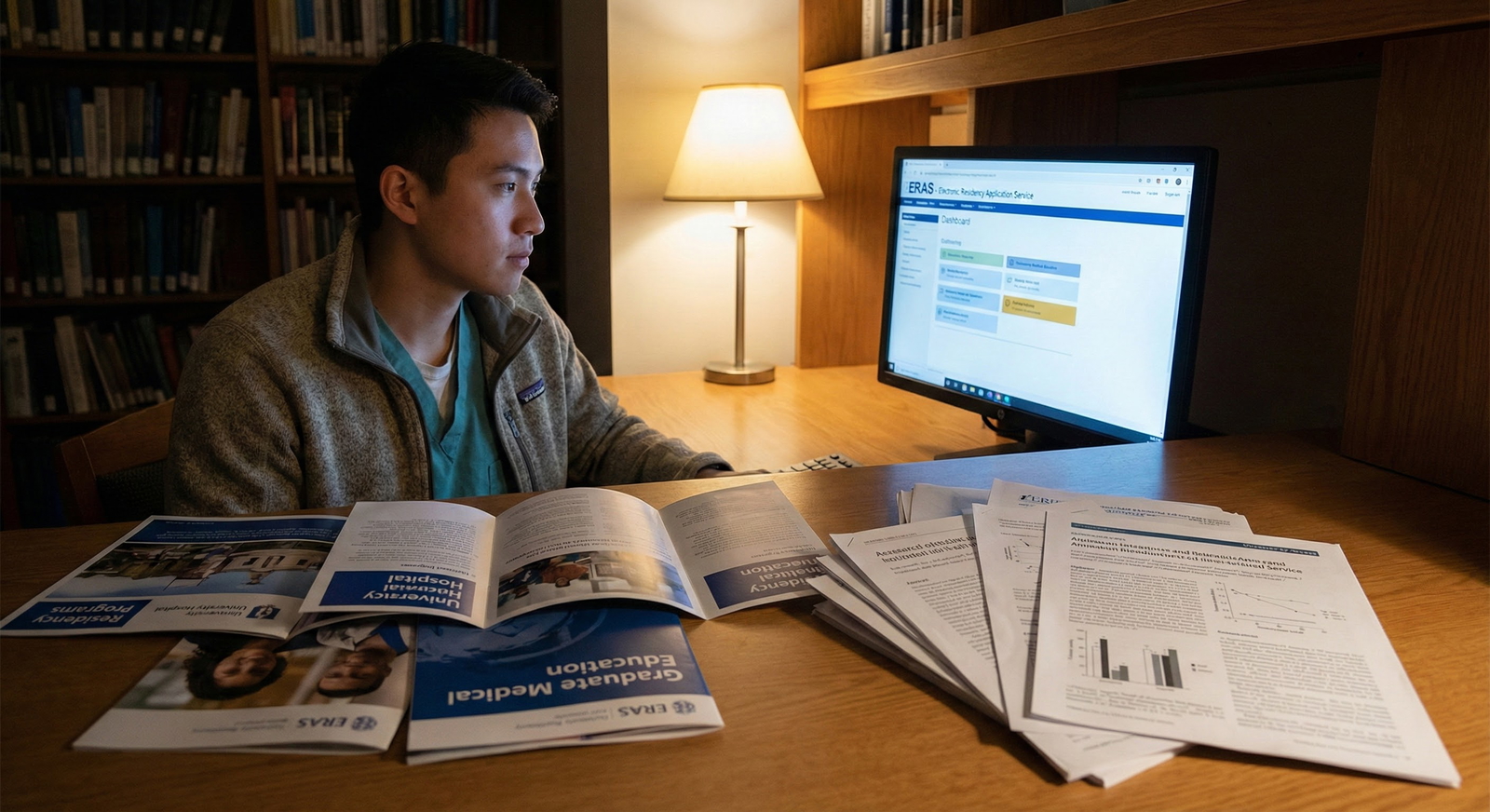
On your ERAS application and CV, they’ll look for evidence that you:
- Actually worked on the study (not just added your name).
- Can explain the project aims, methods, and results in interviews.
- Understand basic research methodology and literature evaluation.
You should be able to discuss every listed project fluently—this is where non‑US citizen IMG applicants can stand out if they’ve genuinely led or deeply contributed to their work.
3. “How Many Publications Needed” for Vascular Surgery?
There is no magic number, but realistic benchmarks help you plan. For a competitive non‑US citizen IMG applying to vascular surgery or an integrated vascular program:
Strong profile
- 5–10+ total publications/abstracts/posters.
- At least 2–3 vascular‑focused works (e.g., PAD, aneurysms, endovascular).
- 1–3 first‑author papers or abstracts.
Moderate but viable profile
- 3–5 total scholarly items.
- At least 1–2 vascular‑relevant projects.
- Some combination of posters and manuscripts (even in review or accepted).
Minimal but still meaningful
- 1–3 projects, with at least one clearly vascular or surgical.
- Need to compensate with very strong USMLEs, US clinical experience, and letters.
For a non‑US citizen IMG, the more competitive integrated vascular programs often expect you to be closer to the “strong” profile, especially if you’re also seeking visa sponsorship.

Step‑by‑Step Plan: Building a Vascular Research Profile as a Non‑US Citizen IMG
Step 1: Clarify Your Vascular Surgery Niche Interests
You don’t need a hyper‑narrow focus, but having some thematic coherence helps:
- Peripheral arterial disease and limb salvage
- Aortic aneurysms and aortic pathology
- Carotid disease and cerebrovascular interventions
- Venous disease and thrombosis
- Dialysis access and vascular access surgery
- Endovascular technology and devices
Pick 1–2 primary areas. When you email mentors or apply for research positions, mention these to show direction.
Step 2: Secure a Vascular Research Mentor (or Team)
For a foreign national medical graduate, geography and visa issues can be barriers, but they are not insurmountable.
Option A: In‑Person Research Fellowship in the US
- 1–2 years of dedicated research, usually in a vascular or cardiac/vascular surgery department.
- Often unpaid or modestly paid; some programs sponsor J‑1 or other visas for research scholars.
- Advantages:
- Immersion in US academic culture.
- Strong letters from US vascular surgeons.
- Multiple projects over time; chance to accumulate many publications for match.
How to find these:
- Search academic vascular surgery departments’ websites for “research fellow,” “postdoctoral researcher,” or “scholar positions.”
- Email vascular faculty with:
- A concise CV.
- USMLE scores (if available).
- A tailored cover letter emphasizing your interest in vascular surgery and research.
- Willingness to work full‑time on research and accept a research visa if needed.
Option B: Remote or Hybrid Collaboration
If you cannot relocate immediately:
- Look for mentors who are open to remote work:
- Systematic reviews and meta‑analyses.
- Database work using de‑identified data.
- Manuscript preparation and literature reviews.
- Use conferences and online webinars (SVS, AVF, ESVS, etc.) to identify researchers and then reach out via email.
Option C: Home‑Country Research with Vascular Relevance
- Collaborate with vascular surgeons, interventional radiologists, or cardiologists in your country.
- Projects: local PAD registry, outcomes of amputations, limb ischemia management patterns, aneurysm repair outcomes.
- Even if it’s not in a US journal, it still proves interest and productivity.
Step 3: Choose Projects You Can Actually Complete
A common mistake is saying yes to too many projects or over‑ambitious designs. For a non‑US citizen IMG with limited time before applications, prioritize:
High‑feasibility projects (3–6 months):
- Case reports/series.
- Simple retrospective chart reviews with a narrow question.
- Systematic reviews where the senior author already has a protocol framework.
Medium‑term projects (6–12+ months):
- Larger database studies.
- Prospective registries or observational studies.
- Complex meta‑analyses.
Balance your workload:
- Start with 1–2 quick wins (case reports, smaller reviews) to get early acceptances.
- Parallelly commit to 1–2 “anchor” projects (e.g., a solid retrospective study or database analysis) that showcase higher‑level research ability.
Step 4: Master the Core Skills of Research for Residency
You don’t need to be a statistician, but you must understand fundamentals. Program directors may test this in interviews.
Core skills:
Formulating a research question (PICO)
- Example: “In patients with CLTI undergoing infrainguinal bypass, does pre‑operative vein mapping predict graft patency at 1 year compared with no mapping?”
Basic study design knowledge
- Retrospective vs prospective, observational vs experimental.
- Cohort vs case‑control, cross‑sectional studies.
Data management basics
- Creating a de‑identified spreadsheet.
- Understanding variables, inclusion/exclusion criteria, and outcomes.
Introductory statistics
- Means/medians, standard deviation, confidence intervals.
- Chi‑square, t‑tests, logistic regression basics.
- If possible, take a free online biostatistics course or use Coursera/edX.
Scientific writing
- IMRAD structure: Introduction, Methods, Results, Discussion.
- Clear, concise language; awareness of common vascular journals’ style.
These skills increase your value as a research collaborator and justify first‑author roles.
Step 5: Strategic Targeting of Journals and Conferences
As you build publications for match, think strategically:
Vascular-Specific Journals
- Journal of Vascular Surgery (JVS), European Journal of Vascular and Endovascular Surgery, Annals of Vascular Surgery, etc.
- Acceptance rates are lower, but even co‑authorship here looks impressive.
Broader Surgery and Cardiology Journals
- Annals of Surgery, Journal of the American College of Surgeons, Circulation, etc.
- Highly respected but often more competitive; aim if your mentor suggests it.
Regional or Specialty Journals
- Great for smaller case series, QI projects, or regionally specific data.
Conferences
- Society for Vascular Surgery (SVS), American Venous Forum (AVF), regional vascular societies, etc.
- Oral or poster presentations signal active academic involvement.
- Networking here is particularly important for non‑US citizen IMG applicants.
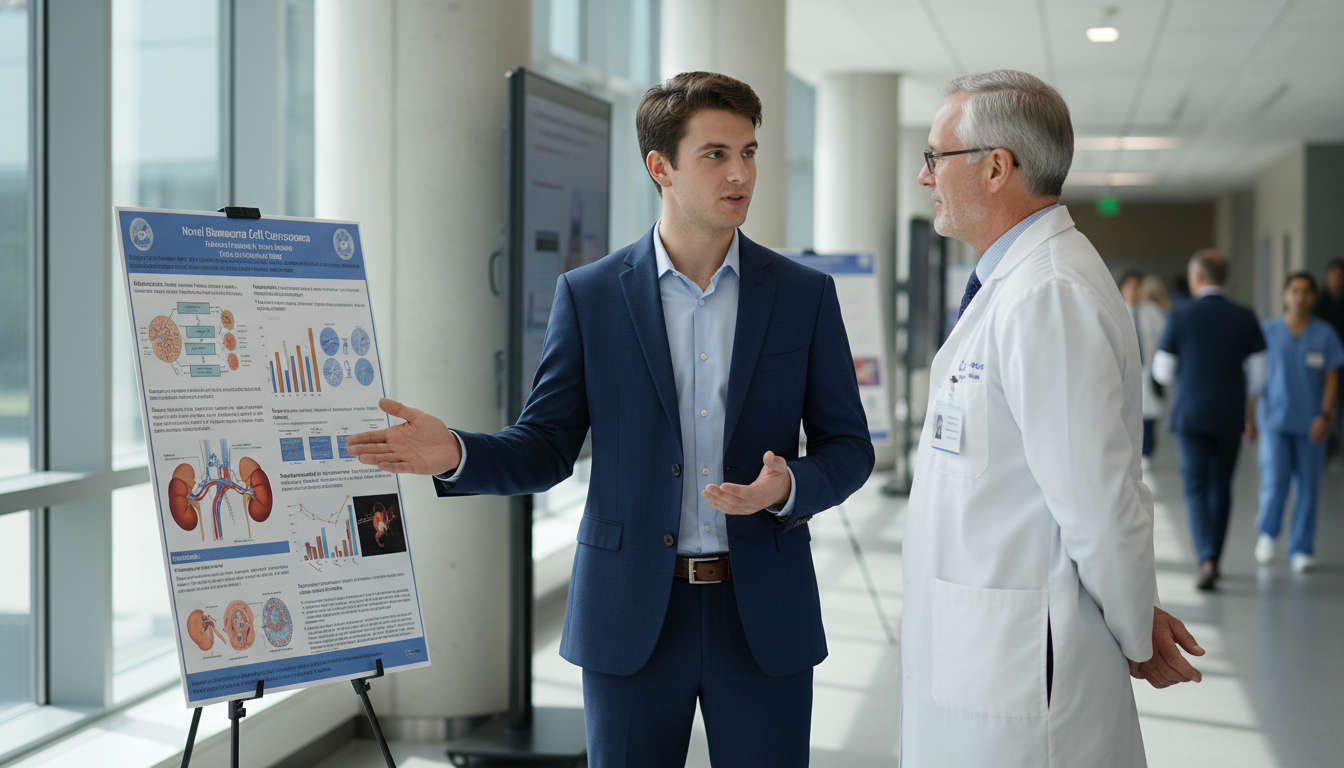
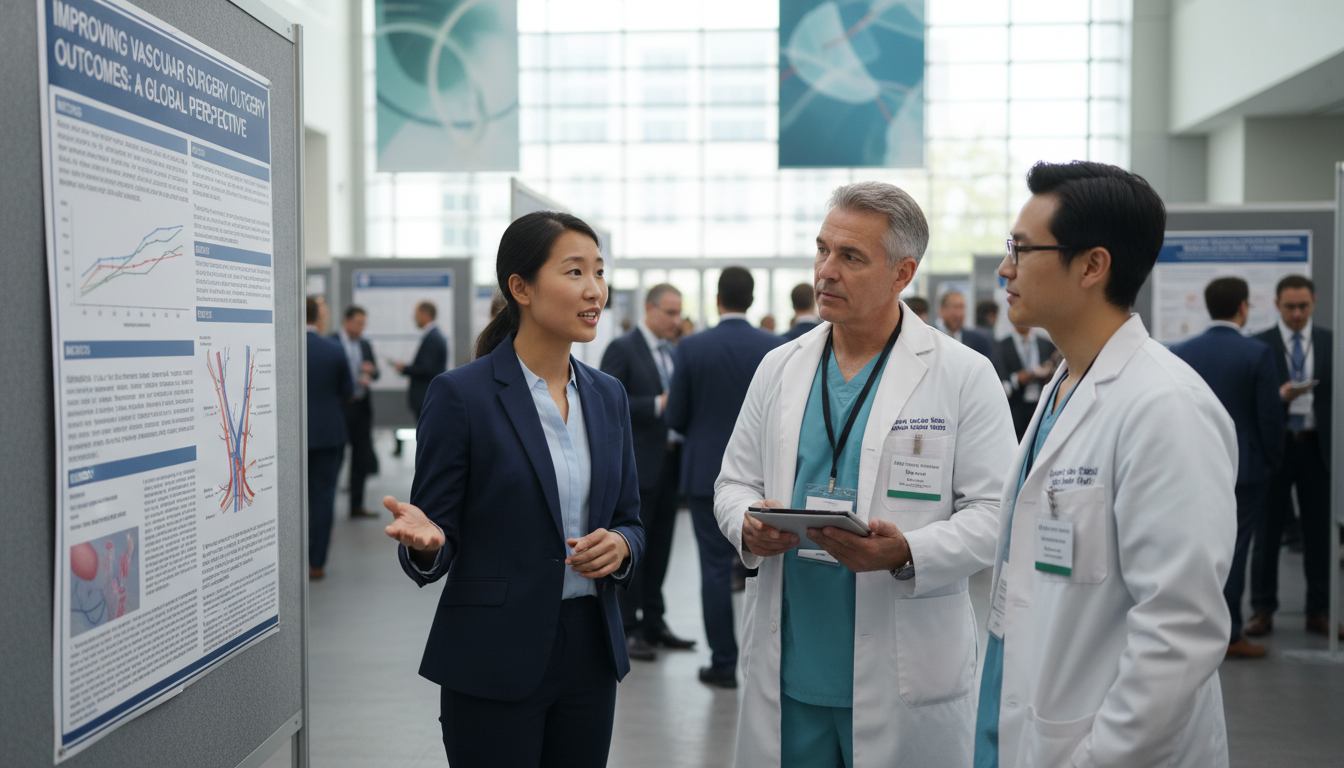
Include posters and oral presentations on your ERAS application—they count as scholarly activity and demonstrate initiative even if not yet published.
Making Your Research Convincing on ERAS and in Interviews
Having research is one thing; presenting it well is another. This is where many non‑US citizen IMGs either shine or lose ground.
1. Structuring Your CV and ERAS Entries
On your CV and ERAS application:
- Group outputs under clear headings:
- “Peer‑Reviewed Publications”
- “Conference Presentations”
- “Abstracts & Posters”
- “Ongoing Projects / In Preparation”
- Use standard citation format and list your name consistently.
- Indicate status accurately:
- “Published,” “Accepted,” “In Press,” “Under Review,” or “In Preparation.”
Avoid exaggeration. Misrepresenting “in preparation” as “accepted” is a major red flag.
2. Highlighting Vascular-Themed Work
Since you’re applying to vascular surgery:
- Star or bold a few key vascular projects on your CV or mention them early in your personal statement.
- In your ERAS personal statement and experiences, connect:
- Your clinical exposure (e.g., assisting with amputations or aneurysm repairs).
- Your research interests (e.g., limb salvage outcomes, EVAR surveillance).
- Your long‑term goals (e.g., academic vascular surgeon, device trials).
A consistent story helps committees remember you as “the non‑US citizen IMG with strong data on limb salvage” rather than just another applicant.
3. Preparing to Discuss Research in Interviews
You should expect standard questions like:
- “Tell me about your most meaningful research project.”
- “What did you actually do on that study?”
- “What were the main findings and why do they matter?”
- “What challenges did you encounter and how did you overcome them?”
- “How has research influenced your approach to patient care?”
Practice 1–2 minute summaries for your main projects:
- The problem – Why this question matters in vascular surgery.
- Your role – Data collection, analysis, writing, IRB submission.
- Key results – Simple, understandable statistics and take‑home messages.
- Impact – How this influences clinical decisions or future research.
If you did advanced statistics, be honest about what you did yourself vs what a statistician handled. Being clear and honest earns more respect than pretending you did everything.
Maximizing Impact with Limited Time Before Applying
Many non‑US citizen IMGs start serious research 12–24 months before applying, often after graduating. Here’s how to prioritize if you’re on a tight timeline.
Scenario A: 24+ Months Before Application
Ideal plan:
- Secure a 1–2 year vascular research fellowship in the US.
- Aim for:
- 1–2 major retrospective or database studies (co‑author or first author).
- 3–5 abstracts/posters (some first author).
- 1–2 case reports or small series.
- Attend at least one major conference; network vigorously.
Scenario B: 12–18 Months Before Application
Feasible plan:
- Join an active research group (in the US or remotely).
- Prioritize:
- 1 solid retrospective project likely to be submitted within 6–9 months.
- 2–3 smaller projects (case reports, reviews, QI) with faster turnaround.
- Accept realistic goals about what can be accepted vs “in review” by application time.
Scenario C: < 12 Months Before Application
Rescue plan:
- Focus on short‑cycle projects:
- Case reports.
- Narrative reviews (with mentor).
- Simple retrospective analyses with small sample size.
- Target:
- 1 paper submitted and perhaps accepted in a mid‑tier journal.
- 1–2 abstracts submitted to relevant conferences.
- Emphasize your trajectory: show that you’ve just started but are moving quickly and are committed long‑term.
In all scenarios, your mentors’ letters are crucial. A vascular surgeon letter that says:
“This foreign national medical graduate is among the most productive and reliable research fellows I have worked with. They designed analyses, wrote manuscripts independently, and will be an academic leader in vascular surgery.”
…can be more powerful than several extra publications.
Special Considerations for Non‑US Citizen IMGs and Foreign Nationals
1. Visa and Funding Realities
Be prepared to address:
- Visa type you will require for residency (J‑1 is most common for GME).
- Whether your research time was on a J‑1 research scholar or other visa.
- If your research position was funded or volunteer; if volunteer, highlight your motivation and sacrifice without sounding resentful.
Programs may worry about:
- Difficulty in sponsoring visas.
- Whether you will be able to stay in the US long‑term.
Your research track record can counteract this by showing:
- You have already navigated US systems professionally.
- You are worth the investment because of your academic potential.
2. Overcoming “Distance Bias”
Some programs are less familiar with non‑US schools and may undervalue them. You can offset this through:
- Research in well‑known US institutions or with recognized names in vascular surgery.
- Publications in respected international journals.
- Presentations at major US or European vascular conferences.
When your name appears repeatedly in vascular abstract books or journals, your school background matters less than your demonstrated output.
3. Balancing Research With US Clinical Experience
Research alone is not enough. Programs usually want:
- US clinical experience (ideally in surgery or vascular surgery).
- Strong clinical performance and letters.
Consider:
- Arranging vascular surgery observerships or electives at the same institution where you did research.
- Using your research mentors to help you secure clinical rotations.
- Having letters that speak both to your research abilities and your potential as a resident.
When your application shows synergy—US research + US clinical exposure + strong vascular focus—the foreign national status becomes less of a barrier.
Practical Do’s and Don’ts for Building Your Vascular Research Profile
Do:
- Start early and be consistent.
- Seek long‑term mentorship with 1–2 surgeons rather than scattered, one‑off collaborations.
- Track your work in a spreadsheet: title, mentor, status, target journal, deadlines.
- Learn basic statistics and methodology; it will improve every project you touch.
- Network intentionally at conferences: introduce yourself to vascular surgeons whose work you’ve read.
- Align your personal statement with your research experiences and future academic goals.
Don’t:
- List projects you barely touched; you will get exposed in interviews.
- Inflate “under review” or “in preparation” into “accepted.”
- Chase only high‑impact journals and delay publications unnecessarily.
- Take on more projects than you can realistically complete before applications.
- Underestimate the importance of good writing; poorly written papers get rejected regardless of data quality.
- Ignore non‑vascular research entirely if it’s your only option—some research is better than none—but always try to move gradually toward vascular themes.
FAQs: Research Profile Building for Non‑US Citizen IMG in Vascular Surgery
1. As a non‑US citizen IMG, is vascular surgery realistic if I don’t have any research yet?
It is challenging but not impossible. Vascular surgery is small and highly competitive, and programs often expect at least some research for residency applicants. If you currently have none:
- Consider taking 1–2 years for a dedicated research fellowship, preferably in vascular surgery.
- Start with achievable projects (case reports, small reviews) to build momentum.
- Gradually move into more substantial retrospective or prospective studies.
Your chances improve markedly once you have a handful of vascular‑relevant publications and strong letters from US vascular surgeons.
2. Does all my research have to be in vascular surgery?
No—but the closer your work is to vascular or related fields, the better. A balanced portfolio could include:
- Vascular‑specific projects (ideal).
- Cardiovascular, endovascular, stroke, or interventional radiology research.
- General surgery or critical care research showing your surgical mindset.
If you currently have non‑vascular research, keep it, but add vascular-focused projects before applying to create a clear trajectory towards vascular surgery.
3. How important are publications compared to USMLE scores and clinical experience?
All three are important and evaluated together:
- USMLE scores often determine whether your application is screened in or out.
- Clinical experience and letters show that you can function well in US clinical environments.
- Research and publications differentiate you among similarly qualified applicants and matter especially in academic and integrated vascular programs.
For a non‑US citizen IMG aiming at vascular surgery, strong research can partially compensate for slightly lower scores or a lesser‑known medical school, but it cannot fully compensate for failing scores or no US clinical exposure.
4. What if my publications are in low‑impact or regional journals—do they still help?
Yes. Program directors care more about:
- Consistency of effort over time.
- Evidence that you can see projects through to completion.
- The vascular relevance of your topics.
A well‑written case series in a modest journal still shows that you understand the research process and have academic habits. Over time, aim to progress toward higher‑impact venues, but do not dismiss smaller journals—especially early in your journey.
A focused, honest, and sustained approach to research for residency can transform your application as a non‑US citizen IMG in vascular surgery. By choosing good mentors, targeting feasible projects, and presenting your work clearly in ERAS and interviews, you can turn your research profile into a compelling argument for why a program should invest in your future as an academic vascular surgeon.