Understanding the Role of Research in PM&R for Caribbean IMGs
Physical Medicine & Rehabilitation (PM&R) is a rapidly evolving field driven by outcomes data, functional measures, and interdisciplinary care models. For a Caribbean IMG, a strong research profile can be a powerful differentiator in a competitive physiatry match.
Residency programs in the United States increasingly expect applicants to demonstrate:
- Familiarity with evidence-based medicine
- Basic understanding of research design and statistics
- Genuine interest in advancing physiatry, not just “checking a box”
- The ability to contribute to quality improvement and scholarly projects during residency
As a Caribbean medical school graduate, you already face additional scrutiny related to clinical preparation, USMLE performance, and clinical exposure in the U.S. A well-structured research portfolio helps address some of these concerns by showing:
- You can work within U.S.-style academic systems
- You can collaborate with multidisciplinary teams
- You have sustained commitment to PM&R or related fields
- You are capable of scholarly productivity over time
Why Research Matters Specifically for Physiatry
PM&R is inherently outcomes-driven. Programs value applicants who understand:
- Functional outcome measures (e.g., FIM scores, PROMIS measures)
- Rehabilitation protocols (stroke, SCI, TBI, MSK, sports rehab, amputee care)
- Assistive technology, prosthetics/orthotics, spasticity management
- Pain management and musculoskeletal ultrasound applications
Engaging in PM&R-themed research shows that you understand the “language” of the field and are already thinking like a physiatrist.
For Caribbean IMGs, this is especially helpful because:
- Many Caribbean schools have limited in-house PM&R departments
- You may not have had robust exposure to inpatient rehab units during core rotations
- You often must secure U.S. clinical and research experiences independently
A targeted research plan fills those gaps and strengthens your overall Caribbean medical school residency application.
Setting Realistic Research Goals as a Caribbean IMG
Before asking “how many publications needed” for a competitive application, step back and define realistic, personalized goals.
Clarify Your Objective
Most Caribbean IMGs applying to PM&R fall into one or more of these categories:
- USMLE-strong, limited research: Using research to stand out and show academic potential
- USMLE-average, limited clinical exposure: Using research to demonstrate dedication and compensate somewhat for metrics
- Fellowship-oriented: Aiming for academic physiatry careers or subspecialties (SCI, TBI, sports, pain) where research is more critical
Your objective should guide the intensity and type of research you pursue.
A Pragmatic Target for Publications and Output
While there is no fixed number, the following ranges are helpful benchmarks for the physiatry match:
Minimum scholarly presence:
- 1–2 case reports or narrative reviews
- A poster or abstract at a PM&R or general medical conference
Solid research profile for PM&R residency:
- 2–5 total items (mix of posters, abstracts, case reports, quality improvement projects, or manuscripts)
- At least 1–2 clearly related to PM&R, neurology, orthopedics, sports medicine, or pain
Academic-oriented or very competitive applicant:
- 4–10+ total scholarly activities, including:
- Multiple abstracts/posters
- 1–3 peer-reviewed publications
- Involvement in ongoing projects, multicenter studies, or registries
- 4–10+ total scholarly activities, including:
Programs do not simply count lines on your CV—they evaluate the story your research tells:
- Is there a coherent interest in physiatry or related disciplines?
- Do your projects increase in complexity over time?
- Are you taking more responsibility (first author, presenting author, leading parts of a project)?
The answer to “how many publications needed” depends on competitiveness of the program list, but for most Caribbean IMGs targeting a broad range of PM&R programs, 3–6 meaningful scholarly items is a realistic and helpful goal.
Finding and Securing PM&R-Focused Research Opportunities
As a Caribbean IMG, you rarely have a built-in pathway to a home PM&R department. You must be proactive and strategic in identifying opportunities.
1. Leverage Your School’s Infrastructure (Even If Limited)
Even if your Caribbean medical school does not have a PM&R department, you may still find:
- Faculty members interested in neurology, orthopedics, sports medicine, or chronic pain
- Basic science or public health researchers open to clinically oriented projects
- Research elective blocks that can be done in the U.S.
Actionable steps:
- Review your school’s faculty webpages for any projects related to MSK, neuro, disability, aging, exercise, or quality of life.
- Ask student affairs or the dean’s office if any alumni work in PM&R or rehabilitation research in the U.S. or Canada.
- Propose small, manageable projects: chart reviews, simple surveys, short narrative reviews.
2. Target U.S. Academic Centers with PM&R Departments
For Caribbean medical school residency applicants, U.S.-based experience is valuable. Identify PM&R departments that:
- Have ongoing research in stroke, SCI, TBI, amputee care, MSK, sports, pain, or neurorehab
- Are IMG-friendly or have prior Caribbean IMG residents
- Maintain strong affiliations with rehabilitation hospitals or VA systems
How to find them:
- Explore department websites: look at faculty pages, current trials, and resident research spotlights.
- Check AAP (Association of Academic Physiatrists) and AAPM&R websites for research programs and contacts.
- Search PubMed for PM&R faculty whose work interests you, then note their institutions.
Approach strategy:
- Email 10–30 faculty or research coordinators systematically.
- Attach a focused CV and a brief “research interest” paragraph tailored to PM&R.
- Offer flexibility: remote data work, literature reviews, IRB support, etc.
- Accept that response rates may be low, especially without U.S. visa or proximity—but a single “yes” can make a big difference.
3. Use Away Rotations and Observerships Strategically
PM&R electives, sub-internships, and observerships can double as research entry points.
During your rotation:
- Ask early:
- “Dr. X, I’m very interested in the physiatry match and would love to contribute to any ongoing research or quality improvement projects. Is there anything that might be feasible during or after this rotation?”
- Attend research or journal club meetings if allowed.
- Offer to help with tasks that move papers forward: reference management, data cleaning, chart review, figure creation.
- Follow up after the rotation with a concrete ask:
- “Could I continue helping with the case series we discussed?”
Even if you cannot complete a full project before ERAS submission, describing ongoing PM&R research involvement still strengthens your application.
4. Consider Research Fellowships or Gap Years (If Needed)
For some Caribbean IMGs—especially those with:
- Lower USMLE scores
- Significant red flags
- No prior research experience
A dedicated research year in the U.S. can be transformative. Many departments (especially neurology, internal medicine, or ortho) offer non-degree research positions. While not all will be PM&R-specific, neuro or MSK research is still relevant to a physiatry match.
Key points if you pursue a research year:
- Choose a site where PM&R exposure is possible (affiliated rehab hospital, pain clinic, or sports medicine service).
- Aim to complete at least 1–2 first-author abstracts or manuscripts.
- Attend grand rounds and PM&R-related conferences to build your network.
- Clarify expectations about authorship and visa status early.
Building a Competitive PM&R Research Portfolio: Types of Projects
You do not need cutting-edge randomized trials to impress PM&R residency programs. A well-curated mix of smaller projects can create a strong story.
1. Case Reports and Case Series
Ideal for Caribbean IMGs with limited resources:
- Relatively quick to produce
- Good entry into medical writing and publishing
- Highly suitable for PM&R because of unique functional presentations and recovery patterns
Common physiatry-related topics:
- Unusual stroke rehab outcomes
- Rare complications in SCI or TBI rehab
- Complex spasticity management cases (e.g., intrathecal baclofen, botulinum toxin)
- Prosthetics/orthotics challenges and solutions
Aim to submit to PM&R-focused journals (e.g., PM&R, American Journal of Physical Medicine & Rehabilitation, journals of rehabilitation medicine) or general medical journals that accept case reports.
2. Retrospective Chart Reviews
These are excellent for demonstrating more advanced research engagement:
- Assess outcomes: length of stay, discharge FIM, readmissions
- Compare protocols: early vs. delayed rehab consults, different spasticity regimens
- Examine demographic or social factors affecting rehab outcomes
Example project ideas:
- “Functional outcomes in stroke patients receiving early physiatry consultation in an acute care hospital.”
- “Patterns of opioid prescribing for chronic low back pain before and after initiation of a multidisciplinary rehab program.”
Even if your site is not a rehab hospital, you can often identify relevant patients:
- Stroke patients on neurology services
- Ortho patients with joint replacements or spine surgeries
- Chronic pain patients in primary care or pain clinics
3. Quality Improvement (QI) Projects
Residency programs view QI highly because it translates directly into practice improvement.
PM&R-relevant QI ideas:
- Improving early mobilization rates in ICU or post-op patients
- Increasing rates of early inpatient rehab referrals for eligible stroke patients
- Standardizing use of functional outcome scales (e.g., mRS, FIM, Barthel Index) on a ward
QI projects commonly produce posters or oral presentations at local or national meetings, which count as significant “research for residency” from a program’s perspective.
4. Systematic or Narrative Reviews
These are particularly accessible if you can’t be physically present at a U.S. research site.
Possible topics:
- Rehabilitation approaches for post-COVID functional impairment
- Evidence for early vs. delayed spasticity treatment in stroke
- Rehabilitation strategies for post-concussion syndrome in athletes
- Exercise and rehab interventions for chronic low back pain
Collaborate with a faculty mentor to choose a focused question and target journal. Even if publication takes time, listing the project as “in preparation” with your role clearly stated is valuable.
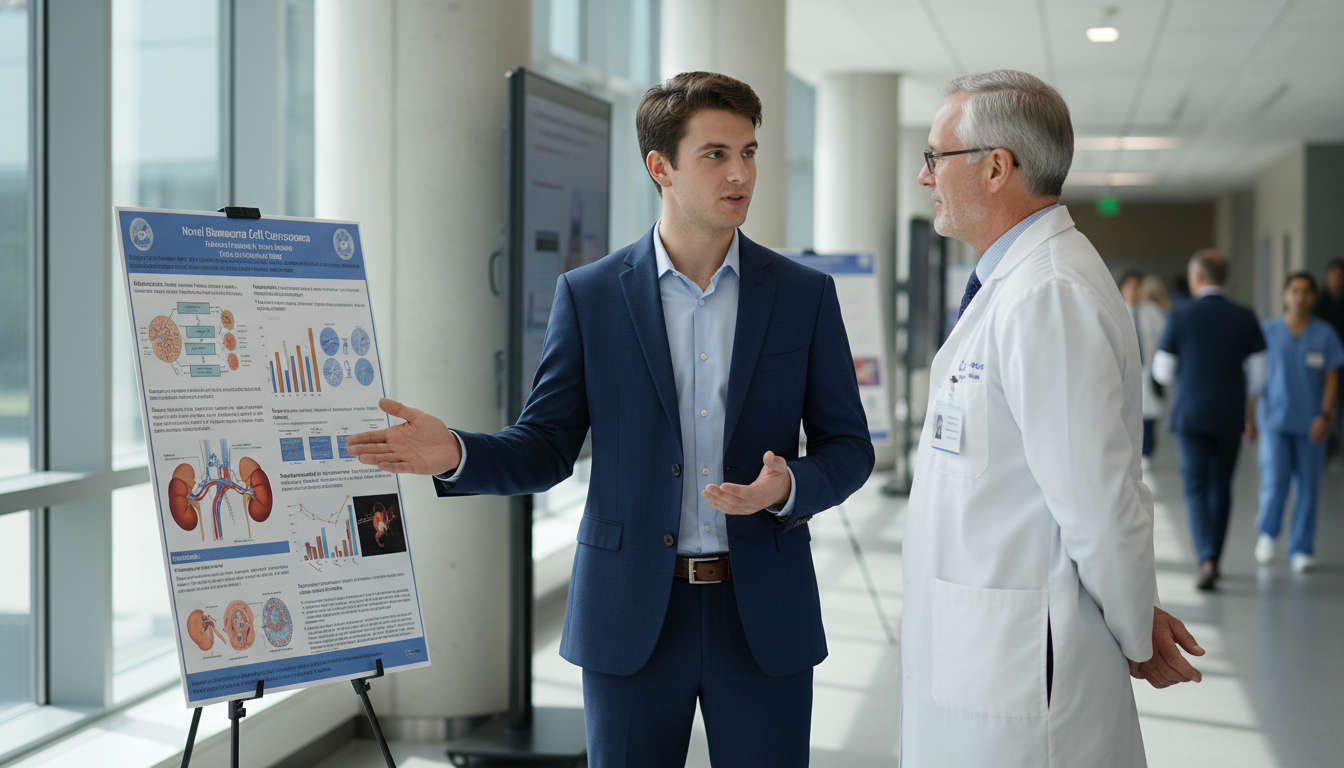
5. Conference Abstracts and Posters
The SGU residency match and other Caribbean medical school residency outcomes consistently show that abstracts and posters can be impactful stepping stones.
Benefits:
- Faster to produce than full manuscripts
- Opportunity to present, network, and get program directors’ attention
- Show your ability to communicate findings concisely
Key physiatry conferences:
- AAPM&R Annual Assembly
- AAP (Association of Academic Physiatrists) Annual Meeting
- Specialty or regional rehabilitation conferences
As a Caribbean IMG, attending at least one of these—virtually or in person—can significantly expand your network and reinforce your commitment to PM&R.
Strategically Presenting Your Research on ERAS and in Interviews
Producing research is only half the battle. You must also learn to present it effectively so that PM&R program directors clearly see its value.
1. Organizing Your ERAS Experiences
On ERAS, categorize appropriately:
Publications:
- Peer-reviewed journal articles
- Case reports
- Systematic/narrative reviews
Presentations and Posters:
- National and regional conferences
- Institutional research days
Other Scholarly Activity:
- QI projects
- Unpublished projects with clear progress (data collection complete, manuscript in preparation)
List your role honestly but clearly:
- “First author” or “co-first author” when applicable
- Describe specific tasks: data collection, statistical analysis, drafting the introduction/discussion, preparing figures/poster, presenting results.
2. Tailoring Your Personal Statement Around Research
For a physiatry match, integrate your research story with your clinical interest:
- Briefly describe one representative PM&R-related project that shaped your understanding of rehabilitation.
- Highlight a patient or functional outcome insight that influenced your decision to pursue PM&R.
- Emphasize skills: working in interdisciplinary teams, interpreting outcomes data, and applying evidence to clinical decisions.
Avoid turning your personal statement into a research CV; instead, use 1–2 projects to support your narrative of why PM&R is the right specialty.
3. Discussing Research in Interviews
Program directors often probe:
- “Tell me about your most meaningful research project.”
- “What was your role?”
- “What did you learn from the results?”
- “How do you see research fitting into your career as a physiatrist?”
Prepare concise answers:
- One-sentence project description
- Your specific contribution
- Key result or unexpected finding
- How it changed your approach to rehabilitation or patient care
Example:
“In a chart review of stroke patients, I helped analyze whether early physiatry consultation affected discharge disposition. I performed much of the data collection and participated in the statistical analysis. We found that early PM&R involvement was associated with higher rates of discharge to acute rehab rather than nursing homes. This taught me how early functional assessment can significantly change a patient’s long-term independence, reinforcing my interest in becoming a physiatrist who advocates for early rehab.”
This kind of polished narrative shows maturity, relevance, and genuine engagement—not just that you chased lines on a CV.
4. Addressing Gaps or Non-PM&R Research
Many Caribbean IMGs have research in internal medicine, surgery, or basic science. You can still leverage this work:
- Emphasize universal skills: critical thinking, data analysis, scientific writing, teamwork.
- Draw connections: a cardiology outcome study might highlight exercise capacity, functional status, or chronic disease management similar to rehab concepts.
- If asked why you shifted to PM&R, explain how your research experience helped you realize that focusing on function and quality of life aligns better with your goals.
Common Pitfalls and How to Avoid Them
Caribbean IMGs in the physiatry match often fall into predictable traps when building a research profile.
Pitfall 1: Waiting Too Late
Starting research in the final months before ERAS submission rarely produces meaningful outcomes.
Solution: Begin as early as possible—ideally:
- Late pre-clinical or early clinical years for planning and networking
- By the start of your core rotations for initial projects
- No later than 12–18 months before applications if you want completed posters/publications
Pitfall 2: Overcommitting to Too Many Projects
Taking on several projects simultaneously, then failing to complete them, is a red flag.
Solution:
- Start with 1–2 manageable, high-yield projects.
- Only add new work once your existing projects are on solid footing (e.g., abstract submitted).
Reliability matters more than the sheer number of titles you attach your name to.
Pitfall 3: Misrepresenting Your Role
Programs may contact co-authors or mentors; dishonesty about your contribution can seriously damage your candidacy.
Solution:
- Be accurate about your role and level of involvement.
- It is acceptable to say you helped with data collection or literature review—that is still valuable.
- Focus on depth and reflection in interviews, not exaggeration.
Pitfall 4: Neglecting PM&R Exposure Altogether
Some Caribbean IMG applicants have research but zero PM&R context—no shadowing, no rotations, no faculty references.
Programs hesitate to rank such applicants highly, even if they have publications for match.
Solution:
- Combine your research efforts with at least one formal PM&R rotation, observership, or elective.
- Seek at least one letter from a physiatrist who can speak to both your clinical and academic potential.
FAQs: Research Profile Building for Caribbean IMGs in PM&R
1. How many publications are needed to match into PM&R as a Caribbean IMG?
There is no fixed number, but most successful Caribbean IMGs in physiatry have 3–6 meaningful scholarly activities, including a mix of posters, abstracts, case reports, and potentially 1–2 peer-reviewed manuscripts. Quality and relevance to PM&R matter more than raw quantity. Program directors want to see sustained involvement and a clear connection to rehabilitation or related fields.
2. Do all my research projects need to be in PM&R specifically?
Not necessarily. It is ideal to have at least 1–2 projects directly related to PM&R, neurology, orthopedics, sports medicine, or pain, but internal medicine or other specialty research can still be very helpful. In your application and interviews, highlight the skills you gained and connect them to functional outcomes, chronic disease management, or patient-centered care—core themes in physiatry.
3. Can I still match into PM&R if I have no publications but some ongoing research?
Yes, it is possible, especially if you have strong USMLE scores, solid clinical performance, and good PM&R letters. But for a Caribbean IMG, having completed research (even a single poster, abstract, or case report) significantly strengthens your application. Ongoing projects are still valuable—list them in ERAS with clear descriptions and be prepared to discuss your role and expected outcomes.
4. What type of research is most efficient for me as a Caribbean IMG with limited time?
For most applicants in your situation, the highest-yield, realistic options are:
- Case reports or small case series involving rehab-relevant patients
- Retrospective chart reviews with focused, answerable questions
- Quality improvement projects that can lead to poster presentations
- Narrative or systematic reviews under mentorship
These are attainable within 6–12 months and can be completed alongside clinical duties, making them ideal for improving your Caribbean medical school residency application and boosting your chances in the PM&R residency match.
By starting early, choosing realistic projects, and telling a coherent story around your interest in rehabilitation, you can build a compelling research portfolio that helps you stand out as a Caribbean IMG in the physiatry match.