Understanding the Role of Research for Caribbean IMGs in Global Health
For a Caribbean medical school graduate aiming for a global health–oriented residency, a strong research profile is one of the most powerful ways to stand out. This is especially true for Caribbean IMGs applying to competitive programs, global health residency tracks, or academic internal medicine and family medicine programs with an international medicine focus.
Residency program directors often use research as a signal of:
- Academic curiosity and critical thinking
- Ability to complete long-term projects
- Familiarity with evidence-based medicine
- Potential for future scholarly work in residency
For Caribbean graduates, a robust research record can help compensate for perceived disadvantages such as:
- Lower name recognition of Caribbean medical schools
- Limited home-institution departments or research infrastructure
- Less access to U.S.-based mentors early in training
Whether you are at SGU, Ross, AUC, Saba, or another Caribbean school, building a research portfolio can significantly strengthen your application, particularly if you are targeting:
- Global health residency tracks
- Internal medicine or family medicine programs with international medicine experiences
- Academic programs with strong population health, epidemiology, or community medicine
- Fellowships later in infectious diseases, preventive medicine, or public health
The key is to be strategic. You do not need a PhD-level CV, but you do need focused, credible activities that align with your story: a future physician committed to global health.
How Much Research Is “Enough”? Clarifying Expectations
One of the most common questions is: “How many publications are needed?” Program directors rarely give a specific number, and there is no universal threshold. Instead, they look at the pattern and quality of your scholarly work.
Understanding What “Scholarly Activity” Includes
When people talk about “research for residency,” they often mean more than just original research. Typical scholarly output includes:
- Peer-reviewed original research articles (highest tier)
- Case reports and case series
- Review articles or narrative reviews
- Quality improvement (QI) projects
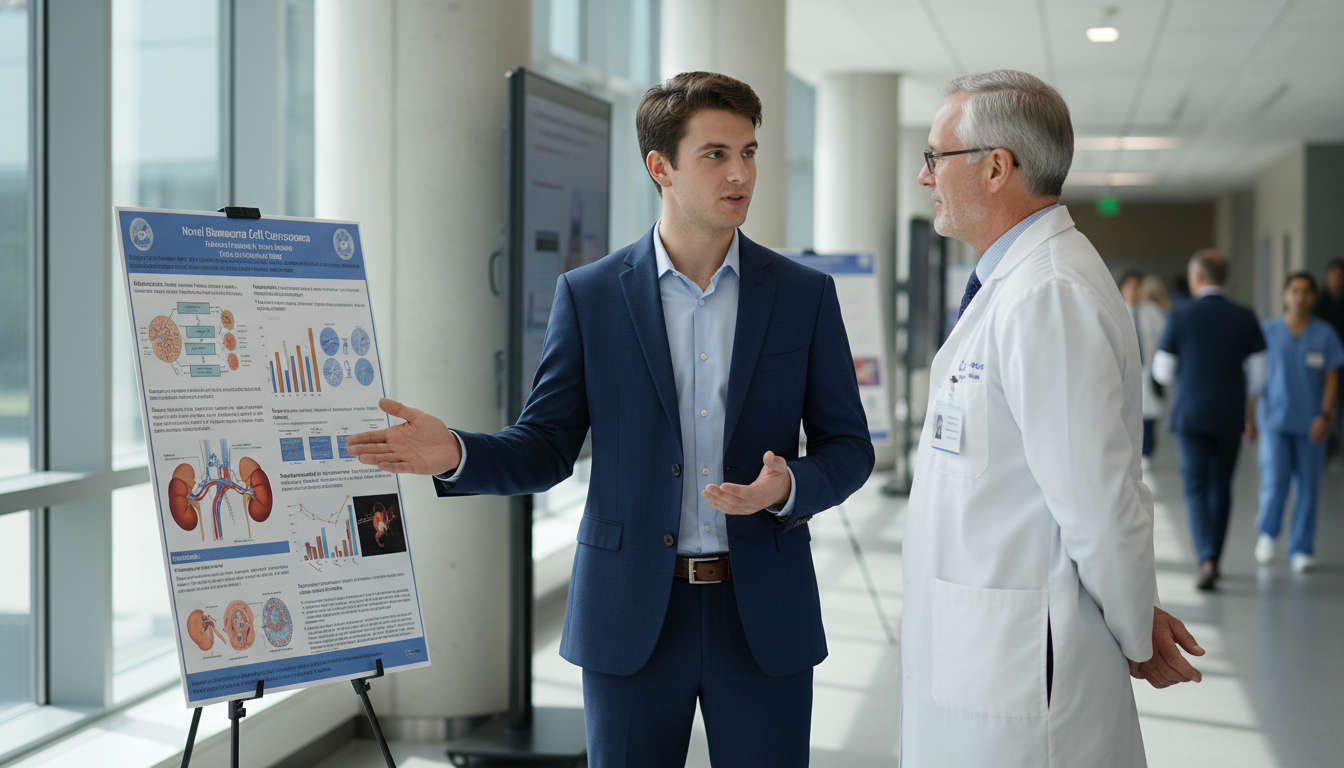
- Conference abstracts/posters/oral presentations
- Book chapters or invited reviews
- Public health reports or NGO program evaluations
All of these can contribute to your profile and should be captured in the application.
Benchmarks and Realistic Targets for Caribbean IMGs
For a Caribbean IMG aiming for a global health–oriented internal medicine or family medicine program, a realistic target might be:
Strong profile:
- 1–2 peer-reviewed publications (any authorship position), plus
- 2–4 posters/abstracts, QI projects, or global health program evaluations
Competitive global health–focused profile:
- 2–4 peer-reviewed publications (at least one where you have a major role), and
- 3–6 additional scholarly activities (posters, QI, community/global health evaluations, policy briefs, or systematic reviews)
Minimum scholarly engagement if limited time:
- 1 publication or
- 1–2 substantial projects (like a global health program evaluation or well-designed QI project) that result in a poster or abstract
The question is not only “how many publications needed” but also: Do these activities make sense together? Do they support your narrative as someone serious about global health and international medicine?
How Program Directors Interpret Your Research
Program directors don’t just count items; they look at:
- Continuity: Did you do research over multiple years, or only once?
- Responsibility: Were you first author or deeply involved, or just one of many names?
- Relevance: Do your topics align with global health, primary care, epidemiology, or health disparities?
- Productivity: Did your work lead to tangible outputs—posters, publications, or presentations?
As a Caribbean IMG, you benefit most from a portfolio that shows purpose and momentum, not random one-off projects.

Types of Research That Align Best With Global Health
Global health is broad. You don’t have to work in a low-income country to build a strong global health profile. Many forms of research can fit under the global health umbrella—what matters is population impact, health systems, and health equity.
1. Epidemiology and Population Health Studies
These projects examine health outcomes in populations rather than individuals.
Examples:
- Prevalence of diabetes complications in a Caribbean island population
- Association between vaccine uptake and socioeconomic status in a migrant community
- COVID-19 outcomes among immigrant or refugee populations
These are highly valued in global health residency tracks because they show you understand data on populations, not just patients.
2. Health Systems and Policy Research
These studies focus on how healthcare is organized, financed, and delivered.
Examples:
- Evaluation of referral pathways from community health workers to hospitals
- Analysis of barriers to accessing primary care for undocumented migrants
- Study of policy changes that impact medication availability in resource-limited settings
This is especially powerful if you are interested in leadership, advocacy, or working with NGOs and ministries of health.
3. Implementation Science and Program Evaluation
Many global health initiatives fail not because the idea is bad, but because implementation is weak. Programs want applicants who can evaluate and improve interventions.
Examples:
- Assessing the impact of a mobile clinic on vaccination rates in rural communities
- Evaluating the effectiveness of a telemedicine pilot for remote island populations
- Monitoring and evaluating an NGO’s maternal health program
Even small-scale, well-documented evaluations can turn into publishable manuscripts or conference abstracts.
4. Infectious Diseases and Tropical Medicine
Classic global health topics still carry a lot of weight:
- TB, HIV, malaria, dengue, chikungunya, Zika
- Neglected tropical diseases
- Antimicrobial resistance in low-resource settings
You can contribute via case reports, retrospective chart reviews, or collaborations with infectious disease specialists.
5. Non-Communicable Diseases and Health Disparities
Global health is not only about infections. Many Caribbean and international settings struggle with:
- Diabetes, hypertension, and cardiovascular disease
- Cancer screening disparities
- Mental health access and stigma
Projects examining risk factors, treatment access, or health outcomes in underserved or migrant populations fit squarely within global health and international medicine.
6. Education and Capacity-Building Research
Residency programs with a global health focus often invest in workforce training.
Examples:
- Evaluating the impact of a training program for community health workers
- Assessing changes in knowledge/skills after a maternal health workshop
- Developing and testing a curriculum on point-of-care ultrasound for rural clinics
These projects demonstrate your interest in sustainable capacity-building, a major theme in global health.
Step-by-Step Strategy: Building a Research Profile from the Caribbean
You may not have a large academic center or NIH-funded lab at your Caribbean medical school. You still can build a high-quality research portfolio with strategic planning.
Step 1: Assess Your Starting Point and Timeline
Ask yourself:
- Where are you in the curriculum (basic sciences vs. clinical rotations)?
- How many months until you apply for residency?
- How many hours per week can you realistically dedicate to research without harming your academic performance or exam prep?
If you have 18–24 months before applying, you can plan for deeper, multi-stage projects. If you have 6–12 months, focus on shorter, well-scoped projects such as case reports, brief retrospective reviews, or QI projects.
Step 2: Use Your School’s Resources (Even If Limited)
Most Caribbean medical schools—SGU, Ross, AUC, Saba, etc.—have:
- A research office or dean’s office that keeps track of faculty involved in projects
- Student research groups or global health interest groups
- Elective research courses or selectives
If you are at a larger institution like SGU, ask specifically about SGU residency match data: which departments regularly publish, and which types of projects former students completed that helped them match into global health–oriented programs. This can guide you to mentors who understand Caribbean IMG challenges.
Action steps:
- Email the research or academic affairs office asking for a list of faculty who mentor student research, especially in global health, community medicine, or epidemiology.
- Join any research or global health student organizations; these often have ongoing projects looking for help.
- Ask upper-year students who matched into global health or academic IM/FM programs what they did and with whom.
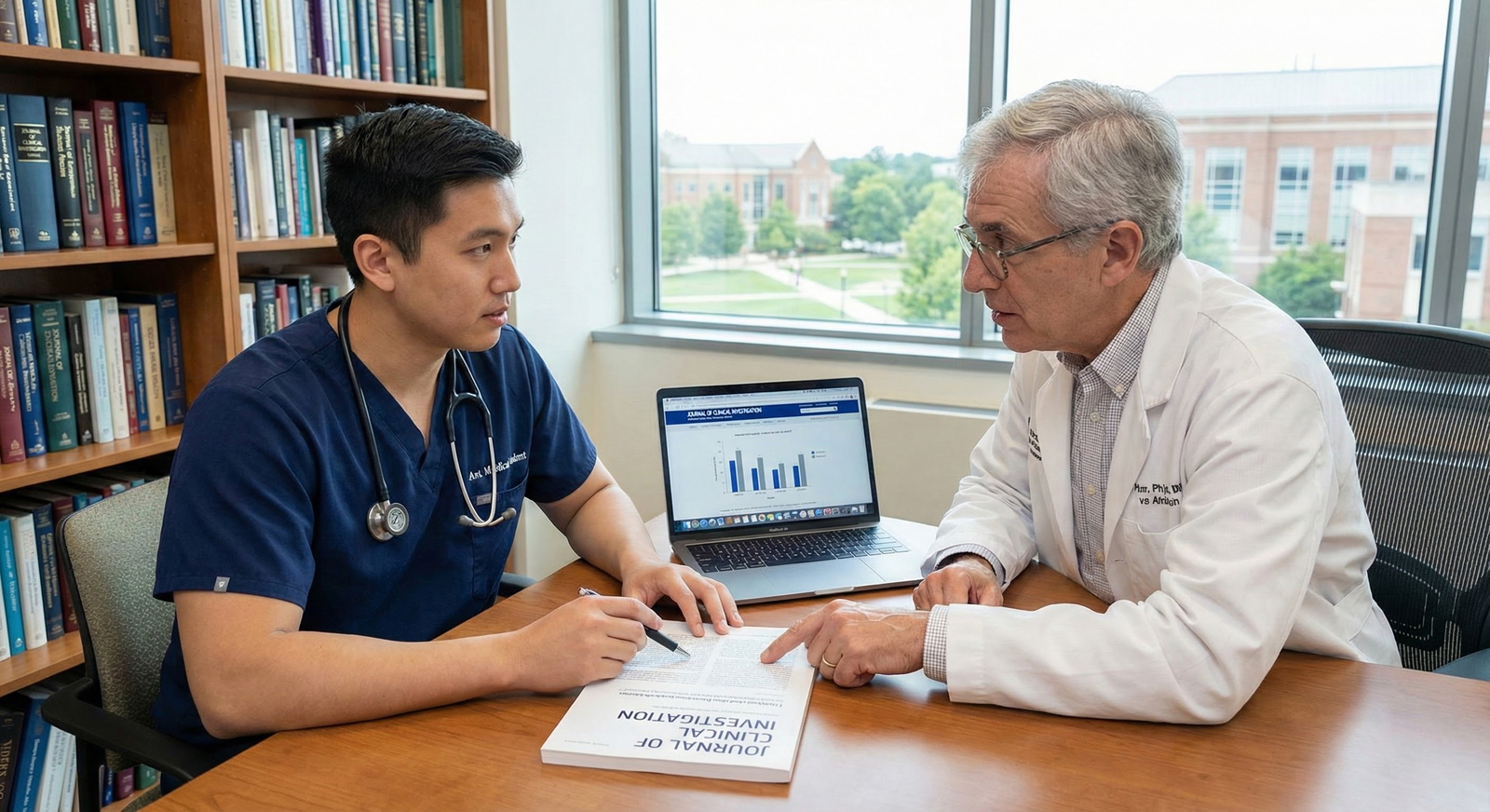
Step 3: Seek Mentors in Multiple Locations
As a Caribbean IMG, your mentoring network can be hybrid:
- On-island faculty (community medicine, public health, microbiology, internal medicine)
- Clinical rotation preceptors in the U.S., Canada, or the UK
- Faculty at partner hospitals where you do core and elective rotations
- Online mentors through academic networks, global health organizations, or alumni associations
When you meet a potential mentor interested in international medicine or global health:
- Introduce yourself and your interests concisely.
- Ask if they are involved in any projects where a motivated student could help.
- Be specific about what you can realistically commit (hours/week, expected length of involvement).
Mentors are more likely to say yes if they see you understand your limits and can follow through.

Practical Project Ideas and How to Turn Them Into Publications
You don’t need a massive randomized trial to get meaningful output. As a Caribbean IMG, think strategically about small but publishable projects.
1. Case Reports and Case Series
Why they’re valuable:
- Low barrier to entry
- Common in global health (rare infections, unusual presentations, resource-limited management)
- Great for learning basic academic writing
Example topics:
- A rare parasitic infection in a migrant or traveler
- An atypical presentation of TB or HIV
- An innovative low-resource management approach during a rotation in a resource-limited setting
Action steps:
- During rotations, keep an eye out for unusual or educational cases.
- Ask the attending: “Would you be open to working on a case report together?”
- Review the literature, write a structured draft, and submit to a reputable journal that accepts case reports (e.g., Case Reports in Medicine, BMJ Case Reports, regional journals).
2. Retrospective Chart Reviews
These can be done within hospital systems used by Caribbean schools or U.S. affiliate sites.
Examples:
- Outcomes of diabetic patients in a community clinic serving Caribbean immigrants
- Antibiotic use patterns in a hospital serving a resource-limited population
- Hospital readmissions among uninsured vs. insured patients
Action steps:
- Propose a focused question to a clinical mentor: e.g., “Could we look at 12 months of data on X?”
- Work with the mentor to secure IRB/ethics approval (often simpler for retrospective studies).
- Learn basic statistics (or collaborate with a biostatistician) for data analysis.
- Aim first for an abstract/poster at a local or national conference, then a manuscript.
3. Quality Improvement (QI) Projects
QI is especially relevant for global health residency tracks because it shows you can improve systems, not just study them.
Examples:
- Improving adherence to hypertension guidelines in a clinic serving immigrants
- Increasing HIV screening rates in a primary care setting
- Streamlining vaccination documentation for pediatric patients in a community clinic
Action steps:
- Use Plan-Do-Study-Act (PDSA) cycles.
- Collect baseline data, implement an intervention, collect follow-up data.
- Present at hospital QI meetings, then submit abstracts to conferences (e.g., ACP, AAFP, global health conferences).
- Write it up for a QI-focused journal.
4. Systematic or Narrative Reviews
If your access to patients or datasets is limited—especially during basic sciences—reviews are a strong option.
Examples:
- Narrative review of cardiovascular disease trends in Caribbean populations
- Systematic review of telemedicine interventions in low-resource settings
- Review of mental health interventions among migrants and refugees
Action steps:
- Identify a mentor with content expertise.
- Choose a specific, not overly broad topic.
- Learn basic systematic review methods (PRISMA guidelines) if aiming for a systematic review.
- Even a well-executed narrative review can be publishable and demonstrates scholarly rigor.
5. Remote or Data-Based Projects
Global datasets are widely accessible and can be analyzed from anywhere:
- WHO, World Bank, IHME, Demographic and Health Surveys
- National health survey data from Caribbean countries or Latin America
Examples:
- Correlation between GDP and maternal mortality across Caribbean nations
- Trends in non-communicable disease burden in small island states
- Analysis of vaccination coverage vs. disease outbreaks in a region
These projects can be powerful if you’re comfortable with data analysis and interested in global policy or health systems.
Presenting and Packaging Your Research for Residency Programs
Doing the work is only half the battle; you must present it effectively in your residency application.
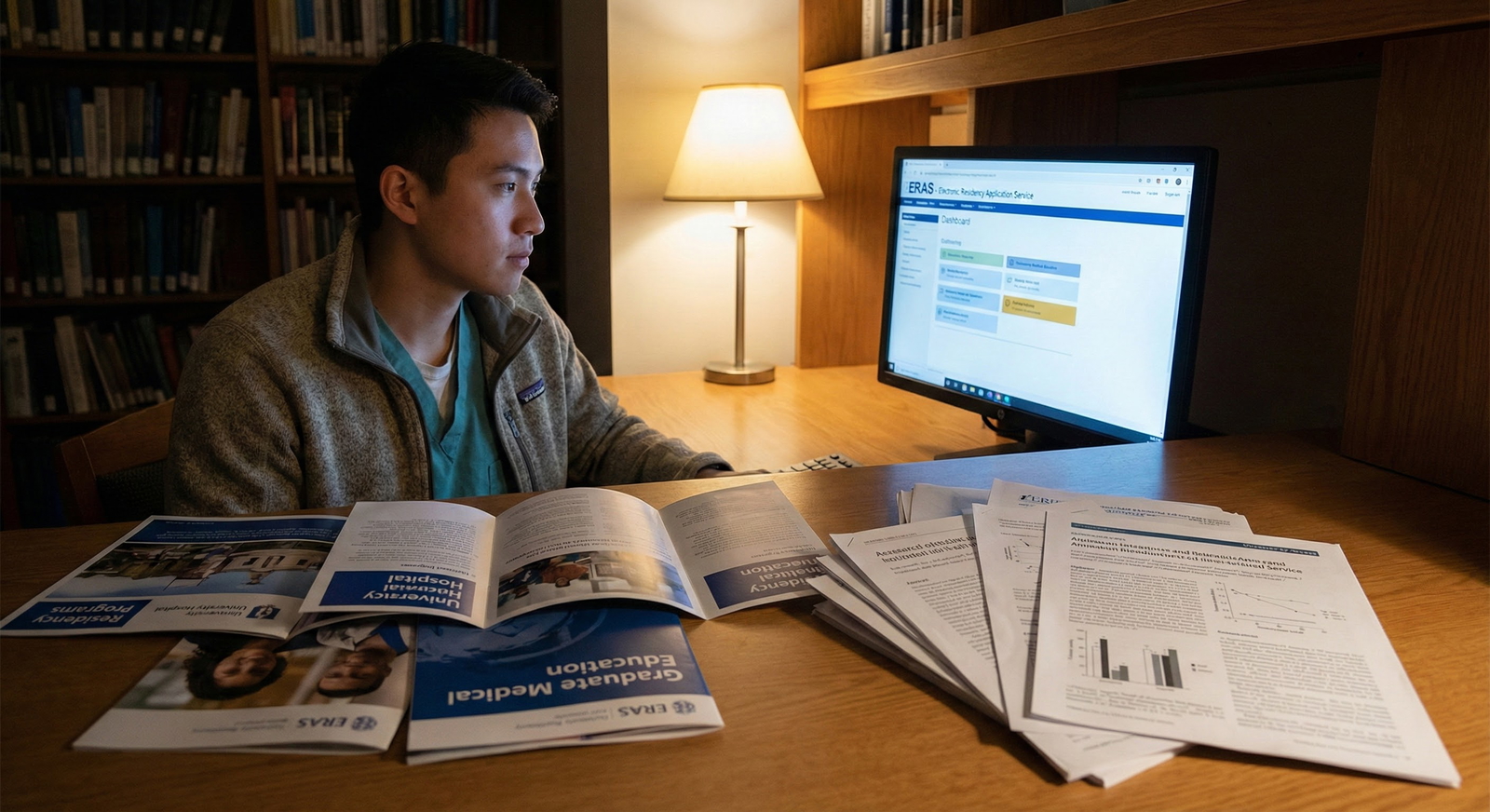
Highlighting Research in ERAS (or Equivalent) Applications
Use all relevant sections:
- Work/Activities section:
- List each project, specifying your role, methods, and outcomes (poster, paper, presentation).
- Publications section:
- Include accepted or published papers, abstracts, and book chapters.
- Personal statement:
- Integrate your research briefly to support your global health narrative, not as a separate brag list.
Focus on impact and skills learned: data collection, data analysis, IRB experience, working in resource-limited environments, collaboration across countries.
Tailoring Your Research Story to Global Health Residency Tracks
When applying to programs with a global health residency track or strong emphasis on international medicine:
- Emphasize projects involving:
- Under-resourced communities
- Cross-border or migrant populations
- Health systems, epidemiology, or policy
- Show that your research is connected to service and long-term commitment, not just academic CV-building.
- Mention any plans to continue research in residency (e.g., implementation science, program evaluation, or population health scholarship).
Preparing for Interview Questions About Research
Programs will often ask:
- “Tell me about a research project you worked on.”
- “What was your role, and what did you learn?”
- “Were there any challenges or failures?”
Be ready with one or two anchor projects you can discuss in depth:
- Background and motivation
- Your specific responsibilities
- Key findings or outcomes
- Skills you developed (teamwork, statistics, critical appraisal, working in low-resource settings)
- Any follow-up plans for publication or further study
For Caribbean IMG candidates, competence and maturity in discussing your research can dramatically shift how an interviewer perceives your academic potential.
FAQs: Research Profile Building for Caribbean IMGs in Global Health
1. Do I need U.S.-based research to match into a global health residency track?
Not necessarily. U.S.-based research can help, especially if you aim for academic IM or FM programs, but well-designed projects from Caribbean clinical sites, NGOs, or international datasets are absolutely valid. The key is quality, relevance to global health, and clear outcomes (poster, publication, or presentation). Combining one or two U.S.-based projects with international or Caribbean-based work often creates the strongest narrative.
2. How many publications are needed to be competitive as a Caribbean IMG?
There is no fixed number. For many Caribbean IMGs, having 1–2 solid publications plus several posters or QI projects can place you in a competitive position, especially for community or mid-tier academic programs with a global health focus. For more research-heavy or highly academic programs, 2–4 publications, especially related to international medicine or population health, can significantly improve your chances—provided your scores and clinical performance are strong.
3. What if I start research late, during clinical rotations—is it still worth it?
Yes. Even if you start in your 3rd or 4th year, you can complete shorter projects like case reports, brief retrospective reviews, or QI projects. These can still lead to conference presentations and sometimes rapid publications. Also, beginning research late but with intensity and focus can demonstrate growth and maturity, which interviewers notice.
4. Does working with an SGU or Caribbean faculty mentor disadvantage me compared to U.S. faculty?
No, not if the work is well-designed and results in meaningful outputs. Many SGU residency match and other Caribbean IMG success stories come from students who published with on-island or regional mentors and then extended their work during U.S. rotations. Working with Caribbean faculty can even strengthen your international medicine identity, especially when your projects address local or regional health challenges relevant to global health.
By building a coherent, purposeful research portfolio—focused on population health, systems, and underserved communities—you position yourself as more than just a residency applicant. You present yourself as a future global health leader who understands both the science and the realities of care in diverse settings. For a Caribbean IMG seeking a global health–oriented career, that is one of the strongest messages you can send.