Why Research Matters for Caribbean IMGs in OB/GYN
For a Caribbean medical school graduate targeting an OB GYN residency in the United States, a strong research profile is no longer optional—it is a differentiator.
Program directors, especially in competitive specialties like Obstetrics & Gynecology, use research to:
- Distinguish between large numbers of applicants with similar USMLE scores
- Assess your academic curiosity and commitment to evidence-based medicine
- Gauge your ability to complete scholarly projects—an ACGME expectation for residents
- Evaluate your communication skills (through abstracts, posters, and publications)
For Caribbean medical school residency applicants, research plays an additional role: it helps address biases about the perceived rigor of offshore medical education. A thoughtful portfolio of projects, presentations, and publications shows that you can perform at the same academic level as U.S. graduates.
If you are from a school with strong match outcomes such as SGU (Saint George’s University), you may hear about the “SGU residency match culture” emphasizing step scores and clinical performance. Those matter—but in OB/GYN, research is increasingly part of a competitive profile, especially for university or academic-track programs.
Where OB/GYN Programs Expect to See Research
OB/GYN residencies typically value research in a few specific ways:
- Women’s health–focused topics (OB, GYN, REI, MFM, minimally invasive surgery, family planning, urogynecology, etc.)
- Quality improvement (QI) projects in labor & delivery, gynecologic surgery, maternal morbidity/mortality, etc.
- Case reports/series on rare gynecologic cancers, complex pregnancies, or surgical complications
- Clinical research involving maternal outcomes, contraception, ultrasound, fertility, or gynecologic oncology
Community programs may place less weight on high-impact publications, but they still appreciate evidence of scholarly work. Academic programs often consider research experience a “must-have,” especially if you are aiming for fellowships later (MFM, REI, Gyn Onc).
How Many Publications Do You Really Need?
One of the most common questions from Caribbean IMGs is: “How many publications needed to be competitive?”
There is no single magic number, but we can talk in realistic ranges.
Typical Ranges for OB/GYN Applicants
These are approximate patterns, not hard rules:
Minimum for most Caribbean IMGs:
- At least 1–2 meaningful research experiences (e.g., one project and a poster, or a case report and a QI project)
- Preferably 1+ peer‑reviewed publication or a strong abstract/poster at a recognized conference
More competitive for academic OB/GYN programs:
- 2–4 research experiences
- 2–3 publications or abstracts/posters, ideally with OB/GYN relevance
- Evidence of continuity (work over ≥12 months, or multiple outputs from the same research group)
Very research‑heavy or fellowship‑focused track programs (e.g., at top academic centers):
- Often applicants have 3–6+ publications or national presentations, sometimes with first‑author work or significant women’s health content
- For a Caribbean IMG, this may require 1–2 gap years focused primarily on research in the U.S.
Quality vs Quantity
For Caribbean medical school residency applicants, quality and relevance are more important than sheer volume:
A single, well‑executed project that leads to:
- A first‑author case report in an OB/GYN journal, plus
- A poster presentation at a regional ACOG conference, plus
- Strong letters from OB/GYN faculty who supervised the work
…is far more valuable than five minor, peripheral contributions where you barely participated.
Publications vs Other Scholarly Work
When programs talk about “research,” they consider:
- Peer‑reviewed journal articles (original research, reviews, case reports)
- Conference posters and oral presentations
- Published abstracts (even if not full articles)
- Book chapters or online CME modules in OB/GYN
- Quality improvement projects with documented impact
If you ask “how many publications needed?” in a strict sense, you might undervalue these other meaningful components. Many successful Caribbean IMGs match OB/GYN with:
- 1 published case report or original article
- 1–2 conference presentations or posters
- 1 QI or retrospective project
- Plus strong clinical metrics (USMLEs, clerkship grades, strong letters)
Types of Research That Count (and How to Access Them)
The biggest misconception among Caribbean IMGs is that only large, randomized clinical trials at Ivy League institutions “count.” In reality, most OB/GYN residency applicants build their profile through feasible, smaller-scale projects.
1. Case Reports and Case Series
Why they are ideal for Caribbean IMGs:
- Realistic to complete from clinical rotations, even outside large academic centers
- Often acceptable in mid‑tier or specialty journals
- Excellent for learning manuscript structure, literature review, and submission processes
OB/GYN‑specific examples:
- A rare ectopic pregnancy (e.g., ovarian, cervical, cesarean scar)
- A complication of preeclampsia or HELLP in a unique setting
- An unusual gynecologic malignancy in a young patient
- A complex postpartum hemorrhage requiring multidisciplinary care
Action steps:
- During your OB/GYN rotations, be alert for unusual or complex cases.
- Ask your attending: “Would you consider writing this up as a case report? I’d be happy to do the background research and drafting.”
- Take responsibility for:
- Literature search
- Drafting introduction, case description, and discussion
- Formatting references per the target journal’s guidelines
- Let the attending drive journal selection and final approval.

2. Retrospective Chart Reviews
Retrospective studies are a practical way for a Caribbean IMG to build a more substantial research experience.
Common OB/GYN topics:
- Outcomes of VBAC vs repeat cesarean in a specific institution
- Rates and predictors of postpartum hemorrhage
- Contraceptive choice and continuation rates in a particular population
- Time to surgery and outcomes for suspected ovarian torsion
Advantages:
- Does not require funding or prospective enrollment
- Can be done during or after clinical rotations, sometimes remotely
- Offers experience with data extraction, basic statistics, and IRB protocols
Action steps:
- Ask OB/GYN faculty (especially at university-affiliated sites):
“Are there any existing datasets or ideas for retrospective projects where I could help with data collection or analysis?” - Start small:
- 1–2 well‑defined questions
- Clear inclusion/exclusion criteria
- A manageable sample size
- Be prepared to handle:
- Data chart abstraction
- Cleaning and organizing in Excel, REDCap, or similar tools
- Basic statistical analysis (using SPSS/R with mentor guidance)
3. Quality Improvement (QI) Projects
Quality improvement is highly valued because it directly impacts patient care.
OB/GYN‑relevant QI examples:
- Reducing cesarean section infection rates with revised prophylaxis protocols
- Improving adherence to postpartum hemorrhage bundles
- Standardizing documentation of labor induction indications
- Implementing checklists to reduce retained surgical items in GYN ORs
QI projects often lead to:
- Posters at hospital QI days or regional conferences
- Internal presentations that can be described on your application
- Manuscripts if the project is well designed and outcomes are measurable
Action steps:
- Join existing institutional QI initiatives in L&D or the GYN OR.
- Ask to help with:
- Data collection pre‑ and post‑intervention
- Creating educational materials (posters, checklists)
- Preparing a poster or abstract for presentation
- Document your role clearly for ERAS: design, data collection, analysis, and presentation.
4. Systematic Reviews / Narrative Reviews
These are realistic for Caribbean IMGs who may not have direct access to patients or IRB infrastructure, especially if you are between rotations or in a research year.
OB/GYN topics might include:
- Management strategies for placenta accreta spectrum
- New approaches to PCOS management
- Fertility preservation in gynecologic oncology patients
- Emerging treatments for endometriosis
Action steps:
- Identify a faculty mentor with interest in your topic.
- Develop a clear question (e.g., using PICO).
- Learn review methodology:
- For systematic reviews: PRISMA guidelines
- For narrative reviews: focus on synthesis and clarity
- Work through:
- Search strategy (PubMed, Embase, Cochrane, etc.)
- Screening and data extraction
- Structured writing with tables/figures
Reviewer-style papers can be published in OB/GYN or women’s health journals and are very visible in your portfolio.
5. Multidisciplinary or Non‑OB/GYN Research
If OB/GYN‑specific projects are initially hard to find, it is completely acceptable to work in:
- Internal medicine (e.g., diabetes in pregnancy, hypertension in women)
- Surgery (e.g., minimally invasive techniques applicable to GYN surgery)
- Public health (e.g., maternal mortality, contraception access, cervical cancer screening)
You can then translate this work into an OB/GYN narrative in your personal statement and interviews by emphasizing women’s health implications.
Finding Research as a Caribbean IMG (With and Without U.S. Access)
Your challenge is twofold: limited time during clinical rotations, and often fewer institutional research resources compared to U.S. schools. You can still build a solid research profile with a deliberate strategy.
1. Using Your Caribbean Medical School Resources
Some Caribbean schools, including SGU and others, have growing infrastructures for student research:
- Student research offices or coordinators
- Mentored research electives
- Research interest groups (e.g., OB/GYN, women’s health)
- Formal pathways that highlight SGU residency match successes tied to research tracks
Action steps:
- Ask early (1st–2nd year): “Is there a research elective or track I can join in OB/GYN or women’s health?”
- Attend any research workshops or seminars; these often lead to mentors.
- Volunteer to assist faculty with literature reviews, data entry, or manuscript preparation.
2. Leveraging Clinical Rotations in the U.S. or UK
During your core and elective rotations:
- Introduce your interest early:
- “I’m very interested in OB/GYN and would love to get involved in any ongoing research or QI projects you might have.”
- Target:
- University‑affiliated hospitals
- Teaching hospitals with residency programs in OB/GYN
- Ask residents and fellows:
- “Do any attendings regularly work with students on research?”
- “Is there a journal club or research meeting I can join?”
Even if your core Caribbean school site is limited, a 4‑week OB/GYN elective at a research‑active institution can be a high‑yield opportunity to plug into existing projects.
3. Remote / Virtual Research Opportunities
If traveling or securing U.S. electives is challenging, consider remote options:
- Email OB/GYN or women’s health researchers with:
- A brief CV
- A concise introduction
- A clear ask: “I’m a Caribbean IMG with a strong interest in OB/GYN and am looking for remote opportunities to assist with literature reviews, data extraction, or manuscript editing. Would you be open to a short meeting to see if I could be helpful on any of your current projects?”
- Target:
- Faculty publishing frequently (PubMed search by institution)
- Researchers with large trials who may need help with secondary analyses or reviews
Be realistic: many will not reply. Aim to send 20–30 thoughtful, individualized emails; a single positive response can lead to multiple projects.
4. Networking Through Conferences and Organizations
Consider joining:
- ACOG (American College of Obstetricians and Gynecologists) as a student member
- SASGOG, SMFM, SGO, and other subspecialty groups if appropriate
Benefits:
- Access to webinars and virtual journal clubs
- Slack or email lists where research collaborations are occasionally shared
- Opportunities to submit abstracts to regional and national conferences
Attending a local or regional ACOG meeting (even virtually) can also connect you to mentors open to working with motivated IMGs.

Crafting a Coherent and Credible Research Story for Your Application
Research for residency is not just about listing items—it’s about presenting a clear, credible narrative that supports your goal: matching into OB/GYN.
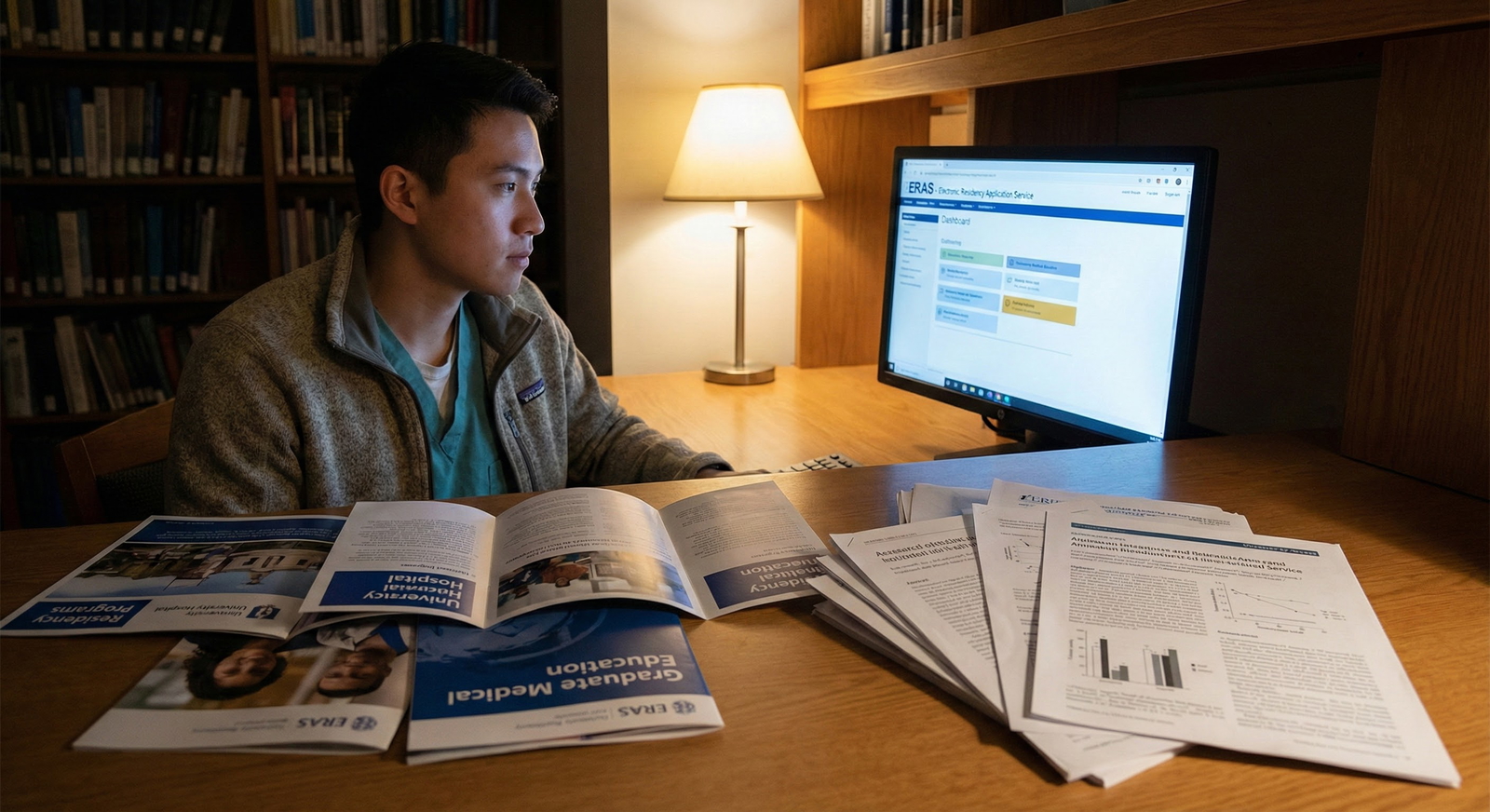
1. Organizing Your ERAS Research Entries
For each project, clearly define:
- Title and type (e.g., “Retrospective Cohort Study,” “Case Report,” “Prospective Survey,” “Quality Improvement”)
- Your role: conception, data collection, analysis, writing, presenting
- Outcome: submitted, under review, accepted, published, presented
Aim for accuracy and transparency. Program directors can spot inflated claims; this is especially scrutinized for Caribbean medical school residency applicants.
2. Writing About Research in Your Personal Statement
As a Caribbean IMG, you want your research to:
- Show genuine interest in women’s health
- Demonstrate perseverance and growth
- Connect logically to why OB/GYN is your specialty of choice
Example framing:
“During my OB/GYN rotation at [Hospital], I encountered a patient with placenta accreta spectrum who required a complex multidisciplinary delivery. The case led to a retrospective review of similar patients in our institution. As I collected and analyzed data on maternal outcomes, I saw firsthand how careful planning and evidence‑based protocols could reduce hemorrhage and ICU admissions. This experience deepened my commitment to high‑risk obstetrics and inspired me to pursue an obstetrics match at a program that values both clinical excellence and quality improvement.”
3. Using Research to Strengthen Letters of Recommendation
Faculty who know you as a researcher can write powerful letters because they can speak to:
- Your reliability and follow‑through
- Your critical thinking and data interpretation skills
- Your communication skills in writing and presenting
- Your collaboration with residents/fellows and other team members
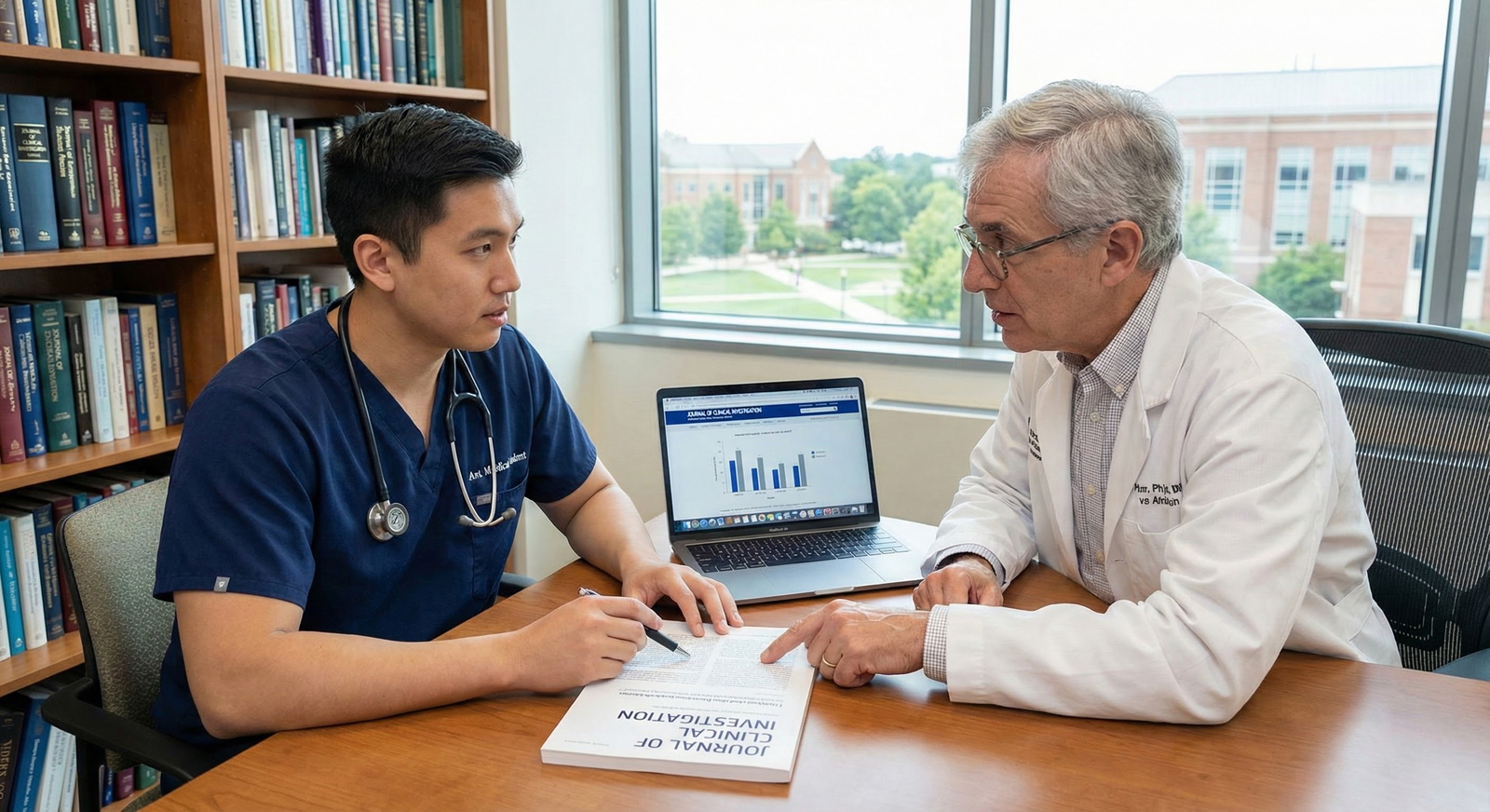
Identify 2–3 mentors (ideally including at least one OB/GYN) who can:
- Supervise your research
- Observe you clinically
- Ultimately write a letter that integrates both aspects
4. Preparing to Discuss Research in Interviews
Program directors will often ask:
- “Tell me about your research project.”
- “What was your specific role?”
- “What did you learn from this study?”
- “If you could redesign the study, what would you change?”
Be ready to:
- Explain your methods at a basic level
- Summarize key findings and why they matter for patient care
- Acknowledge limitations honestly (small sample size, retrospective design, etc.)
- Show enthusiasm for continuing scholarly work in residency
If you misrepresent your role or cannot discuss your project beyond the title, it is a red flag. Authenticity, even on small projects, is far better than exaggerated claims.
Sample Roadmaps: Building a Research Profile from M1 to Application
Scenario A: Early Planner (Starting Pre‑Clinicals)
Year 1–2 (Basic Sciences at Caribbean School)
- Join a women’s health or OB/GYN interest group.
- Start a literature review or narrative review with a faculty member.
- Help with data entry or chart abstraction for an existing study.
Year 3 (Core Rotations)
- During OB/GYN core, identify a unique case for a case report.
- Ask to join a QI project on L&D or in GYN surgery.
Year 4 (Electives + Application Year)
- Do an OB/GYN elective at a research‑active U.S. site.
- Present a poster at a regional or national meeting (ACOG, etc.).
- Aim to have:
- 1–2 publications (case report, review, or retrospective study)
- 1–3 presentations/posters
- 1–2 meaningful ongoing research experiences for ERAS
Scenario B: Late Starter (Deciding on OB/GYN Near Clinical Rotations)
Late Year 3 / Early Year 4
- During OB/GYN core, immediately ask about:
- Case reports
- Ongoing retrospective or QI projects
- Prioritize quick‑turnaround projects:
- Case reports
- Short retrospective reviews with existing datasets
- QI projects with pending abstracts
Application Year / Gap Year
- If time allows, consider 1 dedicated research year in OB/GYN or women’s health:
- Join a lab or outcomes research group at a U.S. academic center
- Work full‑time on multiple projects to build your SGU (or other Caribbean school) residency match competitiveness
- By ERAS submission:
- Have at least 1 submission or acceptance for publication
- Multiple abstracts/posters under review or accepted
- Strong letter from your research mentor
FAQs: Research Profile Building for Caribbean IMGs in OB/GYN
1. I’m from a Caribbean school without strong research infrastructure. Can I still build a competitive OB/GYN research profile?
Yes. Focus on feasible, small‑scale projects:
- Case reports and case series from your clinical rotations
- QI initiatives in L&D or GYN ORs
- Narrative or systematic reviews with remote mentors
Leverage your clinical sites (especially any U.S. or UK rotations) and online networking. You do not need a lab; you need a question, a mentor, and disciplined follow‑through.
2. Is OB/GYN too competitive for a Caribbean IMG without multiple publications?
Not necessarily. Many Caribbean medical school residency applicants match into OB/GYN each year, including from schools like SGU and others, with modest but focused research profiles. To offset fewer publications, maximize:
- Solid USMLE scores
- Strong clinical evaluations and honors in OB/GYN
- Excellent letters from OB/GYN attendings
- Evidence of at least some scholarly work (case report, QI, poster)
Academic or research‑track programs will expect more robust research; community programs may be more flexible if your clinical credentials are strong.
3. Does my research have to be strictly in OB/GYN to help my obstetrics match chances?
OB/GYN‑specific work is ideal, but related fields in women’s health and surgery are also valuable:
- Internal medicine projects related to pregnancy, hypertension, or diabetes
- Public health or epidemiology projects on maternal health or contraception
- Surgical or anesthesia projects involving perioperative care in female patients
When you apply, explicitly connect these experiences to your interest in OB/GYN in your personal statement and interviews.
4. What should I do if my projects are still “in progress” or not yet published when I apply?
It is perfectly acceptable—and common—for Caribbean IMGs to list ongoing projects in ERAS:
- Label accurately: “Submitted,” “Under Review,” or “In Preparation”
- Clearly describe your role and the stage of the project
- Be ready to discuss methods, goals, and preliminary insights during interviews
If a manuscript gets accepted after ERAS submission, you can update programs via email or during interviews. Transparency is key—never label an unpublished piece as “published.”
By intentionally choosing realistic research projects, securing committed mentors, and clearly communicating your contributions, you can build a convincing research profile as a Caribbean IMG that strengthens your chances of an OB/GYN residency match—even in a competitive environment.