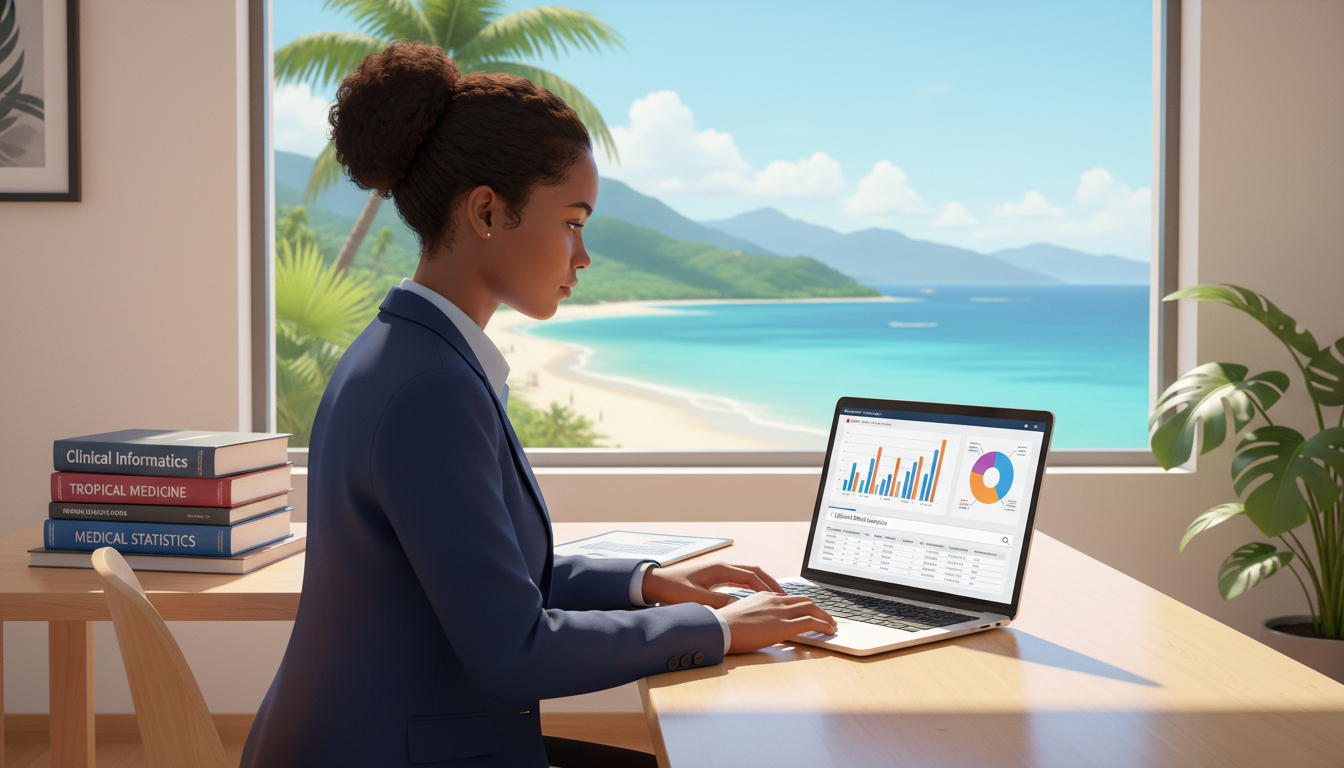
Understanding the Role of Research for a Caribbean IMG in Interventional Radiology
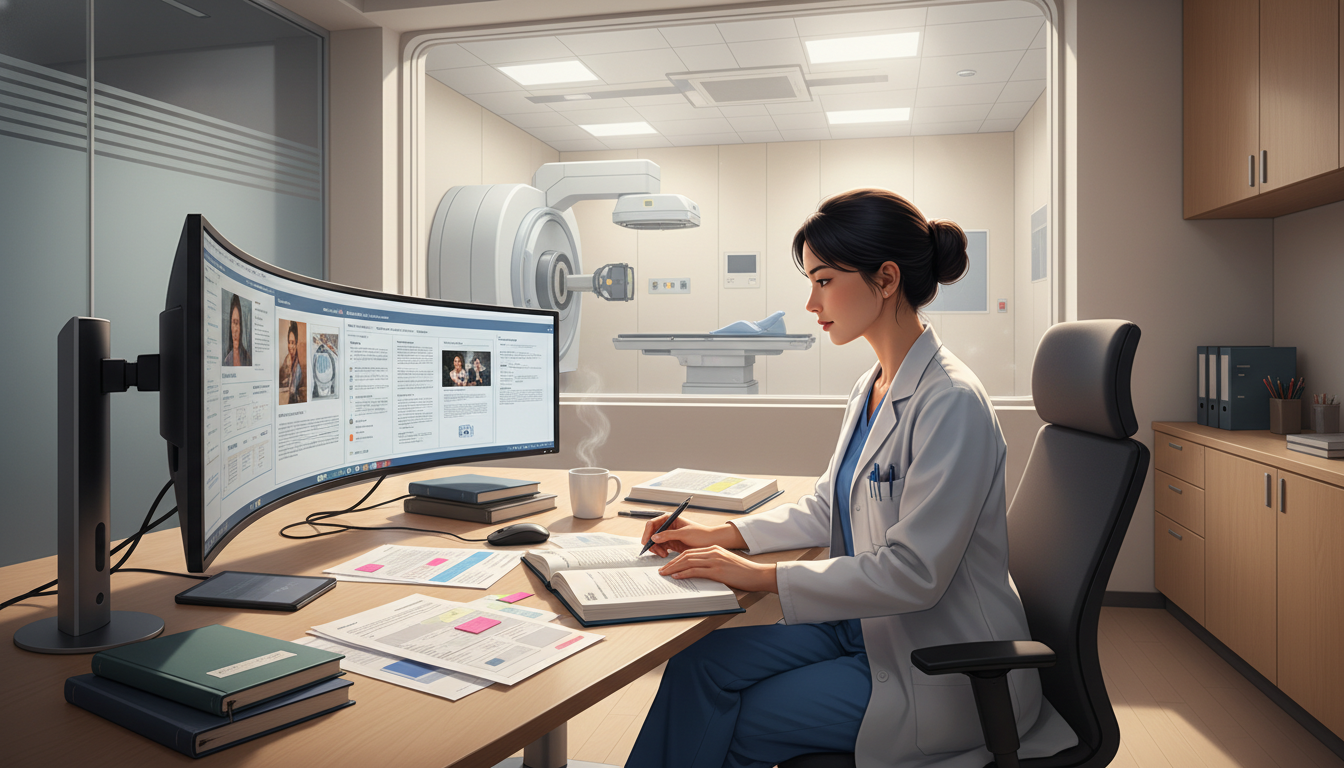
Interventional Radiology (IR) is one of the most competitive specialties in the current residency landscape, and this is even more true for international medical graduates (IMGs)—including those from Caribbean medical schools. When program directors review your file, your “research story” is often what separates you from a large pool of strong applicants with similar board scores and clinical experiences.
For a Caribbean IMG targeting an interventional radiology residency, your research profile serves several critical functions:
- Signals academic seriousness in a specialty that is procedure-heavy but also strongly data-driven and innovation-focused.
- Offsets perceived bias: Some program directors may be less familiar with Caribbean medical school residency performance. A robust research track record helps reassure them of your capabilities.
- Demonstrates sustained interest in IR beyond just a rotation or a personal statement.
- Creates networking opportunities with IR faculty who can later write strong letters and advocate for your IR match.
In this article, we’ll walk step by step through how to build a competitive research portfolio as a Caribbean IMG in IR—whether you’re in basic science, clinical years, or a gap/transition period.
We’ll address commonly asked questions like:
- How much research do I actually need?
- What counts as meaningful research for residency?
- How can I get involved in IR research if my Caribbean school has limited infrastructure?
- What is realistic for me to achieve before applying?
How Program Directors View Research in Interventional Radiology
IR residency (both integrated IR/DR and independent IR) is still relatively small in number of positions and heavily sought after. That means programs can be selective, especially with IMGs. Understanding how programs interpret your research history will help you prioritize your efforts.
What “Research for Residency” Really Means
When IR program directors discuss research, they’re looking at more than just a raw count of lines on your CV. They consider:
- Consistency over time – Are you involved in scholarly work across several years, or did you “suddenly” start 6 months before ERAS?
- Relevance to IR or Radiology – Not all your research must be IR-related, but having at least some IR or imaging-focused work is a major plus.
- Role and ownership – Were you a passive data-entry assistant, or did you help design, analyze, present, or write?
- Outputs – Abstracts, presentations, posters, and publications are concrete evidence you saw projects through.
- Trajectory – Do later projects show more responsibility or complexity than earlier ones?
How Many Publications Are Needed for an IR Match?
There is no magic number, but there are patterns.
For a Caribbean IMG targeting an IR match, a reasonable target is:
- Total scholarly activities (all types): 8–20+ (case reports, QI projects, posters, abstracts, online publications, manuscripts)
- Peer-reviewed publications:
- Competitive: 3–5+
- Very competitive (for top academic programs): 6–10+
- IR or radiology-focused items: Ideally 2–4+ (could be case reports, retrospective studies, QI projects, or educational papers)
You can match IR with fewer, especially with strong USMLE scores, clinical performance, and networking—but as a Caribbean IMG, research is a major leverage point. When you ask “how many publications needed,” think quality and IR relevance, not only raw numbers.
Types of Research That “Count” for IR Programs
All of the following can strengthen your IR application:
- Case reports / case series – Often the most accessible for Caribbean students; especially valuable if focused on unique IR procedures or complications.
- Retrospective chart reviews – Common in imaging-based specialties; can generate both radiology and IR-specific papers.
- Quality improvement (QI) projects – Workflow or safety improvements in IR labs, contrast reduction, radiation dose optimization, vascular access protocols, etc.
- Clinical outcomes research – Studies comparing techniques, approaches, or devices in IR.
- Educational research – Studies about IR education, simulation training, or medical student exposure to IR.
- Systematic reviews / narrative reviews – Useful to demonstrate subject mastery, particularly if IR-focused.
- Basic or translational research – Vascular biology, oncology, device-related research; this is a plus but not required.
Your goal is to build a portfolio that shows sustained academic curiosity, some IR focus, and evidence that you can complete projects to publication or presentation.
Stepwise Strategy: Building Your IR Research Profile from the Caribbean
Caribbean medical schools vary widely in research infrastructure. Some have active faculty, IR-affiliated mentors, and ongoing projects; others have minimal formal research activity. The good news is that you can still create a competitive profile if you approach this systematically.
Step 1: Define Your IR Research Narrative
Before you collect projects, clarify your story:
- Are you more drawn to oncologic interventions, vascular disease, neurointerventions, or emerging techniques (e.g., embolization for benign disease)?
- Are you particularly interested in outcomes, technology, education, or access to care?
Your research need not be narrowly focused, but having a thematic thread helps:
- For example, a Caribbean IMG interested in global IR and access to minimally invasive procedures might focus on:
- Access-to-care studies in limited-resource settings.
- Tele-radiology or tele-IR initiatives.
- Cost-effectiveness of IR versus surgery.
When you eventually interview, you’ll be asked, “Tell me about your research.” A coherent narrative is far more powerful than a random list.
Step 2: Leverage What Your Caribbean School Already Offers
Even if your school doesn’t have an IR department, it likely has at least some avenues for research:
- Faculty with prior research (internal medicine, surgery, radiology, pathology, public health).
- Institutional Review Board (IRB) or ethics committee—crucial if you want to publish clinical data.
- Student research interest groups or informal research clubs.
Concrete actions:
Identify research-active faculty:
- Search your school’s website for “publications,” “research,” “IRB,” or “radiology.”
- Ask senior students who already have publications: “Who actually gets projects done here?”
Send targeted emails (brief, specific, and respectful of time):
- Introduce yourself as a Caribbean IMG interested in IR.
- Attach your CV.
- Propose either:
- Help with ongoing projects, or
- Ideas for simple projects (case series, retrospective review) that you’re willing to drive.
Ask specifically about radiology or IR connections:
- Even if your school doesn’t have IR on-site, some faculty may collaborate with US hospitals or remote radiologists.
If your home institution has limited options, consider online/remote collaborations, which are increasingly common.
Step 3: Build Remote IR Research Collaborations in the US or Canada
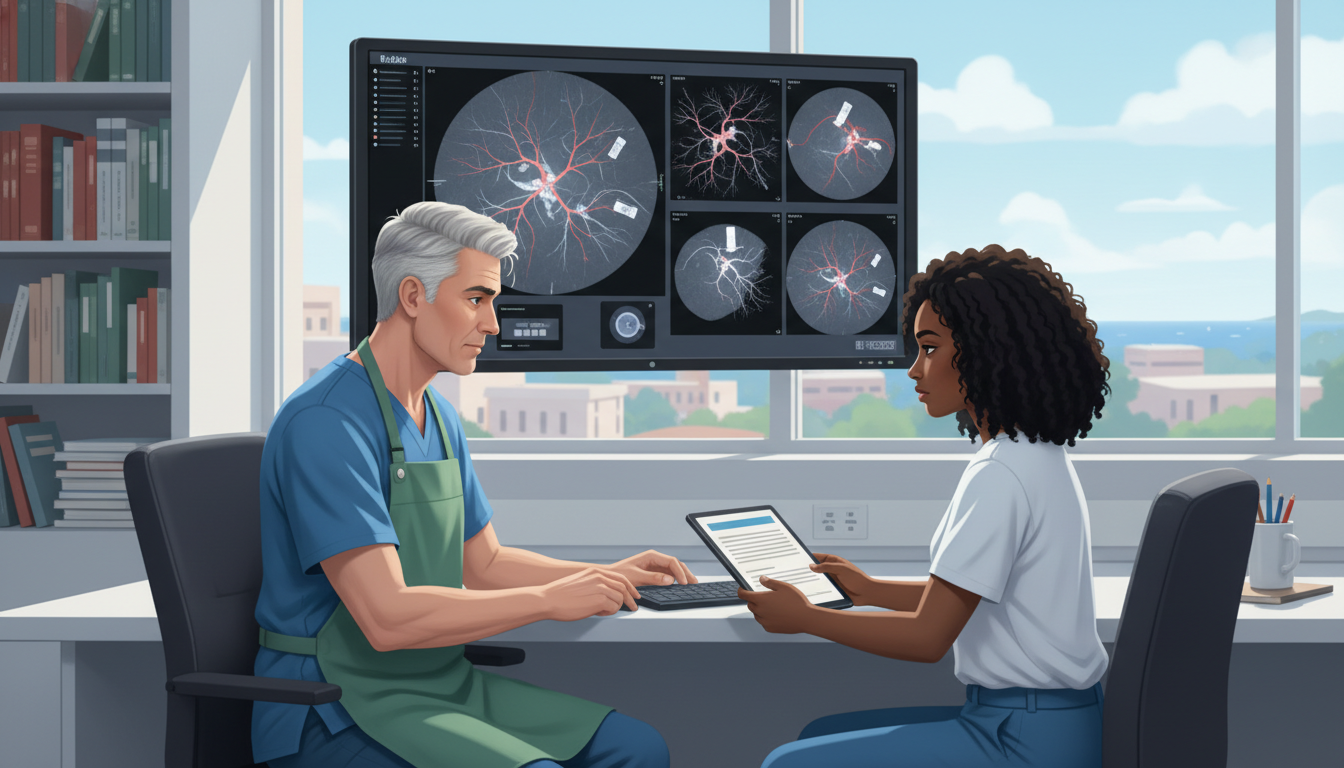
For many Caribbean students, the most high-yield approach is to partner with IR faculty at US institutions—even before you reach clinical rotations.
Channels for finding IR mentors:
SIR (Society of Interventional Radiology):
- Join as a student member (fees are usually low).
- Access member directories and student/trainee events.
- Attend virtual lectures or mentoring sessions and follow up with potential mentors.
Cold-email IR or DR faculty:
- Target academic centers with strong IR programs.
- Look up faculty profiles, find those with recent student co-authors.
- Email 10–20 carefully chosen people, expecting a few positive responses.
In your email, show that you’ve done your homework:
- Reference one of their recent papers.
- Mention why their area of work interests you (e.g., embolization in hepatocellular carcinoma, peripheral arterial disease, women’s health/procedures).
- Offer specific help: “data collection,” “chart review,” “literature review,” or “manuscript drafting.”
Step 4: Start with “Low-Barrier” Wins: Case Reports and Case Series
For a Caribbean IMG, case reports are often the easiest entry point to publications for match:
When you are on US clinical rotations, especially in radiology, IR, or surgery:
- Be alert for unusual presentations, complications, or innovative IR treatments.
- Ask supervising residents/fellows if the case has been published or if they’d consider writing a report.
Practical tips:
- Keep structured notes on interesting cases: demographics, presentation, imaging, procedure, outcomes.
- Offer to draft the first version of the case report. Most busy clinicians will be more open if you do the heavy lifting.
- Use established case-report journals or specialty journals that accept case reports.
Case series (a small number of similar cases) can be more impactful than single case reports and may be easier to publish in higher-tier journals.
Step 5: Move Into Retrospective IR/Imaging Projects
Once you’ve shown reliability, mentors are more likely to involve you in retrospective chart reviews or imaging-based projects. Examples particularly relevant to IR:
- Outcomes of patients undergoing TACE vs. Y-90 for HCC.
- Complication rates of PICC line vs. tunneled catheter placements.
- Efficacy or safety of a particular embolization technique.
- Radiation dose reduction protocol impact in the IR suite.
- Access-site complication analysis for femoral vs. radial access.
Your role can involve:
- Screening charts and imaging (under supervision).
- Data extraction into REDCap or spreadsheets.
- Literature review and background writing.
- Help with abstract, poster, or manuscript preparation.
Even if you start as “data collection support,” push gently to be involved in analysis and writing, so you can progress from middle author to second or first author over time.
Step 6: Use Systematic/Narrative Reviews to Build IR Knowledge and Output
If you lack direct IR clinical access, reviews can still showcase your IR commitment:
Systematic reviews on topics like:
- Embolization for benign prostatic hyperplasia.
- Endovascular management of acute limb ischemia.
- IR in resource-limited settings (highly relevant for a Caribbean background).
Narrative reviews or educational articles:
- IR approaches to portal hypertension.
- The role of IR in oncology.
- Training pathways and workforce issues in IR.
These are practical when clinical data access is limited. Partner with a mentor who has IR/DR background to strengthen the paper and improve journal selection.
Scaling Up: From “Some Research” to a Competitive IR Application
Once you have some early output—posters, case reports, or small projects—focus on scaling and consolidating your work into a robust research profile.
Build a Balanced Scholarly Portfolio
Aim for diversity across your CV entries:
Peer-reviewed manuscripts
- At least 2–3, with 1–2 ideally IR or imaging related.
- Try to move toward first- or second-author roles on later projects.
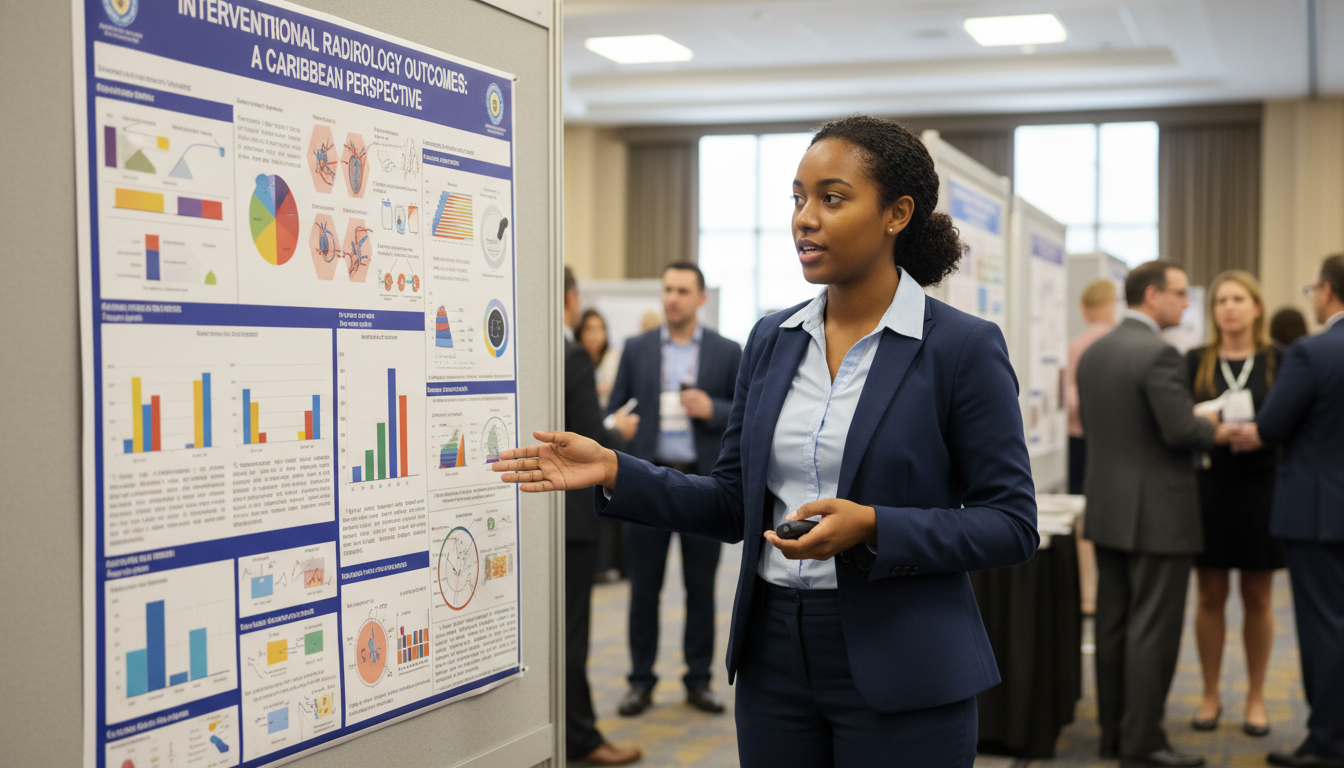
Abstracts and conference presentations
- SIR annual meeting, regional IR societies, radiology conferences (RSNA, ARRS), and general medical meetings.
- Posters and oral presentations show you can communicate your work.
Quality improvement / education projects
- A QI project in an IR suite or radiology department is both practical and valued.
- Educational projects (curriculum design, online modules, IR bootcamps) can lead to abstracts or even publications.
Online publications / book chapters / radiology education content
- Educational websites, radiology teaching platforms, and student journals.
- While lower tier than peer-reviewed journals, they still add depth and show genuine engagement.
Timing: When to Do Dedicated Research Time
Caribbean IMGs sometimes ask if they need a research year for an IR match. Consider it if:
- Your application timeline allows for an extra year.
- You currently have minimal research and no IR exposure.
- You can secure a structured research position at a US academic center with active IR investigators.
A dedicated year can allow you to:
- Produce multiple projects.
- Build strong in-person relationships with IR faculty.
- Gain letters that emphasize your academic potential in IR.
If a full year is not feasible, even a 3–6 month period (post-graduation, pre-residency) at a research-oriented institution can significantly strengthen your profile.
Using Research to Network for the IR Match
Your research collaborators are often your strongest advocates when the IR match arrives:
- Ask mentors early if they’d be comfortable writing a strong letter of recommendation.
- Update them periodically with your progress (USMLE scores, rotation performance, upcoming applications).
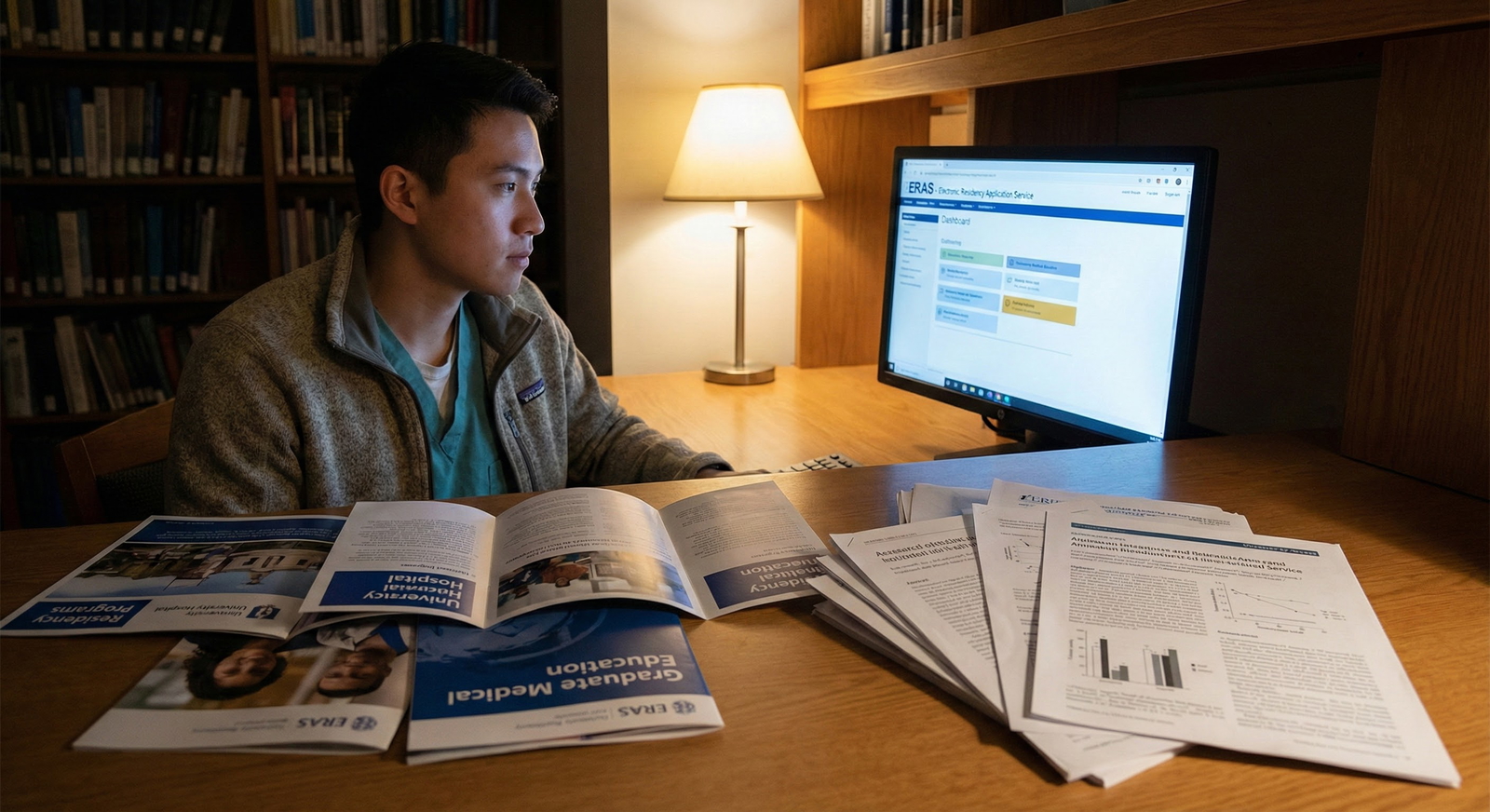
- When ERAS opens, share your program list and ask if they can email or call programs where they have contacts—this can be very influential for Caribbean IMG candidates.
Research also gives you something concrete and distinctive to discuss in interviews: Why you chose IR, what questions interest you, and how you see yourself contributing academically in residency.
Practical Tips to Maximize Productivity and Credibility
1. Prioritize Completion Over Starting Many Projects
One completed project with a publication is far more valuable than four half-finished efforts. For each project, ask:
- What is the realistic timeline to an abstract or manuscript?
- Who is responsible for each step (data, analysis, writing)?
- Is there a clear plan to submit to a meeting or journal?
As a Caribbean IMG, your time in the US (especially on rotations) is limited. Use it to join projects with clear endpoints.
2. Track Everything Meticulously
Keep a central document or spreadsheet that logs:
- Project titles and brief descriptions.
- Your role and level of contribution.
- Status (idea, data collection, analysis, draft, submitted, accepted).
- Co-authors and mentors with contact info.
- Journal or conference submission details.
This makes updating ERAS and your CV much easier and helps you see where to focus effort.
3. Learn Basic Research Tools and Skills
Even without formal training, you can quickly become more useful to research teams:
- Basic statistics and study design: Free resources (Coursera, edX); understand p-values, confidence intervals, cohort vs. case-control vs. randomized designs.
- Reference managers: Zotero, Mendeley, or EndNote.
- Simple analysis tools: Excel, SPSS (if accessible), R (if you’re motivated).
- Manuscript structure and style: Read IR and radiology papers from journals like JVIR, CVIR, and Radiology.
Being “the student who can write a solid first draft” or “the student who manages citations cleanly” makes you extremely valuable.
4. Be Honest and Ethical
Program directors are increasingly sensitive to research integrity. Never:
- Fabricate or manipulate data.
- Exaggerate your role (e.g., claiming first-author level contribution when you mostly did data entry).
- List “submitted” or “in progress” papers that don’t truly exist or are unlikely to be submitted.
As a Caribbean IMG, your credibility is everything. Strong letters from mentors who respect your integrity will matter more than padded numbers.
5. Tailor Your Research Messaging for IR Interviews
When IR interviews come, be ready to:
- Explain each project clearly and briefly:
- Question, design, your role, main result, and why it matters.
- Connect your work to your future in IR:
- “This work on peripheral artery disease outcomes sparked my interest in endovascular interventions and limb salvage.”
- Reflect on what you learned:
- About research methods, collaboration, and how you handle obstacles.
IR is a procedural and innovation-driven field; showing that you understand how to evaluate evidence and contribute to it is a strong selling point.
Frequently Asked Questions (FAQ)
1. As a Caribbean IMG, do I absolutely need IR-specific research to match into interventional radiology?
IR-specific research is not an absolute requirement, but it is highly advantageous, especially for Caribbean IMGs. Many matched applicants have at least 1–2 IR or imaging-focused projects (case reports, retrospective studies, or reviews). If IR-specific projects are truly unavailable, strong research in adjacent fields (vascular surgery, cardiology, oncology, device trials) plus clear IR shadowing and mentorship can still create a convincing IR narrative.
2. How many publications are needed to be competitive for an IR match as a Caribbean graduate?
There is no strict cutoff, but aiming for 3–5 peer-reviewed publications (not all necessarily IR-focused), plus additional abstracts, posters, and QI projects, is a realistic and competitive goal. Stronger academic programs may see applicants with 6–10+ publications. However, program directors also look at the quality, relevance, and your level of involvement—a few substantial, meaningful projects often outweigh a long list of marginal contributions.
3. I started research late in my medical education. Is it still worth investing time if I’m 1 year from applying?
Yes. Even 6–12 months is enough time to complete case reports, small retrospective projects, reviews, and conference abstracts, all of which help your application. Focus on:
- Fast-moving projects with clear timelines.
- IR or radiology relevance when possible.
- Building at least one strong relationship with a mentor who can write a detailed letter.
You may not build a massive portfolio in that timeframe, but visible momentum and clear involvement are still highly beneficial.
4. Should I take a dedicated research year to improve my chances for an interventional radiology residency?
A dedicated research year can significantly strengthen your profile, particularly if:
- You have limited research or no IR exposure.
- You can secure a position at a strong IR or radiology department.
- You use the year to produce multiple outputs and gain close mentorship.
However, a research year is not mandatory for every Caribbean IMG. If you already have several publications, good IR exposure, strong scores, and supportive mentors, you may choose to apply without a full year. The decision should balance your current profile, your competitiveness for the IR match, and your personal and financial circumstances.
By approaching research strategically—choosing achievable projects, securing strong mentorship, and aligning your work with interventional radiology—you can transform a potential weakness (limited home-institution infrastructure) into one of your greatest strengths as a Caribbean IMG. Your research portfolio doesn’t just help you match; it lays the foundation for a future career as an interventional radiologist who both practices and advances the field.