Osteopathic applicants are increasingly visible in global health, but the competition for global health–oriented residency positions and global health residency tracks is intense—especially at larger academic centers. For a DO graduate, building a strong, credible research profile is one of the most powerful ways to signal readiness for this work, close perception gaps with MD peers, and stand out in the osteopathic residency match and beyond.
This guide breaks down how to strategically build, package, and leverage a research portfolio focused on international medicine and global health, with specific considerations for DO graduates.
Understanding What “Counts” as Global Health Research
Before you can build a research profile, you need a clear idea of what program directors and global health faculty consider meaningful research in this space.
1. Core Domains of Global Health Research
Global health is broad. Relevant research may involve:
- Epidemiology and public health
- Burden of disease studies
- Outbreak investigations
- Surveillance and registries
- Health systems and policy
- Access to care, workforce shortages
- Task-shifting, telemedicine, and referral systems
- Financing and insurance schemes in low-resource settings
- Implementation science
- Adapting evidence-based interventions to low- and middle-income countries (LMICs)
- Evaluating program impact, scalability, and sustainability
- Maternal, child, and reproductive health
- Antenatal care, vaccination, nutrition
- Perinatal outcomes, family planning programs
- Infectious diseases and emerging threats
- TB, HIV, malaria, neglected tropical diseases
- COVID-19 and pandemic preparedness
- Noncommunicable diseases (NCDs)
- Hypertension, diabetes, mental health, substance use
- NCD care models in resource-limited settings
- Human rights and ethics
- Migrant and refugee health
- Ethical dilemmas in short-term missions and research
- Structural violence, health equity, and vulnerable populations
If your project addresses health disparities, limited resources, or cross-border/global implications, you can usually frame it within global health or international medicine, even if conducted in the US. Many residency leaders view domestic health equity work (e.g., rural Appalachia, US–Mexico border, underserved Native communities) as highly relevant global health experience.
2. What Program Directors Look For
Beyond topic choice, global health residency tracks and programs typically value:
- Evidence of longitudinal commitment
- Multiple projects or experiences over time, not a single one-off short-term mission
- Methodologic rigor
- Clear question, basic understanding of study design, and ethical conduct
- Tangible scholarly output
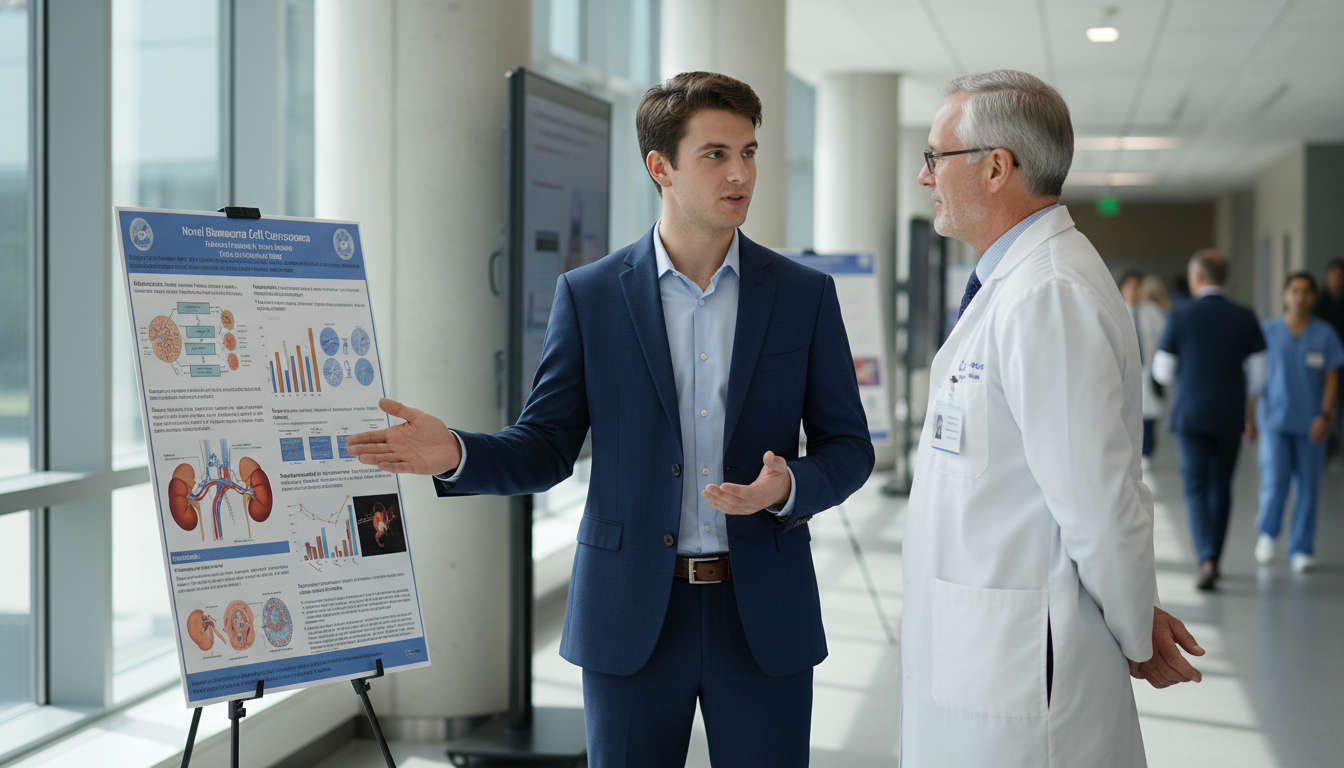
- Abstracts, posters, oral presentations, publications
- Collaboration and professionalism
- Strong letters describing your initiative, reliability, and cultural humility
- Relevance to your future goals
- A coherent narrative of how your research connects to your planned career in global health
For a DO graduate, research helps demonstrate that you can perform at the same academic level as MD peers and thrive in research-heavy environments, which is particularly important for academic global health residency tracks.
Setting Strategic Research Goals as a DO Graduate
1. Decide What You Want Your Research Profile to Say About You
Your research “brand” should support a clear story about who you are and what you’re moving toward. Ask yourself:
- What regions or populations am I most interested in (e.g., East Africa, Caribbean, refugee populations, rural US)?
- Which themes energize me (infectious diseases, maternal health, health systems, disaster response, NCDs, mental health)?
- Do I envision an academic global health career, NGO/public health leadership, or mainly a clinical career with global outreach?
Then construct a 3–5 sentence identity statement, for example:
“I’m a DO graduate focused on strengthening primary care and NCD management in resource-limited settings, especially in Sub-Saharan Africa. My research explores implementation strategies to improve hypertension control and diabetes follow-up in community clinics. Long term, I plan to integrate academic global health research with clinical practice and program development.”
Use this identity to guide which projects to join, conferences to attend, and mentors to approach.
2. Realistic Research Targets Before and During Residency
DO graduates often ask, “How many publications are needed to match into a strong global health residency track?” There is no strict cutoff, but you can aim for tiers:
- Strong profile for many global health-friendly residencies
- 1–2 first- or second-author projects (poster/oral, possibly manuscripts in progress)
- 2–4 supporting experiences (quality improvement, case reports, service projects with data collection)
- Competitive for research-heavy academic global health tracks
- 2–5 publications (mix of first-author and co-author)
- Multiple regional, national, or international presentations
- Evidence of sustained work in a specific population or theme
Remember: quality and coherence beat sheer quantity. A focused narrative (e.g., maternal health in LMICs) typically impresses more than scattered one-off projects in unrelated areas.

Finding and Creating Global Health Research Opportunities as a DO
Many DO schools have fewer large research centers than major MD institutions, but you still have multiple pathways to build a strong profile. The key is to be proactive and strategic.
1. Tap Into Your Immediate Environment
Start at your own institution:
- Osteopathic research offices and global health departments
- Ask specifically about global health or international medicine initiatives, even if small.
- Look for ongoing projects where extra hands are welcome (chart review, data entry, literature reviews).
- Faculty with relevant interests
- Family medicine, internal medicine, pediatrics, infectious disease, preventive medicine, and emergency medicine are common entry points.
- Look for keywords on faculty profiles: “international,” “refugee,” “underserved,” “health disparities,” “community health.”
- Existing student-run or community programs
- Free clinics, migrant farmworker outreach, refugee resettlement programs, homeless outreach.
- Propose structured QI or evaluation projects embedded in these services.
Example: A DO student at a smaller school with no large global health center notices a faculty member working with a local refugee clinic. They join as a volunteer, then help design:
- A chart review assessing hypertension control rates
- A small QI intervention (e.g., standardized follow-up reminders)
- A simple pre–post evaluation This yields a poster at a regional public health conference and a potential manuscript.
2. Look Beyond Your Own Institution
If you lack robust in-house options, consider:
- Cross-institutional collaborations
- Email global health faculty at nearby MD schools; many welcome motivated DO students.
- Co-mentorship: A DO faculty supervisor plus an MD global health researcher.
- Structured global health programs
- Summer programs or short research intensives focused on international medicine or global health equity.
- Some offer remote work (e.g., data analysis, literature reviews, secondary data projects) linked to international collaborations.
- NGOs and non-profit organizations
- Some collect extensive program data but lack analytic staff.
- Offer help with data cleaning, report writing, or program evaluation; aim for co-authorship on reports or papers.
When you reach out, keep emails focused and professional:
- Brief background and DO status
- Clear interest in global health and specific topics
- Prior research skills/experience (even if basic)
- Willingness to start with small, well-defined tasks
- Request for a short meeting to discuss potential involvement
3. Leverage Remote and Secondary Data Projects
If travel is limited (cost, visas, pandemic, family obligations), you can still build a strong global health research profile:
- Secondary datasets
- DHS (Demographic and Health Surveys)
- WHO, World Bank, and national health surveys
- NGO program databases (with appropriate data-use agreements)
- Systematic reviews and meta-analyses
- Especially feasible remotely with good mentorship
- Can be powerful building blocks for your research skills and publications for match
- Education and training projects
- E-learning modules for providers in LMICs
- Tele-mentoring projects like Project ECHO
- Research evaluating knowledge gain, clinical outcomes, or implementation challenges
Remote projects show that you can contribute to international work even when not on-site—an increasingly important skill for modern global health careers.
Designing and Executing High-Yield Global Health Projects
1. Start Small but Finish Strong
An unfinished “massive idea” is worth less than a completed, modest project with tangible output. For your first projects, aim for:
- A clear, narrow question
- Feasible data collection (or use of existing data)
- A specific timeline (e.g., 6–9 months from question to poster)
- At least one concrete deliverable: abstract, poster, oral presentation, or short paper
Example of a right-sized project:
- Question: “What is the rate of follow-up after initial hypertension diagnosis at a rural clinic in Honduras, and what patient factors predict loss to follow-up?”
- Methods: Retrospective chart review of 200–300 patients
- Output: Descriptive stats, simple logistic regression, poster at a regional global health conference; later expansion into a manuscript.
2. Understand Basic Study Designs and Ethics
Program directors don’t expect you to be a statistician, but they do expect you to understand:
- Study designs
- Cross-sectional, cohort, case–control, randomized trials, qualitative studies, QI/implementation projects
- Core concepts
- Exposure vs. outcome, bias, confounding, sample size considerations
- Ethics
- IRB approval (both in the US and partner countries)
- Informed consent, privacy, culturally appropriate practices
- Avoiding “helicopter research” and exploitative short-term projects
As a DO, you can highlight your training in holistic, patient-centered care and link it to ethical, community-engaged global health research.
3. Integrate OMM/OMT Thoughtfully (If Relevant)
Some DO graduates wonder whether they can or should integrate osteopathic manipulative medicine into global health research. The answer: yes, but carefully.
Possibilities include:
- Feasibility studies of OMT for common complaints (low back pain, headaches) in resource-limited clinics
- Educational interventions: training local providers in basic musculoskeletal exam frameworks or non-manipulative aspects of osteopathic principles
- Observational studies on musculoskeletal burden in manual labor populations
However, ensure that:
- The research addresses locally prioritized needs
- You have adequate supervision and local buy-in
- OMT is not presented as a “quick fix” or overshadowing system-level issues
If done with rigor and respect, this can become a unique angle in your DO graduate residency application.
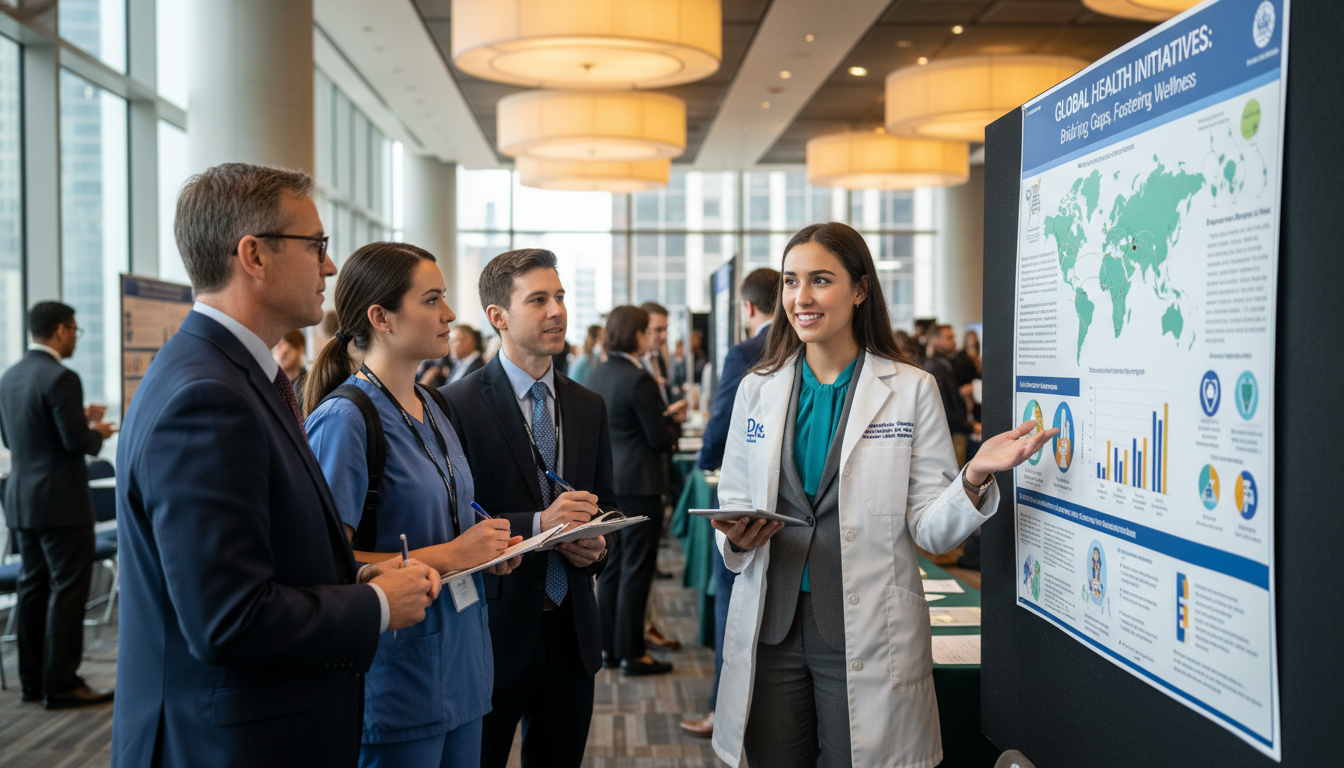
From Data to Deliverables: Publications, Presentations, and the Residency Application
To impact your osteopathic residency match, your work must be visible and verifiable. That means translating projects into recognizable scholarly products.
1. Types of Outputs That Strengthen Your Application
a. Abstracts and posters
- Regional, national, and international conferences:
- CUGH (Consortium of Universities for Global Health)
- APHA (American Public Health Association)
- Specialty-specific global health or international medicine conferences (e.g., family medicine, EM, pediatrics)
- Osteopathic-specific meetings (AAO, AOA) with global health tracks
- Value:
- Demonstrates completion of projects
- Easier and faster than full manuscripts
- Networking platform for future opportunities
b. Oral presentations
- Often selected from top abstracts
- Provide a stronger signal of quality and communication skills
- Excellent to highlight in your CV and personal statement
c. Peer-reviewed publications
When thinking about how many publications are needed:
- There is no minimum for global health, but:
- 1–2 well-placed first-author papers showcase leadership and follow-through
- Co-authorships on larger team projects display collaboration and consistency
- Journals may include:
- Field-specific (e.g., Global Health: Science and Practice, BMC Global Health, International Health)
- Specialty-specific with global health sections
- Public health and implementation science journals
d. Other scholarly outputs
- Book chapters, clinical guidelines, educational modules, or NGO reports
- Policy briefs or white papers (especially if applying to health systems–focused tracks)
- These may not count as “publications” in ERAS but still enrich your narrative and can be described in detail.
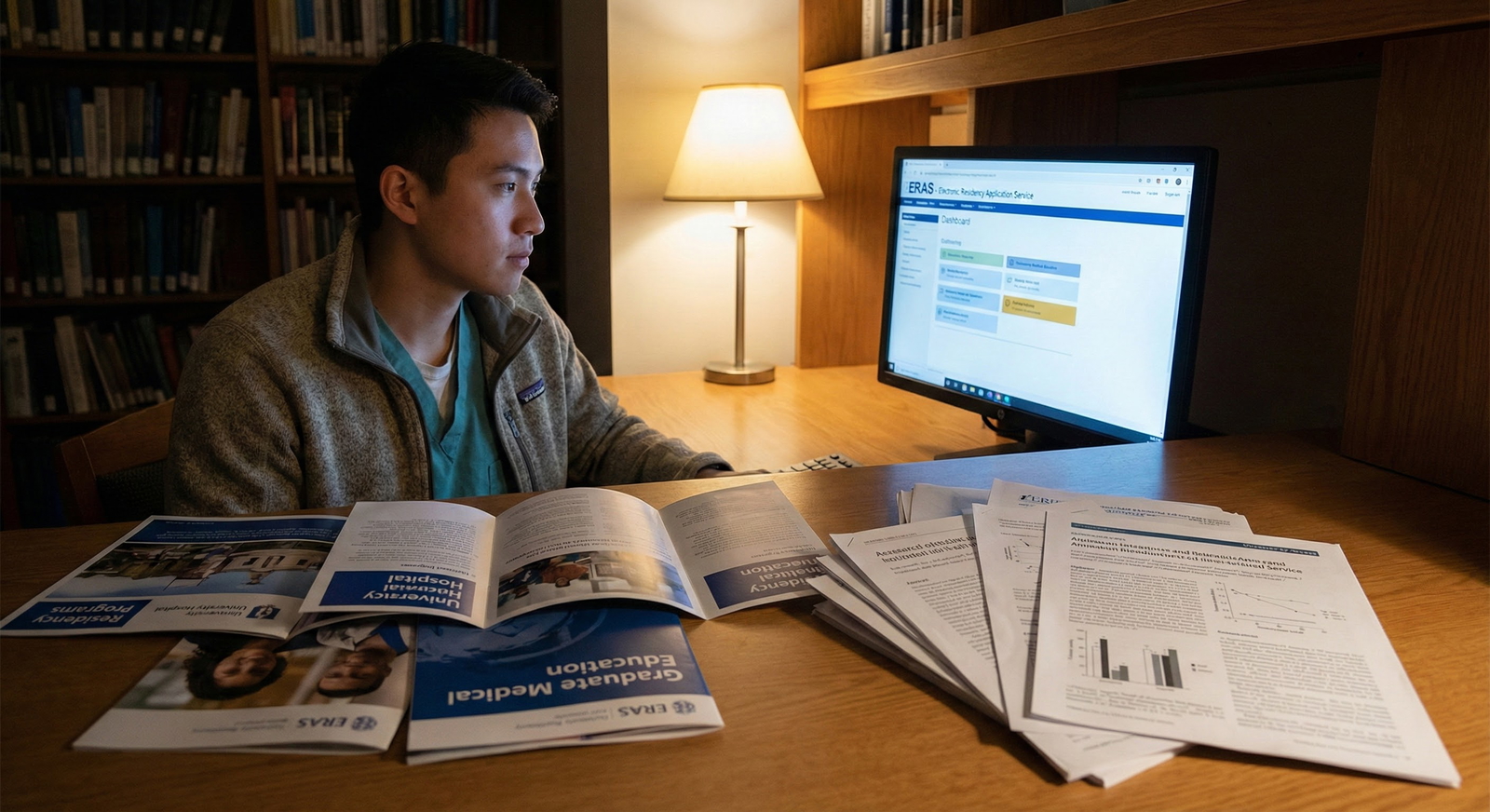
2. Documenting Your Work Clearly on ERAS
For a DO graduate, clarity and organization are vital, especially when listing research for residency in ERAS:
- Use consistent titles and authorship across your CV, ERAS, and letters.
- Clearly indicate status:
- “Published,” “In press,” “Accepted,” “Submitted,” “In preparation”
- Avoid inflating titles:
- Don’t label something “submitted” if you have not actually sent it to a journal.
- Briefly describe global health relevance:
- One line: “Retrospective review of diabetes outcomes at a rural clinic in Guatemala evaluating adherence and follow-up rates.”
Highlight your role:
- Study conception, data collection, analysis, writing, IRB preparation, community coordination.
- This helps programs see your active contribution versus passive involvement.
3. Aligning Your Research Story With Personal Statement and Interviews
Your research is a key part of your overall story as an applicant. Tie it together through:
- Personal statement
- One or two paragraphs on how your global health research shaped your understanding of inequities and systems of care.
- Link to future plans in a global health residency track: research interests, regions, populations.
- Interviews
- Be ready to explain:
- Your main research questions and findings (in plain language)
- Practical challenges you encountered (data collection, cultural, logistical)
- What you learned about cultural humility, partnership, and sustainability
- Know your numbers: sample size, basic results, limitations.
- Be ready to explain:
- Letters of recommendation
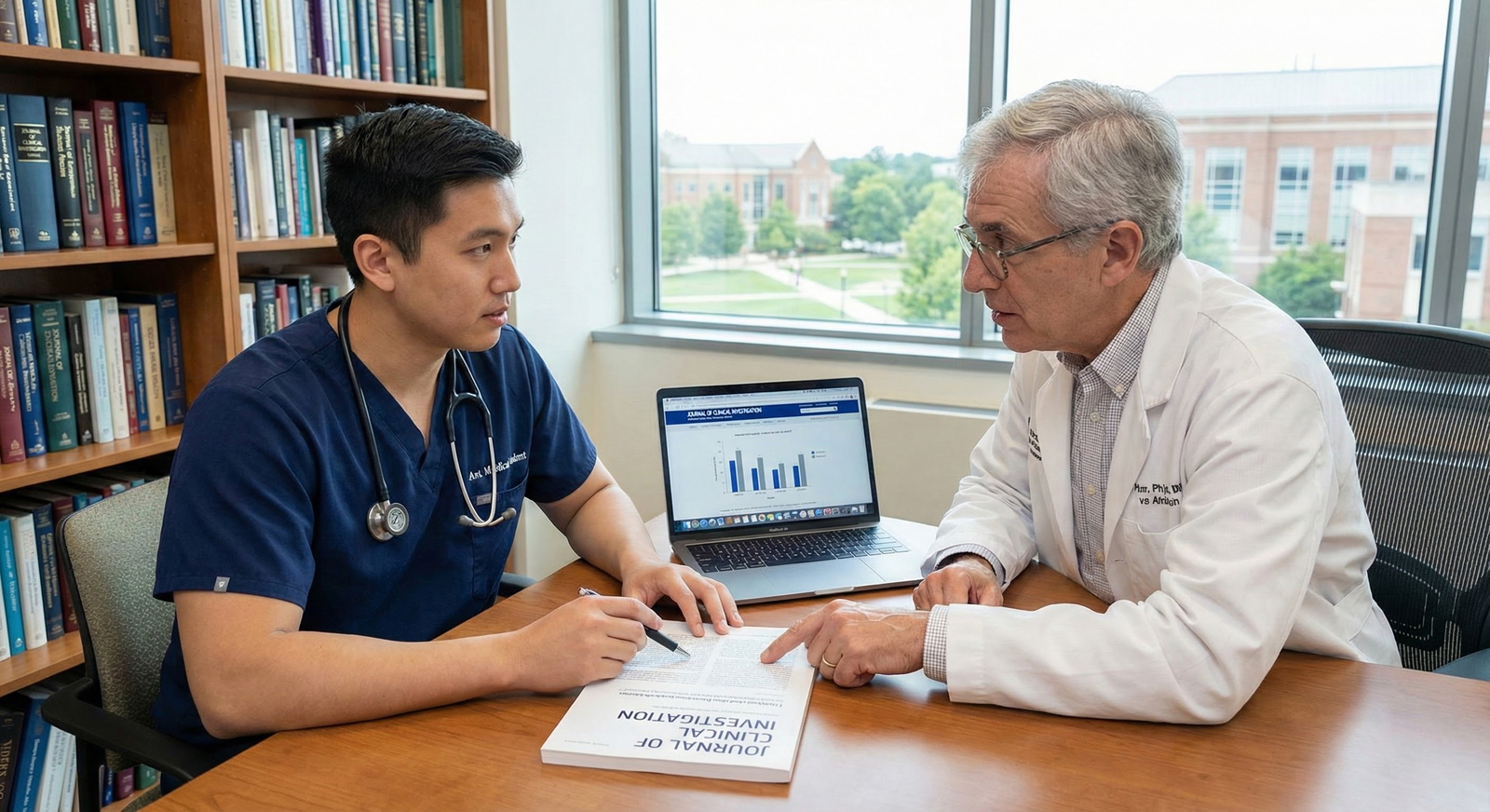
- A strong global health research mentor’s letter can:
- Vouch for your analytical skills and reliability
- Highlight your potential as an academic or clinically engaged global health physician
- Address any concerns PDs might have about DO vs MD training environments
- A strong global health research mentor’s letter can:
Common Pitfalls for DO Graduates—and How to Avoid Them
1. Opportunistic but Unfocused Project-Hopping
Joining every project that appears can lead to:
- Many half-finished initiatives
- No clear thematic focus
- Weak letters (“They helped a bit on many small things”)
Instead:
- Prioritize depth and continuity in 1–3 main directions.
- Commit to seeing projects through to at least one concrete output.
2. Overemphasis on Short-Term Mission Trips With No Research or Evaluation
Volunteer trips can be valuable, but:
- Many programs are skeptical of “voluntourism.”
- Without data, reflection, or clear partnership, they lack academic weight.
To upgrade these experiences:
- Embed a structured quality improvement or research component.
- Evaluate outcomes (knowledge gain, follow-up rates, satisfaction, access).
- Reflect deeply on ethics, power dynamics, and sustainability in your personal statement.
3. Weak Methodology or Questionable Ethics
Common issues:
- Collecting data without IRB approval or consent
- Poorly designed surveys
- Overinterpreting minimal or flawed data
Protect yourself and your communities by:
- Involving experienced mentors and local stakeholders early.
- Consulting IRB offices both in the US and partner countries.
- Being honest about the scope and limitations of your findings.
4. Under-communicating the Value of Your Work
Some DO graduates undersell their accomplishments:
- They list projects without summarizing impact.
- They omit submissions “in progress” that may still matter.
Remedy:
- Provide concise, impact-focused descriptions.
- List all legitimate scholarly work, even if not fully published yet.
- Practice explaining your research in 1–2 minutes in non-jargon language.
FAQs: Research Profile Building for DO Graduates in Global Health
1. As a DO graduate, do I need a lot of research to match into a global health residency track?
You don’t need a massive research portfolio, but you do need evidence of genuine, sustained engagement. For many global health–friendly programs, 1–2 solid projects with posters or manuscripts in progress are sufficient. For highly academic global health residency tracks, more extensive research—especially peer-reviewed publications and national/international presentations—will strengthen your competitiveness. Your narrative coherence and depth of experience often matter more than raw numbers.
2. How many publications are needed to stand out in the osteopathic residency match for global health?
There is no universal cutoff for how many publications are needed, but a good rule of thumb:
- 1–2 first-author publications (or accepted manuscripts) are highly valuable, especially if clearly global health–focused.
- Additional co-authorships on global health, health equity, or public health projects further demonstrate collaboration and consistency.
If you don’t have publications yet, prioritize getting at least one project to the stage of a poster/abstract and, ideally, submission to a journal before or early in residency.
3. I haven’t done any international travel. Can I still build a strong global health research profile?
Yes. You can absolutely build a credible profile without overseas experience by focusing on:
- Domestic underserved populations (rural, migrant, refugee, homeless, tribal communities)
- Health disparities research and implementation projects
- Remote collaborations using global health datasets or secondary data
- Telehealth, e-learning, or cross-border collaborations
Frame your work within the principles of equity, partnership, and structural determinants of health—all central to global health and international medicine.
4. How do I balance research with clinical demands once I start residency?
Once in residency, especially in a DO graduate residency or mixed DO/MD program, your time shrinks. To maintain momentum:
- Choose 1–2 manageable, well-mentored projects aligned with your global health interests.
- Integrate research into your clinical work—quality improvement, chart reviews, or simple interventions.
- Use elective time or dedicated research blocks (if available) strategically for analysis and writing.
- Stay in touch with pre-residency mentors; ongoing collaborations can yield publications for match (if you’re applying to fellowships) and bolster your long-term global health portfolio.
Building a compelling global health research profile as a DO graduate is entirely achievable, even without a massive academic infrastructure. By focusing on a coherent thematic identity, cultivating strong mentorship, executing feasible but rigorous projects, and translating your work into visible scholarly outputs, you can stand out in the osteopathic residency match and position yourself for a meaningful career in global health.