Why Research Matters So Much for US Citizen IMGs in Pathology
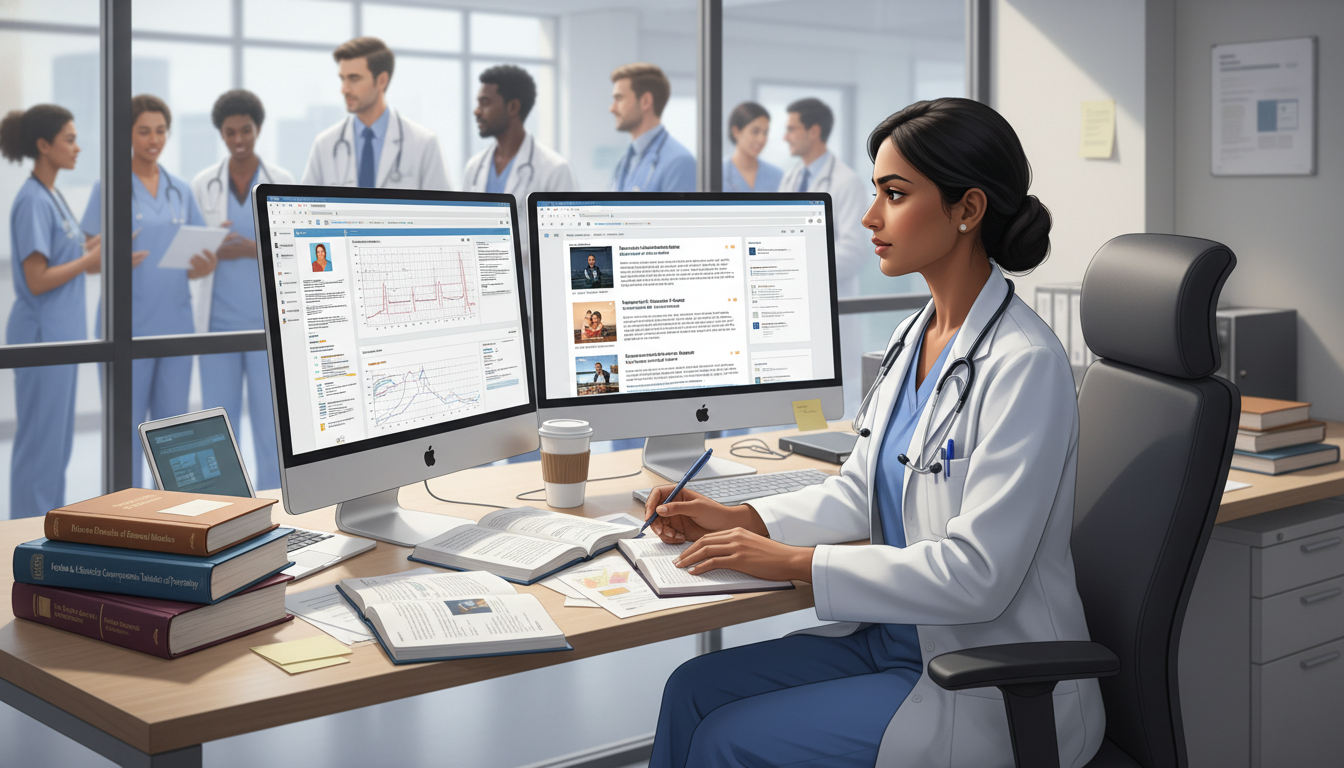
If you are a US citizen IMG or an American studying abroad aiming for pathology, your research profile can dramatically influence your pathology match chances. Pathology is a specialty where programs expect applicants to understand scientific inquiry, critical thinking, and data interpretation. Research is one of the clearest ways to demonstrate those skills.
For a US citizen IMG, a strong research profile can:
- Offset disadvantages of being trained outside the US
- Show commitment to academic pathology (even if you plan a community career)
- Demonstrate initiative, perseverance, and professionalism
- Provide strong letters of recommendation from academic mentors
- Help explain any gaps (e.g., extra year for research, exam delay)
- Distinguish you in a pool where many applicants have similar scores
In recent NRMP Program Director surveys, pathology PDs consistently rate “demonstrated involvement and interest in research” as an important factor. While not every pathology resident is a future R01-funded scientist, programs know that residents must interpret scientific literature, evaluate evidence, and sometimes contribute to departmental projects. That’s where your research profile comes in.
For US citizen IMGs, being strategic about research for residency is especially crucial. The goal isn’t just collecting random lines on a CV—it’s building a coherent story: “I am an American studying abroad who intentionally pursued pathology-focused projects, engaged with mentors, and produced meaningful work.”
Understanding What Counts as “Research” in Pathology
Many applicants assume research only means bench science or randomized controlled trials. In pathology, research is broader and often more accessible. Almost all of the following can strengthen your research profile:
1. Classic Research Types
Basic science / translational research
- Working in a molecular, immunology, or cancer biology lab
- Examples: biomarker discovery, molecular pathways in malignancy, animal models of disease
- Typically bench-heavy, longer timeframes, more complex methods
Clinical research
- Focused on patient-level data, clinical outcomes, diagnostic test performance
- Examples: evaluating the accuracy of a new biopsy technique, outcome comparisons based on pathology findings
Epidemiologic / database research
- Uses large datasets (registries, institutional databases, national datasets)
- Common in cancer epidemiology, utilization studies, outcomes related to pathology diagnoses
2. Pathology-Specific and Often More Accessible Projects
Retrospective chart and slide review projects
- Classic pathology project model: identify a question, collect cases, review slides and reports, extract data, analyze patterns
- Examples:
- “Clinicopathologic features of rare tumor X at a single institution”
- “Correlation between histologic grading and molecular markers in breast cancer”
Quality improvement (QI) projects
- Optimizing lab workflows, specimen handling, or reporting systems
- Examples: reducing mislabeled specimens, improving critical result communication, optimizing turnaround time for biopsies
Case reports and small case series
- Especially suited to pathology: rare tumors, unusual presentations, challenging differential diagnoses
- Usually faster to complete, good entry point for US citizen IMGs with limited access
Educational research and resources
- Creating validated teaching modules, digital slide sets, or diagnostic algorithms
- Evaluating how these tools affect learning or diagnostic performance
Systematic reviews and meta-analyses
- Very feasible if you lack lab or patient access
- Example: “Systematic review of immunohistochemical markers for differentiating primary lung adenocarcinoma from metastases”
3. What Programs Actually Care About
Programs typically value:
- Evidence you understand basic research processes (hypothesis, methods, data, limitations)
- Productivity (abstracts, posters, presentations, publications)
- Durability (longer-term engagement, not one week of shadowing a lab)
- Relevance to pathology (or at least to diagnostic medicine, oncology, imaging, etc.)
- Strong, credible letters of recommendation describing your role
You do not need to be a first author on multiple major publications to match into pathology. However, you must avoid being the applicant whose research section looks “inflated,” vague, or fabricated. Clear descriptions of your role and outcomes matter more than trying to impress with jargon.
Planning Your Research Strategy as a US Citizen IMG
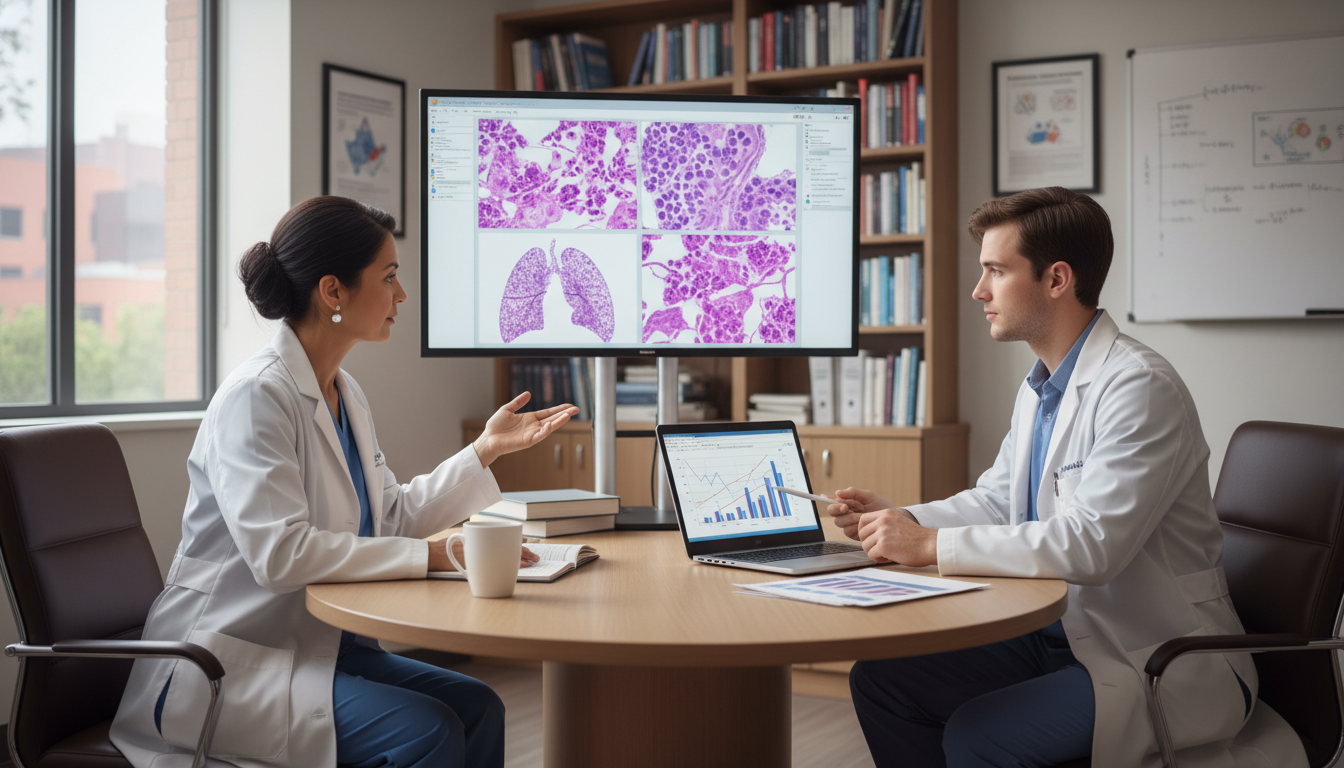
Your path to building a research profile depends on where you are in training and what resources you have access to.
Step 1: Clarify Your Timeline and Goals
Ask yourself:
- When do you plan to apply to the pathology match (which cycle)?
- How many months do you realistically have for research before applications go in?
- Where are you currently located (abroad, US, in between exams, in a research year)?
- What are your priorities: improving chances at academic programs, building publications for match, or simply demonstrating interest in pathology?
A typical US citizen IMG timeline might look like:
- Med school years 3–4 abroad: short-term projects, case reports, local audits, basic data collection
- Post-graduation “bridge year” in the US: full-time or part-time research role in a pathology department, focused on producing abstracts and manuscripts
- Application year: finalize publications, submit abstracts, present posters, continue smaller projects, ask for letters
The closer you are to applying, the more you should prioritize projects that can yield tangible outputs quickly (abstracts, posters, case reports).
Step 2: Decide on Depth vs Breadth
It is better to have:
- 1–3 substantial, coherent pathology-related projects that you understand deeply,
than - 8–10 superficial projects where you barely participated.
Programs will ask you detailed questions about your research:
- “What was the main hypothesis?”
- “How did you analyze the data?”
- “What were the limitations?”
If you cannot answer clearly, your credibility drops.
So, focus on a few meaningful experiences, and be prepared to talk through them step-by-step.
Step 3: Choose Pathology-Relevant Areas
While any research shows scholarly ability, pathology-focused work has extra value. Consider:
- Anatomic pathology (surgical pathology, cytology, autopsy): tumor markers, morphologic patterns, diagnostic criteria
- Hematopathology: lymphoma classification, flow cytometry, molecular correlates
- Molecular pathology: genomic profiling, NGS assays, liquid biopsy validation
- Microbiology / infectious disease pathology: test validation, outbreak analysis
- Transfusion medicine, cytogenetics, lab management and quality
If you cannot access pathology research where you are, consider adjacent areas:
- Oncology research linking histology to clinical outcomes
- Radiology–pathology correlation studies
- Infectious diseases with heavy lab diagnostics
- Laboratory management, utilization, or diagnostic stewardship projects
Make the “pathology connection” explicit in your CV descriptions and personal statements.
Step 4: Be Realistic About Methods
You do not need advanced statistical skills or years in a wet lab to be competitive. For many US citizen IMGs, the best starting points are:
- Retrospective chart and slide reviews
- Case reports and series
- Simple QI projects with pre–post comparisons
- Basic descriptive or correlation analyses (with mentorship on stats)
Sophisticated bioinformatics and high-level molecular work are excellent but not mandatory. Programs are more impressed by a well-executed, modest project you understand than a glamorous-sounding project you cannot explain.
Finding and Securing Research Opportunities in Pathology
For an American studying abroad, the biggest challenge is often access: how to get into a lab or a department where you can actually do research. There are several routes.
1. Use Your Networks Strategically
Start with who you know:
- Alumni from your international school who matched into pathology in the US
- US-based attendings or residents who have visited your school (lectures, visiting faculty)
- Mentors from clinical electives who may connect you to pathology colleagues
An initial email might include:
- Brief intro (US citizen IMG, your school, your year)
- Clear interest in pathology and research
- What you’re looking for (remote project, short-term elective with research, research year)
- What you can realistically offer (time commitment, language skills, previous experience)
- Attach your CV
Be concise and respectful of their time, and never send mass, generic emails.
2. Cold Outreach to Pathology Departments
Target:
- Academic pathology departments affiliated with residency programs
- Large cancer centers with pathology research
- Pathology-focused institutes or labs (molecular, hematopathology, etc.)
When doing cold outreach:
- Visit the department’s website.
- Identify faculty whose research aligns with your interests (e.g., breast pathology, molecular diagnostics).
- Read at least one of their recent papers.
- Send a tailored email:
- Briefly introduce yourself as a US citizen IMG interested in a pathology residency.
- Mention a specific paper of theirs and what intrigued you.
- Explain your situation (location, timeline, available hours).
- Ask whether there might be any opportunity (remote data work, literature review, assistance with ongoing projects).
Attach a CV that highlights any research experience, pathology electives, and US ties.
Persistence matters. Only a fraction will respond, and fewer will have capacity. But many pathology faculty do appreciate motivated learners, especially if you are willing to contribute consistently.
3. Pathology Electives with Built-In Research
When arranging US clinical experiences (USCE):
- Prioritize pathology electives at academic centers.
- Ask in advance whether there are opportunities to assist with research or case write-ups.
- Even a 4-week rotation can produce:
- 1–2 case reports
- Involvement in a retrospective project
- A poster abstract submitted to a pathology meeting
Make your interest known early in the rotation and follow through promptly with any writing or data tasks.
4. Remote and “Virtual” Projects
Some components of pathology research can be done remotely, especially:
- Literature searches and systematic reviews
- Data entry from de-identified datasets
- Image annotation or scoring (digital slides) under supervision
- Drafting or editing portions of manuscripts
For US citizen IMGs still abroad, remote work can be a realistic way to start, especially if you negotiate regular Zoom meetings and clear roles.
5. Paid vs Volunteer Roles During a Research Year
If you decide to take a dedicated research year in the US:
- Some institutions offer paid research assistant or research fellow positions.
- Others may only allow volunteer or observer roles (check visa and institutional policies).
As a US citizen IMG, you avoid visa barriers, which is a plus—highlight this when contacting programs. A full-time year can realistically yield several abstracts and potentially multiple publications for the match if you are productive and well-supervised.
Turning Research Work into a Strong Match-Ready Profile
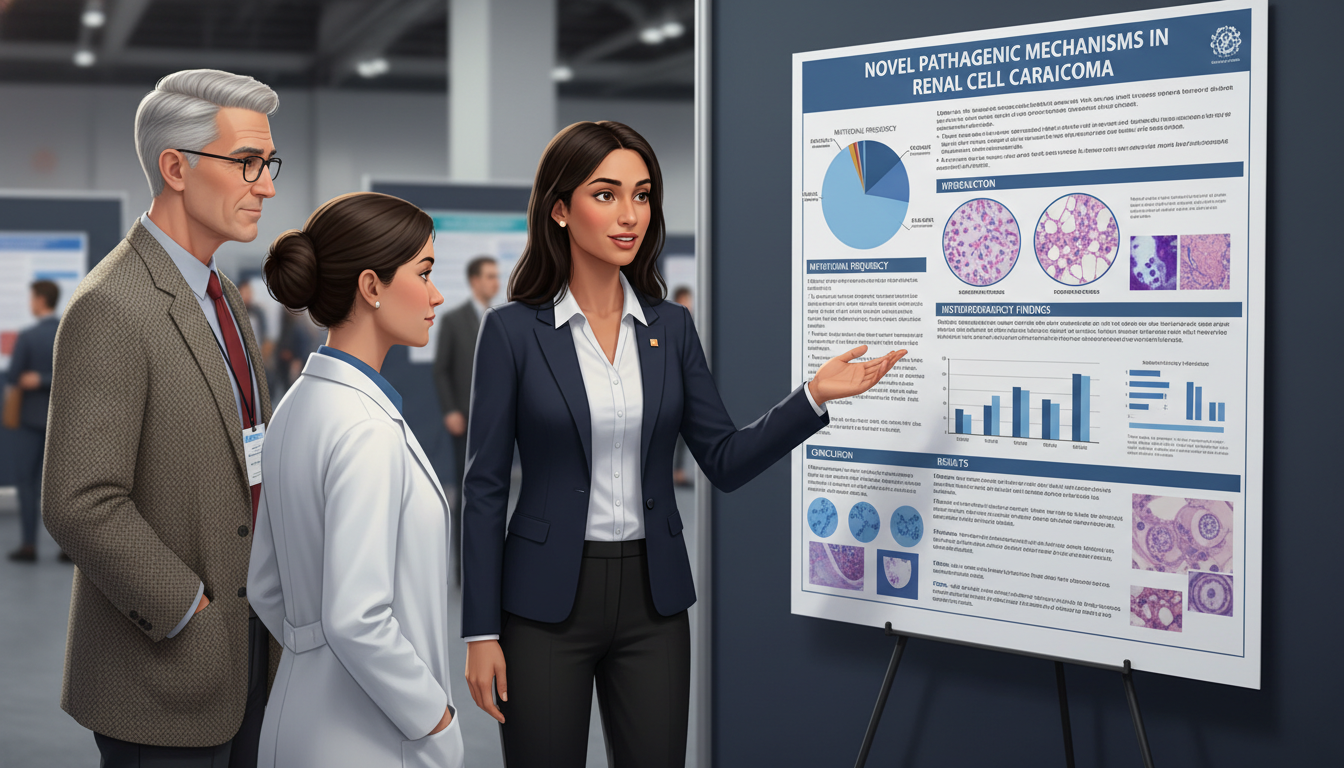
Doing research is only half the job. You must convert the work into visible, credible, and understandable outputs that program directors recognize.
1. Publications, Abstracts, and Presentations: What Matters Most?
Program directors care about tangible scholarly products, such as:
- Peer-reviewed journal articles (original research, case reports, reviews)
- Abstracts accepted to national/international conferences (e.g., USCAP, CAP, ASCP)
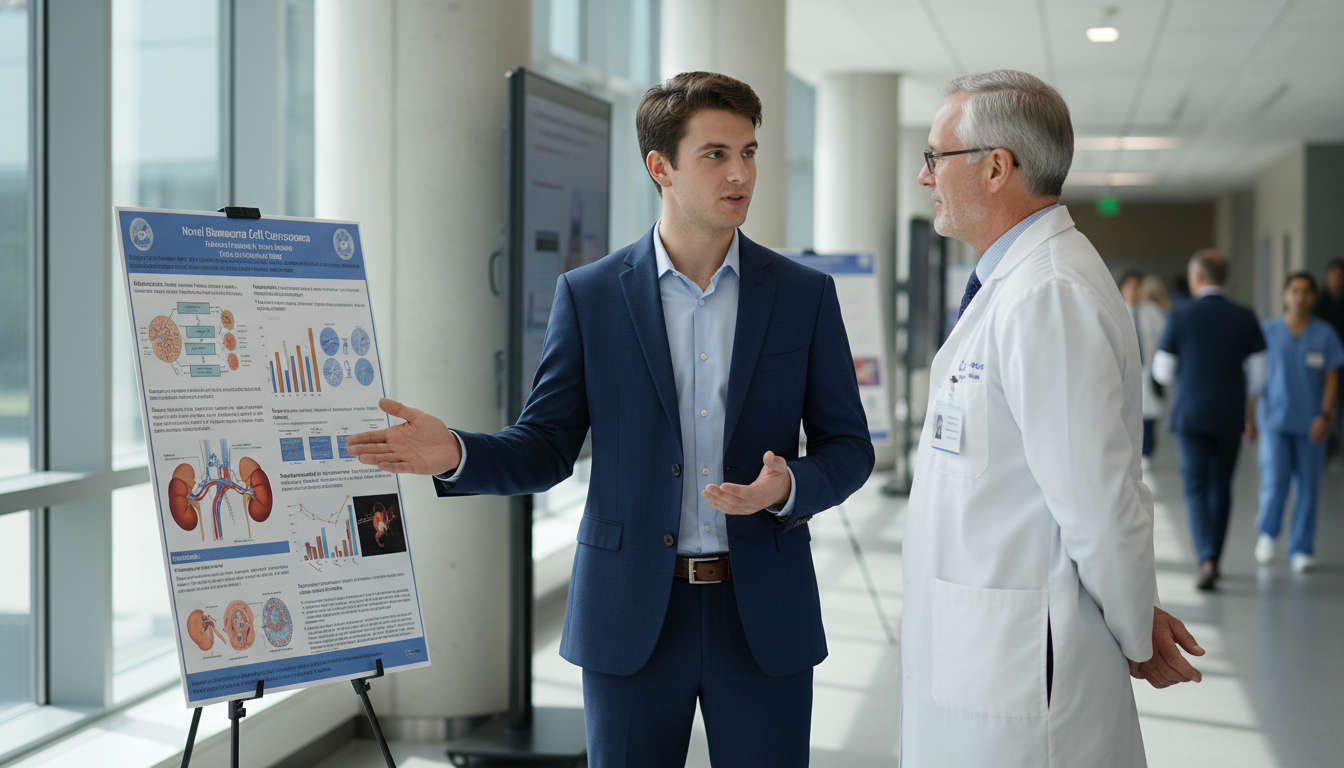
- Poster or oral presentations at recognized meetings
- Institutional or regional presentations (less weight but still positive)
You may wonder: how many publications needed to be “competitive”? There is no fixed number, but for US citizen IMGs targeting academic or mid-tier programs:
- 1–2 legitimate pathology-related publications (even case reports) is very helpful.
- 3–5 total scholarly outputs (including abstracts, posters, etc.) is often enough to show consistent engagement.
- More than that helps if genuine, but quality and relevance matter more than raw count.
Beware of low-quality or predatory journals. Program directors know them; they can hurt rather than help if they signal desperation or poor judgment.
2. Prioritizing Fast-Track Outputs
Because the pathology residency application timeline is tight, consider:
- Case reports / brief case series: Often fastest from idea to submission, especially if you encounter a rare or instructive case during electives.
- Conference abstracts: Many pathology societies have annual calls; an accepted abstract gives you a line on the CV within months.
- Letters to the editor / short communications: Good for critical commentary or small observations.
- Retrospective descriptive studies: If data is already collected by the team, you may help analyze and write.
Basic science and complex translational studies might not yield first-author papers before you apply, but you can still present them as ongoing work, with your role clearly described.
3. Documenting Your Role Honestly
On ERAS and your CV:
- Specify your position (research assistant / fellow / student)
- Clarify your contribution:
- “Designed data collection forms, collected and cleaned data, performed descriptive statistics, drafted Results section.”
- “Reviewed histology slides under supervision, assisted with figure preparation, co-wrote discussion.”
During interviews, be ready to:
- Explain the research question in simple terms
- Walk through methods and main findings
- Reflect on limitations and what you learned
Honest, well-articulated engagement impresses PDs more than inflated titles or vague descriptions.
4. Integrating Research into Your Personal Statement and Interviews
Use your research to support your pathology narrative:
- Describe a specific project that solidified your interest in the specialty.
- Reflect on how analyzing slides, correlating histology with clinical data, or engaging with pathologists influenced your decision.
- Mention key skills you gained: critical appraisal, attention to detail, managing data, resilience through failed experiments.
In interviews, be prepared for questions like:
- “What is your most meaningful research experience?”
- “How did that project shape your interest in pathology?”
- “What role do you see research playing in your future career?”
Your answers should reinforce the image of someone who understands and respects the academic core of pathology, even if you plan primarily clinical practice.
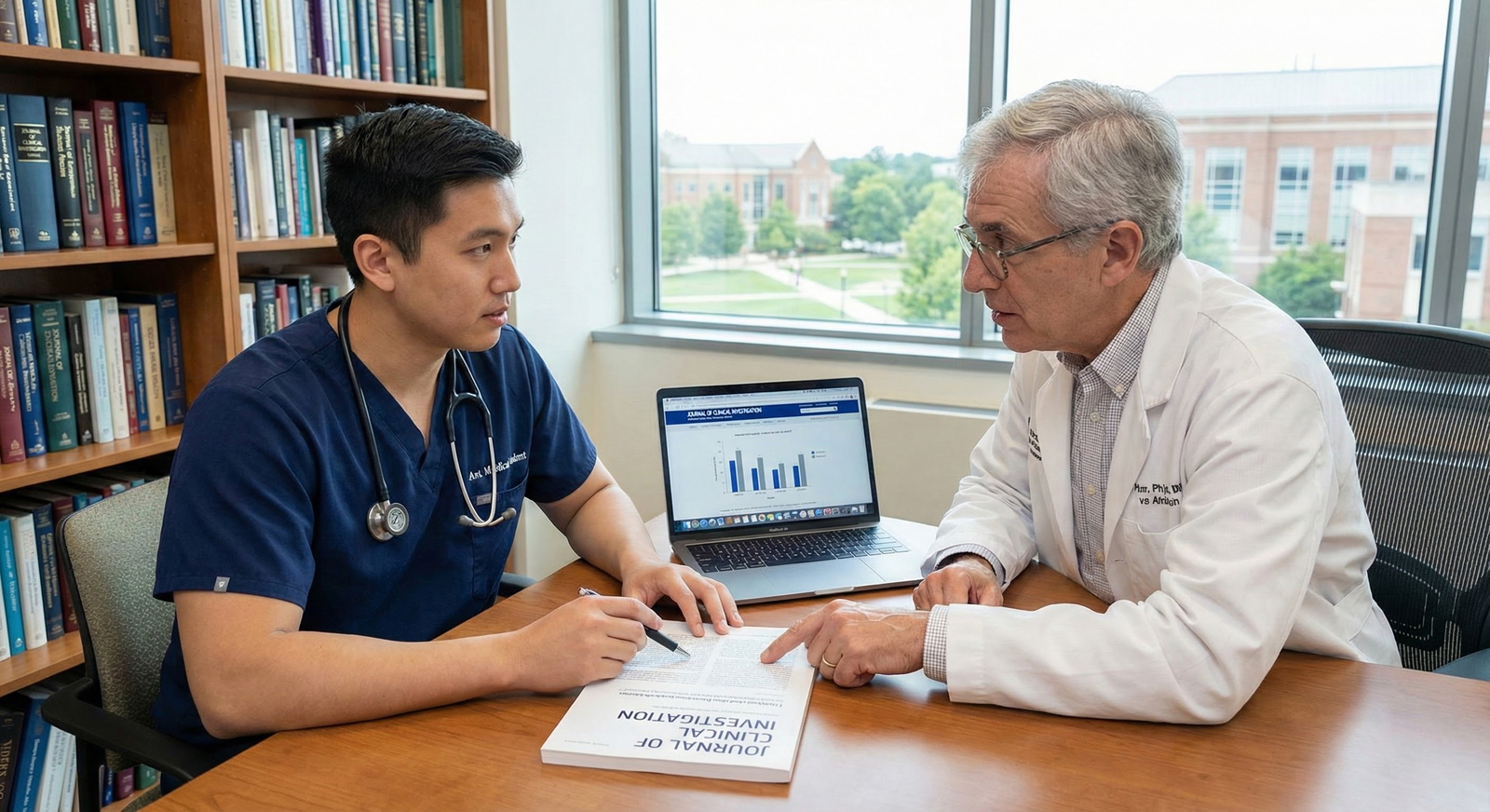
5. Letters of Recommendation From Research Mentors
For pathology residency, an excellent letter from a research mentor can be as valuable as one from a clinical attending, especially if:
- The mentor is a pathologist known in the field
- They can speak to your reliability, curiosity, and communication skills
- They describe your specific contributions and growth over time
As a US citizen IMG, these letters help “translate” your non-US background into US credibility.
Common Pitfalls and How to Avoid Them
Pitfall 1: Chasing Volume Over Substance
Listing 15 minor projects, none of which you can explain, is a red flag. Instead:
- Focus on a few robust experiences.
- Understand the content well enough to teach it at a basic level.
Pitfall 2: Misrepresenting Your Role
Claiming first authorship when you are not the main contributor—or inflating your involvement—can backfire badly if your mentor is contacted or if you stumble on questions. Always:
- Use accurate authorship order.
- Be honest and specific about what you did.
Pitfall 3: Ignoring Pathology Relevance
If all your research is in fields unrelated to pathology (e.g., psychiatry, dermatology) without a coherent link, programs may wonder why you’re switching. If that’s your situation:
- Explain the evolution of your interest toward pathology.
- Highlight transferable skills (data analysis, histologic correlation, imaging interpretation).
- Try to add at least one pathology-related project before applying.
Pitfall 4: Last-Minute, Superficial Projects
Attempting to “cram” research just months before ERAS opens often results in half-finished, unsubmitted projects. A better approach:
- Start 12–18 months before your intended application cycle if possible.
- If late, focus on small but realistic outputs (case reports, abstracts).
Pitfall 5: Poor Communication With Mentors
Missed deadlines, unresponsiveness, or vanishing during a project can hurt you more than never starting the project. Always:
- Set clear expectations about timelines and availability.
- Communicate early about delays.
- Deliver drafts on time or ask for help if stuck.
Practical Roadmaps: Example Profiles for US Citizen IMGs
To make this concrete, here are simplified examples.
Example 1: Final-Year Student Abroad With 12–18 Months Before Application
Goals: Establish pathology interest, get at least 1–2 publications and 2–3 abstracts/posters.
Plan:
- Join a pathology department at your school: retrospective slide review of a specific tumor type.
- Write 1 case report on a rare tumor encountered during your clinical rotation.
- Do a remote systematic review with a US-based pathologist you connected with through alumni.
- Present at your local pathology or oncology meeting; aim for a US conference abstract the following year.
- Ask your research mentor for a strong letter.
Example 2: Graduate Taking a Dedicated Research Year in the US
Goals: Build a robust pathology research record, targeting mid- to high-tier academic programs.
Plan:
- Obtain a full-time research assistant position in a US pathology department.
- Work on 2–3 ongoing projects: a retrospective cohort study, a QI project on lab quality metrics, and a digital pathology project.
- Submit multiple abstracts to USCAP and CAP.
- Convert at least 1–2 projects into manuscripts before ERAS submission.
- Attend conferences, meet residents and faculty, and build a network.
Example 3: Limited Access, Mostly Remote Work
Goals: Show scholarly engagement even without direct lab or slide access.
Plan:
- Conduct a systematic review/meta-analysis in a niche pathology topic (e.g., markers for differentiating certain tumors).
- Co-author a case report with a clinician abroad and involve a remote pathologist as senior author.
- Volunteer with a US pathologist on data entry or literature review for an ongoing project.
- Seek virtual opportunities to present (online grand rounds, web-based pathology interest groups).
All of these paths can lead to a successful pathology match with thoughtful planning and honest execution.
FAQs: Research Profile Building for US Citizen IMGs in Pathology
1. As a US citizen IMG, is research required to match into pathology?
No single element is “required,” but for a US citizen IMG, a research record is highly advantageous. Many successful applicants, especially to academic programs, have at least some research for residency documented on ERAS. Even one or two small but genuine pathology-related projects can help distinguish you and demonstrate commitment.
2. How many publications do I need for a competitive pathology residency application?
There is no strict minimum, and programs vary. For most US citizen IMGs:
- Having 1–2 pathology-related publications (including case reports or reviews) plus a few abstracts/posters is often enough to be viewed as scholarly and serious.
- More publications for match are helpful but only if they are legitimate and you can explain them clearly. Quality and relevance outweigh the raw number.
3. I don’t have access to a pathology lab at my school abroad. What can I do?
Focus on options that do not require local lab resources:
- Systematic reviews or meta-analyses with a remote mentor
- Collaborative case reports with clinicians and an external pathologist
- Remote assistance on data analysis or manuscript preparation for US-based teams
Also, plan US pathology electives where you can actively seek small research or case-report opportunities.
4. Does non-pathology research still help if I’m switching interests?
Yes, previous research (even outside pathology) still shows you can work on long-term projects, handle data, and think critically. In your personal statement and interviews, connect the dots: explain how your prior work led you toward the more diagnostic, morphology- and lab-centered aspects of medicine. Then, try to add at least one project or case that is clearly pathology-oriented before applications, so your story feels cohesive.
By approaching research strategically—focusing on relevance, honest contributions, and tangible outputs—you can build a credible, compelling research profile as a US citizen IMG in pathology. Your work doesn’t have to be groundbreaking; it needs to be real, understood, and integrated into your narrative of why you belong in this specialty.