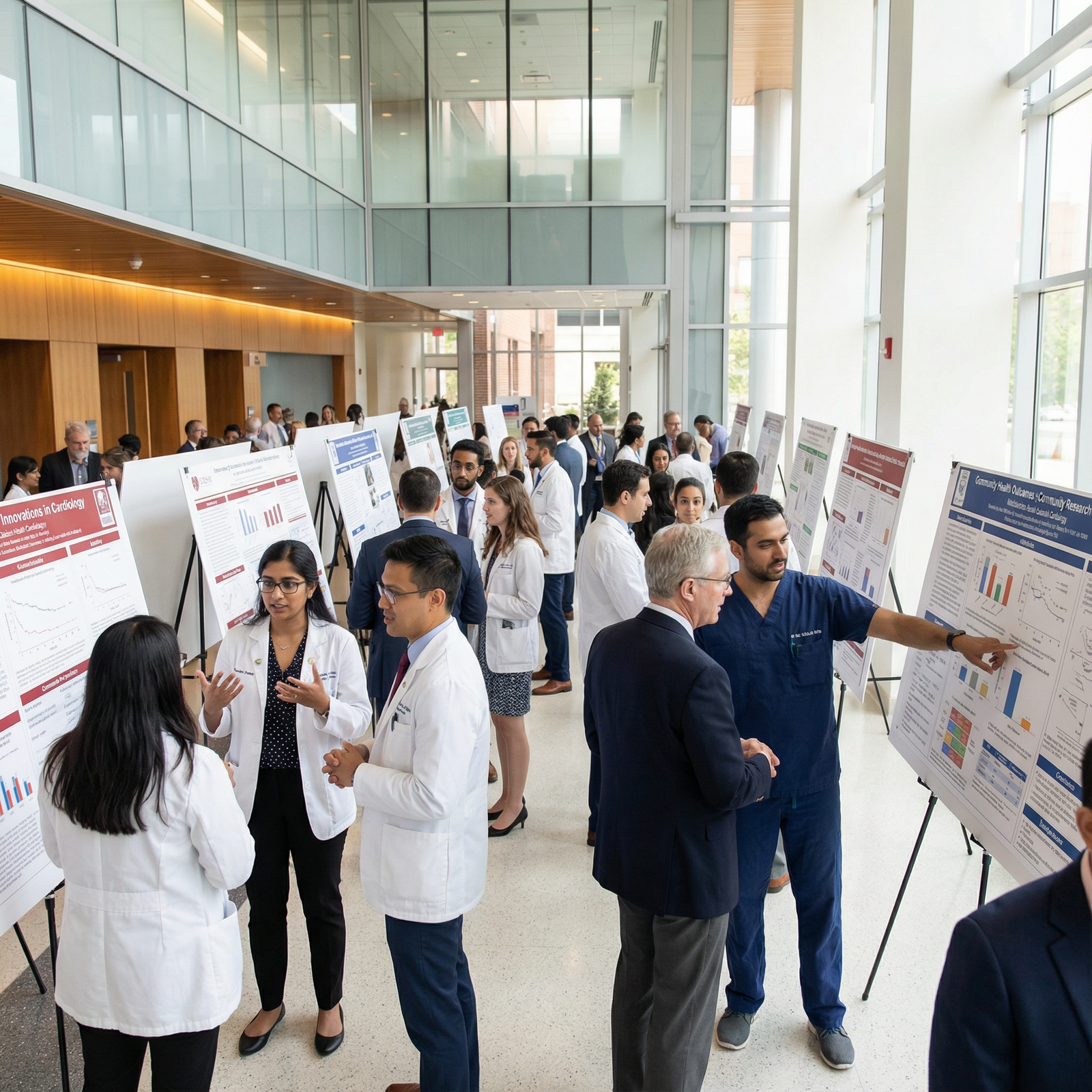
Introduction: Why Research Matters More Than You Think in the Residency Match
The Residency Match is one of the most high‑stakes transitions in your medical career. As you prepare your ERAS application, you’re likely focused on grades, board scores, clinical evaluations, personal statements, and letters of recommendation. These are all critical—but one component that is still frequently underestimated is Medical Research.
For many students, research feels like an optional “add-on” or simply another line on a CV. In reality, meaningful research experience can be a powerful driver of your Residency Match success and long‑term career development. It shapes how you think, how you communicate, who you know, and how program directors perceive you as a future resident and colleague.
This article unpacks the hidden value of research in your residency journey, explains how it strengthens nearly every dimension of your application, and provides concrete strategies to leverage research effectively—even if you’re starting late or don’t see yourself in academia long‑term.
The Strategic Role of Research in Your Residency Application
Residency programs are increasingly emphasizing applicants who can practice evidence-based medicine, engage in scholarly activity, and contribute to the academic mission of their department. Research provides a structured way to demonstrate exactly that.
Beyond a Line on Your CV
When program directors review your application, they’re not only counting your abstracts and publications. They’re asking:
- Can this applicant think critically and handle complex clinical information?
- Do they show initiative and follow-through?
- Have they built mentoring relationships and professional networks?
- Are they likely to contribute to scholarly activity during residency and beyond?
High-quality research experiences allow you to answer “yes” to all of these, and to back up that answer with specific stories and outcomes.
Evidence That Programs Care About Research
Data from NRMP Program Director Surveys over recent years consistently show that:
- Many program directors rate research experience, publications, and demonstrated scholarly activity as important or very important in deciding whom to invite for interviews and how to rank candidates.
- Competitive specialties—such as dermatology, plastic surgery, neurosurgery, radiation oncology, and orthopedic surgery—often have applicants with multiple publications and intensive research backgrounds.
- Even in less research-heavy specialties (e.g., family medicine, pediatrics), programs value candidates who can interpret literature, implement guidelines, and participate in quality improvement or educational projects.
In other words, research is not just for future physician-scientists. It’s increasingly a core component of strong Medical Education and a differentiator in the Residency Match.
How Research Builds Core Skills That Programs Value
Research enriches your development far beyond a list of publications. It shapes skills that are crucial in residency and throughout your career.
1. Strengthening Critical Thinking and Clinical Reasoning
Research forces you to ask: What is the question? What does the data show? What can we conclude—and what can’t we?
Through hypothesis generation, study design, data collection, and analysis, you learn to:
- Evaluate the quality of evidence rather than accept it at face value
- Recognize bias, confounders, and limitations in studies
- Distinguish correlation from causation
- Synthesize large volumes of literature into coherent, practical takeaways
These are the same skills that help you on the wards when you must:
- Choose between competing treatment options
- Interpret conflicting guidelines
- Justify your clinical decisions during rounds or in notes
Example:
A student working on a retrospective cohort study evaluating different sepsis management protocols learns how to interpret odds ratios, confidence intervals, and p-values. Later, on an internal medicine rotation, they can more confidently discuss the evidence behind fluid resuscitation strategies and antibiotic timing, impressing both residents and attendings with their ability to translate data into practice.
2. Deepening and Focusing Your Medical Knowledge
A focused research project often takes you far beyond textbook-level knowledge of a topic. You delve into:
- Recent randomized controlled trials and meta-analyses
- Disease mechanisms and pathophysiology
- Emerging therapies and evolving guidelines
This depth becomes especially valuable when:
- You rotate in that specialty and can contribute higher-level insights
- You’re interviewing and can answer specialty‑specific questions with nuance
- You’re asked to discuss a journal article or “recent advance” during an interview or away rotation
Case Example:
A student engaged in immunotherapy research in oncology spends months reading about PD-1/PD-L1 pathway inhibitors, immune-related adverse events, and clinical trial design. During an away rotation in heme/onc, they can discuss recent trial results, impress faculty with their understanding of mechanisms, and demonstrate genuine commitment to the field.
3. Demonstrating Grit, Follow-Through, and Problem Solving
Research almost never goes exactly as planned. IRB delays, recruitment challenges, unexpected results, and analysis hurdles are the norm. Working through these obstacles develops:
- Resilience in the face of setbacks
- Creativity in solving methodological or logistical problems
- Time management while balancing research with classes and clinical duties
- Accountability to your mentor and research team
These traits mirror what is expected of residents handling high patient volumes, complex systems issues, and limited resources.
Practical Interview Use:
Instead of vaguely stating, “I’m a hard worker,” you can say:
“Our project stalled for six months after an IRB issue. I took the initiative to revise the protocol, coordinate with the study coordinator and biostatistician, and we ultimately completed the study and submitted it for publication. That experience taught me how to handle setbacks productively—something I know will be essential in residency.”
That kind of concrete story stands out to program directors.
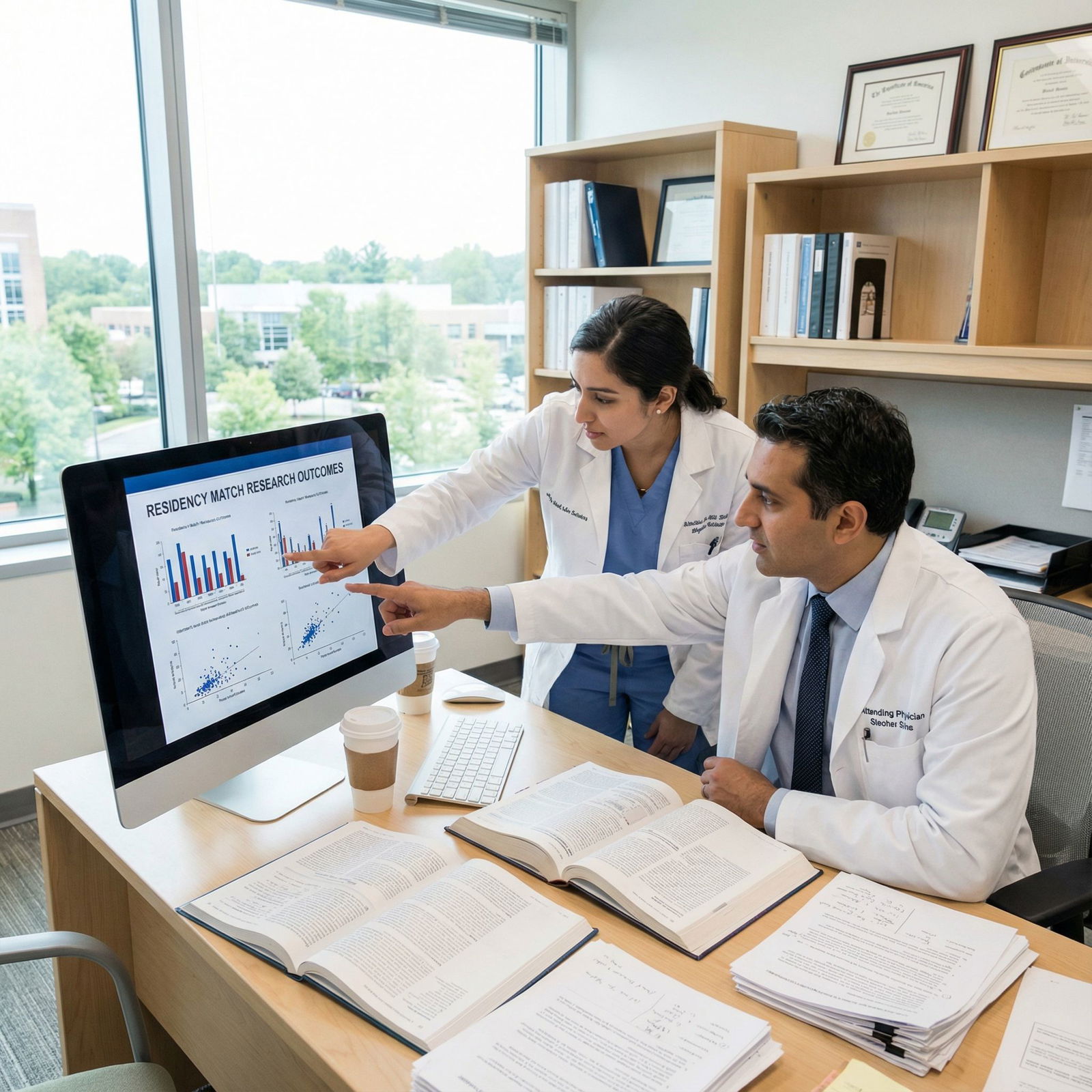
Research as a Tool for Professional Networking and Mentorship
One of the most powerful—and least discussed—benefits of research is how it accelerates your professional networking and mentorship relationships.
1. Building Meaningful Mentor Relationships
When you join a research project, you gain direct access to attendings and faculty who:
- Can observe your work ethic and reliability over months (not just a 4‑week rotation)
- Provide career development advice tailored to your interests
- Write strong, specific letters of recommendation for residency
- Introduce you to colleagues at other institutions
A mentor who has seen you manage a project, respond to feedback, and present data is in a much better position to advocate for you than someone who only knows you from a short rotation.
2. Expanding Your Professional Network
Research naturally connects you with:
- Fellows and residents in your field of interest
- Biostatisticians, research coordinators, and basic scientists
- Multidisciplinary collaborators (e.g., surgeons, internists, radiologists working on the same project)
- National and international colleagues at conferences
Each of these touchpoints can:
- Provide insights about Residency Match strategies in that specialty
- Offer opportunities for additional projects, away rotations, or shadowing
- Help you understand the culture and strengths of different programs
Real-World Example:
A student doing public health research in infectious disease co-authors a poster with an attending who is well-known in their field. At a national conference, the attending introduces the student to program directors and fellows from several top programs. Those contacts later recognize the student’s name when they receive their ERAS application, increasing the likelihood of an interview.
3. Visibility Through Presentations and Publications
Each abstract, poster, oral presentation, or publication increases your visibility and reputation as someone engaged and productive:
- Local and regional conferences can connect you with faculty from nearby programs
- National conferences showcase you to leaders in your specialty
- Publications indexed in PubMed become permanent evidence of your scholarly work
Even if you don’t plan to become a physician‑scientist, this early track record supports your image as a resident who will contribute to journal clubs, quality improvement projects, or education research.
Communication and Leadership: Underrated Outcomes of Research
Residency programs don’t just want smart doctors—they want clear communicators, team players, and future leaders. Research is fertile ground to build these competencies.
1. Improving Written and Oral Communication
Scientific writing and presentations require you to:
- Distill complex data into concise key messages
- Create clear, logical figures and tables
- Present to diverse audiences (students, attendings, interdisciplinary teams)
- Respond to questions and critique in real time
These translate directly into residency tasks such as:
- Presenting on rounds
- Writing clear consult notes and discharge summaries
- Teaching medical students and patients
- Participating in M&M or quality improvement meetings
Example:
A student who’s presented at several conferences will likely feel more comfortable presenting a new admission on rounds, leading a brief evidence-based presentation on a relevant topic, or explaining complex conditions to patients in accessible language.
2. Developing Leadership and Collaboration Skills
Research is almost always a team effort. You might coordinate with:
- Co-investigators and collaborators
- Research assistants and study coordinators
- Nursing staff, clinic personnel, and administrators
- Biostatisticians and data managers
Taking on roles such as:
- Leading a sub-project
- Organizing team meetings
- Overseeing data collection or quality control
…allows you to demonstrate early leadership, which is attractive to programs that want future chief residents, fellowship candidates, and academic leaders.
Aligning Research With Your Specialty and Career Goals
Not all research experiences are equally valuable for every applicant. Strategic choices can maximize both your learning and your impact on the Residency Match process.
1. Choosing Research That Fits Your Narrative
Ideally, your research should:
- Relate to the specialty you’re applying to (e.g., cardiology projects if you want internal medicine with a cardiology focus)
- Or showcase transferable skills that matter to your specialty (e.g., health-systems research for EM, QI in surgery, education research in pediatrics)
This helps create a cohesive story in your:
- Personal statement
- ERAS experiences section
- Interviews
You want to be able to say, “Here’s how my research reflects my interest in and preparation for this specialty.”
2. Considering Different Types of Research
You don’t have to do bench research to show scholarly engagement. Options include:
- Clinical research (e.g., retrospective chart reviews, prospective cohorts, clinical trials)
- Quality improvement (QI) projects (e.g., improving handoff processes, reducing hospital-acquired infections)
- Medical education research (e.g., curriculum development, simulation-based training outcomes)
- Public health and epidemiology (e.g., community-based interventions, population health studies)
- Health services and outcomes research (e.g., telemedicine implementation, disparities in care)
- Case reports and case series
Each can be framed to highlight specific skills and values that match your chosen field.
3. When You’re Late to the Game
If you’re in your third or even early fourth year and haven’t done much research, it’s not too late to gain meaningful experience:
- Join a shorter-term project (e.g., case report, chart review, educational project)
- Ask to help analyze existing data or assist with manuscript preparation
- Participate in ongoing QI initiatives within your clerkships
- Look for virtual or multi-institutional collaborations, especially common post‑pandemic
Even a few months of focused, intensive work can yield an abstract, poster, or letter of recommendation that strengthens your application.
Practical Strategies to Engage in and Leverage Research Effectively
1. Getting Started: Finding the Right Opportunity
Some practical steps:
- Explore department websites
- Look at faculty profiles; identify those whose interests match yours.
- Talk to residents and senior students
- Ask who is student-friendly and actively publishing.
- Attend research or grand rounds
- Introduce yourself after talks and express specific interests.
- Use institutional resources
- Research offices, student research programs, summer research programs, or honors tracks.
When reaching out, be specific:
“I’m a second-year medical student interested in neurology and stroke outcomes. I read your recent paper on post-stroke rehabilitation and would love to get involved in any ongoing or upcoming projects, even in a supporting role.”
This shows initiative and genuine interest.
2. Managing Time and Expectations
Research is a long game. To prevent burnout and disappointment:
- Set realistic goals with your mentor (e.g., aim for an abstract within 6–12 months).
- Block protected time weekly (e.g., 3–5 hours) and treat it like a scheduled commitment.
- Clarify your role (data collection, analysis, writing) and timelines from the start.
- Communicate regularly about progress and obstacles.
Consistency and reliability matter more than doing research in intense bursts.
3. Making the Most of Your Work on Applications
When it’s time to apply:
- ERAS experiences section
- Clearly describe your role: “Designed data collection tools,” “Performed statistical analysis under supervision,” “Drafted introduction and discussion.”
- Personal statement
- Connect your research to your interest in the specialty and to specific skills gained.
- Interviews
- Be prepared to explain your project in plain language, discuss main findings, limitations, and what you learned.
- Have 1–2 go-to research stories that illustrate resilience, teamwork, or leadership.
Even if a project didn’t lead to publication, you can still highlight:
- What the project aimed to address
- What part you contributed
- What skills or insights you gained
Programs care about the process as much as the product.
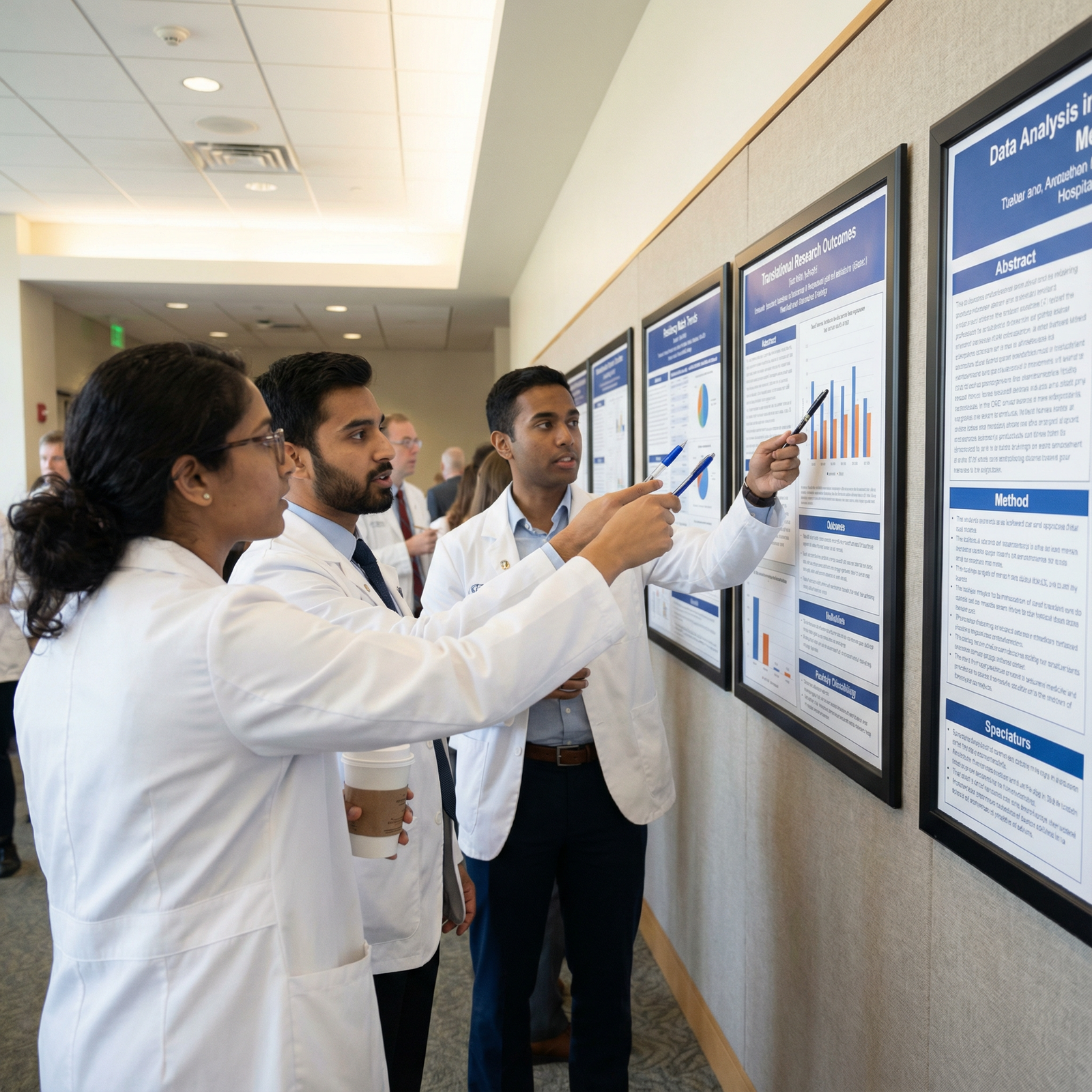
Frequently Asked Questions About Research and the Residency Match
Q1: How important is research for matching into residency, really?
The importance of research varies by specialty and program type:
- Highly competitive specialties (e.g., dermatology, neurosurgery, plastic surgery, radiation oncology, orthopedic surgery): Research is often essential. Many matched applicants have multiple abstracts, posters, and publications—sometimes including research years.
- Moderately competitive specialties (e.g., internal medicine, general surgery, anesthesiology, emergency medicine): Research is a meaningful advantage, especially for academic programs and those with strong fellowships.
- Less research-intensive specialties (e.g., family medicine, psychiatry, pediatrics): Research is not mandatory, but still beneficial. It demonstrates initiative, evidence-based thinking, and the ability to contribute to QI or educational projects.
What matters most is quality, relevance, and your ability to discuss it thoughtfully, rather than sheer quantity.
Q2: Do I need a publication, or are posters and abstracts enough?
Publications are valuable, but they are not the only metric:
- Posters and abstracts (local, regional, national) demonstrate that you can complete a project and communicate findings.
- Oral presentations show higher-level communication skills and recognition of your work.
- Manuscripts in progress can still be listed with their status (e.g., “Manuscript in preparation” or “Submitted”).
Programs understand that projects take time and that not all good work will be in PubMed by the time you apply. Still, having at least one completed deliverable (poster, abstract, or publication) is ideal.
Q3: What if my research is in a different field than the specialty I’m applying for?
That’s perfectly acceptable—as long as you can articulate its relevance. Emphasize:
- Transferable skills: critical appraisal, data analysis, teamwork, communication.
- Themes that overlap with your chosen specialty (e.g., public health research informing your approach to primary care; systems-based research aiding your interest in EM or hospital medicine).
- Your evolving interests: you can explain how early research in one field ultimately helped you realize your passion for another.
Be prepared to answer, “How did this research shape your interest in [specialty] and your approach to patient care?”
Q4: How do I talk about a research project that failed or didn’t get results?
“Failed” projects are often the richest sources of growth. When discussing them:
- Be honest about the outcome (e.g., low enrollment, inconclusive data).
- Focus on what you learned: study design, IRB processes, data management, collaboration.
- Highlight specific skills gained (e.g., statistical software, literature review strategies).
- Share how you adapted or adjusted course based on challenges.
Programs are less interested in perfection and more interested in your ability to learn from setbacks—just as you must in clinical practice.
Q5: Is it better to have multiple small research experiences or one long, in-depth project?
Both structures can work well. Consider:
- Multiple small projects:
- Show breadth, adaptability, and initiative.
- Can yield several abstracts/posters quickly.
- One sustained project:
- Demonstrates depth, persistence, and ability to see a complex project through.
- Often leads to stronger mentorship and more detailed letters of recommendation.
For the Residency Match, a combination is often ideal: at least one sustained project where you had a meaningful role, plus any additional smaller projects that support your overall narrative.
By approaching research as more than a checkbox—seeing it as a powerful component of your Medical Education, Professional Networking, and long-term career development—you can transform it into a strategic asset in your residency application.
Research sharpens your thinking, deepens your knowledge, connects you with mentors, and showcases the qualities residency programs look for in future colleagues. Whether you’re aiming for a highly competitive academic specialty or a community-focused field, thoughtfully chosen and well-leveraged research can quietly, but significantly, elevate your Residency Match journey and your growth as a physician.