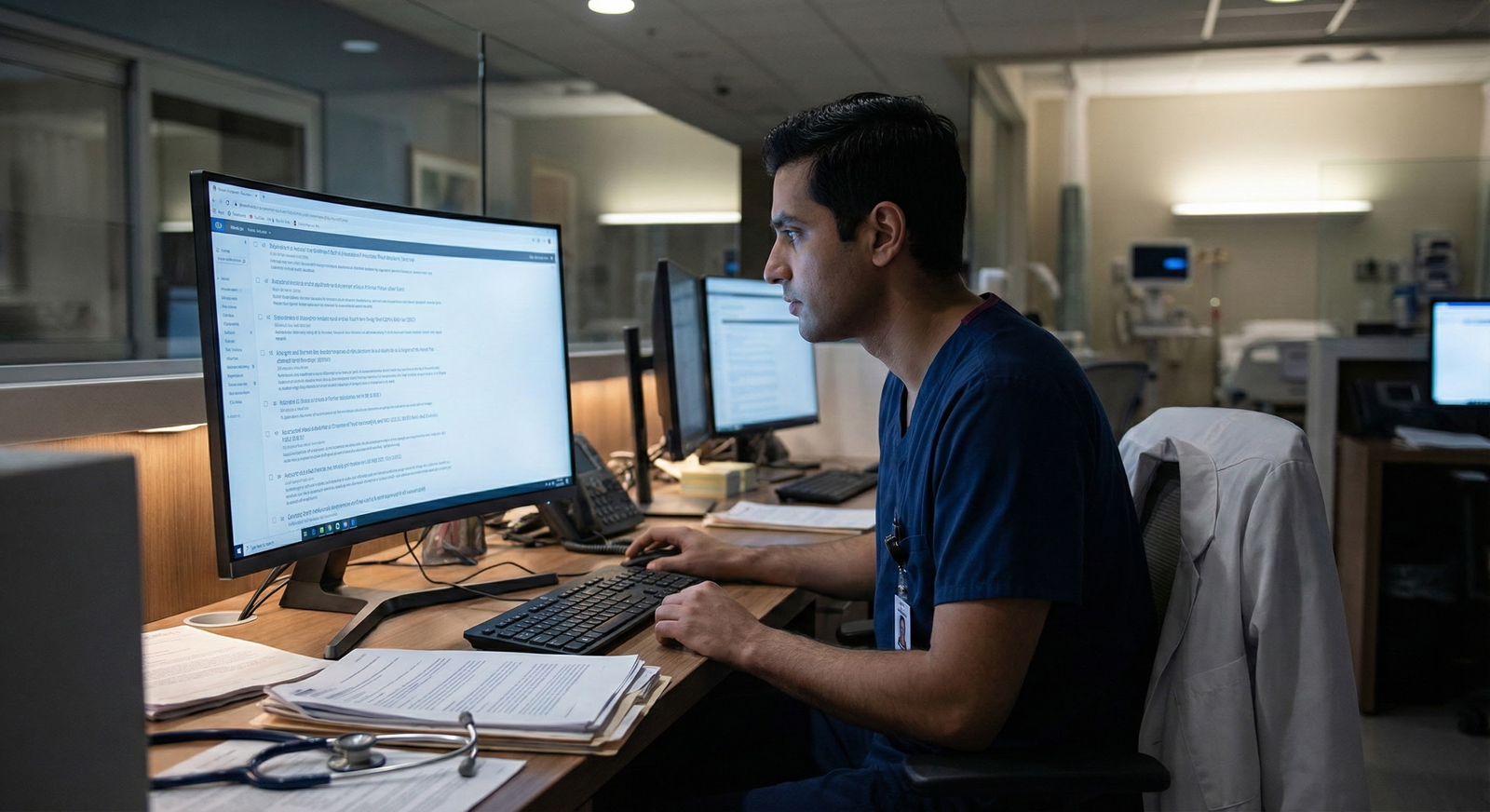
Introduction: Why Research Matters for Medical Students and Residency Preparation
Research has become a central pillar of modern medical education and clinical practice. For today’s medical students, it is no longer just an optional enrichment activity; it is increasingly a core component of strong residency applications and long-term career development.
Engaging in Medical Research as a student can:
- Deepen your understanding of disease mechanisms and treatment options
- Strengthen your critical thinking and problem-solving skills
- Expand your professional network and mentorship opportunities
- Significantly improve your competitiveness for residency, especially in research-heavy or competitive specialties
This roadmap is designed specifically for medical students and early trainees who want to get involved in research but are unsure where to start. It offers a structured, step-by-step guide—from clarifying your interests to publishing your work—along with concrete examples, sample strategies, and practical tips tailored to Medical Education and Residency Preparation.
The Role of Research in Modern Medical Education and Clinical Practice
How Research Shapes Evidence-Based Medicine
Research underpins evidence-based medicine, which guides nearly every clinical decision in modern healthcare. Original studies, systematic reviews, and meta-analyses inform:
- Clinical practice guidelines (e.g., ACC/AHA, IDSA, USPSTF)
- Standard of care for common conditions
- Risk–benefit assessments for new drugs, devices, or procedures
- Quality improvement and patient safety initiatives
By participating in research, you gain an inside view of how evidence is generated, analyzed, and translated into Clinical Practice. This perspective makes you a more thoughtful, critical consumer of new data throughout your career.
Benefits of Research for Medical Students and Residency Applications
For medical students, research experience provides both intellectual and practical advantages:
Advancing Medical Knowledge
- You contribute, even in a small way, to expanding what is known about a disease, population, or intervention.
- Your work may help improve future diagnostic strategies, therapies, or care models.
Developing High-Value Skills
Research builds skills that residency programs value highly:- Formulating answerable clinical or scientific questions
- Interpreting and critiquing literature
- Designing studies and understanding methodology
- Collecting and analyzing data (including statistics)
- Communicating findings clearly (writing, posters, oral presentations)
Enhancing Residency Preparation and Competitiveness
In many specialties—such as dermatology, radiology, orthopedic surgery, ENT, neurosurgery, and academic internal medicine—programs strongly favor applicants with research experience. Programs look for:- Evidence of productivity (abstracts, posters, publications)
- Longitudinal commitment to a research area
- Strong letters from research mentors
- Ability to discuss projects intelligently during interviews
Clarifying Career Direction
Exposure to research can help you decide whether you are drawn to:- Academic medicine vs. community practice
- Physician–scientist pathways
- Clinician-educator vs. researcher roles
- Specific subspecialties that align with your interests and strengths
Step 1: Clarify Your Interests and Research Goals
Before you send a single email, spend time defining what you want from research. A clear sense of direction helps you choose projects that are meaningful and sustainable, rather than just “checking a box” for your CV.
Reflect on Your Motivations and Time Horizon
Ask yourself:
- Why do I want to get involved in research?
- To explore a specialty?
- To build a stronger residency application?
- To consider a physician–scientist career?
- How much time can I realistically commit?
- During pre-clinical vs. clinical years
- During summer, research electives, or a dedicated research year
- What kind of projects fit my situation?
- Short-term case reports or chart reviews
- Longer-term clinical or basic science projects
- Quality improvement or medical education research
Being honest with yourself prevents overcommitting to projects you cannot complete.
Identify Content Areas That Excite You
Narrow down your interests using three main strategies:
Self-Assessment in the Context of Medical Education
- Which courses or systems (cardiovascular, neuro, endocrine) fascinate you?
- Are you drawn to pathophysiology, imaging, procedural fields, or population health?
- What clinical experiences or patient stories have stayed with you?
Exploring the Literature Systematically
- Use PubMed, Google Scholar, or your institution’s library to browse recent reviews and original research in areas you might like.
- Pay attention to:
- Common unanswered questions
- Gaps or controversies in current knowledge
- Topics that repeatedly catch your attention
Talking to Mentors and Peers
- Ask senior students, residents, and faculty:
- “What are hot topics in your field?”
- “What kinds of projects are feasible for medical students?”
- Ask them what they wish they had known when they started research.
- Ask senior students, residents, and faculty:
Write down a few broad themes (e.g., “health disparities in primary care,” “neuroimaging in stroke,” “outcomes after orthopedic surgery”) to guide your search for mentors.
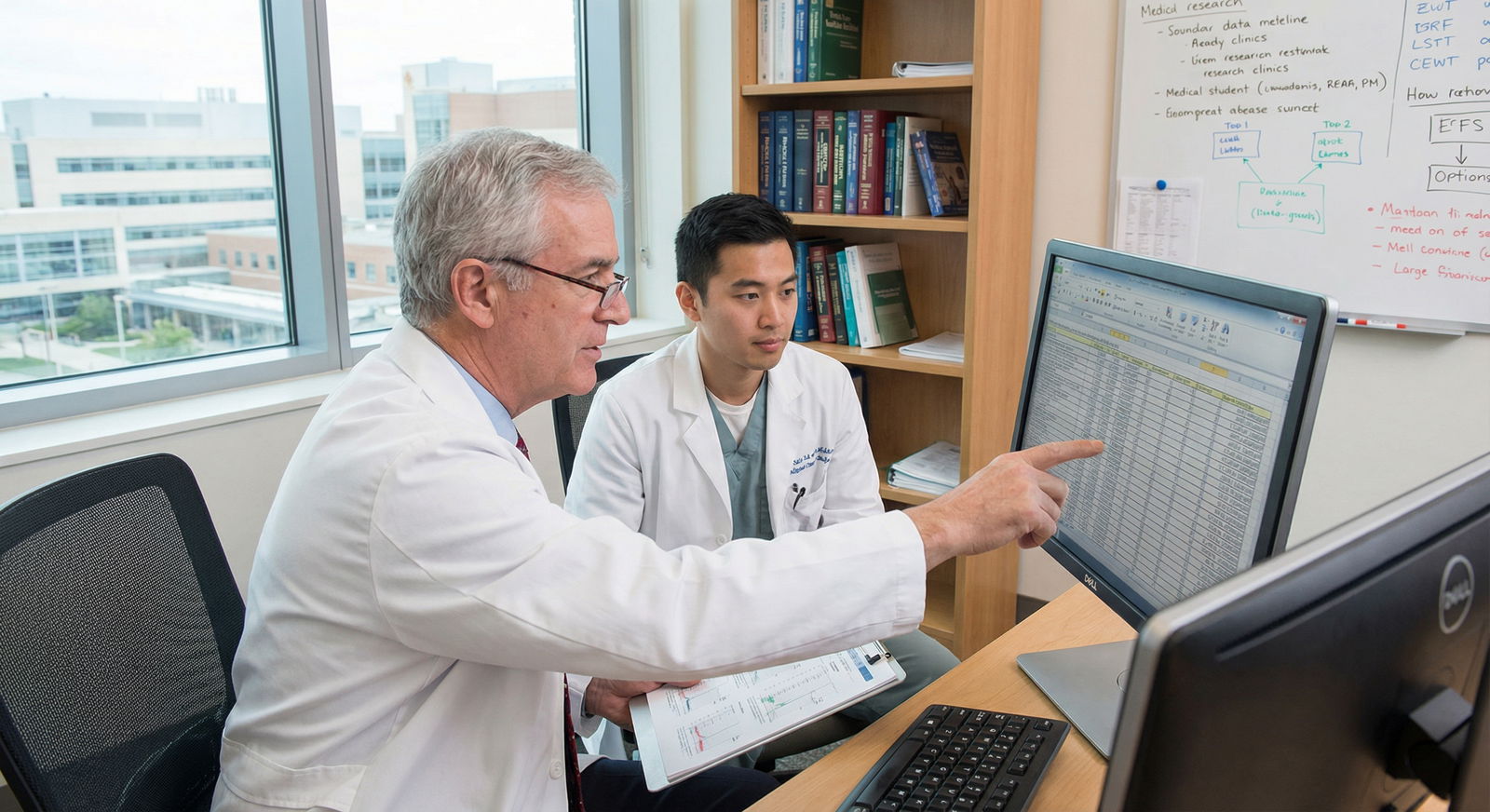
Step 2: Find Mentors and Connect with Research Teams
Once you have a sense of your interests, your next task is to identify mentors and ongoing projects where you can contribute meaningfully.
Locating Research-Active Faculty
Use multiple channels to find potential mentors:
Department Websites
- Browse faculty profiles in departments that match your interests (e.g., cardiology, pediatrics, surgery, psychiatry).
- Look for:
- Recent publications
- Mention of ongoing clinical trials or lab projects
- Indications they work with students or residents
Institutional Research Offices and Student Research Programs
- Many medical schools have centralized offices listing:
- Student research opportunities
- Funded summer research programs
- Faculty seeking student collaborators
- Many medical schools have centralized offices listing:
Grand Rounds, Conferences, and Journal Clubs
- Attend departmental events regularly.
- Note which faculty present intriguing work and seem enthusiastic about teaching.
Resident and Fellow Recommendations
- Residents often know which attendings are:
- Active in research
- Supportive and approachable
- Realistic about student involvement
- Residents often know which attendings are:
Making a Strong First Impression: Email and Initial Contact
Your first email to a potential mentor should be concise, professional, and specific. Include:
- A brief introduction: name, year in training, institution
- A sentence or two about your interests and why their work appeals to you
- Your goals and realistic time commitment
- An attached 1–2-page CV highlighting:
- Academic performance
- Relevant skills (e.g., statistics, coding, previous research)
- Leadership or volunteer experience
Example email structure:
- Subject: “Medical student interested in your cardiology outcomes research”
- 1st paragraph: Who you are and why you’re reaching out
- 2nd paragraph: What specifically interests you in their work
- 3rd paragraph: Your availability and request to meet or discuss potential involvement
- Closing with thanks and contact information
If you do not receive a response within 7–10 days, a single polite follow-up is appropriate.
Evaluating Potential Mentors
A good research mentor for a medical student should:
- Be accessible and willing to meet regularly
- Set clear expectations about timelines, authorship, and responsibilities
- Have a track record of student involvement and output (posters, papers)
- Treat students respectfully as junior colleagues
Trust your instincts during early conversations. A supportive, communicative mentor is more important than the “hottest” project.
Step 3: Start Small—Join Existing Projects and Learn the Basics
When you are new to research, your primary goal is to learn the process and build reliability, not necessarily to be first author immediately.
Entry-Level Roles for Student Involvement
You can contribute meaningfully even without prior research experience by:
Assisting with Data Collection
- Extracting data from medical records under supervision
- Recording perioperative outcomes, lab values, or imaging findings
- Helping enroll patients in clinical trials (consent, recruitment)
Performing Literature Reviews
- Conducting structured searches on PubMed or other databases
- Summarizing and organizing articles in reference managers (EndNote, Zotero, Mendeley)
- Creating evidence tables or background sections for manuscripts
Supporting Survey and Qualitative Research
- Administering surveys in clinic or electronically
- Conducting or transcribing patient or provider interviews
- Assisting with coding and thematic analysis of qualitative data
Contributing to Case Reports or Case Series
- Reviewing the chart and imaging with your mentor
- Writing portions of the introduction, case description, or discussion
- Preparing figures, timelines, or tables
Building Your Skill Set Early
As you participate in these activities, invest in foundational skills that will pay off long-term:
Basic Statistics and Study Design
- Learn common study designs (cohort, case-control, randomized trials, cross-sectional).
- Understand concepts like p-values, confidence intervals, multivariable regression.
- Complete free online courses (Coursera, edX, institutional workshops).
Data Management and Organization
- Learn to use Excel, REDCap, or similar tools for secure data collection.
- Maintain clear documentation of inclusion criteria, variable definitions, and coding.
Scientific Writing and Presentation Skills
- Offer to draft small sections (e.g., methods, background) under close supervision.
- Practice preparing abstracts, posters, and short slide presentations.
Demonstrating reliability, attention to detail, and professional communication early on makes mentors more likely to entrust you with larger roles and more visible authorship positions.
Step 4: Design Your Own Project and Navigate Approvals
After gaining some experience and familiarity with the research process, you may be ready to develop your own project under mentorship. This is often where students obtain first-author work that stands out on residency applications.
Formulating a Strong Research Question
Use your exposure to clinical problems and literature to identify a question that is:
- Relevant to patient care, medical education, or health systems
- Feasible given your time, resources, and training level
- Specific enough to be answered with a realistic study design
A useful framework is the PICO format (Patient/Problem, Intervention, Comparison, Outcome) for clinical questions, or a clear hypothesis for observational or basic science research.
Conducting a Focused Literature Review
Before proposing a study, you should:
- Identify what is already known and where the gaps lie
- Avoid duplicating recent work
- Understand previous methodologies and outcomes
Organize your review into a concise background that supports the significance of your question. This will form the basis for your proposal, IRB application, and eventual introduction section of your manuscript.
Selecting Study Design and Methods
With your mentor and, if needed, a statistician, determine:
- Study type (retrospective chart review, prospective cohort, survey study, RCT, QI project, etc.)
- Inclusion/exclusion criteria
- Primary and secondary outcomes
- Sample size estimates if applicable
- Data collection tools and procedures
- Planned analyses (statistical tests, software)
Clarity at this stage prevents major issues during data collection and review.
IRB and Institutional Approvals
Most human subjects research requires Institutional Review Board (IRB) oversight. Steps include:
- Completing required training (e.g., CITI modules on human subjects protection)
- Drafting:
- Protocol or project summary
- Informed consent forms (if applicable)
- Data security and confidentiality plans
- Submitting through your institution’s IRB portal with your mentor as PI (principal investigator)
Certain quality improvement (QI) or educational projects may qualify for expedited review or exemption, but this must still be determined by the IRB, not by the student or mentor alone.
Build IRB timelines (which can range from weeks to months) into your overall project plan.
Step 5: Execute the Study—Data Collection, Analysis, and Interpretation
Once approvals are obtained, your focus shifts to carrying out the study with rigor and consistency.
High-Quality Data Collection
Key principles:
- Follow the protocol closely: avoid changing methods mid-study without discussion and documentation.
- Keep detailed logs of:
- Patients screened, included, and excluded
- Dates and key milestones
- Any deviations from the planned methods
- Double-check data entries and maintain secure backups.
Remember that careful data collection at this stage saves enormous time and frustration later, especially during analysis and manuscript preparation.
Data Analysis and Working with Statisticians
If you are new to statistics:
- Learn the basics of software like R, SPSS, Stata, or Python, but do not hesitate to seek guidance.
- Meet with a biostatistician early to confirm:
- Appropriate tests
- Handling of missing data
- Assumptions for each analysis
- Document your analytic plan (variables, models, adjustments).
As you interpret your findings:
- Consider both statistical significance and clinical significance.
- Be transparent about limitations (e.g., single-center, small sample, retrospective design).
This thoughtful interpretation is critical during Residency Preparation, as interviewers often probe applicants’ understanding of their own data and limitations.
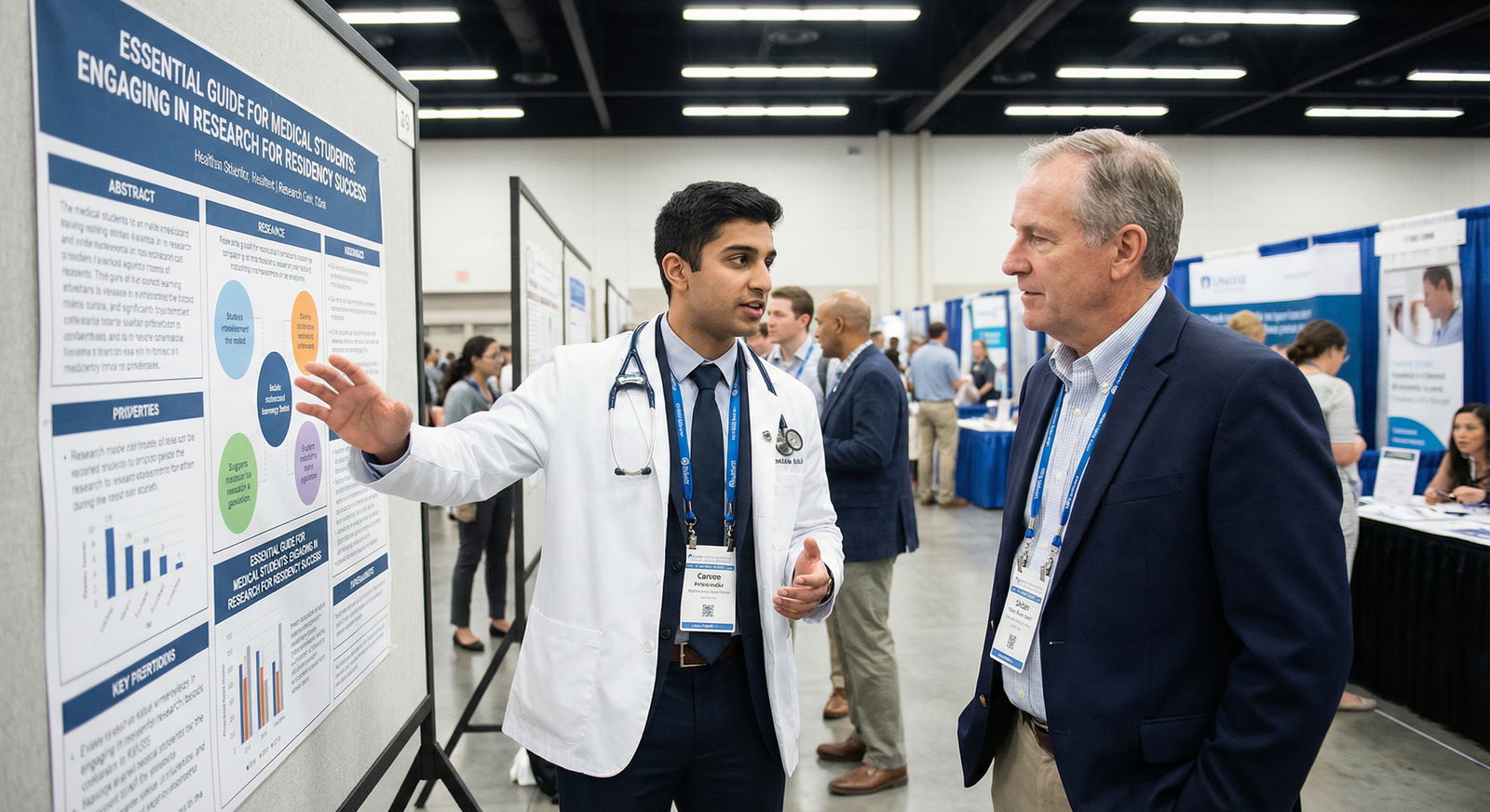
Step 6: Share Your Work—Posters, Presentations, and Publications
The true value of research emerges when findings are shared with the broader medical community.
Writing the Manuscript
Work with your mentor to:
- Follow the IMRAD structure: Introduction, Methods, Results, and Discussion
- Select an appropriate target journal based on:
- Scope and audience
- Typical study types and impact factor
- Acceptance rates and turnaround times
- Carefully follow journal-specific author guidelines and formatting requirements.
As a student, you may initially write draft sections or tables that your mentor revises. Over time, you can take the lead on full drafts, building valuable writing skills.
Presenting at Conferences
Presenting your work at local, regional, or national meetings offers multiple benefits:
- Adds impactful lines to your CV and ERAS application
- Enhances your communication and presentation skills
- Provides feedback from experts that can strengthen your manuscript
- Facilitates networking with faculty and residents in your target specialty
Look for opportunities such as:
- School-wide research days
- Specialty-specific conferences (e.g., ACP, AAP, AANS, ACS)
- Student research symposia and interest group events
Journals and Types of Publications
Do not overlook:
- Case reports and case series in specialty journals
- Brief reports or letters to the editor
- Reviews or perspectives co-authored with mentors
Your mentor can help match the type of work and level of evidence to appropriate journals. Even smaller publications demonstrate initiative and follow-through to residency program directors.
Step 7: Build a Sustainable Research Trajectory and Professional Network
Research is not just a one-time project; it can become an ongoing thread throughout your Medical Education and early career.
Staying Involved and Growing Your Role
To evolve from novice to a more independent researcher:
- Continue collaboration with the same mentor or team to deepen your expertise in a focused area.
- Take on progressively more responsibility—data management, lead authorship, mentoring junior students.
- Explore additional types of projects:
- Quality improvement (QI) tied to clinical rotations
- Medical education research (curriculum development, assessment tools)
- Health services or implementation science studies
Joining Professional Societies and Research Networks
Professional organizations are powerful venues for Student Involvement in research:
- Join specialty-specific societies’ student or trainee sections.
- Apply for student research grants, travel awards, or summer research fellowships.
- Volunteer for abstract review committees, student editorial boards, or working groups.
These experiences demonstrate leadership, commitment, and engagement to residency programs.
Linking Research to Residency Preparation
As you approach applications:
- Update your CV and ERAS with:
- All abstracts, posters, presentations, and publications (even if “submitted” or “in press”).
- Prepare to discuss:
- Your hypothesis, methods, findings, and limitations
- Your specific role in multi-author projects
- How the experience influenced your career goals
Well-articulated research experiences can be powerful talking points during interviews and can help you stand out among applicants with similar board scores and grades.
Real-World Example: A Successful Student Research Journey
Consider the case of Sarah, a third-year medical student interested in pediatrics:
Identifying Interests
During her preclinical years, Sarah was drawn to lectures on asthma and environmental health. She realized she was particularly interested in how social and environmental factors affect children’s respiratory outcomes.Finding a Mentor and Joining a Team
She searched her institution’s pediatrics department website and found a faculty member leading a project on childhood asthma readmissions. After sending a thoughtful email and meeting in person, she joined the team as a volunteer, beginning with:- Chart reviews to extract data on asthma-related ED visits
- Literature searches on environmental triggers and hospital utilization
Developing Her Own Question
Through this work, Sarah noticed limited data on local air quality patterns and asthma exacerbations among low-income children. With her mentor’s guidance, she designed a retrospective study linking hospitalization data with publicly available air quality indices.Approvals, Analysis, and Outcomes
She:- Completed IRB training and contributed to the IRB application
- Helped construct the database and collaborated with a biostatistician
- Co-led the manuscript writing process
The project resulted in:
- A podium presentation at a national pediatric conference
- A first-author publication in a pediatric subspecialty journal
- Strong letters of recommendation describing her initiative and analytic skills
Impact on Residency Preparation
When Sarah applied for pediatrics residency, she was able to:- Articulate her research question clearly during interviews
- Explain how the project shaped her interest in academic pediatrics and health disparities
- Demonstrate longitudinal commitment to a specific area of Medical Research
Her research experience not only enriched her education but significantly strengthened her residency application and clarified her future career direction.
Frequently Asked Questions About Medical Student Research
1. How much time should I realistically dedicate to research during medical school?
This depends on your goals and schedule, but a general framework is:
- Preclinical years:
- 3–8 hours per week during semesters, more (10–20 hours/week) during summers or dedicated research blocks.
- Clinical years:
- Time is more constrained; aim for 2–5 hours per week, often in bursts around lighter rotations or research electives.
If you are aiming at highly competitive specialties or considering a physician–scientist path, you may opt for a dedicated research year, which many schools officially support.
2. What if I have no prior research experience or statistical background?
You can absolutely start from scratch. Begin with:
- Entry-level tasks: data entry, literature reviews, and helping with case reports.
- Free structured learning:
- Institutional research bootcamps or online modules
- Introductory biostatistics or epidemiology courses
- Close supervision from mentors and, when needed, statisticians.
Residency programs understand that medical students are at the beginning of their research careers. They value your willingness to learn, reliability, and follow-through more than advanced technical skills at this stage.
3. Are there paid research opportunities or funding for medical students?
Yes, although availability varies by institution:
- Internal summer research scholarships or stipends
- National programs (e.g., NIH-funded summer research, specialty society grants)
- Paid research assistant positions in labs or clinical trials
- Dedicated research fellow positions (often taken as a gap year)
Ask your research office, financial aid office, and department administrators about structured programs and funding sources early, as many have competitive application cycles.
4. How do I choose between clinical, basic science, and other types of research?
Consider your interests, skills, and environment:
- Clinical Research: Great if you enjoy patient care, outcomes, or health systems questions. Often easier to balance with Clinical Practice and rotations.
- Basic Science / Bench Research: Ideal if you enjoy molecular mechanisms, lab work, and long-term projects. Often more time-intensive and may require a sustained commitment.
- Quality Improvement and Medical Education Research: Excellent for students who like system-level change or teaching. Typically more directly integrated with clinical experiences.
All types of research can enhance Residency Preparation; choose the one that aligns with your curiosity, resources, and time horizon.
5. What if my project never gets published or is rejected by journals?
This is common and does not mean the experience was wasted. You still gain:
- Understanding of research methodology and study design
- Skills in data handling, analysis, and scientific writing
- Mentorship relationships and networking
- Content knowledge in your field of interest
You can also pivot by:
- Presenting at local or regional meetings
- Submitting to more specialized or lower-impact journals
- Converting the work into a quality improvement report, educational talk, or future project foundation
Residency programs value the process and your insights just as much as the final publication list.
By approaching research with intention, securing strong mentorship, and sticking with projects through completion, you can transform Student Involvement in research into a powerful asset for your Medical Education and Residency Preparation. The habits, connections, and skills you build now will continue to serve you throughout your clinical career and beyond.