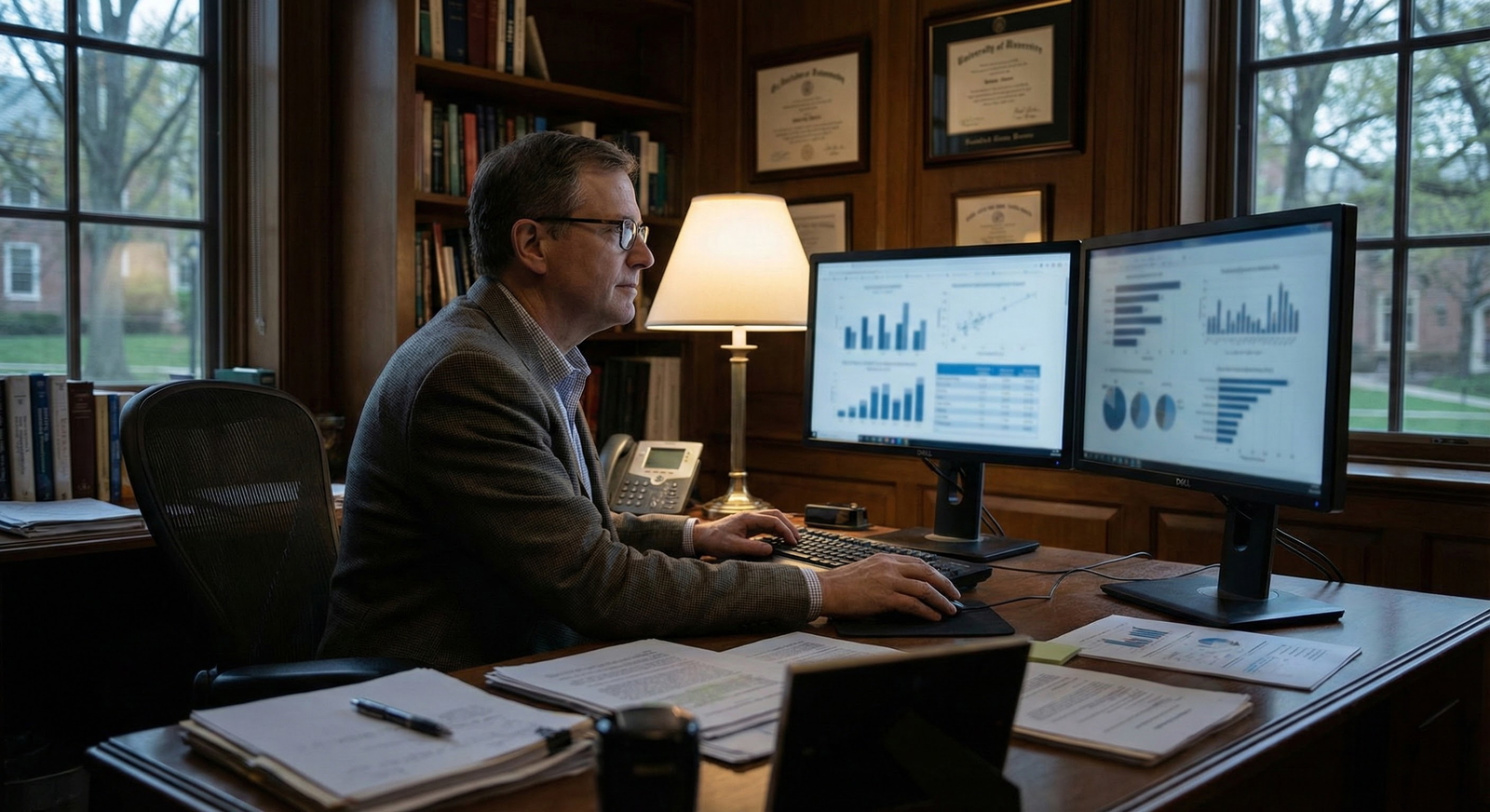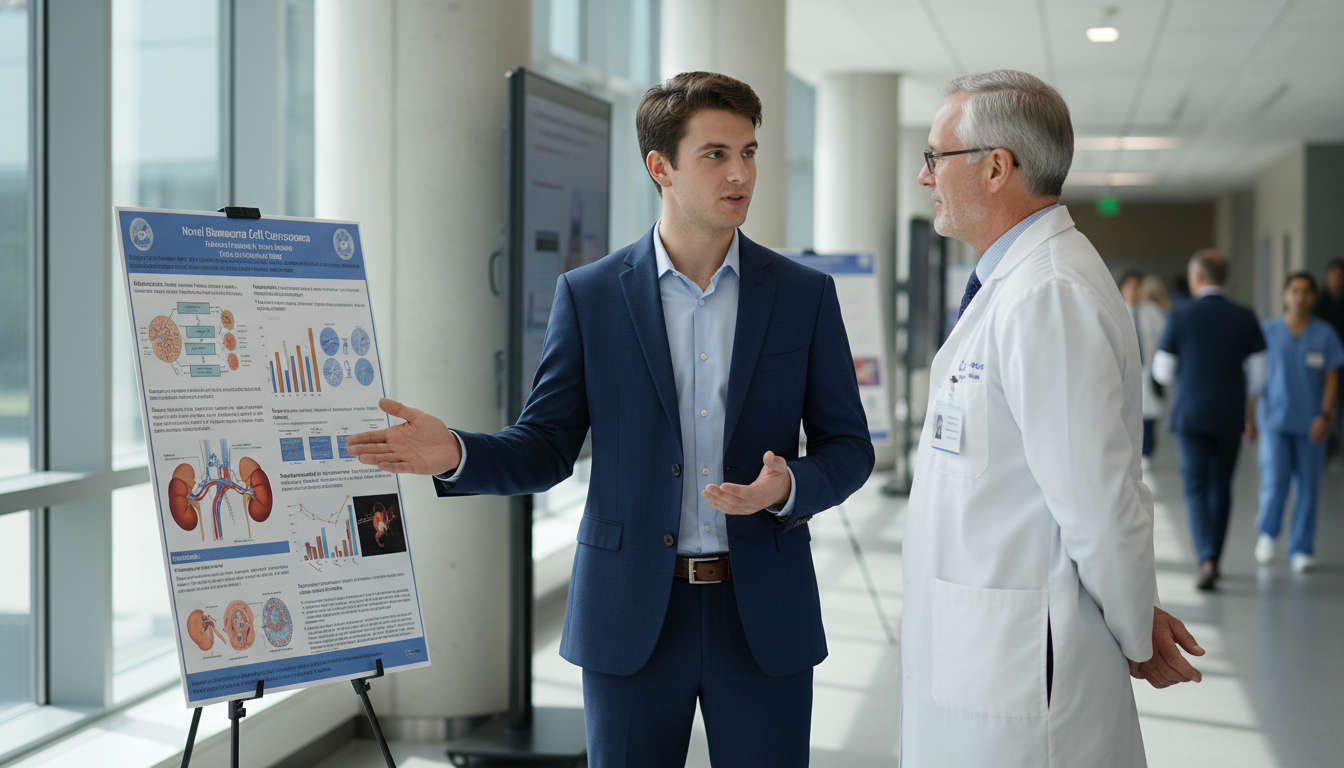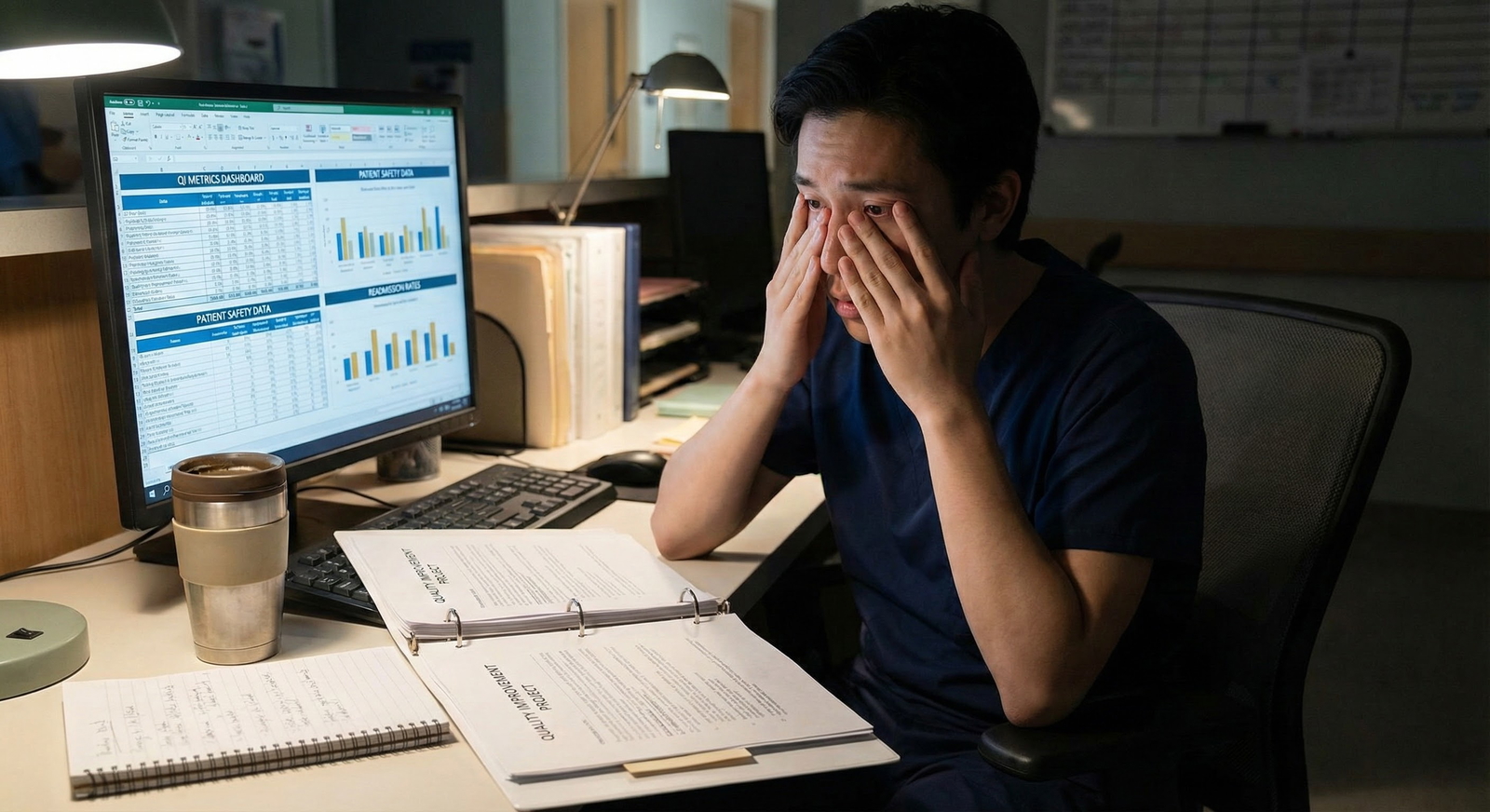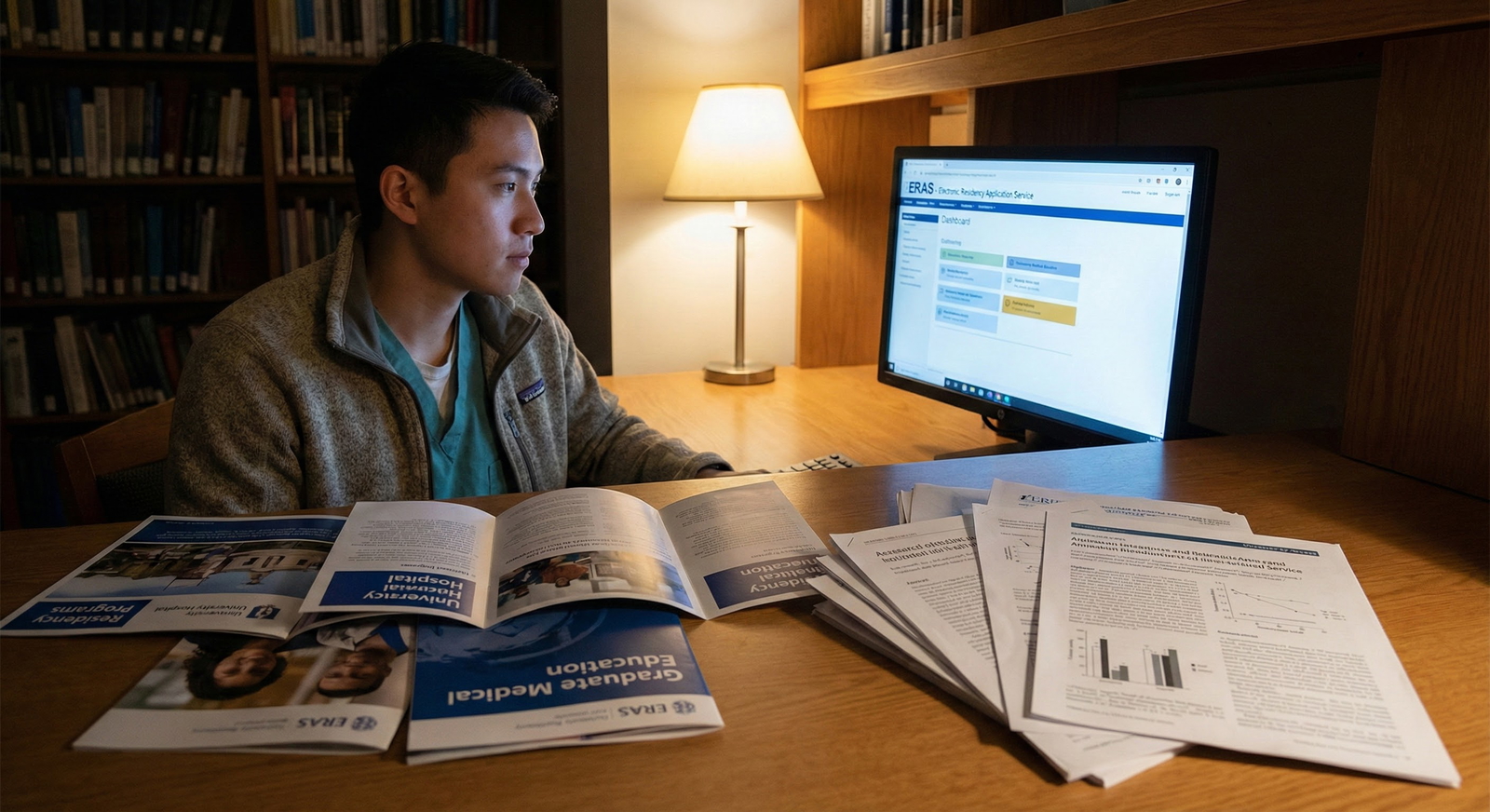
Why Research Matters for IMGs in Emergency Medicine
Emergency Medicine (EM) is highly competitive for any applicant—and even more so for an international medical graduate (IMG). Program directors in EM look for evidence that you:
- Understand the U.S. academic medical system
- Can think critically and apply evidence to patient care
- Will contribute meaningfully to the program’s scholarly output
- Have persistence and follow-through
A strong research profile improves your chances in the EM match in several ways:
- Screening and selection: Many EM programs filter IMGs by USMLE scores and visa status, but research can help you stand out once you pass the initial screen.
- Interview invitations: Publications, abstracts, and quality improvement (QI) projects show commitment and productivity—factors that program directors consistently value.
- Ranking: During rank meetings, your research track record can help faculty remember you and argue for your potential as a future academic or clinical leader.
You do not need to be a PhD-level scientist or have dozens of randomized trials. But as an IMG in EM, you do need a strategic, realistic plan to build and present a meaningful research profile.
This IMG residency guide will walk you through:
- How program directors think about research for residency
- What “counts” as research in EM
- How many publications are helpful (and realistic)
- How to start research as an IMG—step by step
- How to present your work persuasively in ERAS and interviews
Understanding Research Expectations in EM for IMGs
What EM Programs Actually Look For
When EM faculty review your application, they’re usually asking:
- Can this applicant complete projects?
- Finished work (published papers, submitted manuscripts, completed QI projects) matters more than vague “in progress” activity.
- Does the research fit EM or acute care?
- EM-related topics (trauma, toxicology, ultrasound, resuscitation, health systems, prehospital care) are especially attractive.
- Is there a pattern of academic interest?
- A mix of posters, abstracts, small retrospective studies, and case reports can collectively tell a story of consistent scholarly engagement.
- Does this support strong letters of recommendation?
- A faculty mentor who knows you well from research can write a powerful letter describing your work ethic, curiosity, and commitment.
What “Research” Means in the EM Match
For the EM match, research is broader than just randomized clinical trials. Your “research profile” can legitimately include:
Original research
- Retrospective chart reviews (very common and realistic for IMGs)
- Prospective observational studies
- Basic science (if connected to EM/critical care topics)
- Clinical trials (less common but valuable if you’re involved)
Scholarly projects
- Case reports and case series
- QI/Patient safety projects in the ED
- Educational research (e.g., simulation, teaching interventions)
- Public health or systems-based projects involving emergency care access
Academic outputs
- Peer-reviewed publications
- Conference abstracts and posters
- Oral presentations
- Book chapters or EM textbook contributions
- Peer-reviewed online educational content (e.g., FOAMed, blogs, podcasts)
Each of these adds to your research for residency portfolio—especially if they demonstrate progression over time and increasing responsibility.
How Many Publications Do IMGs Need for EM?
There Is No Magic Number—but There Is a Pattern
If you’re asking, “how many publications needed to match EM as an IMG?”, the honest answer is: there is no fixed cutoff. Program directors rarely say “We only rank people with X publications.” Instead, they consider:
- The quality and relevance of your work
- The trajectory of your academic involvement
- Your other strengths (USMLE/COMLEX scores, SLOEs, U.S. clinical experience, communication skills)
However, we can think in tiers to guide your planning.
Minimum Baseline (1–2 solid outputs)
For most IMGs aiming for EM, a realistic and helpful baseline might include:
- 1–2 peer-reviewed publications or accepted manuscripts, and/or
- 2–3 strong conference posters/abstracts (preferably EM-related)
This shows you can complete projects and understand the basics of academic medicine.
Competitive Range (3–6+ outputs)
IMGs with stronger research profiles may have:
- 2–4 peer-reviewed articles (not necessarily all first author)
- Multiple national or regional EM conference presentations
- At least one clear EM-related project (e.g., ED sepsis pathway, ultrasound study, trauma outcomes, airway management study)
This is not mandatory, but it can significantly boost your application, especially at academic EM programs.
High-End Academic Profile (7+ outputs)
Some IMGs enter the EM match with:
- A master’s degree (e.g., MPH, MS Clinical Research) or PhD
- 7–15+ publications (may include non-EM topics)
- Multicenter or high-impact projects
This level can open doors at research-heavy programs, but it is not required for most EM positions. It is also time- and resource-intensive, so it must align with your long-term goals.
Quality vs Quantity for EM Programs
A single well-executed EM study with a national conference presentation and a strong letter from your PI can be more valuable than 10 low-quality, unrelated publications.
Program directors pay attention to:
- Journal caliber and relevance (respected EM journals or reputable specialty journals vs predatory journals)
- Your role (first author or substantial contribution vs 10th author on a huge team)
- Consistency (sustained activity vs all work done in one frantic month)

Step-by-Step: Building a Research Profile as an IMG in EM
Step 1: Clarify Your Timeline and Visa Reality
Before you dive in, map your timeline:
- Are you still in medical school abroad?
- You’ll have more flexibility but less access to U.S. mentors.
- Are you in the U.S. on a visa or observership?
- You may have great access to mentors, but your visa and time may limit clinical roles.
- Are you in a gap year specifically for research?
- You can consider more intensive commitments, like a full-time research position.
Also clarify your visa constraints early: some paid research positions cannot sponsor certain visas, while volunteer roles sometimes can be more flexible.
Step 2: Identify EM-Relevant Research Areas
To build a coherent EM-focused research identity, aim for topics such as:
- Acute care conditions (MI, stroke, sepsis, shock, trauma, cardiac arrest)
- ED operations (length of stay, crowding, triage, boarding)
- Point-of-care ultrasound (POCUS)
- Toxicology and substance use
- Airway management and resuscitation
- Prehospital/EMS research
- Health disparities in emergency care
- Telehealth in acute/emergent settings
Even if your initial work is not perfectly EM-focused (e.g., internal medicine, surgery, critical care), try to connect it conceptually to EM practice in your CV and personal statement.
Step 3: Find Mentors and Entry Points
For an international medical graduate, the biggest barrier is usually access, not motivation. Use multiple strategies:
A. Leverage Any U.S. Clinical Exposure
During observerships, externships, or visiting rotations:
- Ask EM attendings or fellows:
- “Do you or your department have any ongoing projects I can help with, even data entry or literature review?”
- Show up consistently, be reliable, and follow through quickly on any assigned task.
- Ask for a brief meeting to discuss potential long-term research involvement.
B. Cold Email Strategy
If you don’t yet have connections:
- Search EM faculty pages at academic centers in locations you can realistically spend time.
- Look for those who:
- Have published on topics that interest you
- Have titles like “Research Director,” “Director of Clinical Research,” or “EM Ultrasound Director”
- Send a short, focused email (3–4 paragraphs) that includes:
- Who you are (IMG, stage of training, exam status)
- Your research interests and relevant skills
- Your location and availability (remote or in-person)
- A clear ask: “Would you consider allowing me to assist on any ongoing EM research projects?”
- Attach a 1-page CV highlighting any prior research or analytic skills.
Expect a low response rate—but you only need one or two strong mentors.
C. Consider Formal Research Positions
If you have 1–2 gap years:
- Research assistant or coordinator roles in EM departments
- NIH-funded or grant-funded projects
- Institutional EM research fellowships for IMGs (varies by institution)
These positions can provide:
- Direct EM exposure
- Strong letters of recommendation
- Multiple projects over a year or more
Step 4: Start with Achievable Projects
For IMGs, the fastest and most realistic starting points often include:
Case Reports and Case Series
- Feasible in both U.S. and home-country settings
- Good for learning the basics of academic writing
- Can be EM-oriented (e.g., rare presentations of common emergencies, unusual toxicology cases, atypical trauma outcomes)
Actionable advice:
- Ask your EM mentor: “Are there any interesting recent cases we could write up?”
- Aim for reputable EM or general medical journals that accept case reports.
Retrospective Chart Reviews
Very common in EM and accessible to motivated IMGs:
- Examples:
- ED management of sepsis before vs after a new protocol
- Characteristics of patients leaving against medical advice
- Outcomes after ED-initiated buprenorphine for opioid use disorder
You’ll need:
- IRB or ethical review approval
- A clear data collection plan
- Basic familiarity with spreadsheets and statistics (often with mentor or statistician help)
Quality Improvement (QI) Projects
QI is highly valued in EM because it directly affects patient flow and safety:
- Examples:
- Reducing door-to-needle time for stroke or door-to-balloon time for STEMI
- Improving ED pain control for fractures
- Implementing a new triage algorithm
QI can lead to:
- Institutional presentations
- Regional or national posters
- PubMed-indexed publications if written up rigorously
Step 5: Build Skills that Make You Useful
To be invited onto projects, you must be helpful. Invest in skills such as:
- Literature searching (PubMed, Embase, Google Scholar)
- Reference management (Zotero, Mendeley, EndNote)
- Basic statistics and study design concepts
- Data cleaning and entry (Excel, REDCap)
- Scientific writing (clear, concise, structured)
Take advantage of:
- Free online courses (Coursera, edX) in biostatistics, research methods, clinical epidemiology
- NIH, CDC, or WHO online modules
- University open courseware on EBM and study design
Mention these courses in your CV under “Additional Training” to demonstrate proactive learning.
Step 6: Convert Work into Recognized Outputs
Don’t let your efforts stay invisible. For each project, ask:
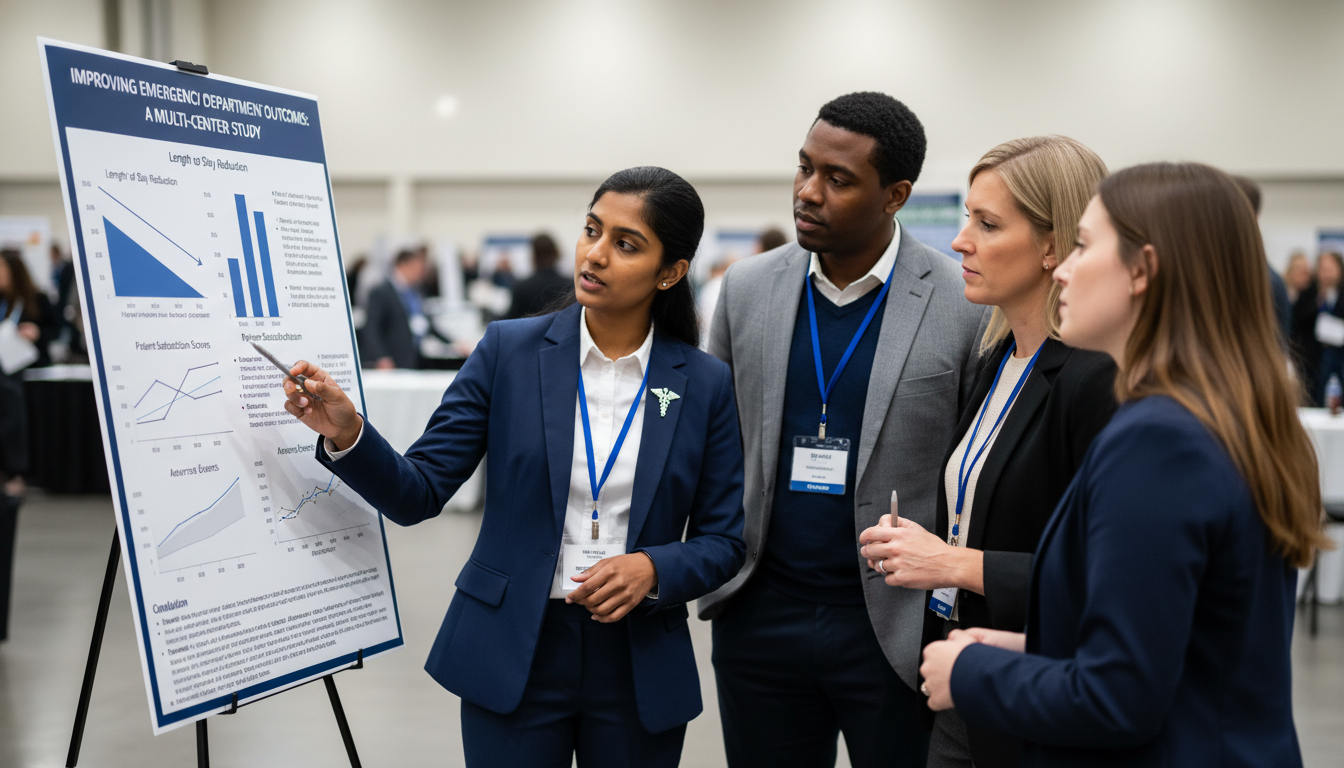
- Can we submit this to a regional or national EM conference?
- Is this manuscriptable for a peer-reviewed journal?
- Can we create a poster or oral presentation?
Target EM-relevant venues when possible:
- Society for Academic Emergency Medicine (SAEM)
- American College of Emergency Physicians (ACEP)
- European Society for Emergency Medicine (EUSEM)
- Regional EM societies and meetings
Each output strengthens your EM match portfolio—even if not all become full manuscripts.
Presenting Your Research Profile Strategically in Applications
Building a Cohesive Narrative
In ERAS and interviews, your goal is not just to list projects—it’s to tell a coherent story:
- Emphasize a clear theme, such as:
- “Improving ED efficiency and patient flow”
- “Optimizing resuscitation and critical care in the ED”
- “Using ultrasound to improve emergency diagnostics”
Even if your projects are diverse, connect them through:
- Your motivation (e.g., experiences with overcrowded EDs in your home country)
- Your skills (e.g., data analysis, protocol implementation, educational innovation)
- Your future goals (e.g., becoming an EM faculty member leading QI projects)
ERAS Research Section: Best Practices
In the ERAS “Experience” and “Publications” sections:
- Be accurate and honest about your role and authorship
- Clearly indicate your position (first author, co-author, data analyst, etc.)
- Avoid listing “planned” or purely hypothetical projects—focus on real progress
- For in-progress manuscripts, specify status: “Manuscript under review at [journal]” or “Data collection completed; manuscript in preparation.”
Use concrete bullet points to describe your contribution:
- “Extracted and cleaned data for 450 ED encounters”
- “Performed literature review and helped design data collection tool”
- “Drafted introduction and discussion sections of manuscript”
Discussing Research During EM Interviews
Be prepared for common questions:
- “Tell me about your most meaningful research project.”
- “What did you personally do in that project?”
- “How has research shaped how you think about clinical practice in the ED?”
- “What would you like to study in the future as an EM resident?”
Prepare one or two deep dive projects you can explain with:
- The clinical question
- Study design and main findings
- Your specific role
- Limitations of the project
- How it changed your perspective on EM practice
Program directors value applicants who can translate research into better bedside decision-making, not just those who recite statistics.
Letters of Recommendation from Research Mentors
For an international medical graduate, a strong research-based letter can be a major asset, especially if:
- The writer is an EM faculty member at a U.S. institution
- They describe your work ethic, reliability, critical thinking, and communication skills
- They highlight how you worked within a team and responded to feedback
If your mentor is not an EM physician but a different specialty, the letter can still be helpful—especially if it clearly demonstrates attributes that will translate to EM.
Advanced Strategies: Standing Out as an IMG in EM Research
If you have more time or a strong academic interest, consider these options:
Pursuing a Master’s or Graduate Training
Degrees such as:
- MPH (Master of Public Health)
- MS in Clinical Research, Epidemiology, or Biostatistics
can:
- Strengthen your understanding of research methods
- Provide structured mentorship and protected research time
- Increase your competitiveness at academic EM programs
However, they require:
- Significant time (1–2 years)
- Financial investment
- A clear alignment with your long-term academic goals
Getting Involved in EM Education and FOAMed
Scholarly activity is evolving. Many EM programs value:
- Peer-reviewed online educational modules
- Contributions to reputable EM educational sites or podcasts
- High-quality infographics or evidence summaries (if peer-reviewed or associated with an academic group)
If you pursue these:
- Ensure they are structured, peer-reviewed, and professional
- Aim for collaboration with EM faculty or recognized FOAMed groups
- Clearly document your role and contributions
Collaborating Internationally
As an IMG, you can turn your international background into a strength by:
- Working on projects that compare ED systems in your home country and the U.S.
- Studying topics like global emergency care, disaster medicine, or health systems in low-resource settings
- Partnering with global EM initiatives or NGOs
These can resonate strongly with EM programs dedicated to global health and health equity.
Common Pitfalls and How IMGs Can Avoid Them
Pitfall 1: Chasing Quantity at the Expense of Integrity
Avoid:
- Predatory journals with poor peer-review standards
- Falsely inflating your role in projects
- Listing projects that never truly existed or are massively exaggerated
Program directors value honesty and professionalism far more than a long but questionable list.
Pitfall 2: Overcommitting Without Following Through
Do not:
- Join five projects at once if you cannot deliver on deadlines
- Promise to complete tasks quickly and then disappear
- Fail to communicate delays or obstacles to your mentor
Your professional reputation in EM is small and interconnected; one strong mentor can open many doors—but broken trust spreads quickly.
Pitfall 3: Ignoring EM Relevance Entirely
While all research is better than none, try to progressively move closer to EM topics:
- If you start in basic science or another specialty, seek at least one or two EM-related or acute care projects before applying.
- Learn to explain how your previous work (e.g., cardiology, infectious disease, surgery) informs your approach to emergencies.
Putting It All Together: A Sample Roadmap for an IMG
Here’s an example of a 2-year research-focused roadmap for an IMG targeting EM:
Year 1 (Abroad or Early US Time)
- Complete a free online course in clinical research methods
- Write 1–2 case reports from your hospital (ideally EM-relevant)
- Assist with a small retrospective study (even if not EM-focused)
- Learn basic data and reference management tools
Year 2 (In the U.S. or Strong Remote Collaboration)
- Secure a part-time or full-time research assistant role in an EM department
- Contribute to:
- 1 retrospective ED study (chart review, data collection)
- 1 QI project in the ED
- Present 1–2 posters at EM conferences
- Co-author at least 1 EM-related manuscript (submitted or accepted)
- Obtain a strong letter of recommendation from your EM research mentor
By the time you apply for the EM match, your IMG residency guide portfolio might include:
- 1–3 peer-reviewed publications (with at least one EM-related)
- 2–4 conference posters or presentations
- Documented QI project work in the ED
- A coherent narrative connecting your past, present, and future in EM research
This is a realistic, strong profile for an IMG candidate.
FAQ: Research Profile Building for IMGs in Emergency Medicine
1. I have no research experience yet. Can I still match EM as an IMG?
Yes, it is possible, especially if you have strong scores, excellent SLOEs, and U.S. clinical experience. However, some documented scholarly activity—even small case reports, QI projects, or posters—can significantly strengthen your application and help differentiate you from other IMGs.
2. How many publications do I really need for a competitive EM application?
There is no single number. Many successful IMGs match with 1–3 meaningful publications or conference abstracts, especially if at least one relates to EM. Focus on quality, relevance, and completion rather than hitting a numerical target.
3. I did research in another specialty (e.g., cardiology, surgery). Does it still help?
Absolutely. Non-EM research still shows that you understand the research process, can work in academic teams, and can complete projects. In your personal statement and interviews, explain how those skills and insights translate to EM and how they shaped your interest in acute care.
4. I’m overseas and can’t easily work in U.S. hospitals. How can I build a U.S.-relevant research profile?
Options include:
- Remote collaboration with U.S. EM faculty via email and online tools
- Writing case reports or small studies from your current institution and framing them around EM-relevant issues
- Online courses in research methods to strengthen your CV
- Targeting global EM, disaster medicine, or health systems research that appeals to U.S. EM programs interested in global health
The key is to show initiative, consistency, and growing sophistication over time, even if your setting is outside the U.S.
By understanding what EM programs value, choosing realistic projects, and presenting your work thoughtfully, you can build a strong, credible research profile as an international medical graduate—and turn it into a real advantage in the EM match.