Understanding the Role of Research for IMGs in General Surgery
For an international medical graduate (IMG) aiming for a general surgery residency in the United States, a strong research profile is no longer optional—it is often a key differentiator. Programs receive hundreds or thousands of applications; research productivity helps program directors quickly identify applicants who are serious about academic surgery, can handle complex projects, and will contribute to the department’s scholarly output.
In this IMG residency guide, we will focus on how to systematically build a research portfolio tailored to general surgery, even if you are starting from zero, outside the U.S., or with time gaps.
Why Research Matters More in General Surgery
General surgery is among the more competitive specialties. Program directors often expect:
- Evidence of sustained interest in surgery
- Academic productivity (abstracts, presentations, manuscripts)
- Comfort with critical appraisal and evidence-based practice
- Potential to contribute to quality improvement and clinical outcomes research
Research for residency becomes especially important for:
- IMGs with lower or average board scores
- IMGs with graduation gaps
- Applicants aiming at university or academic programs
- Applicants targeting highly competitive geographic locations (Northeast, West Coast, large academic centers)
A solid research profile can:
- Compensate partially for weaker aspects of your application
- Provide strong letters of recommendation from U.S. academic surgeons
- Give you talking points that demonstrate maturity, perseverance, and teamwork
- Signal that you understand academic culture and can thrive in it
Defining Your Research Goals and Strategy as an IMG
Before you chase random projects, you need a clear strategy. As an international medical graduate, your time, visa status, and financial resources may be constrained. Strategic planning prevents burnout and fragmented efforts that do not translate into meaningful output.
Clarify Your Primary Objective
Your research goal is not “to publish as much as possible.” Your real objective is:
To build a coherent, credible evidence of academic potential that improves your chances in the surgery residency match.
That means optimizing three things:
Relevance to General Surgery
- Projects in general surgery, trauma, critical care, surgical oncology, transplant, vascular, minimally invasive surgery, acute care surgery, or perioperative medicine.
- If access is limited, adjacent fields like anesthesiology, radiology, or emergency medicine can still help, especially if your role and impact are clear.
Depth Over Random Volume
- A focused body of work (e.g., multiple projects in colorectal surgery or trauma) is often more compelling than scattered, unrelated case reports across many specialties.
Demonstrated Skills
- Data collection and management
- Study design understanding
- Statistical analysis (even basic)
- Scientific writing and peer review responses
- Collaboration and leadership in teams
Setting Realistic Targets (Including: “How Many Publications Needed?”)
Programs do not have a single magic number. However, data trends and program director surveys suggest benchmarks.
For an IMG targeting general surgery:
Competitive academic programs
- Aim for 5–10+ scholarly items (not necessarily all full publications):
- 2–4 peer-reviewed papers (original research, systematic reviews, or robust case series)
- Several abstracts or posters at regional/national meetings
- Some quality improvement (QI) or database projects
- Aim for 5–10+ scholarly items (not necessarily all full publications):
Community or hybrid programs
- 3–6 scholarly items may be sufficient, especially if coupled with strong scores and clinical experience.
When people ask “how many publications needed,” the better question is:
How many meaningful, surgery-relevant contributions can you realistically produce with clear authorship roles and visible impact?
Quality and narrative coherence matter more than raw count.
Types of Research That Count for Surgery Residency
You can build your profile from several research categories:
Clinical Research
- Retrospective chart reviews in general surgery (e.g., appendicitis outcomes, hernia repair complications)
- Prospective observational studies (e.g., postoperative pain management)
- Outcomes research using institutional or national databases (NSQIP, NIS, etc.)
Basic or Translational Science
- Lab-based projects in wound healing, immunology, oncology, biomaterials, or tissue engineering
- Often more time-consuming, but strong if you are planning an academic surgeon-scientist career
Systematic Reviews & Meta-Analyses
- Feasible remotely with good mentorship
- High-yield for publications if done rigorously
Case Reports and Case Series
- Lower impact, but useful early on and good for learning the publication process
- Stronger if rare disease, novel technique, or significant learning point
Quality Improvement (QI) Projects
- Projects like improving surgical checklist adherence, reducing SSI rates, or optimizing VTE prophylaxis
- Highly valued in modern residency programs
Educational Research
- Projects on surgical simulation, teaching methods, or assessment tools
- Particularly relevant if you’re interested in academic leadership and education
Finding and Securing Research Opportunities as an IMG
The main barrier for many IMGs is access to research positions—especially in the U.S. This section focuses on practical, concrete steps to overcome that barrier.
Step 1: Build a Clear, Focused CV Before You Ask
Before contacting anyone, prepare a short, well-structured CV focused on:
- Medical education and graduation year
- Exam scores (USMLE/PLAB/others, if applicable)
- Any prior research or academic projects (even in your home country)
- Surgical exposure (rotations, observerships, electives)
- Technical skills: data analysis (Excel, SPSS, R, Python), reference managers, basic statistics
- Language skills and visa status
Highlight anything that shows discipline and reliability: teaching roles, volunteer positions, academic awards.
Step 2: Identify Target Institutions and Mentors
Aim for institutions with:
- Robust general surgery departments
- Active research output
- History of working with IMGs or research fellows
Potential sources:
- University and large teaching hospitals’ Department of Surgery websites
- Faculty pages listing research interests and recent publications
- National organizations (ACS, SAGES, EAST, AAS) listing member surgeons and their focus areas
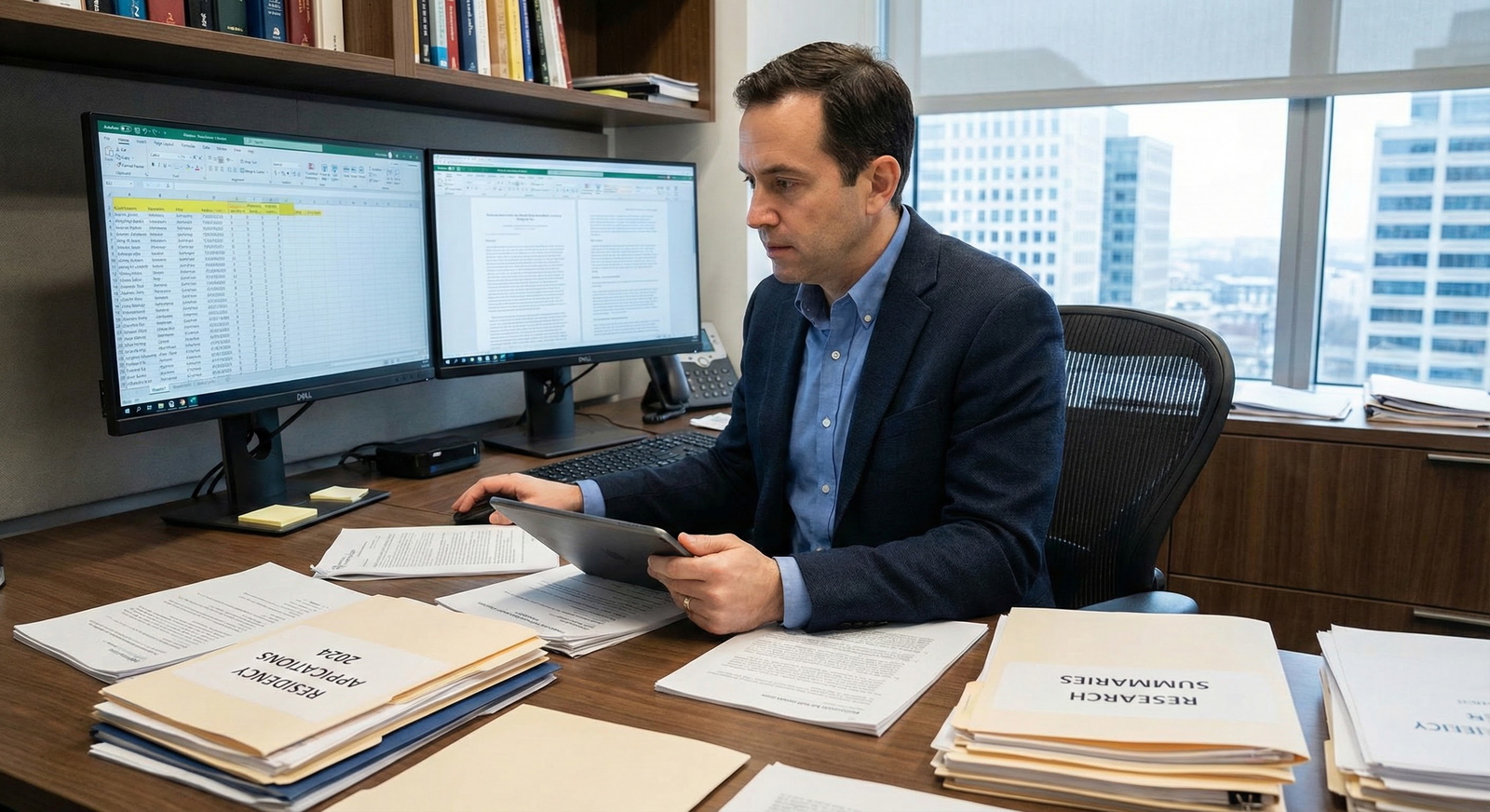
Create a spreadsheet with:
- Faculty name and title (e.g., Assistant Professor of Trauma Surgery)
- Research interest (e.g., outcomes research, sepsis, colorectal)
- Email, institution, and city
- One or two of their recent publication titles (to show you read their work)
Step 3: Write Targeted, Professional Outreach Emails
Mass, generic emails are often ignored. Instead:
Subject line examples:
- “Prospective IMG seeking research opportunity in colorectal surgery outcomes”
- “Interested in trauma research – IMG with data analysis skills and prior publications”
Body:
- Brief introduction (name, IMG background, graduation year)
- Specific interest in their research area (“I read your recent paper on…”)
- Concrete skills you can offer (data entry, chart review, literature review, statistics, manuscript drafting)
- Clear request: opportunity for volunteer/remote/visiting research position
- Attach your CV (PDF)
- Keep it under 200–250 words
Follow up once after 10–14 days if no response. Respect silence after one follow-up.
Step 4: Consider Formal Research Fellowships
Some large programs offer surgical research fellowships or postdoctoral positions (often 1–2 years). These can be transformative:
Advantages:
- Full-time immersion in academic surgery
- Multiple projects, higher chance of several publications
- Frequent interaction with attendings and residents (letter of recommendation potential)
- Sometimes salaried (which helps with living expenses and visas)
Challenges:
- Competitive application processes
- Visa issues (often J-1 Research Scholar or other categories)
- You may need to commit 12–24 months
If feasible, a structured fellowship is one of the best ways for an IMG to build a robust general surgery research portfolio.

Step 5: Remote and Home-Country Research Approaches
If travel or visas are limited, you can still build a strong research profile:
- Collaborate with local surgeons on retrospective reviews
- Join multinational virtual research collaboratives or registries
- Work on systematic reviews or meta-analyses with remote mentors
- Offer to assist with data cleaning, reference management, or manuscript editing
Many busy U.S. surgeons are open to remote help if you prove reliable and maintain confidentiality and quality.
Executing Research Projects Effectively (From Idea to Publication)
Getting into a study team or lab is the beginning, not the end. The biggest mistake IMGs make is starting many projects and finishing none. Execution is everything.
Choosing the Right First Projects
Prioritize:
- Feasible timelines (3–6 months for data and initial manuscript)
- Smaller, well-defined retrospective studies
- Projects with clear mentorship and structured roles
- Teams with a strong track record of finishing and publishing
Avoid:
- Extremely complex multi-center trials as your only project
- Purely theoretical projects with no clear plan for data collection
- Vague “we’ll see what we can do” situations without clear deliverables
Understanding Your Role and Deliverables
Clarify at the start:
- What exactly you will do (e.g., chart review, database creation, drafting Intro/Methods)
- Expected hours per week
- Deadlines and check-in frequency
- Authorship expectations (discuss openly and professionally)
A typical high-yield role for IMGs:
- Perform structured chart review
- Build and maintain data spreadsheets
- Create figures and tables
- Conduct preliminary analyses under supervision
- Prepare first manuscript draft
Basic Workflow for a Retrospective Clinical Study
Refine the Question
- Example: “Does BMI affect surgical site infection rates after laparoscopic appendectomy?”
Protocol and IRB
- Mentor drafts protocol and obtains IRB approval
- You help refine inclusion/exclusion criteria and variable list
Data Collection
- Use EMR to identify eligible patients
- Extract variables (demographics, operative details, complications, outcomes)
- Enter data into Excel/REDCap or similar
Data Cleaning
- Check for missing data, inconsistencies
- Create derived variables (e.g., BMI categories)
Statistical Analysis
- Work with biostatisticians or trained mentors
- Learn basic tests: chi-square, t-tests, logistic regression
Abstract and Presentation
- Prepare an abstract for a surgical conference (ACS, SAGES, regional meetings)
- Poster or podium presentation builds your CV and network
Manuscript
- Write Introduction and Discussion with mentor guidance
- Submit to a relevant journal and respond to reviewer comments
This cycle, repeated several times, can produce a strong research portfolio.
Writing Skills: Turning Work into Publications
For publications for match, writing skills are critical. To improve quickly:
- Read multiple high-quality general surgery articles weekly
- Focus on how the Introduction builds the argument and how Discussion interprets results
- Use templates:
- IMRaD structure (Introduction, Methods, Results, Discussion) for original research
- PRISMA guidelines for systematic reviews
- Use reference managers (Zotero, Mendeley, EndNote) from day one
- Ask mentors to critique your drafts; accept feedback humbly and revise quickly
Being the person who can reliably turn raw data into a near-ready manuscript makes you invaluable to any research team.
Presenting and Packaging Your Research for the Surgery Residency Match
Doing research is half the mission. Presenting it effectively to program directors and interviewers is just as important.
Building a Coherent Research Narrative
Your research story should answer:
- Why did you choose these topics?
- How do they reflect your interest in general surgery?
- What did you learn and how did you grow?
Example narrative for the surgery residency match:
“I became interested in general surgery outcomes during my rotations, especially the factors leading to postoperative complications. My first project looked at SSI rates in emergency laparotomies in my home institution. Later, in a U.S. research fellowship, I worked on NSQIP-based outcomes in colorectal surgery and helped design a QI project to reduce readmissions. These experiences taught me how to work with large datasets, collaborate across teams, and translate findings into practice changes.”
This coherence is far more powerful than a random list of disconnected papers.
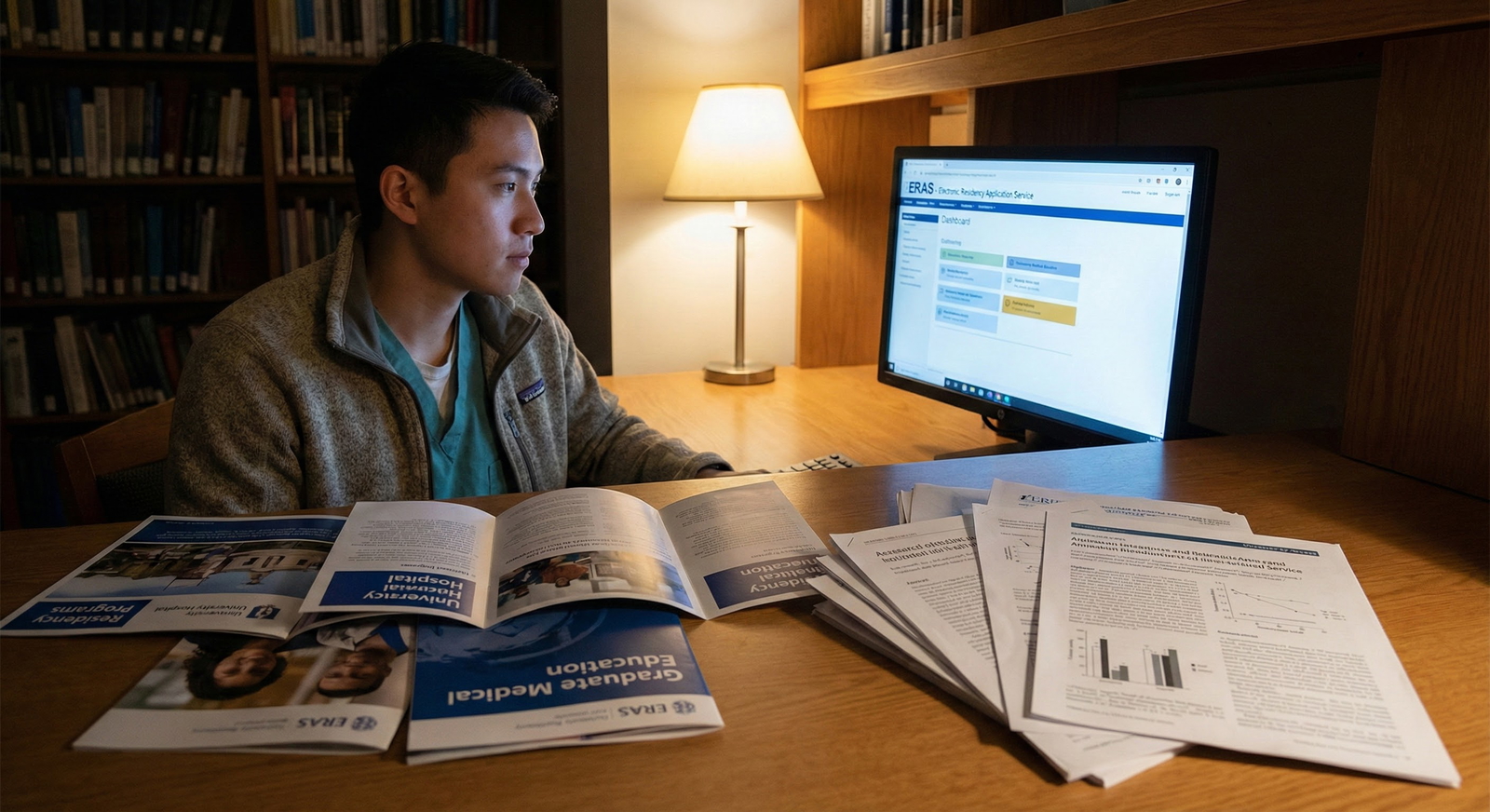
Optimizing Your ERAS Application
In ERAS:
List all scholarly activities:
- Peer-reviewed publications
- Abstracts, posters, oral presentations
- Book chapters or review articles
- QI projects and online publications (clearly labeled)
For each, include:
- Full citation with your name and authorship position
- Your specific role (concept, data collection, analysis, writing)
- Status (submitted, accepted, in press, published) – be honest
Do not inflate your contributions. Program directors and interviewers can often tell.
Talking About Research in Interviews
Prepare for classic questions:
- “Tell me about your main research project.”
- “What was your role?”
- “What challenges did you face and how did you overcome them?”
- “How do you see research fitting into your future career as a surgeon?”
Use structured answers:
- Context: what problem you studied and why it mattered
- Methods: briefly, at a conceptual level
- Your role: very specific actions you took
- Results: key findings in 1–2 sentences
- Impact: what changed (practice, guideline, future research)
- Reflection: what you learned about yourself and teamwork
Letters of Recommendation from Research Mentors
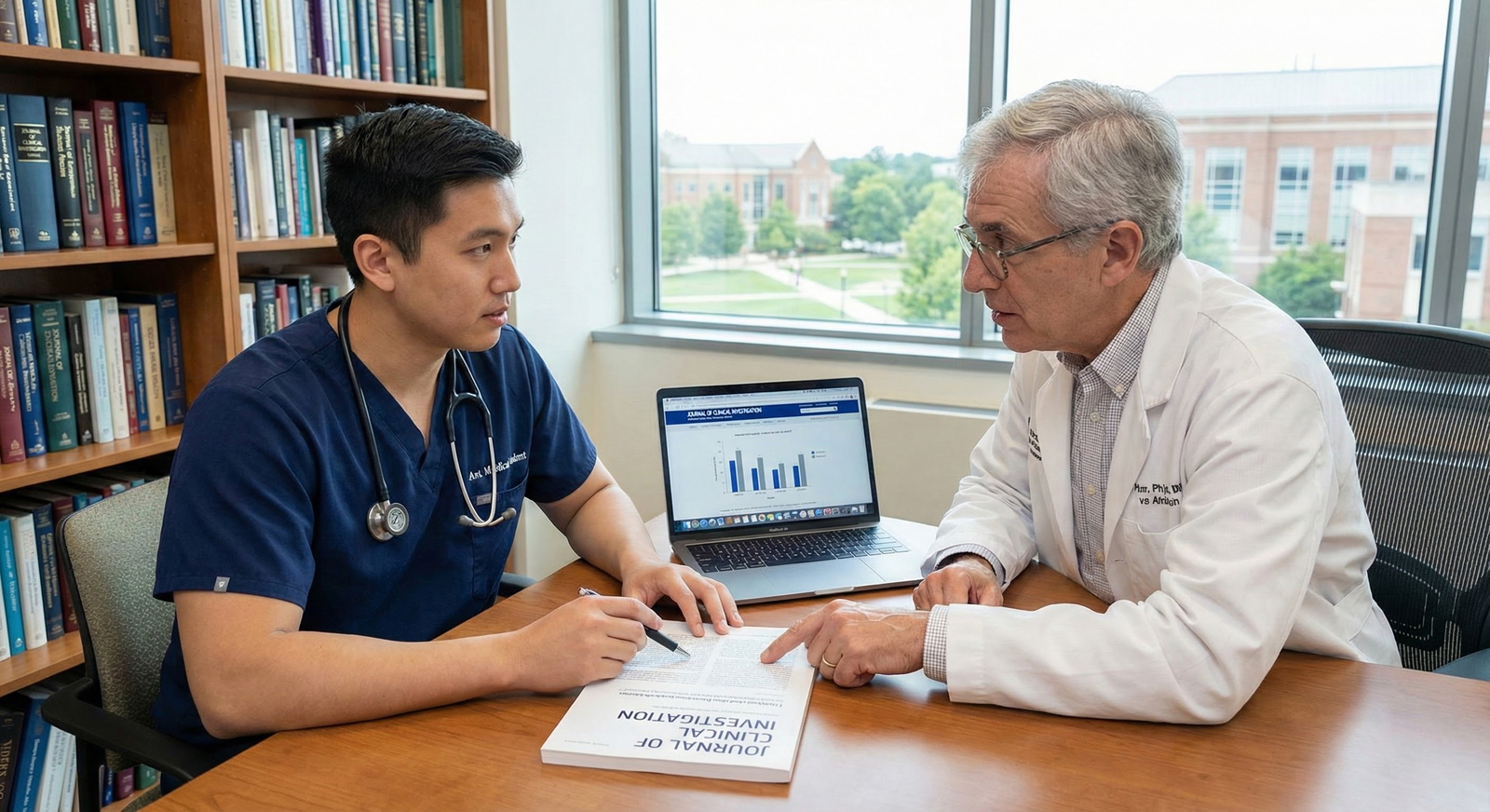
Strong letters from U.S. surgeons who know you well can elevate your application.
To enable a great letter:
- Show up consistently and deliver on deadlines
- Communicate clearly and respectfully
- Ask mentors for feedback and implement it
- Discuss your career goals openly
When requesting a letter, provide:
- Updated CV
- Personal statement draft
- List of programs you’re targeting
- Summary of your projects and contributions

Time Management, Ethics, and Common Pitfalls for IMGs
Research can be a double-edged sword: it can boost your application, but mismanaged, it can drain years without much to show.
Balancing Research with Exams and Clinical Experience
As an IMG, you may be juggling:
- USMLE preparation
- Step 3 or other licensing exams
- Observerships, externships, or home-country clinical work
- Personal or financial constraints
To avoid burnout:
- Set weekly research time blocks (e.g., 10–20 hours if full-time; 5–10 hours if part-time)
- Limit yourself to 2–3 active projects at a time until you’ve proven you can complete them
- Use digital tools (Trello, Notion, Google Sheets) to track tasks and deadlines
- Consolidate tasks: for example, learn statistics while simultaneously analyzing your own dataset
Research Ethics: Non-Negotiable for Your Reputation
For an international medical graduate, any hint of unethical behavior (e.g., data fabrication, plagiarism) can be catastrophic.
Key principles:
- Never manipulate or invent data
- Maintain strict patient confidentiality
- Avoid plagiarism: always paraphrase and cite correctly
- Respect authorship criteria and agreements
- Disclose conflicts of interest when relevant
Ask mentors or institutional offices for training in Responsible Conduct of Research (RCR). Being proactive in ethics is highly respected.
Avoiding Common Pitfalls
Chasing too many projects
- Leads to incomplete work and damaged reputation
- Focus on finishing, not just starting
Under-communicating with mentors
- Leads to misunderstandings and delays
- Send regular brief updates (e.g., weekly emails with bullet-point progress)
Misaligned expectations about authorship
- Discuss early: who is first author, corresponding author, and your position
- Document agreements when possible
Overestimating “submitted” papers
- Submissions often get rejected or undergo multiple revisions
- Don’t rely on uncertain projects as your main application strength
Neglecting exam performance
- Even a stellar research profile cannot always overcome very low scores
- Aim for a balance: research should support, not replace, your exam preparation
FAQs: Research Profile Building for IMGs in General Surgery
1. As an IMG, is it mandatory to have U.S.-based research for a general surgery residency?
Not mandatory, but strongly beneficial. Many successful IMGs have matched with high-quality research from their home country or international collaborations. However, U.S.-based research:
- Provides local letters of recommendation
- Demonstrates familiarity with the U.S. healthcare system
- Makes it easier for program directors to assess the quality of your training
If possible, aim for at least some U.S. exposure—either via research fellowship, observership plus projects, or remote collaboration.
2. I have no prior research experience. How should I start building my profile?
Start small and structured:
- Learn basics: study design, statistics, and academic writing (online courses, textbooks, YouTube lectures).
- Join an existing project rather than trying to create one from scratch.
- Begin with case reports or simple retrospective reviews.
- Gradually move to more complex projects like systematic reviews or outcomes research.
Your goal is to quickly gain experience with the full cycle: idea → data → analysis → presentation → publication.
3. Does basic science research help for a surgery residency match, or should I focus only on clinical research?
Both can be valuable:
- Clinical research is more directly relatable during interviews and to your future surgical practice.
- Basic or translational research is especially appreciated by research-heavy academic programs and for applicants interested in surgeon-scientist careers.
If you already have a strong basic science background, do not abandon it—but try to complement it with at least some clinically oriented or outcomes research in surgery.
4. How should I answer when asked in interviews: “How many publications do you have?”
Answer precisely and confidently, without exaggeration:
“I have 3 peer-reviewed publications (2 in general surgery, 1 in critical care), 2 accepted abstracts for national meetings, and 1 manuscript currently under review in a surgical journal.”
If some are in-progress:
“In addition, I’m working on 2 more manuscripts that are in the data analysis and writing stages, but I do not count them as publications yet.”
Honesty and clarity build trust—programs value that more than inflated numbers.
By approaching research strategically, executing projects reliably, and presenting your work coherently, you can transform your profile as an international medical graduate and significantly improve your chances in the general surgery residency match.