Why Your Research Profile Matters as an IMG in Interventional Radiology
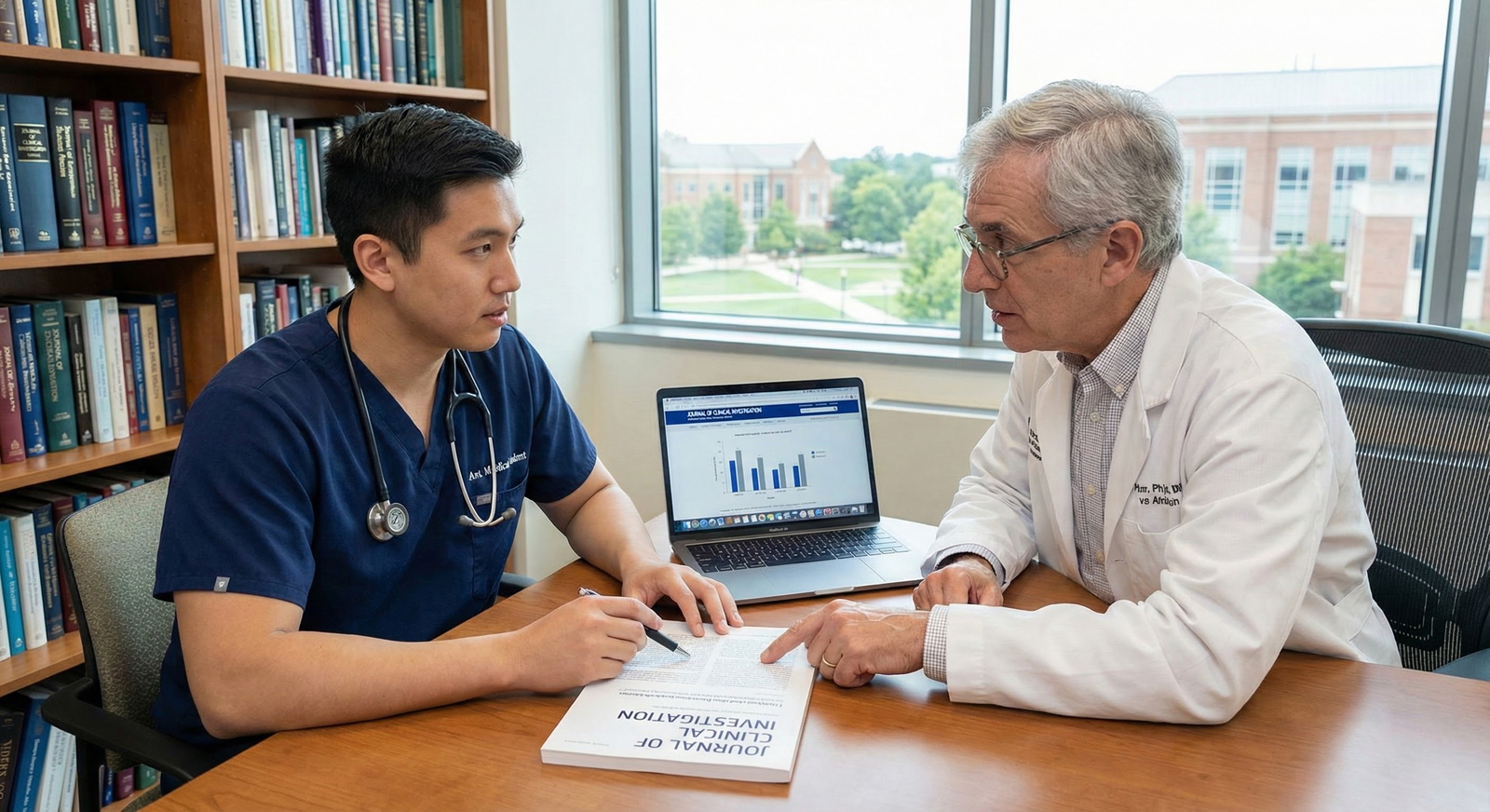
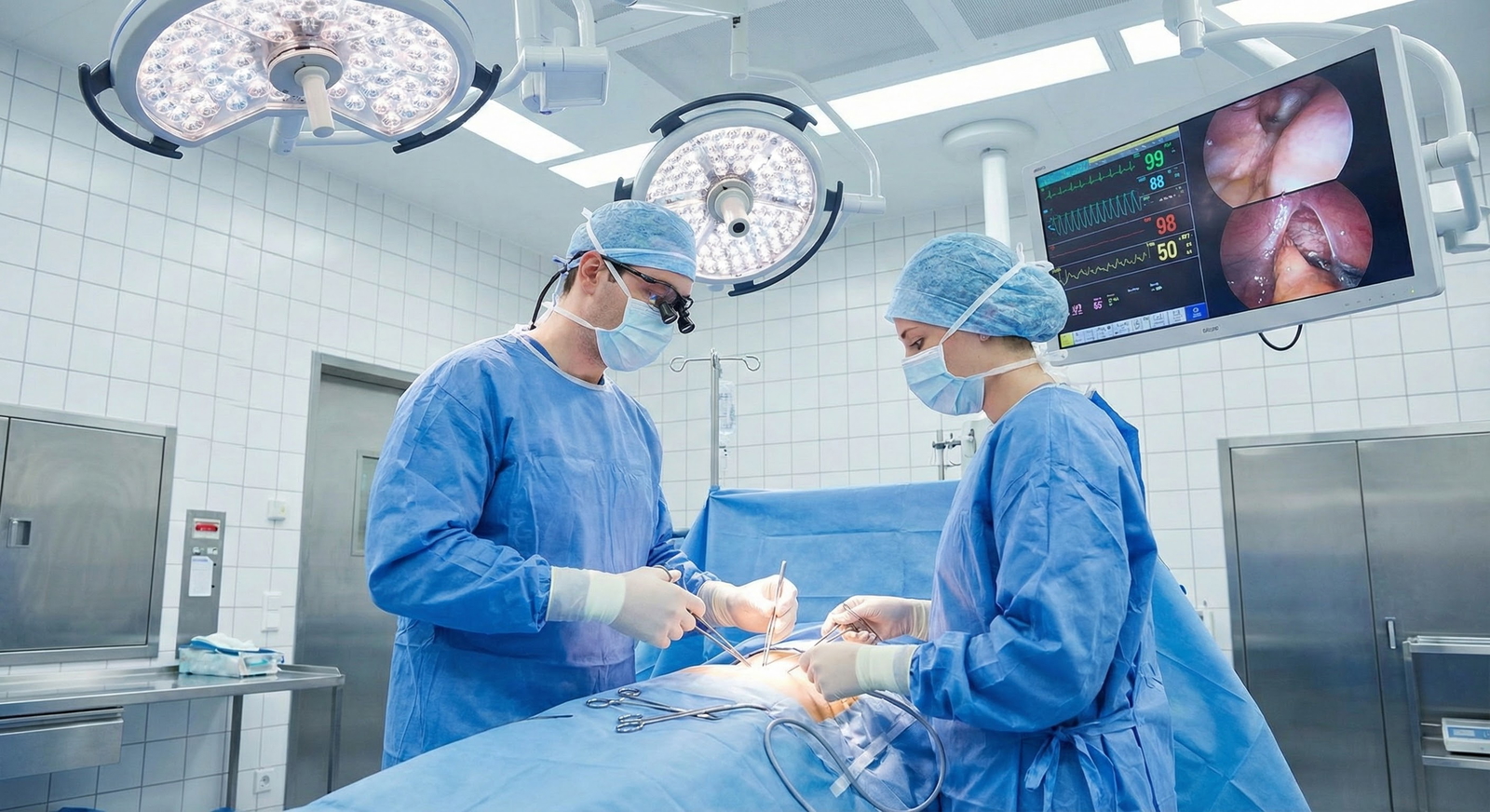
Interventional Radiology (IR) is one of the most competitive and rapidly evolving specialties in modern medicine. For an international medical graduate (IMG), a strong, strategically built research portfolio is often the difference between a marginal application and a highly competitive one in the IR match.
Program directors in IR consistently emphasize:
- Demonstrated interest in IR as a field
- Evidence of academic productivity
- Ability to work in teams and complete projects
- Familiarity with U.S. (or destination country) academic culture
Your research profile is the most direct way to signal all of these at once.
This IMG residency guide will walk you step-by-step through:
- What kind of research matters for IR
- How to get involved in projects (even from abroad)
- How many publications are realistic and what “counts”
- How to present your research for maximum impact in your application
The focus is not just “do research,” but how to build a coherent research story that clearly supports your goal of an interventional radiology residency.
Understanding What “Counts” as Strong Research in IR
Before chasing random projects, you need to understand the types of research experiences that are meaningful for interventional radiology residency applications and how program directors evaluate them.
The Spectrum of Research Activities
These all contribute to your research portfolio:
Original research projects
- Prospective or retrospective cohort studies
- Clinical outcomes research (e.g., outcomes after TACE, Y-90, thrombectomy)
- Database studies using institutional or national datasets
- Translational/bench research (less common but valuable if IR-related)
Smaller, faster academic products
- Case reports and case series (e.g., unusual embolization case)
- Pictorial essays and educational reviews
- Technical notes on procedures or devices
Scholarly contributions beyond manuscripts
- Conference abstracts and posters
- Oral presentations at IR or radiology meetings
- Book chapters
- Online educational resources (society-endorsed or institutional)
Supporting skills
- Data collection and chart review
- Basic statistics and data analysis
- Systematic literature searching
- Creating figures and imaging panels
All of these can appear in ERAS under Research, Publications, Presentations, and Experiences.
IR-Specific vs Non-IR Research: How Important Is the Focus?
For an IR applicant, IR-related research is ideal, but non-IR research still has real value.
High-impact for IR match:
- Projects directly related to:
- Embolization (e.g., UFE, TACE, PAE)
- Interventional oncology
- Endovascular procedures (AAA, PAD interventions)
- Venous interventions (DVT, PE, IVC filters)
- Non-vascular interventions (drainages, biopsies, ablations)
- Research in diagnostic radiology that strongly interfaces with IR (e.g., CT liver volumetry for pre-operative planning)
Still helpful and definitely worth listing:
- Any clinical research in other specialties (cardiology, neurology, surgery)
- Imaging-related research (diagnostic radiology, nuclear medicine)
- Quality improvement (QI) projects in hospitals
- Epidemiological or public health studies (if well-constructed and published)
Programs understand that as an IMG you may not always have access to IR-specific projects; what they want to see is:
- Consistency of academic effort
- Trajectory toward IR (even if your earliest work was in another field)
- Ability to finish what you start
How Many Publications Are Realistic and Competitive?
There is no official answer to “how many publications needed” for IR, but trends from program director surveys, match data, and experience suggest:
Solid baseline for a competitive IMG IR applicant:
- 2–3 peer-reviewed publications (preferably with at least 1 IR or radiology-related)
- Plus several abstracts/posters at reputable meetings
- A track record of ongoing or in-progress projects
Highly competitive profile:
- 4–8 publications (mix of first-author and co-author)
- Multiple IR-specific projects
- Presentations at national or international conferences (e.g., SIR, RSNA, CIRSE, regional IR meetings)
If you’re just beginning:
- Even 1 well-done IR case report with a poster presentation is better than nothing
- The critical step is to show momentum and sustained activity over time
Remember: quality and coherence matter more than raw numbers. A random scattering of unrelated projects with minimal contribution from you is less impressive than a focused, IR-oriented narrative where you can clearly explain your role.
Getting Started: Finding and Securing IR Research Opportunities
The hardest step for many IMGs is simply getting a foot in the door. You may be outside the U.S., have limited connections, and little experience with research culture in your target country. This section focuses on practical ways to bridge that gap.

Step 1: Build Basic Eligibility and Credibility
Before reaching out for research for residency, ensure you have:
- Updated CV (emphasizing prior academic experiences, no matter how small)
- Clear statement of interest in interventional radiology (2–3 concise sentences)
- Professional email address and LinkedIn profile
- Completed or in-progress USMLE / destination exams if you’re targeting U.S. or other competitive systems (not mandatory for research, but strengthens your ask)
If you already have any research, even from medical school, include:
- Title, your role, institution, supervisor, and outcome (published, submitted, presented, or ongoing)
Step 2: Target Institutions and Mentors Strategically
Use a systematic approach rather than random emails:
Identify IR-heavy institutions
- Academic centers with IR/DR or Independent IR residencies
- Institutions hosting IR fellowships
- Hospitals with active IR divisions and ongoing clinical trials
Find specific IR faculty
- Visit IR department websites → “Faculty” or “Research” pages
- Search “[institution] interventional radiology research”
- Look at recent IR-related publications via PubMed or Google Scholar
Prioritize mentors who:
- Publish frequently (indicates active projects)
- Have a history of working with students or trainees
- Are involved with societies like SIR, RSNA, CIRSE, SVIR, etc.
Step 3: Write Targeted, Respectful Outreach Emails
Instead of long generic messages, send brief, well-structured emails. Example outline:
Subject:
“Prospective IMG interested in IR research – [Your Name, Medical Graduate]”Body (short, 4–6 sentences):
- Who you are (IMG, school, graduation year)
- Your interest in IR and destination training (e.g., IR/DR residency)
- One line about any prior research experience (or your motivation to learn)
- Specific reason for contacting this faculty (mention a recent paper or project of theirs)
- Clear, modest ask: opportunity for remote chart review, data analysis, or literature-based projects
Always attach:
- Up-to-date CV (1–2 pages)
- One-paragraph research interest statement (if you have it)
Expect a low response rate; reaching out to 30–50 faculty across multiple institutions is normal and often necessary.
Step 4: Consider Formal Research Pathways
If informal outreach isn’t sufficient, consider formal pathways common in an IMG residency guide:
Research fellowships in IR or radiology departments
- Typically 1-year paid or unpaid positions
- Heavy involvement in ongoing clinical projects
- Strong letters of recommendation if you perform well
Postdoctoral research positions (more common in basic science)
- Valuable but less directly connected to clinical IR unless imaging-related
Visiting scholar / observer roles with research
- Some departments allow observership plus research involvement
- Even short-term (3–6 months) experiences can yield posters or manuscripts if you are proactive
Building a Coherent IR-Focused Research Portfolio
Once you have an entry point, the central task is to shape your experiences into a coherent research profile that unmistakably supports your goal of interventional radiology residency.
Choose Projects that Show an “IR Story”
You don’t need all projects to be IR-focused, but the overall arc of your work should move toward IR:
Early phase (any specialty):
- Join easier-to-access projects (internal medicine, surgery, cardiology, etc.)
- Learn basics: chart review, data entry, manuscript formatting
Transition phase:
- Start taking roles on radiology or imaging-heavy projects
- Work with IR or DR faculty if possible
- Focus more on image-guided interventions and vascular disease topics
Mature phase (clear IR focus):
- Engage in projects clearly tied to IR practice:
- Outcomes after UFE, TACE, ablation, thrombectomy
- Complications and safety of common IR procedures
- Comparative studies of devices or techniques
- Aim for first-author projects when possible
This shows program directors that:
- You’ve grown in responsibility and skill
- You have a sustained, thoughtful commitment to IR
Levels of Involvement: Aim to Climb the Ladder
In the beginning, you may only perform supportive tasks. Over time, try to increase your level of responsibility:
Entry-level roles:
- Collect data from charts, PACS systems
- Organize spreadsheets
- Perform basic literature searches
Intermediate roles:
- Draft parts of the Introduction and Discussion
- Generate tables and figures, especially imaging panels
- Assist with IRB applications and protocol documents
- Help submit abstracts to conferences
Advanced roles:
- Conceive project ideas with mentor input
- Lead data analysis
- Write full manuscripts as first author
- Present at national conferences
When you answer interview questions or write your personal statement, being able to say, “I progressed from data entry to designing my own projects” is powerful.
Diversify Your Academic Output
Aim for a balanced mix of:
Case reports & pictorial essays
- Quicker to produce
- Great for building early confidence and IR vocabulary
- Often used as stepping stones to more complex projects
Retrospective clinical studies
- Core content of an IR research portfolio
- Strong evidence of your ability to handle datasets
Abstracts and conference posters
- Show that your work passes peer review for scientific meetings
- Give you talking points for interviews
Review articles or educational pieces
- Demonstrate deep understanding of specific IR topics
- Often accessible projects for motivated IMGs
Think in terms of an “academic pipeline”: some quick-win projects (case reports), some mid-term (retrospective studies), and some long-term (larger database or prospective projects).
Practical Strategies for Productivity as an IMG
Time, distance, and access are the biggest obstacles for international medical graduates. These strategies help you maximize impact despite constraints.

Master Remote-Friendly Research Skills
Many tasks can be done entirely online. Build competency in:
Systematic literature review methods
- Use PubMed, Embase, Google Scholar effectively
- Save citations with tools like Zotero, Mendeley, or EndNote
- Summarize evidence with structured notes
Basic statistics and data handling
- Learn Excel functions (filters, pivot tables, basic formulas)
- Consider beginner-level training in R, SPSS, or Stata
- Understand common methods (t-test, chi-square, logistic regression, Kaplan-Meier)
Scientific writing
- Study templates from high-quality IR articles (JVIR, CVIR, Radiology, AJR)
- Practice writing clear, concise paragraphs
- Learn journal format requirements (abstracts, references, figure legends)
These skills make you valuable to mentors, even if you are not physically present in the institution.
Time Management: Treat It Like a Job
If you are in a research fellowship or gap year, treat research as full-time work:
- Set daily and weekly goals:
- e.g., “Extract data for 20 patients,” “Finish Methods draft,” “Prepare figure 2”
- Use project management tools:
- Simple spreadsheets or tools like Trello, Notion, or Asana
- Maintain regular check-ins:
- Weekly brief updates to your mentor (what you did, what’s next, obstacles)
Consistency is one of the biggest predictors of whether projects actually get completed and published.
Be Proactive but Respectful
High-yield behaviors:
- Asking for tasks when your current work is done
- Offering to draft sections of a paper
- Volunteering to present preliminary data at lab meetings
- Suggesting small, realistic project ideas based on gaps you see in the literature
But balance this with:
- Respect for your mentor’s time
- Sensitivity to authorship policies and hierarchy
- Avoiding overpromising deadlines you cannot meet
Reliability is critical: a single instance of ghosting a project can damage your reputation in a small field like IR.
Turning Projects Into Concrete CV Entries
Don’t let work vanish into “ongoing project” limbo forever. Aim to transform your efforts into:
- Submitted abstracts → posters/oral presentations
- Submitted manuscripts → accepted or published papers
- Completed smaller pieces → letters to the editor, short communications
On your CV and ERAS:
- Clearly distinguish published, in press, accepted, submitted, and in preparation
- Only list “in preparation” if actively being written and likely to be submitted
- Be honest—programs may ask for PDFs or PubMed links
Presenting Your Research in the IR Match
Doing the work is only half the task; the other half is communicating it effectively to program directors, interviewers, and selection committees.
Organizing Your Research on ERAS / CV
Group your experiences so that your IR focus is obvious:
Under Publications for match:
- Highlight IR-related papers and case reports at the top
- Use consistent citation style
- Mark your role (first author, co-author) clearly
Under Research Experiences:
- Use descriptive titles:
- “Clinical outcomes research in interventional oncology”
- “Retrospective analysis of peripheral arterial interventions”
- Use descriptive titles:
Under Presentations & Posters:
- Emphasize national/international conferences (SIR, RSNA, CIRSE)
- Include local/regional meetings as well—they still demonstrate engagement
How to Talk About Your Research in Interviews
Expect questions like:
- “Can you tell me about your favorite project?”
- “What was your specific role in this publication?”
- “How has research influenced your decision to pursue IR?”
Prepare 2–3 short narratives:
- One about a complex or challenging project (e.g., difficult data collection, IRB hurdles, revision process)
- One about an IR-specific study that changed how you view a procedure or patient outcome
- One about a failure or project that didn’t get published and what you learned
In each story, emphasize:
- Your responsibility and actions
- Collaboration with the IR team
- How it shaped your understanding of IR as a specialty
Making Your Research Story Support Your Application
Your personal statement, interview answers, and letters of recommendation should align to present a coherent message:
Personal Statement
- One paragraph briefly describing how research exposed you to IR procedures, patient selection, outcomes, or complication management
- Emphasize how IR research deepened your appreciation of image-guided therapy and multidisciplinary care
Letters of Recommendation
- Seek at least one from an IR or radiology mentor who supervised your research
- Ask them (politely) to comment on your academic curiosity, perseverance, and contribution to publications
This makes your research profile more than a list of activities; it becomes evidence of your growth into a future IR physician.
Common Pitfalls for IMGs and How to Avoid Them
Being aware of frequent mistakes can save you months of effort and frustration.
Pitfall 1: Chasing Quantity Over Meaning
Publishing 10 minor, poorly designed case reports in low-visibility journals is less impactful than 2–3 well-conducted projects with clear IR relevance and strong mentorship.
Solution: Prioritize:
- IR relevance
- Strong supervision
- Real learning opportunities
Not just outlets that promise very rapid acceptance.
Pitfall 2: Overclaiming Your Role
If you exaggerate your contribution, experienced interviewers will quickly notice when they ask follow-up questions.
Solution:
Be precise and honest. It’s fine to say:
- “I contributed mainly to data collection and helped draft the Discussion”
- “I was responsible for literature review and figure preparation”
Honesty builds trust; you can still show insight and understanding of the project, even if your official role was limited.
Pitfall 3: Ignoring Ethics and Authorship Norms
Unethical behavior—including plagiarism, data fabrication, or unauthorized submission—can end your career before it starts.
Solution:
- Learn basics of research ethics, IRB requirements, and authorship guidelines (e.g., ICMJE)
- Always keep your mentor in the loop for submissions and revisions
- Never reuse text or data without explicit permission and proper citation
Pitfall 4: Starting Too Late
Many IMGs begin serious research efforts only a few months before applying. That’s often too late to produce meaningful outputs.
Solution:
- Ideally start 1–2 years before the desired application cycle
- If you’re late, focus on:
- Shorter projects (case reports, educational pieces)
- Abstracts and posters
- Demonstrating momentum and commitment, even if publications appear after you apply
Putting It All Together: A Strategic Roadmap
Here is a practical 12–24 month roadmap for an IMG targeting interventional radiology residency:
Months 1–3
- Polish CV and exam profile
- Identify 30–50 IR/radiology faculty to contact
- Send tailored research emails and follow-ups
- Begin basic online courses in statistics and scientific writing
Months 4–9
- Join 1–3 projects (any specialty if IR is not immediately available)
- Take on concrete roles (data extraction, literature review)
- Complete at least 1 IR case report or pictorial essay if possible
- Attend virtual IR conferences or webinars
Months 10–18
- Transition toward IR-focused projects under IR or DR mentors
- Aim for:
- 1–2 submitted manuscripts
- 2–3 abstracts/posters (ideally IR-related)
- Consider an IR research fellowship or observership if feasible
Months 19–24 (application year)
- Finalize and submit manuscripts
- Prepare ERAS with clear emphasis on IR research
- Practice discussing your projects succinctly and confidently
- Ask IR mentors for strong, detailed letters of recommendation
This approach will give you a coherent, credible, and IR-focused research profile that significantly enhances your competitiveness in the IR match.
FAQ: Research Profile Building for IMG in Interventional Radiology
1. As an IMG, is IR research absolutely mandatory to match into interventional radiology?
It’s not “mandatory” in a formal sense—some applicants match with minimal research—but in reality, IR is competitive, and a research track record significantly strengthens your application, especially as an IMG. Even small IR projects (case reports, posters) help demonstrate genuine interest and give you content to discuss during interviews.
2. I don’t have access to IR at my current hospital. Can non-IR research still help?
Yes. Any well-executed clinical research shows you can think scientifically, work in teams, and complete projects. However, start with what you have, then progressively pivot toward IR or imaging-based projects via remote collaborations, online networking, or targeted observerships and research fellowships.
3. How many publications do I need as an IMG to be “competitive” for IR?
There is no strict number, but a reasonable target is:
- 2–3 peer-reviewed publications (with at least one radiology/IR-related if possible)
- Plus several posters or oral presentations.
Highly competitive IMGs often have more (4–8), but programs care about quality, relevance to IR, and your level of involvement, not just raw counts.
4. Does basic science or lab research count, or should I focus only on clinical IR research?
Basic or translational research absolutely counts, especially if it relates to imaging, devices, or vascular biology. For IR-specific benefit, try to combine it with at least some clinical or imaging-focused work, because IR residency training is heavily clinical and procedural. A mixed portfolio—lab + clinical IR projects—is very attractive if you can achieve it.
By approaching research strategically—as a structured, IR-centered narrative rather than a random collection of activities—you, as an international medical graduate, can transform a potential weakness into one of the strongest aspects of your interventional radiology residency application.