Building a strong research profile can be the factor that transforms an average application into a competitive one—especially for an international medical graduate aiming for a Medicine-Psychiatry (Med-Psych) combined residency. This IMG residency guide focuses on how to strategically build research experience that speaks directly to what Med-Psych programs value: intellectual curiosity, interdisciplinary thinking, and patient-centered scholarship.
Understanding the Med-Psych Landscape as an IMG
Combined Medicine-Psychiatry programs attract applicants who are comfortable with complexity: medical illness intertwined with psychiatric conditions, chronic disease with behavioral components, and systems-level challenges in integrated care. Research expectations reflect this complexity.
Why Research Matters More Than You Think
For an international medical graduate, research for residency serves several crucial functions:
- Signal of academic readiness in a new system (especially U.S./Canada/UK)
- Evidence of communication skills through abstracts, posters, and publications
- Demonstration of perseverance and professionalism (seeing a project through to completion)
- Direct connection to integrated care, CL (consultation-liaison) psychiatry, addiction, psychosomatics, and population health—core areas for Medicine-Psychiatry combined training
Med-Psych programs tend to be relatively small and academic. Many have explicit or implicit preferences for applicants who:
- Understand research methods
- Can critically read the literature
- Are likely to contribute to scholarly work during residency
For IMGs, a strong research profile can partly offset disadvantages such as:
- Older year of graduation
- Limited U.S. clinical experience
- Less familiarity with local health systems
How Med-Psych Programs Evaluate Research
Program directors generally look at:
Relevance
- Does your research intersect medicine and psychiatry, or at least one of them in a meaningful way?
- Have you engaged with topics like delirium, addiction, psychosomatic medicine, chronic disease and mental health, integrated primary care, or health disparities?
Productivity and Trajectory
- Are you consistently involved in projects over time, or is there a single short-term experience?
- Do you show growth—from data collection to analysis, writing, or presenting?
Scholarly Output
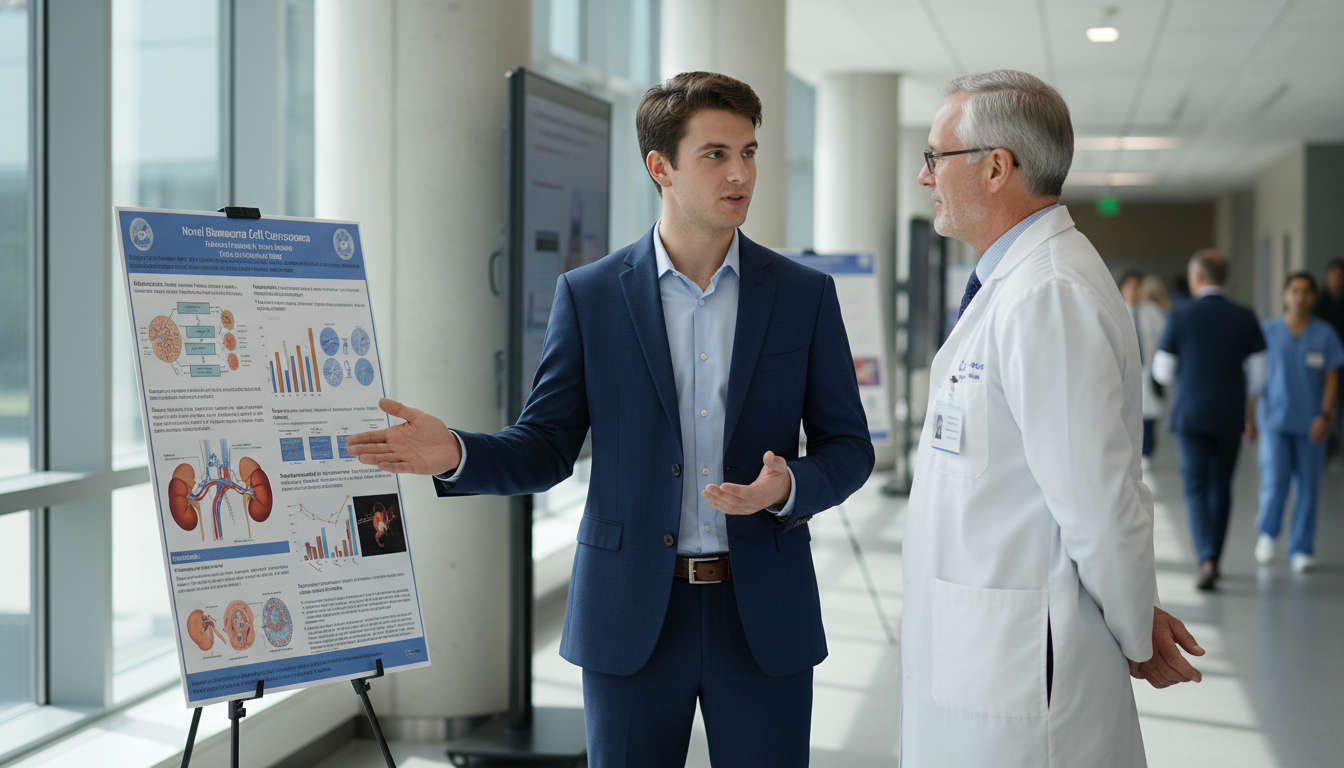
- Abstracts, posters, oral presentations
- Publications (original research, reviews, case reports, quality improvement)
- Contributions to guidelines, book chapters, or educational materials
Role and Ownership
- Did you simply “help with data entry,” or did you meaningfully contribute to design, analysis, or writing?
- Can you clearly explain your research questions and methods during interviews?
How Many Publications Do You Really Need?
Many IMGs worry specifically about how many publications are needed for a competitive application. The answer is nuanced.
Numbers vs. Narrative
There is no absolute number. Program directors tend to think in terms of:
- Breadth: Exposure to different project types (clinical, QI, literature review, case report)
- Depth: One or two projects where your role and understanding are significant
- Consistency: Evidence that you will continue doing scholarly work during residency
For a typical IMG targeting Medicine-Psychiatry:
- 0 publications, but some ongoing projects: You’re at a disadvantage for most academic Med-Psych programs, but still viable if:
- You have strong scores/clinical performance
- Your letters and experiences are outstanding
- 1–2 publications or national-level presentations: This is a solid minimum for a competitive application, especially if:
- At least one is clearly related to medicine or psychiatry (ideally both)
- You can explain your contribution clearly
- 3–6+ publications for match (including case reports, reviews, and QI): Often seen in highly research-oriented applicants and can make you stand out, particularly if:
- There’s a theme around integrated care, complex comorbidity, public mental health, or medical psychiatry
- You have a mix of first-author and co-author work
Programs care less about the raw count and more about whether:
- Your research profile tells a coherent story
- You can discuss your projects with depth
- Your work aligns with Med-Psych’s integrated, patient-centered mission
Types of Research That Fit Medicine-Psychiatry Perfectly
Not all research is equally valuable for a Med-Psych applicant. You want synergy between your scholarly work and the core identity of the specialty.
1. Clinical Research at the Medicine-Psychiatry Interface
Topics might include:
- Prevalence and management of depression or anxiety in patients with chronic medical illnesses (e.g., heart failure, diabetes, COPD)
- Delirium in ICU or postoperative settings
- Addiction and medical complications (e.g., liver disease with alcohol use disorder, endocarditis in IV drug use)
- Psychiatric comorbidity in HIV, oncology, transplant populations
- Somatic symptom disorder and high-utilization patterns in internal medicine settings
These projects show you understand how medical and psychiatric issues interact in real patients.
Example project idea:
“Prevalence of depressive symptoms and their impact on readmission rates among patients hospitalized with heart failure in a tertiary care center.”
Even a retrospective chart review can be meaningful if done carefully.
2. Consultation-Liaison (CL) Psychiatry and Integrated Care
CL psychiatry is at the heart of Medicine-Psychiatry combined training. Research possibilities:
- Patterns of psychiatric consultation requests on internal medicine wards
- Impact of integrating psychiatric screening tools in medical clinics
- Outcomes of embedded psychiatric services in a primary care or oncology clinic
These topics directly speak to the systems-level thinking Med-Psych programs prize.
3. Quality Improvement (QI) and Patient Safety
QI projects are increasingly valued, especially when they:
- Improve screening for depression, delirium, or substance use in medical settings
- Enhance adherence to metabolic monitoring for patients on antipsychotics in primary care or medical wards
- Reduce polypharmacy or inappropriate benzodiazepine use in medically ill patients
QI work can often move faster to completion than traditional research and still yields presentations and potentially publications.
4. Public Health, Population-Based, and Global Mental Health Research
As an international medical graduate, you can leverage your home-country context:
- Mental health care access among patients with chronic medical illnesses in low-resource settings
- Community-based programs addressing both metabolic disease and depression
- Stigma and its effect on care-seeking for comorbid medical and psychiatric conditions
These projects demonstrate a broad, systems-level perspective—very attractive in Med-Psych.
5. Case Reports and Case Series
Case-based publications are a high-yield way to create publications for match with shorter timelines:
Ideal for Med-Psych if focused on:
- Rare interactions between psychotropic and medical treatments
- Unusual presentations of psychiatric symptoms in medical illness
- Complex diagnostic dilemmas involving both medical and psychiatric elements
Example:
“Catatonia in a patient with systemic lupus erythematosus: Diagnostic and management challenges.”
These are especially accessible if you have clinical rotations in teaching hospitals.

Practical Roadmap: Step-by-Step Research Profile Building for IMGs
Step 1: Clarify Your Med-Psych Research Identity
Before jumping into any project, define a focus area that connects your interests and the Med-Psych mission. Example themes:
- Medical comorbidities in severe mental illness
- Addiction and chronic disease
- Delirium and neurocognitive disorders
- Psychosomatics and medically unexplained symptoms
- Health disparities and integrated care in vulnerable populations
Having a theme helps your research profile look intentional rather than random.
Actionable step:
- Write a one-paragraph personal “research statement” summarizing what kind of patients and problems you care most about. Use it when emailing potential mentors.
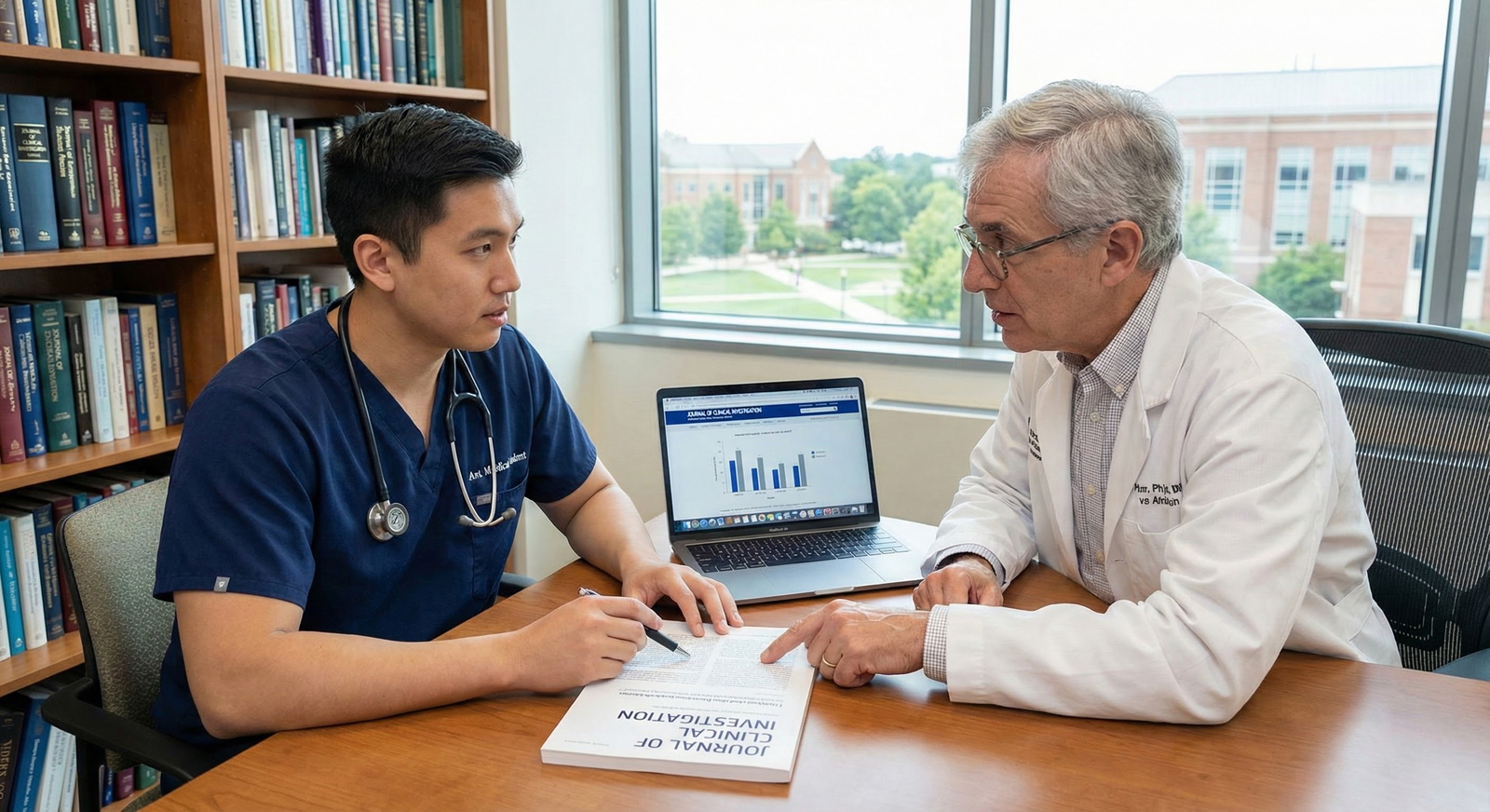
Step 2: Find Mentors Strategically (Even from Abroad)
As an IMG, you may lack established networks in the country where you plan to match. You can still build connections.
Sources of potential mentors:
- Home institution
- Psychiatry, internal medicine, and community medicine departments
- Faculty involved in collaborative or liaison projects between departments
- U.S./UK/Canadian contacts
- Former alumni from your school who matched into Med-Psych or internal medicine/psychiatry
- Faculty you meet during observerships or online conferences
- Professional organizations
- Academy of Consultation-Liaison Psychiatry (ACLP)
- American Psychiatric Association (APA)
- American College of Physicians (ACP)
- Sections or interest groups focusing on integrated care / collaborative care
When reaching out:
- Use a concise, respectful email (no large attachments).
- Mention your interest in Medicine-Psychiatry combined training explicitly.
- Include:
- Brief background (IMG, year of graduation, exams if applicable)
- Clear research interests (e.g., “integrated management of diabetes and depression”)
- Evidence of reliability (prior experience, even if small)
- Specific ask: “Is there any ongoing project I might be able to assist with remotely, especially literature reviews or data analysis?”
Step 3: Start with Feasible, Time-Bounded Projects
As an IMG, you might have variable access to patients, EMRs, and local approvals. Begin with projects that are:
- Least resource-dependent:
- Systematic reviews
- Scoping reviews
- Narrative reviews on Med-Psych topics
- Moderately resource-dependent:
- Retrospective chart reviews (with mentor access)
- Secondary analyses of existing datasets
- More resource-intensive:
- Prospective clinical studies
- Large QI projects across services
A good starter project:
A narrative review on “Integrated care models for patients with comorbid depression and diabetes in low- and middle-income countries.”
This can be done from anywhere with internet access and a supportive mentor.
Step 4: Build Skills That Make You an Attractive Research Collaborator
To be invited onto good projects, you must be useful:
- Literature search and synthesis
- Familiarity with PubMed, Embase, Google Scholar
- Ability to summarize 10–20 articles into a concise, referenced summary
- Basic biostatistics and methods
- Understand study designs: RCT, cohort, case-control, cross-sectional, QI cycles
- Learn basic stats: t-tests, chi-square, regression (even at conceptual level)
- Reference management
- Use tools like Zotero, Mendeley, or EndNote
- Data management
- Comfortable with Excel; bonus if familiar with SPSS, R, or Stata
- Academic writing
- Clear and structured writing in English
- Knowledge of IMRAD (Introduction, Methods, Results, Discussion) format
Free or low-cost resources:
- Coursera/edX epidemiology and biostatistics courses
- EQUATOR Network for reporting guidelines (e.g., CONSORT, STROBE)
- Online workshops from ACLP, APA, and ACP
Step 5: Aim for Tangible Outputs, Not Just “Experience”
Programs are unimpressed by vague activity lines like “participated in research project” without outcomes. Convert your efforts into:
- Conference abstracts
- Local institutional meetings
- National or international society meetings (ACLP, APA, ACP, WPA)
- Poster presentations
- These are realistic stepping stones for an IMG and count positively in applications
- Oral presentations
- Case conferences, grand rounds, symposia
- Peer-reviewed publications
- Case reports in recognized journals
- Review articles
- Original research papers
- QI reports
Action plan:
- For every project, ask early: “What is our planned endpoint? Abstract? Poster? Manuscript?”
- Track all outputs in a spreadsheet with dates, co-authors, and status (draft/submitted/accepted/published).
Step 6: Leverage U.S. or Target-Country Clinical Time for Research
If you obtain observerships, externships, or research electives:
- Before starting, email supervisors:
- Express interest in Med-Psych and scholarly work
- Ask if you can attend research meetings or help with existing projects
- During rotations:
- Identify interesting complex cases that could become case reports
- Offer to help with literature reviews for ongoing projects
- Attend journal clubs and volunteer to present
Many IMGs underestimate how much small contributions (like helping finish a delayed case report) can translate into authorship opportunities.

Presenting Your Research Profile in Applications and Interviews
Having research is only half the battle; you must also communicate it effectively in ERAS, your CV, personal statement, and interviews.
On ERAS/CV
For each entry:
- Use a clear, descriptive title that reflects the Med-Psych angle.
- Instead of: “Clinical research assistant”
- Prefer: “Research assistant – depression and readmissions in heart failure clinic”
- Specify:
- Your role (data collection, analysis, first author, etc.)
- Skills used (SPSS, systematic reviews, QI methodology)
- Outcomes (poster at APA 2024, manuscript under review)
If you have many items, group them strategically:
- Medicine-Psychiatry-related projects at the top
- Highlight first-author or lead roles
In Your Personal Statement
Use your research to:
- Demonstrate how you think about complex patients
- Show your curiosity about integrated care and systems
- Connect your background as an international medical graduate to research questions (e.g., mental health access in under-resourced medical settings)
Example integration:
“Working on a project evaluating depression screening among patients with uncontrolled diabetes in my home country, I saw how untreated mental illness perpetuated medical morbidity. This experience solidified my interest in training in a medicine psychiatry combined program where I can develop the skills to address both dimensions of my patients’ health.”
In Interviews
Program faculty often ask you to “Tell me about your research.” Be ready to:
- Summarize each major project in 2–3 sentences: question, methods, main finding, and why it matters
- State your exact role clearly and honestly
- Connect each project to Med-Psych themes:
- Complexity
- Collaboration across disciplines
- Longitudinal, whole-person care
Also be prepared for:
- “What did you learn from this project?”
- “How will research fit into your future career as a Med-Psych physician?”
- “Would you like to continue research in residency? In what area?”
Common Pitfalls for IMGs and How to Avoid Them
Pitfall 1: Chasing Quantity Without Coherence
Doing 8 unrelated small projects (e.g., ophthalmology, dermatology, unrelated basic science) may look unfocused.
Fix:
- Prioritize Med-Psych-relevant projects
- If some prior work is off-topic, briefly include it but emphasize more relevant, newer work
Pitfall 2: Questionable or Predatory Journals
Publishing in low-quality or predatory journals can harm your credibility.
Signs of trouble:
- Extremely fast review and acceptance
- High fees without transparent peer review
- Journal not indexed in PubMed or reputable databases
- Very broad, vague scope, flashy website, and aggressive email spam
Fix:
- Ask mentors or colleagues to vet target journals
- Aim for journals indexed in PubMed, MEDLINE, Scopus, or reputable specialty organizations
Pitfall 3: Overstating Your Role
Program directors and faculty can tell when an applicant exaggerates their research involvement.
Fix:
- Be exact about your contributions
- It is better to say “I did data collection and helped with the literature review” than to claim you “designed the study” if you did not
- Prepare honest, detailed explanations for interview questions
Pitfall 4: Ignoring Ethical and Regulatory Requirements
For any project involving patient data or interventions:
- Institutional Review Board (IRB) or Ethics Committee approval may be required
- Confidentiality and data protection must be strictly followed
Fix:
- Always work under an established mentor
- Learn the basics of IRB processes and consent requirements
Pitfall 5: Waiting for “Perfect” Projects
Some IMGs delay starting because they are waiting for the ideal high-impact project.
Fix:
- Start small (case report, narrative review) while continuing to look for larger projects
- Use early projects to build skills and trust—this leads to bigger opportunities
Putting It All Together: An Example Med-Psych Research Trajectory for an IMG
Imagine a 2–3 year arc of research profile building for an IMG targeting Med-Psych residency:
Year 1 (mostly remote, in home country):
- Conduct a narrative review on depression in patients with poorly controlled diabetes → submitted to a regional journal
- Assist a faculty mentor with data cleaning for a study on delirium in ICU patients → co-author on a poster at a national conference
- Take an online biostatistics course and learn Zotero
Year 2 (mixture of home institution and short-term elective abroad):
- Initiate a retrospective chart review: prevalence of alcohol use disorder in patients with cirrhosis in a tertiary center → abstract submitted to national hepatology or psychiatry meeting
- Co-author a case report on antidepressant-induced hyponatremia in an elderly patient → manuscript submitted to a general medicine or CL psychiatry journal
- During a U.S. observership, join a small QI project: improving metabolic monitoring for patients on antipsychotics in a primary care clinic → poster at ACLP or APA
Year 3 (application year):
- One or two manuscripts accepted or in press
- 2–4 posters at professional meetings
- Clear Med-Psych narrative: research consistently at the intersection of internal medicine and psychiatry, with a focus on chronic disease, addiction, and integrated care
This trajectory doesn’t require elite resources—only consistent effort, mentorship, and strategic alignment with Med-Psych values.
FAQs: Research Profile for IMGs Applying to Medicine-Psychiatry
1. As an IMG, do I absolutely need research to match into Med-Psych?
No, it is not absolutely mandatory, but for many Medicine-Psychiatry combined programs—especially academically oriented ones—having at least some research or QI experience is a major advantage. It demonstrates your ability to engage with complex biopsychosocial issues and to function well in the academic environments where many Med-Psych programs live. If you lack research, you should compensate with exceptional clinical evaluations, strong letters, and clear alignment with the Med-Psych mission.
2. How many publications are ideal for a competitive Med-Psych application?
There is no strict cutoff, but for many IMGs a realistic and competitive target is:
- 1–2 substantial outputs (e.g., publication or national conference presentation) directly related to medicine or psychiatry, and
- Additional smaller outputs (case reports, local posters, QI presentations).
More important than the exact number is that you can tell a coherent story about your research interests and contributions and that at least some of your work clearly relates to the integrated medicine-psychiatry space.
3. Can case reports and QI projects really help my application?
Yes. Case reports and QI projects are often the most accessible pathways to meaningful scholarly output for IMGs. For a Med-Psych application, a few well-chosen case reports (e.g., complex drug interactions, diagnostic dilemmas involving both medical and psychiatric dimensions) and a QI project in an integrated care or medically ill population can significantly strengthen your profile. Programs understand that not everyone can complete large RCTs; they primarily look for curiosity, follow-through, and relevance.
4. What if my existing research is unrelated to Med-Psych (e.g., surgery, basic science)?
You can still use it to demonstrate research skills such as discipline, data handling, and academic writing. However, if possible, try to add at least one or two projects that are clearly relevant to medicine, psychiatry, or their interface before you apply. In your personal statement and interviews, acknowledge your earlier work, then explicitly explain why you are now focusing on the Med-Psych domain, tying your prior skills to your current goals.
By intentionally designing your research trajectory—choosing Med-Psych-relevant topics, seeking out mentors, and aiming for concrete outputs—you can turn research into one of the strongest parts of your application as an international medical graduate. This not only improves your odds in the match but also prepares you for a career in which curiosity, scholarship, and integrated thinking are central to your identity as a Medicine-Psychiatry physician.