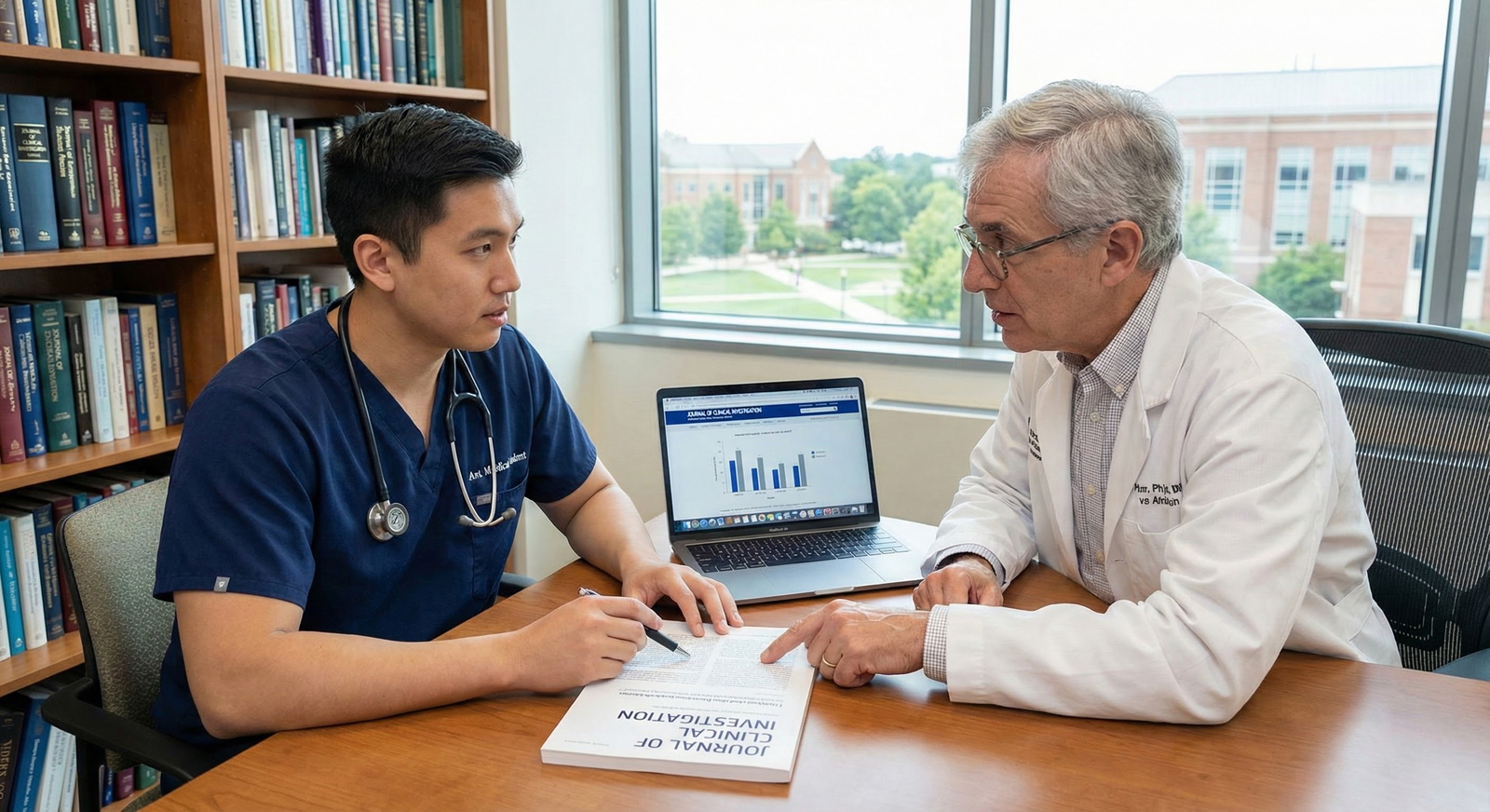
Why Your Research Profile Matters So Much in Medical Genetics
For an international medical graduate (IMG), the path into a U.S. medical genetics residency is both exciting and highly competitive. Unlike some other specialties, clinical genetics programs pay close attention to your academic and research trajectory because the field is fundamentally rooted in discovery, rapidly evolving technologies, and translational science.
A strong research portfolio does three crucial things for your genetics match prospects:
Signals long‑term commitment to the field
Programs want to know you are not “randomly applying.” Genetics‑focused research shows intentionality.Demonstrates your ability to handle complex scientific material
Genetics involves bioinformatics, molecular biology, and rapidly changing evidence. Research proves you can analyze data and engage with scientific literature.Compensates for common IMG challenges
Gaps after graduation, limited U.S. clinical experience, or unfamiliar medical schools can be offset by strong research for residency, particularly when it’s structured and productive.
This IMG residency guide will walk you step‑by‑step through building a competitive research profile specifically for medical genetics, addressing common questions like “how many publications needed?” and how to tailor your work to impress program directors.
Understanding the Research Expectations in Medical Genetics
What Programs Are Looking For
Medical genetics residency directors typically look at research activities in terms of:
- Relevance to genetics/genomics
- Level of involvement and responsibility
- Productivity and outcomes
(e.g., posters, presentations, publications) - Continuity and trajectory over time
They don’t necessarily require that you have a PhD or multiple first‑author papers. What they want to see is:
- That you understand scientific methods
- That you can complete projects
- That you show initiative and curiosity about genetic disease
Types of Research Valued in Medical Genetics
You don’t need to restrict yourself to “wet lab” bench work. Genetics is broad, and many types of research are highly valued:
Clinical genetics research
- Phenotype‑genotype correlations
- Case series on rare genetic disorders
- Diagnostic yield of genetic testing panels
- Outcomes of patients in genetics clinics
Genomic and bioinformatics research
- Variant interpretation studies
- Database or registry analysis (e.g., ClinVar, gnomAD)
- Polygenic risk score validation in specific populations
- Pipeline development for next‑generation sequencing (NGS) data
Laboratory‑based research (molecular/genetic)
- Gene expression studies
- Functional assays for variants of uncertain significance
- CRISPR or model organism work to study gene function
Translational and implementation research
- Integration of pharmacogenomics into clinical care
- Evaluation of cascade testing programs in families
- Tele‑genetics and access to genetic counseling
Ethics, policy, and education research in genetics
- Ethical implications of whole genome sequencing
- Equity and access to genetic testing in low‑ and middle‑income countries
- Educational interventions for medical students or primary care physicians about genetics
For an IMG, it’s strategic to connect your background and home country context to your research area: for example, studying founder mutations or underdocumented inherited conditions in your local population.

Step‑by‑Step Plan to Build a Strong Research Profile as an IMG
Step 1: Clarify Your Starting Point
Before you chase opportunities, objectively assess:
Graduation year and current status
- Still in medical school? You have flexibility to do electives or a research year.
- Already graduated? You need to integrate research with observerships or work.
Previous research exposure
- No experience: you’ll begin as a volunteer/assistant.
- Some experience: aim for more responsibility and at least one publication or abstract.
Location
- In the U.S. or abroad? This will shape how you network and what you can do in person versus remotely.
Write down:
- Your timeline to apply (e.g., “I will apply for the 2027 cycle”)
- The number of hours per week you can realistically commit to research
This helps you target roles that are feasible and sustainable.
Step 2: Identify Mentors and Environments That Fit Genetics
For strong genetics match prospects, you want mentors who are clearly linked to genetics. Look for:
- Departments of Medical Genetics, Genomics, Molecular Diagnostics, or Genetic Counseling
- Related specialties with strong genetics overlap:
- Pediatric neurology (neurogenetics)
- Maternal‑fetal medicine (prenatal genetics)
- Hematology/oncology (cancer genetics)
- Endocrinology (metabolic/genetic endocrinology)
Where to search (especially from abroad):
- University and hospital websites
- Search for “clinical geneticist,” “medical genetics,” “genomics,” “inherited disorders,” “genetic counseling program.”
- Professional associations
- American College of Medical Genetics and Genomics (ACMG)
- American Society of Human Genetics (ASHG)
- Research databases
- PubMed: search your disease or topic of interest + “genetics” + city/university
- Google Scholar: identify active genetics researchers
Once you identify potential mentors, target those who:
- Publish regularly
- Supervise students or trainees
- Are engaged with clinical genetics (clinic + lab or clinic + research)
Step 3: How to Reach Out Professionally as an IMG
Your email is often your first impression. It must be:
- Concise (≤ 250 words)
- Specific (why them, why this area)
- Realistic (clear about what you’re asking)
Core elements:
Subject line:
“Prospective Research Volunteer – International Medical Graduate Interested in Medical Genetics”Opening + brief background (1–2 lines)
- Your medical school, country, graduation year
- One line on your interest in medical genetics
Why you’re writing (2–3 lines)
- Specific reference to their work or a recent paper
- Your goal: to contribute to their research and build academic skills
What you can offer (bullet or short paragraph)
- Time commitment
- Relevant skills (statistics, programming, lab skills, language, prior research)
Polite ask + attached CV
- Ask if they would consider a brief Zoom meeting
- Attach a CV clearly highlighting any research experience
Example (shortened):
I am an international medical graduate from [Country], class of [Year], with a strong interest in medical genetics and a goal of pursuing a medical genetics residency in the U.S. I have been particularly impressed by your work on [specific topic/paper], especially your recent study on [brief detail].
I am seeking an opportunity to contribute to ongoing genetics research, even at an entry level, to strengthen my skills in study design, data analysis, and scientific writing. I can commit [X] hours per week and have experience with [brief skills].
I would be grateful for the chance to discuss whether there might be a role for me in your group, either remotely or in person. I have attached my CV for your reference.
Expect a low response rate, especially from abroad. Sending 30–50 targeted, high‑quality emails is normal before you obtain a position.
Step 4: Choose Projects Strategically for the Genetics Match
At the beginning, take what you can get—you may need to start with basic tasks: data entry, chart review, or literature searches. But as you progress, prioritize:
Genetics‑relevant projects
Even if small (case reports, retrospective chart reviews), these carry more weight than large, off‑topic projects in unrelated fields.Projects that can realistically finish before your application
- Case reports: weeks to months
- Retrospective chart reviews: months
- Prospective studies: often too long unless you start early
Roles that teach you transferrable skills
- Variant interpretation (e.g., ACMG guidelines)
- Use of databases (ClinVar, OMIM, GeneReviews)
- Basic R or Python for data analysis
- Systematic review and meta‑analysis methods
You want your research trajectory to tell a coherent story: “I became interested in X area of genetics and built skills and contributions over time.”
What Counts as Research, and How to Make It Visible in Your Application
Understanding “Research Output” for Residency
Residency applications (e.g., ERAS) categorize academic productivity broadly. For genetics match evaluation, all of these matter:
Peer‑reviewed journal articles
- Highest impact component of your research for residency
- First‑author papers carry particular weight
- Genetics‑related topics are especially valuable
Conference abstracts, posters, and oral presentations
- ASHG, ACMG, local or national specialty conferences
- Institutional research days or poster sessions
Case reports and case series
- Highly relevant in a field with many rare disorders
- Good entry point for IMGs who are new to research
Book chapters, reviews, and educational pieces
- Review articles on a genetic disorder, genetic diagnostic methods, or ethical issues
- Well‑structured, evidence‑based educational materials
Quality improvement (QI) projects with a genetics angle
- Improving referral patterns to genetics clinics
- Standardizing use of family history/three‑generation pedigrees
- Auditing utilization of genetic testing for certain indications
Non‑traditional outputs
- Preprints (e.g., medRxiv, bioRxiv) – not as strong as peer‑reviewed, but still show initiative
- Online modules, podcasts, or blogs on genetics (if professional and structured)
How Many Publications Are Needed for a Competitive Genetics Match?
There is no official threshold, but patterns from successful applicants suggest:
Minimum competitive baseline for IMGs:
- 1–2 genetics‑relevant publications or abstracts
- Plus several additional outputs (case reports, poster presentations, or QI projects)
Stronger profile:
- 3–5 publications/abstracts total
- At least 1–2 with a clear genetics/genomics focus
- Evidence of progression (moving from assistant roles to co‑author or first‑author roles)
Exceptional profile:
- Multiple first‑author genetics publications
- Possibly a master’s degree or PhD in genetics/genomics/bioinformatics
- Recognized awards or national conference presentations
For an IMG, the question “how many publications needed?” is better reframed as:
“Does my research portfolio clearly and convincingly show sustained, productive engagement in medical genetics?”
If your current profile is:
- Zero research – aim for at least 2–3 tangible products over 12–24 months
- 1–2 non‑genetics papers – add at least 1–2 genetics‑focused works before applying
- Multiple genetics projects ongoing but not finished – prioritize pushing 1–2 to completion (submission or publication) before ERAS opens
Making Your Research Stand Out in ERAS
To maximize the impact of your research in the residency application:
Use clear, non‑technical titles and descriptions
- “Clinical and genetic characterization of X syndrome in a tertiary center in [Country]” is better than a very technical molecular title that reviewers might skim.
Highlight your specific role
- “Designed data collection tool, extracted data from 80 charts, performed descriptive statistics, and drafted the first manuscript version.”
Link research to your personal narrative
- In your personal statement, explain how particular projects shaped your interest in genetics, informed your clinical thinking, or exposed you to specific patient populations.
Ensure consistency across CV, ERAS, and interviews
- Be ready to discuss any listed project, including limitations, challenges, and what you learned.
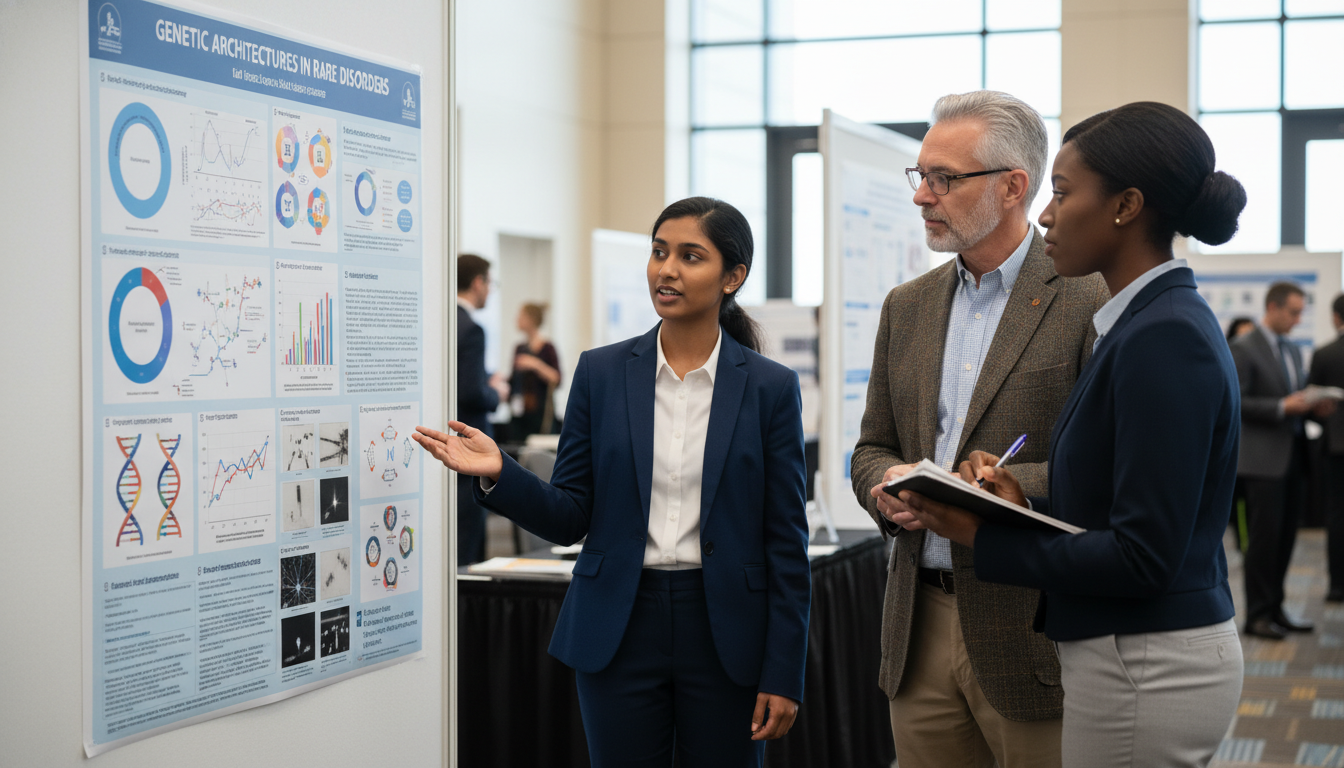
Practical Paths for IMGs to Gain Genetics Research Experience
Option 1: Formal Research Fellowships in the U.S.
Some academic centers offer paid or unpaid research fellow positions suitable for IMGs.
Typical features:
- 1–2 year commitment
- Full‑time research role in a lab or clinical research unit
- Opportunity to be involved in multiple projects and publications
How to find them:
- Search “research fellow medical genetics,” “postdoctoral research fellow genomics,” or “clinical research coordinator genetics” on academic job sites (university HR pages, Indeed, LinkedIn).
- Email program coordinators for medical genetics departments asking if they host IMG research fellows.
Pros:
- Strong immersion in U.S. academic environment
- Networking with faculty who can later write letters of recommendation
- Higher chance of multiple publications
Cons:
- Highly competitive
- May require visa sponsorship
- Financial and relocation challenges
Option 2: Remote Research and Collaborations
If you cannot relocate immediately, remote collaborations are increasingly realistic, especially for:
- Systematic reviews and meta‑analyses
- Retrospective chart reviews (if the institution allows secure remote access)
- Data analysis and bioinformatics projects
- Survey‑based studies
For an international medical graduate still in their home country, this can be a powerful way to enter the field:
- Offer help with data cleaning, literature reviews, figure preparation, or basic statistics.
- Be extremely reliable with deadlines to build trust.
Option 3: Research Within Your Home Country
You don’t need to be in the U.S. to do meaningful genetics research.
Potential ideas:
- Descriptive studies of rare genetic disorders in your local population
- Setting up or using a registry for a particular inherited disease
- Evaluating access to genetic testing in your health system
- Studying consanguinity and inherited disorders in communities where it is common
Even if your institution doesn’t have advanced genetic testing, you can collaborate with international labs or centers for genetic analysis of selected cases.
These projects show initiative, resourcefulness, and a genuine interest in addressing genetics issues relevant to your region.
Option 4: Leveraging Online Courses and Micro‑Credentials
While not “research” by themselves, targeted online learning can:
- Make you more appealing to genetics research mentors
- Equip you to handle data and analytics in real projects
Recommended areas:
- Basic human genetics and genomics (Coursera, edX, or university platforms)
- Biostatistics and R programming
- Bioinformatics (NGS data analysis, variant calling, databases)
- Research methods and clinical epidemiology
Highlight these courses in your CV under “Additional Training” and integrate learned skills into ongoing projects.
Common Mistakes IMGs Make – And How to Avoid Them
1. Treating Any Research as Good Enough
While all research reflects some initiative, for a medical genetics residency:
- Ten unrelated cardiology papers with no genetics angle are less persuasive than two well‑done genetics studies.
- Try to gradually reorient your portfolio toward genetics‑related topics.
2. Overcommitting and Under‑delivering
IMGs sometimes say “yes” to multiple projects but struggle to complete them.
- This can harm your reputation with mentors.
- Choose fewer projects and execute them reliably from start to finish.
3. Ignoring Authorship and Contribution
Clarify expectations early:
- What will your authorship position be?
- Which parts of the project will be your responsibility?
Being proactive and communicative avoids misunderstandings and can help secure higher‑value authorship positions.
4. Neglecting Ethical and IRB Requirements
As an IMG, you must understand:
- Institutional Review Board (IRB) or Ethics Committee processes
- Data privacy and confidentiality (HIPAA in the U.S.)
- Proper handling and de‑identification of patient data
Demonstrating ethical sophistication in research is particularly important in genetics, where issues around family implications, consent, and incidental findings are complex.
5. Failing to Translate Research into a Coherent Story
Even if you have several projects and publications for match, you must:
- Connect them logically in your personal statement
- Explain how they influenced your decision to pursue medical genetics
- Discuss them fluently during interviews
Think in terms of a narrative arc:
Exposure → Curiosity → Research involvement → Skills gained → Long‑term goals in genetics.
FAQs: Research Profile Building for IMGs in Medical Genetics
1. I have no prior research experience. Can I still match into medical genetics?
Yes, but you will be at a disadvantage without at least some academic activity. For an IMG, try to build:
- 1–2 small but completed projects (e.g., case report, audit/QI with genetics angle)
- Possibly one research abstract or poster presentation
- Evidence that you understand basic research methods and literature
Starting from zero, give yourself at least 12–18 months to develop a meaningful research profile before applying.
2. Is basic science/lab research better than clinical research for genetics?
Neither is inherently “better.” Program directors mostly care about:
- Relevance to genetics
- Your role and contributions
- Evidence of completion and dissemination (publications, presentations)
For many IMGs, clinical or translational genetics research is more accessible and easier to translate into residency interviews. If you have strong lab skills, bench research can be a powerful asset, but it’s not mandatory.
3. How many publications needed to be “safe” as an IMG?
There is no fixed safe number. Instead, aim for:
- At least 1–2 genetics‑focused outputs (case reports, original research, or reviews)
- Additional research or scholarly activities (posters, QI projects, non‑genetics papers)
- A clear trajectory showing that your interest in genetics is consistent and intentional
Quality, relevance, and your actual role in the project often matter more than raw quantity.
4. Will research alone compensate for a lower USMLE score or older graduation year?
Research significantly strengthens your profile but usually cannot fully erase concerns about very low scores or long gaps. However, for an international medical graduate with borderline metrics, a strong, focused research portfolio:
- Can move you from “unlikely to interview” to “worth interviewing”
- May help at academic programs that prioritize academic productivity
- Provides rich material to demonstrate maturity, resilience, and value during interviews
To maximize impact, combine your research with:
- Strong letters of recommendation (ideally from genetics or related fields)
- Some U.S. clinical exposure, if possible
- A well‑crafted narrative that integrates your research, clinical goals, and long‑term commitment to medical genetics
By systematically building a focused, credible research profile—aligned with your interests and the needs of the field—you can transform your chances as an IMG in medical genetics. Start where you are, think strategically, commit to finishing what you start, and let your research tell a clear story: you are already functioning as a thoughtful, curious physician ready to contribute to the future of genomic medicine.