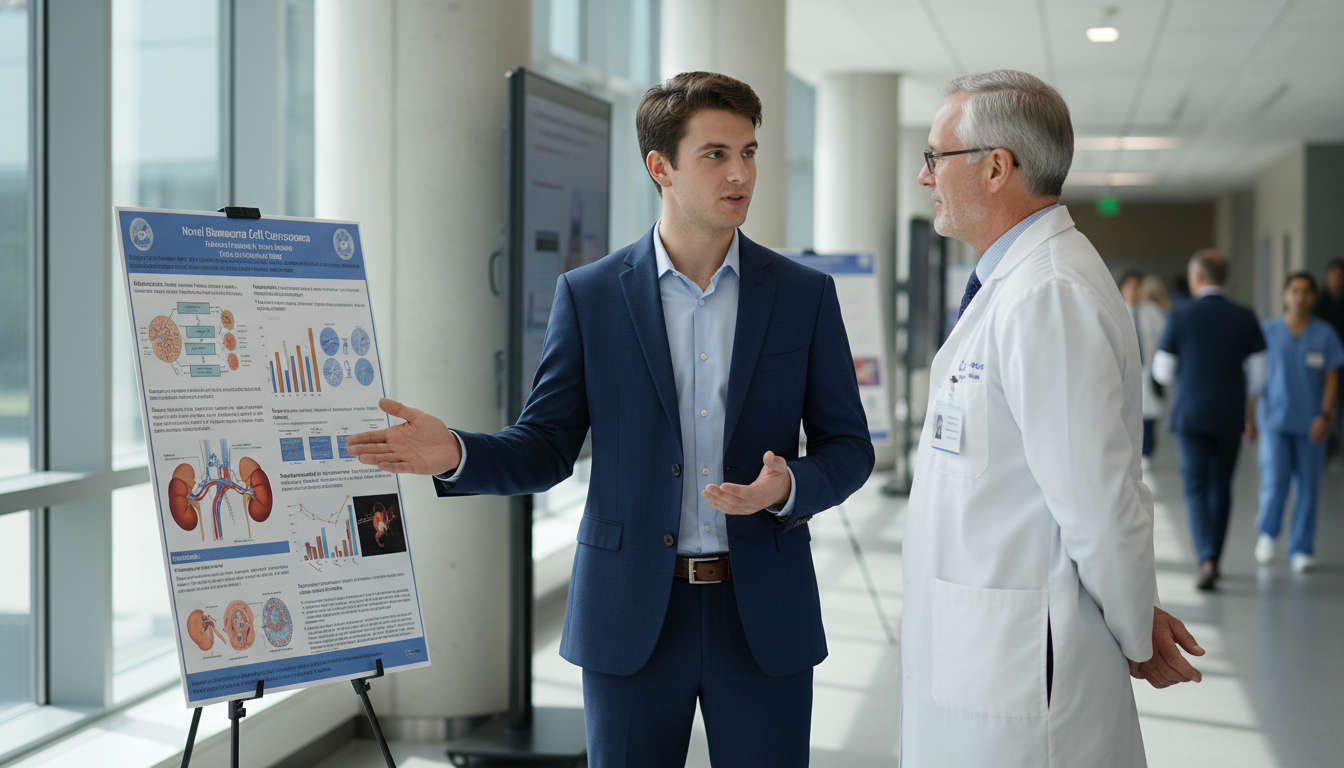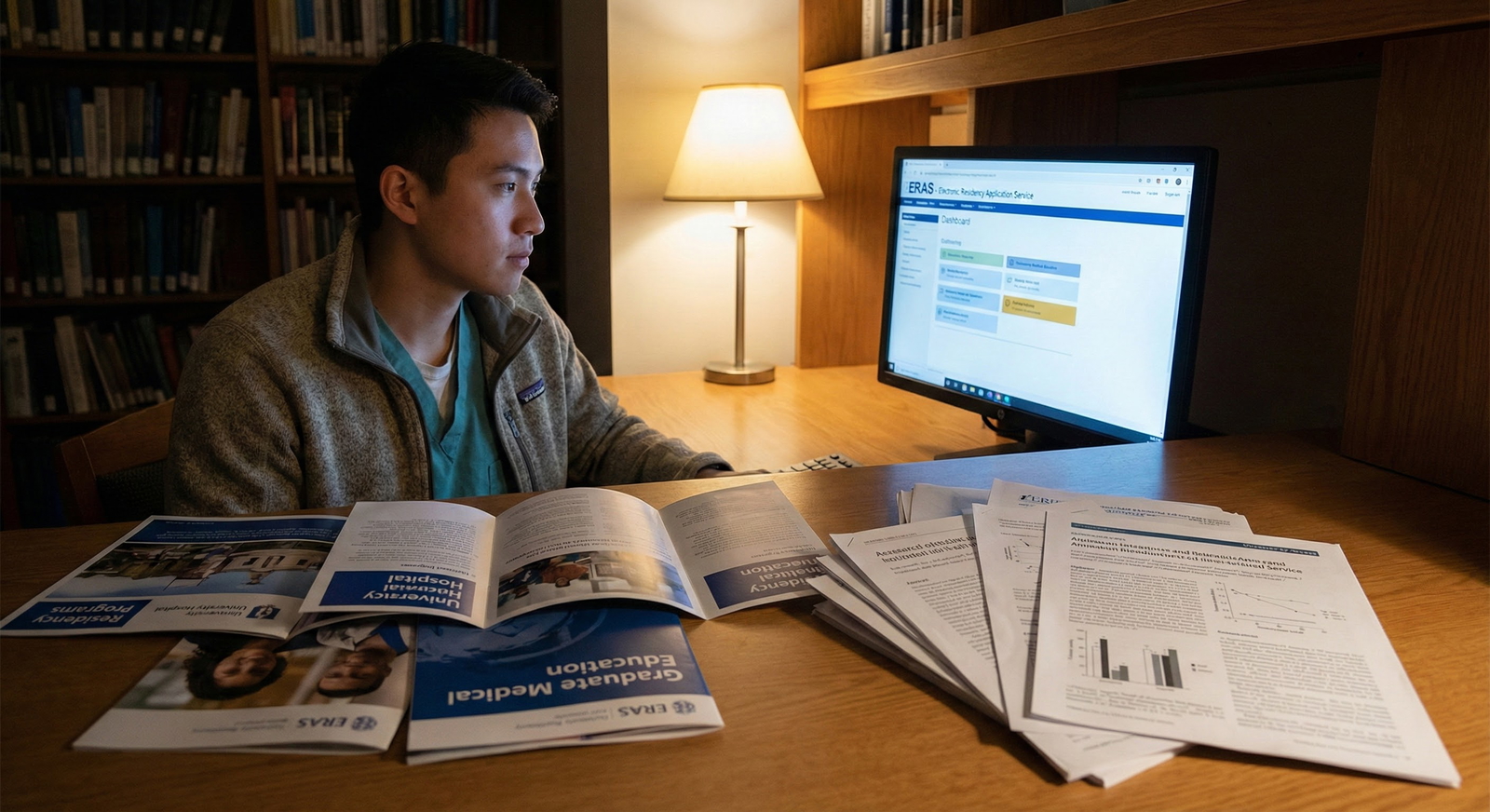
Understanding the Role of Research for IMGs in Pathology
Among all specialties, pathology is one where a strong research profile can significantly boost your residency chances—especially as an international medical graduate (IMG). Program directors often view research as a proxy for:
- Your commitment to pathology as a career
- Your ability to think critically and work systematically
- Your familiarity with the academic culture in North America
- Your potential to contribute to scholarly work during residency
Because pathology is highly academic and closely tied to biomedical discovery, the IMG residency guide for pathology almost always emphasizes research as a central pillar of your application.
However, many IMGs struggle with:
- Not having access to strong research mentors in their home country
- Uncertainty about how many publications are needed for a competitive pathology match
- Lack of clarity about what “counts” as meaningful research for residency
- Difficulty transitioning from clinical-focused training to research-oriented work
This article is a practical roadmap to research profile building specifically for an IMG aiming for pathology residency. It will help you understand:
- Why research matters in pathology
- What types of research are realistic and impactful
- How to strategically plan 1–3 years of research building
- How to present your work effectively on ERAS and in interviews
- How to use research to signal “fit” for pathology programs
How Much and What Kind of Research Do You Really Need?
Understanding Expectations in Pathology
In pathology, many programs—especially university-based and academic centers—expect applicants to have some exposure to research. But that does not mean you must have a first-author publication in a top-tier journal to match.
Program directors generally look for:
- Evidence of sustained scholarly activity, not just a one-time project
- Basic understanding of study design, statistics, and critical appraisal
- Clear link between your research and your interest in pathology
- Ability to explain your work logically and confidently
How Many Publications Are Needed for Pathology?
There is no universal number, but for realistic planning:
- Minimum baseline (common for community or less research-intensive programs):
- 1–2 meaningful scholarly products (case reports, abstracts, posters)
- Competitive for many academic pathology programs:
- 3–5 scholarly products, with at least 1–2 publications (including case reports, short communications, or original research)
- Mix of posters, oral presentations, and possibly book chapters or review articles
- Highly research-oriented / top academic centers:
- 5+ scholarly products with some higher-impact or original research
- Demonstrated depth (e.g., 1–2 substantial projects, possibly ongoing or multi-year)
However, quality and your ability to discuss the work clearly almost always matter more than raw count. A single well-managed, pathology-focused project that you understand deeply can make a stronger impression than ten superficial co-authorships you can’t explain.
What Counts As Research for Residency?
For the purposes of a pathology match and your application, these all count as research-related scholarly output:
- Original research articles (clinical, translational, basic science)
- Case reports and series (especially with pathology focus)
- Review articles, systematic reviews, or meta-analyses
- Quality improvement (QI) projects with structure and data
- Educational research (e.g., curriculum development, learning outcomes)
- Posters or oral presentations at local, regional, or national conferences
- Book chapters, online modules with citations, or co-authored guidelines
If you are just starting, case reports, retrospective chart/pathology slide reviews, and review articles are highly feasible and tend to be IMG-friendly entry points.

Stepwise Plan to Build a Strong Pathology Research Profile as an IMG
Step 1: Clarify Your Timeline and Goals
Before jumping into projects, outline:
- Your residency target year (e.g., Match 2027)
- Your available time per week for research (e.g., full-time vs part-time)
- Your geographical flexibility (can you relocate for a research position?)
- Your visa situation (important for paid U.S. research fellowships)
For example:
- If you have 2 years before applying, you can aim for:
- 1–2 substantial retrospective or prospective projects
- 2–4 case reports or small studies
- 1–2 conference presentations
- If you have less than 1 year, you may prioritize:
- High-yield, feasible projects (case reports, retrospective analyses, reviews)
- Fast-track abstracts and posters at pathology conferences
Having a realistic time map makes it easier to choose the right types of research and mentors.
Step 2: Find the Right Environment and Mentorship
For IMGs, where you do research is almost as important as what you do.
Options for IMGs
Formal Research Fellowships in the U.S./Canada
- Titles: Research Fellow, Research Associate, Postdoctoral Fellow
- Often in academic pathology departments
- Usually full-time for 1–2 years
- Major advantages:
- Strong letters from pathologists
- Access to lab meetings, conferences, and departmental visibility
- Direct exposure to U.S. pathology practice
- Challenges:
- Competitive, may require prior publications
- Some positions unpaid or low-paid
- Visa arrangements can be complex
Observer-Based Opportunities with Integrated Research
- Pathology observerships or shadowing that include potential for involvement in retrospective or educational projects
- These can sometimes lead to co-authorships or small projects if you show initiative
Remote or Hybrid Research Collaborations
- Joining multi-center studies where you can help with data collection or analysis remotely
- Working with faculty open to remote involvement (e.g., for literature reviews, data cleaning, manuscript writing)
- Particularly valuable if relocation is not possible initially
Home-Country Academic Centers
- University pathology departments in your own country
- Easier access; no visa issues
- Often excellent for collecting data, writing case reports, or building early skills
- You can later strengthen your profile through U.S.-based research or observerships
How to Approach Potential Mentors
Key strategies for cold-emailing potential supervisors:
- Use a clear, concise subject line:
- “Prospective IMG seeking pathology research experience – interested in GI pathology”
- In 2–3 short paragraphs, include:
- Who you are (IMG, year of graduation, country, USMLE status if applicable)
- Your interest in pathology and their specific subspecialty
- What you can offer: time availability, willingness to work hard, any existing skills (stats, Python/R, Excel, histology experience)
- What you are asking: chance to assist with ongoing projects, even in supportive roles
- Attach:
- 1-page CV
- Optional: brief paragraph summarizing any past research or academic work
You may need to send dozens of well-crafted emails to get responses, especially for highly sought-after institutions. Persistence, politeness, and following up once (after 1–2 weeks) are reasonable.
Step 3: Choose Feasible, High-Yield Project Types
Not all research projects are equal in feasibility for an IMG with limited time and resources. For pathology residency, consider focusing on:
1. Case Reports and Case Series
- Often the fastest way to produce publications for match
- Highly relevant in pathology (unusual tumors, rare variants, challenging diagnoses, novel IHC/molecular findings)
- Can lead to:
- Journal publications
- Poster presentations at meetings (e.g., USCAP, CAP, subspecialty societies)
Example:
You are rotating in a pathology department where a rare hematologic malignancy is diagnosed. You work with your mentor to:
- Review clinical and pathological features
- Perform a literature review
- Prepare a structured case report with images and discussion
- Submit to a pathology journal or as a poster
2. Retrospective Chart or Slide Reviews
- More substantial scholarly output
- Good for 1–2 year research periods
- Examples:
- Outcomes of patients with a specific tumor subtype
- Correlation of immunohistochemical markers with prognostic factors
- Diagnostic concordance between biopsy and resection specimens
These projects can yield:
- Original research articles
- Sub-analyses leading to posters or secondary publications
- Long-term collaboration and strong faculty relationships
3. Review Articles and Educational Projects
If access to patient data is limited, you can still:
- Co-author narrative or systematic reviews in pathology subspecialties
- Develop educational resources (e.g., structured review of classification systems, diagnostic algorithms) with faculty backing
- Translate complex pathology topics into teaching materials (modules, online content)
These are excellent for:
- Building topic expertise
- Improving academic writing skills
- Demonstrating commitment to the field
4. Translational or Basic Science Work
If you join a lab:
- You may work on:
- Biomarker studies
- Genomics, proteomics, or molecular pathology projects
- Experimental models relevant to disease pathways
- Benefits:
- Strong academic impression, especially for top academic programs
- Deeper understanding of mechanisms behind disease
- Drawback:
- Longer timelines from project start to publication
- Steeper learning curve
Step 4: Develop Core Research Skills (Even Before You Get a Project)
Building foundational skills makes you more attractive to potential mentors and more effective when you start a project:
- Literature searching: PubMed, Google Scholar, identifying key journals in pathology
- Reference management: EndNote, Mendeley, Zotero
- Basic statistics: Understanding p-values, confidence intervals, regression; simple analysis using SPSS, R, or even Excel
- Scientific writing: IMRaD structure (Introduction, Methods, Results, Discussion), clear figures and legends
- Ethics and research conduct: IRB basics, patient confidentiality, authorship rules
You can learn these through:
- Free online courses (Coursera, edX, NIH resources)
- Institutional workshops
- Following methodology sections of well-written pathology articles

Maximizing the Impact of Your Research: From Data to Match Advantage
Linking Your Research to a Clear Pathology Narrative
Your research should reinforce a coherent story: “I understand pathology, I enjoy academic work, and I can contribute to your program’s scholarly mission.”
You can achieve this by:
- Choosing topics clearly related to pathology (diagnostics, histology, molecular markers, tumor classification, lab medicine, transfusion medicine, etc.)
- Emphasizing what you learned about:
- Diagnostic reasoning
- Communication with clinicians
- Research methodology
- Highlighting collaborations within a pathology department
Example narrative:
“I completed a year-long research fellowship in GI pathology, during which I evaluated KRAS mutation patterns in colorectal carcinoma resections. This allowed me to understand the workflow of specimen handling, the interpretive challenges facing GI pathologists, and how molecular pathology tools directly affect treatment decisions. Presenting this work at USCAP helped me appreciate the collaborative academic culture in pathology.”
Presenting Research Effectively on ERAS
On your ERAS application, under “Experiences” and “Publications”, aim to:
- Clearly label each entry: “Original research article,” “Case report,” “Poster presentation,” etc.
- Avoid inflating your role; be honest about your contribution
- Use descriptions to:
- Highlight your specific tasks (data collection, slide review, statistical analysis, writing)
- Show skills gained (study design, teamwork, critical appraisal)
- Group related projects under major experiences if needed (e.g., “Pathology research fellowship – Department of Pathology, X University”)
For each publication or abstract, ensure:
- Consistent citation format
- All co-authors listed correctly, in correct order
- Status clearly indicated: published, accepted, in press, submitted (only if truly under consideration), or in preparation (used sparingly and honestly)
How to Talk About Your Research in Interviews
Program directors frequently ask:
- “Tell me about your research.”
- “What was your role in this project?”
- “What did you learn from this study?”
- “How did this research shape your interest in pathology?”
Be prepared to:
- Explain one or two key projects in simple, structured language:
- Background/problem
- What you did
- Main results
- Why it matters clinically or academically
- Clarify your exact role:
- “I was primarily responsible for collecting clinical data, organizing the database, and drafting the results section.”
- Mention challenges and how you handled them:
- Missing data, delays, conflicting deadlines, IRB issues
- Link to future goals:
- “This project made me realize I enjoy refining diagnostic criteria and correlating histologic patterns with molecular tests. I hope to continue similar work in residency, particularly in [subspecialty].”
Practice concise, non-technical explanations. Many interviewers will be pathologists, but clarity and structure always create a stronger impression than jargon.
Balancing Research with Other Application Components
Research is important, but it is one part of a broader profile. IMGs should balance:
- USMLE/board scores and exams (if applicable): Still critically important
- Clinical exposure to pathology and U.S. healthcare: Observerships, shadowing, electives in pathology departments
- Letters of recommendation: Ideally, one or more from pathologists who know your work well
- Personal statement: Integrate your research story into your motivation for pathology
- Professional professionalism and communication: How you interact in labs, meetings, and conferences
Using Research to Strengthen Other Areas
- Letters of recommendation:
- A research supervisor in pathology can write a powerful letter commenting on your analytical ability, reliability, teamwork, and potential as a trainee.
- Personal statement:
- Use your most meaningful research experience as a central theme to explain why pathology fits your personality and interests.
- Networking:
- Presenting at pathology meetings (even posters) allows you to meet faculty and residents from many programs.
Strategic Focus: Breadth vs Depth
For limited timelines, consider:
- Depth strategy (strongly recommended):
- 1–2 substantial, well-understood projects
- Plus a few shorter pieces (case reports, posters)
- Breadth strategy:
- Multiple small involvements, but risk of not fully understanding any project
Programs usually value depth more, especially if backed by strong letters and clear discussion in interviews.
Common Pitfalls and How to Avoid Them
Pitfall 1: Accepting Projects You Don’t Understand
If you:
- Don’t know the basic question of the study
- Can’t explain what the variables and outcomes are
- Have no idea how the results were interpreted
You’ll struggle to talk about it in interviews and may appear superficial. Always ask for clarity at the beginning.
Pitfall 2: Overstating Your Contributions
Residency interviewers are experienced at detecting exaggeration. Avoid:
- Claiming you “led” a project when you only helped with data entry
- Listing “in preparation” papers that are only vague ideas
- Misrepresenting your authorship order
Honesty plus clear, specific descriptions will serve you far better.
Pitfall 3: Neglecting Timelines
Some projects, especially lab-based research, can take years from start to publication. For residency match timelines, you might need:
- Shorter parallel projects (case reports, retrospective analyses) that can be submitted within 6–12 months
- Early abstract submissions to conferences to show ongoing activity
Discuss realistic timelines with your mentor early. Ask:
“What can we reasonably complete before my ERAS submission date?”
Pitfall 4: Ignoring Authorship and Communication
Clarify expectations early:
- Who will be first author?
- How will contributions be recognized?
- What are the intermediate milestones (draft by X date, revision by Y date)?
Good communication protects you from misunderstanding and builds trust.
Practical Action Plan for IMGs: 12–24 Months Before Match
Here is a structured IMG residency guide for building a research profile specifically targeting pathology residency:
18–24 Months Before Match
- Decide firmly on pathology as your target specialty
- Reach out widely to pathology departments for research fellowships or collaborations
- If possible, relocate to a place with good pathology research opportunities
- Begin at least one substantial project (retrospective or translational)
12–18 Months Before Match
- Aim to:
- Have 1–2 abstracts submitted to conferences
- Draft manuscripts for ongoing work
- Identify any unusual cases for potential case reports
- Start attending departmental conferences, tumor boards, and journal clubs
- Request mid-year feedback from your supervisor
6–12 Months Before Match
- Submit manuscripts from earlier projects
- Finalize abstracts for upcoming pathology meetings
- Make sure your CV and ERAS entries reflect updated research and roles
- Request strong letters of recommendation from your research mentors
0–6 Months Before Match (Interview Season)
- Prepare 2–3 polished “research stories” for interview discussions
- Attend conferences and network with faculty from programs where you are interviewing
- Stay engaged in ongoing research to show continuity and commitment
FAQ: Research Profile Building for IMGs in Pathology
1. As an IMG, is research mandatory to match into pathology?
Not mandatory for all programs, but highly advantageous, especially for academic and university-based residencies. Some community programs may accept applicants with minimal research if other components (scores, clinical performance, letters) are strong. Still, even 1–2 well-chosen pathology-related projects can significantly improve your chances.
2. How many publications are needed to be competitive?
There is no fixed number. For many pathology programs, 3–5 scholarly products (including posters, case reports, and papers) can make you competitive, particularly if at least 1–2 are published or accepted. Top academic programs may prefer more extensive research backgrounds, but quality, relevance to pathology, and your ability to explain your work are more important than a simple count.
3. Does research outside pathology (e.g., internal medicine, surgery) still help?
Yes, especially if:
- It shows solid methodology and productivity
- You can discuss it clearly and reflect on your role
- You connect the skills you learned (study design, statistics, critical thinking) to your planned career in pathology
However, you should ideally aim to have at least some pathology-focused research to demonstrate specialty commitment.
4. I have limited time before my target match year. What should I prioritize?
If you have less than 12 months, prioritize:
- Short, high-yield projects: case reports, small retrospective reviews, review articles
- Getting at least 1–2 abstracts or posters submitted
- Building a strong relationship with at least one pathology mentor who can write a detailed letter
- Learning to talk about your work clearly and aligning your narrative to pathology
Focus on depth and coherence rather than chasing a large number of superficial co-authorships.
Building a strong research profile for pathology residency as an international medical graduate is absolutely achievable with careful planning, strategic project choices, and committed mentorship. Treat research not only as a way to generate numbers on your CV, but as an opportunity to understand pathology more deeply, integrate into academic culture, and show programs that you are ready to contribute meaningfully from day one of residency.