Understanding the Role of Research in a Preliminary Medicine Year
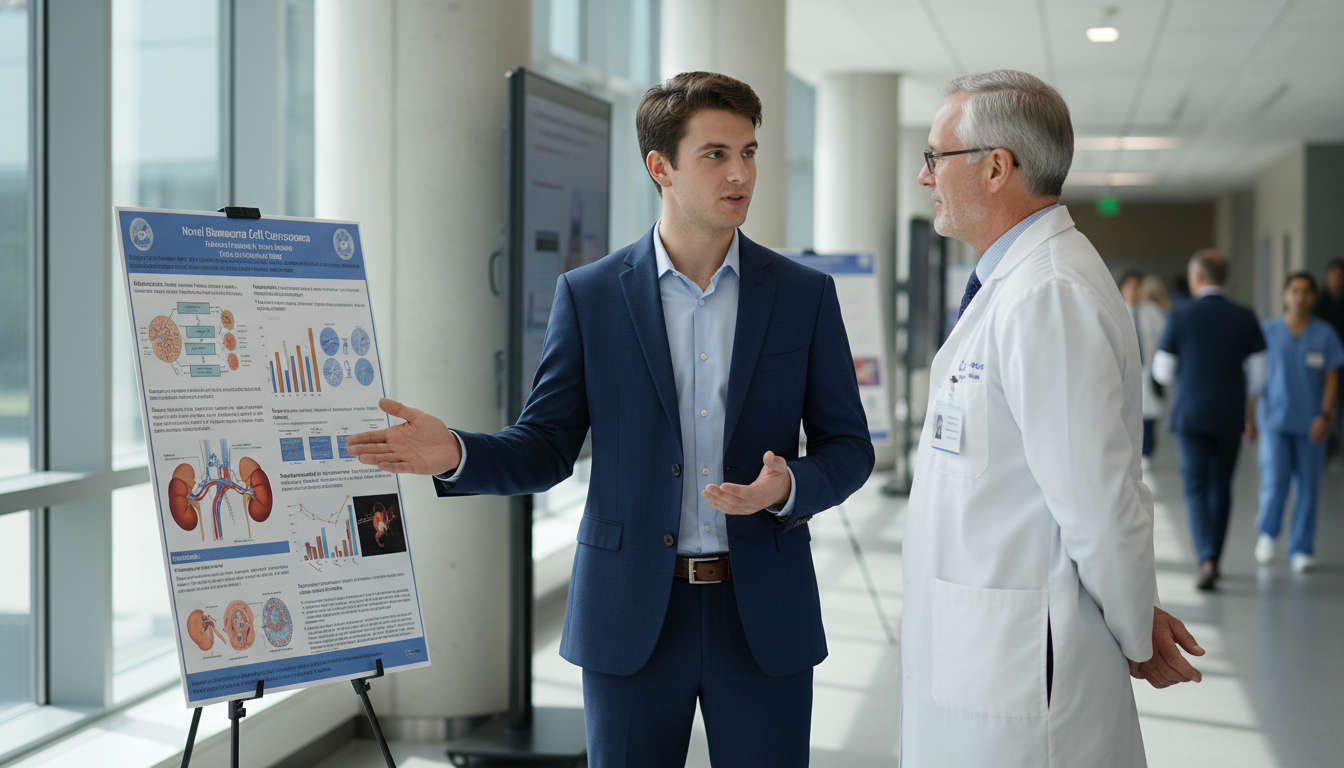
For an international medical graduate (IMG) targeting a Preliminary Medicine (prelim IM) position, research often feels like a moving target. You hear mixed messages: some say “research doesn’t matter for prelim,” others insist you need a long list of publications for match success. The truth lies in between—and it’s strategic.
A preliminary medicine year is a one‑year internal medicine internship, usually followed by advanced training (e.g., neurology, anesthesiology, radiology, PM&R). For IMGs, prelim IM spots can be:
- A bridge year before advanced specialty training
- A pathway to gain U.S. clinical experience and letters
- A way to demonstrate clinical competence in the U.S. system
Where does research fit in?
Differentiation in a crowded pool
Competition for prelim IM spots can be high, especially at university hospitals and programs linked to competitive advanced specialties. A focused research profile can:- Separate you from other IMGs with similar exam scores
- Demonstrate academic curiosity and discipline
- Signal readiness to work in an academic environment
Signaling your long‑term trajectory
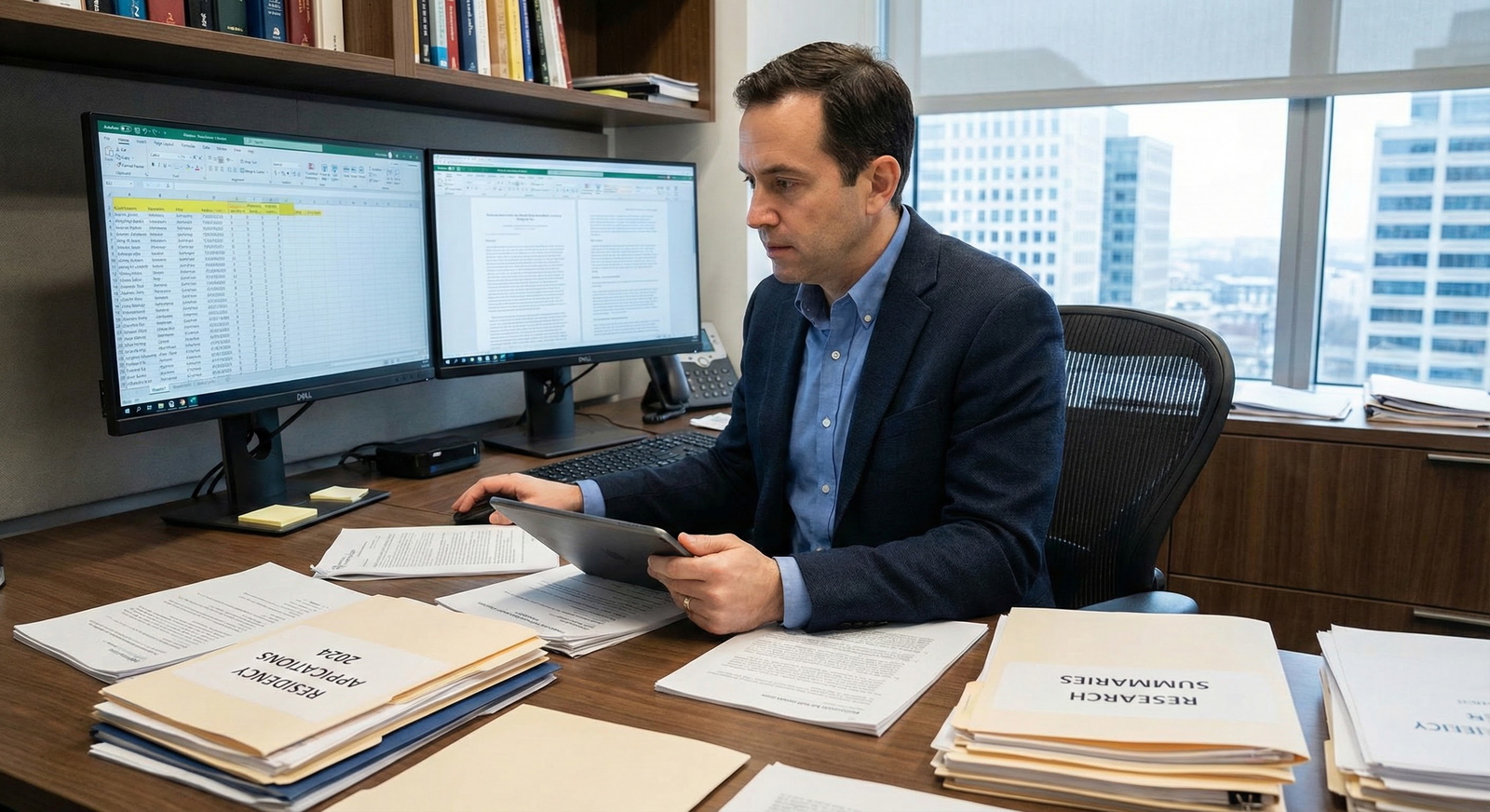
Even if you only plan to do a one‑year preliminary medicine year, program directors (PDs) care about:- Your academic potential
- Your contribution to scholarly activities (QIs, case reports, teaching)
- Your ability to adapt to U.S. academic culture
Transferable currency for any specialty
Strong research and scholarly activity help beyond prelim IM:- When you apply for advanced positions (e.g., PGY-2 positions, out‑of‑match spots)
- When you later apply for categorical internal medicine, if your plan changes
- For fellowship or academic jobs down the line
Realistic expectations for Prelim IM programs
Most prelim programs do not expect massive R01‑level research. They value:- Commitment and follow‑through
- Basic understanding of research methods and statistics
- Professionalism in scholarly work (IRB compliance, ethics, authorship rules)
In short, you do not need to become a full‑time researcher, but a smart, well‑constructed research profile can meaningfully improve your chances, especially as an IMG.
How Many Publications Do You Really Need as an IMG?
Many IMGs obsess over “how many publications needed” to match. The answer is: it depends on your goals, your timeline, and the competitiveness of your target programs.
Interpreting “publications” broadly
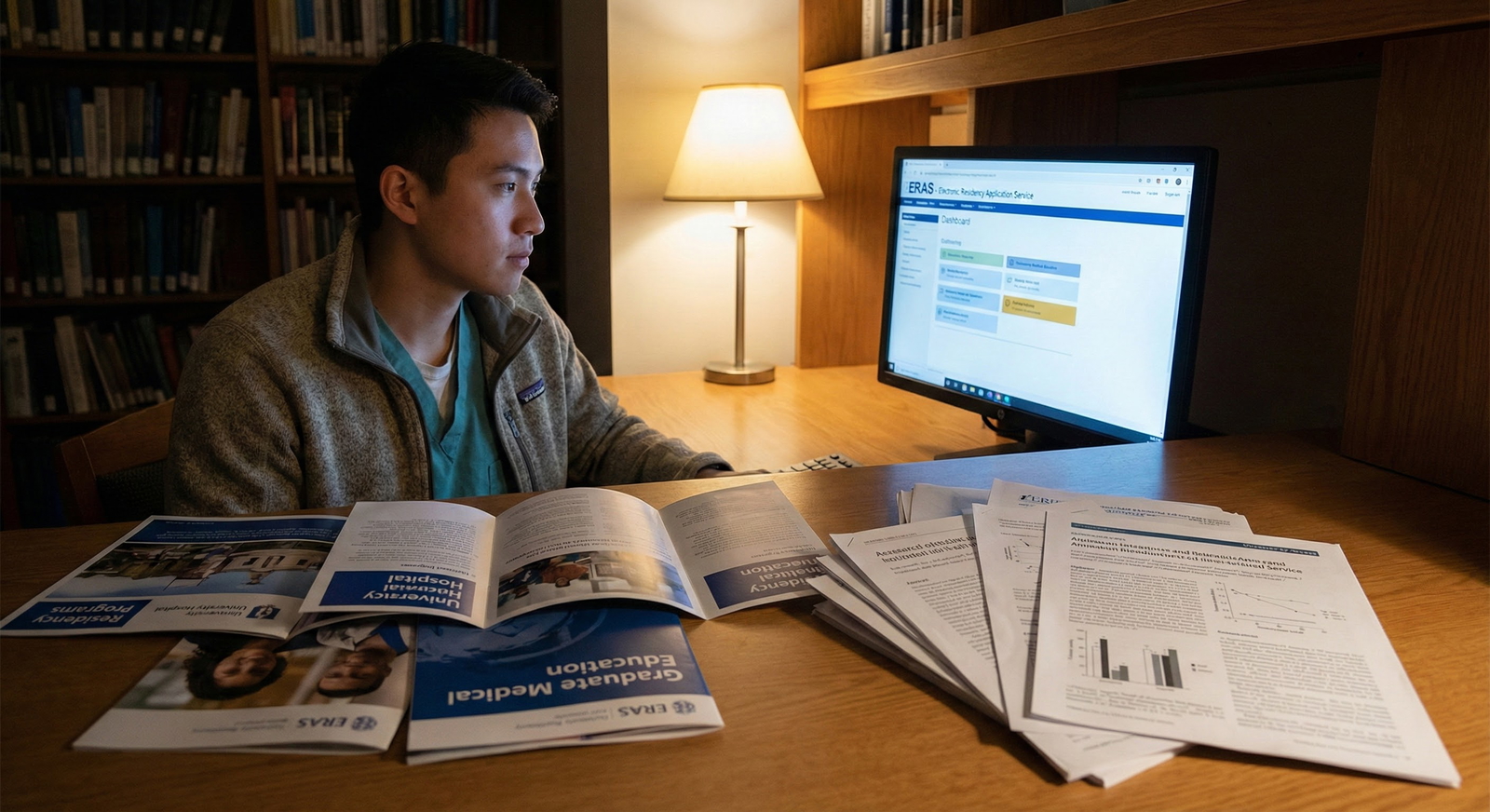
Residency applications (ERAS) count a wide range of scholarly work:
- Peer‑reviewed original research articles
- Review articles
- Case reports and case series
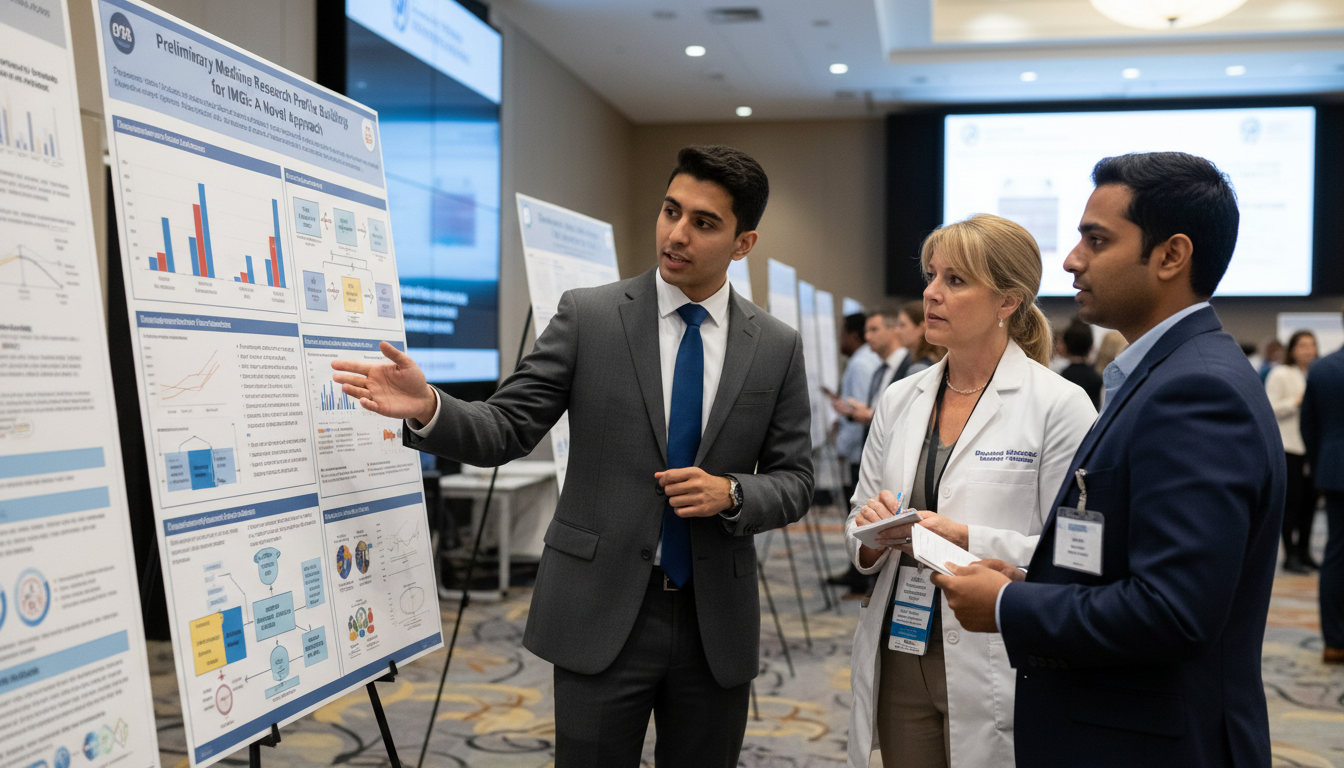
- Conference abstracts and posters
- Oral presentations
- Book chapters
- Quality improvement (QI) or patient safety projects
For most prelim IM programs, all of these fall under “research for residency” and can strengthen your profile.
Rough benchmarks for IMGs targeting Prelim IM
These are not strict rules, but helpful targets:
1. Safety Net / Community Programs
- Typical competitive academic profile:
- 1–2 case reports or case series (submitted or accepted)
- 1–3 posters/abstracts at local or national meetings
- Some involvement in a QI project or clinical audit
- Key is demonstrated effort, not quantity.
2. Mid‑tier University or University‑Affiliate Prelim Programs
- Competitive IMG residency guide–style profile might include:
- 2–4 total peer‑reviewed items (case report, retrospective study, or review article)
- 2–5 abstracts/posters
- Evidence of meaningful role (first/second author on at least 1–2 works)
3. Highly Academic / Prestigious Programs
- These are often feeders to competitive advanced specialties:
- 4–8+ scholarly entries
- At least 1–2 original research projects or well‑structured retrospective studies
- Clear evidence of research continuity over 1–2 years
- Strong letters from research mentors
Again, quality and relevance matter more than raw numbers. A single, well‑executed, first‑author paper with a strong letter of support can outweigh five low‑quality “name-only” co‑authorships.
Timing: When should the research be visible?
For the residency match, the critical milestones are:
- Application submission (September)
- Interviews (October–January)
Ideally by application time you have:
- Completed projects listed as Published / Accepted / In‑Press
- Ongoing projects listed as Submitted / In‑progress (with clear descriptions)
You don’t need everything accepted by September, but at least some tangible output (posters, case reports, submitted manuscripts) helps demonstrate that your work is real and progressing.
Choosing the Right Type of Research for a Prelim IM‑Bound IMG
Not all research is equally feasible or impactful for an IMG, especially if you are outside the U.S. or working under time constraints. The best research for residency is what you can realistically complete, contribute meaningfully to, and connect to internal medicine or your future specialty.
1. Case Reports and Case Series
Why they’re ideal for IMGs:
- Relatively quick to complete (weeks to a few months)
- Do not require large datasets or complex statistics
- Strong learning opportunity in literature search and scientific writing
How to approach:
- Identify unusual, rare, or instructive cases during your clinical work or observerships
- Confirm institutional rules: need for consent, IRB, and supervisor approval
- Collaborate with a faculty mentor; they often have experience selecting appropriate journals
Prelim IM‑relevant examples:
- A case of unusual electrolyte disturbance in a hospitalized patient
- Rare presentation of sepsis, atypical infection, or a metabolic emergency
- Challenging diagnostic dilemma in general medicine
These show your interest in clinical reasoning and internal medicine care—exactly what PDs want in prelim interns.
2. Retrospective Chart Reviews / Observational Studies
More time‑intensive than case reports, but stronger academically.
Advantages:
- Teach study design, basic statistics, and database handling
- Often more valued at academic prelim IM programs
- Can lead to multiple abstracts + one main paper
Barriers for IMGs:
- Need for IRB approval
- Requirement for institutional affiliation and data access
- Need for mentorship from U.S. faculty (often easier once you are in the U.S.)
If you have 6–12 months in a research position before applying, a retrospective cohort study on:
- Readmission predictors in general medicine
- Complications in patients admitted to a medicine service
- Use of certain therapies in hospitalized patients
can be both feasible and impressive.
3. Prospective Clinical Research
Prospective trials or cohorts are usually hard to complete before application for IMGs due to:
- Long follow‑up times
- Need for sophisticated infrastructure
However, you can join ongoing studies:
- Consenting patients
- Collecting data
- Helping with data entry and preliminary analysis
Even if the final paper comes years later, you may still earn co‑authorship and gain a deep understanding of research workflow.
4. Quality Improvement (QI) and Patient Safety Projects
Prelim IM programs care a lot about QI, because:
- QI is directly linked to clinical practice improvement
- Many internal medicine departments require residents to do QI projects
- It reflects your ability to identify system-level problems and solve them
Examples especially relevant to prelim medicine:
- Reducing medication reconciliation errors on admission
- Improving timely VTE prophylaxis in hospitalized patients
- Increasing proper documentation of code status and goals of care
These are powerful for interviews because you can:
- Describe a clear problem
- Explain your intervention
- Show measurable outcomes
Even if you lack high‑level statistics, simple run charts, before‑and‑after rates, and PDSA cycles are impressive.
5. Reviews, Book Chapters, and Narrative Articles
These can be valuable if:
- You have access to a faculty member willing to co‑author and guide
- You choose a focused, clinically relevant topic
For prelim IM‑oriented IMGs, good topics might include:
- Updates in sepsis management
- Approach to hyponatremia or acid–base disorders
- Perioperative risk assessment for medical patients
Review articles take time but allow you to showcase depth of knowledge and writing skills.
Step‑by‑Step Strategy to Build a Strong Research Profile as an IMG
Below is a practical, phased approach to building your IMG residency guide–level research profile for a preliminary medicine position.
Phase 1: Clarify Your Goals and Constraints
Ask yourself:
- How much time do I realistically have before application season?
- Am I currently in my home country or in the U.S.?
- Do I have access to a teaching hospital, academic mentors, or a research office?
- What is my target pathway? (Only prelim IM → advanced specialty, or prelim IM with option to convert to categorical internal medicine later?)
This will guide whether to prioritize quick wins (case reports, posters) vs longer projects (retrospective studies, reviews).
Phase 2: Secure Mentors and Institutional Affiliation
Your research profile will reflect your network and mentorship as much as your own effort.
How to find mentors as an IMG:
- During observerships or externships:
- Attend departmental conferences and grand rounds
- Ask faculty: “Are there any ongoing projects I could help with, even on a small scale?”
- Cold emails to faculty:
- Target those with recent publications in internal medicine or hospital medicine
- Brief 3–4 sentence email:
- Who you are (IMG, where you trained)
- Your exam status (e.g., USMLE scores, ECFMG status)
- Your interest in prelim medicine and research
- A short, concrete ask: “Could I assist with data collection or a case report?”
- Existing contacts from your home institution:
- Collaborate on multinational projects
- Offer to help with data collection, literature review, or manuscript drafting
Mentors help you:
- Choose feasible and ethical projects
- Navigate IRB, authorship, and submission
- Get letters of recommendation emphasizing your research skills
Phase 3: Start with High-Yield, Feasible Projects
Given typical IMG constraints, prioritize:
- Case reports and case series
- Retrospective descriptive projects using existing hospital data
- QI projects that can be done over 3–6 months
Example approach (6–12 months before application):
- Months 1–2: Identify 1–2 interesting cases; start drafting case report manuscripts
- Months 2–4: Get involved in a small QI project related to inpatient medicine
- Months 4–8: Join or initiate a simple retrospective chart review under supervision
- Throughout: Aim to present at local/regional/national conferences
This layered strategy ensures you have some outputs even if larger projects are delayed.
Phase 4: Learn Basic Skills that Multiply Your Impact
To be truly useful on projects, you should:
- Understand basic study design (cross‑sectional, cohort, case–control)
- Have beginner‑level biostatistics (p‑values, confidence intervals, basic tests)
- Learn reference managers (EndNote, Zotero, Mendeley)
- Learn basic data handling in Excel or statistical software (R, SPSS, Stata)
Free resources:
- Coursera/edX: Intro to clinical research and biostatistics courses
- NEJM, JAMA, BMJ education series on how to read clinical trials
- Institution‑provided research training modules (if you’re in a hospital or university setting)
The more skills you bring to a project, the more mentors will want to work with you, and the more opportunities you will see.

Presenting Your Research Effectively in ERAS and Interviews
Even a strong research portfolio can underperform if it’s not clearly presented. As an IMG applying to prelim IM, you must show that your work is coherent, honest, and clinically meaningful.
Organizing Your Experiences in ERAS
In ERAS, under “Publications, Presentations, and Research,” be precise and consistent.
For each entry:
- Clearly label the type: “Original article,” “Case report,” “Poster presentation,” “Oral presentation,” “QI project”
- State status: Published, Accepted, In‑press, Submitted, In‑progress
- Use correct citation format (authors, title, journal, year, volume, pages)
If something is “submitted” or “in progress,” be ready to:
- Describe your specific role
- Explain realistic next steps
Avoid exaggeration. Program directors are experienced at spotting inflated claims.
Highlighting Prelim‑Relevant Themes
In your personal statement or “experiences” section, connect your research to:
- Clinical reasoning and inpatient care
- Systems‑based practice (QI, workflow improvements)
- Communication and teamwork (multi‑author collaboration, interdisciplinary QI)
Example narrative:
“Working on a QI project to reduce missed VTE prophylaxis taught me how seemingly small process lapses can lead to serious harm. As a preliminary medicine intern, I hope to bring this systems‑thinking approach to the general medicine wards.”
Preparing to Discuss Projects in Interviews
Interviewers often test:
- Whether you genuinely understand your project
- Whether you can explain complex ideas simply
- Whether your contribution was substantial
Prepare for each major project:
- One‑minute summary (problem, method, results, impact)
- Your specific role (data collection, analysis, writing, literature review)
- One challenge you faced and how you resolved it
- One thing you learned that will make you a better intern
Example QI project answer:
- Problem: “Our medicine unit had low rates of documented medication reconciliation within 24 hours of admission.”
- Intervention: “We introduced a checklist and brief nurse‑physician huddle at admission.”
- Outcome: “Rates improved from 55% to 82% over three months.”
- Learning: “I learned how small workflow interventions can dramatically change patient safety and how critical nurse-physician collaboration is.”
Aligning with Future Plans (Advanced Specialties)
Many prelim applicants are actually applying for:
- Neurology
- Anesthesiology
- Radiology
- PM&R
- Ophthalmology
- Derm, Rad‑Onc, etc.
If that’s you, structure your research to bridge:
- Your future specialty
- Your preliminary medicine year
Example:
- Stroke research → Prelim IM gives strong foundation in managing vascular risk factors
- Perioperative medicine/QI → Directly relevant to anesthesia or surgical fields
- Imaging outcomes → Informs radiology while relating to inpatient diagnostic pathways
Explicitly make this connection in your personal statement and interviews.
Frequently Asked Questions (FAQ)
1. As an IMG, is research absolutely necessary to match into a preliminary medicine year?
No, it is not absolutely mandatory for every prelim IM position, especially in some community programs. However, any research or scholarly activity:
- Strengthens your application relative to other IMGs
- May compensate partially for weaker areas (e.g., gaps, average scores)
- Opens doors to more academic prelim programs and advanced specialties
If you have time, aim for at least 1–2 tangible scholarly outputs (case reports, posters, QI projects).
2. How many publications are needed for an IMG to be considered “competitive”?
There is no fixed number, but for most IMGs targeting prelim IM:
- Minimum helpful profile: 1–2 case reports or posters
- Stronger profile: 3–5 scholarly items (mix of case reports, posters, and possibly a small study or review)
- Highly competitive academic profile: 5+ items, including at least one original study or substantial QI project
Again, depth, relevance, and your role matter more than sheer count.
3. Can research done in my home country help my U.S. residency application?
Yes. Research from your home country is valuable if:
- It is ethically sound and honestly presented
- You can clearly describe your contribution and methods
- It shows skills that translate to U.S. academic medicine (study design, data analysis, writing)
If you later obtain U.S. research or clinical experience, try to bridge both worlds:
- E.g., “My tuberculosis outcomes study in India helped me understand population-level health disparities, which I then applied to a QI project on latent TB screening in a U.S. safety-net hospital.”
4. I have limited time before applications. What is the single highest-yield research activity I should prioritize?
If you have ≤6 months:
- Focus on case reports and posters arising from clinical encounters in your current setting or observerships
- Simultaneously seek involvement in at least one small QI project
A well-written case report with you as first author plus a concrete QI project that you can confidently discuss in interviews will likely be more impactful than starting a large study you cannot complete before applications.
By approaching research strategically—choosing feasible projects, securing mentorship, and clearly presenting your work—you can construct a compelling research profile as an international medical graduate aiming for a preliminary medicine position. Thoughtful research for residency doesn’t just check a box; it demonstrates that you are ready to contribute to patient care, systems improvement, and academic life from day one of your prelim IM year.