Understanding the Role of Research in the Urology Match for IMGs
For an international medical graduate (IMG), research is often the single most powerful lever you can pull to improve your chances in the urology match. Urology is an extremely competitive specialty in North America, and program directors pay close attention to candidates’ academic productivity, especially when evaluating IMGs whose home institutions and grading systems they may not know well.
A strong research profile helps you:
- Demonstrate intellectual curiosity and commitment to urology
- Show evidence of perseverance, critical thinking, and teamwork
- Build relationships with academic urologists who can write strong letters
- Compensate (partly) for disadvantages such as unfamiliar medical schools or older graduation dates
- Distinguish yourself among highly qualified applicants
This IMG residency guide will walk you through, step-by-step, how to build a competitive research portfolio for urology residency applications—even if you are starting with zero experience, no US contacts, and limited resources.
We will cover:
- Why research matters specifically in urology
- How many publications and what types are realistic and helpful
- How to find, approach, and work with mentors (locally and abroad)
- Strategies for doing impactful research for residency with limited time and funding
- How to present your publications for match effectively on ERAS/CV and in interviews
Throughout, we’ll focus on practical, high-yield strategies tailored specifically to IMGs.
What Programs Look for in a Urology Research Profile
Program directors in urology are not just counting your publications for match; they are looking for patterns that predict success as a resident and future academic or clinical urologist.
Key Elements of a Strong Urology-Focused Research Profile
Evidence of sustained interest in urology
- Multiple projects related to urology (oncology, endourology, reconstructive, andrology, etc.)
- Consistency over time (not just one rushed paper right before applications)
- A narrative that ties your research to your clinical interests and career goals
Productivity with measurable outcomes
- Peer-reviewed publications
- Abstracts accepted at conferences
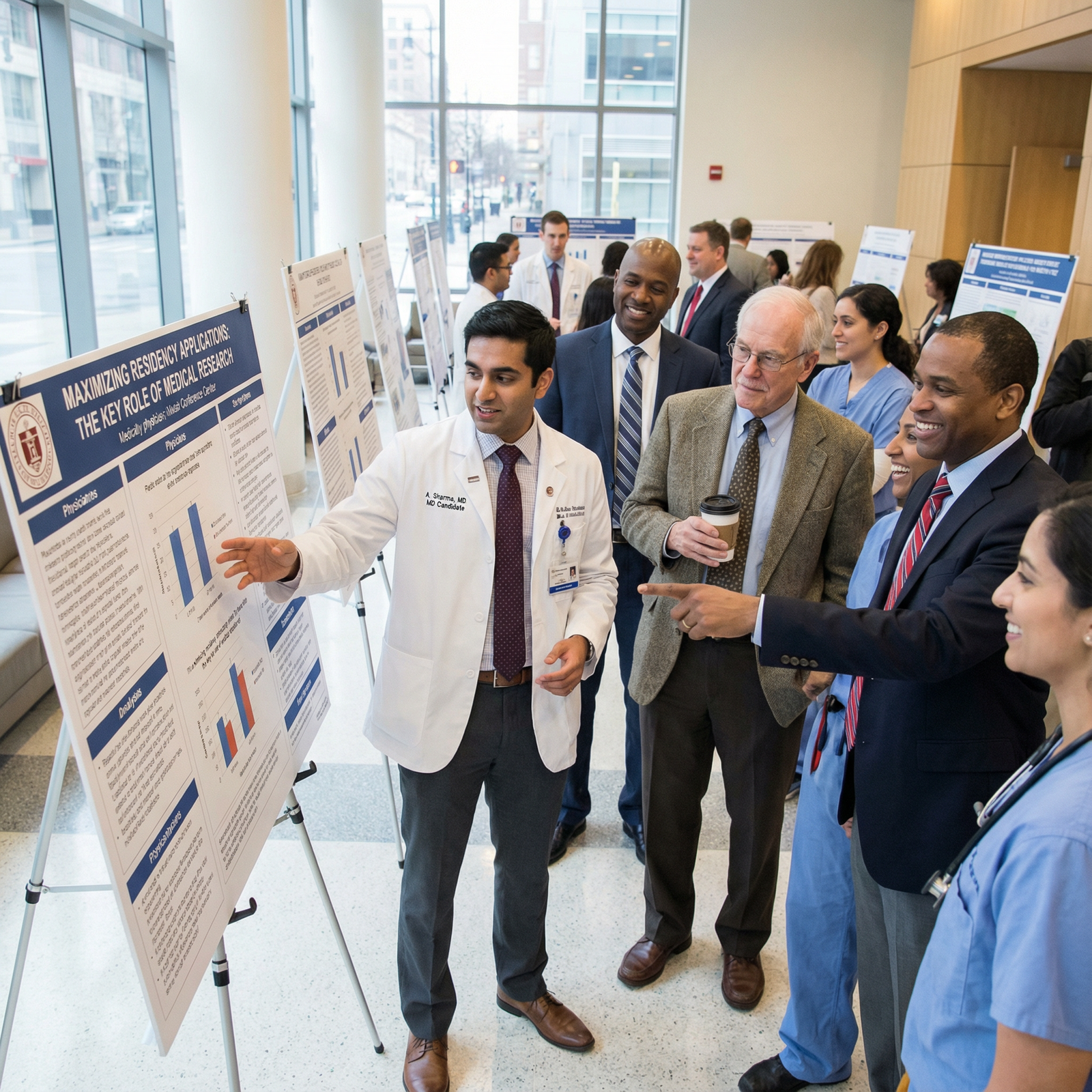
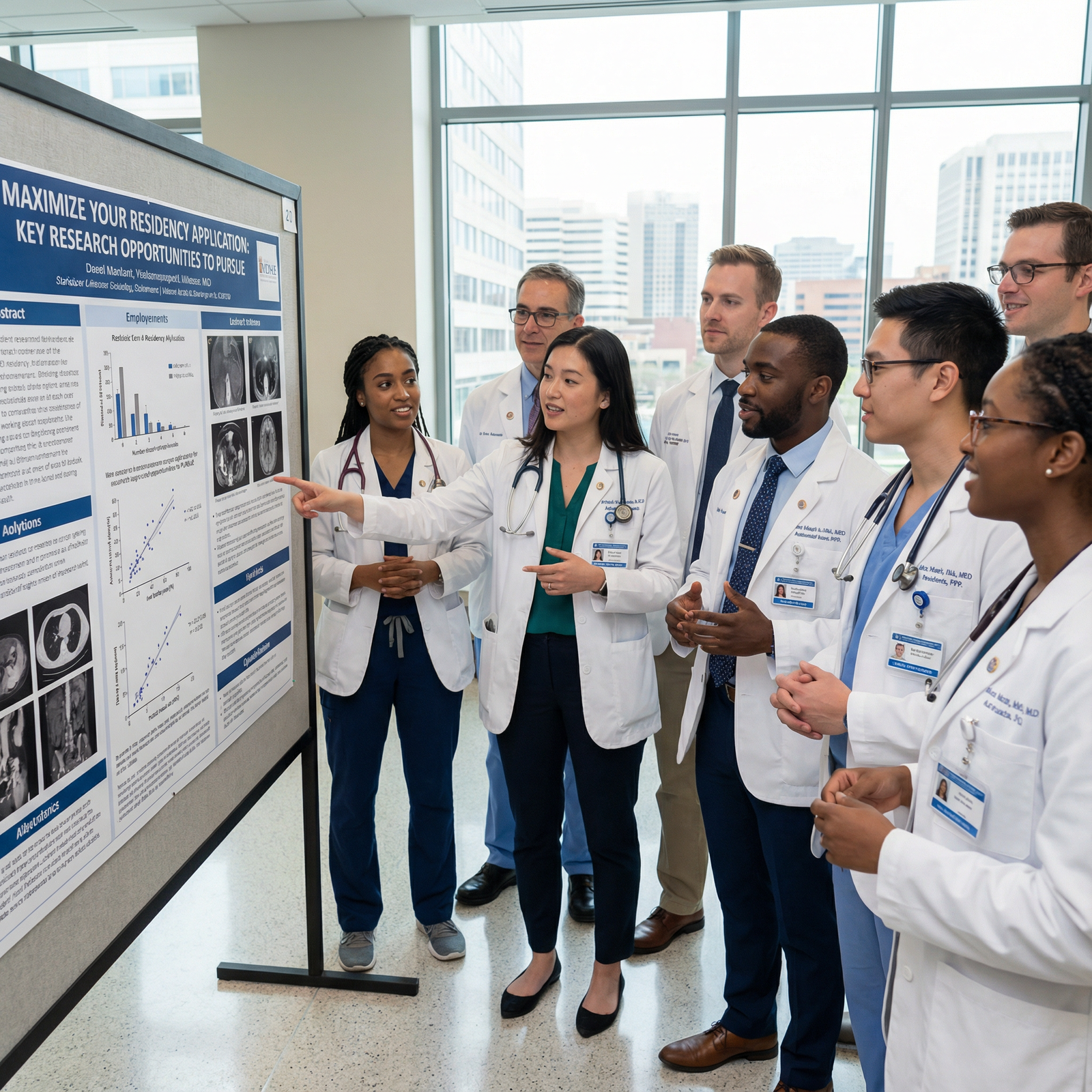
- Posters and podium presentations
- Book chapters and invited reviews (if possible)
Progression of responsibility and skills
- Starting as a data collector or assistant, then moving to first-author projects
- Increasing complexity: case reports → retrospective studies → systematic reviews → prospective or basic science work (if feasible)
Quality, not just quantity
- Work in recognized journals (not predatory journals)
- Projects with clear methodology and clinical relevance
- Involvement in projects led by established urologists or reputable institutions
Mentorship and networking
- Named urology mentors who can vouch for your contribution
- Involvement in research teams or labs
- Participation in regional, national, or international urology meetings
How Many Publications Are “Enough” for an IMG?
Applicants often ask: how many publications needed to be competitive? There is no official cutoff, but patterns exist:
- For US graduates matching into urology, many successful applicants have 2–5+ urology-related projects (including abstracts and presentations).
- For IMGs, expectations are often higher to offset other perceived disadvantages. Many strongest IMG profiles show:
- 3–8+ total publications, with
- At least 2–3 clearly urology-focused pieces (case reports, reviews, or original studies), and
- Additional abstracts, posters, or quality projects in related surgical or oncologic fields.
However:
- A well-explained research story with fewer but stronger projects can still be competitive.
- Depth of involvement and the quality of mentorship can matter more than raw numbers.
Think in terms of trajectory rather than a magic number: your research should show that you are moving forward, taking on more responsibility, and building a coherent urology profile.
Finding and Creating Research Opportunities as an IMG
Many IMGs don’t have easy access to structured research programs. That doesn’t mean you can’t build a strong portfolio—it just requires more strategy and initiative.
Step 1: Clarify Your Constraints and Goals
Before you start, map out:
- Timeline: How many months or years until you apply?
- Location: Are you currently abroad, on an observership, or already in the US/Canada/UK?
- Availability: Hours per week realistically available for research?
- Strengths: Clinical experience, statistics skills, writing ability, or language advantage for systematic reviews?
- Resources: Access to institutional libraries, databases (PubMed, Scopus), or patient records?
This allows you to prioritize projects that fit your situation. For example:
- If you have only 6–9 months, focus on case reports, chart reviews, and systematic reviews.
- If you have 1–2 years, you can pursue more complex retrospective or even prospective projects, and possibly a dedicated research fellowship.
Step 2: Identify Potential Mentors in Urology
Mentorship is the backbone of your research profile. Aim for at least one primary urology mentor and, if possible, one or two secondary collaborators.
Sources of potential mentors:
Your home institution
- Urology faculty or surgeons with academic interests
- General surgeons or oncologists working on urologic cancers
- Faculty who previously trained or worked in North America
Hospitals in your target country
- Urology departments at teaching hospitals
- Faculty listed on academic websites—look for those publishing on topics you find interesting
- Research coordinators or statisticians attached to urology groups
Conferences and organizations
- AUA, EAU, CUA, BAUS meetings and subcommittees
- Young Urologists groups or sections
- Online webinars and virtual sessions—often a chance to interact in Q&A or via follow-up email
Published authors
- Read recent urology papers on topics you like
- Identify first or corresponding authors
- Reach out with concise, respectful emails expressing interest in contributing to ongoing or future projects
Step 3: How to Write Effective Cold Emails for Research
A well-written email can open doors, even if you’re an unknown IMG abroad.
Key principles:
- Keep it brief and specific
- Show that you know the mentor’s work
- Make a clear, modest ask
- Highlight how you can add value
Example structure:
- One sentence: who you are (IMG, school, current status, interest in urology)
- One–two sentences: why you’re emailing them specifically (reference a paper or project)
- One–two sentences: your skills and availability (e.g., data collection, systematic reviews, stats, writing)
- One sentence: simple, concrete request (short meeting, opportunity to help with ongoing project)
- Polite closing, attach CV
You may need to send dozens of such emails to get a few responses—that is normal and not a reflection of your worth.
Step 4: Leverage Virtual and Remote Research
If you’re not physically present in a US/Canadian hospital, there is still plenty of research you can do:
- Systematic reviews and meta-analyses
- Require literature access and methodological rigor, but can be done remotely
- Often first-author opportunities for motivated IMGs
- Narrative reviews, scoping reviews, or mini-reviews
- On specific urologic topics (e.g., management of upper tract urothelial carcinoma, new BPH therapies)
- Database or survey-based studies
- Collaborate on projects using publicly available datasets or online clinician surveys
- Educational or guideline summaries
- Review articles on evolving urology guidelines for specific regions or populations
Remote projects are especially valuable for building multiple urology-related outputs over time.
Types of Urology Research and Strategic Prioritization for IMGs
Not all research outputs are equal in time cost or impact. As an IMG, you must be strategic with limited time.
1. Case Reports and Case Series
Pros:
- Fastest path to publication
- Good for learning manuscript structure and journal submission
- Useful if you have clinical access and interesting patients
Cons:
- Lower academic impact than original research
- Some programs view them as “entry-level” research
Strategy:
- Aim to publish several urology case reports early in your research journey to build momentum.
- Combine similar cases into short case series when possible (e.g., rare complications after ureteroscopy).
2. Retrospective Chart Reviews
These are very common in surgical specialties and are relatively accessible.
Examples:
- Outcomes of patients undergoing TURP in your hospital over five years
- Complication rates after PCNL in different BMI categories
- Predictors of recurrence after TURBT in non–muscle invasive bladder cancer
Pros:
- Moderate to high academic value
- Can produce multiple abstracts and at least one manuscript
- Feasible without large grants
Cons:
- Require institutional support and ethical approval
- Can be time-intensive for data collection and cleaning
Strategy:
- Prioritize 1–2 well-planned retrospective projects with clear, clinically relevant questions.
- Try to be first author on at least one.
3. Systematic Reviews and Meta-Analyses
Pros:
- High academic impact when done rigorously
- Possible to accomplish remotely with good mentorship
- Provide strong evidence of analytical and writing skills
Cons:
- Methodologically demanding (PRISMA, PROSPERO registration, stats)
- Time-consuming screening and data extraction
Strategy:
- Excellent option if you have strong English reading skills and attention to detail.
- Choose focused questions in urology where evidence is evolving (e.g., comparison of robotic vs laparoscopic partial nephrectomy outcomes).
- Collaborate with someone experienced in systematic review methodology.
4. Prospective Clinical Studies and Trials
Pros:
- Highest impact, often in top journals
- Show initiative and deep involvement
Cons:
- Difficult to complete before your match deadline
- Require IRB/ethics approval, often complex logistics
Strategy:
- Get involved if you join a formal research fellowship or academic center with ongoing trials.
- Even if the trial doesn’t publish before your application, abstract submissions and strong letters from PIs can still help.
5. Basic Science / Translational Research
Pros:
- Valued at highly academic programs
- Demonstrates depth of scientific thinking
Cons:
- Often requires wet lab access and long timelines
- May be less directly interpretable by pure clinical programs if not clearly related to urology
Strategy:
- Useful if you are considering an academic urologist career and have significant time (1–2 years).
- Always make the clinical relevance of the work very explicit on your CV and in interviews.
Maximizing Impact: From Data to Publications, Presentations, and a Coherent Story
Collecting data or joining a lab is only half the battle. Programs care about completed products and your ability to present and reflect on them.
Turn Each Project into Multiple Outputs
For each substantial project, ask:
- Can this result in at least one conference abstract?
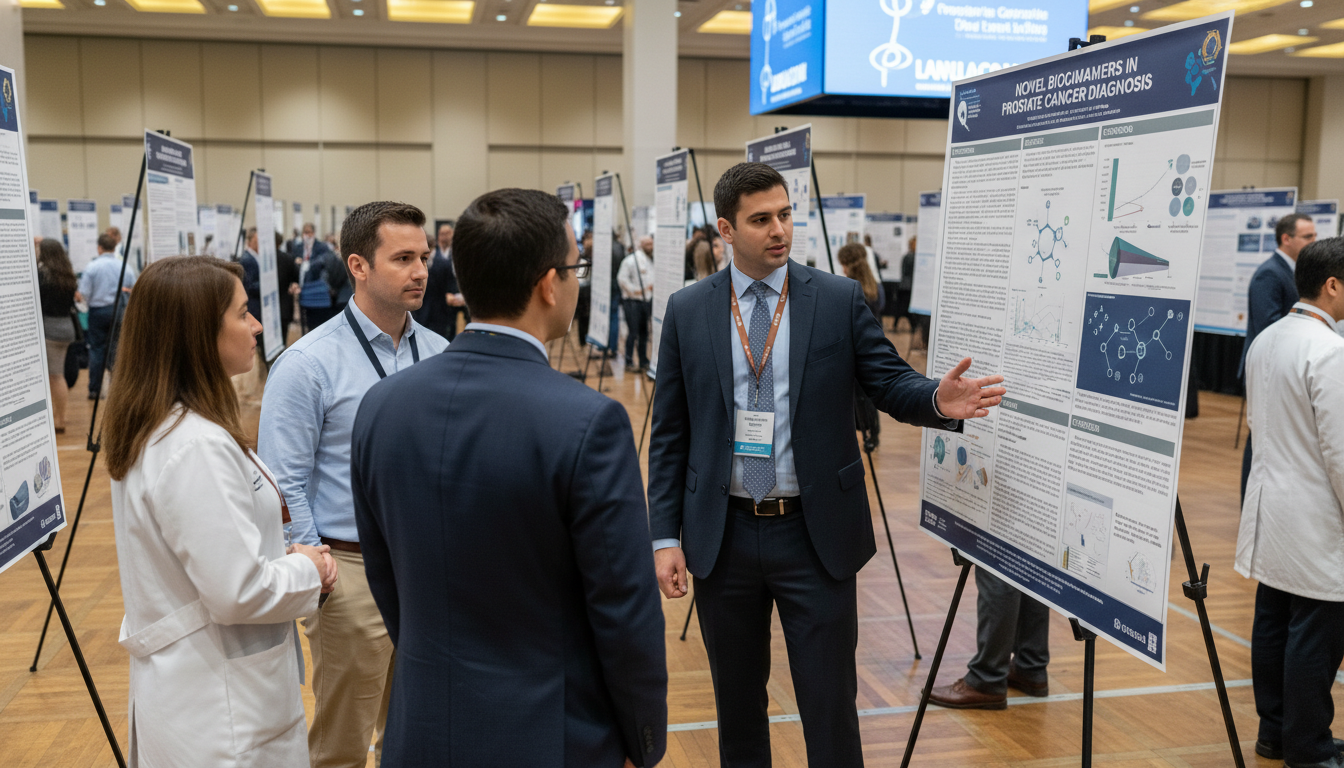
- Can you present it as a poster and, if accepted, as an oral podium talk?
- Is there potential for secondary analyses (e.g., subset analyses, quality-of-life outcomes, cost analysis)?
This multiplies your academic footprint without diluting quality.
Example:
You help with a chart review on radical prostatectomy outcomes:
- Abstract on oncologic outcomes → presented at national urology conference
- Secondary abstract on functional outcomes (continence, erectile function) → regional meeting
- One main manuscript in a reputable urology journal
- Possibly a second paper focusing on a specific subpopulation (e.g., high-risk patients)
Authorship: Aim for First or Significant Middle Positions
Residency programs look at:
- Number of first-author publications (shows leadership)
- Consistent involvement across multiple projects (not just your name at the bottom)
As an IMG, strive to be:
- First author on at least 1–3 urology-related papers (case reports, reviews, or retrospective studies)
- Significant contributor (early or middle author) on several other papers or abstracts
Avoid Predatory and Low-Quality Journals
Program directors are becoming increasingly aware of predatory journals that publish anything for a fee.
To protect your credibility:
- Prefer journals indexed in PubMed/MEDLINE, Scopus, or Web of Science
- Be cautious of journals with:
- Very fast acceptance times (days)
- Unclear editorial boards
- Aggressive email solicitations
- Discuss journal choices with your mentor
It is better to have slightly fewer but respectable publications than many in questionable venues.
Presenting Your Research on ERAS/CV
When filling ERAS or building your CV:
- Separate sections for:
- Peer-reviewed journal articles
- Conference abstracts and presentations
- Book chapters, reviews, and other scholarly work
- For each entry:
- List all authors in order, highlighting your name (e.g., underlined or bold on a personal CV, but not on ERAS)
- Include full title, journal/conference, year, and status (published, in press, accepted, submitted, in preparation)
- Use consistent citation style
Be honest about the status. Overstating “submitted” or “in preparation” work can backfire if asked for details.
Telling a Cohesive Research Story in Interviews
In the urology match, your interviewers will often ask you:
- “Tell me about your research.”
- “Which project are you most proud of?”
- “What was your specific role in this study?”
- “What did you learn from this experience?”
Prepare concise, honest answers that demonstrate:
- Your understanding of the clinical question and study design
- The main findings and how they might change practice
- Your personal role (data collection, analysis, writing, etc.)
- Challenges you faced and how you overcame them
- How this project influenced your decision to pursue urology
You do not need to be a biostatistician, but you must clearly understand your own work.
Building a Long-Term, Realistic Research Plan as an IMG
Research profile building is a multi-year effort, especially for international medical graduates. A structured plan prevents burnout and unproductive busywork.
Example 2–3 Year Plan for an IMG Targeting Urology
Year 1 (Early Medical School or Pre-Application Phase)
- Learn research basics: study design, statistics, critical appraisal
- Start with:
- 1–2 case reports in urology
- 1 small retrospective study or database project (even local)
- Goal: At least 2–3 minor publications or abstracts by end of year
Year 2 (Senior Student / Early Graduate)
- Engage deeply in 1–2 more substantial projects:
- Systematic review/meta-analysis
- Larger retrospective chart review
- Attend at least one urology conference (in-person or virtual)
- Network actively; seek letters from research mentors
Year 3 (Research Fellowship or Application Year)
- If possible, join a formal urology research fellowship in your target country
- Focus on:
- Finishing and submitting manuscripts from ongoing work
- Multiple conference abstracts/presentations
- Ensuring at least a few urology-specific first-author outputs
- Solidify strong letters emphasizing your work ethic, intellect, and teamwork
If You Have Only 6–12 Months Before Applications
Prioritize high-yield, faster-turnaround options:
- 2–3 case reports or short case series in urology
- 1–2 focused narrative reviews or systematic reviews
- Join an existing retrospective project where data is already collected, and the team needs help with analysis/writing
- Work intensely with one primary urology mentor to ensure a strong, specific LOR
Frequently Asked Questions (FAQ)
1. As an international medical graduate, is research mandatory for urology residency?
While not formally mandatory, in reality, yes—for most IMGs interested in the urology match, a meaningful research profile is almost essential. Urology is small and competitive; research:
- Demonstrates your commitment and capability
- Differentiates you from other applicants
- Helps compensate for unknown or lower-ranked medical schools
- Provides you with strong letters and networking opportunities
Without any research, especially urology-specific, it is very difficult for an IMG to stand out.
2. How many publications do I really need as an IMG for urology?
There is no fixed number, but a realistic target for a competitive IMG profile might be:
- 3–8 total publications,
- Of which at least 2–3 are clearly urology-focused, and
- Several conference abstracts and presentations.
Quality, authorship position, and clear connection to urology often matter more than just counting papers.
3. I don’t have access to patients or hospital data. What kind of research can I still do?
You can still contribute significantly by focusing on:
- Systematic reviews and meta-analyses on urologic topics
- Narrative or scoping reviews
- Educational research (e.g., online simulation training in endourology)
- Survey-based studies in collaboration with mentors who can distribute surveys in their networks
Many of these projects can be done remotely with literature access and strong mentorship.
4. Does non-urology research help my application at all?
Yes, general research (especially in surgery, oncology, epidemiology, or public health) is still valuable, particularly if:
- It shows productivity and persistence
- You have first-author roles
- You can clearly articulate what you learned and how it prepared you for urology
However, for a strong IMG residency guide–aligned profile, you should still ensure that at least a portion of your work is specifically in urology, so program directors can see a clear specialty commitment.
By approaching research for residency strategically—choosing the right mentors, focusing on urology-relevant projects, and converting work into meaningful publications and presentations—you can transform your application from “uncertain IMG” to “serious future urologist.” Start where you are, use the resources available, and deliberately build a research trajectory that aligns with your long-term goals in urology.