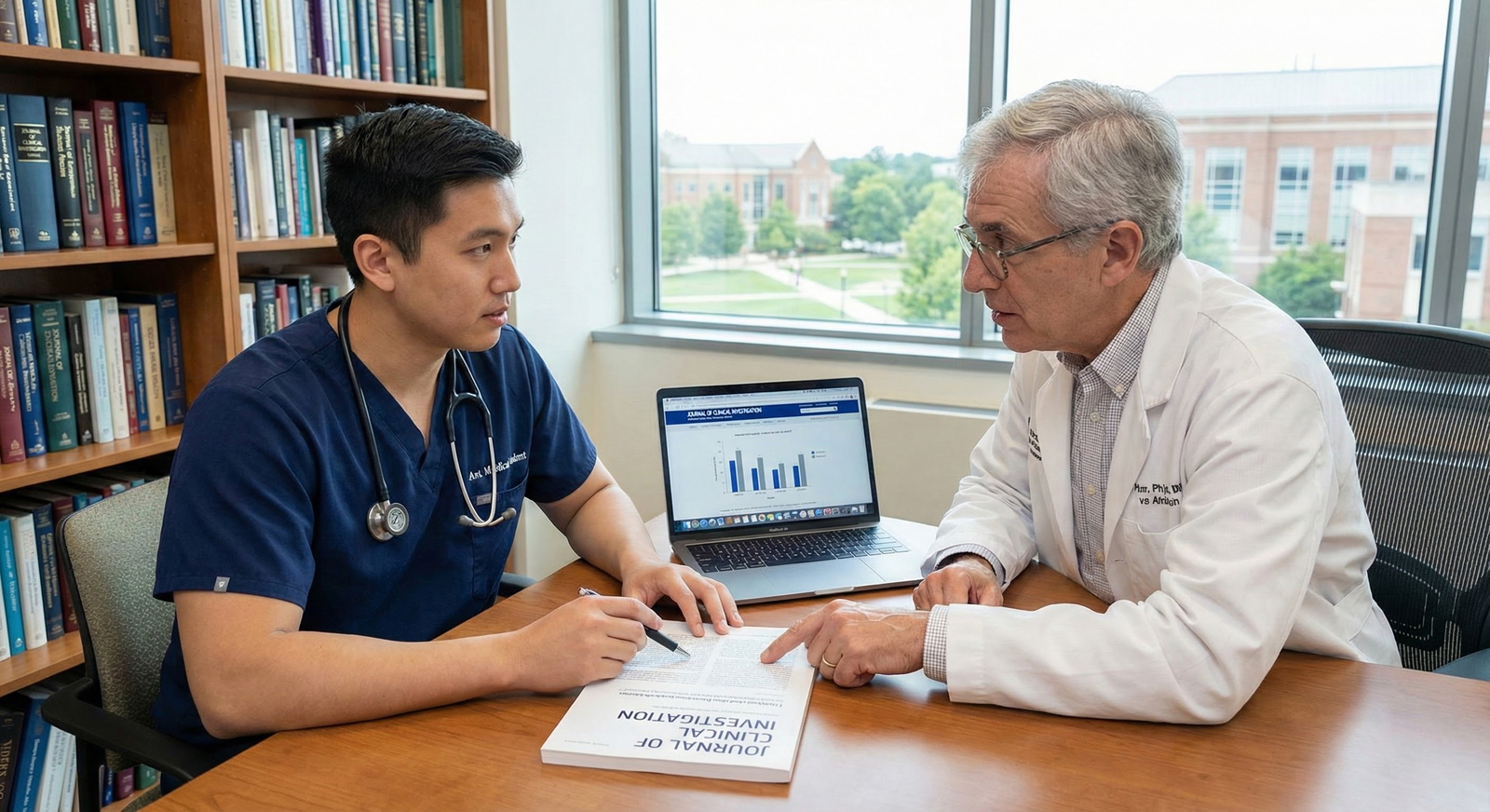
Understanding the Role of Research in a Medical Genetics Residency Application
For an MD graduate residency applicant in Medical Genetics, your research profile is often a major differentiator. Medical genetics is a relatively small, intellectually demanding specialty with a strong academic and translational focus. Program directors want residents who can critically interpret emerging genomic evidence and contribute to advancing the field. That’s why research for residency—especially in genetics, molecular medicine, or related fields—can significantly strengthen your allopathic medical school match prospects.
Unlike some procedure-heavy specialties where clinical performance can outweigh academic output, Medical Genetics programs frequently sit within major academic centers. Faculty members are often physician-scientists or clinician-educators deeply engaged in research. They tend to value:
- Evidence of curiosity and intellectual rigor
- Comfort with data, statistics, and literature
- Experience working in a structured research environment
- Potential to engage in scholarly work during residency and beyond
You do not need a PhD or dozens of high-impact publications to be competitive. However, a thoughtful, coherent research profile aligned with genetics can make you stand out in the genetics match.
This article will guide you, as an MD graduate, through:
- What kinds of research experiences are valuable
- How to get started (even late)
- How to plan and execute projects efficiently
- How many publications you realistically need
- How to present your work effectively in ERAS and interviews
Core Components of a Strong Research Profile for Medical Genetics
A “research profile” is more than just a publication count. Program directors look for a story: how your scholarly work reflects your interest in genetics and your potential as a future subspecialist.
1. Types of Research That Matter in Medical Genetics
Several forms of research are relevant and realistic for an MD graduate residency applicant:
a. Clinical Genetics Research
- Studies involving rare genetic disorders, genotype–phenotype correlations, or diagnostic odysseys
- Projects that examine diagnostic yield of genetic testing (e.g., exome sequencing, panels)
- Research evaluating new models of care for genetic counseling or cascade screening
b. Genomic Medicine / Translational Research
- Investigations linking genomic variants to clinical outcomes
- Pharmacogenomics projects (e.g., genetic predictors of drug responses)
- Pilot trials or feasibility studies using genomic tools in clinical practice
c. Bioinformatics / Data Science-Oriented Work
Even without a strong coding background, you can be involved in:
- Chart review studies using EHR data linked to genetic testing results
- Collaborating with bioinformaticians who perform variant annotation while you handle clinical data abstraction and interpretation
d. Education, Policy, and Implementation Science
Medical Genetics is also rich with questions about:
- How to train non-geneticist physicians in genomics
- Ethical, legal, and social implications (ELSI) of genetic testing
- Health policy and access to genetic services
Educational or policy-oriented projects are particularly valuable if:
- You are interested in medical education or administration
- You want to demonstrate leadership and systems-thinking
e. Case Reports and Case Series
- Reports of rare syndromes, novel presentations, or unique management approaches
- Small series of patients with similar rare variants or phenotypes
These are especially feasible if your clinical exposure includes pediatric, internal medicine, or obstetrics settings where genetically influenced diseases are frequently seen.
2. Depth vs. Breadth: Shaping a Coherent Profile
Your goal is not to sample every type of research—it’s to build a story. For example:
Theme: “Improving diagnostic yield in rare disease”
- Chart review of patients receiving exome sequencing
- Case series of atypical phenotypes of known syndromes
- Quality improvement project on genetic referral workflows
Theme: “Genetics education and implementation”
- Survey of residents’ comfort with ordering genetic tests
- Curriculum project teaching variant interpretation
- Qualitative study on barriers to using pharmacogenomic data
Even if your projects are diverse, your narrative in your personal statement and interviews should connect them to your interest in Medical Genetics.

Getting Started: Finding and Securing Genetics-Focused Research
As an MD graduate, you might be in one of three scenarios:
- Still in medical school with some time before applying
- In a gap year or research year
- Already graduated and possibly working clinically, aiming to enhance your profile for the next cycle
The strategy is similar, but the intensity and timeline differ.
1. Identify Your Institutional Options
Begin by surveying what’s available around you:
Your home institution (allopathic medical school or affiliated hospital)
- Look up the Division of Medical Genetics, Department of Pediatrics, Internal Medicine, OB/Gyn, or pathology.
- Search institutional websites for: “Medical Genetics,” “Genomics,” “Inherited Diseases,” “Precision Medicine,” “Translational Genomics,” “Molecular Diagnostics.”
Genetic counseling programs and laboratories
- Genetic counselors often participate in research, particularly in education, counseling outcomes, and implementation science.
- Molecular diagnostic or cytogenetics labs may have ongoing projects evaluating assay performance or variant classification practices.
External opportunities
- NIH, large academic centers, or specialized genetics institutes may offer postdoctoral clinical research positions or fellowships suited for MD graduates.
- Collaborative or remote projects (e.g., database work, chart reviews, systematic reviews) can be done from a distance if your mentor is flexible.
2. Approaching Potential Mentors
A tactful, targeted email can open doors. Include:
- Who you are: “I am an MD graduate from [Institution], interested in applying for a Medical Genetics residency.”
- Why them: Reference a specific paper, clinic, or project of theirs.
- What you want: “I’m seeking research experience in [clinical genetics / genomic medicine / genetic education]. I can commit [X hours/week] for [Y months].”
- What you bring: Clinical background, language skills, experience with data collection, familiarity with basic stats or software (Excel, SPSS, R, etc.).
- A clear ask: “Would you be open to a brief meeting to discuss ongoing projects where I might contribute?”
Aim for faculty who:
- Have active projects and a history of mentoring trainees
- Publish somewhat regularly (this raises the chance your work will result in tangible outcomes)
- Are engaged in areas aligning with your interests
3. Matching Project Scope to Timeline
Choose projects that fit your time horizon:
Short-term (3–6 months)
- Case reports and case series
- Chart review components of a larger project
- Secondary data analyses where data is already collected
- Systematic or scoping reviews
Medium-term (6–12+ months)
- Prospective clinical studies
- Educational interventions with pre/post assessments
- More complex database projects
An MD graduate in a tight application timeline (less than one year) should prioritize:
- Case reports/series
- Retrospective chart reviews
- Reviews (narrative, systematic, or scoping)
These are both feasible and valued for a Medical Genetics residency.
Publications, Productivity, and Expectations: What Really Matters?
One of the most common questions from MD graduates is: How many publications are needed to match into Medical Genetics? The nuanced answer: there is no magic number, but patterns matter.
1. How Many Publications Are Realistic and Helpful?
Median numbers vary by program and applicant background, but general guidance:
Highly competitive MD graduate residency applicants in Medical Genetics often have:
- 1–3 peer-reviewed publications (not necessarily all in genetics)
- Several posters or platform presentations
- At least some work directly related to genetics or genomics
Strong applicants from allopathic medical schools without a prior research-heavy background might have:
- 0–1 genetics-specific publication
- 2–4 total abstracts/posters
- Ongoing projects or manuscripts under review
If you’re wondering how many publications are needed, focus less on hitting a quota and more on:
- Having at least one clear, genetics-relevant scholarly product (publication, accepted abstract, or high-quality poster)
- Showing progress: earlier projects leading to later, more sophisticated work
- Demonstrating ownership: being first author or primary presenter on at least one project if possible
2. Quality, Relevance, and Authorship
Program directors will consider:
- Relevance to Medical Genetics
- Research on rare disease, genomics, pharmacogenomics, or genetic counseling carries more weight than unrelated basic science in an entirely different field.
- Your role
- First-author or co-first-author work suggests leadership in conceptualization, data collection, and writing.
- Middle authorship is still valuable, especially on larger collaborative projects, but your ability to discuss the project in detail during interviews is critical.
- Venue and visibility
- PubMed-indexed journals, recognized specialty conferences (e.g., ACMG, ASHG), and institutional research days count strongly.
Well-designed small projects often impress more than weakly executed, unfocused ones.
3. Non-Published Work Still Counts—If Framed Correctly
Not all meaningful “research for residency” results in a PubMed ID by application season. Include:
- Submitted or under-review manuscripts (clearly labeled as such)
- Completed abstracts accepted to conferences
- Posters and oral presentations at:
- National meetings
- Regional genetic societies
- Institutional or medical school research days
In ERAS, you can list these as:
- Peer-reviewed journal articles (published/accepted/in press)
- Submitted manuscripts (clearly indicated as “submitted”)
- Abstracts, posters, and presentations
Be honest and avoid inflating the status of your work. Integrity is highly valued in academic fields like Medical Genetics.

Executing Genetics Research Projects Efficiently as an MD Graduate
With limited time before the allopathic medical school match, MD graduates must be strategic in how they plan and execute projects for the genetics match.
1. Choosing Feasible Project Types
a. Case Reports and Case Series
Best for:
- Quick turnaround
- Highlighting your clinical acumen and interest in rare genetic presentations
Steps:
- Identify a patient with a rare or particularly illustrative genetic disorder.
- Discuss with the attending and ensure patient confidentiality and IRB/ethics requirements are satisfied.
- Review the literature to confirm novelty or educational value.
- Draft the manuscript according to the target journal’s structure.
- Involve your mentor for guidance and co-authorship.
b. Retrospective Chart Review Studies
Best for:
- Generating clinically meaningful data in a few months
- Applying statistical reasoning and methodology
Example topics:
- Diagnostic yield of gene panels vs exome sequencing in a specific patient population
- Time-to-diagnosis before and after implementation of a genetics consult service
- Patterns of referrals to Medical Genetics for certain phenotypes (e.g., developmental delay, cardiomyopathies)
Key considerations:
- IRB approval is almost always needed—factor this into your timeline.
- Define clear inclusion criteria, data fields, and outcomes.
- Work with a statistician or experienced mentor to plan the analysis upfront.
c. Reviews and Educational Projects
- Narrative reviews: Summarize current knowledge in a focused area (e.g., genetic causes of cardiomyopathy in adults).
- Systematic reviews: More rigorous but also more time-consuming; may require familiarity with PRISMA guidelines.
- Curriculum or educational interventions: Develop and study a teaching session on genomic medicine for residents or students.
These projects strengthen your ability to synthesize literature and communicate complex genetics concepts—core skills in Medical Genetics.
2. Building Research Skills That Impress Genetics Programs
Aside from final products, programs are impressed by certain skills you can highlight:
Data literacy
- Comfort using Excel, R, Stata, or SPSS for basic analyses
- Understanding of p-values, confidence intervals, effect sizes, and bias
Genomics literacy
- Familiarity with variant classification frameworks (e.g., ACMG/AMP guidelines)
- Basic understanding of types of genetic tests and their limitations
Collaboration and communication
- Documented ability to work in multi-disciplinary teams (MDs, PhDs, genetic counselors)
- Clear writing and presentation skills
Project management
- Evidence you can plan, carry out, and finish work on a timeline
- This is especially visible in first-author projects
You can mention these skills explicitly in your personal statement and when answering interview questions about research.
3. Turning Clinical Experiences into Research Ideas
MD graduates often underestimate how many publishable questions arise from routine clinical rotations. In genetics-relevant settings, look for:
Diagnostic uncertainty:
- “Why are so many of these patients going undiagnosed until late?”
- “Could earlier genetic testing have changed outcomes?”
Process gaps:
- Delays in genetic referrals
- Poor follow-up of positive newborn screening tests
- Underutilization of pharmacogenomic testing in oncology or cardiology clinics
Variability in practice:
- Different clinicians ordering tests in very different ways
- Inconsistent pre-test or post-test counseling
These observations can become:
- Quality improvement projects
- Retrospective studies on outcomes or ordering patterns
- Implementation science projects assessing barriers and facilitators
Presenting Your Research in ERAS and During Genetics Interviews
Your work must not only be done—it must be visible and understandable to selection committees.
1. Strategically Listing Research on ERAS
For each research entry:
- Use concise, descriptive titles that clearly indicate the genetics focus (e.g., “Diagnostic Yield of Exome Sequencing in Adults with Unexplained Cardiomyopathy”).
- Specify your role: “Designed study protocol, performed data extraction, contributed to data analysis, and drafted first manuscript version.”
- Clarify the status: “Published,” “In press,” “Accepted for presentation,” or “Submitted (under review).”
Group related work if appropriate:
- One study may yield multiple abstracts and one manuscript—make sure they’re linkable in your narrative to avoid confusion or perceived duplication.
2. Integrating Research into Your Personal Statement
Use your research to reinforce:
- Why you chose Medical Genetics
- How you learned to think about patients from a genetic/precision medicine perspective
- Your long-term vision (e.g., becoming a clinician-investigator, leading a genetics clinic, improving diagnostic pathways for rare disease)
Example integration:
“While working on a retrospective study examining exome sequencing outcomes in adults with neurologic phenotypes, I saw how delayed access to genetic testing prolonged diagnostic odysseys. These findings shaped my desire to train in Medical Genetics, where I can both care for patients and refine systems that enable earlier, precise diagnoses.”
3. Anticipating Interview Questions About Your Research
Program directors often ask:
- “Tell me about your research project and what you learned.”
- “What was the most challenging part of your research experience?”
- “How did this research influence your decision to pursue Medical Genetics?”
- “If you had more time, how would you improve or extend this project?”
Prepare 1–2 well-practiced, 2–3 minute summaries of your key projects:
- Start with the clinical problem
- Briefly describe the study design and your role
- End with the main findings and their implications for patient care or systems
Be honest about limitations; sophisticated reflections on study weaknesses signal maturity as a future geneticist.
Frequently Asked Questions (FAQ)
1. Do I absolutely need genetics-specific research to match into a Medical Genetics residency?
Not absolutely, but it is highly beneficial. General research experience (e.g., cardiology, oncology, neurology) still shows you can think critically and work academically. However, having at least one project—case report, review, or clinical study—clearly related to genetics, genomics, or rare disease strengthens your narrative and interest in the field. For MD graduate residency applicants specifically targeting the genetics match, this can help differentiate you from applicants without such alignment.
2. How many publications are needed to be competitive?
There is no strict cutoff. Many successful applicants to Medical Genetics have between one and three peer-reviewed articles, plus several posters or presentations. Some match with fewer publications but strong ongoing projects, robust letters, and clear commitment to the field. Programs will consider your overall profile, institutional context, and opportunities you had. Focus on producing a small number of high-quality, relevant projects rather than chasing a large volume of low-impact work.
3. Will taking a dedicated research year significantly improve my chances?
A research year can be valuable if:
- You currently lack any genetics-relevant research
- You are aiming for highly academic programs
- You use the year to generate concrete outputs (publications, presentations) and strong mentorship relationships
However, it is not mandatory. Many MD graduates from allopathic medical schools match into Medical Genetics without a formal research year, especially if they have some research during medical school combined with strong clinical performance and solid letters of recommendation.
4. I graduated from an allopathic medical school with minimal research. Can I still build a viable profile in one year?
Yes, if you are strategic. Within a year, a motivated MD graduate can:
- Establish a mentorship relationship with a Medical Genetics or genomics-focused faculty member
- Complete case reports or small case series
- Conduct at least one retrospective chart review or a well-structured review article
- Present at a conference or institutional research day
This, combined with clear articulation of your interest in Medical Genetics and strong clinical evaluations, can yield a competitive application for the genetics match.
By deliberately choosing feasible, high-yield projects and aligning them with your long-term goals, you can build a compelling research profile as an MD graduate residency applicant in Medical Genetics. The key is not to emulate a seasoned researcher, but to convincingly demonstrate that you understand scholarly inquiry, can complete projects responsibly, and are ready to contribute to an academic field that evolves as rapidly as Medical Genetics.