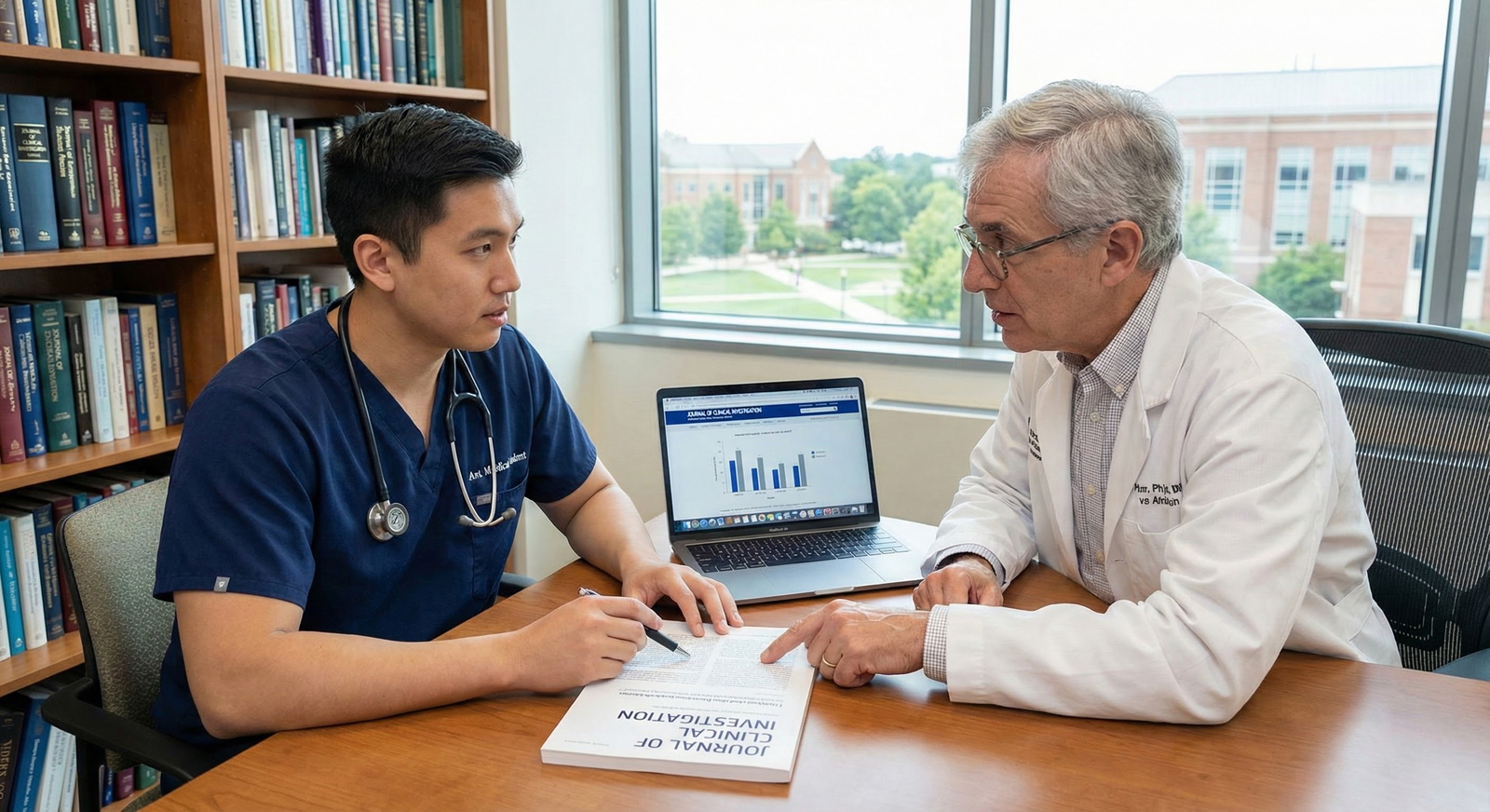
Understanding the Role of Research in Pathology Residency
For an MD graduate interested in pathology, research is not just a bonus—it is often a central pillar of a competitive application. Pathology as a specialty is deeply rooted in scientific discovery, data analysis, and critical thinking. Program directors know this, and many actively seek applicants who have demonstrated curiosity and productivity through research.
Key reasons research matters for a pathology residency:
- Pathology is inherently academic and data-driven. Much of the field’s progress occurs through clinicopathologic correlation, translational research, molecular pathology, and informatics.
- Many programs are in academic centers. These institutions expect residents to engage in scholarly activity and often recruit candidates who are likely to advance the department’s academic mission.
- Research builds concrete skills. Literature appraisal, hypothesis formulation, study design, statistics, and scientific writing are highly valued in pathology practice and leadership roles.
- Research helps explain your interest in pathology. Projects involving tissue, lab medicine, or disease mechanisms show authentic engagement with the specialty.
If you are a recent MD graduate preparing for the pathology match, building an intentional research profile can substantially strengthen your application and open doors to more academic programs, fellowships, and future leadership opportunities.
What a Strong Pathology Research Profile Looks Like
A successful research profile is more than counting publications. Program directors look at:
- Trajectory: Are you steadily involved over time, or is there one brief project? Consistent activity shows reliability and commitment.
- Role and responsibility: Were you a passive helper, or did you drive the project (data collection, analysis, drafting the manuscript)?
- Relevance to pathology: Not all research must be in pathology, but having at least some pathology-related work is very helpful.
- Scholarly outputs: Publications, abstracts, posters, oral presentations, and quality improvement (QI) projects all matter.
- Letters of recommendation: Strong letters from research mentors who can describe your skills and work ethic carry significant weight.
Publications and Abstracts: Quality vs. Quantity
Many MD graduates ask: “How many publications needed to be competitive?” There is no single number, but common patterns for a solid allopathic medical school match in pathology look like:
- Highly competitive academic applicant
- 2–5+ first- or co-first-author publications (clinical, translational, or basic science)
- Multiple abstracts/posters or oral presentations at national meetings
- Ongoing active project(s)
- Strong, well-rounded applicant
- 1–2 publications (any author position) in reasonably reputable journals
- Several presentations or posters (institutional/regional/national)
- Demonstrated research continuity
- Developing research profile
- 0–1 publication(s) but clear involvement in projects underway
- A poster or presentation at least at the institutional level
- Strong commitment and realistic timeline discussed in your personal statement and interviews
Programs understand that not everyone has equal opportunity. A coherent narrative—“I sought out pathology research during my MD training, contributed meaningfully, and am continuing to grow”—can outweigh sheer numbers.
Types of Research That Fit Pathology
You can build a compelling research profile from varied project types:
- Pathology-specific projects
- Case reports or case series with interesting histopathology
- Retrospective chart/pathology review (e.g., correlation of histologic grade with clinical outcome)
- Immunohistochemistry or molecular marker studies
- Digital pathology, image analysis, or AI-based projects
- Laboratory and translational research
- Cancer biology, biomarkers, immunology, microbiology, hematology
- Studies involving tissue samples, cell lines, or molecular diagnostics
- Clinical research
- Outcomes research that uses lab or pathology variables
- Quality improvement or test utilization projects in clinical pathology (e.g., blood bank, microbiology, chemistry, hematology)
- Pathology-adjacent scholarly work
- Medical education research focused on histology/pathology teaching
- Informatics, data management, or big-data projects using lab data
If you come from a different research background (e.g., cardiology or surgery), that still demonstrates analytic skills. However, for the pathology match, try to add at least one project with explicit pathology relevance if time and opportunities permit.

Finding and Securing Pathology Research Opportunities
As an MD graduate, you may not have built-in access to student research programs anymore, but you still have multiple paths to get involved.
Step 1: Map Your Environment and Networks
Start by identifying potential sources of projects:
- Your medical school’s pathology department
- Faculty pages often list research interests and publications.
- Academic chairs and program directors frequently have multiple ongoing projects.
- Teaching hospitals affiliated with your allopathic medical school
- Many have active pathology services and residents involved in research.
- Former mentors from medical school
- Even if they are in other specialties, they might collaborate with pathology.
- Professional societies
- College of American Pathologists (CAP)
- United States and Canadian Academy of Pathology (USCAP)
- American Society for Clinical Pathology (ASCP)
- Subspecialty societies (hematopathology, cytology, dermatopathology, etc.), which sometimes advertise projects, competitions, or mentoring programs.
- Online and virtual opportunities
- Multi-institutional collaborative studies
- Digital pathology projects requiring image review or data annotation
- Systematic reviews or meta-analyses that can be conducted remotely
Step 2: Approach Potential Mentors Professionally
When reaching out to faculty, be structured and respectful of their time. A brief, focused email is ideal:
- Subject line example:
- “MD Graduate Seeking Pathology Research Opportunity – [Your Name]”
- Content to include:
- Who you are (MD graduate, year, school, current situation)
- Your interest in pathology and, briefly, your specific areas of curiosity (e.g., hematopathology, molecular pathology)
- Prior research experience (concise summary, even if not published)
- Time you can commit (hours/week, in-person vs remote)
- What you are hoping for (e.g., “a project I can take ownership of and work toward publication”)
- Your CV attached
Example:
“I am an MD graduate from [School], currently preparing for the pathology residency match. I am particularly interested in [subfield], and I would like to gain more research experience in pathology, ideally contributing to a manuscript or abstract. I can commit X hours/week and am available [on-site/remote]. I have prior experience with [data collection/chart review/basic lab techniques] and would appreciate the chance to help with any ongoing or new projects.”
Send your email to several potential mentors, but personalize each message based on their interests and recent work.
Step 3: Be Flexible in the Type of Project You Accept
As a new collaborator, you may not immediately be given first-authorship on a large trial. A smart approach is to start with something feasible, then build:
- Case reports or case series
- Retrospective chart reviews
- Small QI projects in the lab
- Literature reviews on a pathology topic
- Image-based projects (e.g., scoring slides, data annotation)
These can be completed on realistic timeframes and often lead to quick abstracts or publications for match season.
Designing and Executing Impactful Pathology Projects
Once you have a mentor and a project, your goal is to deliver high-quality work efficiently. This is how you convert “helping” into authorship and strong letters of recommendation.
Clarify Expectations Early
At the start of the project, discuss:
- The research question and hypothesis
- The study design (retrospective cohort, case-control, cross-sectional, basic science experiment, etc.)
- Your role and anticipated authorship position
- Planned timeline: data collection, analysis, abstract submission, manuscript drafting
- Expected output: conference abstract, poster, publication, QI report
It is appropriate to say:
“I’m hoping to apply for pathology residency this coming cycle. Would it be realistic for this project to result in an abstract or manuscript in the next 6–12 months?”
This signals your goals and encourages mentors to select appropriately scoped projects.
Choose Feasible Study Designs
For MD graduates preparing for the pathology match, time is usually limited. Prefer designs that fit your timeline:
High-yield, manageable projects:
- Case reports / case series
- Good introduction to medical writing
- Pathology case reports can highlight rare entities, unusual presentations, or novel diagnostic approaches.
- Suitable if you’re working closely with diagnostic pathologists.
- Retrospective reviews using existing data
- Example: “Clinicopathologic features of X type of tumor in our institution over 10 years”
- Uses pathology archives and medical records
- Common in pathology literature; feasible with well-defined inclusion criteria and a clear data collection template
- QI projects in clinical pathology
- Example: “Impact of a new reflex testing algorithm on turnaround time and test utilization”
- These are highly valued by programs emphasizing systems-based practice and lab management.
More time-intensive (high impact, but longer timelines):
- Basic or translational lab projects involving experiments
- Prospective studies requiring patient enrollment
- Large multi-center collaborations requiring extensive coordination
These are excellent if you have 1–2 years (e.g., a research gap year) but may not be ideal for a short timeline until your next application cycle.
Learn Core Skills: Data, Stats, and Writing
You do not need to be a statistician, but you should show progress toward research independence by learning core skills:
- Data management
- Use standardized data collection forms (Excel, REDCap).
- Keep de-identified data where possible and obey IRB rules.
- Basic statistics
- Know the difference between descriptive vs. inferential statistics.
- Understand common tests: chi-square, t-test, ANOVA, logistic regression.
- Work closely with a biostatistician or experienced mentor when needed.
- Scientific writing
- Read articles from top pathology journals (Modern Pathology, American Journal of Surgical Pathology, Archives of Pathology & Laboratory Medicine, etc.).
- Practice structuring an IMRAD manuscript: Introduction, Methods, Results, and Discussion.
- Use reference managers (Zotero, Mendeley, EndNote).
Deliver early drafts, respond to feedback promptly, and show that you can revise and incorporate suggestions. This behavior builds your reputation as a serious collaborator.
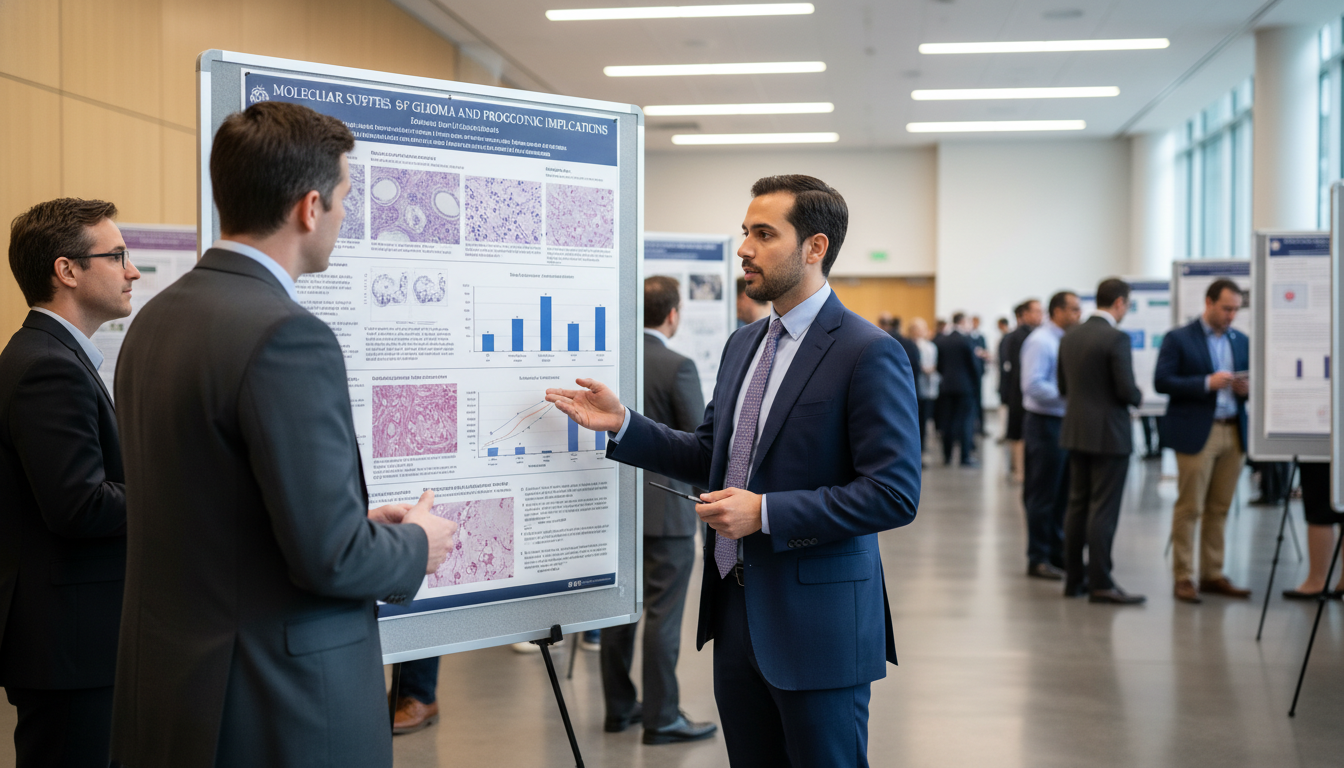
Showcasing Your Research for the Pathology Match
Once you have developed your research profile, you need to present it effectively in the residency application process.
How to List Research on Your Application
In ERAS and similar platforms, you will categorize your scholarly work:
- Peer-reviewed journal articles
- Abstracts, posters, and presentations
- Book chapters or invited reviews
- Other scholarly work (QI projects, online modules, etc.)
For each entry:
- Include all authors in correct order (as on the manuscript).
- Specify journal or conference name, date, and status.
- Indicate status clearly: “Published,” “In press,” “Accepted,” “Submitted,” or “In preparation.”
- Be honest; misrepresenting status is a red flag.
- For ongoing projects, describe briefly in the “experiences” section, focusing on your role and what you are learning.
When asked, you can discuss both completed and ongoing projects in interviews.
Framing “How Many Publications” in Pathology
For MD graduates from an allopathic medical school seeking a pathology residency:
- 1–2 peer-reviewed publications + multiple presentations is very respectable.
- 3–5+ publications, especially if at least some are pathology-focused, are a major strength.
- If you have zero publications but active projects close to submission and you can discuss them intelligently, your profile can still be acceptable, especially at community or less research-heavy programs.
The context matters:
- Highly research-oriented programs (major academic centers, physician-scientist tracks) will expect more substantial research for a pathology match.
- Community or hybrid programs may be satisfied with smaller-scale scholarly activity, as long as it shows initiative.
Telling a Cohesive Story: Your Research Narrative
Your goal is to weave your research into a coherent narrative about your growth and your future in pathology:
- In your personal statement:
- Explain how your research fed your interest in disease mechanisms, diagnostics, and the role of pathology in patient care.
- Mention specific projects that were turning points for your career choice.
- In interviews:
- Be prepared to explain your research question in simple terms.
- Know your methods, limitations, and implications.
- Reflect on what you learned—from setbacks as well as successes.
- In letters of recommendation:
- Ask mentors who know you from research to highlight your analytic skills, responsibility, self-direction, and potential for academic contribution.
A well-articulated research narrative can compensate for less-than-perfect numbers and help interviewers remember you.
Strategic Pathways and Special Scenarios for MD Graduates
Not all MD graduates are in the same situation when applying for a pathology residency. Below are common scenarios and strategies.
Scenario 1: You Have Little to No Prior Research
If you are close to graduation (or recently graduated) and have minimal research exposure:
- Start now with at least one small, feasible project.
- A case report, case series, or focused chart review with a pathology component.
- Aim for at least one tangible output before submitting your application.
- A poster at your institution or regional meeting is a realistic goal within months.
- Emphasize the learning process.
- Describe how this experience launched your interest in pathology as a data- and mechanism-driven specialty.
- Highlight other strengths.
- Strong clinical evaluations, good USMLE scores, and solid letters can still make you competitive.
Scenario 2: You Have Research, but Not in Pathology
If your research is in another field (e.g., cardiology or neurology):
- Do not discard or downplay this experience. It still proves you can:
- Work systematically
- Analyze data
- Publish
- However, try to bridge to pathology:
- Find at least one pathology- or lab-related project, even if small.
- In your statement, explicitly link your prior research experience to your present focus on pathophysiology and diagnostics.
- Explain logically what changed your interest to pathology and how your previous research skills will transfer.
Scenario 3: Taking a Research Year Before the Pathology Match
Many MD graduates consider a dedicated “research year” to strengthen their profile:
- Pros:
- Time to produce multiple publications for match
- Deep immersion in pathology
- Stronger letters from faculty who know you well
- Cons:
- Financial cost and delayed training
- Not all research-year positions are well organized or productive
If you choose this route:
- Select a structured position (e.g., funded research fellowship, postdoctoral position, or defined research associate role in pathology).
- Clarify expected outputs and mentorship in advance.
- Make sure the work is aligned with your career goals (e.g., hematopathology, molecular pathology, informatics, etc.).
Scenario 4: International Experience or Gaps After Graduation
If you are an MD graduate with a gap since graduation or international clinical experience:
- Use research to bridge the gap and show active academic engagement.
- Even remote collaborations, systematic reviews, or meta-analyses can help you stay academically current.
- Maintain updated logs and CV entries, showing continuous productivity and learning.
Frequently Asked Questions (FAQs)
1. How important is research for an MD graduate applying to pathology residency?
Research is very important for academic programs and still beneficial for community programs. Pathology is a fundamentally academic and investigative field. A solid research record can:
- Distinguish you from other MD graduate residency applicants
- Support your interest in subspecialties (hematopathology, molecular, cytology)
- Make you more competitive for fellowships and future faculty positions
That said, you can still match pathology with modest research if you have other strengths—especially at less research-intensive institutions.
2. How many publications do I really need for a competitive pathology match?
There is no strict minimum, but common expectations for an allopathic medical school match are:
- 1–2 publications + several abstracts/posters: strong for many programs
- 3–5+ publications, including some pathology-related: very competitive for academic centers
- 0 publications but active, near-complete projects: possible, especially with strong scores and letters
Programs look at the total scholarly picture: quality, relevance, your role, and your ability to discuss the work intelligently.
3. Does research in non-pathology fields still help my pathology application?
Yes. Any robust research experience demonstrates critical thinking, perseverance, and familiarity with scientific methods. However, try to add at least one pathology-relevant project (case report, retrospective review, QI project, etc.) so your application narrative connects directly to the specialty.
In interviews and essays, explicitly explain how your prior work—whether in cardiology, surgery, or another discipline—sparked your interest in understanding disease processes and how that naturally led you to pathology.
4. What counts as “research for residency” and what should I include on my CV?
For the purposes of a pathology residency application, you can include:
- Peer-reviewed journal articles (original research, reviews, case reports)
- Abstracts, posters, and oral presentations (local, regional, national, international)
- Book chapters, invited reviews, and significant educational materials
- Quality improvement projects with a clear question, intervention, and outcome measurements
- Ongoing projects with defined roles and realistic plans for completion
Make sure each entry is accurate, clearly labeled for status, and linked to your broader story of growth as a future pathologist.