Understanding the Role of Research in Addiction Medicine Pathways
For an MD graduate interested in addiction medicine, building a strong research profile can significantly shape your trajectory—both for your allopathic medical school match and for later applying to an addiction medicine fellowship. Research demonstrates curiosity, critical thinking, and commitment to evidence-based care, all of which are central to this field.
Unlike some ultra-competitive specialties where research volume is almost mandatory, addiction medicine rewards thoughtful, thematically coherent research more than sheer publication count. At the same time, the field is rapidly evolving, with substantial needs in substance abuse training, implementation science, health policy, and health equity—areas where motivated trainees can make meaningful contributions.
This article walks you through:
- What kind of research actually matters for MD graduate residency and later addiction medicine fellowship applications
- How to start and build a coherent research theme in substance use and related areas
- Realistic answers to “how many publications needed” and what counts
- Step-by-step strategies for getting involved, staying productive, and presenting your work effectively
- How to align research with your long-term goal of a career in addiction medicine
Why Research Matters for an MD Graduate Interested in Addiction Medicine
1. Clarifying your pathway: residency first, fellowship later
Most addiction medicine physicians enter the field after completing a primary residency (e.g., Internal Medicine, Family Medicine, Psychiatry, Emergency Medicine, Pediatrics, or OB/GYN). Your research profile should therefore serve two audiences:
- Residency programs (allopathic medical school match / MD graduate residency)
- Future addiction medicine fellowship programs
For residency, research signals:
- Ability to complete scholarly work and meet graduation requirements
- Skills in critical appraisal of the literature
- Persistence, follow-through, and teamwork
- Interest in population health, behavioral health, or vulnerable populations
For addiction medicine fellowships, research additionally signals:
- Genuine and sustained interest in substance use disorders (SUDs)
- Familiarity with fields like harm reduction, medication-assisted treatment (MAT), community-based care, and health policy
- Potential to contribute to quality improvement and program development in SUD care
2. Why research is especially relevant in addiction medicine
Addiction medicine sits at the intersection of:
- Clinical care (primary care, psychiatry, emergency medicine, hospitalist medicine)
- Public health and epidemiology
- Social determinants of health and health policy
- Law, criminal justice, and ethics
Because of this, the field is heavily evidence-driven. Programs value trainees who:
- Understand the science behind opioids, alcohol, stimulants, and other substances
- Can interpret clinical trials of treatments like buprenorphine, methadone, naltrexone, and behavioral therapies
- Appreciate structural issues such as stigma, incarceration, housing instability, and inequity
Research experience builds those skills and shows that you’re ready to engage with complex systems and populations.
3. Research vs. clinical exposure vs. advocacy
For an addiction medicine–oriented MD graduate, your application is strongest when these three elements reinforce each other:
- Research: On SUDs, harm reduction, overdose prevention, or related areas
- Clinical experiences: Rotations in addiction consult services, psychiatry, pain clinics, methadone programs, outpatient addiction clinics
- Advocacy / community engagement: Needle exchange programs, peer recovery organizations, corrections medicine, community coalitions
Programs don’t expect you to be an expert in everything, but they respond extremely well when your research profile clearly aligns with your clinical exposure and advocacy work.
What Kind of Research “Counts” and How Many Publications Are Needed?
1. Defining “research” in a broad, realistic way
You do not need to have randomized clinical trials or first-author NEJM papers to stand out as an MD graduate residency applicant or future addiction medicine fellow. The following types of scholarly work are all valuable:
Original research
- Retrospective chart reviews (e.g., ED visits for overdose, initiation of buprenorphine in hospital)
- Prospective cohort studies (e.g., follow-up of patients started on MAT)
- Survey studies (e.g., stigma among clinicians, attitudes toward naloxone)
- Implementation or health services research (e.g., integrating SUD screening in primary care)
Quality improvement (QI)
- Increasing screening for unhealthy alcohol use (AUDIT-C)
- Improving discharge naloxone prescribing after overdose
- Standardizing MAT initiation protocols in the ED
Case reports / case series
- Managing complex SUD in medically ill patients
- Rare presentations (e.g., new psychoactive substances, unusual withdrawal patterns)
Reviews, narrative summaries, educational materials
- Literature reviews on treatment of stimulant use disorder
- Educational modules for residents on substance abuse training
- Guideline summaries and pocket cards for ward teams
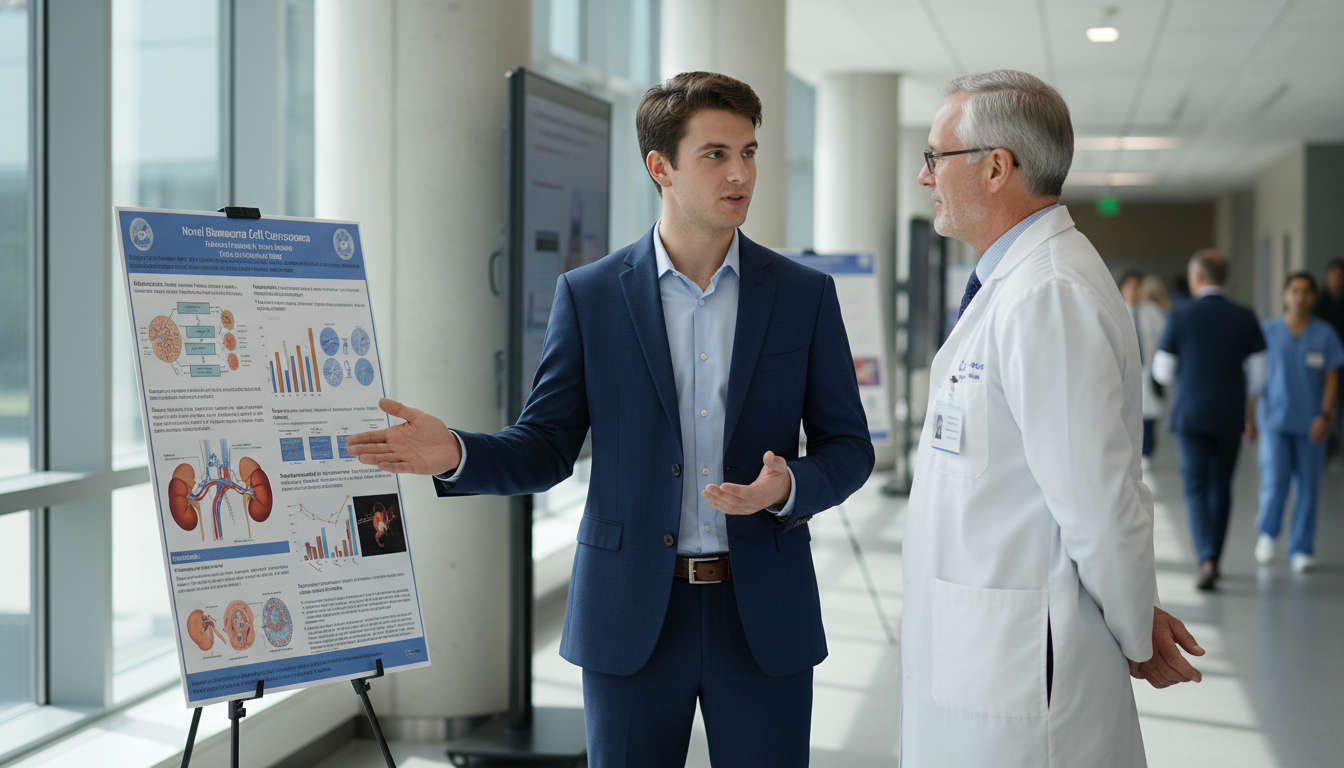
Conference abstracts and posters
- Addiction medicine, internal medicine, family medicine, psychiatry, emergency medicine, or public health conferences
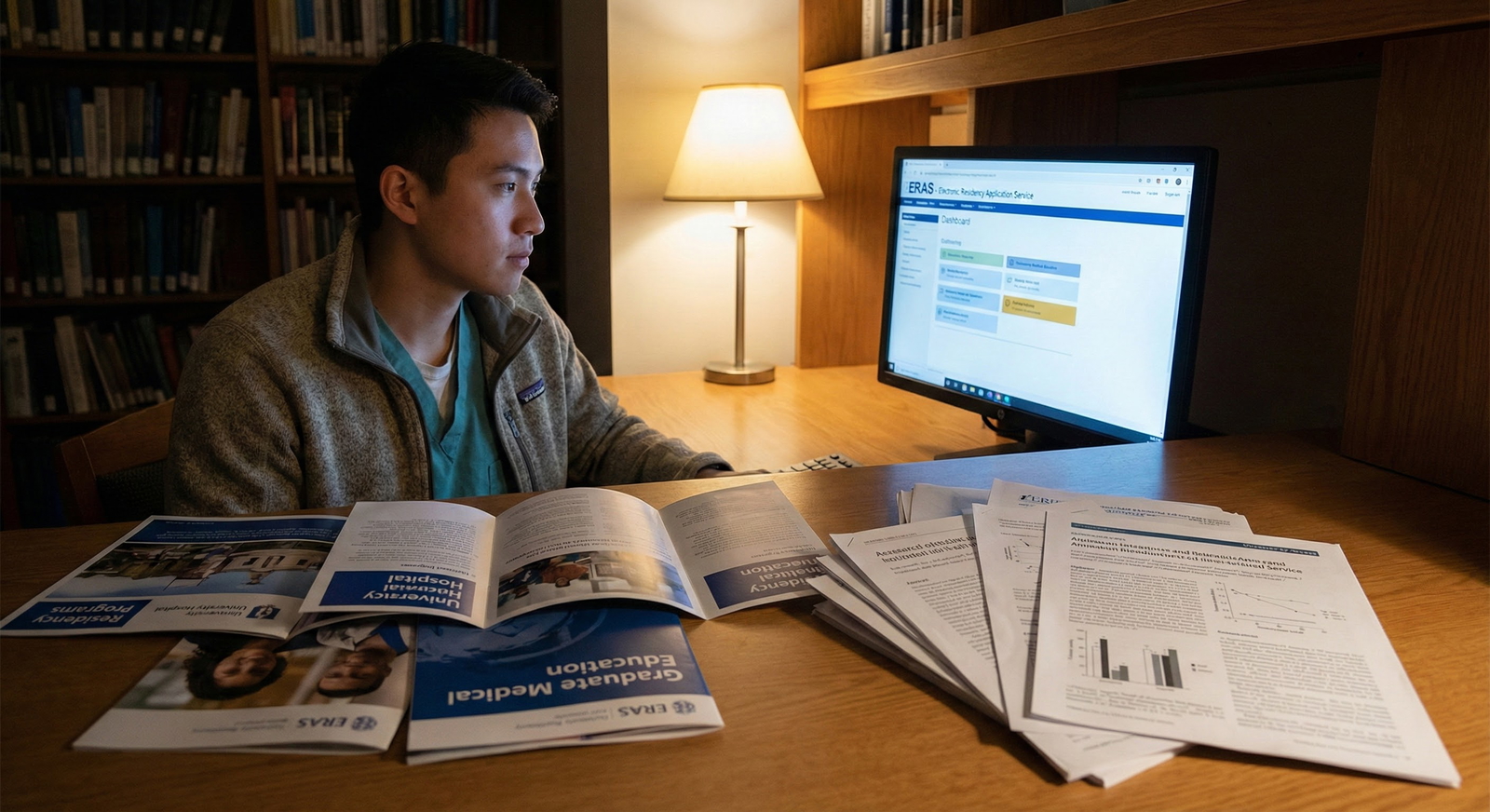
All of the above strengthen your research profile when clearly documented in ERAS and your CV.
2. Realistic expectations: how many publications needed?
There is no single magic number, but here are practical benchmarks for an MD graduate:
For core residency (e.g., IM, FM, Psych, EM):
- Competitive, research-heavy programs:
- 3–5+ scholarly products (not all need to be full papers)
- Mix of posters, abstracts, QI projects, maybe 1–2 publications
- Solid, community or mid-tier academic programs:
- 1–3 scholarly products (QI, posters, case reports, smaller projects) can be sufficient
- Demonstrated involvement and follow-through matter more than count
For future addiction medicine fellowship:
By the time you apply to fellowship (often during PGY-3 or as an attending):
- A coherent track record in addiction-related topics is more important than raw numbers
- Many successful applicants have:
- Several posters/abstracts in addiction-related areas
- 1–3 addiction-relevant publications (could be original papers, QI reports, or reviews)
- A clear narrative tying research, clinical work, and advocacy together
So if you’re asking, “how many publications needed?” think less about a target number and more about:
- Do I demonstrate sustained interest in substance use and addiction?
- Is there evidence that I’ve followed projects to completion (abstracts, presentations, papers)?
- Can I talk intelligently about methods, limitations, and implications of my work?
3. Quality and coherence over volume
Admissions committees quickly spot “random” research—projects scattered across unrelated fields purely for CV padding. In addiction medicine, you gain more credibility by:
- Publishing fewer, more relevant projects in SUD-related topics
- Choosing experiences that build a theme: marginalized populations, overdose prevention, health policy, stigma, integration of mental health and SUD care, etc.
- Being able to explain why these topics matter to you and to your career plans
Building a Thematic Research Portfolio in Addiction Medicine
1. Identifying your niche within addiction medicine
Addiction medicine is broad. Narrowing to a focus area early can make research networking and project selection far easier. Consider themes such as:
Opioid use disorder and overdose prevention
- ED-initiated buprenorphine
- Take-home naloxone programs
- Fentanyl contamination and toxicology patterns
Alcohol use disorder
- Brief interventions in primary care
- Hospital-based withdrawal management and outcomes
- Implementation of pharmacotherapy (naltrexone, acamprosate)
Stimulant use disorder (methamphetamine, cocaine)
- Psychosis, cardiovascular complications
- Contingency management and behavioral interventions
Special populations
- Pregnant and postpartum patients with SUD
- Adolescents and young adults
- People experiencing homelessness
- Incarcerated or justice-involved populations
Systems and policy
- Barriers to MAT in primary care or rural settings
- Insurance coverage and prior authorizations
- Decriminalization, harm reduction policies, supervised consumption sites
Choosing a niche does not lock you in, but it gives a direction that helps you select mentors and projects strategically.
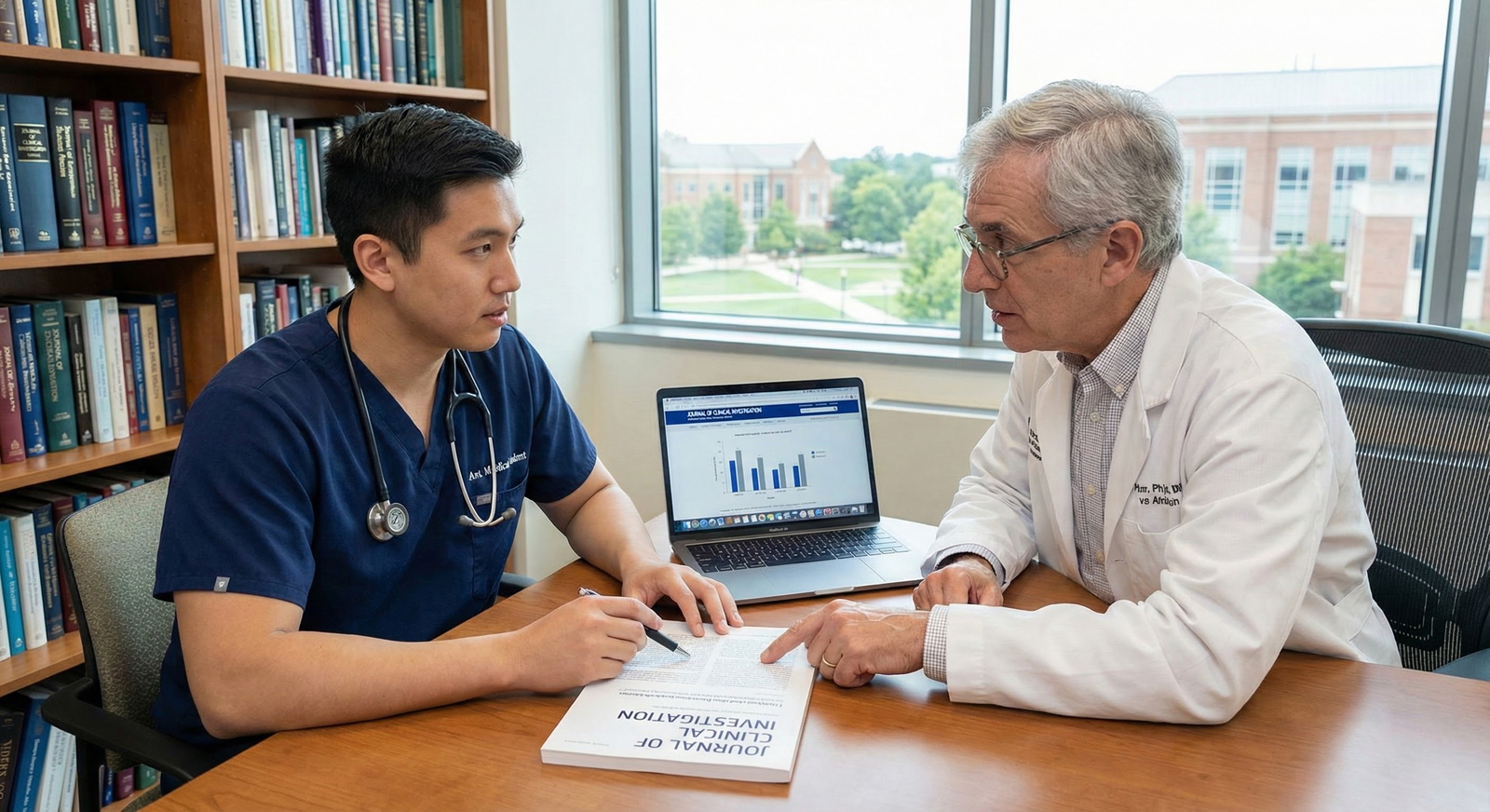
2. How to find mentors and research groups
As an MD graduate, you may be in one of three positions:
- Still at your allopathic medical school or doing a research year
- In a transitional or preliminary year
- Working clinically pre-residency or between steps
Regardless of your current location:
Search existing faculty profiles
- Look for terms: “addiction medicine,” “substance use disorder,” “addiction psychiatry,” “harm reduction,” “opioid therapy,” “pain and addiction.”
- Check departments of Internal Medicine, Family Medicine, Psychiatry, Emergency Medicine, Public Health.
Target addiction-related units
- Hospital-based addiction consult services
- Outpatient addiction clinics or methadone programs
- Pain management clinics with addiction focus
- Center for behavioral health or substance abuse training programs
Contact potential mentors efficiently
- Craft a concise email:
- State your background (MD graduate, interested in X specialty for residency).
- Briefly describe your interest in addiction medicine.
- Mention any prior research skills (basic stats, survey tools, chart review, QI).
- Propose meeting to discuss ongoing projects and ways to contribute.
- Attach a 1-page CV and, if possible, a brief statement of interest (3–4 sentences).
- Craft a concise email:
Leverage cross-disciplinary mentors
- Public health, epidemiology, sociology, and health policy faculty often welcome clinically oriented collaborators interested in SUD-related topics.
3. Matching project type to your timeline
You must balance ambition with time, especially close to application season. Choose projects based on how long you have:
3–6 months until ERAS opens
- Feasible: Case reports, chart reviews with limited data extraction, secondary analysis of existing datasets, QI projects with early results, conference abstracts.
- Aim: At least one tangible, “listable” output (abstract, poster, submitted manuscript).
6–12 months
- Feasible: More substantial retrospective studies, survey projects, multi-step QI initiatives, educational interventions with pre–post data.
- Aim: At least one submitted or accepted paper + multiple presentations.
>12 months (research year / pre-residency period)
- Feasible: Prospective cohorts, multi-site projects, in-depth implementation research, mixed-methods studies.
- Aim: Build a small portfolio around a single theme (e.g., overdose prevention or MAT implementation).
4. Actionable example: A focused addiction research path
Imagine you plan to apply to internal medicine, then addiction medicine fellowship:
Year 1 (late med school / immediately post-grad)
- Join a retrospective study: “Initiation of buprenorphine in hospitalized patients: outcomes at 3 months.”
- Take responsibility for data cleaning and first draft of methods.
- Present a poster at a regional addiction or internal medicine conference.
Year 2 (early residency)
- Start a QI project: “Improving naloxone prescribing at hospital discharge after overdose.”
- Collect baseline data, implement an EMR alert, evaluate change.
- Present at hospital QI days and submit an abstract to a national conference.
Year 3 (later residency)
- Coauthor a review article: “Substance abuse training in internal medicine residencies: gaps and opportunities.”
- Collaborate with faculty in addiction medicine and medical education.
- Use this review to frame your fellowship personal statement and research goals.
By the time you apply for addiction medicine fellowship, you’ve built a coherent profile bridging clinical care, systems improvement, and education—all highly valued in the field.

Practical Skills and Tools to Strengthen Your Research Portfolio
1. Core research skills for addiction medicine
Invest early in a set of skills that will help you across multiple projects:
Literature searching
- Comfort with PubMed, Embase, Cochrane Library
- Ability to rapidly identify high-quality RCTs, meta-analyses, and guidelines
Critical appraisal
- Understanding bias, confounding, and limitations common in SUD research
- Familiarity with screening tools and outcome measures (e.g., AUDIT-C, COWS, CIWA, DSM-5 criteria for SUD)
Basic statistics
- Descriptive statistics, chi-square tests, t-tests, logistic regression basics
- Understanding of common outcomes: abstinence rates, retention in treatment, overdose, ED utilization
Study design
- Retrospective vs prospective, cross-sectional vs longitudinal
- Pragmatic vs explanatory trials, especially in implementation research
Qualitative methods (optional but powerful)
- Basic thematic analysis for interview or focus group data
- Particularly relevant for stigma, patient experience, and systems-level studies
These skills not only improve your research but also make you a more insightful clinician in addiction medicine.
2. Short, high-yield training you can complete as an MD graduate
Consider structured opportunities to boost your skills quickly:
- Online introductory biostatistics and epidemiology courses (Coursera, edX, university offerings)
- Short workshops from your institution’s clinical and translational science center
- Responsible conduct of research / IRB training (often required for participation in studies)
- Addiction-specific training modules:
- NIDA, SAMHSA, ASAM online trainings
- Modules on buprenorphine waiver training (where applicable)
Adding certificates or completed modules to your CV supports your interest in substance abuse training and evidence-based practice.
3. Documentation: how to present research on your CV and ERAS
For MD graduate residency applications, you’ll typically list:
Peer-reviewed publications
- Include all authors, title, journal, year, PMID if available.
- Clearly distinguish between “accepted,” “in press,” and “submitted.”
Abstracts, posters, and oral presentations
- Title, conference, location, date, authors.
- Specify if you were first author, presenter, or coauthor.
Non–peer-reviewed work
- Educational materials, online modules, institutional reports.
- Label appropriately; be honest and consistent.
Research experiences (even without publications)
- Describe your role: data collection, analysis, manuscript drafting, IRB submission.
- Highlight addiction-related content explicitly.
You want reviewers to immediately see the addiction medicine thread through your scholarly output.
Strategically Aligning Research With Your Long-Term Addiction Medicine Goals
1. Crafting your narrative for personal statements and interviews
Your research is most powerful when it supports a clear narrative:
- What first drew you to addiction medicine?
- Which patients or clinical experiences were turning points?
- How did your research deepen or refine your understanding of SUD?
- How will you continue scholarly work in residency and during addiction medicine fellowship?
For example:
“During my internal medicine clerkship, I frequently cared for patients admitted with complications of injection drug use. I felt unprepared to support them beyond acute management. This led me to join a research project evaluating hospital-based buprenorphine initiation. Analyzing re-admission and ED visit data showed me how evidence-based addiction treatment could transform trajectories. I now hope to train in internal medicine and pursue addiction medicine fellowship, combining clinical care with implementation research to expand access to MAT.”
This kind of story is compelling because it ties research → insight → future goals.
2. Using research to explore potential core specialties
If you’re undecided between, say, psychiatry vs internal medicine vs family medicine as your core route to addiction medicine, research can help you clarify:
- Psychiatric comorbidity and behavioral treatments → may pull you toward psychiatry
- Chronic disease management and primary care integration → may pull you toward IM or FM
- ED-based overdose interventions → may pull you toward emergency medicine
Engaging in projects across different settings (inpatient, outpatient, ED, community clinics) helps you understand where you feel you can contribute most.
3. Maintaining momentum during residency
Once you match into a residency via the allopathic medical school match process, keeping research momentum is critical if you aim for an addiction medicine fellowship:
Seek an addiction medicine or behavioral health faculty mentor in your new program early in PGY-1.
Continue or expand your prior themes:
- If you studied naloxone policies, expand to multi-site comparisons or intervention studies.
- If you focused on pregnant patients with SUD, partner with OB/GYN and pediatrics for joint projects.
Use scholarly activity requirements in residency to formalize your projects:
- QI requirements → overdose prevention or SUD screening projects
- Residency research tracks → more robust addiction research
Apply for small resident research grants if available; these often favor high-impact public health topics like SUD.

Common Pitfalls and How to Avoid Them
1. Overcommitting and underdelivering
Enthusiastic MD graduates often join too many projects at once and struggle to complete them. To avoid this:
- Start with one or two projects where your role is well-defined.
- Ask explicitly: “What will my authorship position likely be if I carry out these tasks?”
- Set concrete timelines with mentors and check in regularly.
2. Projects with no clear path to dissemination
Some projects sound interesting but never make it beyond a spreadsheet. Before committing:
- Ask: “What is the planned product—abstract, poster, paper, QI report?”
- Ask: “Is there an existing IRB approval, or will we need to apply?”
- Evaluate: “Does the mentor have a track record of publishing or presenting similar work?”
Choose projects where there is a realistic path to something you can list as a scholarly product.
3. Neglecting basic research ethics and professionalism
In addiction medicine, your research frequently involves highly vulnerable populations. You must safeguard:
- Confidentiality and de-identification of data
- Respectful, non-stigmatizing language in all written materials
- Clear informed consent processes where applicable
Unethical or sloppy research conduct can damage both your career and the communities you aim to help.
4. Downplaying non-addiction research
Not all your work must be SUD-specific. For an MD graduate residency application:
- General internal medicine, psychiatry, emergency, public health, or even basic science research still adds value.
- Frame non-addiction projects in terms of transferable skills: study design, data analysis, teamwork, scientific writing.
- Position your addiction-related projects as the core of your narrative, complemented by broader experiences.
Frequently Asked Questions (FAQ)
1. I’m an MD graduate with no prior addiction-related research. Is it too late to build a competitive profile?
No. You can make meaningful progress in 6–12 months if you prioritize wisely. Start by:
- Identifying 1–2 addiction-focused mentors
- Joining an ongoing project where data collection is already underway
- Taking on clearly defined tasks (data cleaning, simple analysis, drafting sections)
- Aiming for at least one conference abstract/poster and, if possible, a submitted manuscript before ERAS
Even a single, well-executed project plus thoughtful reflection in your personal statement can show serious commitment.
2. For residency applications, how many publications needed to stand out if I’m targeting addiction medicine long-term?
There is no strict threshold. Many successful addiction-focused applicants have:
- 1–2 peer-reviewed publications (not necessarily first-author)
- A small set of posters/abstracts (2–4) related to SUD or adjacent topics
- Additional QI or educational projects
Residencies appreciate trajectory and coherence more than hitting a specific number. Showing that you’ve contributed meaningfully to projects and seen them through to presentation or publication is more important than accumulating a long but superficial list.
3. Does my research have to be exclusively about addiction, or can related topics still help?
Related topics absolutely count and can strengthen your application, such as:
- Chronic pain and opioid prescribing
- Depression, anxiety, or psychosis in patients with SUD
- Homelessness, incarceration, social determinants of health
- ED utilization, frequent admissions, or complex care management
If you can connect these topics to your interest in addiction medicine in your personal statement and interviews, they will still support your overall narrative.
4. I’m worried because most of my research is basic science, not clinical or public health. Will that hurt my addiction medicine goals?
Not necessarily. Basic science research still demonstrates critical skills:
- Hypothesis-driven thinking
- Data analysis and problem-solving
- Resilience and attention to detail
To optimize your profile:
- Seek at least one clinical or population-level project related to SUD or behavioral health, even if small.
- In your personal statements, articulate how your basic science background prepared you to evaluate evidence critically and why you are now pivoting to clinical addiction medicine.
Programs appreciate applicants who grow and redirect their skills toward patient-centered work, especially in an area as impactful as addiction medicine.
By approaching research strategically—focusing on relevance, coherence, and follow-through—you can build a research profile that strengthens your MD graduate residency application now and sets you up for a fulfilling career and eventual addiction medicine fellowship in the future.