Understanding the Research Expectations in Cardiothoracic Surgery
Cardiothoracic surgery is one of the most competitive specialties in the world—and this is even more true for a non-US citizen IMG or foreign national medical graduate. Program directors know that you will have limited clinical exposure in the US prior to residency, so your research portfolio becomes one of the most powerful ways to demonstrate:
- Academic potential
- Commitment to heart surgery training
- Ability to work in high-intensity, team-based environments
- Long-term interest in cardiothoracic surgery rather than a last-minute decision
Before you plan your strategy, you need to understand what “research strength” actually means in this field.
What Cardiothoracic Surgery Programs Look for in Research
While each program is unique, most academic cardiothoracic surgery residency programs in the US consistently look for:
Evidence of sustained involvement
- At least 1–2+ years of meaningful research engagement
- Ideally including at least one dedicated research year (or more) in the US
- Continuity in a related cardiothoracic, cardiovascular, or surgical domain
Concrete scholarly output
- Peer-reviewed publications (first-author or significant middle-author)
- Conference abstracts, posters, and oral presentations
- Book chapters or invited reviews in relevant areas
- Quality matters more than sheer quantity, but volume still signals productivity
Relevance to cardiothoracic surgery or related fields
- Adult cardiac surgery (CABG, valve, aortic surgery)
- Congenital heart surgery
- Thoracic oncology (lung, esophagus, mediastinum)
- Heart failure, LVAD, ECMO, transplant
- Cardiovascular outcomes, imaging, perfusion, or critical care research
Mentorship and letters of recommendation
- Strong letters from well-known cardiothoracic or cardiovascular faculty
- Evidence that you contributed significantly and independently
- Descriptions of your work ethic, initiative, and problem-solving
A coherent narrative
- Your research supports a clear story: who you are, why cardiothoracic, and where you’re headed
- A logical progression from early interest → research skills → deeper specialization
How Many Publications Are “Enough”?
One of the most common questions is: how many publications are needed?
There is no universal threshold, but for a non-US citizen IMG interested in cardiothoracic surgery, competitive profiles often look like:
Minimum competitive baseline (for serious consideration):
- 3–5 total peer-reviewed publications (not necessarily all first-author)
- 3–8 abstracts/posters/presentations
- Some work clearly related to cardiothoracic or cardiovascular fields
Stronger academic profile:
- 6–15+ peer-reviewed publications
- 8–20+ presentations
- At least a few first-author works
- Direct cardiothoracic surgery or high-impact cardiovascular research
Research-focused or “academic surgeon” trajectory:
- 15+ publications, multiple first-author, some in higher impact journals
- National/international presentations (STS, AATS, EACTS, ACC, ATS, etc.)
- Possibly a master’s degree (MPH, MS, PhD) or multiple dedicated research years
Programs will not screen you on a single number. But because of visa barriers and limited US clinical exposure, strong research for residency can help compensate and signal that you bring unique academic value.
The real question is less “how many publications needed?” and more:
- Are your projects substantial, not just your name in a long author list?
- Does your research tell a coherent story aligned with heart surgery training?
- Do you have mentors willing to advocate strongly for you?
Choosing Your Research Path: Fields, Mentors, and Locations
For a foreign national medical graduate targeting cardiothoracic surgery residency, the strategic decisions you make before starting research are critical.
Prioritize Research That Aligns with Cardiothoracic Surgery
Your ideal portfolio will include a mix of:
Direct cardiothoracic surgery research
- Outcomes of CABG vs PCI in specific populations
- Valve repair vs replacement outcomes
- Surgical aortic aneurysm repair, TAVI vs open surgery
- Enhanced recovery after cardiac or thoracic surgery
- Minimally invasive or robotic techniques
Closely related cardiovascular or thoracic fields
- Heart failure and LVAD outcomes
- ECMO, critical care, post-cardiac surgery ICU management
- Lung cancer surgery outcomes, thoracic oncology
- Atrial fibrillation, structural heart disease
- Perioperative cardiac imaging (echo, CT, MRI, TEE)
Foundational research demonstrating strong methodology
- Biostatistics-heavy outcomes studies
- Health services research (access to cardiac surgery, disparities)
- Basic science or translational work in myocardial protection, ischemia-reperfusion, graft biology, or tissue engineering
If direct cardiothoracic roles are unavailable early on, start in cardiology, thoracic oncology, or critical care—then gradually transition toward surgery as you build a network.
Selecting the Right Mentor as a Non-US Citizen IMG
Your mentor choice is as important as the research topic.
Factors to prioritize:
Position and connectivity
- Surgeon-scientists in cardiothoracic surgery divisions
- Cardiologists, intensivists, or thoracic oncologists with strong ties to CT surgeons
- Faculty who frequently publish and present nationally
Track record with IMGs and foreign nationals
- Have they successfully helped a non-US citizen IMG into residency or fellowship?
- Do they understand the visa and timeline challenges you face?
Active projects and realistic opportunities
- Ongoing registries, databases, prospective trials, or lab projects
- Clear roles for you: data collection, statistical analysis, manuscript drafting
- A roadmap from “start” to publication, not just vague ideas
Availability and mentorship style
- Regular meetings or check-ins
- Feedback on manuscripts, presentation skills, and career planning
- Openness to write strong letters of recommendation
You are not just choosing a research project—you are choosing a professional sponsor for your career.
US vs Home-Country Research: What Matters More?
For a non-US citizen IMG, both can be valuable if used strategically:
Research in your home country:
Pros:
- Easier access initially
- Faster to get involved; fewer visa or language barriers
- Can help you build foundational research skills and early publications
Cons:
- May be less visible to US faculty
- Limited networking with US cardiothoracic surgeons
- Harder to get US letters of recommendation
US-based research (especially in academic centers):
Pros:
- Direct exposure to US academic culture
- Opportunities with US mentors and major societies (STS, AATS, ACC, ATS)
- US-based letters, which are often critical for competitive specialties
- Stronger alignment with US patient populations and systems
Cons:
- Requires visa support (J-1 research visa or similar)
- Highly competitive to secure funded positions
- Requires planning 12–18 months in advance
Optimal strategy:
Use home-country research to build early skills and output, then aim for 1–2 years of full-time US-based research in cardiothoracic surgery or a closely related field before applying.

Building a Stepwise Research Portfolio: From Zero to Strong Candidate
If you are starting from very little research experience, you can still build a competitive profile through a structured, stepwise plan.
Stage 1: Foundation – Learn Methods and Join Any Feasible Project
Goal: Gain basic research literacy and tangible involvement.
Actions:
Learn core research skills
- Study basics of study design (cohort, case-control, RCT, systematic reviews)
- Learn statistics fundamentals: p-values, confidence intervals, regression
- Familiarize yourself with R or Python, or at least SPSS/Stata
- Complete free courses (Coursera, edX, NIH, ICH-GCP) focusing on clinical research
Join any accessible project
- Work with faculty in cardiology, internal medicine, critical care, oncology, or surgery in your home institution
- Offer help with data collection, literature reviews, or drafting methods/introductions
- Be reliable and fast—this is how you earn trust and more responsibility
Produce early low-barrier outputs
- Case reports of unique cardiothoracic-related cases (rare congenital anomalies, complex valve disease, novel thoracic tumors, ECMO cases)
- Letters to the editor or brief communications
- Local conference posters or oral talks
These may not be high-impact, but they demonstrate initiative and help answer “how many publications needed” with tangible progress.
Stage 2: Focus – Move Toward Cardiac/Thoracic-Relevant Topics
Once you’ve built some early skills, strategically refocus:
Target faculty connected to cardiothoracic surgery
- Cardiac surgeons at major teaching hospitals (even at a distance through email)
- Cardiologists involved in structural heart disease or imaging for surgery
- Thoracic oncologists collaborating with thoracic surgeons
- Intensivists managing post-op cardiac surgery patients
Look for project types that scale your impact
- Retrospective database studies of cardiac or thoracic surgery patients
- Systematic reviews and meta-analyses (high-yield for first authorship)
- Large registry collaborations (heart failure, transplant, congenital databases)
- Quality improvement projects in perioperative care, transfusion practices, or post-surgical outcomes
Take on increasingly central roles
- Move from simple data entry to:
- Protocol design assistance
- Data analysis under supervision
- Manuscript drafting (especially introduction and discussion)
- Aim for at least some first-author papers at this stage
- Move from simple data entry to:
Your CV should now show a transition from general medicine to clear cardiothoracic relevance.
Stage 3: Intensification – Dedicated Research Time (Ideally in the US)
For a non-US citizen IMG seriously targeting cardiothoracic surgery, a dedicated research year (or more) in the US can be transformative.
How to secure such a position:
Identify target institutions
- Hospitals with integrated cardiothoracic surgery residency or fellowships
- Centers known for strong CT research (STS database work, LVAD programs, transplant centers, high-volume thoracic oncology units)
Cold-email strategically
- Write concise, customized emails to potential mentors:
- Introduce your background and specific interest in cardiothoracic surgery
- Attach a focused CV with your existing publications and skills
- Propose what you can contribute (data analysis, systematic reviews, database work)
- Indicate your visa status and funding possibilities honestly
- Write concise, customized emails to potential mentors:
Prepare to accept research positions that are:
- Volunteer or minimally paid initially (if you have external support)
- One-year contracts with potential for extension
- Focused on outcomes research, big data, or clinical projects
During your US research year(s), your goals should include:
- 3–8+ new publications, ideally with:
- Several first-author papers
- Direct cardiothoracic or high-quality cardiovascular focus
- 5–10+ conference presentations
- Active membership and presentations at national meetings (STS, AATS, ACC, ATS, SCCM)
- At least 2–3 strong letters of recommendation from US-based senior faculty
By this stage, your research profile should clearly signal a highly motivated future academic cardiothoracic surgeon.
Making Your Research Work for You in the Match
Research is only powerful if you know how to present it. Program directors need to quickly understand the depth behind your CV lines.
Presenting Your Research in ERAS
When filling out ERAS:
Be accurate and honest
- Clearly distinguish between published, in-press, submitted, and in-progress
- Do not list “submitted” papers that are speculative—only those truly under review
Highlight cardiothoracic relevance
- Use titles and descriptions to emphasize CT aspects:
- Instead of: “Outcome of cardiac patients after ICU stay”
- Use: “Postoperative outcomes in cardiac surgery patients requiring prolonged ICU care”
- Use titles and descriptions to emphasize CT aspects:
Describe your role explicitly
- “Conceived the study and drafted the manuscript”
- “Performed data extraction and statistical analysis”
- “Led systematic review protocol, coordinated co-authors, and was first author”
This helps reviewers see that you were not a passive bystander.
Talking About Your Research in Interviews
In cardiothoracic surgery interviews, you will almost certainly be asked about your projects.
Prepare to:
Explain one or two major projects in depth
- Background: What clinical problem or knowledge gap were you addressing?
- Methods: Why that design? How did you collect and analyze data?
- Results: Key findings in plain language
- Implications: How might this affect surgical practice or patient care?
Show your growth over time
- Early simple projects → more sophisticated designs and senior roles
- Skills you acquired: biostatistics, database management, IRB processes, manuscript drafting
Connect research to your future
- How will you continue research in residency?
- What long-term academic questions do you want to pursue in cardiothoracic surgery?
Program directors are not only evaluating what you did—they’re evaluating whether you can become an independent academic surgeon.
Leveraging Publications for Networking
Your publications and presentations are also tools for building relationships:
- Reach out to authors who work in your interest area and mention you cited or read their work
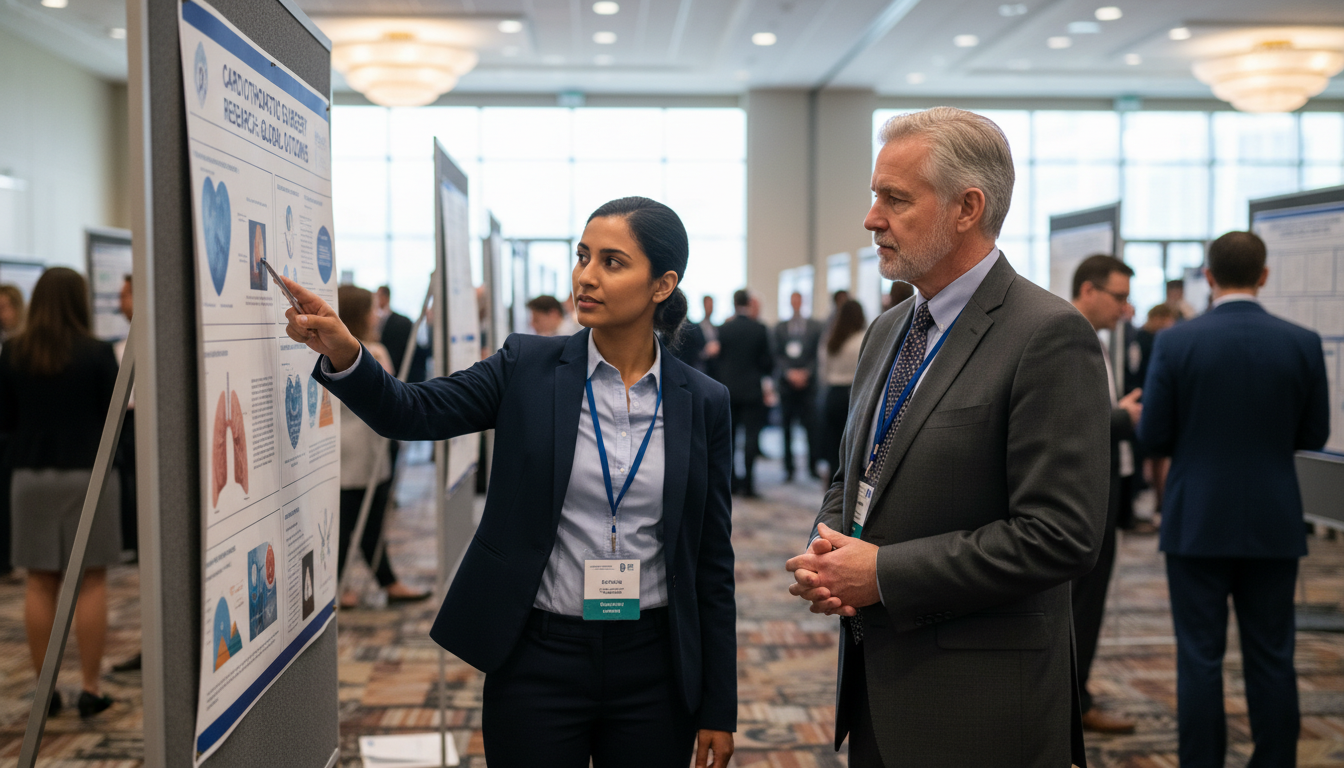
- At conferences, introduce yourself to faculty using your poster or talk as conversation entry
- Ask mentors to introduce you to Program Directors or CT surgeons at meetings
Your research portfolio should open doors, not only fill CV lines.
Common Pitfalls and How to Avoid Them as a Non-US Citizen IMG
Even highly motivated applicants can weaken their profile by falling into avoidable traps.
Pitfall 1: Chasing Quantity Over Substance
Focusing purely on “how many publications needed” can push you toward:
- Dozens of low-impact, poorly designed projects
- Minimal involvement in each project
- Little ability to discuss methodology or significance in interviews
Solution:
Aim for a balanced portfolio:
- A core set of substantial, first-author or major contributions
- A supporting layer of smaller case reports or letters
- Be able to discuss at least 2–3 projects in depth
Pitfall 2: Completely Unrelated Research Fields
Doing research in areas with no plausible relationship to cardiothoracic surgery—such as dermatology, psychiatry, or obstetrics—weakens your narrative.
Solution:
- If your early work is in unrelated fields, gradually transition:
- Add projects in cardiology, thoracic oncology, ICU, or vascular surgery
- Eventually move toward direct cardiothoracic projects in your US research time
- In your personal statement and interviews, clearly explain the transition and what you learned.
Pitfall 3: Neglecting Authorship Position and Role
A long list of papers where you are the 15th author with minimal involvement is less impressive.
Solution:
- Prioritize projects where you can be:
- First or second author
- Clearly responsible for major parts of the work
- Even one or two strong first-author papers in cardiothoracic-related fields can carry substantial weight.
Pitfall 4: Weak Documentation and Follow-through
Many IMGs help with early project stages but never follow the paper to submission and publication.
Solution:
- Stay in continuous contact with the team and ask to help with later stages
- Offer to draft the introduction, discussion, or revise the manuscript
- Learn basic reference management and formatting to add value at submission time
- Keep personal records of all projects with timelines and contributions
FAQs: Research Profile Building for Non-US Citizen IMG in Cardiothoracic Surgery
1. As a non-US citizen IMG, do I need a dedicated research year in the US to match into cardiothoracic surgery?
You can match without a US research year, but it is significantly harder—especially in highly academic programs. A full-time research year (or 2) in a US academic center substantially boosts your chances by providing:
- US-based letters of recommendation
- In-depth, cardiothoracic-focused publications
- Familiarity with the US system and visibility to program leadership
For the most competitive pathways, a US research year is strongly recommended.
2. How many publications are typically seen in successful cardiothoracic surgery applicants who are foreign nationals?
There is wide variation, but many successful non-US citizen IMGs in cardiothoracic-related pathways have:
- Around 5–15+ peer-reviewed publications
- Several first- or second-author papers
- Multiple presentations at national/international conferences
However, quality and relevance often matter more than hitting a specific number. A well-focused portfolio aligned with heart surgery training can be more powerful than a random collection of papers.
3. Does basic science research help, or should I focus only on clinical cardiothoracic research?
Both can help, but each has strengths and limitations:
- Clinical research (outcomes, registries, imaging, perioperative care) is easier to discuss in interviews and more directly translatable to residency training.
- Basic science (molecular pathways, tissue engineering, graft biology) can be very valuable if you plan a research-heavy academic career, but it takes longer to produce publications.
If you have limited time, prioritize clinical or outcomes research with clear cardiothoracic relevance. If you have multiple years and strong mentorship, a mix of both is excellent.
4. My early research is in non-related specialties. Will this hurt my application?
Not necessarily, especially if you:
- Show a clear progression into cardiothoracic-related areas over time
- Explain how early research taught you core skills (methods, statistics, teamwork)
- Highlight later projects that are directly relevant to heart surgery training
The key is to evolve your portfolio so that, by the time you apply, your recent and most important work is clearly cardiothoracic-focused and supported by strong letters from faculty in related fields.
By approaching research strategically—choosing the right mentors, focusing on cardiothoracic-related topics, targeting impactful roles, and translating your work into a strong narrative—you can transform the obstacles of being a non-US citizen IMG into a compelling, research-driven strength for your cardiothoracic surgery residency application.