Understanding the Role of Research in a Medical Genetics Residency Match
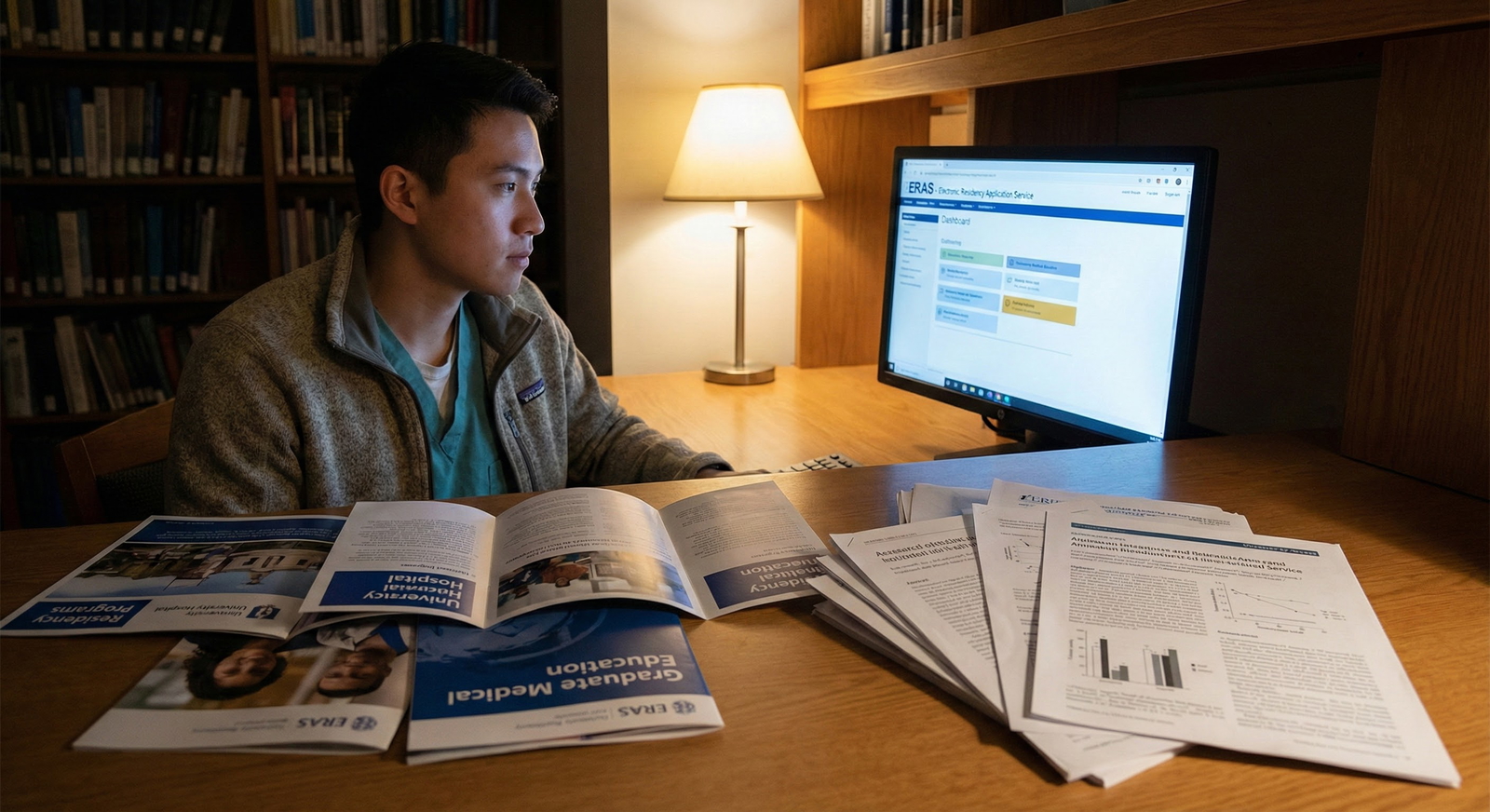
For a DO graduate targeting a medical genetics residency, a strong research profile is one of the most powerful differentiators in a relatively small, academic-leaning specialty. Medical genetics is inherently research-heavy: programs are often embedded in major academic centers, and faculty are deeply engaged in discovery, translational science, and clinical research. Even if you aim to be primarily a clinician, your ability to understand and contribute to research will matter.
At the same time, being a DO graduate adds a layer of strategy. Some applicants worry that coming from an osteopathic medical school might disadvantage them compared with MD peers in the osteopathic residency match or the broader NRMP match. Thoughtful research engagement can help you:
- Demonstrate academic rigor and curiosity
- Show comfort with molecular and genomic concepts
- Signal that you can thrive in an academic environment
- Bridge any perceived gap between DO and MD training
- Stand out in a relatively small pool of applicants
This article focuses on practical, step‑by‑step research profile building for a DO graduate aiming for a medical genetics residency. We’ll cover how to get started, what types of projects matter, how to think about publications for match, and how to present your research effectively on your application and interviews.
Setting Realistic Goals: How Strong Should Your Research Profile Be?
Before you dive into projects, it helps to define what “strong enough” looks like for the genetics match.
How research-focused are medical genetics programs?
Most medical genetics residency programs are based at:
- Academic medical centers
- Children’s hospitals with strong subspecialty services
- Institutions with robust departments in genomics, oncology, and maternal–fetal medicine
Faculty in these settings often value:
- Exposure to scholarly work (even if it’s not genetics-specific)
- Ability to interpret literature critically
- Comfort discussing study design and basic statistics
- A track record that suggests you can collaborate and follow through
You do not need a PhD, a bench science background, or a dozen high-impact genetics papers. But you do benefit from:
- Some tangible scholarly output (ideally peer-reviewed or presented at a meeting)
- At least one experience clearly connected to genetics or genomics if possible
- Evidence that you understand how research informs patient care
How many publications are needed?
Applicants often ask, “How many publications needed for a strong medical genetics application?” There is no official cut-off, but some general benchmarks help:
- Minimum competitive baseline:
- 1–2 meaningful scholarly products (e.g., poster, case report, quality improvement (QI) project, or small study), not all have to be genetics-specific
- Stronger academic profile:
- 3–5 total scholarly items, including at least one first-author contribution and at least one with a direct link to genetics, genomics, or a related field (e.g., oncology, dysmorphology, metabolic disorders)
The key is quality and relevance, not just counting items. A well-executed, first-author poster on a rare genetic syndrome can impress more than being the 15th author on a large unrelated study.
Goal-setting for a DO graduate
As a DO graduate, consider aiming for:
- 1–2 genetics-adjacent projects by the time of application
- 2–3 additional scholarly activities in other fields (case reports, QI, clinical outcomes)
- Clear description of your role, the methods, and the impact in your ERAS/CV
If you are late to the game, you can still build a meaningful profile quickly with a focused strategy (e.g., case series, chart reviews, or QI projects), which we’ll cover below.

Choosing and Designing the Right Research for Residency
Not all research is equal—especially when your time and bandwidth are limited. For a medical genetics residency match, prioritize projects that are:
- Feasible in your time frame
- Doable with available mentorship and resources
- Linked to genetics, genomics, or inherited disease whenever possible
- Likely to produce something you can list on ERAS (abstract, poster, publication, QI project)
High-yield project types for a future geneticist
Case reports and case series of genetic conditions
- Great entry point for DO graduates with limited research background.
- Examples:
- A child with a rare chromosomal microdeletion syndrome seen during pediatrics rotation
- Adult patient with suspected mitochondrial disease
- Outcomes:
- Case report publication in a genetics, pediatrics, or internal medicine journal
- Poster/presentation at local or national meetings (e.g., ACMG, ASHG, AAP)
Retrospective chart reviews
- More substantial than a single case; shows ability to handle data.
- Examples:
- Review of diagnostic yield of exome sequencing in your institution
- Frequency and impact of genetic counseling referrals in NICU patients
- Outcomes:
- Abstracts, posters, potential original research paper
- Tip: Requires IRB approval; build in time for this step.
Quality Improvement (QI) projects with a genetics angle
- Highly valued because they connect directly to patient care.
- Examples:
- Improving appropriate ordering of genetic tests for developmental delay
- Increasing completion of family histories and pedigrees in outpatient clinics
- Outcomes:
- Presentations in institution QI forums
- Manuscript in a QI or genetics-in-practice journal
Basic or translational lab projects (if available)
- Helpful but not mandatory.
- Examples:
- Functional characterization of a novel variant
- Bench work in cancer genomics or pharmacogenomics
- Outcomes:
- Stronger for academic careers; may require more time and technical support.
Literature reviews and educational projects
- Good if clinical research resources are limited.
- Examples:
- Review of current management strategies for inborn errors of metabolism
- Development of an educational module on pharmacogenomics for your DO program
- Outcomes:
- Narrative review article
- Educational scholarship, curriculum presentations, teaching portfolios
Matching projects to your training stage
- Early in medical school (or early PGY-1):
- Focus on exposure and skills building: help with data collection, join ongoing projects, or write case reports.
- Mid-late clinical rotations (or PGY-1/2):
- Undertake more independent work: chart reviews, QI projects, small prospective studies if feasible.
- Gap year or research year (optional):
- Perfect opportunity for a more intensive project, possibly in a genetics lab or clinical genetics research unit.
Aligning with the osteopathic philosophy
As a DO graduate, you can highlight how your holistic, patient-centered perspective strengthens your research approach:
- Projects that examine quality of life, family impact, or systems-level care for patients with genetic disorders
- Studies that integrate biopsychosocial models with genomic medicine
- Research on improving communication, shared decision-making, and counseling around genetic testing
Use this to your advantage when you explain your work in your personal statement and interviews.
Finding Mentors, Opportunities, and Collaborators as a DO Graduate
A common barrier for DO graduates is limited access to large academic centers or established genetics departments. With some creativity, you can still build a solid network and research base.
Step 1: Start where you are
Look within your current institution:
- Identify faculty with:
- Genetics or genomics interests (even if they aren’t board-certified geneticists)
- Related fields: hematology/oncology, neurology, maternal-fetal medicine, pediatrics, metabolic diseases, pathology, pharmacology
- Talk to program leadership:
- Ask your DME, research office, or department chairs about ongoing projects and data sets.
- Leverage required rotations:
- During pediatrics, OB/GYN, internal medicine, and neurology, flag patients with suspected or confirmed genetic diagnoses. These may spark case reports or QI projects.
Practical script to email a potential mentor:
Dear Dr. [Name],
My name is [Your Name], and I am a [DO student/DO graduate/PGY-1 resident] with a strong interest in medical genetics. I’m hoping to develop my research experience, ideally with a project related to genetics or genomic medicine.
I would be grateful for the opportunity to discuss whether I could assist with any of your current projects or help develop a small project (such as a case report, chart review, or QI initiative). I am particularly interested in [briefly describe your interests].
Thank you for your time and consideration.
Sincerely,
[Your Name]
Step 2: Reach beyond your home institution
If your institution has limited genetics presence:
- Contact nearby academic centers
- Many university programs welcome motivated learners from surrounding DO schools or community hospitals.
- Ask about:
- Visiting elective rotations in medical genetics
- Remote opportunities for chart review or data analysis
- Virtual, multi-institution collaborations
- Some genetics projects (e.g., variant interpretation, literature reviews) can be done remotely with shared data sets.
- Professional societies
- ACMG (American College of Medical Genetics and Genomics) and ASHG (American Society of Human Genetics) offer:
- Trainee memberships
- Webinars on research methods and career paths
- Potential networking channels to meet mentors
- ACMG (American College of Medical Genetics and Genomics) and ASHG (American Society of Human Genetics) offer:
Step 3: Use structured programs and databases
- Research tracks or scholarly concentrations at your DO school
- Institutional research offices:
- Can connect you with ongoing projects, biostatistical support, and IRB guidance
- Online platforms:
- PubMed, ResearchGate, and institutional websites to identify faculty actively publishing in genetics-related topics
- Email them with a concise and respectful inquiry, similar to the script above
Step 4: Collaborate smartly
Being collaborative doesn’t mean being passive. To ensure your contributions are meaningful and recognized:
- Clarify your role at the start: data collection, literature review, analysis, manuscript drafting, etc.
- Ask early about authorship expectations.
- Document your tasks and deadlines, and communicate proactively.
- If a project stalls, politely ask whether:
- There’s a smaller piece you can move forward independently
- You can pivot to a related abstract or poster

Making Your Work Count: From Projects to Match-Ready Achievements
Doing the work is only half the battle; you must convert your efforts into tangible outputs that strengthen your osteopathic residency match prospects in medical genetics.
Turning projects into publications and presentations
For each project, aim for at least one of the following:
Peer-reviewed publication
- Original research, case reports, reviews, or QI reports
- For case reports, target journals that regularly publish them, including some focused on clinical genetics, pediatrics, internal medicine, or DO scholarship.
- As a DO graduate, consider both MD and DO-affiliated journals; the latter may be particularly receptive to osteopathic perspectives.
Conference presentations
- Posters or oral presentations at:
- National meetings: ACMG, ASHG, AAP, ACP, specialty-specific meetings
- Regional or institutional research days
- Presentations count as publications for match in ERAS under presentations/abstracts, and they demonstrate ability to communicate science.
- Posters or oral presentations at:
Institutional products
- Internal QI presentations, grand rounds talks, or educational modules.
- These may not be “publications” in the strict sense, but they show productivity and initiative.
Strategically listing your research on ERAS
On ERAS, you will list:
- Peer-reviewed publications
- Non–peer-reviewed articles (e.g., newsletters, educational pieces)
- Abstracts and posters
- Presentations
- Research experiences (even if still in progress)
For each entry:
- Use clear, standard citation format for publications and abstracts.
- Briefly describe your role: e.g., “Designed study, collected data, performed statistical analysis, drafted manuscript.”
- Highlight genetics relevance explicitly:
- “Assessed diagnostic yield of whole-exome sequencing in pediatric epilepsy.”
- “Case report of novel pathogenic variant in [gene] associated with cardiomyopathy.”
If a manuscript is submitted or in preparation:
- Be honest. For example: “Manuscript in preparation,” or “Manuscript under review at [journal].”
- Don’t exaggerate—program directors understand timelines.
Weaving your research into your personal statement
For a medical genetics residency personal statement:
- Choose 1–2 key projects, especially genetics-related ones.
- Explain:
- What question you were trying to answer
- What you actually did
- What you learned about genetics, patient care, and yourself
- How it shaped your future goals in genetics
Example:
During a pediatrics rotation, I encountered an infant with unexplained hypotonia and developmental delay. Working with my attending, I led a case report describing the eventual diagnosis of a rare chromosomal microdeletion. This experience taught me how genomic testing can transform diagnostic uncertainty into actionable information for families. It also highlighted the communication challenges inherent in discussing uncertain variants, sparking my interest in a career bridging clinical care and genetics research.
Discussing research in interviews
In interviews, you should be prepared to:
- Explain one or two projects in depth, including:
- Hypothesis or aim
- Methods and key findings
- Limitations and next steps
- Discuss what you learned about:
- Study design
- Data interpretation
- Collaboration
- Reflect on:
- How your osteopathic background informed your approach
- How you’ll integrate research into your future as a geneticist
Many interviewers will not quiz you on advanced statistics, but they will expect:
- Accurate and honest description of your role
- Basic understanding of the study’s implications
- Humility about limitations and credit to your team
Time Management, Common Pitfalls, and Strategic Planning
Balancing clinical work, board exams, and research is challenging. A plan helps ensure your research profile is ready by application season.
Year-by-year planning for a DO graduate
MS1–MS2 (if still in school):
- Build research skills: basic statistics, study design, reference management, reading literature.
- Join at least one ongoing project, even outside genetics.
- Aim for:
- 1 poster or small publication by end of MS2.
MS3–MS4 / Early PGY-1:
- Seek genetics-related opportunities during core rotations.
- Identify potential case reports and QI projects.
- Aim for:
- At least one genetics-relevant scholarly product (case, review, or QI)
- 1–2 additional projects in other specialties
PGY-1–PGY-2 (if applying after a preliminary or categorical residency):
- Solidify your interest in medical genetics.
- Complete and submit manuscripts.
- Present at least once (local or national).
- Prepare your ERAS entries, CV, and personal statement by early in the application year.
Common pitfalls for DO graduates and how to avoid them
Overcommitting without completion
- Joining too many projects can result in no finished products.
- Solution: Prioritize 1–3 high-yield projects and insist on concrete deliverables.
Waiting for “perfect” genetics projects
- You may not have access to a genetics lab or dedicated genetics faculty.
- Solution: Start with what you have (e.g., case reports, QI, collaborations in related fields) then build to more advanced projects as opportunities arise.
Underselling your achievements
- Listing “helped with research” without specifics weakens your profile.
- Solution: Clearly describe tasks and outcomes on ERAS. Be explicit about leadership roles.
Ignoring non-research ways to show academic engagement
- Teaching, curriculum design, and evidence-based presentations also show scholarship.
- Solution: Include educational projects and teaching in your CV and interviews. These are valued in academic genetics programs.
Balancing the rest of your application
A strong research profile does not compensate for:
- Poor clinical performance or unprofessional behavior
- Weak letters of recommendation
- Lack of genuine interest in genetics
Your research should support a cohesive narrative:
- You are clinically strong.
- You are intellectually curious.
- You understand and value research.
- You are committed to a career in medical genetics and genomics.
FAQs: Research Profile Building for DO Graduates in Medical Genetics
1. As a DO graduate, do I really need genetics-specific research to match into a medical genetics residency?
No, it’s not strictly required, but it is highly beneficial. Programs understand that not every applicant has easy access to genetics labs or clinics. However, having at least one project that touches on genetics, genomics, or inherited disease (e.g., a case report of a genetic syndrome, a chart review of genetic test utilization) helps demonstrate targeted interest and relevant skills. If genetics-specific projects are unavailable, focus on strong general research or QI experience and clearly articulate how those skills transfer to genetics.
2. How many publications are needed to be competitive in the genetics match as a DO graduate?
There is no rigid number. For many applicants, 1–3 peer-reviewed items (including case reports, reviews, or original research) plus a few posters or presentations is a solid profile. What matters more than the raw count is that:
- You can explain your role and the project’s impact.
- At least one project connects to genetics or related fields if possible.
- Your work shows follow-through, curiosity, and ability to function in an academic environment.
3. Does research outside of genetics still help my osteopathic residency match prospects in medical genetics?
Yes. Research in internal medicine, pediatrics, neurology, OB/GYN, or QI still builds:
- Methodologic skills
- Data interpretation ability
- Habits of scholarly inquiry
These are valuable in any academic specialty, including medical genetics. In your application materials, explicitly state what you learned and how you will apply those skills in genomic medicine.
4. I’m starting late and have no publications. What’s the fastest way to build a meaningful research profile before applying?
Focus on feasible, high-yield projects:
- Identify potential case reports from recent clinical rotations, especially patients with suspected or confirmed genetic diagnoses.
- Join a chart review or QI project that’s already in motion, even if not genetics-specific.
- Aim for at least one poster presentation at your institution’s research day or a regional meeting.
Work closely with a mentor who can help you move quickly from idea to submission and ensure your contributions lead to tangible output.
By approaching research strategically—as a DO graduate targeting a medical genetics residency—you can build a profile that not only strengthens your residency match chances but also lays the foundation for a rewarding career at the intersection of clinical care and genomic discovery.