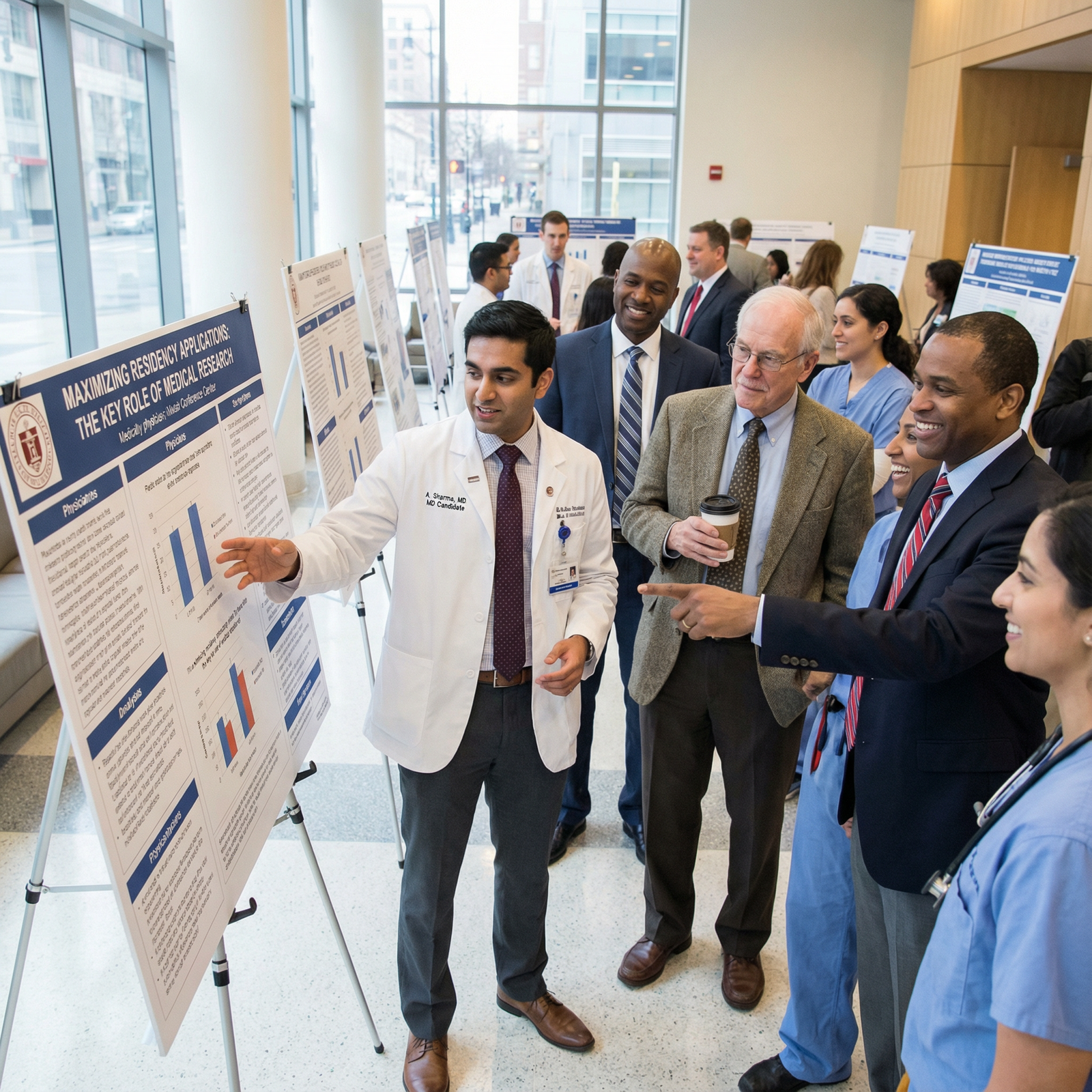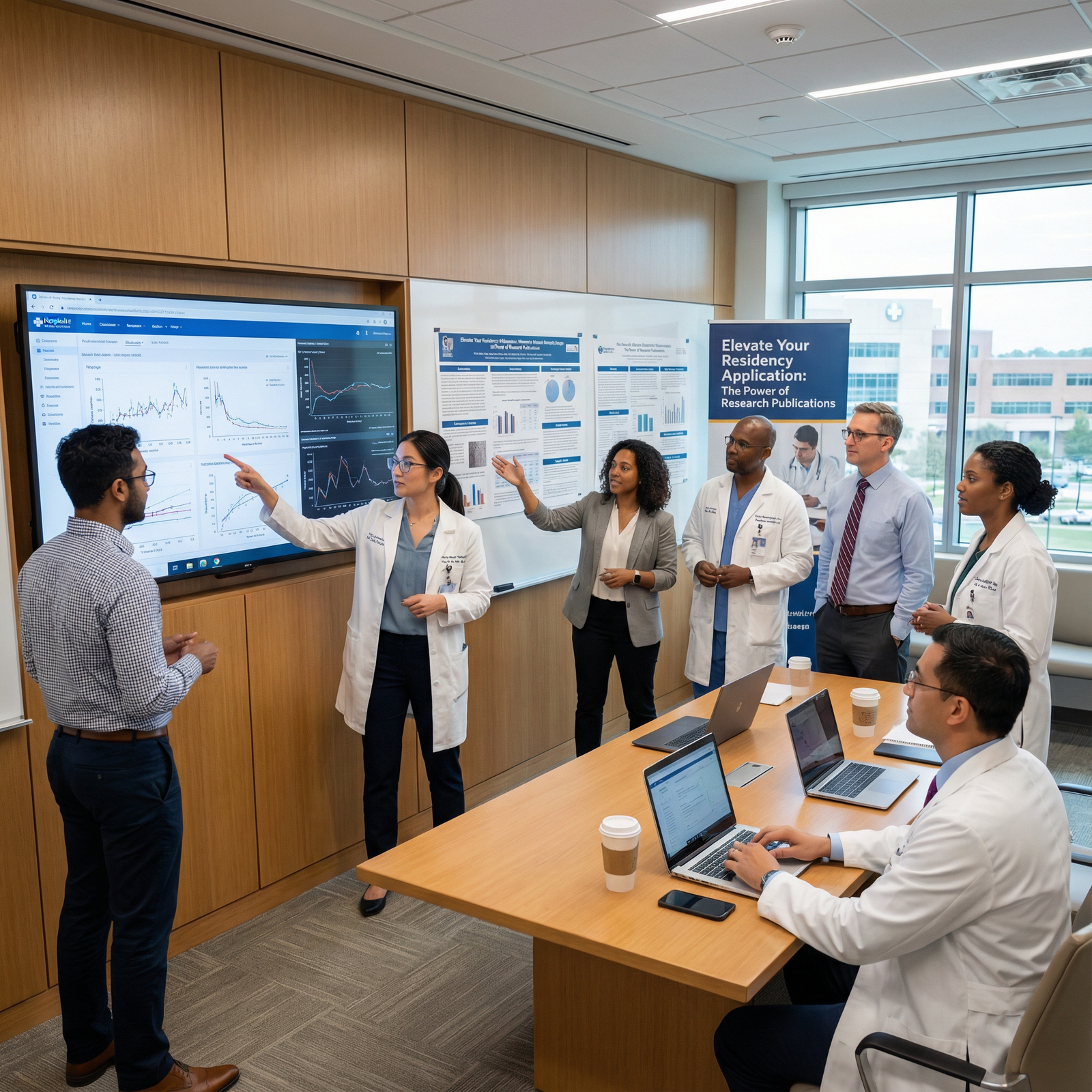
Building a strong research profile as an MD graduate targeting neurology residency is no longer optional—it is increasingly a core component of a competitive application. Neurology is a cerebral, rapidly evolving specialty with exploding advances in neuroimmunology, neurogenetics, and neuroimaging. Program directors want applicants who can read, interpret, and generate evidence that will shape how patients are treated.
This guide focuses on research profile building specifically for the MD graduate neurology residency applicant. It will help you understand expectations, assess where you stand, and create a strategic plan to maximize your research impact before the neuro match.
Understanding What “Research Profile” Really Means in Neurology
When programs talk about a strong research profile for a neurology residency applicant, they usually mean three related but distinct domains:
Scholarly output
- Peer‑reviewed publications (original research, reviews, case reports)
- Abstracts, posters, and oral presentations at conferences
- Book chapters or invited educational pieces
Research experience and skills
- Duration and depth of involvement in projects
- Roles: data collection, statistics, manuscript drafting, study design
- Types of research: clinical, translational, basic science, quality improvement, medical education
Research mindset and professionalism
- Curiosity about neurologic disease and patient outcomes
- Reliability, ownership, and follow-through on tasks
- Ability to work in teams, handle setbacks, and accept feedback
In the context of the allopathic medical school match, MD graduate residency applicants in neurology are often compared to peers by:
- Number of total scholarly products
- Number of peer‑reviewed publications
- Relevance of research to neurology or neuroscience
- Evidence of progression over time (from observer to first author, from small projects to more complex work)
How Neurology Programs View Research
Neurology programs (especially university and academic centers) tend to value research for these reasons:
- The specialty is evidence-heavy: stroke trials, MS disease-modifying therapies, epilepsy devices, neurodegeneration studies.
- Many programs have mandatory or optional research tracks.
- Residents frequently participate in clinical trials, QI, or database studies; a baseline research skillset makes onboarding smoother.
The impact of research on your neuro match prospects varies by program:
Highly academic programs (large university hospitals, NIH-affiliated, research tracks):
- Strong expectation of prior research, ideally neurology-focused
- Multiple publications or at least one meaningful neurology project is a plus
- They look for applicants who might become clinician-scientists or academic neurologists
Mid-sized university-affiliated programs:
- Appreciate research but may not require a heavy portfolio
- Value at least some research exposure or scholarly output
- Emphasis on ability to complete scholarly projects during residency
Community programs:
- Less likely to require extensive prior research
- Still value applicants who can contribute to QI, case reports, or clinical audits
- A solid research profile can significantly differentiate you from other MD graduate residency candidates
How Many Publications Do You Really Need for Neurology?
This is one of the most common—and most anxiety‑provoking—questions: “How many publications are needed to match neurology?”
There is no universal cutoff. However, we can frame realistic benchmarks.
Typical Ranges for Competitive Neurology Applicants
For an MD graduate targeting neurology residency:
Minimum exposure (still viable, especially for less research-intensive programs)
- 0–1 publication
- 1–3 abstracts/posters or small projects
- Well-explained experience and clear interest in neurology
Solid, competitive range for many programs
- 2–5 total cited scholarly items (mix of publications and abstracts)
- At least 1 directly related to neurology, neuroscience, stroke, neurocritical care, or related disciplines
- Some evidence of meaningful contribution (e.g., middle author with real work done, or first author on a smaller piece like a case report)
Strong research applicant (especially attractive to academic programs)
- 5+ scholarly items (publications, abstracts, book chapters)
- At least 2–3 neurology or neuroscience-related
- 1+ first- or second-author peer‑reviewed publications
- Ability to talk in depth about study design, methods, and implications
Quality vs Quantity
While many applicants fixate on how many publications are needed, programs often care more about:
- Relevance to neurology
- Your role and level of responsibility
- Consistency and trajectory over time
- Whether you can intelligently discuss the project in an interview
For neurology residency, one well-executed, first‑author neurology case report—where you clearly understand the pathophysiology and diagnostic reasoning—can be more impressive than five low-effort, tangentially related abstracts where you had minimal involvement.
US MD vs. Other Backgrounds
As an MD graduate from an allopathic medical school, your baseline expectation for research is often higher than for some other pathways, because:
- You generally have more built-in opportunities to do research.
- Academic neurology programs are used to MD applicants with at least some scholarly exposure.
This doesn’t mean you must have a huge publication list. It does mean that zero research experience may be a noticeable gap—one you can still address with a focused plan over 6–12 months.
Types of Neurology-Relevant Research (and How to Choose)
You don’t have to do bench neuroscience to build a strong neuro research profile. In fact, most neurology residents matched on a combination of:
- Clinical research
- Observational cohort studies
- Retrospective chart reviews
- Case reports and case series
- Quality improvement (QI) projects
- Medical education research in neurology
Below are the main pathways, with pros, cons, and practical tips.
1. Clinical Neurology Research
Examples: Stroke outcomes, seizure management, MS treatment patterns, neuro-COVID, neurocritical care protocols.
Pros
- Directly relevant to everyday neurology practice
- Easier to explain during interviews
- Often faster from data collection to abstract submission
Cons
- Projects can still stagnate if mentorship or IRB support is weak
- Requires reliable patient data and EMR access
How to get involved:
- Approach neurology faculty you’ve worked with on the wards or in clinic:
“I am very interested in pursuing neurology residency and would love to get involved in any ongoing research projects you have, especially those where I can be hands-on with data collection or analysis.” - Ask your department’s research coordinator or chief residents which attendings mentor residents and students frequently.
- Start with manageable subprojects:
- A chart review of outcomes for a specific stroke intervention
- Database analysis of seizure admissions over a defined period
- Predictors of readmission for patients with status epilepticus
2. Case Reports and Case Series
In neurology, rare or unusual presentations are common and often very publishable.
Pros
- Often the fastest route to a first‑author publication
- Excellent training in clinical reasoning and literature review
- Directly showcases your engagement with neurology patients
Cons
- Lower “weight” than original research articles
- Journals increasingly selective; many require clear novelty or teaching points
How to do this effectively:
- Identify cases during neurology rotations or electives: rare genetic syndromes, unusual stroke presentations, atypical MS flares, interesting neuroimaging findings.
- Ask the attending: “This was a fascinating case; would you be open to working on a case report together?”
- Quickly review the literature to confirm that your case adds something:
- A novel association
- A diagnostic pitfall
- Unique imaging or electrophysiologic findings
- Draft the case report yourself (history, workup, differential, discussion) and then revise with your mentor.
- Target neurology journals that publish educational case reports.
3. Translational and Basic Neuroscience
Examples: Animal models of stroke, neurodegeneration pathways, ion channel physiology, neuroinflammation studies.
Pros
- Highly valued at academic institutions
- Can lead to high-impact publications, especially in the long term
- Demonstrates strong scientific thinking and persistence
Cons
- Usually takes longer to generate publishable results
- Requires intensive time, lab skills, and sustained commitment
This is particularly worthwhile if you:
- Are considering an academic neurology career
- Enjoy bench work and experimental design
- Can dedicate a research year or extended block of time
4. Quality Improvement (QI) and Outcomes Projects
QI projects are increasingly recognized in the allopathic medical school match as legitimate scholarly work.
Examples:
Implementing a standardized stroke order set and measuring door-to-needle time
Reducing delays in EEG reads in an epilepsy monitoring unit
Improving adherence to MS vaccination guidelines
Pros
- Direct clinical impact
- Feasible to complete in 6–12 months
- Often leads to posters, abstracts, and internal presentations
Cons
- Not always published in peer-reviewed journals
- Requires alignment with hospital leadership and data access
You can still list QI projects as scholarly activity on ERAS, and many neurology programs respect this work significantly.
5. Medical Education in Neurology
If you love teaching, consider research in:
- Clinical reasoning in neurology
- Simulation training for stroke codes
- Innovative methods for teaching neuroanatomy
Academic neurology departments value clinician-educators, and experience with med ed research can align nicely with that career path.

Step-by-Step Strategy to Build Your Neurology Research Portfolio
Whether you’re still in medical school or a recent MD graduate in a gap year, you can deliberately build a research profile for your neurology residency application.
Step 1: Clarify Your Timeframe and Goals
Ask yourself:
- When do you plan to apply to the neuro match? (e.g., next cycle, two cycles from now)
- How much protected time do you realistically have per week?
- Do you want to target highly academic programs or are you open to all program types?
Example goals for a 12–18 month plan:
- 1–2 neurology case reports (aim for first author)
- 1 neurology-focused retrospective chart review or QI project
- 2–4 abstract submissions to neurology conferences
- 1 submitted manuscript (even if still “under review” by application time)
Step 2: Secure a Neurology Research Home
You need a home base—a lab, a clinic, or a mentor group—where you can plug into ongoing work.
Options:
- Neurology department at your current or former allopathic medical school
- Affiliated research institute or stroke center
- Another academic center (cold outreach can work if you’re local and motivated)
- Remote collaborations (less ideal at first, but possible)
When you meet a potential mentor, be prepared to convey:
- Your genuine interest in neurology
- Specific skills you can contribute (literature searches, data collection, basic stats, writing)
- Your approximate availability per week and overall timeline (e.g., “I’m applying to neurology next year and can commit 10–15 hours per week until then.”)
Step 3: Start with One Project You Can Actually Finish
Avoid scattering your efforts across too many projects that may never reach publication.
Good first project types:
- A neurology case report (where you drive the writing)
- A focused retrospective review with a well-defined question
- A QI project with clear metrics and an existing institutional push
To keep it feasible:
- Narrow the research question:
- Instead of “outcomes in all stroke patients,” try “functional outcomes at discharge in patients with posterior circulation strokes receiving thrombolysis.”
- Clarify your role and deliverables with your mentor at the start:
- “I will perform the literature review, help with data extraction, and be first author on the manuscript draft.”
Step 4: Learn Basic Research and Writing Skills
To be genuinely useful and build independence, invest time in:
- Study design and statistics basics (e.g., online courses, institutional workshops)
- Reference management (Zotero, EndNote, Mendeley)
- Scientific writing (IMRAD format, clear figures, structured abstracts)
This makes you a more attractive collaborator and speeds up your progress from “helper” to “driver” on projects.
Step 5: Aim for Abstracts and Conferences Early
Conferences (like AAN or regional neurology meetings) are excellent intermediate milestones and help you build:
- CV strength: accepted abstracts and posters
- Networking: meet faculty and residents from your target programs
- Interview talking points
Timeline tip:
- Many neurology conferences have abstract deadlines 6–9 months before the meeting.
- Even if your full paper isn’t finished, you can often submit an abstract once data analysis is mostly complete.
Step 6: Turn Projects into Multiple Outputs
For each substantial project, think in terms of:
- 1–2 abstracts (e.g., general cohort results + a subgroup analysis)
- 1 poster or oral presentation
- 1 full manuscript later in the process
- Potential spin-off case reports or method papers
This way, your effort yields multiple building blocks for your neurology residency application.
Presenting Your Research Effectively on ERAS and in Interviews
A strong research record helps only if you present it clearly and confidently.
How to List Research in ERAS
ERAS allows multiple categories:
- Publications (peer-reviewed, online ahead of print, accepted)
- Other Scholarly Work (abstracts, presentations, book chapters)
- Research Experience (projects even if not yet published)
Tips:
- Be accurate about authorship order and status (submitted, accepted, in press, published).
- Group related neurology projects logically so reviewers quickly see:
- “This applicant is clearly involved in neurology-related research.”
- Use action verbs in your descriptions: “Performed data extraction,” “Designed survey instrument,” “Led manuscript drafting.”
Talking About Research During Interviews
You should be able to:
- Explain your central research question in simple, clinically relevant terms.
- Summarize your methods (e.g., retrospective chart review, prospective cohort).
- Highlight key findings and their implications for patient care.
- Reflect honestly on limitations and next steps.
Example concise interview response:
“My main neurology project examined predictors of 90-day functional outcomes in patients with intracerebral hemorrhage. We conducted a retrospective chart review of 180 patients at our stroke center, focusing on initial hematoma volume, location, and blood pressure control. I helped develop the data collection tool and perform the analysis in collaboration with our biostatistics core. We found that early intensive blood pressure management was significantly associated with improved functional outcomes at discharge and at 90 days, even after adjusting for baseline severity. This reinforced for me how important tight blood pressure control is in the acute setting and sparked my interest in stroke neurology.”
Framing Non-Neurology Research
Not all your work must be neurology-specific. If you have projects in cardiology, oncology, or other fields:
- Briefly acknowledge the different specialty.
- Then connect the skills and mindset to neurology:
- Critical appraisal of evidence
- Understanding of clinical trial design
- Comfort with large datasets
This reassures programs that your research experience is transferable to neurology.

Common Scenarios and How to Strategically Respond
Scenario 1: You’re an MD Graduate with Little or No Research
You’re within 1 year of applying and feel behind.
Action plan (6–12 months):
- Secure a neurology mentor and one primary project (case report or chart review).
- Aim for at least 1–2 abstracts and 1 first-author case report submission.
- Supplement with a small QI project if possible.
- Learn to present your limited research experience with enthusiasm and self-awareness:
- Emphasize how you’re catching up, what you’ve learned, and how you plan to continue during residency.
Scenario 2: You Have Strong Research, But Not in Neurology
Maybe you did oncology or cardiology research in medical school.
Action plan:
- Try to add at least one neurology or neuroscience project (even a small one) before applying.
- In your personal statement and interviews:
- Make a clear narrative connection from your prior research to neurology (e.g., stroke-cardiology interface, neuro-oncology, brain metastases).
- Highlight research skills that are clearly relevant to neurology:
- Survival analysis
- Imaging interpretation
- RCT or observational study experience
Scenario 3: You’re Taking a Research Gap Year
You decided to do a dedicated year to strengthen your neuro match prospects.
Action plan:
- Treat it as a full-time job:
- Work with 1–2 main mentors in neurology.
- Be simultaneously involved in:
- 1–2 larger clinical projects that will lead to manuscripts
- 1–2 case reports for quicker publications
- Conference abstract submissions
- Track your work carefully:
- Maintain a spreadsheet of projects, roles, deadlines, and outputs.
- By the end of the year, a realistic, solid outcome might be:
- 1–3 peer‑reviewed neurology publications (some possibly accepted or under review)
- 3–6 abstracts/posters
- Clearly articulated research interests aligned with neurology subspecialties (stroke, epilepsy, movement disorders, etc.)
Frequently Asked Questions (FAQ)
1. For neurology, how many publications are needed to be “competitive”?
There is no fixed number. For many neurology programs, having 2–5 total scholarly outputs (publications, abstracts, posters), with at least one neurology-related and meaningful involvement, places you in a solid range. Highly academic programs may favor applicants with more extensive research, including first-author neurology publications, but your fit, letters, clinical performance, and interview also weigh heavily.
2. I’m an MD graduate with zero research. Can I still match neurology?
Yes, it’s still possible, particularly at less research-intensive or community-based programs. However, you should:
- Quickly seek at least some research for residency experience (e.g., a case report or small clinical project).
- Emphasize your strong clinical performance, letters of recommendation, and genuine interest in neurology.
- Use any scholarly or QI activities you’ve done (even outside neurology) to show initiative and growth.
3. Do publications have to be in neurology to matter?
Neurology or neuroscience-focused work generally carries more direct weight for a neurology residency application. However, non-neurology research still demonstrates critical skills: literature review, data analysis, teamwork, and writing. Ideally, combine both:
- Neurology-specific projects for content relevance.
- Other specialty projects to showcase breadth and consistency.
In interviews, be ready to clearly connect your non-neurology work to how you’ll function as a neurology resident.
4. Are case reports and posters enough, or do I need original research?
Case reports and posters absolutely count and can significantly strengthen your application—especially if you are first author and can discuss them in depth. However, if possible, aim to complement them with at least one original research project (prospective or retrospective). Programs like to see evidence that you can contribute to more complex studies that mirror the types of research you’ll encounter as a neurology resident.
Building a competitive research profile as an MD graduate targeting neurology residency doesn’t require dozens of high-impact papers. It requires intentional planning, reliable follow-through, and clear alignment with neurology. Start where you are, choose projects you can realistically complete, seek strong mentorship, and make sure the story your research tells matches the kind of neurologist you aim to become.