Understanding the Research Expectations in Neurosurgery
For an MD graduate interested in neurosurgery, research is not just “nice to have”—it is a core component of a competitive application. Among all specialties, neurosurgery is consistently at the very top in terms of research productivity among matched applicants.
Why research matters so much in neurosurgery
Program directors in neurosurgery rely on research to:
- Distinguish between highly qualified applicants who all have strong scores and strong clerkship performance
- Assess your ability to think critically and handle complex scientific information
- Predict your long-term academic trajectory in a field that is highly research-driven
- Demonstrate your resilience, perseverance, and ability to complete multi-month or multi-year projects
In an allopathic medical school match for neurosurgery, particularly in the U.S., the following factors frequently come up in PD surveys and match data:
- Matched neurosurgery applicants often report dozens of “research items” (abstracts, posters, presentations, and publications combined).
- A large proportion of successful applicants have completed at least one dedicated research block or research year, especially at academic centers.
- Applicants with a well-structured research narrative—clear focus, continuity, and evolving responsibility—stand out more than those with a long but disjointed list of minor contributions.
How many publications are “enough”?
There is no strict cutoff, but you can think in terms of competitiveness tiers:
- Highly competitive academic neurosurgery applicants (top programs):
- Often 5–15+ peer-reviewed publications (not just abstracts), with at least a few in neurosurgery or neuroscience
- Multiple first-author or co-first-author papers
- Several conference presentations (regional, national, or international)
- Solid competitive applicants for neurosurgery residency overall:
- At least 2–5 peer-reviewed publications
- Multiple abstracts, posters, and/or oral presentations
- Clear involvement in neurosurgery-relevant or neuroscience-related research
- Developing applicants or late starters:
- 0–1 publications currently, but actively building toward 2–3 publications by the time of application
- Strong letters from research mentors and clear narrative explaining trajectory and growth
When people ask, “how many publications needed” to match into neurosurgery, the honest answer is: the number varies by program tier, but the quality, continuity, and relevance of your research matter more than just the raw count. A well-constructed, focused research profile can compensate for fewer total publications.
Mapping Out Your Neurosurgery Research Strategy
Step 1: Clarify your goals and constraints
As an MD graduate (as opposed to current MS2/MS3), your time frame and options are different. Ask yourself:
- Are you applying in the upcoming cycle, or in 2–3 years?
- Do you have flexibility to complete a full-time research year or postdoctoral research fellowship?
- Are you currently at an institution with an established neurosurgery department?
- Are you eligible for research positions in the country where you want to match (e.g., visas, licensing status)?
Your answers will shape whether your strategy is intensive (full-time research) or integrated (part-time research alongside clinical work, observerships, or preparation for licensure exams).
Step 2: Choose a research focus that makes sense for neurosurgery
You do not need a single ultra-narrow niche from day one, but your research portfolio should show some coherence. Common high-yield domains:
- Neuro-oncology – brain tumors, gliomas, metastatic disease
- Neurovascular – aneurysms, AVMs, stroke, endovascular techniques
- Spine surgery – degenerative disease, spine oncology, deformity
- Traumatic brain injury – outcomes, critical care, neuromonitoring
- Functional neurosurgery – epilepsy surgery, DBS, movement disorders
- Pediatric neurosurgery – hydrocephalus, congenital malformations
- Neurosurgical outcomes and big-data studies – quality, cost, and value-based care
- Basic or translational neuroscience – brain regeneration, neural interfaces, neuroimmunology
Your focus may evolve, but it’s helpful if your research path tells a story:
“Over three years, I worked on clinical outcomes in spine surgery, then expanded to large database studies on postoperative complications, and eventually contributed to a multi-center trial investigating minimally invasive spine techniques.”
That kind of narrative is inherently stronger than random, unconnected projects.

Types of Research and How to Get Involved
1. Clinical research directly within neurosurgery
This is the most straightforward path for a neurosurgery-focused MD graduate.
Examples of projects:
- Retrospective chart review of outcomes after surgery for glioblastoma
- Study of postoperative complications in lumbar fusion procedures
- Evaluation of neurosurgical ICU protocols and patient outcomes
- Predictors of readmission after aneurysm clipping or coiling
How to enter:
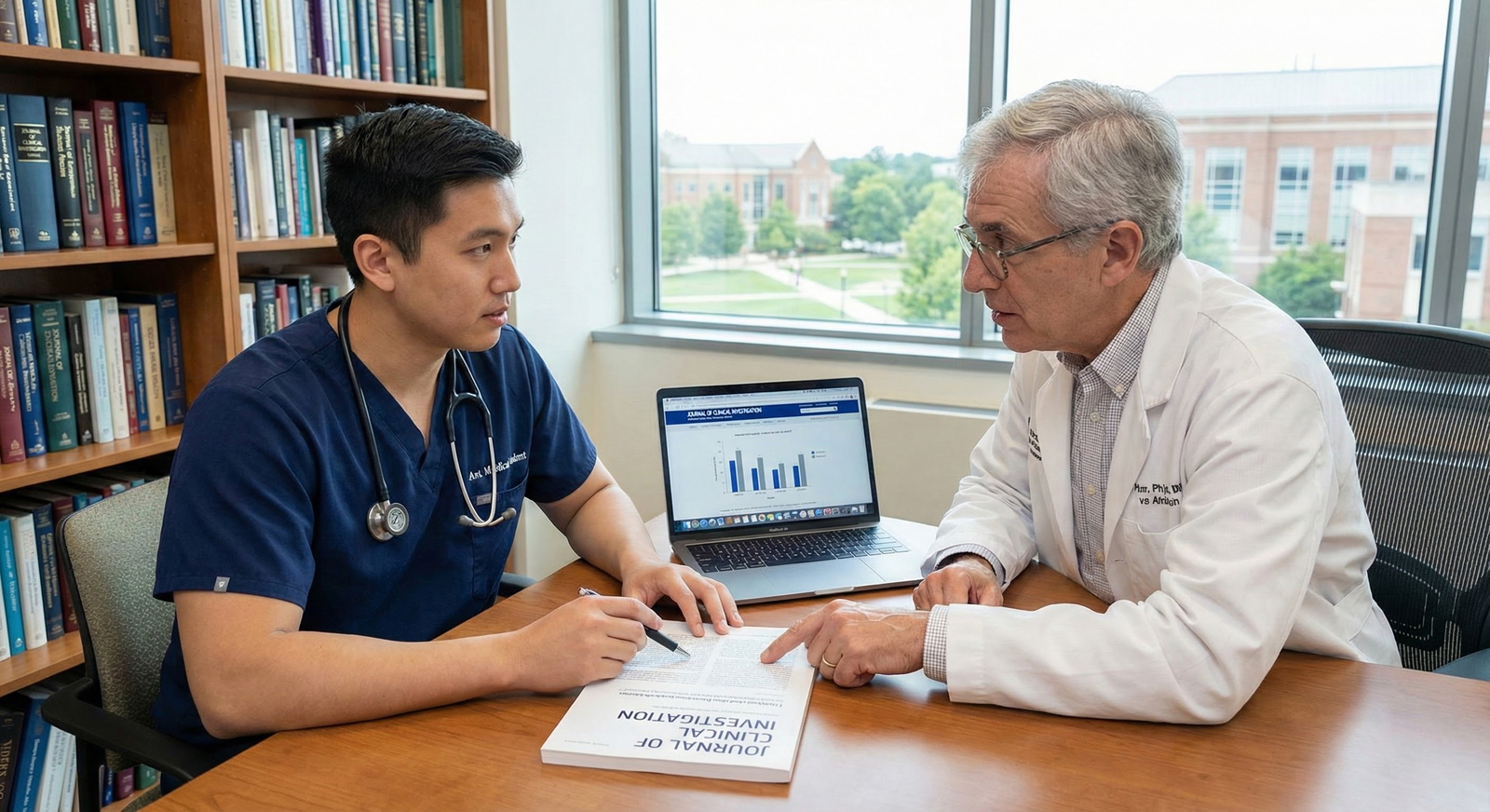
Identify neurosurgery faculty with active clinical trials or outcomes projects.
- Search department websites for neurosurgery research, faculty profiles, or “publications” tabs.
- Use PubMed to find recent neurosurgery papers at your institution.
Email with a clear, concise pitch:
- Introduce yourself (MD graduate, goals in neurosurgery residency).
- Highlight relevant skills (basic stats, data collection, experience in SPSS/R, literature review).
- Ask if they have ongoing projects where you could help with data collection, literature review, or abstract preparation.
Deliver quickly and reliably on small tasks (literature tables, reference formatting, basic data entry).
This earns trust and leads to more substantial authorship roles.
Clinical neurosurgery research is particularly valuable because:
- It directly signals your commitment to brain surgery residency training.
- It often generates multiple outputs (abstracts, posters, eventual publication) from a single dataset.
- It allows you to build letters of recommendation from neurosurgeons who know your work ethic and intellectual engagement.
2. Basic and translational neuroscience research
If direct neurosurgery research positions are limited, labs in neuro-oncology, neuroimmunology, neural engineering, or neurodegeneration can be excellent alternatives.
Typical projects:
- Animal models of TBI or spinal cord injury
- Molecular pathways in glioma progression
- Brain–computer interface or neuromodulation research
- Neural stem cell or regenerative medicine work
Basic science projects:
- Often require longer time frames (12–24 months) to yield first-author papers.
- Provide strong training in scientific thinking, experiment design, and data analysis.
- Are highly respected at research-heavy neurosurgery programs.
If you choose a basic science route, make sure you:
- Clarify authorship expectations with your PI early.
- Align the scope of your project with your application timeline.
- Aim to produce at least one solid first- or co-first-author paper before you apply.
3. Outcomes, epidemiology, and database research
Many neurosurgical departments now leverage:
- National databases (e.g., NSQIP, NIS, NRD depending on country)
- Institutional cohorts and registries
- Machine learning applied to neurosurgical outcomes
This type of research is particularly efficient for MD graduates because:
- Once you learn the tools (e.g., R, STATA, Python, or SPSS), you can contribute to multiple projects in parallel.
- Retrospective database studies often move faster to submission than wet-lab projects.
- They can yield multiple abstracts and manuscripts within 1–2 years.
If you are mathematically inclined, consider explicitly branding yourself as someone strong in quantitative methods and big data—a growing niche in neurosurgery.
4. Case reports and case series
Case reports and small series are often easier entry points, particularly for MD graduates with limited prior research exposure.
They are ideal for:
- Unusual presentations (e.g., rare brain tumors, unique vascular anomalies)
- Complications with important learning points
- Novel surgical techniques or variations
They rarely “wow” on their own, but:
- They help you learn the writing process.
- They are good first steps to build momentum and confidence.
- They often involve close collaboration with attendings and residents, which builds your network.
Use case reports strategically: they should supplement, not entirely replace, larger and more rigorous research experiences.
Building a Strong, Coherent Research Record
From “doing research” to building a research profile
A “research profile” is more than a list of items. It includes:
- Thematically related projects that reflect genuine interest in neurosurgery
- Progression of responsibility—from helping with data entry to designing studies, performing analyses, and drafting manuscripts
- Clear evidence of productivity—submissions, acceptances, and presentations
- Recognizable mentors whose names carry weight in the field
Think of your research profile as a 3-part story:
- Where you started: early exposure, initial skills.
- How you grew: more complex projects, first-author work, presentations.
- Where you are going: clear future directions that align with neurosurgery residency and beyond.
Planning your timeline as an MD graduate
Scenario A: You have 2+ years before you apply
You can aim for a robust, multi-publication profile:
- Year 1:
- Join a neurosurgery research group full-time or near full-time.
- Contribute to 2–3 ongoing projects (even as middle author) to understand workflows.
- Launch 1–2 new projects in which you have significant ownership.
- Year 2:
- Focus on completing data collection and analyses for your owned projects.
- Target abstracts for national neurosurgery meetings.
- Push 1–3 manuscripts to submission and revise quickly after reviews.
This pathway can yield 5–10+ research products (abstracts/papers) if managed well.
Scenario B: You have 12–18 months before application
You must be more strategic:
- Prioritize retrospective outcomes projects or database analyses which can move relatively quickly.
- Balance 1–2 projects where you might be first author with a few where you help with specific tasks.
- Target at least 2–3 solid manuscripts (submitted or accepted) and multiple conference abstracts.
Scenario C: You have <12 months before application
Focus on:
- Case reports, small retrospective studies that can be written and submitted quickly.
- Plugging into existing projects that are near submission to gain middle authorships.
- Demonstrating that you are actively engaged in research now, and that you have a sustainable plan to continue as a resident.
In this compressed timeline, your goal is not to rival applicants who spent two full years in the lab, but to show an upward trajectory and commitment that can be appreciated in context.

Maximizing Impact: From Research Tasks to Publications for Match
Positioning yourself for authorship
For publications for match, authorship position matters:
- First author: Indicates you led the project and wrote most of the manuscript. Highly valuable.
- Co-first or second author: Still very strong, especially if you contributed meaningfully to design, data collection, or analysis.
- Middle or last author (as a trainee): Less impactful than first, but still relevant, especially on high-quality or high-impact work.
Tips to secure meaningful authorship:
- Clarify expectations early: When you join a project, ask, “What would be my role, and what is the likely authorship plan?”
- Volunteer for high-responsibility tasks: Data extraction, primary analysis, and first draft writing put you in line for higher authorship.
- Be the “finisher”: Many manuscripts stall at 80–90%. Offering to push them over the finish line (formatting, revision, responses to reviewers) is invaluable.
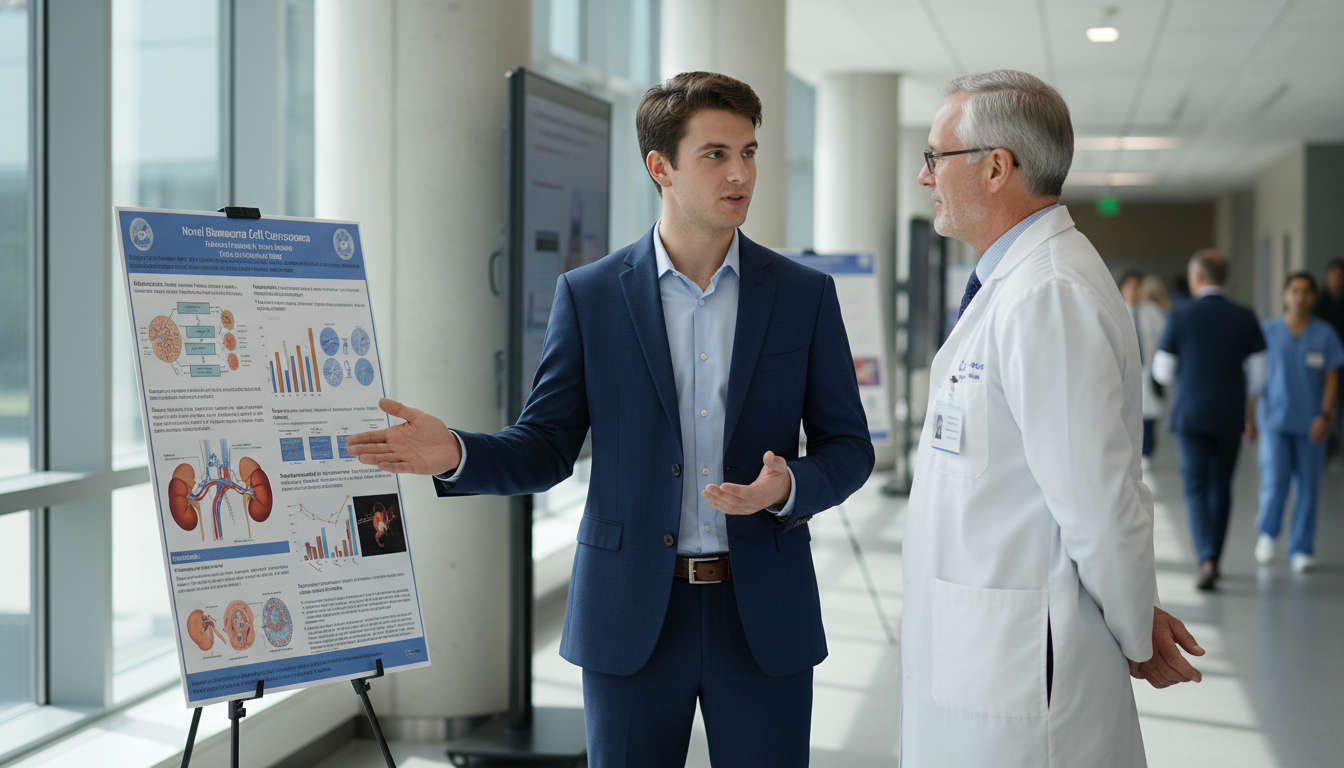
Making your work visible: presentations and conferences
Beyond publications, program directors look at whether you have:
- Presented at national or international neurosurgery meetings
- Received poster or platform presentation awards
- Won institutional research awards
Actionable steps:
- Submit abstracts to neurosurgery society meetings (e.g., CNS, AANS, regional neurosurgical societies, or equivalents in your region).
- If travel cost is a barrier, ask about virtual options, travel grants, or trainee scholarships.
- Practice your presentation skills with your mentor and peers; an excellent presentation strengthens your letters and your confidence.
Making your “research for residency” experience count in applications
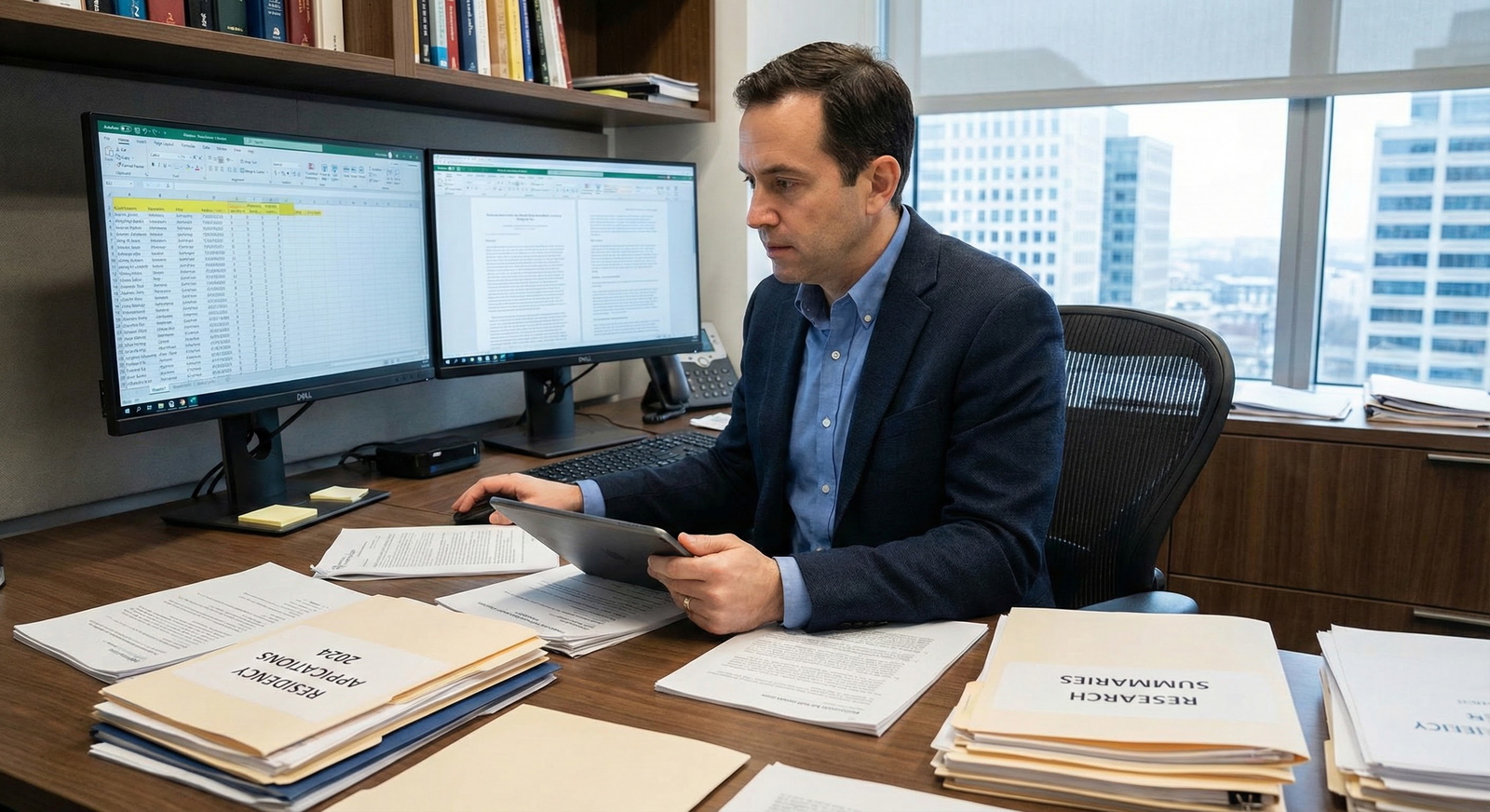
When programs review an MD graduate residency application, they look at:
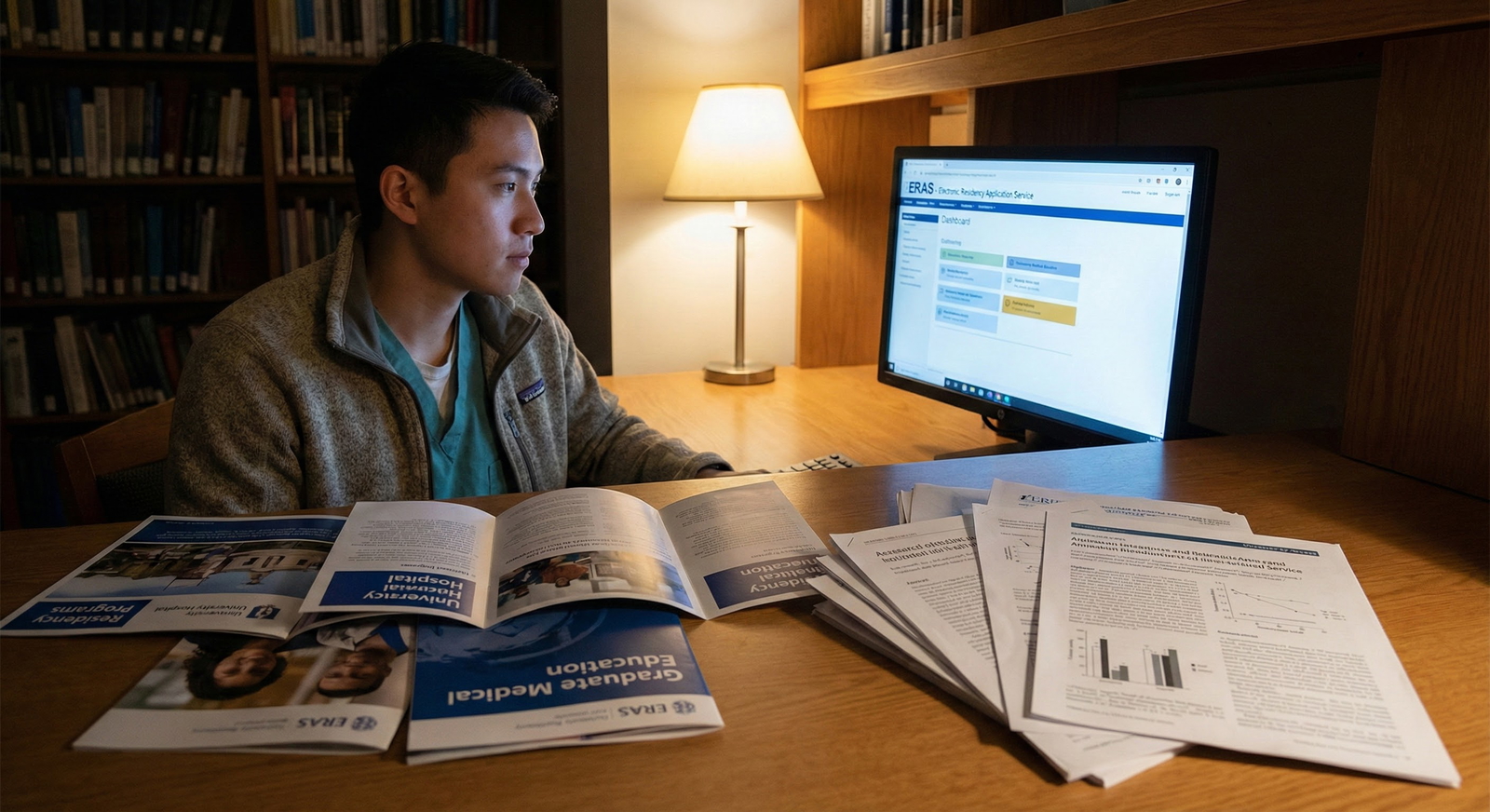
- Your ERAS (or equivalent) entries for roles and responsibilities in each project
- Your personal statement and whether your research narrative fits your neurosurgery story
- Whether your letters of recommendation confirm that you take initiative, think critically, and collaborate well
- Publications listed in PubMed, Google Scholar, and CV
In your application:
- Describe your research with concrete verbs: “designed,” “analyzed,” “coordinated,” “wrote.”
- Emphasize skills gained—study design, statistical methods, systematic review techniques.
- Very briefly link how these skills prepare you for neurosurgery (e.g., comfort with complex literature, data-driven decision-making, persistence).
Common Pitfalls and How to Avoid Them
Pitfall 1: Chasing quantity over quality
It is tempting to join dozens of minor projects. This can backfire:
- Many low-quality, uncoordinated case reports may look unfocused.
- Superficial involvement on many projects can leave you with few first-author works.
Instead:
- Aim for a balanced portfolio: a few substantial projects plus some smaller works.
- Prioritize projects with realistic timelines and clear mentorship.
Pitfall 2: Poor mentorship or unclear expectations
A strong mentor is critical in neurosurgery research. Warning signs:
- Unresponsive mentor, unclear deadlines, or no authorship discussion.
- No clear path to presentation or publication.
- Little interest in helping you grow or connect with the wider neurosurgery community.
Solutions:
- Seek mentors who actively publish and have a track record of supporting students or MD graduates.
- Gently ask about timelines: “What is your target journal, and when do you hope to submit?”
- It is acceptable, and often necessary, to work with more than one mentor to diversify your opportunities.
Pitfall 3: Underestimating the time needed
Even a straightforward retrospective study can take:
- Weeks to get IRB approval
- Months to extract data cleanly
- Additional months for analysis, revisions, journal review, and resubmission
If your goal is to have accepted papers by the match, build in a buffer and aim to start projects as early as possible.
Pitfall 4: Not documenting your work
Keep detailed records of:
- IRB numbers, project titles, mentors, and your exact roles
- Dates of abstract submissions, conferences, and journal submissions
- Final citation information once accepted
You will need this for:
- Your ERAS application (or equivalent)
- Interviews, where you may be asked to discuss a project in depth
- Future research, where prior data or methods might be reused or extended
Putting It All Together: Example Profiles and Action Plans
Example 1: MD graduate with 2-year research fellowship
Profile:
- 1-year clinical neurosurgery outcomes research + 1-year basic neuroscience lab
- 4 peer-reviewed publications (2 first-author) in neurosurgery journals
- 6 abstracts (3 poster, 3 oral) at national meetings
- Strong letters from head of neurosurgery research and lab PI
Outcome:
- Competitive for a broad range of neurosurgery residency programs, including many academic centers.
Example 2: MD graduate with 12–15 months research
Profile:
- One focused year in a neurosurgery outcomes group
- 2 first-author retrospective papers submitted (1 accepted, 1 under review)
- 3 middle-author papers from collaborative projects
- 4 conference abstracts/posters, including a national neurosurgery meeting
Outcome:
- Solid candidate, especially with strong scores and clinical performance; research profile shows commitment and productivity.
Example 3: Late-start MD graduate with 8–10 months before applying
Profile:
- Joined neurosurgery team late
- 1–2 case reports accepted or in-press
- 1 retrospective project with data collection completed and manuscript in progress
- One or two middle-author abstracts submitted to regional meetings
Outcome:
- Less research-heavy but clearly improving trajectory; can still be viable, particularly if other aspects of the application are strong and if the applicant targets a realistic range of programs.
In all cases, the key is that the applicant’s research story is coherent, authentic, and compatible with their overall neurosurgery narrative.
FAQs: Research Profile Building for MD Graduate in Neurosurgery
1. As an MD graduate, do I absolutely need a dedicated research year to match into neurosurgery?
Not absolutely—but it is highly advantageous, especially if you come from a school or background with limited neurosurgical exposure. A dedicated research year (or more) allows you to produce multiple publications, build strong neurosurgery-specific letters, and demonstrate clear commitment to academic neurosurgery. Without a research year, you will need to maximize part-time research and other strengths (scores, clinical performance, away rotations, letters) to remain competitive.
2. If I’m not at a big academic center, how can I get neurosurgery research experience?
Options include:
- Reaching out to neurosurgery departments at nearby academic hospitals and asking about remote or part-time involvement in retrospective projects.
- Looking for multi-center registry studies that allow external collaborators for data collection.
- Joining virtual research collaboratives or consortia in neurosurgery or neuroscience.
- Working with related specialties (neurology, neuroradiology, critical care) on neuro-focused projects while you build connections to neurosurgeons.
Creativity and persistence are vital; many MD graduates successfully build research profiles by combining local and remote opportunities.
3. How should I list and discuss my research during interviews?
In interviews:
- Be prepared to explain at least 1–2 key projects in depth—your hypothesis, methods, findings, and implications.
- Acknowledge your mentors and collaborators; program directors value team players.
- Be honest about your role (do not exaggerate), but emphasize specific contributions.
- Practice a 1–2 minute summary of your “research story”—how you got involved, what you learned, and what you hope to study in residency.
Programs are not testing you to see if you are a biostatistician; they want to see intellectual curiosity, reliability, and insight.
4. Does research in non-neurosurgical fields still help my neurosurgery application?
Yes, especially if:
- It is rigorous, peer-reviewed work demonstrating perseverance and analytical skills.
- You can articulate clearly what you learned and how it shapes your approach to neurosurgery.
However, as you get closer to applying for neurosurgery residency, you should ideally pivot toward neuro- or neurosurgery-related projects to demonstrate alignment with the specialty. A mix of earlier, broader research plus later neuro-focused research is perfectly acceptable and often very strong.
By approaching research intentionally—choosing mentors wisely, focusing on high-yield projects, and crafting a coherent narrative—you can build a neurosurgery-specific research profile that significantly strengthens your chances in the allopathic medical school match and positions you for long-term success in an academic or clinically focused brain surgery residency career.