Building a strong research profile is one of the most powerful levers a non-US citizen IMG can use to stand out in the psychiatry residency application process. While clinical experience and USMLE scores matter, a well-structured research portfolio signals intellectual curiosity, academic potential, and commitment to the field—qualities that psychiatry program directors value highly.
This guide walks you step-by-step through how to build, present, and strategically use a research profile as a foreign national medical graduate targeting psychiatry in the US.
Understanding the Role of Research in Psychiatry Residency
Research expectations and norms are different in psychiatry than in some other specialties, and it’s important to know what actually matters.
Why Research Matters More in Psychiatry Than Many IMGs Realize
Psychiatry as a field is:
- Rapidly evolving, with a strong evidence-based and neuroscience focus
- Deeply intertwined with psychology, social sciences, and public health
- Increasingly competitive at academic and university-based programs
Program directors often ask:
- Does this applicant understand psychiatric literature?
- Can they think critically and apply evidence to clinical care?
- Could they contribute to quality improvement, outcomes research, or future scholarly work?
A thoughtful research history—whether clinical, epidemiological, qualitative, or quality improvement—helps answer “yes” to these questions.
Academic vs Community Psychiatry Programs
Your research needs differ depending on where you aim to match:
Academic/university programs
- More emphasis on research, publications, and conference presentations
- Often expect experience in psychiatry-specific projects
- May favor applicants with ongoing or longitudinal research involvement
Community programs
- Primarily care about clinical performance and professionalism
- Research is still a plus, but not usually a strict expectation
- A few solid, well-presented projects can be sufficient
As a non-US citizen IMG, strong research can:
- Help offset limited US clinical experience
- Compensate somewhat for geographic distance from programs
- Demonstrate your motivation to integrate into US academic psychiatry
How Many Publications Do You Really Need for the Psych Match?
Many IMGs obsess over the question: “How many publications needed to have a good chance at psych match?” The answer is nuanced.
Thinking Beyond a Simple Number
There is no universally correct number, but you can think in tiers:
Competitive for many programs (especially community + some university-affiliated):
- 1–3 solid psychiatry-related publications OR
- 1–2 psychiatry publications + several posters/abstracts
More competitive for research-oriented or top-tier university programs:
- 3–6 publications total, ideally with:
- At least 2–3 clearly psychiatry or mental-health related
- A mix of original research, case reports, and reviews
- Multiple posters or oral presentations
- 3–6 publications total, ideally with:
Baseline exposure (still helpful even with limited opportunities):
- 1–2 posters or abstracts at reputable conferences
- One full-text publication (even from home country or non-US journals)
- Demonstrated research involvement described clearly in ERAS
Quality, relevance to psychiatry, and your explainable role in the project matter much more than hitting an arbitrary number.
Quality and Relevance vs. Quantity
When program directors review your CV, they often look for:
- Is there a coherent psychiatry interest?
- Can this applicant discuss their projects intelligently?
- Did they contribute meaningfully, or just add their name?
Examples of strong but realistic profiles for a non-US citizen IMG:
Profile A – Solid mid-level research applicant
- 1 original research article in community mental health
- 2 case reports on psychopharmacology or neuropsychiatric presentations
- 3 poster presentations at national or international psychiatry meetings
- One ongoing QI project in a psychiatry clinic
Profile B – Lower volume, high clarity applicant
- 1 review article on depression and comorbid substance use
- 1 case report on catatonia misdiagnosed as a neurological condition
- 2 posters (one neurology-psychiatry interface, one suicidality in adolescents)
- Clear description of methods and critical thinking during interviews
Both profiles can be competitive, especially if paired with decent scores, strong letters, and clear interest in psychiatry.
Types of Research That Count in Psychiatry (and How to Get Them)
You don’t need only large clinical trials. Psychiatry values many forms of scholarly work. As a foreign national medical graduate, you should be strategic and realistic about what you can achieve.
1. Original Clinical or Epidemiological Research
What it is:
A structured study with a research question, methodology, data collection, and analysis.
Possible topics for psychiatry:
- Prevalence of depression/anxiety in a specific population
- Outcomes of a particular psychotropic medication in your region
- Correlation between trauma exposure and psychiatric symptoms
- Impact of telepsychiatry or community mental health services
How a non-US citizen IMG can get involved:
- Join an existing psychiatry department project at your home institution
- Approach faculty with a concrete proposal:
- A simple cross-sectional or chart review study
- Use existing hospital data to ask a new question
- Offer to handle data collection, literature review, and drafting the manuscript

2. Case Reports and Case Series
These are extremely accessible for IMGs and very relevant to psychiatry.
Examples in psychiatry:
- Rare side effects of antipsychotics (e.g., unusual movement disorders, metabolic crises)
- Complex diagnostic dilemmas (e.g., psychosis vs delirium; bipolar vs borderline personality)
- Uncommon presentations (e.g., OCD presenting exclusively as religious obsessions, culturally shaped delusions)
Step-by-step approach:
- Identify interesting cases from your clinical rotations (with supervisor approval).
- Do a literature search to see what’s already published.
- Discuss with a faculty mentor if the case adds something new or instructive.
- Follow the CARE guidelines for case reports.
- Target psychiatry journals that accept case reports (including regional/national journals).
Even 1–2 case reports can significantly strengthen a psychiatry-oriented research profile.
3. Review Articles and Narrative Reviews
If you don’t have easy access to large datasets, literature reviews can be an excellent path.
High-yield review topics for psych applicants:
- Cultural aspects of psychiatric presentations in your home country
- Global perspectives on suicide prevention or stigma
- Interface between neurology and psychiatry (e.g., functional neurological symptom disorder)
- Updates in psychopharmacology for depression, psychosis, or bipolar disorder
How to start:
- Partner with a faculty member experienced in publishing.
- Clearly define a narrow topic and research question.
- Use proper search strategies (PubMed, PsycINFO, Google Scholar).
- Follow journal guidelines for structured/narrative reviews.
A well-written, psychiatry-focused review showcases your ability to critically analyze literature—something interviewers often test.
4. Quality Improvement (QI) and Audit Projects
US programs value QI because it aligns with system-based practice and patient safety.
Examples of psychiatry QI projects:
- Improving documentation of suicide risk assessments in an inpatient unit
- Reducing restraint or seclusion use through staff education
- Increasing screening rates for depression in primary care clinics
- Improving metabolic monitoring for patients on antipsychotics
Although QI may not always become a formal journal article, it can:
- Turn into posters or abstracts
- Lead to strong discussion topics in interviews
- Demonstrate initiative and understanding of healthcare systems
5. Cross-Disciplinary Research That Still Helps Psychiatry
Not all your work must be pure psychiatry. Valuable related areas include:
- Neurology (e.g., epilepsy and psychiatric comorbidity)
- Addiction medicine
- Sleep medicine
- Psychosomatic medicine / consult-liaison work
- Public health and epidemiology (mental health outcomes)
- Behavioral health in chronic disease (e.g., diabetes and depression)
When you discuss these projects, always connect them explicitly to your interest in psychiatry.
Step-by-Step Strategy to Build Your Research Profile as a Non-US Citizen IMG
Step 1: Clarify Your Target Program Type and Timeline
- Are you applying in 1 year, 2 years, or longer?
- Are you aiming for academic psychiatry or primarily community programs?
- What are your current obligations (internship, service, exams)?
Example timelines:
Short timeline (12 months to application):
- Focus on: case reports, review articles, QI, and posters
- Aim for: 1–2 manuscripts under review + 2–3 posters/abstracts
Medium timeline (18–24 months):
- Add: a small original study or meaningful participation in an existing project
- Aim for: 2–4 publications (mix of cases, reviews, and possibly one original study) + several presentations
Step 2: Find Mentors and Collaborators
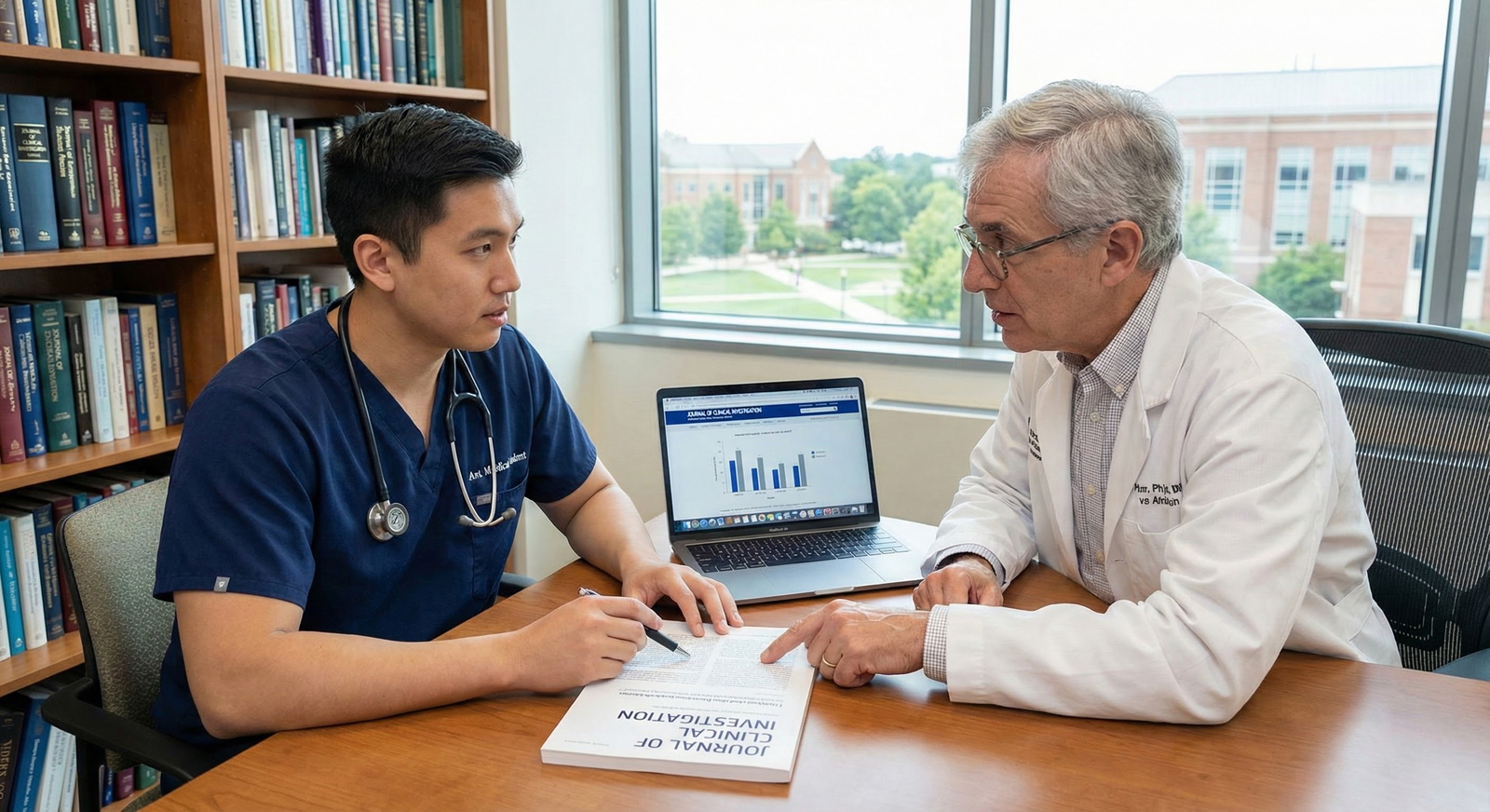
As a foreign national medical graduate, access to strong mentors is your biggest asset.
Where to look:
- Psychiatry faculty at your home institution
- Neurology, internal medicine, or public health faculty with mental-health projects
- Alumni from your medical school already in US psychiatry residencies
- US-based psychiatrists you meet through observerships, online courses, or conferences
How to approach them:
- Introduce yourself concisely (education, psychiatry interest, US goals).
- Highlight any prior research skills or coursework.
- Offer specific help:
- “I can assist with data collection and literature review.”
- “I’m interested in writing up case reports or reviews under your guidance.”
Consistency and reliability will matter more than prior experience.
Step 3: Start With Attainable, Time-Efficient Projects
Many IMGs delay research because they wait for the “perfect” large project. Instead:
Begin with:
- Case reports (easiest entry point)
- Review articles under mentorship
- Retrospective chart reviews with existing data
Build upwards towards:
- Prospective small-scale studies
- Multi-author collaborative projects
Each successful smaller project improves your skills for larger ones.
Step 4: Target the Right Journals and Conferences
Journals:
- Look at psychiatry or mental health journals that:
- Accept case reports, brief communications, or regional data
- Have reasonable acceptance rates and don’t require large APCs (article processing charges)
- Avoid predatory journals – always check:
- Is the journal indexed in PubMed, Scopus, or a recognized database?
- Does it have clear editorial policies and peer-review processes?
Conferences:
- International or national psychiatry conferences in your country
- Regional psychiatric society meetings
- Virtual conferences by US or global psychiatric associations
- General medicine or neurology conferences with mental-health sections
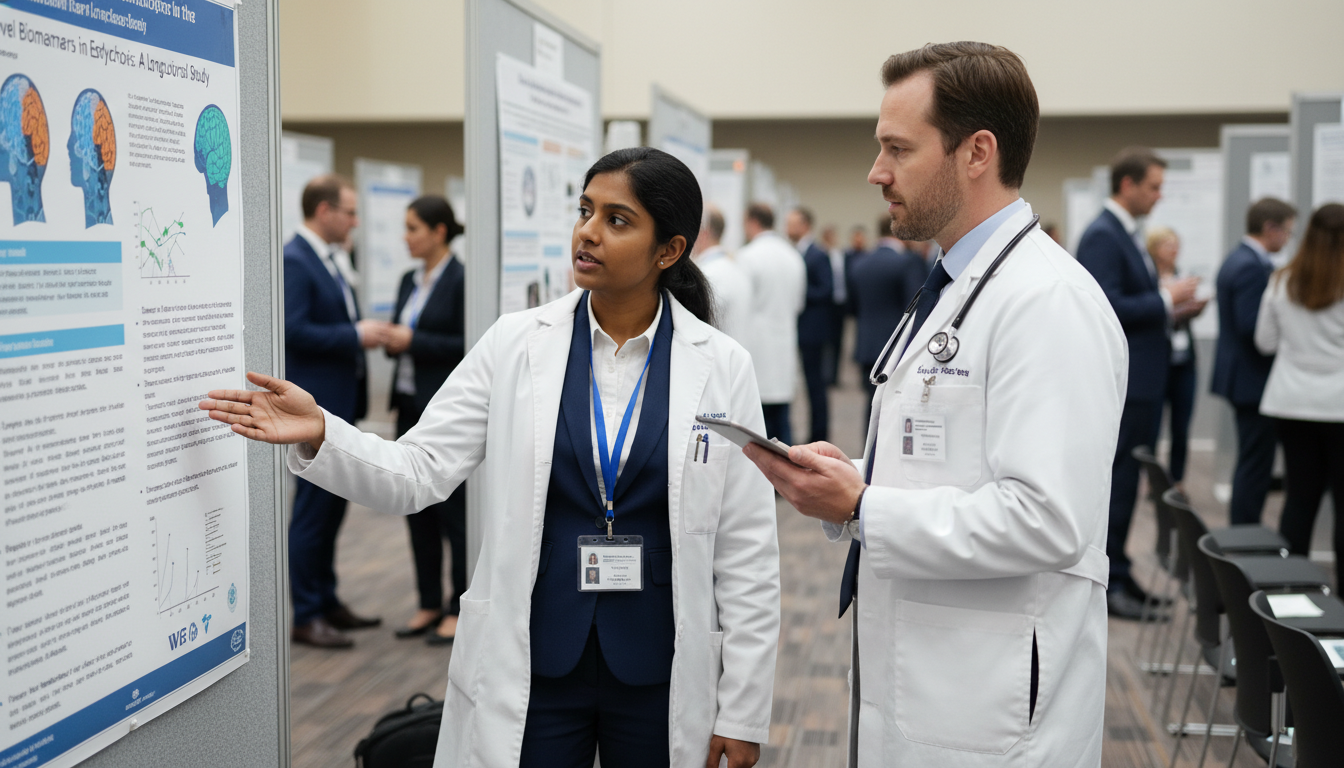
Conference abstracts and posters, even without full publication, are meaningful “research for residency” and should be listed in your ERAS under scholarly activity.
Step 5: Document Your Role Clearly
Program directors often ask: What did you actually do?
For each project, be prepared to describe:
- Your exact contributions:
- Literature search
- Data collection and cleaning
- Statistical analysis (if any)
- Writing the introduction/discussion
- Challenges you faced and how you addressed them
- Key findings and their clinical relevance to psychiatry
Practicing concise, 1–2 minute explanations of your projects will help tremendously in interviews.
Presenting Your Research Effectively in the Psych Match
Research only helps if you communicate it strategically through your application and interviews.
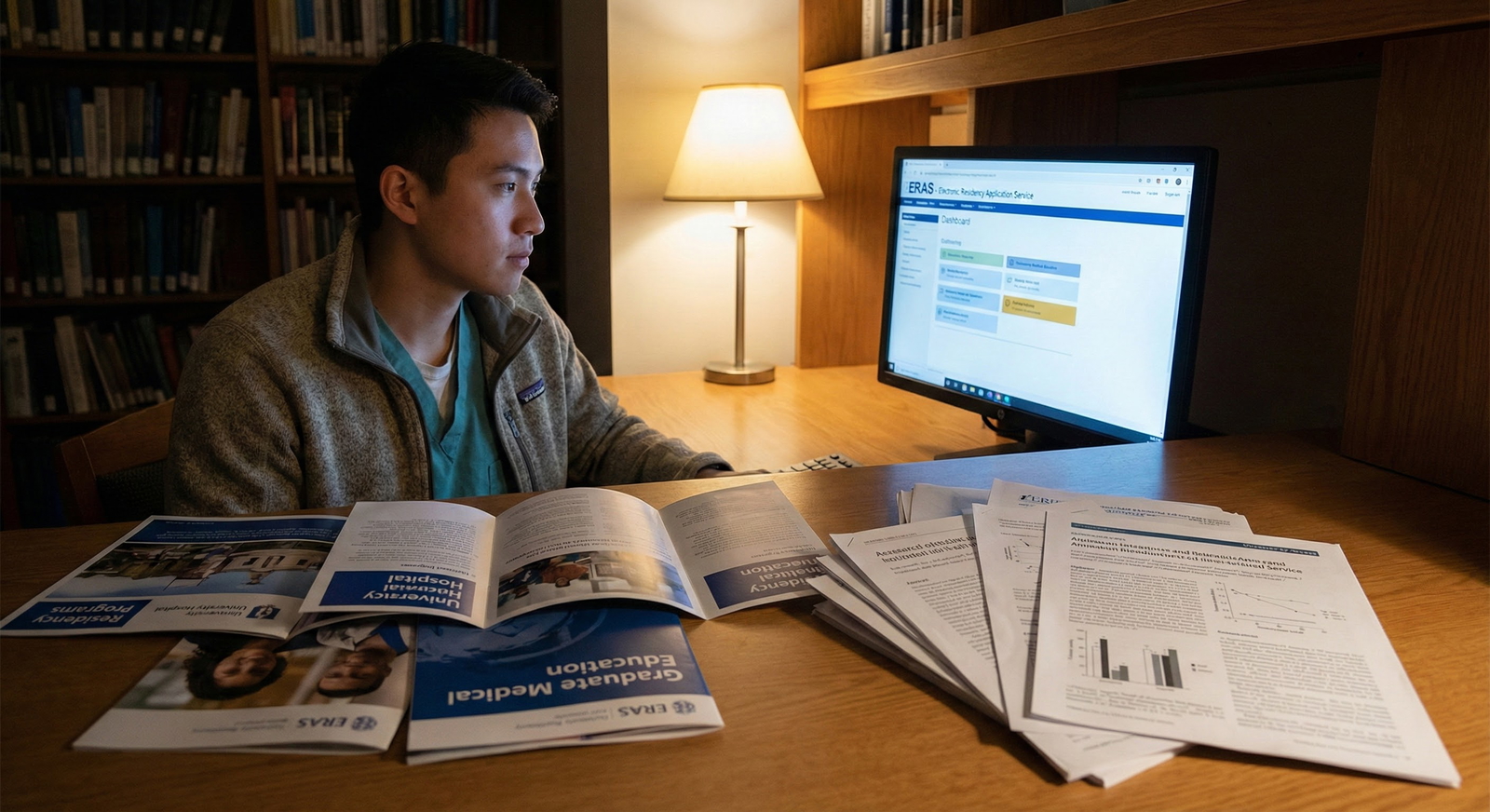
ERAS: How to List Your Work
In ERAS, for each research or publication entry, ensure you:
- Use accurate citation format and “in press”/“submitted” labels carefully
- Avoid listing low-quality or predatory journals (can raise red flags)
- Briefly state your role (e.g., “Primary author,” “Data collection + first draft”)
- Group similar projects to show coherent focus on psychiatry
If something is not yet accepted, list it under “Research experience” rather than “Publications” unless you have formal acceptance.
Personal Statement: Tie Your Research to Your Story
Your psychiatry personal statement should:
- Highlight 1–2 key projects, not everything you have done
- Explain how research:
- Deepened your understanding of mental illness
- Shaped your interest in specific psychiatry areas (e.g., addiction, child psych, psychosis, global mental health)
- Prepared you to think critically as a future psychiatrist
Rather than simply enumerating “I did X projects,” focus on how your research changed the way you think and practice.
Interviews: Common Research-Related Questions
You should be ready for:
- “Tell me about your most significant research project.”
- “What was your specific role in this study?”
- “What surprised you about your findings?”
- “How do you see research fitting into your future career?”
For each major project, prepare:
A 60–90 second summary of the:
- Background
- Methods
- Key results
- Clinical impact
One or two potential future directions or unanswered questions
Showing curiosity and humility matters as much as showing expertise.
Special Considerations for Non-US Citizen IMGs
Being a non-US citizen IMG and foreign national medical graduate adds specific logistical and strategic challenges.
Visa Limitations and Research Opportunities
Depending on your visa status or future plans:
- Some funded US research positions require specific visas or institutional sponsorship.
- However, many remote collaborations, voluntary roles, and manuscript writing do not require US presence.
Options to explore:
- Remote data analysis or literature work with US faculty
- Short-term observerships that include participation in QI or ongoing research
- Fellowships or research assistant positions that can later transition to residency applications
Converting Home-Country Research Into US-Relevant Experience
Research done outside the US is still very valuable—if presented correctly.
To strengthen its perceived relevance:
- Emphasize:
- Universal psychiatric concepts (e.g., depression, psychosis, suicide)
- Cultural or contextual insights that enrich your perspective
- Connect:
- “Working with underserved populations in my country taught me about stigma and access to care, which I want to explore further in US psychiatry.”
This shows you bring a unique, global mental health lens to residency.
Balancing Exams, Clinical Work, and Research
Your priority as a non-US citizen IMG still includes:
- Strong USMLE scores (or equivalent)
- Adequate clinical experience, ideally with US exposure
- Enough research depth to stand out without sacrificing exam performance
Practical balance:
- Use “off-peak” times (post-exam, lighter rotations) for research-intensive tasks.
- Break projects into small tasks (e.g., “finish introduction draft this week”).
- Collaborate with co-authors to share workload effectively.
Remember: a focused, feasible set of 3–5 well-developed research products is better than 10 half-finished ideas.
Frequently Asked Questions (FAQ)
1. As a non-US citizen IMG, can I match into psychiatry without any publications?
Yes, it is possible, especially for community-based or less research-intensive programs, if you have:
- Solid exam scores
- Strong psychiatry letters of recommendation
- Clinical experience showing clear interest in mental health
However, given the increasing competitiveness of psychiatry and the relative accessibility of case reports and posters, having at least some research exposure (even if not fully published) is strongly recommended.
2. What types of research are most impressive for psychiatry residency programs?
Most valued are:
- Psychiatry-focused original clinical or epidemiologic studies
- Well-structured case reports/series on interesting psychiatric presentations
- Thoughtful review articles in reputable journals
- Quality Improvement projects in psychiatric settings
But ultimately, what’s most impressive is that you can clearly explain your work, demonstrate understanding of methods, and connect it to your future as a psychiatrist.
3. How should I answer “How many publications needed for psych match?” if asked directly?
You can respond honestly and strategically, for example:
“I don’t think there’s a single number that guarantees a psych match. My goal has been to build a coherent research profile that reflects my interest in psychiatry. So far, I’ve focused on [X number] of projects, including [briefly name 1–2], which taught me [skills/insights]. I’m continuing to build on this foundation and hope to keep contributing to psychiatric research during residency.”
This shows maturity and understanding rather than a fixation on numbers.
4. I only have non-psychiatry research (e.g., internal medicine, surgery). Does it still help?
Yes—but you must present it thoughtfully:
Emphasize transferable skills:
- Data analysis
- Critical appraisal of literature
- Scientific writing
- Collaboration in teams
Make a bridge to psychiatry:
- For example, “Working on diabetes outcomes taught me the importance of behavioral factors and mental health in chronic disease, which eventually pushed me toward psychiatry.”
If time allows, try to add at least 1–2 clearly psychiatry-related projects before applying, so your portfolio looks aligned with your chosen specialty.
By approaching research strategically—as a tool to demonstrate curiosity, critical thinking, and commitment to psychiatry—you can significantly strengthen your application as a non-US citizen IMG. Whether through case reports, reviews, QI projects, or full-scale studies, a well-constructed research profile not only improves your chances in the psych match, but also lays the groundwork for a rewarding, academically engaged career in psychiatry.