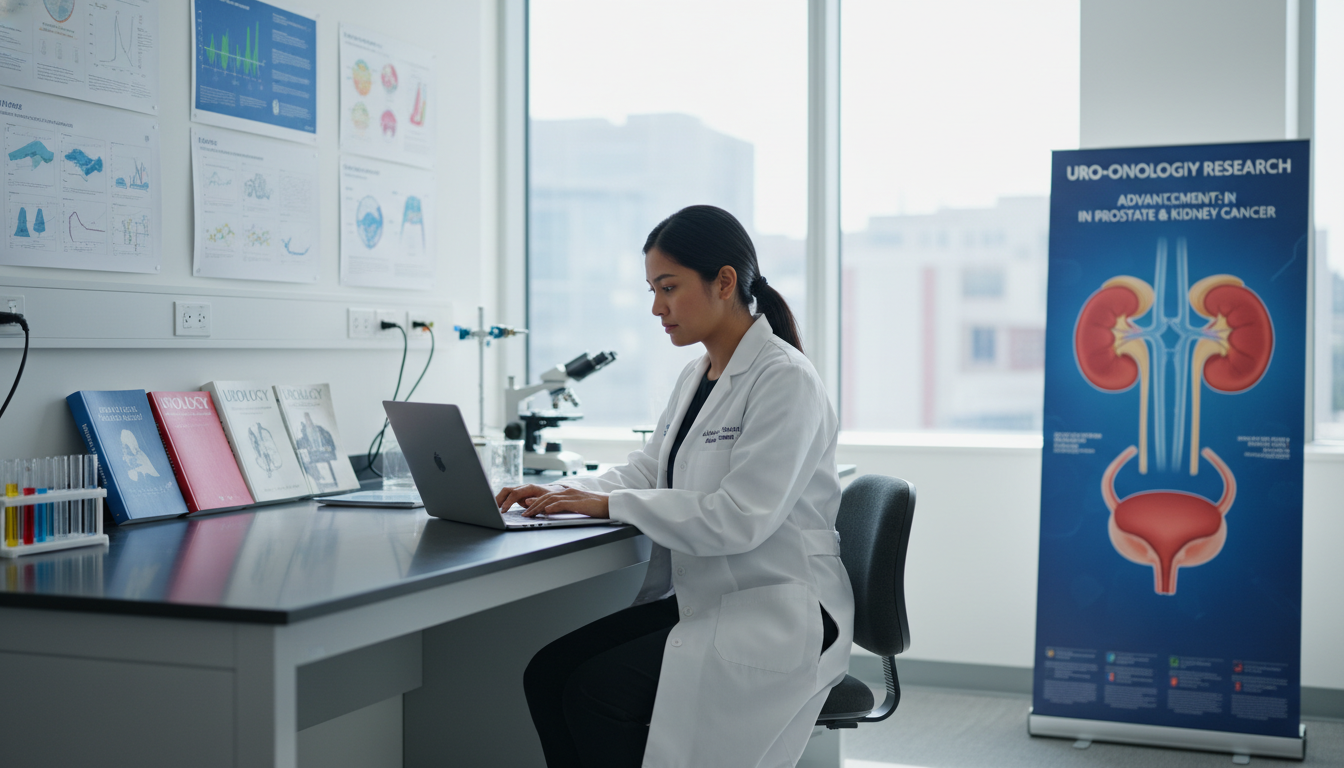
Building a competitive research profile as a non-US citizen IMG in urology is not optional—it is close to essential. Urology is one of the most competitive specialties in the US, and foreign national medical graduates are often compared against US MD seniors with years of structured research and mentorship. The good news is that with a strategic plan, you can build an impressive research portfolio that meaningfully supports your urology residency application and urology match prospects.
This guide will walk you step by step through how to think about, plan, and execute research for residency, with a special focus on the realities and challenges for a non-US citizen IMG.
Why Research Matters So Much in Urology for a Non-US Citizen IMG
The role of research in the urology match
Urology programs place strong emphasis on academic curiosity and potential for innovation. Research is often viewed as a proxy for:
- Intellectual curiosity
- Work ethic and persistence
- Ability to function in an academic environment
- Communication and teamwork skills
- Potential to contribute to the department’s scholarly output
For a non-US citizen IMG or foreign national medical graduate, it carries additional weight. Program directors often know less about your home institution, grading scale, or clinical environment. Research becomes one of the standardized signals they can interpret easily:
- Recognizable journals and conferences
- Well-known US mentors who can write letters of recommendation
- Clear evidence that you can work and succeed in a US academic system
How research helps specifically for a foreign national medical graduate
As a non-US citizen IMG, you face several extra barriers:
- Visa sponsorship concerns
- Less familiarity with your medical school among PDs
- Fewer “built-in” US clinical connections
- Possible lack of USMLE at the same time as US students
A strong research portfolio can partly offset these by:
Creating US-based credibility
US-based research (especially in urology) plugs you into the same ecosystem as domestic applicants.Generating strong letters of recommendation from US faculty
Letters from urology researchers who know you well are often stronger than brief clinical letters.Showing sustained commitment to urology
A track record of focused work in urology gives PDs confidence that you truly understand the specialty and will persist.Helping compensate for weaker parts of your application
If your Step scores are average, your school is less known, or you lack extensive US clinical experience, a robust research profile can tip the scales in your favor.
What “Counts” as a Strong Research Profile in Urology?
Types of scholarly work that are valuable
For urology residency, not all research is equal, but many forms are useful. Key types include:
Original research articles
- Retrospective chart reviews (common and achievable)
- Prospective cohort studies
- Clinical trials (usually as a junior collaborator)
- Basic/translational urologic science
Review articles and systematic reviews
- Narrative reviews in a urology topic (e.g., BPH management, stone disease protocols)
- Systematic reviews and meta-analyses
Case reports and case series
- Unusual cases (e.g., rare tumors, complex reconstructive surgery)
- Novel techniques or complication management
Conference abstracts and presentations
- Local institutional research days
- Regional or national urology society meetings (AUA, SUO, SUFU, etc.)
- Poster and podium presentations
Book chapters and educational content
- Chapters in urology textbooks or handbooks
- Online educational modules or guideline-based summaries (if credited and citable)
All of the above count, but the highest yield for residency applications tends to be:
- Peer-reviewed original articles in urology
- Urology-focused systematic reviews or meta-analyses
- National conference presentations in urology
“How many publications needed” for a competitive urology application?
There is no fixed number, but for a non-US citizen IMG in a competitive field like urology, you should aim higher than the average US MD applicant.
A realistic framework:
Strongly competitive foreign national medical graduate
- 1–3+ first-author urology papers (original research or high-quality reviews)
- 3–10 total urology-related publications (including case reports, reviews, abstracts)
- Multiple poster/podium presentations at recognized meetings (preferably at least one US-based)
Moderately competitive profile
- 1 first-author urology publication
- Several co-author papers or abstracts
- Evidence of continued, focused involvement in urologic research over at least 12–24 months
Quality and relevance are more important than brute numbers. A single solid, first-author clinical study in urologic oncology with a well-known mentor can be more impactful than six low-quality, non-urology case reports.

Stepwise Strategy to Build a Urology Research Profile as a Non-US Citizen IMG
Step 1: Clarify your timeline and constraints
Before diving into projects, define:
Where you are in training
- Pre-clinical student abroad
- Clinical student abroad
- Graduate doing a research year or observership in the US
- Already graduated and pursuing full-time research in the US
Your time horizon until application
- 3–4 years: can plan longitudinal projects, maybe basic science
- 1–2 years: focus on achievable clinical projects and reviews
- <1 year: prioritize case reports, small retrospective projects, and fast-turnaround reviews
Visa and geographic constraints
- Can you come to the US for research?
- Are you limited to remote collaboration from abroad?
- What visas can you realistically obtain (J-1, H-1B, O-1 eventually)?
Your strategy must fit your realities, not an idealized US MD path.
Step 2: Choose a focused urology niche (but not too narrow)
You do not need to lock yourself into one micro-field, but consistency helps storytelling and networking. Examples:
- Urologic oncology (e.g., prostate, bladder, kidney cancers)
- Endourology and stone disease
- Male infertility and andrology
- Pediatric urology
- Reconstructive urology
Pick 1–2 areas where:
- You have access to data or mentors
- There is active research at your institution or potential remote collaborators
- You can reasonably generate 2–4 products (papers, abstracts, posters) over a couple of years
This allows you to say during interviews:
“I developed a strong interest in stone disease early in medical school and consistently pursued research in that area, including X, Y, Z projects.”
Step 3: Secure mentorship—often your most important step
For a non-US citizen IMG, the mentor is often more critical than the project itself.
Types of mentors you want:
- A urologist (or urology researcher) practicing in the US
- Someone with a publication track record in your area of interest
- Preferably affiliated with an academic urology department
- Willing to write letters of recommendation if you perform well
How to find them:
- Email urology faculty at academic centers (especially those known for IMG-friendly environments)
- Look at authors of urology papers you admire and see if they have IMGs listed among co-authors
- Use platforms like ResearchGate, LinkedIn, or institutional websites to identify potential mentors
- Network via:
- Online urology conferences
- Urology interest groups
- Alumni from your medical school who matched into urology
Cold email basics (for a foreign national medical graduate):
- Subject: “Prospective IMG collaborator interested in [urology topic] research”
- Briefly introduce who you are (non-US citizen IMG from X country, your training stage)
- Mention your exams if done (USMLE Steps, language scores)
- Refer to their specific paper/area that interests you
- Offer specific skills: literature review, data collection, statistics, writing drafts, etc.
- Propose a short online meeting to discuss potential projects
Persistence matters. Many emails will be ignored; you may need to send 30–50 carefully written emails to find 1–2 responsive mentors.
Step 4: Prioritize feasible, high-yield project types
As a non-US citizen IMG, you must choose project types that match your time and access level.
1. Retrospective clinical projects
Usually the most achievable in urology labs/clinical settings:
- Data extracted from existing electronic records
- Example: outcomes of ureteroscopy vs. shockwave lithotripsy for kidney stones at a single center
- Often publishable within 12–24 months
Your contributions:
- Designing data collection forms
- Extracting and cleaning data
- Performing basic stats (with supervision)
- Writing introduction, methods, discussion
2. Systematic reviews and meta-analyses
Ideal if you have limited patient contact or are working remotely.
- Example: “Outcomes of different intravesical therapies after BCG failure in non-muscle invasive bladder cancer”
- Does not require institutional patient data
- Teaches you literature appraisal and statistics
You will need:
- Training in systematic review methodology (PRISMA guidelines)
- Some basic statistical software exposure (RevMan, R, or Stata, depending on mentor)
3. Case reports and small series
Good for quick wins, but do not rely on these alone.
- Example: “Rare presentation of xanthogranulomatous pyelonephritis in a young adult”
- Often faster to write, though publication acceptance can still take months
- Useful early in your research journey to learn the process of submission, revision, and proofing
4. Quality improvement (QI) and educational projects
These may be less traditional “research” but can still be valuable:
- Implementing and evaluating a pre-op checklist in urology ORs
- Developing and evaluating an educational module for bladder catheterization for interns
Not all urology programs emphasize QI, but high-quality, well-measured QI work can still support your application.
Step 5: Learn the essentials of research methods and statistics
You will be much more valuable to a mentor if you can:
- Understand basic study designs (cohort, case-control, RCTs, cross-sectional)
- Interpret p-values, confidence intervals, effect sizes
- Run simple analyses (t-test, chi-square, logistic regression) with supervision
Practical steps:
Take free or low-cost online courses (Coursera, edX, etc.) in:
- Biostatistics
- Epidemiology
- Clinical research methods
Use textbook or guide resources:
- “Users’ Guides to the Medical Literature” (for critical appraisal)
- Basic biostatistics manuals aimed at clinicians
Mentioning such training in your ERAS CV and personal statement helps demonstrate seriousness and preparation.
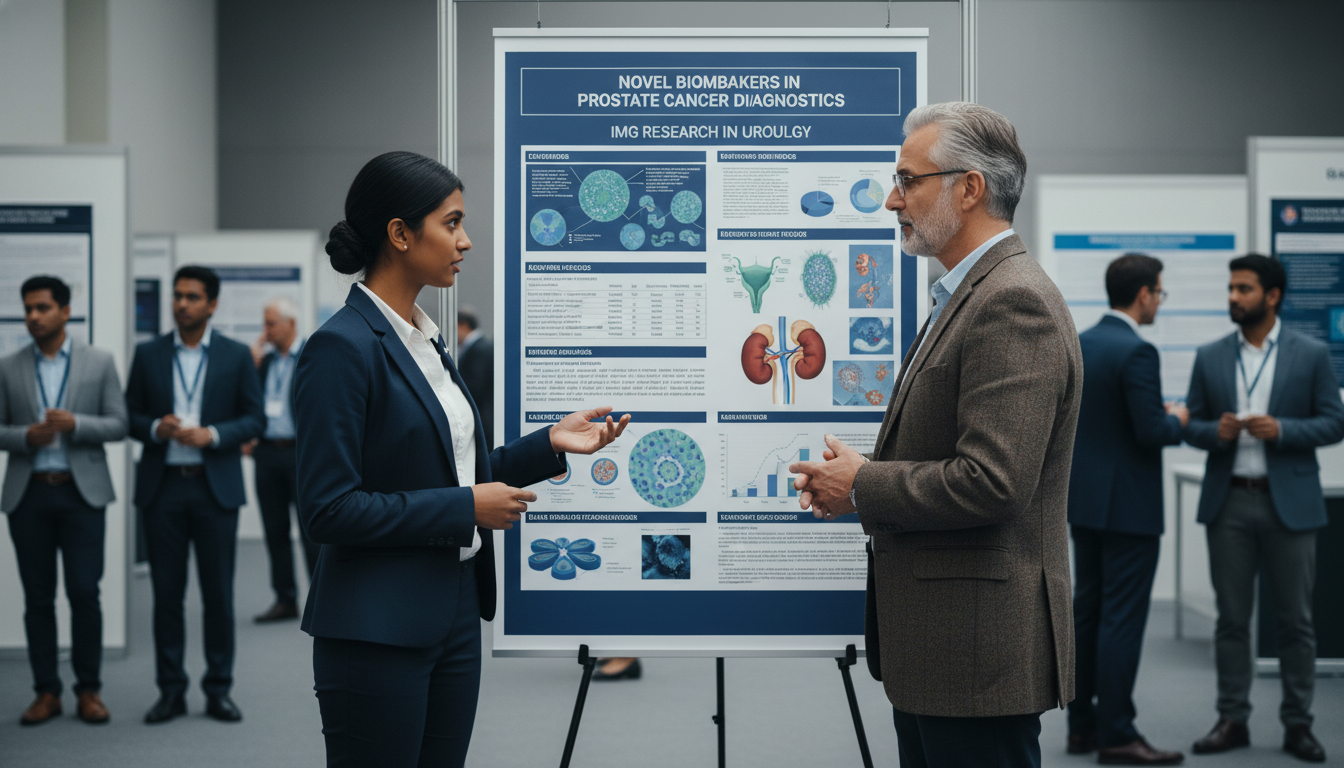
Turning Research into a Visible, Coherent Application Story
Documenting your work properly
Residency programs care about completed and clearly documented scholarly work. Pay attention to:
Authorship order
- First-author roles carry the most weight.
- Explain middle-author roles during interviews (what exactly you did).
Journal quality and relevance
- Urology-focused journals (e.g., European Urology, Journal of Urology, Urology, BJU International) are ideal.
- Respectable specialty or general medical journals are still helpful even if not “top tier.”
Conferences and visibility
- List oral/poster presentations clearly with date, meeting, and location.
- US-based meetings often carry more weight for US residency applications.
Use reference management software (Zotero, EndNote, Mendeley) early on to:
- Keep a database of everything you’ve worked on
- Maintain consistent citation styles
- Avoid losing track of abstracts and manuscripts
Crafting a coherent narrative
For program directors, your long list of “publications for match” is less about sheer volume and more about what it says about you. Aim to build a narrative like:
“I developed a strong interest in reconstructive urology early in my training. Over two years, I contributed to several projects, including a retrospective analysis of urethral stricture repair outcomes, a systematic review of graft materials in urethroplasty, and multiple case reports. Through this work, I built skills in study design, statistics, and multidisciplinary teamwork.”
This sounds far better than:
“I did random research in many fields and helped write some papers.”
Make sure:
- Your personal statement highlights 1–3 key projects and what you learned.
- Your letters of recommendation confirm your contributions and growth.
- Your CV shows progression (from case reports → retrospective studies → more complex analyses).
Avoiding common pitfalls for non-US citizen IMGs
Predatory journals
- Avoid paying for publication in low-quality or predatory journals; PDs can recognize them.
- Ask mentors or senior residents if you are unsure about a journal’s reputation.
Authorship disputes
- Clarify your role and authorship order early in each project.
- Follow ICMJE authorship criteria to ensure ethical authorship.
Overcommitting to too many projects
- It’s better to finish 3–4 projects than to “help” on 10 and leave many incomplete.
- Be honest with your mentor about your time and application deadlines.
Neglecting urology-specific work
- Non-urology research (e.g., internal medicine, neurology) can still help, especially early in your career, but it should not entirely replace urology research.
- By the time you apply, most of your major projects should clearly be urology-related.
Maximizing the Impact of Your Urology Research in the Match
How to present your work during interviews
You should be ready to:
Clearly explain 1–3 key projects in simple language:
- The question you asked
- What you did
- What you found
- Why it matters to urology
Emphasize skills gained:
- data analysis
- critical appraisal
- collaboration across teams
Reflect on challenges:
- Delays in data collection as an IMG
- Time zone issues if working remotely
- Learning new statistical tools
These reflections show maturity and resilience—important traits for residency.
Obtaining strong letters of recommendation from research mentors
For a non-US citizen IMG, a research mentor letter can be as strong—or stronger—than a purely clinical letter if:
- The mentor is a urology faculty member with a recognized academic position.
- They supervised you for at least 6–12 months.
- They can comment on:
- Your initiative and reliability
- Intellectual curiosity
- Specific, concrete contributions (e.g., “led the data collection and wrote the first draft of our manuscript on robotic partial nephrectomy outcomes”).
When you request the letter:
- Provide your CV and personal statement draft.
- Remind them of key projects you worked on together.
- Politely ask if they feel they can write a strong, supportive letter for your urology residency applications.
Using research experience to target specific programs
Many programs have identifiable strengths (e.g., uro-oncology, endourology, reconstructive surgery). Use your research background to:
Show fit:
- Mention in your personal statement why their research aligns with your prior work.
- Reference specific faculty or labs you hope to learn from.
Ask targeted questions on interview day:
- “I’ve been involved in urethral reconstruction outcomes research. How might residents get involved in similar projects here?”
This signals that you’re not just seeking any urology spot, but a program where you can continue growing academically.
Frequently Asked Questions (FAQ)
1. I am a non-US citizen IMG with no prior research. Where do I start?
Start with:
- Learning basic research methods and statistics through online courses.
- Identifying potential mentors (preferably urology faculty) and sending targeted, well-crafted emails.
- Being open to entry-level projects: case reports, literature reviews, small retrospective projects.
Focus on showing reliability. Once a mentor sees your work ethic and quality, you’ll be invited into more substantial projects.
2. Does all my research need to be in urology?
No, not all of it—but for a urology residency, the majority of your recent, significant work should ideally be urology-related. Early non-urology research is acceptable and still builds skills, but near your application time:
- Aim for at least several urology-focused publications or abstracts.
- Make sure your primary narrative and long-term interests are clearly in urology.
3. How many publications are usually needed for a non-US citizen IMG to be competitive in urology?
There is no strict number, but as a general rule:
- Try to have at least 1–2 first-author urology papers or substantial projects.
- Aim for a total of 3–10 scholarly products (including abstracts, case reports, and review articles).
Remember, quality and impact matter. Strong letters from reputable mentors plus a coherent urology-focused story often weigh more than a large but unfocused publication list.
4. I am working remotely with a US mentor. Will programs value this research?
Yes—if:
- The work is legitimate, peer-reviewed, and clearly described in your CV.
- Your mentor can write a detailed letter of recommendation.
- You can explain your contributions clearly in interviews.
Remote collaboration is increasingly common, especially for non-US citizen IMGs. Make sure communication is consistent, and aim to meet deadlines and stay visibly engaged.
Building a strong research profile as a non-US citizen IMG in urology takes planning, persistence, and strategic choices. By focusing on meaningful urology projects, finding committed mentors, and translating your work into a coherent application narrative, you significantly increase your chances of a successful urology match—even in one of the most competitive specialties in medicine.