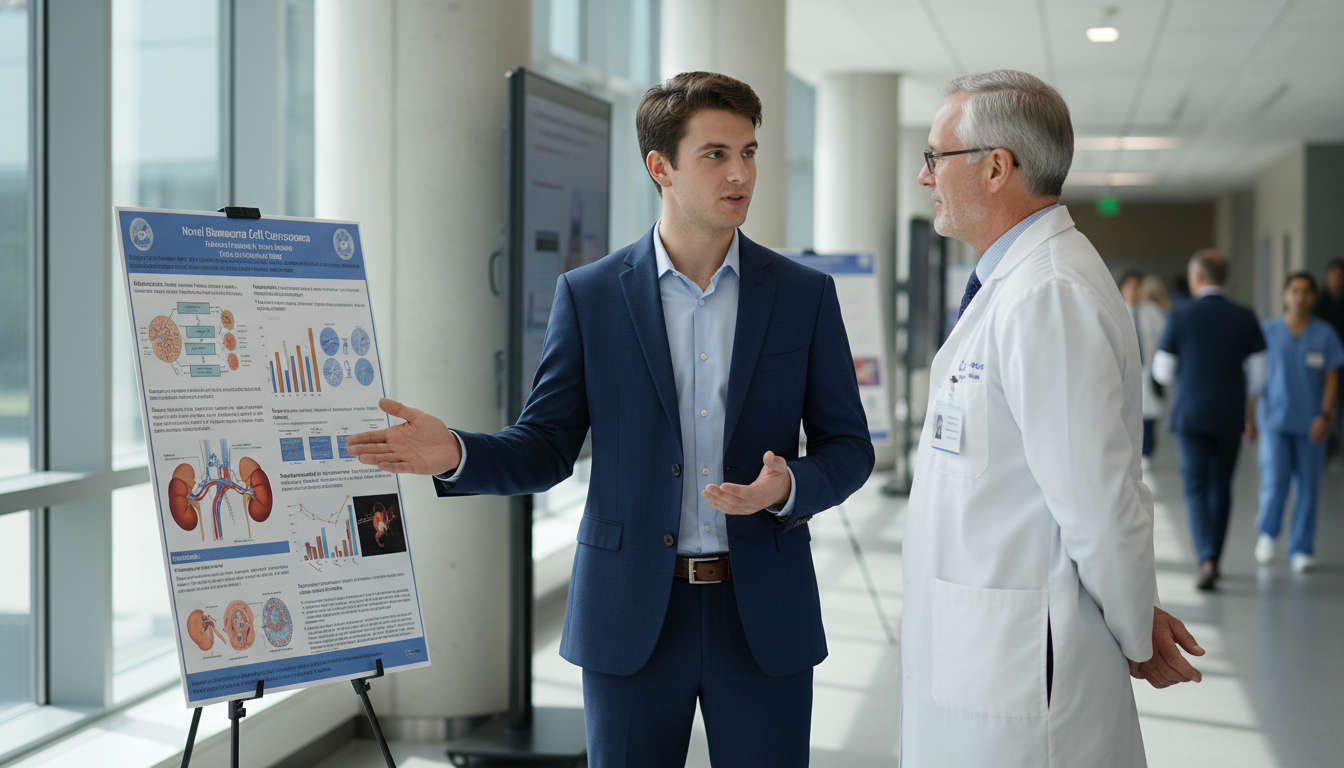
Understanding the Role of Research in Plastic Surgery Residency
Plastic surgery is one of the most competitive specialties in the allopathic medical school match. For an MD graduate residency applicant, a strong research portfolio is no longer optional—it is a core component of a successful integrated plastics match strategy.
Program directors in plastic surgery consistently value:
- Evidence of academic curiosity and productivity
- Ability to work within research teams
- Understanding of study design and critical appraisal
- Commitment to pushing the specialty forward
In plastic surgery, “research” is often interpreted broadly:
- Clinical outcomes and quality-improvement projects
- Basic science or translational research
- Anatomical or cadaveric studies
- 3D printing and surgical simulation research
- Health services, public health, or disparities work
- Education research related to surgical training
Your goal as an MD graduate is not just to collect lines on a CV, but to build a coherent, credible research narrative that supports your interest in plastic surgery and differentiates you from other applicants.
Why Research Matters Especially for MD Graduates
As an MD graduate in a hyper-competitive specialty, research helps you:
Compete with high-stat applicants
In integrated plastics, many applicants have Step scores near the top percentile, honors, and leadership experiences. A robust research record (publications, presentations, and ongoing projects) can be a tiebreaker.Demonstrate sustained interest in plastic surgery
Plastic surgery–focused projects, especially multi-year or multi-project involvement, signal that your commitment to the field is long-standing and substantial.Showcase unique skills
Research productivity reflects:- Time management
- Intellectual rigor
- Persistence and resilience
- Ability to collaborate with surgeons, statisticians, and basic scientists
Generate strong letters of recommendation
Research mentors—especially plastic surgery attendings—are often your most powerful letter writers. Longitudinal work with them leads to detailed and persuasive letters.
How Many Publications Do You Need for Plastic Surgery?
One of the most common questions is: “How many publications needed for an integrated plastics match?” There is no fixed cut-off, but data and experience provide useful benchmarks.
Interpreting “Research Productivity” in Plastic Surgery
In recent cycles, successful plastic surgery residency applicants often report:
- Double-digit “scholarly products” when ERAS-defined items are added together (pubs, abstracts, presentations, chapters)
- Not all of these are first-author, and not all are in plastic surgery journals
For an MD graduate residency candidate, aim for both quantity and quality, but avoid chasing numbers at the expense of meaningful contributions.
A realistic, competitive target profile might be:
Highly Competitive Research Profile
- Total publications: 8–15+
- First- or co-first-author papers: 2–4
- Publications specific to plastic surgery or reconstructive topics: 3–6
- Multiple national presentations (e.g., ASPS, ASAPS, regional plastic surgery meetings)
- At least one major, ongoing project with clear role (data lead, first author, protocol designer)
Solidly Competitive Research Profile
- Total publications: 4–8
- First-author papers: 1–2
- Some plastic surgery–relevant work, even if journals are mixed
- Combination of posters, oral presentations, and in-press manuscripts
Developing or Late-Starting Profile (Needs Strategic Strengthening)
- Total publications: 0–3
- No or few plastics-specific projects yet
- Several in-progress manuscripts or abstracts
- Strong plan and committed mentorship to scale up quickly (e.g., gap year, research fellowship)
Quantity vs. Quality vs. Relevance
When thinking about how many publications needed, refine the question:
- Quantity: Do you have enough items to show consistent productivity over time, not just a last-minute surge?
- Quality: Are some of your projects in reputable journals or presented at recognized surgery/plastics meetings?
- Relevance: Does at least part of your portfolio clearly relate to plastic surgery, reconstructive science, microsurgery, hand, craniofacial, aesthetics, or related disciplines?
Programs know that not every applicant will have a dozen peer-reviewed plastics publications; what they want to see is:
- Evidence of work ethic
- Methodological literacy
- A research “arc” that matches your plastic surgery interests
Choosing and Structuring Your Research Experiences

To build a strong research profile for integrated plastics, you need both strategic project selection and clear roles that you can describe during interviews and in your application.
Step 1: Clarify Your Research Narrative
Before adding more projects, define your research identity:
- What themes or patient populations interest you?
- Examples: breast reconstruction, craniofacial anomalies, burns, limb salvage, gender-affirming surgery, aesthetic outcomes, global surgery, health disparities.
- What methods fit your skills and opportunities?
- Retrospective chart reviews
- Prospective cohort studies
- Survey-based research
- Anatomical or cadaveric work
- Device/technology evaluation
- Systematic reviews and meta-analyses
You don’t need to lock into one niche, but some cohesive thread is valuable. For example:
“My research focuses on outcomes and disparities in breast reconstruction and microsurgery,”
or
“I have a consistent interest in facial trauma and craniofacial reconstruction, with projects spanning outcomes, imaging, and education.”
Step 2: Balance High-Yield and High-Probability Projects
Your time as an MD graduate is limited. Structure your work across three tiers:
Quick Wins (High-Probability, Lower Yield)
- Case reports or small case series (especially if unusual or innovative techniques are involved)
- Brief reviews or technical notes
- Co-authoring retrospective charts where the PI already has IRB approval and some data collected
These help you:
- Learn the mechanics of manuscript writing
- Add early items to your CV
- Build trust with your mentor
Medium-Term Projects
- Retrospective cohort studies with well-defined endpoints
- Prospective databases for common plastic surgery procedures
- Resident/medical-student-led multi-center surveys
These can produce:
- Substantive publications
- Multiple abstracts and posters
- More sophisticated methodology (regression, propensity matching, etc.)
Long-Term, Higher-Impact Projects
- Multi-center collaborations
- Novel techniques or protocols with meaningful outcomes
- Systematic reviews/meta-analyses that become references in the field
- Education research with significant sample sizes and robust design
These build:
- Name recognition (especially if you present at national meetings)
- Stronger letters from mentors impressed by your initiative
- A sense that you will be an academic contributor during residency
Step 3: Match Projects to Your Career Stage
If you’re still in medical school (early):
- Join existing plastic surgery teams at your institution
- Start with retrospective projects to understand workflow
- Meet with mentors at least monthly to stay on track
If you are an MD graduate taking a research gap year:
- Treat it like a full-time job (40–60 hours/week)
- Manage a portfolio of 4–8 active projects at different stages:
- 1–2 near submission
- 2–3 in data collection/analysis
- 1–2 in planning/IRB stage
- Aim to be first author on as many as is realistic while still delivering quality
If you are already in a preliminary year or non-plastics residency considering reapplication:
- Focus on collaborations with plastic surgery departments at your institution or via virtual networks
- Use your clinical position to help with:
- Patient identification
- Data abstraction
- Implementation of QI protocols
Getting Started When You Have No Experience
If your MD graduate residency application timeline is tight and you are starting from near-zero:
Identify Mentors
- Plastic surgery faculty at your home or nearby institution
- Alumni in plastic surgery residency from your medical school
- National or regional research collaboratives
Offer Specific Help Instead of “Can I do research with you?” say:
- “I’m comfortable with data extraction and can dedicate 10–15 hours/week to help with an ongoing outcomes project.”
- “I have experience with R/SPSS/Excel and can help with data cleaning and basic analysis.”
Take Ownership of At Least One Project Even if you help on many, you should have one project where you clearly are the driver:
- You write the introduction and methods
- You coordinate data collection
- You submit abstracts, respond to reviewer comments, etc.
This “anchor” project is often the one discussed in-depth during interviews.
Maximizing Productivity: From Idea to Publication

Having many projects in progress does not guarantee output. You must learn how to convert effort into completed, citable work.
Designing Feasible Projects
For MD graduate residency applicants, the most important research skill is feasibility assessment. Before committing, ask:
- Is the research question answerable with available data and time?
- Does the attending/PI have a track record of publishing student-led projects?
- Are IRB and data access issues already resolved or realistically manageable?
- Can this project lead to at least one abstract and one manuscript by your application cycle?
A strong, simple retrospective study completed on time is better than an overly ambitious prospective trial that never finishes.
Building a Project Pipeline
Think of your research timeline as a pipeline with multiple steps:
Concept & Proposal
- Clarify the main question and primary outcome
- Define inclusion/exclusion criteria
- Conduct a brief literature review
- Draft a 1–2 page concept sheet
IRB & Data Plan
- Decide what data you need and from where
- Understand privacy and de-identification rules
- Prepare data collection forms (REDCap, Excel, etc.)
Data Collection
- Block dedicated time weekly
- Maintain a data dictionary for variable definitions
- Check inter-rater reliability if multiple people are abstracting
Analysis
- Collaborate with a statistician when possible
- Learn basic statistics relevant to common plastics outcomes (t-tests, chi-square, logistic regression)
- Predefine primary vs. secondary analyses to avoid “fishing”
Writing and Submission
- Divide writing tasks among co-authors, but one person (often you) must drive the timeline
- Target an appropriate journal: plastic surgery–specific if possible, or broader surgery/clinical journals
- Prepare multiple abstracts for regional and national meetings
Common Pitfalls and How to Avoid Them
Too Many Projects, Nothing Completed
- Strategy: Cap the number of active lead-author projects and enforce deadlines. Maintain one “near submission” project at all times.
Unclear Authorship or Roles
- Strategy: Discuss authorship expectations early with your mentor. Clarify first author vs. middle author status; document your contributions.
Weak or Rushed Manuscripts
- Strategy: Build in time for multiple rounds of revision. Ask a senior resident or fellow to do a “pre-submission” review.
Ignoring Ethics and IRB Requirements
- Strategy: Take your institution’s research ethics training seriously. Never start data abstraction on identifiable patient data without appropriate approvals.
Using Technology to Improve Efficiency
- Reference managers: Zotero, EndNote, or Mendeley to manage citations and PDFs
- Data tools: REDCap for secure data entry, Excel or Google Sheets for preliminary work, R/SPSS/Stata for analysis
- Writing tools: Shared documents (Google Docs, Overleaf) for collaborative editing; consistent templates for abstracts and posters
- Task management: Simple Kanban boards (Trello, Notion) to track multiple projects and deadlines
The goal is not to become a full-time data scientist, but to be efficient enough to progress multiple projects in parallel.
Presenting Your Research on ERAS and in Interviews
Your research for residency only matters if it is clearly and compellingly presented to selection committees. As an MD graduate residency applicant, you must translate your work into a strong application narrative.
Optimizing the ERAS Research Section
When listing your work, emphasize:
- Your role: “Primary data abstractor and first author,” “Co-designed study protocol,” “Conducted literature review and wrote introduction and discussion.”
- Status: Submitted, in revision, accepted, in press, or published—be honest and precise.
- Relevance to plastic surgery: If the journal isn’t plastics-specific, clarify the plastic surgery or reconstructive angle in the description.
In the context of an integrated plastics match, reviewers often scan for:
- Plastic surgery journal names
- National conference presentations
- The trajectory of your scholarly growth across years
Crafting a Coherent Research Story
You should be able to answer in 2–3 minutes:
- “What is your main research focus?”
- “Tell me about a project you’re most proud of—what was the question, what did you do, and what did you find?”
- “What did you learn from doing research that will make you a better plastic surgery resident?”
When answering:
- Describe the clinical problem first, not the statistics
- Highlight your personal contributions
- Summarize the results and their clinical significance concisely
- Reflect briefly on challenges and how you overcame them
Strategic Use of Letters of Recommendation
If you’ve worked meaningfully with a plastic surgery faculty mentor, ask for a research-informed letter that addresses:
- Your initiative and independence
- Your persistence through project setbacks
- Your writing, analytical skills, and reliability
- How you compare to other students who matched plastics from that institution
Such letters strongly reinforce the story told by your CV and personal statement.
Building a Long-Term Academic Identity in Plastic Surgery
Research during medical school and as an MD graduate residency applicant is just the beginning. Programs want residents who will be academic contributors over the long term.
Thinking Beyond the Match
Ask yourself:
- Do I see myself in academic plastic surgery, private practice with research, or hybrid models?
- What questions in this field do I truly care about answering?
- What technical or methodological skills do I want to develop (e.g., outcomes research, basic science, bioengineering, health policy)?
Even if you don’t know yet, showing that you’ve thought about these questions makes you stand out.
Leveraging National Networks and Societies
To strengthen your integrated plastics match prospects and deepen your research exposure:
- Attend national meetings (ASPS, AAPS, ASAPS, specialty society meetings)
- Seek out student and resident research sections or forums
- Network respectfully with faculty whose work aligns with your interests
- Consider joining multi-institutional collaborative projects or registries
A single well-placed collaboration can lead to multiple projects and enduring mentorship.
Aligning Research with Your Personal Brand
Over time, your research for residency should align with your personal mission statement. For example:
- “My long-term goal is to improve access and outcomes for breast reconstruction in underrepresented populations.”
- “I aim to use technology and 3D printing to optimize craniofacial reconstruction and surgical planning.”
- “I am committed to advancing reconstructive options for complex extremity trauma.”
When your publications, abstracts, and ongoing projects consistently echo this mission, program directors perceive you as an emerging academic plastic surgeon, not just an applicant with scattered research.
FAQs: Research Profile Building for MD Graduate in Plastic Surgery
1. I’m an MD graduate with very little research. Is it still possible to match plastic surgery?
It is difficult, but not impossible. You will likely need:
- A dedicated research year or fellowship in plastic surgery at a reputable institution
- Several completed projects with at least some first-author work
- Strong plastic surgery mentors who can write detailed letters
- A coherent plan to explain how your trajectory has evolved and why you are now prepared for the field
If you cannot secure a gap year, focus on high-yield, feasible projects with fast timelines and plastic surgery relevance.
2. Does all of my research need to be in plastic surgery?
No. Many successful integrated plastics match applicants have a mix of:
- Plastics-focused outcomes or clinical projects
- General surgery, trauma, dermatology, orthopedics, or basic science research
- Education or quality improvement work
However, having at least some plastic surgery–specific work—ideally with plastic surgery faculty—strengthens your credibility and demonstrates genuine commitment.
3. What matters more: first-author publications or total number of publications?
Both matter, but in different ways:
- First-author work shows leadership, ownership, and writing skills; strive for at least 1–2 first-author manuscripts.
- Total productivity shows consistency and teamwork; co-authorships can demonstrate your ability to contribute meaningfully to larger efforts.
Aim for a balanced portfolio: a handful of first-author projects combined with broader team-based work.
4. If my publications are “in press” or “submitted,” will programs take them seriously?
Yes, if they are clearly described and realistic:
- Use accurate status labels: “accepted,” “in press,” or “submitted.”
- Avoid inflating your contribution or misrepresenting status.
- Be prepared to discuss these projects in detail, including study design and preliminary results.
Accepted and in-press papers carry more weight than newly submitted manuscripts, but a strong pipeline still shows momentum and ambition.
By approaching your research profile strategically—selecting meaningful projects, working efficiently, and aligning your work with a clear plastic surgery narrative—you can significantly strengthen your competitiveness as an MD graduate residency applicant. A thoughtful, well-executed research strategy can turn your integrated plastics match from an aspiration into a realistic, achievable goal.