Understanding the Research Landscape in Addiction Medicine for US Citizen IMGs
As a US citizen IMG (American studying abroad or graduate of a non-US medical school), building a strong research profile can be one of the most powerful ways to stand out for addiction medicine–related residency and, later, addiction medicine fellowship applications. Even though addiction medicine is often pursued after primary residency (e.g., internal medicine, psychiatry, family medicine), programs increasingly value documented interest and experience in substance use and addiction-related work.
This article is designed specifically for the US citizen IMG who is thinking ahead about:
- How to structure a research portfolio that signals genuine commitment to addiction medicine
- What types of projects are realistic and impactful while studying abroad
- How many publications and what kind of research for residency applications are most helpful
- How to transform scattered experiences into a coherent story during the match
We will focus primarily on addiction-medicine–relevant work, but the strategies apply broadly to any research profile.
What Programs Look For: The “Research Signal” in Addiction Medicine
Residency programs that value addiction medicine exposure (especially psychiatry, internal medicine, family medicine, and emergency medicine) tend to look for several overlapping signals:
Sustained interest in addiction and substance use
- Longitudinal involvement (not just a one-off elective)
- Multiple experiences that connect to addiction medicine: research, clinical electives, quality improvement (QI), advocacy, or community outreach
Evidence of academic curiosity and productivity
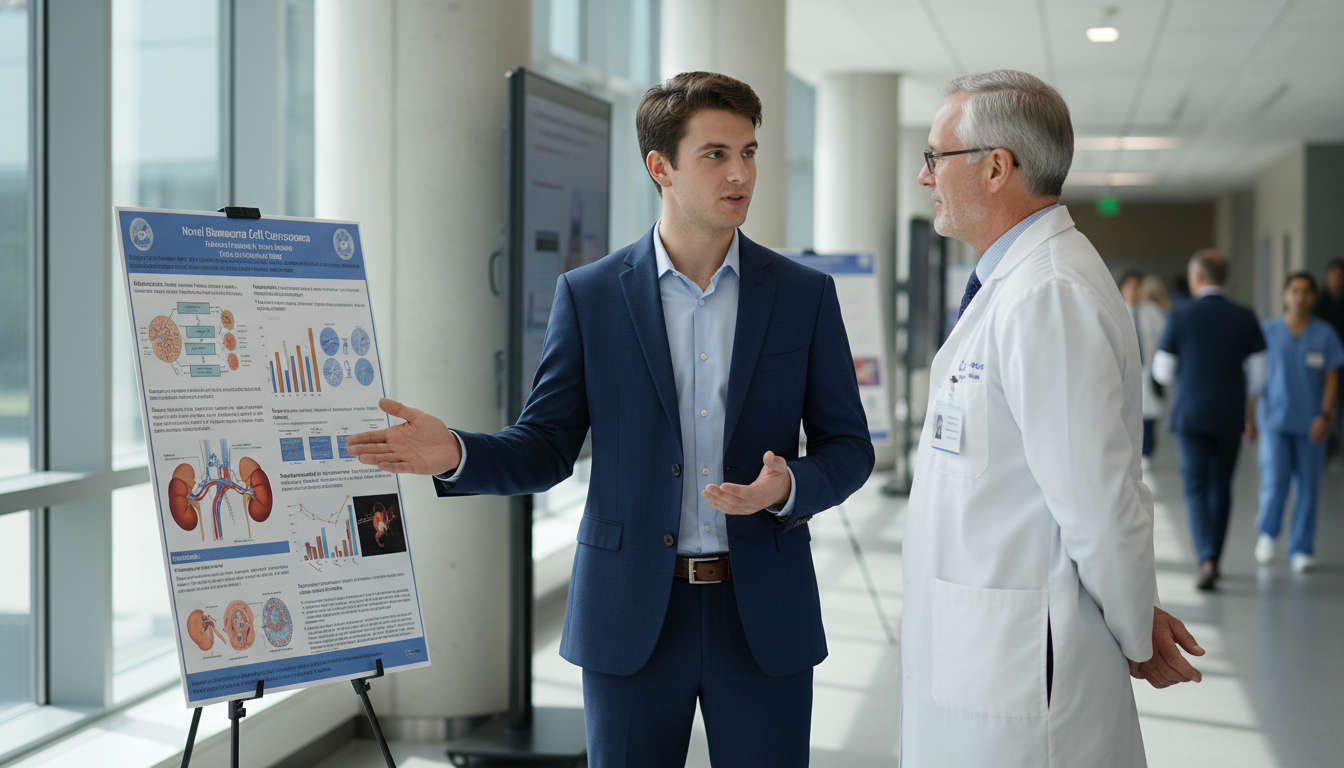
- Publications, posters, presentations, or other scholarly work
- Evidence you can complete projects, work in teams, and follow through
Understanding of US healthcare and addiction systems
- Exposure to US-based research environments if possible
- Familiarity with issues like the opioid epidemic, harm reduction, MAT (medication-assisted treatment), stigma, and health equity
Alignment with program strengths
- Addiction-focused rotations, faculty, or research groups at the residency and addiction medicine fellowship level
- Your research portfolio should make it easy for program directors to see: “This applicant will thrive with what we offer.”
For a US citizen IMG, these signals also help counter common concerns about unfamiliar training environments or limited US clinical exposure. A solid research record in addiction medicine can help demonstrate:
- Adaptability to academic expectations
- Strong communication and writing skills
- Initiative and professionalism across borders
- Commitment to a high-need, often underserved patient population
How Many Publications Do You Really Need? Quality vs. Quantity
You’ll often hear applicants ask, “How many publications needed to be competitive?” or “Do I need first-author PubMed papers to match?” The answer is nuanced and depends on your overall profile and target programs.
Benchmarks and Realistic Targets
For a US citizen IMG interested in addiction medicine, reasonable goals during medical school or the early post-graduate period might be:
Ideal but ambitious:
- 1–2 first-author or co-first-author papers (original research, systematic review, or well-done narrative review)
- 2–4 posters or oral presentations at reputable conferences (local, regional, national, or international)
- Several smaller contributions (book chapters, letters to the editor, case reports, quality improvement abstracts)
Solid and realistic (especially if starting late):
- 1 first-author publication OR
- 1–2 co-author publications plus
- 2–3 posters/presentations or accepted abstracts
- At least one project clearly focused on addiction or substance use
Minimum expectation for research-heavy programs:
- Some evidence of scholarly work (even if not PubMed-indexed):
- Poster or conference presentation
- Accepted abstract or QI project
- Meaningful participation in ongoing research with documented role (and described clearly in your CV and personal statement)
- Some evidence of scholarly work (even if not PubMed-indexed):
There is no absolute number that guarantees success. A well-executed, addiction-relevant, first-author paper plus strong letters from research mentors can be more powerful than six superficial co-authorships where your role is unclear.
Quality Markers Programs Notice
Residency leadership and addiction medicine fellowship directors tend to value:
- Clear connection to addiction medicine or mental health
- Methodological soundness, even if the project is small (e.g., a thoughtful retrospective chart review rather than a rushed survey)
- Completion and dissemination: Did you follow the project to a poster, paper, or presentation?
- Your described role: Can you articulate your contribution (design, data collection, analysis, writing)?
If you must choose between quantity and depth, prioritize depth in at least one or two projects, particularly in addiction-related topics.
Strategic Steps to Build an Addiction Medicine Research Profile as a US Citizen IMG
1. Clarify Your Target Narrative Early
Even if you are early in medical school abroad, start shaping a consistent narrative:
- “I am a US citizen IMG with long-standing interest in addiction medicine and underserved populations, aiming for a psychiatry/internal medicine/family medicine residency with strong substance use training, followed by an addiction medicine fellowship.”
Once you articulate this, decisions become easier:
- Which electives to choose
- What research for residency applications will be most impactful
- Which mentors to approach
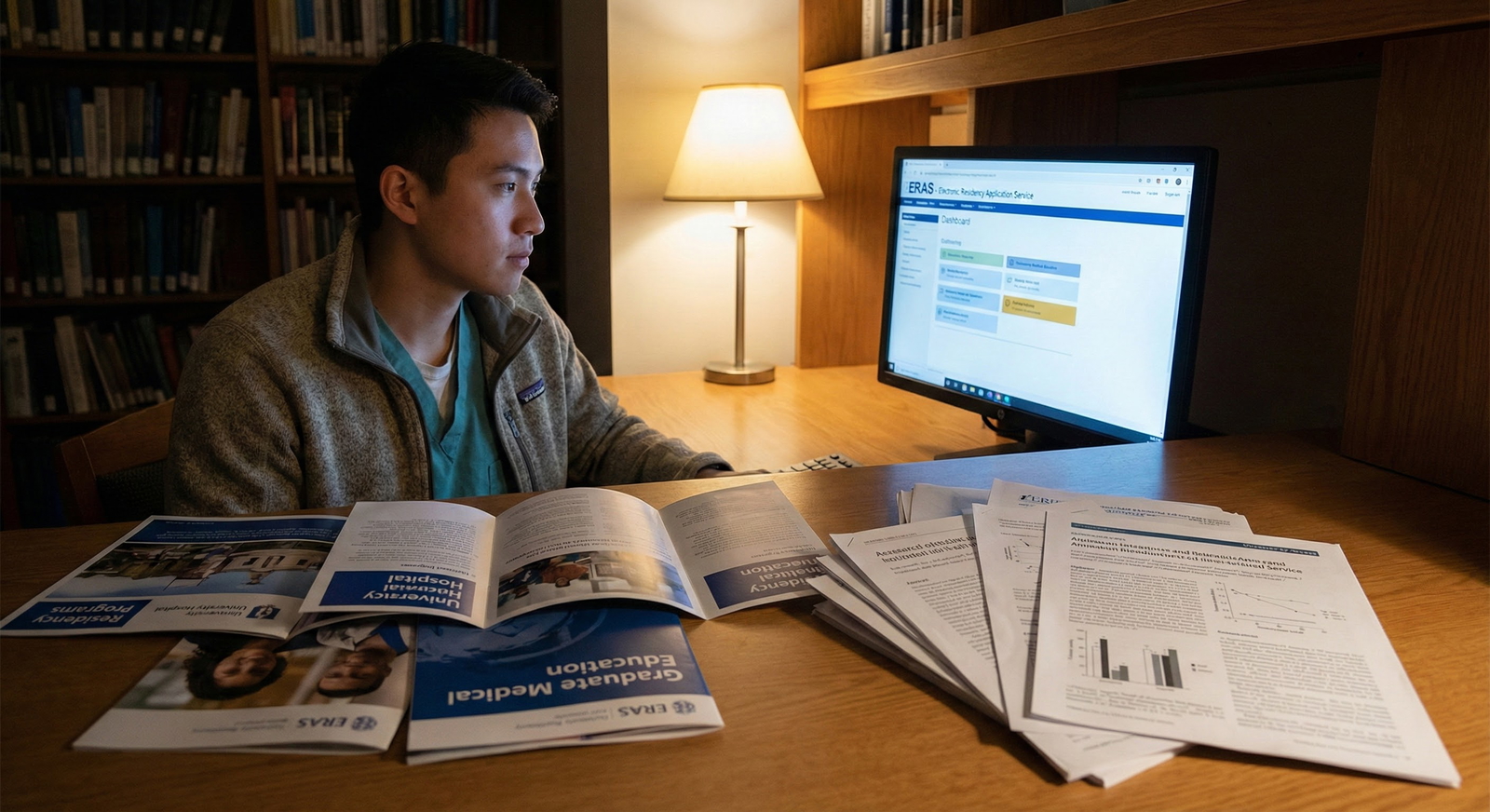
- How to frame your personal statement and ERAS activities
Actionable step: Write a one-paragraph “future bio” for yourself as if you are already a PGY-3 resident applying for an addiction medicine fellowship. Use it as your north star when choosing research projects.
2. Identify Feasible Research Opportunities (Home School and US-based)
As an American studying abroad, your options can feel limited, but there are multiple pathways to research in addiction medicine:
A. Opportunities at Your Home/Foreign Medical School
Even if your school has no formal addiction medicine department, you can:
Join broader psychiatry, internal medicine, or public health research
- Look for projects on depression, anxiety, chronic pain, HIV, or hepatitis C—these often intersect with substance use.
- Offer to help with data collection, literature reviews, or drafting sections of the manuscript.
Propose an addiction-related angle within existing projects
- Example: A study on emergency room utilization? Add a sub-analysis on presentations involving alcohol or drug use.
- A project on chronic pain? Propose a secondary analysis on opioid prescribing or misuse risk.
Start small, methodical projects
- Cross-sectional surveys on attitudes toward substance use among medical students
- Chart reviews of patients admitted for alcohol withdrawal or overdose
- Case series of patients with substance-induced psychosis
These may be easier to get approved and completed than large, multicenter trials.
B. US-Based Remote Research Collaborations
To strengthen your US-context exposure:
Email addiction medicine or psychiatry faculty in the US
- Focus on universities that:
- Have addiction medicine fellowships
- Run substance abuse training programs or clinics (e.g., methadone, buprenorphine, harm reduction services)
- Introduce yourself briefly: US citizen IMG, interest in addiction medicine, prior experience, and specific skills (e.g., literature searching, data cleaning, basic statistics, reference management tools).
- Focus on universities that:
Offer concrete help with remote-friendly tasks
- Systematic or scoping reviews
- Retrospective chart reviews (once IRB approval and secure access are arranged)
- Database or registry analysis with de-identified data
- Creating educational materials or patient handouts and evaluating them
Leverage existing contacts
- US clinical electives or observerships
- Alumni from your school in US residency programs
- Residents or fellows you meet at conferences
Actionable outreach template (shortened):
Dear Dr. [Name],
I am a US citizen IMG currently in my [X] year at [School] with a strong interest in addiction medicine. I am planning to pursue [specialty] residency in the US and ultimately an addiction medicine fellowship.
I have experience in [briefly: literature review, data entry, manuscript drafting, basic statistics, etc.]. I am very interested in contributing to ongoing projects in substance use, MAT, or related areas, especially those that can be done remotely.
If you have any current projects where an extra pair of hands would be helpful, I would be grateful for the chance to assist and learn from your team. I can commit approximately [X] hours per week over the next [Y] months.
Thank you for considering this request.
Sincerely,
[Name, credentials, contact info]
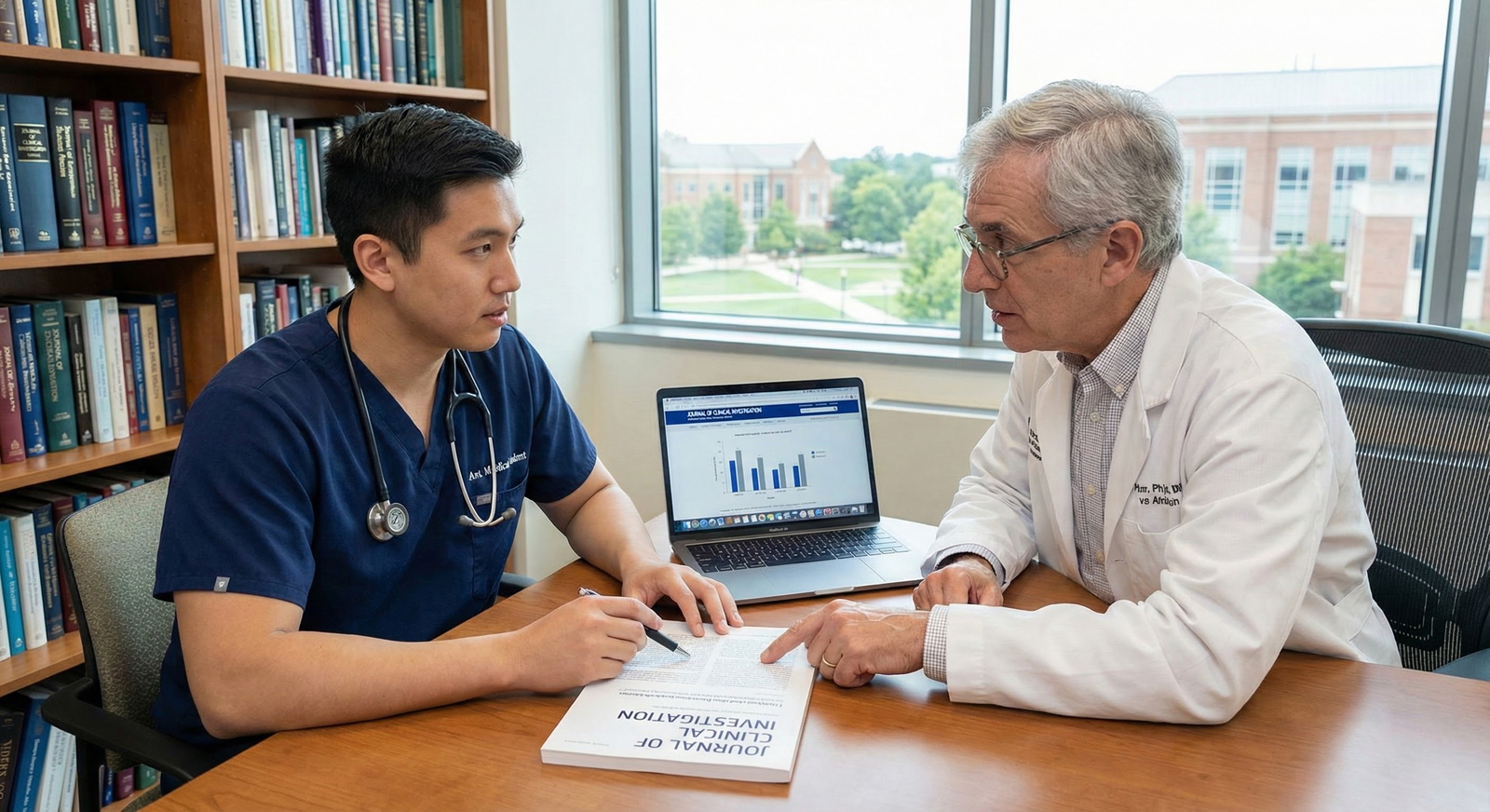
Aim to send several well-crafted, personalized emails; not every faculty member will respond, but you only need one or two good mentors.
3. Types of Projects That Work Well for IMGs in Addiction Medicine
To maximize both feasibility and impact, consider the following project types, tailored to addiction medicine and substance abuse training interests.
A. Narrative or Systematic Reviews
For a student abroad, reviews are often the most accessible entry point:
- Possible topics:
- Barriers to addiction treatment for migrants and refugees
- Telemedicine for substance use disorders
- Stigma toward patients with opioid use disorder among healthcare professionals
- Medication-assisted treatment (MAT) outcomes in different healthcare systems
- Co-occurring psychiatric disorders in patients with alcohol or opioid use disorder
Pros:
- Can be done entirely remotely
- Teaches you literature search methodology and critical appraisal
- Highly relevant to addiction medicine fellowship directors
Cons:
- Time-consuming
- Require organization and often guidance from an experienced mentor
B. Retrospective Chart Reviews
If you can obtain IRB approval through your foreign institution or a US collaborator:
- Examples:
- Characteristics and outcomes of patients admitted for alcohol withdrawal in a [your country] hospital
- ED visits for opioid overdose before and after a public policy change
- Profile of patients with dual diagnoses (substance use + psychosis) in a psychiatric unit
These can generate 1–2 posters and potentially a publication.
C. Quality Improvement (QI) Projects
Residency and addiction medicine fellowship programs look favorably on QI experience:
- Potential addiction-focused QI ideas:
- Improving screening for alcohol/drug use in outpatient clinics (e.g., implementing SBIRT – Screening, Brief Intervention, and Referral to Treatment)
- Increasing rates of documented counseling on alcohol use in internal medicine wards
- Standardizing withdrawal assessment protocols (e.g., CIWA for alcohol)
QI work can often be condensed into shorter time frames and is highly relevant to real-world practice.
D. Case Reports and Case Series
While lower on the evidence hierarchy, case reports can be practical stepping stones:
- Topics:
- Unusual presentations of substance-induced disorders
- Rare complications of chronic alcohol or stimulant use
- Complex cases of polysubstance use with psychiatric comorbidity
Case reports help you learn structure, referencing, and the submission process—skills you’ll apply to larger projects later.

4. Turning Research into a Coherent ERAS Story
It’s not enough to accumulate projects; you must weave them into a clear, compelling narrative on your CV, in ERAS, and in interviews.
A. Organizing Your CV and ERAS Experiences
Group your experiences to highlight addiction medicine:
- Research experiences
- List each project with: title, your role, mentor, setting, and brief description emphasizing addiction-relevant aspects.
- Publications and presentations
- Separate section for peer-reviewed publications, non-peer-reviewed works, posters, and talks.
- Clearly identify addiction-related items.
Add descriptive bullets such as:
- “Conducted literature review and data extraction for a systematic review on stigma toward patients with opioid use disorder.”
- “Led chart review evaluating outcomes of patients treated with buprenorphine in a community hospital.”
B. Framing in Your Personal Statement
Your personal statement is where you connect the dots:
- Describe why addiction medicine matters to you: personal background, clinical encounters, or public health perspective.
- Explain how research experiences deepened your understanding:
- “Through our study on alcohol withdrawal admissions, I recognized how gaps in standard care can lead to preventable morbidity…”
- Show that you see research as a tool for better clinical care, not just a checkbox for publications for match.
C. Talking About Research in Interviews
Programs will often ask: “Tell me about your research” or “What did you actually do on this project?”
Be ready to:
- Explain the question, methods, and findings of 1–2 key projects in clear, non-jargony language.
- Emphasize your concrete contributions: data collection, analysis, writing, IRB submissions.
- Reflect on what you learned about addiction medicine and how it shapes your goals (e.g., pursuing an addiction medicine fellowship, working in underserved communities, integrating MAT into primary care).
5. Balancing Research with Exams, USCE, and Applications
As a US citizen IMG, you must juggle:
- USMLE/COMLEX exams
- US clinical experience (USCE) or observerships
- Research
- Application logistics and timing
You cannot do everything at once. Prioritize strategically:
A. Early Medical School (Pre-clinical)
- Focus on:
- Strong exam performance and Step preparation
- Joining at least one research project early (even peripherally)
- Learning basic skills: literature search, referencing, data collection
B. Clinical Years
- Seek addiction-related experiences where possible:
- Rotations in psychiatry, internal medicine, emergency medicine with high substance use caseloads
- Electives focused on mental health or public health
- Continue or complete existing research projects; aim for at least one submission (abstract or manuscript).
C. Gap Year / Research Year (Optional but Valuable)
If your research portfolio feels thin, consider a:
- Dedicated research year in the US, ideally in a department with an addiction medicine fellowship or substance abuse training program.
- Benefits:
- More time for projects
- Stronger US letters of recommendation
- Immersion in US academic and clinical culture.
This is particularly helpful if:
- Your medical school has weak research infrastructure
- You are applying to research-heavy programs
- You are committed to an addiction medicine pathway and want to signal that seriousness

6. Common Pitfalls and How to Avoid Them
Pitfall 1: Chasing Too Many Projects with No Completion
Starting five projects and finishing none hurts more than it helps. Programs value follow-through.
Solution:
Commit deeply to 1–3 key projects and see them through to an abstract, poster, or paper.
Pitfall 2: Research Completely Unrelated to Addiction Medicine or Your Target Specialty
While any research is better than none, a portfolio of cardiovascular bench science plus dermatology case reports does little to signal passion for addiction medicine.
Solution:
Even if your current environment lacks addiction-focused projects, find ways to:
- Add a substance use or mental health angle
- Start a small parallel project in addiction if feasible
- At minimum, show that your research translates to addiction medicine (e.g., health disparities, chronic disease management, telehealth).
Pitfall 3: Misrepresenting Your Role
Claims of “primary author” or “designed the entire study” will be quickly exposed if you cannot discuss methods or results during interviews.
Solution:
Be honest and precise about your contribution. Depth of understanding is more impressive than inflated titles.
Pitfall 4: Neglecting Communication with Mentors
IMGs sometimes feel hesitant to follow up with busy US mentors, leading to stalled manuscripts.
Solution:
- Schedule regular, brief check-ins (every 2–4 weeks).
- Come prepared with an agenda and clear deliverables.
- Politely ask for clarification on next steps and timelines.
Frequently Asked Questions (FAQ)
1. As a US citizen IMG, do I absolutely need addiction-specific publications to match into residency?
Not absolutely, but they are highly beneficial if your long-term goal is an addiction medicine fellowship. For core residencies (psychiatry, internal medicine, family medicine), programs will accept broader research as long as it shows academic engagement. However, at least one project clearly tied to substance use, mental health, or public health helps signal authentic interest and is particularly valuable if you later apply for addiction medicine fellowships.
2. How many publications are needed to be competitive for an addiction-focused residency or future addiction medicine fellowship?
There is no fixed number. Many successful applicants have:
- 1–2 first- or co-first–author papers
- A few posters or presentations
For some programs, even one well-executed addiction-relevant project plus strong clinical performance and letters can be enough. Programs care more about quality, relevance, and your ability to discuss the work than hitting a specific publication count.
3. What counts as “research” on ERAS if my project isn’t published yet?
ERAS allows you to list:
- Ongoing research projects (with clear role and mentor)
- Submitted manuscripts or abstracts (label them as “submitted” or “in preparation” honestly)
- Quality improvement projects, even if the work remains internal
- Presentations at conferences or local academic days
Even if your project is not yet published, it still counts as research experience. The key is to describe it clearly, emphasize your role, and be prepared to discuss it.
4. I’m already late in my medical education. What can I realistically do now to strengthen my research profile before applying?
If you’re within 6–12 months of applying:
- Prioritize short, feasible projects:
- Case reports
- Secondary analyses of existing data sets
- Narrative reviews in collaboration with a mentor
- Aim for at least one abstract or poster submission to a relevant conference.
- Leverage existing work: If you collected data but never wrote the paper, reconnect with your mentor and push to finalize a manuscript.
- Consider a dedicated research or post-graduate year in a US setting if your application remains weak and you have flexibility in your timeline—this can significantly strengthen both your research portfolio and US-based mentorship.
Building a research profile as a US citizen IMG in addiction medicine is absolutely achievable with deliberate planning, focused effort, and strategic mentorship. By aligning your projects with a coherent addiction medicine narrative, prioritizing quality over quantity, and ensuring that your work translates into a clear story on ERAS and in interviews, you position yourself strongly for both residency and eventual addiction medicine fellowship opportunities.